
以新需求引领新供给

Search documents
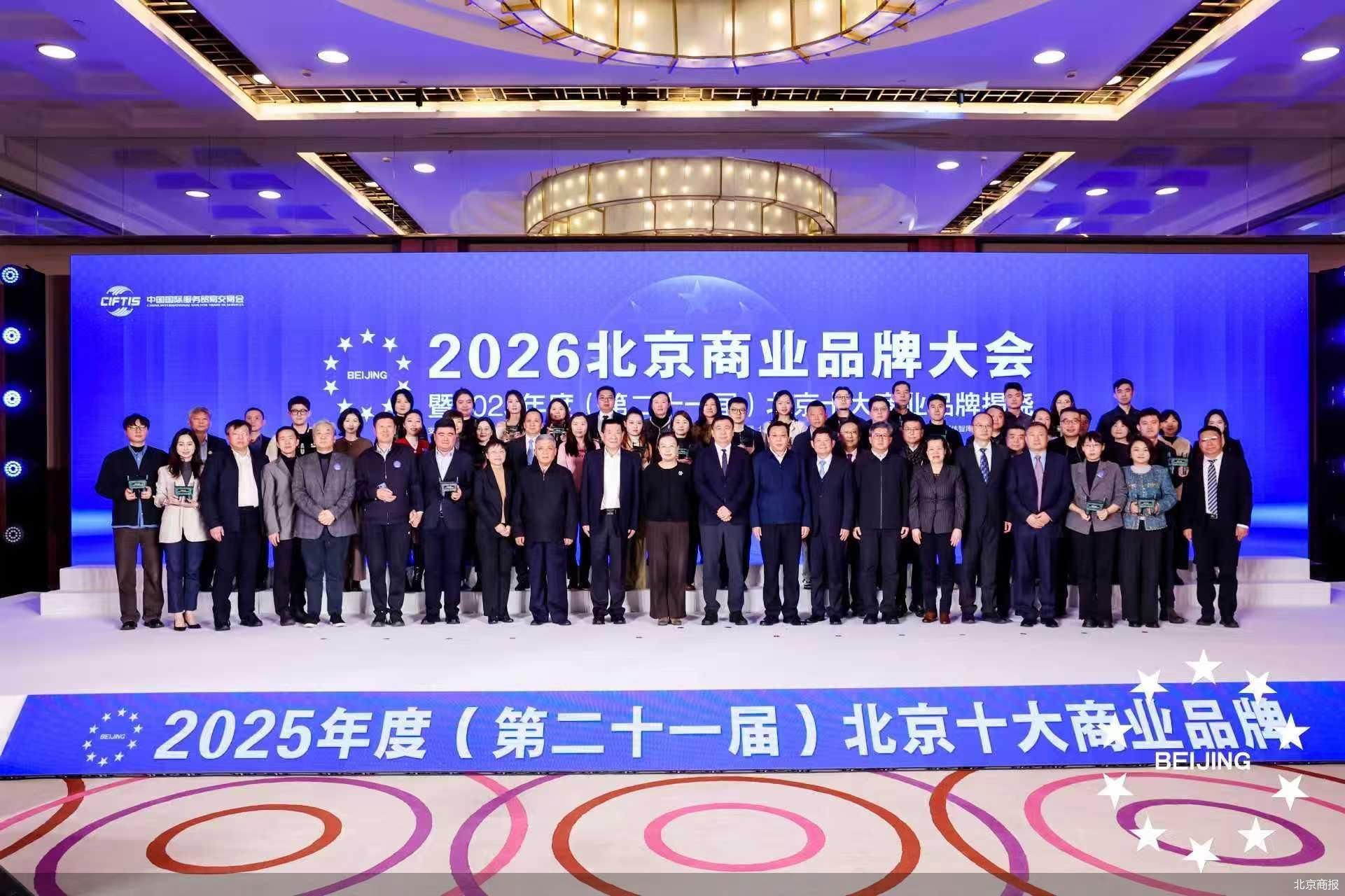
创新、跨界、融合 2025年度北京十大商业品牌揭晓
Bei Jing Shang Bao· 2026-01-16 09:38
Core Insights - The 2026 Beijing Commercial Brand Conference and the announcement of the "Top Ten Commercial Brands of Beijing 2025" took place, focusing on the theme of "New Demand, New Supply" [1] - The event highlighted the importance of quality, taste, and brand in driving high-quality development in Beijing's commercial landscape [3] Group 1: Brand Recognition - The "Top Ten Commercial Brands of Beijing 2025" includes brands such as Beijing Daoxiangcun, Beijing Huaten, Beijing SKP, and Xiaomi, representing various sectors like shopping centers, dining, and e-commerce [3] - These brands are recognized as leaders in their fields and are pivotal in promoting the continuous development of Beijing's commercial sector [3][4] Group 2: Market Trends and Innovations - The year 2025 is characterized by industry integration and cross-border innovation, with new special awards introduced to recognize outstanding practices in financial products, cultural tourism, and fashion consumption [7] - The focus has shifted from production capacity to understanding market needs and stimulating demand, opening new opportunities for brands [4] Group 3: Service and Innovation - Four permanent sub-lists were established to recognize excellence in service quality, business model innovation, craftsmanship, and emerging brands, encouraging self-innovation and meeting diverse consumer needs [6] - The event also emphasized the rapid growth of the fashion and trendy play market in Beijing, with initiatives to promote these brands and enhance consumer experiences [8] Group 4: Future Directions - A new platform for cross-industry collaboration was launched, aimed at integrating various sectors such as culture, commerce, tourism, and sports, enhancing resource sharing and market cooperation [8] - The "Top Ten Commercial Brands" initiative has evolved over 20 years, reflecting the growth of numerous brands and the dynamic development of the commercial ecosystem in Beijing [8]






从“住一晚”到“住一周”
Xin Lang Cai Jing· 2026-01-14 19:41
Core Insights - The article emphasizes the importance of leveraging new demand to drive new supply, creating a positive interaction between consumption and investment, as highlighted by the 20th Central Committee of the Communist Party of China [1] Group 1: Industry Development - Chengdu's Dujiangyan City is enhancing its homestay industry by transforming from single accommodation to a multi-dimensional consumer experience, attracting both domestic and international tourists [1] - The local government has implemented guidelines for the development of homestays and rural tourism, resulting in the addition of over 180 boutique homestays, bringing the total to more than 700 [1] - The homestay "Hegu Mountain Residence" integrates traditional culture and healing themes, aiming to stand out in a saturated market by offering unique experiences [1] Group 2: Consumer Experience - Boutique homestays are focusing on providing diverse experiences and emotional value, which has led to higher occupancy rates, even during off-peak seasons [1] - Guests at "Hegu Mountain Residence" can participate in various activities such as Qigong, yoga, and meditation, enhancing their connection with nature and traditional culture [1] - The customer profile for boutique homestays is shifting towards individuals from first-tier cities with greater financial freedom and less price sensitivity, often seeking deeper cultural experiences [1]
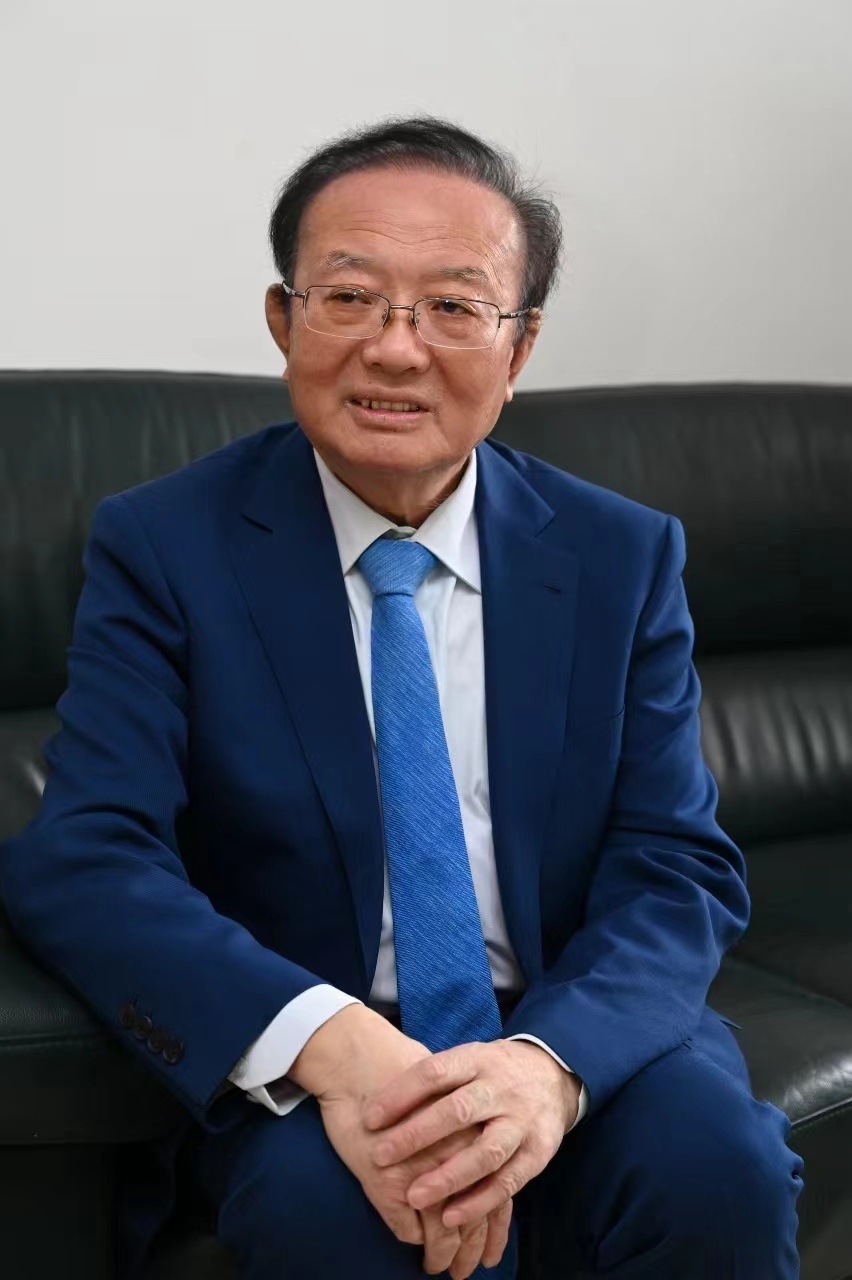
魏建国在北京日报撰文
Sou Hu Cai Jing· 2025-12-23 01:31
Group 1 - The core argument of the article emphasizes that in the next five years, consumption will act as the "main engine" and "ballast" for economic growth, investment will serve as an "incubator" and "accelerator," and exports will function as a "stabilizer" [1][20] - The upcoming economic work will focus on eight key tasks, with the first being to "insist on demand-led growth and build a strong domestic market," which includes actions to boost consumption and expand the supply of quality goods and services [4] - The "14th Five-Year Plan" suggests that improving the resident consumption rate is a primary goal, indicating that a strong domestic market is a strategic foundation for modernization [4] Group 2 - To address the low resident consumption rate, solutions should be sought from both the income and supply sides, including expanding the middle-income group and increasing public service spending [10] - The article highlights the need to increase the proportion of new consumption types, focusing on enhancing people's living standards and meeting their demands for a better life [10][12] - It is essential to implement national policies effectively, such as trade-in programs and establishing a unified national market, to facilitate the free and efficient flow of various factors [12] Group 3 - The article discusses the shift from a supply-driven to a demand-driven economy, indicating that consumer sovereignty will replace producer sovereignty in the future [14] - The "15th Five-Year Plan" emphasizes that consumption will increasingly solidify its role as the main driver of economic growth, with a projected contribution rate to GDP growth exceeding 60% [16] - Investment will transition from being a short-term stimulus to a crucial tool for promoting long-term strategic and high-quality development [17][18] Group 4 - Exports are expected to maintain their role as a stabilizer, supported by China's comprehensive industrial system, despite potential fluctuations in contribution rates [20] - The next phase of economic growth and competitiveness will largely stem from the upgrading and internationalization of the service industry [21] - The focus on expanding market access in the service sector indicates a shift towards proactive participation in international standards and rules, particularly in modern service industries [23]

魏建国:中国经济下一步的增长红利是服务业升级和国际化,要扩大新型消费比重
Mei Ri Jing Ji Xin Wen· 2025-11-17 14:19
Core Points - The "15th Five-Year Plan" emphasizes significantly increasing the resident consumption rate as a primary goal, focusing on expanding domestic demand and promoting consumption [1] - The plan proposes a combination of investments in goods and people, increasing public service spending, and removing unreasonable restrictions on consumption in sectors like housing and automobiles [1][4] Economic Growth Targets - The reasonable economic growth rate for China during the "15th Five-Year Plan" is projected to be between 4.5% and 5.5%, considering the large economic base and potential growth rate [4][5] - The plan aims to align with the long-term goal of achieving a per capita GDP comparable to that of moderately developed countries by 2035 [4] Resident Consumption Rate - To address the low resident consumption rate, strategies should focus on expanding the middle-income group and increasing public service spending to enhance consumer confidence [5][6] - New consumption patterns should prioritize human-centered consumption, with a focus on sectors like the silver economy, infant products, and women's economy [6] Role of Real Estate - The real estate market is expected to experience slight growth over the next five years, with its stability being crucial for consumer confidence and financial system stability [7][8] - The removal of unreasonable restrictions on housing and automobiles is aimed at releasing suppressed consumer demand, which is vital for economic growth [7] Consumption, Investment, and Export Dynamics - Consumption is projected to play a dual role as both a "ballast" and a "main engine" for economic growth, with expectations that it will contribute over 60% to GDP growth [12] - Investment will serve as an "incubator" and "accelerator," focusing on optimizing economic structure and transitioning to high-quality development [13] - Exports will act as a "stabilizer," maintaining their importance despite potential fluctuations, supported by China's comprehensive industrial system [12][13] Service Industry Development - The shift in focus towards expanding the service sector reflects a strategic change, with the service industry expected to drive future economic growth and competitiveness [19][20] - The growing middle-income group and the increasing share of services in GDP highlight the need for improved service quality and international engagement in service management [20]
读懂“十五五”规划建议,为什么要特别注意“投资于人”
Sou Hu Cai Jing· 2025-11-07 00:12
Group 1 - The core focus of the article is on the strategic shifts in China's economic planning, particularly the emphasis on building a modern industrial system and enhancing domestic demand as part of the "15th Five-Year Plan" [2][4] - The article highlights the importance of a complete industrial system in fostering technological innovation, contrasting it with the challenges faced by the U.S. in translating research into production [3] - There is a notable shift in the planning approach, with a greater emphasis on stimulating demand through consumption, investment, government spending, and exports, which are referred to as the "four engines of the economy" [4] Group 2 - The article discusses the significance of investing in human capital, particularly in education and health, as essential components for economic growth [5] - It notes a changing perspective among parents regarding education, with a growing preference for children's well-being over traditional skill acquisition [5] - The article mentions the diversification of investment channels, highlighting the strong performance of the A-share market and the influx of capital from Hong Kong, indicating a shift in investor sentiment towards Chinese markets [6][7]

民生证券首席经济学家陶川:四中全会背后的5个新亮点
Zheng Quan Ri Bao Wang· 2025-10-24 13:36
Core Points - The Fourth Plenary Session of the 20th Central Committee of the Communist Party of China will be held from October 20 to 23, 2025, in Beijing, focusing on the formulation of the 15th Five-Year Plan for national economic and social development [1] - The meeting is significant as it sets the stage for a new five-year journey amid increasing uncertainties and aims to achieve the goal of basically realizing socialist modernization by 2035 [1] Group 1 - The economic growth targets in the 15th Five-Year Plan are expected to be more clearly defined compared to the 14th Five-Year Plan, with a focus on anchoring the current potential growth rate and setting specific economic growth expectations for the next five years [1] - The emphasis on "daring to struggle and being good at fighting" highlights the need to create favorable conditions for economic development in a complex and uncertain environment, addressing both external competition and internal reform obstacles [2] - The 15th Five-Year Plan places new productive forces at a more central strategic position, aiming to strengthen China's leadership in global high-tech fields and focusing on future industrial development, including the goal of becoming a "space power" [2] Group 2 - The plan aims to boost consumption by exploring new supply and demand strategies, with a focus on improving the consumption environment and innovating consumption scenarios in areas such as domestic products, sports events, cultural tourism, and the silver economy [2] - Ensuring the successful completion of the growth targets set in the 14th Five-Year Plan is a current priority, with a gradual easing of policies expected in the fourth quarter to achieve the annual economic growth target of around 5%, requiring a GDP growth of approximately 4.5% in the fourth quarter [3] - The focus will be on implementing existing measures, with additional tools likely reserved for deployment next year, reflecting a pragmatic approach to transition from past to future planning [3]
四中全会的四大看点:科技自立自强、提振消费、国防安全、新型能源
Huaxin Securities· 2025-10-23 15:40
Economic Goals - No specific economic growth targets set for the next five years, aiming for a per capita GDP of around $22,000 by 2035, with an annual growth rate of approximately 4.5% over the next decade[2][19] - Emphasis on completing this year's economic goals firmly[2][19] Development Focus - High-quality development prioritized, with the removal of "new achievements in economic development" from main objectives[3][19] - Shift from "Digital China" to "Aerospace Power," highlighting opportunities in the aerospace sector[3][19] Technological Independence - Focus on "self-reliance in technology," indicating a shift towards a new round of technological revolution, emphasizing core technology breakthroughs and integration of innovation[4][20] - This approach supports domestic substitution and self-control, addressing complex external trade situations[4][20] Consumer and Living Standards - First-time inclusion of "improving people's quality of life" as a primary goal, indicating a shift towards "investment in people" rather than infrastructure[5][20] - Strong emphasis on boosting consumption and exploring new consumption patterns and scenarios[5][20] National Security and Defense - Increased focus on national security and modernization of defense, with mentions of complex geopolitical risks and the need for military readiness[6][10][20] - New phrasing regarding "struggling, preparing, and building" reflects a proactive stance on defense[10][20] Real Estate Development - Real estate mentioned only once, framed within high-quality development, focusing on risk mitigation and improving housing supply systems[11][20] New Energy Systems - Transition from "green development" to "green transformation," with attention to energy consumption targets per unit of GDP and a diversified energy supply system[12][21]