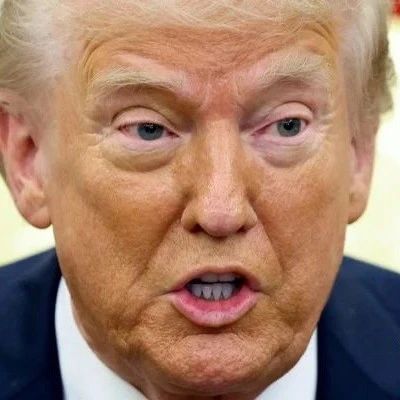
公平交易

Search documents
应拆掉“诗和远方”的年龄门槛
Jing Ji Ri Bao· 2026-01-23 06:30
Group 1 - The primary obstacle for elderly individuals in tourism is the "age threshold," which has become a significant barrier to their travel experiences [1] - Travel agencies are implementing differentiated restrictions for elderly travelers, such as refusing high-age tourists, requiring family accompaniment, signing liability waivers, and providing health certificates, which has become a norm in the elderly tourism industry [1] - The practice of using age as a hard criterion for risk management may lead to consumer discrimination against the elderly, violating the principles of fair trade in the market [1] Group 2 - The government has emphasized the need to replace age constraints with health status assessments, as outlined in the State Council's opinions on developing the silver economy and enhancing the well-being of the elderly [2] - Travel companies are encouraged to develop refined and diversified products tailored to the needs of the elderly, focusing on areas such as health care, cultural experiences, and photography [2] - Financial innovation is essential to support the elderly tourism market, including the development of suitable insurance products that provide adequate coverage at reasonable prices [2]
从通信营销电话乱象到快递计重“向上取整”,这些民生问题解决得如何?
Xin Hua She· 2025-12-30 09:13
Group 1: Communication Marketing Issues - The article discusses the improvement in the regulation of marketing practices by telecom operators, following reports of misleading marketing and hidden charges [4][5] - The three major telecom operators have implemented measures to standardize marketing practices, including the use of official calling numbers and transparent communication of service details [5] - Complaints related to marketing practices have decreased, with a reported 10.1% of telecom user complaints in Q3 being marketing-related, down 1.3 percentage points from Q1 [5] Group 2: Vehicle Inspection Regulations - The article highlights the collaboration between different regions to address issues of cross-province vehicle inspections, where vehicles failing inspections in one province could pass in another [6][7] - Following the report, local authorities conducted investigations and implemented stricter regulations on vehicle inspection agencies, leading to penalties and operational suspensions for non-compliant entities [6] - New guidelines have been introduced to enhance the regulatory framework for vehicle emissions testing, emphasizing the need for inter-agency cooperation and the use of technology in monitoring [7][8] Group 3: Express Delivery Weight Measurement - The article addresses the issue of express delivery companies charging based on rounded-up weights, with reports of packages weighing 2.1 kg being charged as 3 kg [9][10] - The State Post Bureau has initiated a review of weight measurement practices, leading to some companies adjusting their pricing rules to comply with national standards [9] - Despite improvements, some companies still engage in rounding up weights, indicating a need for stricter enforcement of the new regulations [9][10] Group 4: Natural Cave Protection - The article reports on the restoration efforts for natural caves that have been damaged, highlighting local government actions to clean up and protect these environments [11][12] - Measures include the construction of protective barriers and regular monitoring to prevent further damage, as well as the establishment of a long-term protection mechanism for cave resources [11] - Experts suggest the need for comprehensive legal frameworks and the use of technology to enhance cave protection efforts [12] Group 5: Online Live Streaming Regulations - The article discusses the regulatory actions taken to address issues in the group broadcasting sector of online live streaming, including the removal of low-quality content and the establishment of stricter guidelines [13][14] - Platforms have been encouraged to implement a governance model that combines technology and user feedback to improve content quality and protect user interests [14] - Despite improvements, challenges remain regarding the working conditions of streamers, indicating a need for ongoing attention to labor rights in the industry [15]
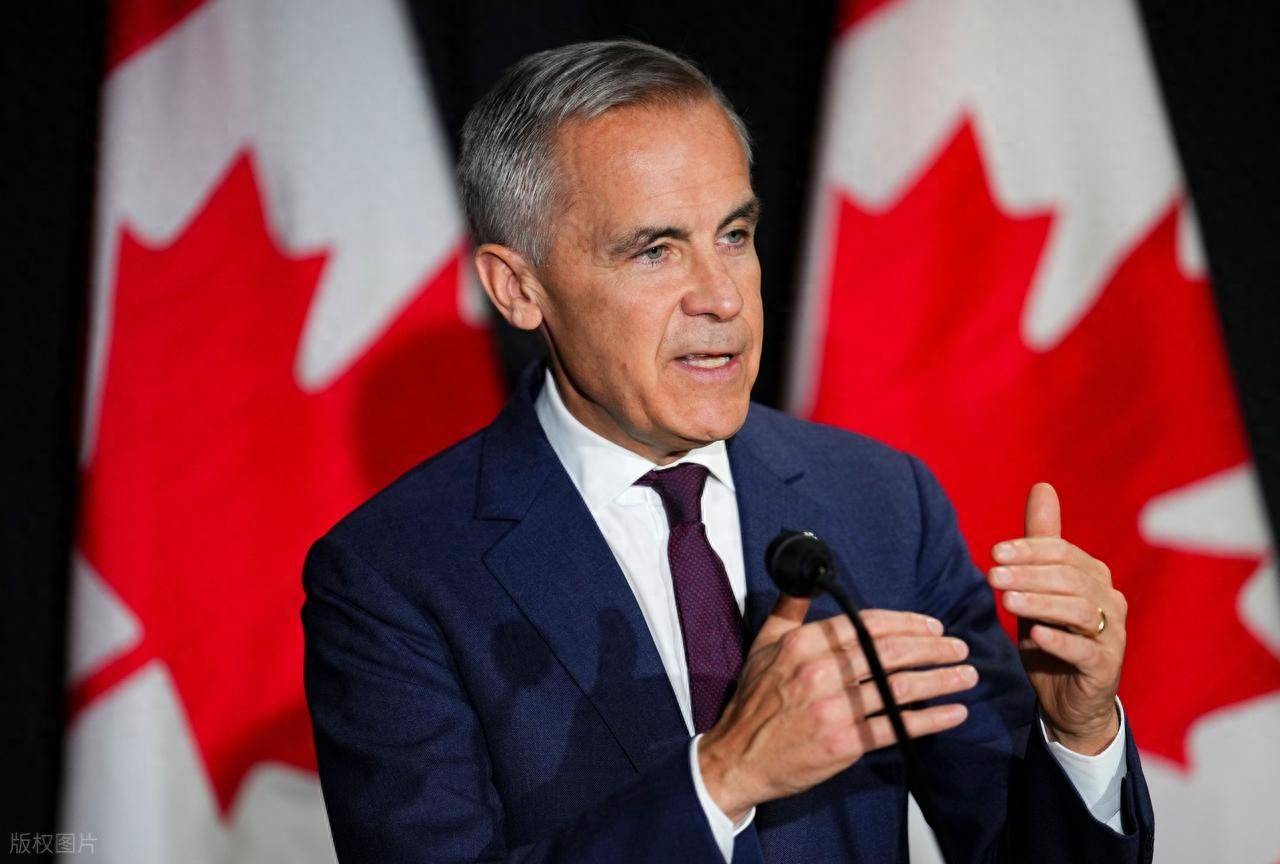
卡尼误判了,川普的三记重拳,让加拿大大祸临头,后悔也已经晚了
Sou Hu Cai Jing· 2025-12-29 09:04
Core Viewpoint - Canada is facing significant economic challenges due to the policies of the Trump administration, which have severely impacted trade relations between the U.S. and Canada, particularly in the automotive and oil industries, as well as in key sectors like aerospace and technology [1][3]. Group 1: Impact on Automotive Industry - The Trump administration imposed a 15% tariff on automotive parts exported from Canada to the U.S., citing "national security," which has severely affected Ontario's automotive production and related industries, leading to significant job losses and a nearly 30% reduction in automotive exports [5]. Group 2: Impact on Oil Industry - Canada has suffered over 6 billion CAD in direct losses annually due to the Trump administration's demand to lower oil pricing to 80% of Texas prices, which is perceived as exploitation under the guise of fair trade [6]. Group 3: Broader Economic Implications - The U.S. has restricted foreign capital in critical sectors, including aerospace, finance, and high technology, while unilaterally declaring Canada's Northwest Passage as an "international waterway," infringing on Canadian sovereignty [8]. - The Canadian government, under Mark Carney, initially aimed to align with the U.S. against China but has realized that the U.S. views Canada as a subordinate rather than an ally, leading to a reassessment of its foreign policy [9]. Group 4: Challenges in China Relations - Efforts to mend relations with China have been complicated by past grievances, including the Huawei incident and scrutiny of Chinese investments, which have damaged trust between the two nations [11]. - China has imposed a 75.8% deposit on Canadian canola, significantly affecting farmers in Saskatchewan and disrupting a major export channel for Canadian agricultural products [13]. Group 5: Structural Vulnerabilities - Over 70% of Canada's exports depend on the U.S., making the economy vulnerable to external shocks, particularly as the pandemic has highlighted weaknesses in supply chains [15]. - The Canadian government is attempting to implement a 65 billion CAD export support plan and other measures to attract foreign investment, but these efforts reveal a deep-seated anxiety about dependency on the U.S. [19]. Group 6: Future Outlook - As the 2026 USMCA agreement review approaches, Canada is taking steps to limit unconditional access to key resources for the U.S., recognizing the exploitative nature of the relationship [19]. - Despite having critical resources like lithium and cobalt, uncertainty in policy and unclear attitudes are causing investors to hesitate, while the U.S. continues to assert its dominance in the region [19].

马克龙刚回法国,就喊话中国必须拉欧洲一把,不然就加关税?
Sou Hu Cai Jing· 2025-12-10 04:43
Group 1 - Macron's recent visit to China aimed to foster cooperation, particularly in technology and investment, highlighting a desire for China to assist Europe amid economic challenges [1][3] - The French President's call for Chinese support comes after a significant business delegation accompanied him, indicating a push for agreements in sectors like aerospace, nuclear energy, and agricultural exports [1][5] - Despite signing deals worth approximately $20 billion, including an order for 160 aircraft, there are concerns about the feasibility of Chinese investments in Europe due to potential market access issues and security reviews [5][7] Group 2 - Europe's industrial landscape is under pressure from low energy prices and competition from the US and China, prompting a need for stronger ties with China [3][5] - Macron's approach of requesting assistance while hinting at potential tariffs if China does not respond may be perceived as contradictory and could hinder genuine cooperation [8][10] - For successful investment from China into Europe, a fair and mutually beneficial trading environment is essential, as well as addressing structural issues within the European industrial sector [10]

周晨静:航司锁座收费,公共属性是底线
Huan Qiu Wang· 2025-09-29 23:05
Core Viewpoint - The practice of airlines locking premium economy seats and charging "seat selection fees" under the guise of "additional services" has sparked public debate, raising concerns about transparency and consumer rights [1][2]. Group 1: Airline Practices - Airlines are locking seats for safety reasons and to balance cabin weight, which is generally accepted by passengers [1]. - However, when the practice of locking seats exceeds safety needs and becomes a means of disguised charging, its rationality is called into question [1]. - The current controversy centers on airlines dynamically adjusting locked seat ratios and obscuring fee standards, which undermines the clarity required by regulations [1][2]. Group 2: Consumer Sentiment - Consumers are naturally wary of hidden fees and have clear expectations regarding service quality, leading to disappointment when basic service contracts are perceived as violated [2]. - The dissatisfaction with "seat selection fees" stems not only from increased costs but also from a breach of trust in the fundamental service agreement [2]. Group 3: Industry Implications - The normalization of "seat locking" as an industry practice threatens the foundational trust necessary for long-term development in the aviation sector [2]. - Some airlines are even including public service seats, such as emergency exit and mother-child seats, in the charging system, which contradicts regulations prioritizing special passenger protections [2]. Group 4: Regulatory Recommendations - It is essential to establish hard limits on the proportion of locked seats to prevent widespread locking practices [2]. - There should be transparency in fee standards to ensure passengers are fully informed before purchasing tickets [2]. - Protection of special seat resources must be enforced, prohibiting the commercialization of seats related to public interest [2]. Group 5: Broader Context - The discussion surrounding seat selection fees reflects a broader societal dialogue about maintaining fairness in commercial transactions, particularly in public service sectors [3]. - Airlines must balance economic benefits with social responsibilities, ensuring that innovations do not compromise public service integrity [3]. - A combination of improved legal regulations, technological empowerment, and innovative oversight is necessary to create a market environment that encourages innovation while ensuring fairness [3].
睿远成长价值混合A,睿远成长价值混合C: 睿远成长价值混合型证券投资基金2025年第2季度报告
Zheng Quan Zhi Xing· 2025-07-17 03:15
Core Viewpoint - The report provides an overview of the performance and investment strategy of the Ruiyuan Growth Value Mixed Securities Investment Fund, highlighting its focus on value investment in growth-oriented companies while maintaining a high level of asset allocation in equities. Fund Overview - Fund Name: Ruiyuan Growth Value Mixed Fund - Fund Manager: Ruiyuan Fund Management Co., Ltd. - Fund Custodian: China Merchants Bank Co., Ltd. - Total Fund Shares at Period End: 14,443,991,288.58 shares [1] - Investment Objective: To achieve long-term, sustainable, and stable excess returns through in-depth research and analysis of listed companies [1]. Financial Indicators and Fund Performance - Ruiyuan Growth Value Mixed A Fund Net Value Growth Rate: 5.80% for the past three months, 8.39% for the past six months, and 17.21% for the past year [3][8]. - Ruiyuan Growth Value Mixed C Fund Net Value Growth Rate: 5.70% for the past three months, 8.18% for the past six months, and 16.73% for the past year [2][8]. - The fund's performance benchmark is a composite of 60% CSI 800 Index, 20% CSI Hong Kong Stock Connect Composite Index, and 20% Shanghai Government Bond Index [1]. Investment Strategy - The fund employs a strategy of selecting stocks from companies with growth potential while controlling risks [1]. - The fund's asset allocation strategy is adjusted based on macroeconomic trends, market conditions, and industry cycles [1]. - The fund maintains a high equity allocation, with over 92% of assets in stocks during the reporting period [7]. Portfolio Composition - Total Value of Stock Assets: 17,202,390,429.11 RMB, accounting for 91.48% of total fund assets [5]. - Total Value of Bond Assets: 924,048,980.83 RMB, accounting for 4.91% of total fund assets [5]. - The fund has significant investments in sectors such as electronics, internet technology, precision manufacturing, and pharmaceuticals [7]. Market Context - The report discusses the impact of U.S.-China trade negotiations on the market, noting fluctuations in tariffs and their effects on global markets [6]. - It highlights the resilience of domestic exports despite challenges and anticipates a potential decline in exports due to demand and inventory factors [6]. - The report also mentions the acceleration of special bond issuance and infrastructure investment as potential drivers for economic growth in the second half of the year [7].

新疆乌苏市市场监管局做好计量器具“体检”严把番茄收购“计量关”
Zhong Guo Shi Pin Wang· 2025-07-02 08:35
Group 1 - The tomato harvesting and purchasing season is approaching in Urumqi, Xinjiang, prompting the local market supervision bureau to enhance measurement tool inspections to ensure accurate and reliable measurements during the purchasing period [1][2] - The Urumqi market supervision bureau has conducted mandatory inspections of measurement tools at various tomato purchasing companies, including electronic scales and balances, to improve measurement assurance capabilities and service levels [1][2] - The inspection of measurement tools is crucial as inaccuracies can lead to significant losses for both farmers and purchasing companies, with potential discrepancies affecting hundreds of kilograms of tomatoes [1] Group 2 - A local tomato grower has signed a contract for 1,800 acres of tomatoes with a purchasing company, benefiting from favorable policies and comprehensive services provided by the company [2] - The Urumqi market supervision bureau has inspected 28 measurement tools with a 100% pass rate, demonstrating its commitment to ensuring fair transactions and protecting farmers' rights [2] - The bureau plans to continue its measurement supervision and enforcement efforts to protect farmers' legal rights and prevent measurement violations [3]
为平台收费立规矩 推动平台与经营者共同繁荣
Mei Ri Jing Ji Xin Wen· 2025-05-27 13:50
Core Viewpoint - The recently released "Guidelines for Compliance with Charging Behavior of Online Trading Platforms" aims to establish fair trading practices between platforms and operators by clarifying the relationship between fees and services provided [1][2][3] Group 1: Key Regulations - Platforms are prohibited from abusing their rule-making authority to impose unreasonable charges, ensuring that fee structures are clear and understandable, with strict limitations on deposit collections [1] - The guidelines require platforms to solicit feedback from operators when modifying fee-related agreements, promoting a more balanced negotiation of interests [2] - Platforms must not engage in discriminatory pricing based on information asymmetry, ensuring that all operators are treated equally under the same trading conditions [2] Group 2: Fair Trading Principles - Platforms are not allowed to force operators into transactions by linking traffic distribution to participation in promotional activities, emphasizing voluntary participation [3] - The guidelines aim to foster a stable charging environment that enhances operator confidence and encourages long-term business development, ultimately benefiting both platforms and operators [3]
欧盟贸易专员:欧盟不会感到软弱,也不会受到不正当的压力而接受与美国的不公平交易。
news flash· 2025-05-06 09:51
Core Viewpoint - The European Union (EU) Trade Commissioner asserts that the EU will not feel weak or succumb to unfair pressure to accept inequitable trade agreements with the United States [1] Group 1 - The EU is committed to maintaining its stance against unfair trade practices [1] - The statement reflects the EU's determination to protect its trade interests and negotiate on equal terms [1] - The EU aims to ensure that any trade agreements with the US are fair and balanced [1]
特朗普呼吁中国谈判,称要“公平交易”
日经中文网· 2025-04-24 02:50
Group 1 - The core viewpoint of the articles indicates that the Trump administration is showing a willingness to negotiate with China regarding tariffs, suggesting a potential reduction from the current 145% [1][2] - Trump expressed optimism about reaching a fair trade agreement with China within the next 2 to 3 weeks, indicating a proactive approach to negotiations [1] - The U.S. Treasury Secretary, Mnuchin, stated that discussions with China have not yet begun and emphasized the need for a structured negotiation mechanism [2] Group 2 - There are indications that the U.S. government may consider reducing tariffs to a range of 50-65%, although this has been denied by Mnuchin [2] - Mnuchin highlighted that high tariffs are unsustainable and that a trade halt between the U.S. and China does not benefit either party [2] - The U.S. administration is cautious about making unilateral concessions, insisting that China must first adjust its tariffs and non-tariff barriers [1][2]