
前瞻性指引

Search documents
韩国央行推出新的前瞻性指引,效仿美联储的点阵图。
Sou Hu Cai Jing· 2026-02-26 01:03
Group 1 - The Bank of Korea has introduced a new forward guidance framework, similar to the Federal Reserve's dot plot [1] - This new guidance aims to enhance transparency and predictability regarding future monetary policy decisions [1] - The move reflects a broader trend among central banks to adopt more communicative strategies in monetary policy [1]
未知机构:沃什有望成为一位有效且深思熟虑的美联储主席凯文沃什KevinWar-20260203
未知机构· 2026-02-03 02:15
Summary of Key Points from the Conference Call Company/Industry Involved - The discussion revolves around the Federal Reserve and the nomination of Kevin Warsh as the next Chairman of the Federal Reserve [1][2]. Core Insights and Arguments - Kevin Warsh has been nominated by Trump and has extensive experience in policy-making and market dynamics, having served as a Federal Reserve Governor from 2006 to 2011 during the global financial crisis [1]. - Warsh advocates for the reduction of the Federal Reserve's balance sheet size and duration, criticizing its current size and asset composition [2]. - He proposes a new "Treasury-Fed accord" to coordinate efforts between the Treasury, Fannie Mae, and Freddie Mac to normalize the balance sheet [2]. - Warsh is likely to support at least two rate cuts of 25 basis points each in 2026, aiming to lower the federal funds rate to a range of 3%–3.25% [3]. - He may even push for a third cut to bring the rate down to 2.75%–3%, aligning closely with the FOMC's current estimate of the neutral rate [3]. - Warsh is critical of the Fed's reliance on lagging data and believes the pace of rate cuts has been too slow [3]. - He intends to significantly reduce forward guidance, favoring a more traditional communication style, contrasting with the current approach seen during Powell, Yellen, and Bernanke's tenures [3]. Other Important but Possibly Overlooked Content - Warsh's approach may lead to increased market volatility as investors adjust to a shift away from the current "open-ended" communication style [3]. - He remains vigilant about long-term inflation expectations, indicating that if they significantly exceed the 2% target, he may pause further easing [3].
美联储下一任主席生变!沃什的政策主张:降息+缩表
华尔街见闻· 2025-12-16 04:49
Core Viewpoint - The article discusses the potential candidacy of Kevin Warsh for the position of Federal Reserve Chairman, highlighting the shift in market sentiment and the implications of his policy proposals, particularly the combination of interest rate cuts and balance sheet reduction [1][2][3]. Group 1: Candidate Dynamics - Kevin Hassett, initially seen as a frontrunner for the Federal Reserve Chairman position, faces resistance from Trump's allies, leading to a decline in his market odds from over 80% to 51% [2]. - Kevin Warsh's odds have significantly increased from approximately 11% to 44% following Trump's endorsement [2]. Group 2: Policy Proposals - Deutsche Bank's analysis indicates that if Warsh is elected, he would advocate for a unique policy approach of "simultaneous rate cuts and balance sheet reduction" [3][4]. - The feasibility of this approach hinges on regulatory reforms that would lower banks' reserve requirements, which is currently uncertain [4]. Group 3: Warsh's Background and Critique of Fed Policies - Warsh, a lawyer with extensive experience in both public and private sectors, served as a Federal Reserve Governor from 2006 to 2011 during the global financial crisis [6][7]. - He has been a vocal critic of the Fed's aggressive balance sheet policies over the past 15 years, arguing that quantitative easing (QE) has deviated from the central bank's core responsibilities [8][12]. Group 4: Recent Policy Outlook - Despite advocating for lower interest rates, Deutsche Bank suggests that Warsh is not structurally dovish, having previously held more hawkish views during his tenure at the Fed [22][23]. - Warsh's recent statements indicate a potential support for lowering policy rates, but this may come at the cost of reducing the Fed's balance sheet size, contingent on regulatory reforms [24][25]. Group 5: Market Implications - The article emphasizes that regardless of who is chosen as the next Fed Chairman, the market will likely test the new leader's independence and credibility in achieving inflation targets [26]. - Investors should prepare for a gradual policy adjustment process rather than an immediate shift in Fed policy following the new Chairman's appointment [28].

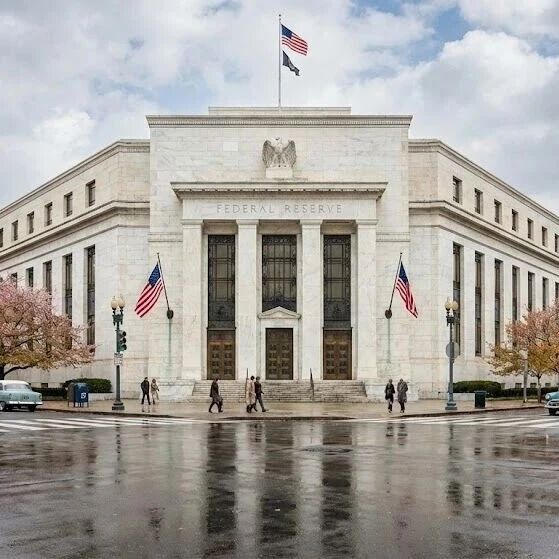
美联储下一任主席生变!沃什的政策主张:降息+缩表
美股IPO· 2025-12-16 03:52
Core Viewpoint - The article discusses the potential implications of Kevin Warsh's candidacy for the Federal Reserve Chair, highlighting his unique policy stance of "parallel rate cuts and balance sheet reduction" and the challenges this poses in the current regulatory environment [1][6][22]. Group 1: Warsh's Candidacy and Policy Stance - Warsh is seen as a leading candidate for the Federal Reserve Chair, alongside Kevin Hassett, amid concerns about Hassett's close ties to President Trump [3][5]. - Deutsche Bank analyzes that if Warsh is elected, he would support interest rate cuts while also advocating for a reduction in the balance sheet [6][22]. - The feasibility of implementing "parallel rate cuts and balance sheet reduction" hinges on regulatory reforms that lower banks' reserve requirements, which is currently uncertain [7][25]. Group 2: Warsh's Background and Critique of Fed Policies - Warsh has a legal background and extensive experience in both public and private sectors, having served as a Federal Reserve Governor from 2006 to 2011 during the global financial crisis [9][10]. - He has been critical of the Fed's aggressive balance sheet policies over the past 15 years, arguing that quantitative easing (QE) has deviated from the central bank's core responsibilities [11][15]. - Warsh believes that continued QE could lead to inflation and financial stability risks, and he has expressed concerns about the Fed's involvement in fiscal policy matters [15][16]. Group 3: Future Policy Implications - Despite advocating for lower interest rates, Deutsche Bank notes that Warsh is structurally not dovish, particularly regarding balance sheet issues [22]. - The article suggests that the new Fed Chair will face pressure to maintain independence amid Trump's calls for significant rate cuts, which may complicate the credibility of their policy commitments [8][26]. - Investors should prepare for a gradual policy adjustment process rather than an immediate shift in Fed policy following the new Chair's appointment [27][28].
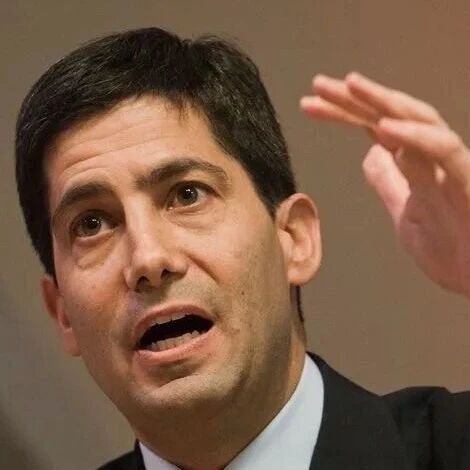
巴克莱:预计美联储本月降息 前瞻性指引倾向于暂时按兵不动
Sou Hu Cai Jing· 2025-12-01 03:47
Core Viewpoint - Barclays economists indicate a high likelihood of a 25 basis point rate cut by the Federal Reserve during the meeting on December 9-10, with market pricing showing over 80% probability for this cut [1] Group 1: Rate Cut Expectations - The expectation is that Jerome Powell will support the rate cut, joining a group that includes Waller, Bowman, Williams, Jefferson, Cook, and Barr [1] - There is anticipated internal dissent, with at least two hawkish votes against from Schmid and Musalem, and one potential dissenting vote from Goolsbee or Collins [1] - Milan may also vote against the cut, advocating for a larger reduction [1] Group 2: Future Guidance - Barclays expects the Fed's statement and Powell's press conference to have a slightly hawkish tone, suggesting a likely pause in January unless labor market conditions worsen beyond expectations [1]


【UNFX课堂】为何市场屏息以待鲍威尔的每一次发声?
Sou Hu Cai Jing· 2025-07-20 01:43
Group 1 - The Federal Reserve is at a critical turning point in monetary policy, with the market eagerly seeking forward guidance from Chairman Powell's upcoming speech [1][2] - Powell's remarks will provide insights into the Fed's views on inflation, economic growth, and future policy directions, making it a significant communication event [1][2] - The market is particularly interested in whether the Fed believes it has "won" the battle against inflation and the specific conditions that would trigger a rate cut [2] Group 2 - The current economic landscape shows resilient growth and employment, but inflation remains above the Fed's 2% target, creating a core dilemma for policymakers [2] - Powell's speech will be analyzed for its implications on market expectations, with hawkish comments potentially dampening hopes for rate cuts, while dovish remarks could bolster those expectations [2] - The audience at the banking conference will likely influence the focus of Powell's speech, potentially emphasizing financial stability and the health of the banking system, which are closely tied to monetary policy decisions [2]
欧洲央行管委Makhlouf:人工智能和人口变化将导致通胀更加波动。通胀预期得到良好的锚定。欧洲央行在使用前瞻性指引时必须更加灵活。
news flash· 2025-07-04 12:45
Core Viewpoint - The European Central Bank (ECB) is facing challenges with inflation becoming more volatile due to factors such as artificial intelligence and demographic changes [1] Summary by Categories Inflation Expectations - Inflation expectations are well-anchored, indicating a stable outlook despite potential volatility [1] Forward Guidance - The ECB must adopt a more flexible approach when utilizing forward guidance in its monetary policy [1]
荷兰国际:英国央行缺乏前瞻指引,市场紧盯细节预测降息时机
news flash· 2025-06-19 12:03
Core Viewpoint - The lack of forward guidance from the Bank of England is causing the market to closely scrutinize details to assess the timing of potential interest rate cuts [1] Group 1: Economic Performance - The past month has been particularly poor for the UK, with various indicators underperforming expectations [1] - Inflation has come in slightly below expectations, and economic growth remains weak [1] Group 2: Market Reactions - The yield curve has shown little change, as it largely reflects market expectations of maintaining interest rates at one meeting and a potential cut at the next [1]

分析师评美联储利率决议:前瞻性指引并没有什么特别新的内容,FOMC再次重申将继续关注数据。
news flash· 2025-05-07 18:14
Core Viewpoint - The Federal Open Market Committee (FOMC) reiterated its commitment to closely monitor economic data, indicating that there are no significant new insights in the forward guidance provided [1] Group 1 - The FOMC's decision reflects a cautious approach to monetary policy, emphasizing the importance of data in future rate decisions [1] - Analysts noted that the forward guidance remains largely unchanged, suggesting stability in the Fed's outlook [1] - The focus on data indicates that future rate adjustments will be contingent on economic performance metrics [1]