合规监管

Search documents
President Sells shares worth $1.0 Million at His Own Discretion
The Motley Fool· 2026-03-31 02:49
Company Overview - Donnelley Financial Solutions (DFIN) reported a revenue of $767 million and a net income of $32.4 million for the trailing twelve months (TTM) [4] - The company has 1,750 employees and experienced a 1-year price change of 4.69% as of March 27, 2026 [4] - DFIN operates in the financial services sector, providing compliance and regulatory solutions through proprietary technology platforms and tech-enabled services [6] Transaction Summary - Eric J Johnson, President of DFIN, sold 20,280 shares on March 6, 2026, for a transaction value of $1.0 million at a price of $50.16 per share [2][9] - Post-transaction, Johnson holds 116,814 shares, valued at approximately $5.8 million [2] - This sale is the largest open-market transaction by Johnson since June 2024, with previous sales ranging from 930 to 20,280 shares [7] Financial Performance - DFIN achieved record software solutions revenue of $358 million in 2025, marking a 9% year-over-year increase, which now constitutes about 47% of total revenue [10] - The investment companies division grew its software segment by 10.6%, although compliance and communications revenue fell nearly 14% [10] - The company is guiding for Q1 2026 revenue between $200 million and $210 million, with expectations of continued margin expansion [10] Insider Activity - Johnson's direct ownership decreased from 107,753 to 87,473 shares following the sale, leaving him with approximately $4.39 million in direct equity exposure [7] - The sale was executed at a modest premium to the market close on the same day, indicating a strategic decision [7] - The absence of a 10b5-1 pre-planned trading arrangement for this sale suggests that the timing was a discretionary choice by Johnson [9][10]



3·15调查|穿透“投顾龙虾”与直播荐股:行业合规边界应再厘清
券商中国· 2026-03-16 04:35
Core Viewpoint - The article highlights the increasing regulatory scrutiny in the securities investment advisory industry, particularly in light of the issues surrounding compliance and performance, as well as the emergence of new technologies like AI and live streaming that introduce additional risks [1][2]. Group 1: Regulatory Environment - Since 2026, there has been a surge in regulatory fines aimed at addressing long-standing issues within the investment advisory sector, reflecting a deeper problem where "performance outweighs compliance" in a trillion-dollar market [1]. - The article raises questions about the root causes of industry chaos, the timeline for clearing out these issues, and the path toward regulatory transformation [1]. Group 2: Technology and Risks - The rise of AI investment advisory and live streaming has created new risks, necessitating the urgent development of specialized regulatory rules to govern these new scenarios [2]. - Many unqualified entities are exploiting AI and big data under the guise of intelligent investment advice, misleading retail investors with false promises of high returns [2]. - The AI tool OpenClaw is cited as an example of a technology that, while innovative, is still in its infancy and poses significant safety risks, lacking the practical experience and flexibility needed to navigate market volatility [2]. Group 3: Compliance and Best Practices - Experts emphasize that AI should be viewed as a decision-making aid rather than a replacement for professional judgment, and compliance institutions must adhere to principles of transparency and explainability [3]. - There is a consensus that investment advisory firms must take responsibility for their technology applications, ensuring compliance with regulations and avoiding misleading claims about AI capabilities [3][4]. - A comprehensive compliance framework is recommended, which includes pre-assessment, monitoring, and post-evaluation of algorithms to ensure ethical standards and risk management [4]. Group 4: Live Streaming and Content Regulation - The use of live streaming and short videos for investment advice has led to regulatory penalties for many firms, highlighting the need for clear compliance boundaries based on the substance of the content rather than the format [6]. - The article outlines three key compliance requirements for live streaming: the advisory entity must be licensed, content must focus on investor education, and there must be a thorough risk disclosure process [6][7]. - It is suggested that public stock recommendations should be limited to licensed institutions and tailored to specific clients, rather than being broadcasted widely, to prevent market manipulation and misinformation [7].

转融通出借不豁免!短线交易监管新规发布,影响多大?最新解读来了
券商中国· 2026-03-10 23:32
Core Viewpoint - The newly released regulations by the China Securities Regulatory Commission (CSRC) on short-term trading aim to create a fairer and more transparent market environment, enhancing the regulatory framework for short-term trading and supporting long-term investments [1][2]. Regulatory Framework - The regulations will take effect on April 7, 2026, and provide clear standards for identifying short-term trading, exemptions, and supervisory requirements, marking a significant enhancement in the capital market's regulatory system [1]. - Compared to the draft regulations released in July 2023, the final version improves the certainty and practicality of the rules while maintaining strict regulatory measures [3]. Management Philosophy Upgrade - The regulations signify an upgrade in regulatory philosophy, emphasizing transparency and stability, which helps major shareholders and institutional investors manage their trading behaviors with reduced risks [4]. - The regulations support the real economy and market innovation by allowing exemptions for certain financial instruments, thereby facilitating capital market innovation and corporate financing [4]. - The regulations guide value investment by facilitating the operations of long-term funds, encouraging a shift from speculative trading to focusing on long-term value [4]. Scope of Application - The regulations clearly define the subjects and securities involved in short-term trading, including the securities held by directors, supervisors, senior management, and their immediate family members [5]. - Even if an investor does not have a specific identity at the time of purchase, if they acquire such an identity upon selling (e.g., becoming a major shareholder), their trading behavior must comply with short-term trading regulations [6]. Exemptions and Specific Cases - The regulations list 13 scenarios that do not constitute short-term trading, categorized into business design, non-trading factors, and regulatory balancing [7]. - Notably, the previous exemption for securities lending under the "transferring and borrowing" business has been removed, indicating a stricter approach to prevent circumvention of short-term trading rules [7]. - The new rules establish a logical framework for buyback actions related to regulatory violations, eliminating concerns that such actions could trigger short-term trading violations [8]. Institutional Investor Facilitation - The regulations optimize the calculation of holdings for institutional investors, allowing separate calculations for different fund products, which alleviates compliance challenges and enhances trading convenience [9]. - This change is expected to attract more long-term capital into the market, providing institutional investors with a clearer operational framework while balancing regulatory oversight and market facilitation [9].

2025 消费金融行业:1292万元罚单与150亿元增资潮
3 6 Ke· 2026-02-12 11:24
Core Insights - The licensed consumer finance industry in 2025 is experiencing a dual pressure of stringent regulation and weak growth, leading to a complex development landscape characterized by both challenges and opportunities [1] Regulatory Environment - The frequency, scope, and amount of penalties in the consumer finance industry have increased significantly, with a total of 9 institutions facing administrative penalties amounting to 12.93 million yuan in 2025, surpassing the previous year's figures [2] - Long-standing issues in the industry include poor management of cooperative businesses, ineffective post-loan management, and reliance on external collection agencies, leading to numerous penalties for various institutions [2][3] Capital Dynamics - A capital race is underway as institutions strive to meet the new minimum capital requirement of 1 billion yuan, resulting in over 15 billion yuan in total capital increases in 2025, indicating a restructuring of capital strength within the industry [4][5] - Leading institutions are actively expanding their capital bases, reflecting shareholder confidence, while smaller institutions are struggling to meet regulatory standards, highlighting a growing divide in the industry [5][6] Lending Practices - The implementation of transparency in lending partnerships has revealed strategic divides among institutions, with some heavily reliant on external partners, leading to compliance issues and increased customer complaints [7][8] - Institutions that focus on building in-house capabilities and reducing reliance on external lending partners are showing stronger performance, while those dependent on external channels face significant challenges [8][9] Industry Outlook - The consumer finance industry is projected to exceed 1.5 trillion yuan in asset size, with growth slowing to around 10%, indicating a shift from scale competition to a focus on high-quality development [9] - Future success in the industry will depend on the ability to internalize compliance, leverage technology for risk management, and create self-sustaining ecosystems, marking a critical transition in survival strategies [9]
罚单、增资与助贷迷思:2025年消费金融行业生存图鉴
Xin Lang Cai Jing· 2026-02-12 09:22
Core Insights - The licensed consumer finance industry in 2025 is experiencing a dual pressure of stringent regulation and weak growth, leading to a complex development landscape characterized by both challenges and opportunities [3][12] - Key themes of penalties, capital increases, and the evolution of loan assistance models are interwoven, reflecting the industry's struggle for survival amid transformation pains [12][10] Penalties: Compliance Issues Persist - In 2025, the consumer finance industry faced a high frequency, broad scope, and significant amount of penalties, totaling 12.93 million yuan, with 9 institutions receiving administrative penalties [3][13] - The first half of the year saw penalties amounting to 7.93 million yuan, surpassing the same period in 2024 [13] - Major compliance issues include ineffective management of cooperative businesses, inadequate post-loan management, and violations related to aggressive collection practices [4][13][14] Capital Increases: Intensifying Capital Restructuring - A capital race is underway as institutions strive to meet the new minimum capital requirement of 1 billion yuan, leading to over 15 billion yuan in capital increases in 2025 [5][15] - Leading institutions are actively expanding their capital, with notable increases such as South Silver's capital rising from 5 billion to 6 billion yuan, reflecting shareholder confidence [6][15] - Smaller institutions are often forced to increase capital merely to meet regulatory standards, highlighting a growing divide in industry strength [7][16] Loan Assistance: Strategic Choices and Capability Gaps - The implementation of transparency requirements for loan assistance partnerships has revealed significant strategic divides among institutions, with some heavily reliant on external partners [8][17] - Institutions like Haier Consumer Finance are moving towards reducing reliance on loan assistance by enhancing their self-operated capabilities, while others face challenges due to over-dependence on external channels [9][18] - The differentiation in loan assistance models underscores the importance of internal capabilities, with those relying on external partners facing profitability and compliance risks [9][19] Industry Outlook - The consumer finance industry is projected to surpass 1.5 trillion yuan in asset scale, with growth slowing to around 10%, indicating a shift from scale competition to high-quality development [10][20] - Future success will depend on institutions that internalize compliance, leverage technology for risk control, and build self-operated ecosystems, while those clinging to outdated expansion strategies may face significant challenges [20]

富友支付第四次IPO:3.65亿清仓分红超净利润,消费者投诉上千条
Sou Hu Cai Jing· 2026-02-06 00:41
Group 1 - The core point of the article is that Fuioupay is making its fourth attempt to list on the Hong Kong Stock Exchange, facing challenges related to compliance issues and significant dividend payouts [2][3][8] - Fuioupay has a history of failed listing attempts, with its first application submitted in April 2024, followed by three subsequent applications that also failed [2][3] - The company has been planning for an IPO for over ten years, having signed various advisory agreements with different securities firms since 2015 [2] Group 2 - Fuioupay is a comprehensive digital payment technology platform established in July 2011, recognized as a pilot provider of multi-channel digital payment and digital business solutions in China [4] - The company has developed a wide range of payment services, including commercial payments, financial payments, and cross-border digital payment services, connecting with major card organizations and banks globally [4] - In 2024, the total payment volume (TPV) of China's digital payment service market was 268.6 trillion yuan, with Fuioupay holding a market share of 0.8% among comprehensive digital payment service providers [5] Group 3 - Fuioupay's financial performance shows revenue growth but fluctuating profits, with revenues of 1.142 billion yuan in 2022, 1.506 billion yuan in 2023, and 1.634 billion yuan in 2024, while net profits were 71.17 million yuan, 92.98 million yuan, and 84.43 million yuan respectively [5] - The company's gross profit margins have declined from 28.4% in 2022 to 25.8% in the first ten months of 2025 [5] - The company has incurred significant costs, with sales and distribution expenses, R&D expenses, and administrative expenses totaling over 1 billion yuan in recent years [6] Group 4 - Fuioupay has distributed a total of 365 million yuan in dividends from 2021 to 2025, which exceeds its net profits during the same period, raising questions about the necessity of its IPO [7][10] - The company has faced multiple compliance issues, including fines totaling 6.66 million yuan for various violations, which may hinder its IPO prospects [12][14] - Consumer complaints against Fuioupay have been significant, with over 1,700 complaints reported, primarily concerning unauthorized charges and refund difficulties [15]

IOSG:Circle 的护城河与长期价值
Xin Lang Cai Jing· 2026-01-31 11:13
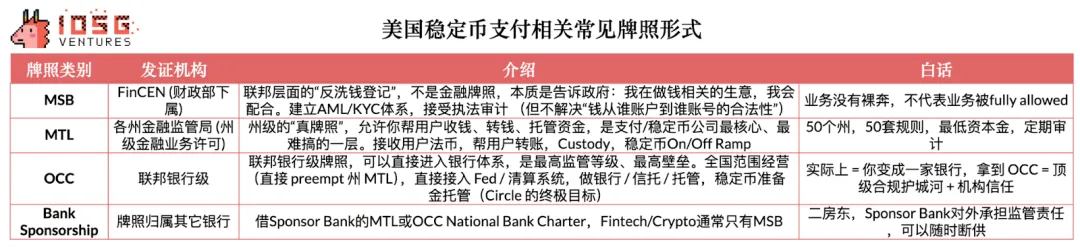
Core Insights - The article discusses the competitive landscape between Circle and Tether in the stablecoin market, highlighting Circle's recent developments and Tether's ongoing challenges [1][2][4]. Group 1: Circle's Developments - Circle received conditional approval from the OCC to establish the First National Digital Currency Bank, which could facilitate digital asset custody services and potentially increase the stablecoin market cap to $1.2 trillion by 2026 [1]. - Circle's USDC supply increased by $32 billion over the past year, with significant market share gains in India and Argentina, reaching 48% and 46.6% respectively [6]. - Circle's revenue for Q3 2025 reached $740 million, exceeding expectations, with a year-over-year growth of 66% [19][21]. Group 2: Tether's Challenges - Tether's parent company faces reputational and regulatory pressures, including a downgrade of its reserve rating by S&P and scrutiny from the People's Bank of China regarding its role in illicit activities [2][4]. - Despite Tether's strong profitability, its market dominance is threatened by regulatory changes and the rise of compliant stablecoins like USDC [4][6]. Group 3: Market Trends and Regulatory Environment - The stablecoin market is experiencing rapid growth, with overall circulation increasing by 59% year-over-year, and USDC's market share climbing to 29% [26][27]. - Regulatory frameworks, such as the GENIUS Act in the U.S., are creating favorable conditions for compliant stablecoins, positioning Circle advantageously in the market [27][56]. Group 4: Future Outlook and Strategic Initiatives - Circle aims to diversify its revenue streams beyond interest income from reserves, focusing on transaction fees and tokenized asset management [44][45]. - The company is expanding its Circle Payments Network (CPN) to facilitate cross-border payments, targeting a significant share of the $190 trillion market [52][53]. - Circle's strategic initiatives include the development of its Arc blockchain and partnerships with major financial institutions to enhance its ecosystem [41][49].

全面排查!第三方支付机构掐断高息网贷支付链路
Guo Ji Jin Rong Bao· 2026-01-17 04:39
Core Viewpoint - The implementation of new regulations on internet lending and small loan companies has led to a crackdown on high-interest lending practices, with many online lending platforms attempting to circumvent these regulations through new business models [1][3]. Group 1: Regulatory Actions - New regulations have been introduced to manage internet lending and small loan companies, aiming to improve financial service quality and compliance [1]. - Third-party payment institutions are conducting compliance checks and terminating partnerships with potentially non-compliant local financial institutions to prevent high-interest lending [1][3]. - Regulatory bodies have previously mandated that payment companies must not open accounts for financial institutions, especially small loan companies, and must scrutinize any business with internal annual returns exceeding 24% [3]. Group 2: High-Interest Lending Practices - High-interest online lending has been proliferating, with examples such as the "鹿优选分期商城" offering products at prices significantly above market value, coupled with high annualized interest rates [2]. - The "分期商城" model allows for disguised high-interest loans, where users may end up paying much more than the market price for products, sometimes without even receiving the goods [2]. Group 3: Challenges in Compliance - The complexity of high-interest lending models makes it difficult for payment institutions to identify and sever ties with non-compliant practices, as many operate under the guise of legitimate services [6]. - Payment institutions face challenges due to the hidden nature of high-interest loans, multi-layered cooperation chains, and the short-term profit incentives associated with these loans [6][7]. - There is a lack of sufficient risk control technology and data support among many small payment institutions, hindering their ability to monitor compliance effectively [6]. Group 4: Recommendations for Payment Institutions - Payment institutions are advised to enhance their compliance systems by implementing strict merchant entry reviews, dynamic monitoring of transactions, and establishing a dedicated regulatory policy tracking department [7]. - Institutions should consider innovative approaches to align with regulatory encouragement, such as improving payment accessibility and utilizing emerging technologies like AI and big data to enhance compliance efficiency [7].
全面排查!第三方支付机构主动掐断高息网贷支付链路
Guo Ji Jin Rong Bao· 2026-01-16 13:36
Core Viewpoint - The implementation of new regulations on internet lending and small loan companies has prompted some online lending operators to attempt to circumvent these regulations by using alternative models, leading to a crackdown on high-interest lending practices [1][4]. Group 1: Regulatory Actions - New regulations have been enacted to manage internet lending and small loan companies, specifically targeting annual interest rates above 24% [1]. - Third-party payment institutions are conducting compliance checks and terminating relationships with potentially non-compliant local financial institutions to prevent high-interest lending [4][5]. - Regulatory bodies have previously mandated that payment companies must not open accounts for financial institutions, especially small loan companies, and must scrutinize any business with internal annual returns exceeding 24% [4]. Group 2: High-Interest Lending Practices - Recent investigations revealed that some platforms, like Lu You Xuan, are charging significantly higher prices for products, effectively masking high-interest loans under the guise of installment shopping [3]. - The installment model used by these platforms often results in a total payment that is much higher than the market price, with an example showing a 23.98% annualized interest rate on a product priced at 8,444 yuan compared to its market price of 5,999 yuan [3]. Group 3: Challenges in Compliance - There are significant challenges in completely severing ties with high-interest lending due to the hidden nature of these lending models and the complex relationships between payment institutions and lending platforms [8][9]. - Payment institutions face pressure to maintain revenue from high-interest lending scenarios, complicating their ability to comply with regulations [9]. - The lack of robust risk control technologies and dynamic monitoring capabilities among smaller payment institutions makes it difficult to identify and address non-compliant lending practices [9]. Group 4: Recommendations for Payment Institutions - Payment institutions are advised to establish a "white list" system for partners, implement dynamic monitoring systems for transactions, and create dedicated compliance tracking departments to ensure adherence to regulations [10]. - There is a suggestion for payment institutions to innovate in areas encouraged by regulators, such as enhancing payment accessibility and utilizing emerging technologies like AI and big data to improve compliance efficiency [10].
东莞6家企业近期遭监管警示,ST惠伦被罚超千万
2 1 Shi Ji Jing Ji Bao Dao· 2026-01-16 12:01
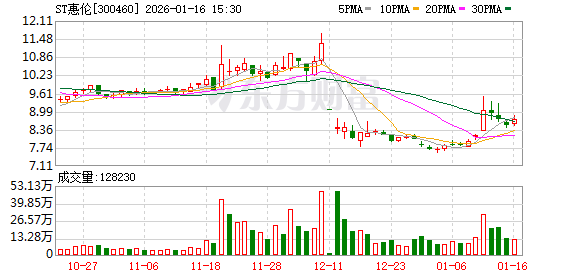
Core Viewpoint - ST Huilun has been heavily fined 11.4 million due to concealing related party fund occupation and committing financial fraud for two consecutive years, reflecting a broader issue of compliance failures among companies in Dongguan [2][5][6]. Group 1: Regulatory Actions and Penalties - ST Huilun was penalized for failing to disclose fund occupation issues, with a total fund occupation amounting to 28.33 million, which constituted 5.12% of its net assets [5][6]. - ST Quanwei received a regulatory letter for related party fund occupation and internal control deficiencies, including a loan of 1.3 million from a related party that was not properly disclosed [3][4]. - Guangdong TuoStar was issued a warning for inaccurate revenue recognition, including prematurely recognizing 7.9686 million in revenue, leading to inflated profits [4][6]. Group 2: Internal Control Issues - ST Quanwei was found to have significant internal control deficiencies, including a lack of proper approval procedures for external guarantees and vulnerabilities in seal management [3][4]. - Huanji Technology faced multiple financial disclosure violations, including inaccurate revenue recognition and insufficient bad debt provisions, leading to a warning from the regulatory authority [4][6]. - Guangbo Laser was warned for financial internal control defects, including improper revenue recognition and failure to disclose related party transactions accurately [7]. Group 3: Broader Industry Implications - The regulatory actions against these companies signal a strict stance on information disclosure issues, emphasizing the need for companies to adhere to compliance and governance standards [8]. - The penalties highlight the importance of corporate governance and internal controls, urging companies to maintain accurate and reliable disclosures to protect investor trust [8].