
商业变现

Search documents
网红 MrBeast 旗下野兽工业收购专注Z世代的银行应用Step Mobile
Xin Lang Cai Jing· 2026-02-10 09:55
Core Viewpoint - MrBeast's entertainment group, Beast Industries, has agreed to acquire the youth-focused banking app Step Mobile, expanding its business into the financial services sector from media, food, and packaging [3][10]. Group 1: Acquisition Details - Step Mobile, founded in 2018, operates a banking app that offers federally insured, no-fee bank accounts and a secured Visa card to help users build credit before age 18. Its valuation reached $920 million in 2021 but is likely to have declined since then [3][10]. - The terms of the acquisition have not been disclosed [3][10]. Group 2: Company Background - Beast Industries was last valued at $5.2 billion and currently employs around 500 people [4][10]. - The company aims to leverage its significant audience of over 1 billion followers on platforms like YouTube to monetize its offerings [4][10]. Group 3: Future Plans - Beast Industries plans to operate Step Mobile as an independent business while developing a broader financial services strategy. The company has registered the trademark "MrBeast Financial" for potential future offerings, including financial consulting and cryptocurrency [5][12]. - The target demographic includes first-time bank account and credit card holders, with a focus on helping them invest in stocks and bonds to share in the economic growth [12][13]. - MrBeast has plans to launch a financial-themed YouTube channel to educate viewers on investment topics, including Roth IRAs [13]. Group 4: Financial Performance - The chocolate brand Feastables is projected to generate approximately $250 million in sales in 2024, with profits exceeding $20 million. In contrast, the media business, including YouTube and Amazon Prime content, has similar revenue but incurred losses of nearly $80 million [4][11]. - Beast Industries recently secured $200 million in funding from BitMine, the largest holder of Ethereum, indicating strong investor interest [6][13].


喜羊羊与灰太狼:“金长物”2025年度动漫游戏文学IP
Xin Lang Cai Jing· 2026-02-04 01:13
Core Insights - The article discusses the success of the IP "Pleasant Goat and Big Big Wolf" as it adapts to attract a younger audience and enhance its commercial value through strategic initiatives [1][3][8] Group 1: Strategic Initiatives - The company has established dedicated studios, such as the Young Sheep Studio and Hero Special Effects Studio, to focus on content and operations aimed at younger demographics [1][7] - A hybrid online and offline approach is employed to boost IP engagement, including frequent social media updates and interactive topics like "Brave Little Sheep" [7][8] Group 2: Event Highlights - The IP celebrated its 20th anniversary in 2025 with significant events like the "Sheep Joy House" pop-up, MieMiePOP bubble tea store, and the "Creative Carnival," showcasing its ability to transcend traditional children's market limitations [3][10] - The "Sheep Joy House" pop-up in Shanghai achieved over 1 million in sales during its opening weekend, demonstrating the IP's commercial potential beyond just the children's market [4][8] Group 3: Market Impact - The "Creative Carnival" attracted over 1 million visitors and generated over 100 million online impressions, effectively transforming the IP into a lifestyle brand that appeals to a broader audience [6][10] - The sales of derivative products related to the IP surged by 400% year-on-year, with expansion into various sectors such as food, gaming, and trendy toys, indicating a robust growth trajectory [6][10]


Meta闭源转向:巨头的求生与AI行业的范式重构
3 6 Ke· 2025-12-11 10:05
Core Insights - Meta's strategic shift from open-source to closed-source AI models, highlighted by the $14.3 billion acquisition and the development of the Avocado model, reflects the pressures of commercial realities and industry competition [2][3] - The transition signifies a critical moment in the commercialization challenges of open-source AI, as Meta's previous open-source efforts yielded over 30 million downloads but generated less than $1 billion in licensing revenue against over $70 billion in annual AI investments [2][3] - The closed-source model is seen as essential for capturing high-value markets, particularly in sectors like finance and healthcare, where data security and compliance are paramount [2][3] Meta's Strategic Shift - Meta's decision to adopt a "technology fusion" approach by integrating technologies from Google, OpenAI, and Alibaba aims to quickly address its shortcomings and meet industry demands [3] - The internal upheaval, including the departure of key personnel and layoffs at the FAIR lab, raises concerns about the compatibility of different model architectures and potential intellectual property disputes [3][4] - This shift marks the beginning of a new phase in the AI industry characterized by a coexistence of open-source and closed-source models, with open-source models still dominating academic research and smaller applications [3][4] Market Implications - Meta's transition to closed-source is expected to accelerate market consolidation, with leading companies likely to build commercial moats through closed-source models, while smaller players may find new opportunities in the open-source space [4] - The integration of Chinese models like Alibaba's Tongyi Qianwen into Meta's technology references indicates the growing global competitiveness of Chinese AI technologies [4] - The release of Avocado in Q1 2026 will be a pivotal moment, with the potential to replicate the success of the Microsoft-OpenAI partnership, creating a "model-hardware-advertising" business loop [4][5] Timeline of Key Events - February 2023: Launch of Llama 1, marking Meta's entry into large models with an open-source approach [5] - July 2023: Llama 2 becomes the most popular open-source large model with over 30 million downloads [5] - June 2025: Meta acquires a stake in Scale AI for $14.3 billion and appoints Alexandr Wang as Chief AI Officer, signaling a shift to closed-source [5][6] - October 2025: Announcement of a $27 billion Hyperion data center plan to support closed-source model capabilities [7] - Q1 2026: Expected launch of Avocado, focusing on complex reasoning and long video analysis, aiming to compete with GPT-5 and Gemini 3 Ultra [9] Strategic Differences in AI Models - U.S. giants primarily focus on closed-source models with clear commercial pathways, while Chinese players adopt a dual approach of open-source and closed-source to balance ecosystem development and monetization [11] - The U.S. strategy emphasizes closed-source to maintain competitive advantages, whereas China's approach leverages open-source to address specific industry needs and accelerate deployment [11][12] - The iteration pace differs, with U.S. companies releasing new versions semi-annually or annually, while Chinese firms adopt a more rapid release cycle driven by community engagement [12][13]


我们正亲历一场漫长的告别
虎嗅APP· 2025-12-09 13:38
Core Viewpoint - The article reflects on the evolution and decline of the internet, emphasizing the loss of meaningful connections and the rise of AI-generated content, which has transformed the online landscape into a more superficial and commercialized space [4][21][50]. Group 1: Internet Evolution - The article notes significant milestones in internet history, highlighting the closure of various platforms such as Tianya and Mop, marking the end of an era for many users [5][10]. - It discusses the generational divide, with different age groups experiencing the internet in distinct ways, from the pioneers to the digital natives [6][21]. - The decline of personal and community-driven online interactions is emphasized, with a shift towards algorithm-driven content and commercial interests [44][46]. Group 2: AI and Content Generation - The article points out that nearly half of internet traffic is now generated by bots, with a significant portion being malicious, indicating a shift in content creation dynamics [16][49]. - It highlights the prevalence of AI-generated articles surpassing human-written content, raising concerns about authenticity and the value of real human expression [16][49]. - The rise of AI in content creation has led to a loss of genuine interaction, with users increasingly feeling isolated despite the abundance of online content [46][49]. Group 3: Commercialization and Membership Models - The article discusses the commercialization of online services, noting that many apps now require paid memberships, which has changed the landscape of free access to information [39][41]. - It mentions the emergence of various paid courses and content, indicating a shift from sharing knowledge freely to monetizing it [41][42]. - The transformation of the internet into a commercial space has led to a narrowing of user experiences, as algorithms dictate what content is seen, limiting exploration and discovery [44][46].

利润压力下,苹果「安卓化」
36氪· 2025-11-03 13:35
Core Viewpoint - Apple is introducing advertisements in its Maps application, signaling a strategic shift for the company, which has traditionally focused on privacy and user experience [5]. Group 1: Service Revenue Challenges - Apple's hardware sales growth has slowed due to market saturation, with iPhone sales plateauing since 2015, prompting a shift towards service revenue as a new growth engine [7]. - From fiscal year 2016 to 2023, Apple's service revenue grew from $24.1 billion to $85.1 billion, with a compound annual growth rate (CAGR) of approximately 19.3% [7][21]. - Service revenue's contribution to total revenue increased from 11.2% in 2016 to over 20% in recent years, highlighting its importance to Apple's profitability [8][9]. Group 2: Regulatory and Competitive Pressures - Apple's service revenue growth is facing challenges, with a projected year-on-year growth rate of only 3.7% for fiscal year 2024 due to increased regulatory scrutiny and competition [11]. - The European Union's Digital Markets Act (DMA) and similar legislation in other regions threaten Apple's control over the App Store, impacting its primary service revenue source [11]. - Competition in streaming services is intensifying, with Apple TV+ lagging behind competitors like Netflix and Disney+, making it difficult to become a significant revenue source [11]. Group 3: Advertising as a New Revenue Stream - The introduction of ads in Apple Maps is seen as a necessary step to find new high-potential revenue channels amid growth pressures [12][15]. - Apple Maps has millions of active users globally, particularly in high-consumption regions, and has not previously explored monetization through advertising [12]. - The advertising mechanism for Apple Maps is expected to focus on optimizing search results, with the potential for a simpler interface compared to Google Maps [19]. Group 4: Future Projections - Analysts predict that Apple's service revenue could exceed $100 billion for the first time in fiscal year 2025, with an expected revenue of $108.6 billion, reflecting a year-on-year growth of approximately 13% [21]. - Apple has recently surpassed a market capitalization of 4 trillion, indicating its ongoing search for new growth avenues [22].


利润压力下,苹果“安卓化”
3 6 Ke· 2025-11-03 04:00
Core Viewpoint - Apple is introducing advertising content into its Maps application, signaling a strategic shift for the company, which has traditionally focused on privacy and user experience [1] Group 1: Service Revenue Trends - Apple's hardware sales growth has slowed due to market saturation, with iPhone sales peaking in 2015 and entering a plateau [2] - Since 2016, Apple has aggressively pursued a "service transformation" strategy, resulting in service revenue growing from $24.1 billion in 2016 to $85.1 billion in 2023, a more than 2.5 times increase over seven years, with a compound annual growth rate (CAGR) of approximately 19.3% [2][10] - Service revenue's share of total revenue has increased from 11.2% in 2016 to over 20% in recent years [3] Group 2: Profitability of Services - The profit margins for service businesses are significantly higher than for hardware products, with the App Store's gross margin exceeding 70%, compared to the iPhone's gross margin of about 35%-40% [4] - Although service revenue accounts for around 20% of total revenue, it contributes over 30% of operating profit, making it a core driver of Apple's profitability [4] Group 3: Challenges Facing Service Growth - Apple's service revenue growth is facing challenges, with a projected year-on-year growth rate of only 3.7% for the 2024 fiscal year [5] - Regulatory pressures, particularly regarding the App Store, are increasing, with the EU's Digital Markets Act requiring Apple to open third-party app stores and payment systems, threatening its core service revenue [6] - Competition in the streaming content market is intensifying, with Apple TV+ lagging behind competitors like Netflix and Disney+, and other services like iCloud and AppleCare facing limited market growth [6] Group 4: Advertising in Apple Maps - Apple Maps, with millions of active users, is seen as an underutilized asset with significant commercial potential, especially as it has not previously explored monetization through advertising [7] - The introduction of advertising in Apple Maps is viewed as a necessary step in response to growth pressures and regulatory challenges, marking a shift from a product-centric to a platform-oriented business model [8] - Users express concerns that the introduction of ads may compromise the user experience and the brand's long-standing commitment to privacy [9] Group 5: Future Projections - Despite the current challenges, Apple's service business is projected to exceed $100 billion in revenue for the first time in the 2025 fiscal year, with an expected revenue of $108.6 billion, representing a year-on-year growth of approximately 13% [10] - Apple has surpassed a market capitalization of $4 trillion and is actively seeking new growth avenues [11]
黑五之前,TikTok卖力奔跑的60天
3 6 Ke· 2025-10-23 04:13
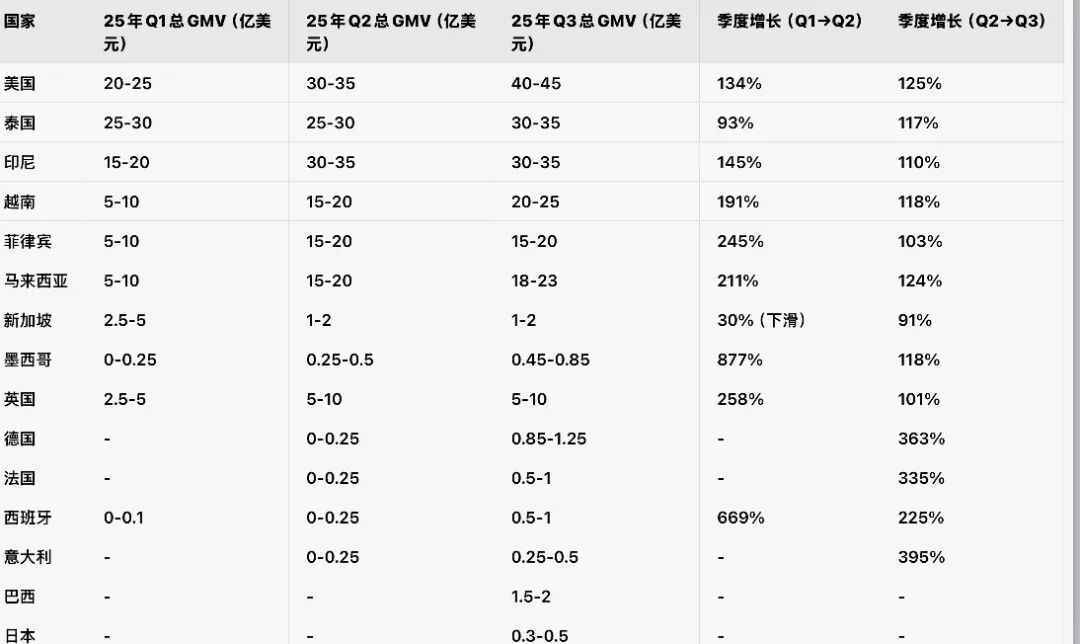
Core Insights - TikTok has undergone significant organizational changes, consolidating key business teams under leaders with strong backgrounds in the Chinese market, indicating a push for accelerated monetization and a focus on live-streaming e-commerce [1][2][7] - The company aims to achieve a GMV target of $100 billion by 2025, but as of Q3 2023, it has only reached a GMV of approximately $44 billion, prompting internal efforts to boost performance ahead of the holiday season [2][3] - The introduction of the GMV Max system aims to optimize ad spending through AI, but early results show mixed effectiveness, particularly for small businesses adapting to new operational demands [12][17] Organizational Changes - TikTok's core product and trust & safety teams have merged into a platform responsibility team, led by Adam Wang, while Jenny Zi has taken over as head of live-streaming [1] - The leadership changes reflect a broader strategy to enhance operational efficiency and align with successful practices from Douyin, TikTok's Chinese counterpart [1][7] Financial Performance - TikTok's GMV for Q1, Q2, and Q3 of 2023 was approximately $10 billion, $15 billion, and $19 billion respectively, with the U.S. market contributing significantly [2][3] - The company is under pressure to meet its ambitious GMV targets, especially with the upcoming Black Friday sales period seen as a critical opportunity [19][23] Advertising Strategy - The GMV Max system, launched in September, automates ad placements based on budget and ROI goals, but its effectiveness varies, particularly for new products [12][17] - TikTok's shift towards a more aggressive ad strategy mirrors the operational style of Douyin, focusing on maximizing GMV through increased ad spending [4][11] Market Positioning - TikTok has become a dominant player in the social media landscape, boasting 1.6 billion monthly active users, with significant engagement levels compared to competitors [10] - The platform is actively seeking to attract large sellers and expand its product categories, including new segments like lingerie, to drive GMV growth [22][23] Challenges and Adaptations - Many small businesses are struggling to adapt to the new GMV Max model, facing increased costs and uncertainty regarding ROI [12][17] - The competitive landscape for ad placements is intensifying, with creators and businesses needing to produce high-quality content to succeed under the new algorithmic preferences [17][18]
抖音创作者大会生活服务交流会举办,相关创作者数量同比增长47%
Sou Hu Wang· 2025-09-22 11:26
Core Insights - The Douyin Life Service Creator Conference highlighted significant growth in creator engagement and transaction volumes over the past year, with creator numbers increasing by 47% and live-streaming transactions rising by 52% [1] Group 1: Creator Growth and Engagement - The number of creators in the Douyin group buying center increased by 47% year-on-year, while those publishing life service-related videos grew by 52% [1] - The number of creators with over 10,000 followers rose by 29% [1] - Daily submissions of quality short videos increased by 25%, and the number of videos with over 1 million views and 100,000 likes more than doubled [1] Group 2: Live Streaming and Transaction Performance - Live streaming sessions saw a 128% increase, with live-streaming transactions driving a 52% year-on-year growth for merchants [1] - The number of live streams generating over 5 million in transactions grew by 89%, and the number of creators with cumulative live-streaming transactions exceeding 10 million increased by 70% [1] Group 3: Future Development Directions - The platform will focus on high-quality content and online collaboration between merchants and creators in the coming year [2] - Innovations in live streaming, such as auction and concert live streams, will be encouraged [2] - The recognition scope for seed content transactions has been expanded, allowing transactions made within 14 days of viewing seed videos to be counted towards creator evaluations and commissions [2] Group 4: Creator Experiences and Insights - Notable creators shared their experiences, emphasizing the importance of authentic content and audience engagement [2][4] - Olympic champion Deng Yaping discussed her transition from sports to lifestyle content, highlighting the public's interest in both her achievements and everyday experiences [2] - Comedian Pan Changjiang and his daughter shared their journey of exploring cities through Douyin, emphasizing the value of genuine life documentation over mere traffic [2] Group 5: Content Quality and Business Growth - Creators agreed that high-quality content is fundamental to driving business growth and user trust [4] - Successful strategies included creating engaging content that resonates with audiences, as demonstrated by various creators who have significantly increased their follower counts and transaction volumes [4]

B站为何需要视频播客?
3 6 Ke· 2025-09-05 01:52
Core Viewpoint - Bilibili (B站) is heavily investing in video podcasts as a strategic move to attract users and enhance its content ecosystem, aiming to establish video podcasts as a new brand IP for the platform [13][26]. Group 1: Video Podcast Development - The video podcast sector on Bilibili is experiencing significant growth, with many celebrities joining, marking it as a "video podcast year" [12][19]. - Notable figures like Yu Qian and Luo Yonghao are leading discussions on various cultural topics, attracting substantial viewership [9][18]. - The platform has launched the "Video Podcast Out-of-Circle Plan," offering substantial incentives to creators, including a 1 billion-level cold start traffic incentive [13][15]. Group 2: Competitive Landscape - Bilibili's push into video podcasts is a response to stagnating user growth across content platforms and competition from short video platforms like Douyin and Kuaishou [15][19]. - The long video sector is also competitive, with platforms like iQIYI and Tencent Video dominating through extensive copyright content, putting Bilibili at a disadvantage [15][19]. Group 3: User Engagement and Content Quality - Video podcasts on Bilibili are designed to enhance user engagement, with features like real-time comments and discussions, which traditional podcasts lack [18][22]. - The platform's average user watch time is 108 minutes, indicating a strong acceptance of longer content formats like video podcasts [22]. Group 4: Commercial Potential - Video podcasts have high "accompaniment attributes," making them suitable for extended listening, which can increase daily user engagement and provide a solid foundation for monetization [18][19]. - The audience for podcasts is predominantly young and educated, with a high purchasing power, making them an attractive demographic for advertisers [18][19]. Group 5: Community and Ecosystem - Bilibili's unique community culture and user habits align well with the deep content nature of video podcasts, fostering a rich environment for this format [19][26]. - The platform has a history of similar content, indicating a natural evolution towards video podcasts, which could become a significant part of Bilibili's brand identity [23][25].


焕活文旅空间 重庆民办博物馆何以觅得新生机?
Zhong Guo Xin Wen Wang· 2025-06-20 01:31
Core Insights - The Liangjiang Beiling Museum has been open for over a year, combining historical depth with modern vitality, aiming to create a cultural landmark in Chongqing [1] - The museum features over 1,000 artifacts spanning from the Warring States to the Ming and Qing dynasties, emphasizing the importance of making cultural heritage accessible to the public [2] - The museum's director emphasizes the need for cultural relics to be preserved and actively engaged with the public to prevent them from being forgotten [3] Group 1: Museum Features and Offerings - The museum has a total construction area of 17,800 square meters, with exhibition space exceeding 3,000 square meters, focusing on international perspectives and experiential learning [1] - It showcases various art forms including ceramics, bronze, calligraphy, and stone carvings, with a particular emphasis on unique artifact pairings that tell historical stories [2][3] - Creative cultural products have been developed, such as fridge magnets and scented decorations inspired by the museum's artifacts, aimed at attracting younger audiences [4] Group 2: Cultural Preservation and Community Engagement - The museum is actively seeking "guardians" for its collection, particularly for the Qing Dynasty stone carvings, to ensure their preservation and public engagement [3] - The museum's operational strategy includes creating artist residency studios and cultural experience spaces to enhance its cultural offerings and community involvement [5] - The museum aims to integrate cultural tourism with dining and creative industries to maximize cultural consumption and community engagement [6] Group 3: Infrastructure and Development Challenges - The museum faces challenges related to the physical condition of its facilities, with ongoing renovations to address safety concerns and improve its image [6][7] - The renovation project covers approximately 8,000 square meters and is part of a broader effort to enhance the cultural and commercial environment of the area [7] - The museum is collaborating with other institutions to increase its visibility and cultural impact, participating in significant exhibitions to strengthen its role in the cultural landscape [7]