家族企业代际传承

Search documents
于永超:民营企业家如何做好财富安全与传承
和讯· 2026-02-09 10:37
Core Insights - The article discusses the significant challenges faced by family-owned businesses in China, particularly regarding generational wealth transfer and management [2][3] - It highlights the impending peak of generational transitions in family businesses, with an estimated 84 trillion yuan of private wealth expected to be transferred over the next 30 years [2][3] - The article emphasizes the need for effective governance structures to manage the complexities of wealth transfer and the associated risks [4][20] Group 1: Family Business Statistics - Over 51 million family businesses in China involve family members in management, accounting for more than 90% of all private enterprises [2] - If considering family members serving as chairpersons or general managers, the proportion of family businesses rises to over 85%, totaling more than 48 million [2] - By 2025, the average age of founders in the top 100 family businesses is projected to reach 66 years, with 26% over the age of 70 [2] Group 2: Challenges in Generational Transition - The next 5 to 10 years are predicted to be a peak period for the transfer of family businesses, but challenges include low willingness and capability of the second generation, as well as conflicts in values and perceptions between generations [3] - The average debt ratio of businesses at the time of transfer is 20% higher than when the founders started, complicating the transition process [3] - Approximately 40% of traditional manufacturing businesses face declining profit margins after the second generation takes over [3] Group 3: Legal and Financial Risks - Family business owners often face four key issues: people, money, debt, and responsibility, with many blind spots leading to significant risks [4][11] - Misunderstandings about debt can lead to personal liabilities for business owners, as corporate debts may penetrate personal finances due to mixed assets [11][12] - The perception that personal and corporate debts are separate can lead to severe legal consequences, especially in cases of marital relationships where debts may become joint liabilities [11][12] Group 4: Governance and Wealth Protection - Effective governance structures are essential for balancing family and business interests, particularly in publicly listed companies [17][18] - The article suggests that family trusts can be a viable solution for protecting wealth and ensuring smooth transitions, as they provide legal separation of assets [20][22] - For non-listed companies, establishing clear boundaries between personal and corporate assets is crucial to avoid debt penetration and protect family wealth [21][22] Group 5: Succession Planning - The transfer of power within family businesses is often more challenging than the transfer of wealth, with factors such as willingness and capability of the next generation playing critical roles [24][25] - It is important to cultivate the next generation's skills and understanding of the business through gradual involvement and mentorship [25][26] - Governance mechanisms must be established to ensure that the company operates as a legal entity rather than merely a family business, promoting accountability and professionalism [26][27]


报告:全球仅三成家族企业顺利实现二代传承
2 1 Shi Ji Jing Ji Bao Dao· 2025-12-19 13:10
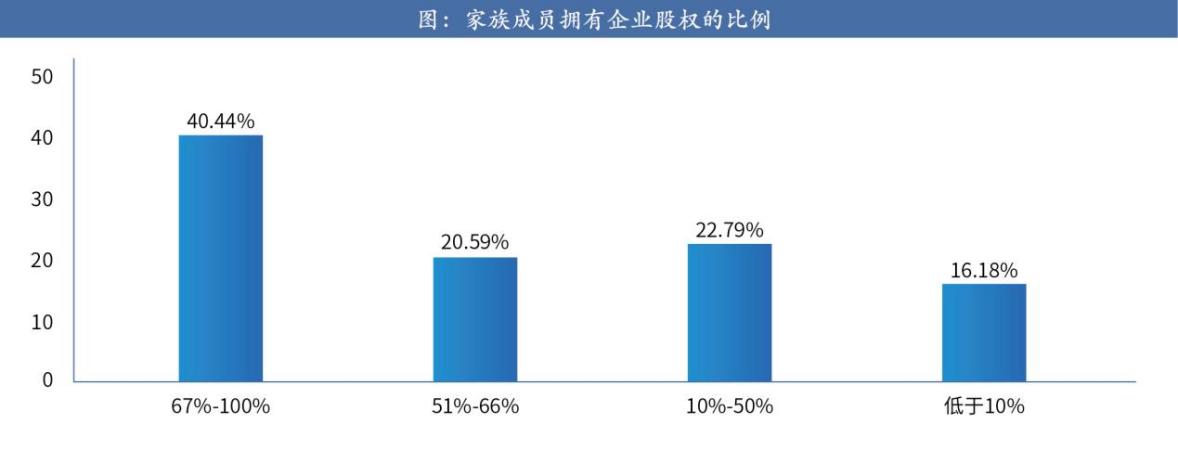
Core Insights - The report highlights the governance challenges faced by Chinese family businesses, emphasizing the need for effective strategies to ensure sustainable development and successful generational transitions [1][3]. Group 1: Governance Challenges - Chinese family businesses are encountering four major governance challenges: ownership fragmentation leading to goal conflicts, the clash between family emotional logic and business performance logic, a singular focus on wealth management without balancing various interests, and the risk of intergenerational disconnection of social capital [3][4]. - Over 60% of surveyed family businesses have a family ownership stake exceeding 50%, and 90.4% of business owners believe families should hold at least half of the equity [1]. Group 2: Recommendations for Improvement - The report suggests a systematic approach to address governance issues through four dimensions: shareholder governance, family governance, wealth governance, and social capital governance, with trust as a core mechanism [4]. - Recommendations include defining rights within family trusts to stabilize control while balancing interests, transitioning from emotional to rule-based family governance, and utilizing trust structures to manage wealth and support business financing [4]. Group 3: Future Outlook - The report anticipates that as family businesses increase their focus on governance and the application of trust tools, a shift from "family control" to "institutional governance" will occur, enhancing economic vitality and social welfare [4].
家族公司重大变动!80后表兄+90后表弟,同时接过父辈股权,旗下公司市值高达235亿元
Mei Ri Jing Ji Xin Wen· 2025-10-23 16:01
Core Viewpoint - Jiangsu Leili has made significant progress in its generational transition with a change in the shareholding structure of its controlling shareholder, Changzhou Leili Investment Group, as the founder's son takes over a substantial portion of the shares [1][11]. Group 1: Shareholding Changes - Su Jianguo transferred 36.81% of Leili Investment's shares to his son Su Da, resulting in Su Da holding 47.01% and Su Jianguo retaining 3.99% [1]. - Hua Rongwei transferred 15.68% of Leili Investment's shares to his son Hua Sheng, leading to Hua Sheng holding 25.48% and Hua Rongwei holding 23.52% [1]. - Prior to the transfer, Leili Investment held approximately 60.61% of Jiangsu Leili's shares, with Su Da and Hua Sheng acquiring about 22.31% and 9.50% of the listed company, respectively [7][9]. Group 2: Company Background - Jiangsu Leili, founded in 1993, is a well-known manufacturer of micro-special motors and was listed on the Shenzhen Stock Exchange in 2017 [12]. - The company has diversified its operations, entering the medical field through the acquisition of Dingzhi Technology in 2019 and expanding into the automotive sector with subsidiaries [12]. - For the first half of 2025, Jiangsu Leili reported a revenue of 1.958 billion yuan, a year-on-year increase of 20.71%, and a net profit of 186 million yuan, up 8.45% [12].


七成民企传不下去?曹德旺交出“满分答卷”
Sou Hu Cai Jing· 2025-10-18 05:45
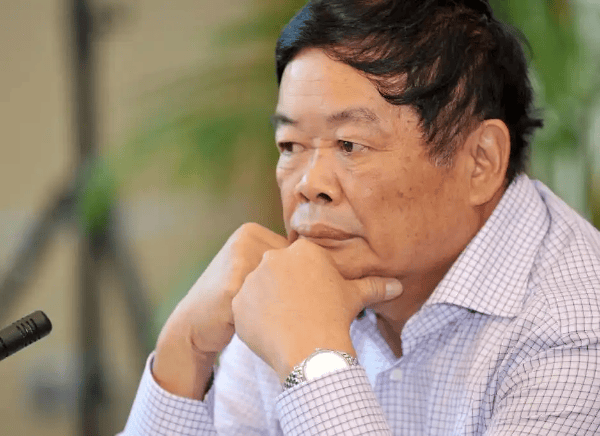
Core Viewpoint - The retirement of Cao Dewang marks a significant transition for Fuyao Glass, as the company officially enters the "second generation era" with Cao Hui taking over as chairman [2][4]. Group 1: Leadership Transition - Cao Dewang, aged 79, has stepped down as chairman, with his son Cao Hui, aged 55, appointed as the new chairman and legal representative [2][4]. - Despite stepping down, Cao Dewang will continue to serve as a director and hold various positions in subsidiaries, being named honorary chairman for life [2][4]. - The leadership change is seen as a strategic move to optimize corporate governance and ensure sustainable development [4]. Group 2: Personal Insights and Motivations - Cao Dewang clarified that his decision to retire early is not due to health issues but rather a belief that stepping down sooner would benefit Fuyao [4]. - He expressed a desire to guide his son as much as possible, indicating a commitment to a smooth transition [4]. Group 3: Background of Cao Hui - Cao Hui's preparation for leadership began in 1989, starting from the grassroots level in the company, adhering to strict rules set by his father [7]. - His experience includes significant challenges, such as leading Fuyao's legal battle against anti-dumping measures in the U.S., which he successfully navigated [7][9]. - Despite initial reluctance to take over the family business, Cao Hui eventually returned to Fuyao after founding his own company, indicating a complex relationship with the family legacy [9]. Group 4: Broader Context of Succession in Chinese Family Businesses - The transition at Fuyao Glass reflects a broader trend among Chinese family businesses, where the passing of leadership from founders to the next generation is becoming increasingly common [5][10]. - Many family businesses face challenges in succession planning, with a significant percentage struggling to ensure a smooth transition [18]. - The success rate of second-generation leadership in family businesses is notably low, highlighting the difficulties faced in maintaining legacy and operational effectiveness [18].

18亿上诉驳回,宗馥莉迎来接班后最凶险一战
首席商业评论· 2025-10-04 04:16
Core Viewpoint - Zong Fuli is facing a complex situation with multiple challenges, including a court ruling that maintains the freezing of $1.8 billion in assets and resistance to her new brand strategy, "Wawa Xiaozong" [3][8][30]. Legal Challenges - The Hong Kong High Court rejected Zong Fuli's appeal to unfreeze assets, which were frozen at the request of her father's three overseas children, indicating a serious legal battle ahead [8][10]. - The court's decision is not a complete loss for Zong Fuli, as the final judgment on the trust's validity will be made by a court in Hangzhou, which may favor her due to a more familiar legal environment [10][13]. Brand Strategy and Internal Competition - Zong Fuli's new brand "Wawa Xiaozong" has not gained widespread support from distributors, and internal competition has emerged with the launch of "Huxiaowawa" bottled water by a factory linked to her cousin [5][30]. - The introduction of "Wawa Xiaozong" is seen as a strategic move to assert her independence and negotiate for control over the main brand, as she aims for a sales target of 30 billion yuan, nearly 80% of Wahaha's current revenue [28][30]. Internal Power Dynamics - The complex shareholding structure of Wahaha, with multiple stakeholders, has made it difficult for Zong Fuli to implement significant brand strategies independently [15][18]. - Zong Fuli is actively working to consolidate power by transferring assets to her control and reducing the influence of long-standing executives, which is part of her strategy to strengthen her position [18][20]. Market Position and Competition - The beverage industry is highly competitive, with major players like Nongfu Spring and Yi Bao posing significant challenges to Wahaha's market share [30]. - Zong Fuli's operational reforms include eliminating inefficient distributors and focusing on high-revenue products, reflecting her strategic approach to modernizing the company [30][32]. Conclusion - Zong Fuli's actions represent a calculated strategy to navigate family disputes and market challenges, positioning her for potential success despite the risks involved [33][34].

信和置业“新掌门”黄永光上任 营收利润“三连降”待破局
Xin Jing Bao· 2025-08-06 02:45
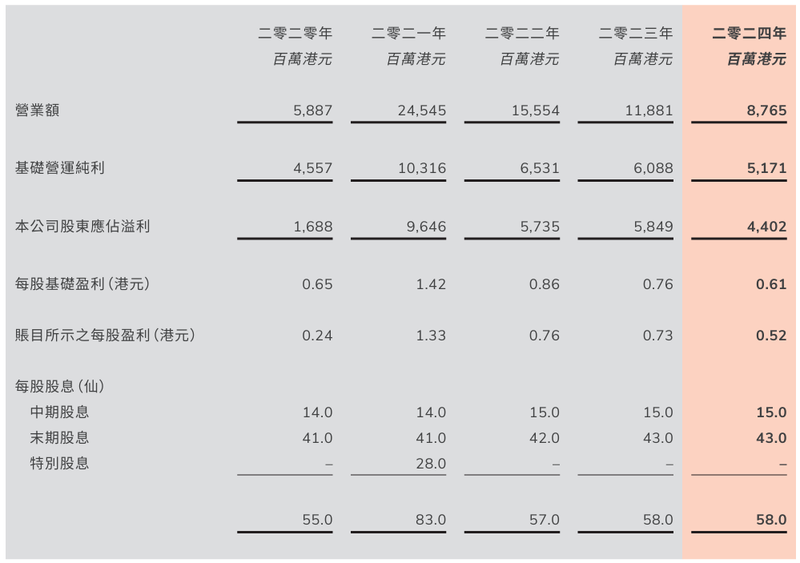
Core Viewpoint - The leadership transition at Sun Hung Kai Properties marks the beginning of a new era as the company enters its third generation of leadership with the appointment of Wong Wing-Kwong as chairman, succeeding his father Wong Chi Cheung, effective August 31, 2025 [1][3]. Group 1: Leadership Transition - Wong Wing-Kwong, aged 47, has been groomed for this role since joining the company in 2003, indicating a well-planned succession strategy within the Wong family [3]. - The transition reflects a typical family business generational handover, emphasizing stability and continuity in management [3][4]. - This change is part of a broader trend in Hong Kong's real estate sector, where several established firms have recently completed leadership transitions [3]. Group 2: Company Background - Founded by Wong Ting-Fong, Sun Hung Kai Properties has evolved into a major real estate developer in Hong Kong since its listing in 1981 [2]. - The company’s core business includes property development for sale and investment, covering residential, office, industrial, and retail properties across Hong Kong, mainland China, Singapore, and Sydney [2]. Group 3: Financial Performance - Sun Hung Kai Properties has experienced a decline in revenue and profit over the past three years, with a projected revenue of HKD 87.65 billion for the fiscal year 2024, down approximately 26.2% from HKD 118.81 billion in 2023 [6]. - The company’s basic operating profit has also decreased consecutively, with a forecasted profit of HKD 44.02 billion for 2024, a decline of about 24.7% from the previous year [6]. - Despite the declining revenue, the company maintains a strong financial position with a net cash of HKD 458.80 billion, providing significant resilience and strategic flexibility during industry downturns [7].

宗馥莉:从“娃哈哈公主”到掌舵者的财富传承风云
3 6 Ke· 2025-07-17 00:38
Core Points - The article discusses the transition of leadership at Wahaha following the death of its founder, Zong Qinghou, and the challenges faced by his daughter, Zong Fuli, as she takes over the company [1][18] - Zong Fuli's background, including her education and early career experiences, is highlighted as a foundation for her leadership style and approach to managing the company [2][3][4][5][8] - The article outlines Zong Fuli's efforts to modernize and rejuvenate the Wahaha brand, including significant marketing changes and product innovations aimed at attracting younger consumers [13][14][15][16][28] - The internal power struggles and challenges Zong Fuli faces from existing shareholders and management are detailed, particularly following her father's death [19][20][21][22][23] - The article also touches on the family inheritance disputes that have emerged, complicating Zong Fuli's leadership position [24][25][26][27] - Zong Fuli's potential impact on the beverage industry and her role as a female leader in a traditionally male-dominated sector are emphasized [30][31][32] Summary by Sections Background and Early Life - Zong Fuli was born in 1982 in a working-class family and developed independence early due to her parents' busy careers [2][3] - She pursued education in the United States, which shaped her character and management philosophy [4][5] Leadership Transition - Following Zong Qinghou's death in February 2024, Zong Fuli was positioned as the new leader of Wahaha, having previously been appointed as vice chairman and general manager [18][19] - The transition has been marked by internal conflicts and challenges from shareholders questioning her management legitimacy [19][20] Brand Modernization Efforts - Zong Fuli initiated aggressive marketing strategies, including ending long-term partnerships with older brand ambassadors and launching high-end products [14][15][16] - She has focused on creating a youthful brand image and expanding product lines to meet modern consumer demands [13][28] Internal Challenges - Zong Fuli's leadership style has led to friction with existing management and employees, particularly regarding performance-based evaluations and restructuring efforts [21][22][23] - The company has faced backlash from employees regarding changes to compensation and benefits structures [22][23] Family and Inheritance Issues - Following Zong Qinghou's death, disputes arose regarding inheritance, with claims from previously undisclosed children complicating Zong Fuli's position [24][25][26] - Zong Fuli has taken a firm stance against these claims, asserting her rights to the family estate [26][27] Industry Impact and Future Outlook - Zong Fuli's leadership is seen as a significant moment for female representation in the beverage industry, with potential implications for the future of family-owned businesses in China [30][31] - The article concludes with a focus on the challenges Zong Fuli must navigate to ensure Wahaha's success and her legacy as a leader [32]
宗庆后私生子起诉宗馥莉!娃哈哈要变天了?
创业家· 2025-07-14 10:07
Core Viewpoint - The inheritance dispute surrounding Wahaha, a beverage empire founded by Zong Qinghou, has emerged following his death, leading to a legal battle over the company's assets and control, highlighting the complexities of family dynamics and corporate governance in Chinese family businesses [3][5][8]. Group 1: Inheritance Dispute - Zong Qinghou's death on February 25, 2024, has cast a shadow over Wahaha's future, with his daughter, Zong Fuli, being the sole heir [8][9]. - A sudden lawsuit filed by three individuals claiming to be Zong Fuli's half-siblings has brought to light previously unknown family dynamics, challenging her position as the sole inheritor [10][13]. - The plaintiffs are seeking to freeze an HSBC trust account with a balance of approximately $1.8 billion and claim $2.1 billion in offshore trust rights, asserting their equal inheritance rights under Chinese law [13][14][15]. Group 2: Legal Arguments and Responses - Zong Fuli's legal team has questioned the authenticity of the plaintiffs' evidence and emphasized the validity of Zong Qinghou's 2020 will, which states that overseas assets are to be inherited solely by Zong Fuli [21][22]. - The plaintiffs' claims to inherit 29.4% of Wahaha's shares, valued at over 20 billion RMB, are contested by Zong Fuli's team, which argues that the shares are held in a family trust and not directly owned by Zong Qinghou [14][22][23]. Group 3: Impact on Wahaha's Future - The potential division of shares among multiple heirs could complicate Wahaha's governance structure, shifting from a tri-party control to a more fragmented ownership model, which may destabilize decision-making processes [23]. - Zong Fuli's aggressive reform initiatives since taking over as chairman in 2024, aimed at modernizing the company, are now threatened by the ongoing legal battle, which could hinder her ability to implement changes effectively [25][30][31]. - The outcome of this inheritance dispute will not only affect Wahaha's internal dynamics but also serve as a litmus test for the company's ability to adapt to market challenges and maintain its competitive edge [31][33].