家用机器人

Search documents
综合行业周报:RoboX进展顺利,家用机器人新品密集亮相
KAIYUAN SECURITIES· 2026-01-26 01:24
Investment Rating - The industry investment rating is "Positive" (maintained) [1] Core Views - The automotive sector is awaiting a turning point in passenger vehicle sales, with RoboX company making steady progress [5][7] - The tools sector is seeing significant developments, including the establishment of the QuanFeng Vietnam park and exciting new products showcased at CES [6][27] Automotive Sector Summary - The Hang Seng Automotive Theme Index increased by 2.2%, outperforming the Hang Seng Index (-0.4%) and the Hang Seng Technology Index (-0.4%) [5][13] - In December 2025, the passenger vehicle market reached a new high with retail sales of 2,374.5 million units, including 1,280.9 million units of new energy vehicles, marking a 17.6% year-on-year growth [14] - January 2026 passenger vehicle sales are expected to see a slight year-on-year increase, with an estimated total market retail of around 1.8 million units [15] - New vehicle launches have been relatively quiet, with the Geely Galaxy V900 being the only notable release [19][20] - RoboX plans to deploy 100,000 fully customized Robotaxis globally by 2030, enhancing commercial operations [22] Tools Sector Summary - The establishment of the QuanFeng (Vietnam) New Energy Intelligent Manufacturing Base marks a significant step in global strategic layout [39] - At CES 2026, several innovative home robot products were showcased, including the G-Rover by Stone Technology, which features a dual-wheel leg architecture [40] - Milwaukee Tools opened a flagship experience center in the UK, enhancing strategic value and user engagement [53]
动力源:公司目前没有产品应用在家用或机器人领域
Mei Ri Jing Ji Xin Wen· 2025-12-11 08:37
Core Viewpoint - The company, Dongliang (600405.SH), does not currently have products applicable to home or industrial robots, focusing instead on power electronics technology related products and services [1] Group 1: Company Focus - The company specializes in the research, development, manufacturing, and sales of power electronics technology products [1] - The company is concentrated on three main industries: data communication, green travel, and new energy vehicles, particularly in energy conversion and utilization [1] Group 2: Investor Interaction - An investor inquired about the company's involvement in supplying power products for home or industrial robots and any supply agreements with related enterprises [1] - The company expressed gratitude for the investor's interest but confirmed the absence of products in the robotics sector [1]

由特斯拉技术班底“组团”加盟 Sunday Robotics携家用机器人亮相
Xin Lang Cai Jing· 2025-12-01 07:31
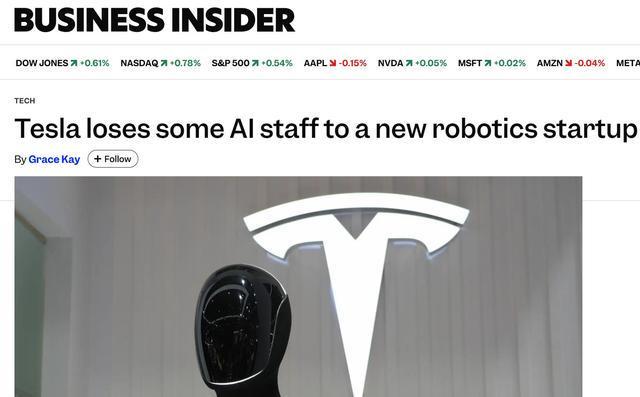
Core Insights - Emerging robotics startup Sunday Robotics has recently ended its secretive operational phase and launched its first home robot product, "Memo" [1] - The core team of Sunday Robotics includes at least 10 former senior employees from Tesla's artificial intelligence and robotics projects [1] Company Overview - Sunday Robotics is positioned in the home robotics market with the introduction of "Memo" [1] - The involvement of experienced personnel from Tesla indicates a strong foundation in AI and robotics technology [1]


由特斯拉技术班底“组团”加盟,Sunday Robotics携家用机器人正式亮相
Huan Qiu Wang Zi Xun· 2025-12-01 06:36
Core Insights - Sunday Robotics has officially launched its first home robot product, "Memo," on November 19, 2023, after ending its secretive operational phase [1][4] - The core team of Sunday Robotics includes at least 10 former senior employees from Tesla's AI and robotics projects, indicating strong expertise in the field [1][4] Company Overview - Sunday Robotics was co-founded by Cheng Chi and Zhao Dongni in 2024, with a current workforce of approximately 50 employees, many of whom have significant experience at Tesla [4] - Key team members include Perry Jia, who worked at Tesla for nearly six years, and Nadeesha Amarasinghe, who served as the AI infrastructure engineering lead for over seven years [4] Product Features - The "Memo" robot is designed for practical household tasks, showcasing capabilities such as picking up wine glasses, loading dishwashers, and folding socks, emphasizing its utility in home environments [4] Industry Context - The home robotics sector is currently experiencing a wave of innovation, with another startup, 1X, having recently launched its Neo home robot and planning to deliver it to consumers by 2026 [5]

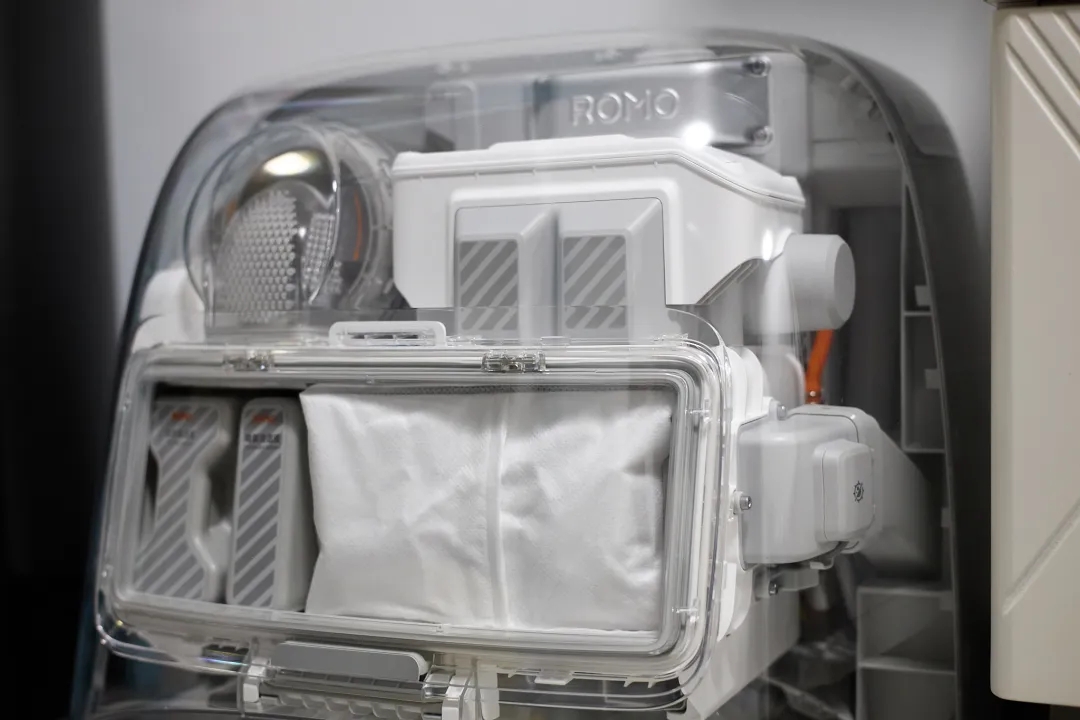
徕芬紧随大疆入局,智能清洁赛道上演大乱斗,家用机器人是终局?
3 6 Ke· 2025-11-17 10:33
Core Insights - The entry of DJI and Leifen into the smart cleaning market, particularly in the floor washing machine segment, indicates a growing competition in an already crowded field [1][26] - The smart cleaning appliance market in China is projected to reach a sales volume of 42.3 billion yuan in 2024, with a year-on-year growth of 24.4% [3][8] - The penetration rate of washing machines in the domestic market is currently at 3.1%, suggesting significant room for growth [6][13] Market Overview - The smart cleaning appliance market is experiencing rapid growth, with the number of washing machine models increasing from 481 in 2022 to over 1,042 in 2024 [8] - The market size for floor washing machines is expected to reach 8 billion yuan in the first half of 2025, while the vacuum cleaner market is at 2.8 billion yuan [6][13] - The competitive landscape is intensifying, with major players like Stone, Ecovacs, and Chase vying for market share [15][20] Competitive Dynamics - The market is witnessing a consolidation trend, with a decrease in the number of washing machine brands despite the overall market growth [13][15] - The leading brands in the vacuum cleaner market include Stone (20.7%), Ecovacs (13.9%), and Chase (12.3%), collectively holding 64.8% of the market share [13][15] - Traditional home appliance giants like Midea and Haier are also entering the smart cleaning space, indicating a shift towards integrating smart cleaning products into their broader product lines [18][20] Future Prospects - The smart cleaning market is seen as a key entry point for home robotics, with expectations of significant growth in the coming years [27][29] - The global market for smart home cleaning robots is projected to ship 32.1 million units by 2025, reflecting a year-on-year growth of 28.2% [32] - The ongoing technological advancements in robotics and AI are expected to further enhance the capabilities and market penetration of smart cleaning products [32]
第一批买机器人做家务的人崩溃了
量子位· 2025-11-05 09:30
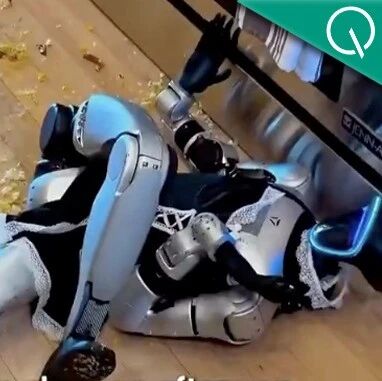
Core Viewpoint - The article discusses the challenges and limitations of autonomous home robots, suggesting that remote-controlled services may be a more practical solution for household tasks [3][7][16]. Group 1: Autonomous Robots Issues - Autonomous home robots often cause accidents, such as crashing into mirrors or kitchen cabinets, leading to frustration among users [2][9][11]. - The current technology for home robots lacks sufficient autonomy, making it difficult for them to perform basic tasks like avoiding obstacles or cooking [16][27]. - Users have reported dissatisfaction with the high prices of these robots, which do not meet their expectations for functionality [15][27]. Group 2: Remote-Controlled Solutions - Carmack suggests that selling remote-controlled home robots, like the NEO from 1X Technologies, could be more beneficial than fully autonomous models [3][4]. - The NEO robot, which can perform tasks like folding clothes and fetching water, is operated remotely via a VR headset, allowing for flexibility in task management [5][7]. - Renting the NEO at $500 per month equates to hiring a domestic helper at a rate of $2 per hour, presenting a cost-effective alternative [17]. Group 3: Consumer Concerns - Many consumers lack clear evaluation standards for emerging technologies like home robots, making them susceptible to misleading marketing [24][25]. - The trend of pre-selling home robots, with payments made for products that will not be delivered until years later, raises concerns about consumer trust and product viability [20][21][22]. - The expectation of "hands-free" convenience often leads to disappointment when the actual performance of the robots falls short [25][27].
家用机器人,真要敲门入户了?
Hu Xiu· 2025-10-20 09:34
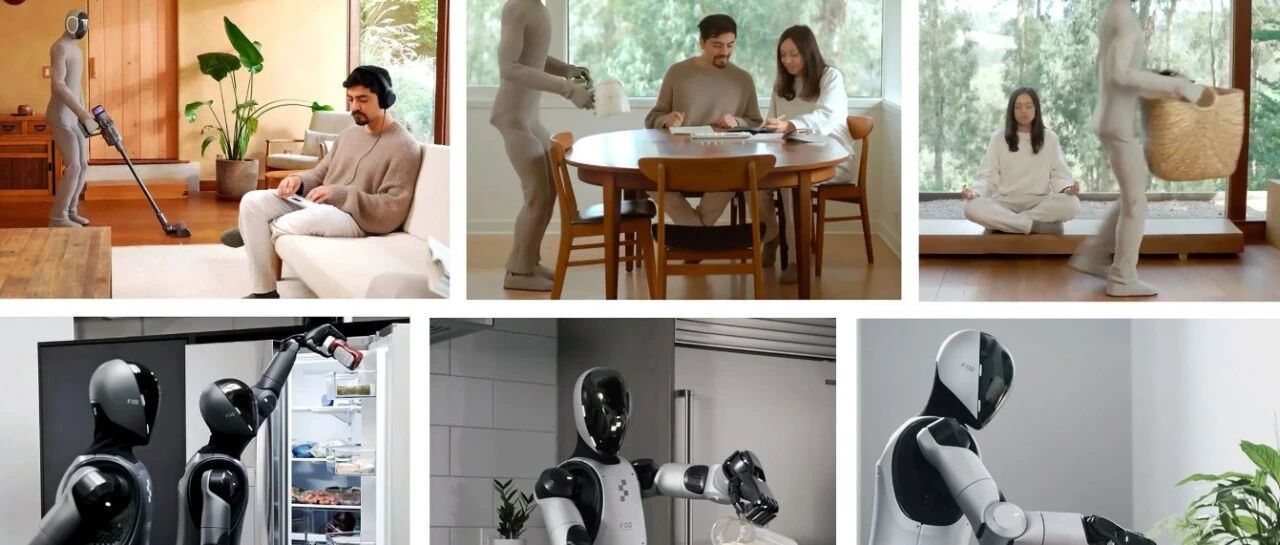
Core Insights - The article discusses the rapid advancement of household robots, particularly focusing on the third generation of these devices, which are being developed and released globally [1] Group 1: Product Overview - Eight models of future household robots are introduced, including Optimus, Figure03, Neo Gamma, QiJia Q1, Booster T1, Astribot S1, HIVA, and Midea [1] - The article compares the development of household robots in China with that in Europe and the United States, highlighting differences in technology and market trends [1]
82位用户访谈结论:家用人形机器人或许还远
机器人大讲堂· 2025-09-05 13:59
Core Viewpoint - The article discusses the emerging trend of humanoid robots entering households, highlighting both the excitement and skepticism surrounding this development. It emphasizes the need for a more user-centered approach in the design and deployment of household robots, as current trends may not align with user preferences and safety concerns [1][12]. Group 1: Expert Insights - Maya Cakmak, a professor at the University of Washington, expresses her concerns about the practicality of humanoid robots in homes, suggesting that non-humanoid robots may be more effective and user-friendly [3][4]. - Cakmak's research indicates a significant preference among users for specialized robots over humanoid ones, citing safety, privacy, and space concerns as primary reasons [6][8]. Group 2: User Preferences - A study involving 76 participants revealed that most preferred specialized robots for household tasks, associating humanoid robots with safety risks and privacy issues [6][7]. - Users expressed that specialized robots are perceived as safer, more private, and less intrusive compared to humanoid robots, which are often seen as bulky and unnecessary [6][11]. Group 3: Practicality vs. Design - The article highlights a critical contradiction in the industry: while companies pursue humanoid robots for their versatility, users may not require human-like features for effective assistance in household tasks [9][11]. - Cakmak argues that simpler, non-humanoid designs could fulfill most household needs without the complications associated with humanoid robots [11][12]. Group 4: Future Directions - The article concludes that the industry should focus more on user insights and practical applications rather than merely technological advancements. It suggests that companies should share user research data to better align product development with actual user needs [12][14].
商汤元萝卜联动疯狂动物城发布朱迪系列新品
Guan Cha Zhe Wang· 2025-08-26 11:58
Core Viewpoint - SenseRobot, a home robot brand under SenseTime, has launched a new product inspired by Disney's "Zootopia," aimed at enhancing children's cognitive skills through interactive chess games and programming tasks [1][2]. Product Features - The "Zootopia Judy Series 4+1" robot features a design based on the character Judy, incorporating elements like a blue-gray color scheme and interactive voice capabilities [1]. - It combines four types of chess games (Chinese chess, Go, international chess, and Gomoku) with a fun card programming feature, promoting logical thinking and creativity in children [1][2]. - The robot includes a "low-failure growth system" that encourages children to learn resilience through gameplay, providing gentle feedback and tracking progress with badges and certificates [2]. User Experience - The robot is designed for ease of use, automatically sensing the chessboard and switching between games without complex operations, promoting healthy screen time habits [3]. - It supports both "human vs. robot" and "human vs. human" modes, allowing children to engage with friends and compete with a large online community [2][3]. Market Positioning - The product is priced at 3,499 yuan, with a pre-sale discount of 3,199 yuan, positioning it as an innovative educational tool for families [3]. - SenseTime aims to integrate robotics into family life, aligning with the positive themes of courage, wisdom, and optimism found in "Zootopia" [3].
沙利文调研认证九牧智能马桶在国内销量领先
Xin Hua Wang· 2025-08-22 08:34
Core Insights - JOMOO has been officially recognized by Frost & Sullivan as the "No. 1 Smart Toilet Brand in China" in terms of sales, reinforcing its market leadership and technological prowess [1][9] - The recognition highlights JOMOO's comprehensive advantages in R&D, manufacturing, quality assurance, channel service, and brand innovation, solidifying its position as "China's No. 1 and among the top three globally" [1][9] Group 1: Market Position and Recognition - Frost & Sullivan is a globally recognized consulting and certification agency, known for its rigorous methodology and reliable data, having served numerous well-known enterprises [3] - JOMOO has been awarded multiple market position certifications, including "Global No. 1 in Smart Toilet Sales" and "China's Leading Smart Bathroom Brand," showcasing its strong brand influence [9] Group 2: Technological Innovations - JOMOO has developed groundbreaking technologies such as the smart toilet flip flushing technology, which revolutionizes traditional flushing methods, achieving ultra-quiet operation at 38 decibels and a 99% deodorization rate [4][6] - The company invests at least 10% of its sales revenue annually in R&D, holding over 20,000 patents, and has introduced various health-focused features in its products [4][6] Group 3: Manufacturing Capabilities - JOMOO operates 15 "dark factories" globally, with an annual production capacity of up to 4 million smart toilets, making it the largest producer in the world [7] - The dark factories utilize advanced technologies such as 5G robots and AGV vehicles, enhancing production efficiency by 35% and product quality by 25% [7] Group 4: Quality Assurance and Global Expansion - JOMOO has established a quality technology transformation center and has been recognized with multiple quality awards, leading the industry in quality management [8] - The company has over 10,000 high-end experience stores and sales points worldwide, exporting products to over 120 countries and regions, and has expanded its presence in Southeast Asia and the Middle East [8][9] Group 5: Future Outlook - With the recent recognition, JOMOO is expected to accelerate its leadership in the global smart toilet industry, focusing on continuous technological innovation to meet consumer demands for smarter and healthier bathroom solutions [9]