
Figure03

Search documents
机器人还能成为什么
Xin Lang Cai Jing· 2026-02-19 00:28
Core Insights - The evolution of humanoid robots has been showcased prominently during the Spring Festival Gala, with performances like "YingBOT" and "WuBOT" demonstrating significant advancements in their capabilities [1][2] - The rapid development of humanoid robots in China has led to their increased presence in various sectors, transforming them from mere performers to versatile partners in daily life [4][5] Group 1: Performance and Technological Advancements - The "WuBOT" performance featured robots executing complex movements and achieving global records in synchronization and dynamic actions, showcasing their enhanced physical control [1][2] - The transition from simple movements to sophisticated martial arts displays indicates a significant leap in the capabilities of humanoid robots within just one year [1][4] Group 2: Market Growth and Industry Dynamics - The humanoid robot market in China is booming, with over 150 companies and significant production milestones, such as Yushu's annual output exceeding 5,500 units [4][5] - Global humanoid robot shipments are projected to reach approximately 18,000 units by 2025, marking a 508% increase year-on-year, with China leading the market [5] Group 3: Societal Integration and Future Potential - Humanoid robots are increasingly being integrated into everyday life, serving roles from AI police officers to household assistants, indicating their growing utility beyond entertainment [5][9] - The potential for humanoid robots to create new job opportunities while also replacing certain roles highlights the dual nature of their impact on the workforce [9][10] Group 4: Ethical Considerations and Future Outlook - As humanoid robots approach human-like capabilities, there is a need for ethical frameworks to ensure they serve as assistants rather than threats, reflecting on historical technological adaptations [11][12] - The future of humanoid robots will depend on societal acceptance and the development of reliable, understanding companions, rather than just advanced technology [11][12]



英伟达主管!具身智能机器人年度总结
具身智能之心· 2025-12-29 12:50
Core Insights - The robotics field is still in its early stages, as highlighted by Jim Fan, NVIDIA's robotics head, indicating a lack of standardized evaluation metrics and the disparity between hardware advancements and software reliability [1][8][11]. Group 1: Hardware and Software Disparity - Current advancements in robotics hardware, such as Optimus and e-Atlas, outpace software development, leading to underutilization of hardware capabilities [14][15]. - The need for extensive operational teams to manage robots is emphasized, as they do not self-repair and face frequent issues like overheating and motor failures [16][17]. - The reliability of hardware is crucial, as errors can lead to irreversible consequences, impacting the overall patience and scalability of the robotics field [18][19]. Group 2: Benchmarking Challenges - The lack of consensus on benchmarking in robotics is a significant issue, with no standardized hardware platforms or task definitions, leading to everyone claiming to achieve state-of-the-art (SOTA) results [20][21]. - The field must improve reproducibility and scientific standards to avoid treating them as secondary concerns [23]. Group 3: VLA Model Insights - The Vision-Language-Action (VLA) model is currently the dominant paradigm in robotics, but its reliance on pre-trained Vision-Language Models (VLM) presents challenges due to misalignment with physical world tasks [25][49]. - The VLA model's performance does not scale linearly with VLM parameters, as the pre-training objectives do not align with the requirements for physical interactions [26][51]. - Future VLA models should integrate physical-driven world models to enhance their ability to understand and interact with the physical environment [50]. Group 4: Data Importance - Data plays a critical role in shaping model capabilities, with the need for diverse data sources and collection methods being highlighted [31][43]. - The emergence of new hardware and data collection methods, such as Generalist and Egocentric-10K, demonstrates the growing importance of data in the robotics field [36][42]. - The current data collection strategies remain open-ended, with various approaches still being explored [43]. Group 5: Industry Trends - The robotics industry is projected to grow significantly, from $91 billion currently to $25 trillion by 2050, indicating a strong future potential [57]. - Major tech companies, excluding Microsoft and Anthropic, are increasingly investing in robotics software and hardware, reflecting the sector's attractiveness [59].


具身智能机器人年度总结,来自英伟达机器人主管
量子位· 2025-12-29 09:01
Core Viewpoint - The robotics field is still in its early stages, with significant advancements in hardware but limitations in software reliability and performance [1][12]. Group 1: Hardware and Software Dynamics - Current hardware advancements outpace software development, leading to reliability issues that hinder software iteration speed [11][14]. - Many demonstrations of robotic capabilities are often the result of selecting the best performance from numerous attempts, rather than consistent reliability [7][22]. - The need for extensive operational teams to manage robots highlights the challenges in hardware reliability, including overheating and motor failures [18][19]. Group 2: Benchmarking Challenges - The robotics sector lacks standardized benchmarks, making it difficult to assess performance consistently across different hardware platforms and tasks [21][22]. - The absence of consensus on evaluation criteria leads to a situation where every new demonstration can be considered state-of-the-art, complicating progress in the field [22][23]. Group 3: VLA Model Limitations - The Vision-Language-Action (VLA) model, currently a dominant paradigm, faces structural issues as it is primarily optimized for visual question answering rather than physical task execution [24][50]. - The performance of VLA models does not improve linearly with the increase in VLM parameters due to misalignment in pre-training objectives [26][52]. - A shift towards video world models is suggested as a more suitable pre-training target for robotics, as they inherently encode physical dynamics [27][53]. Group 4: Importance of Data - Data plays a crucial role in shaping model capabilities, and the integration of hardware and data is essential for effective robotic performance [31][32]. - Recent advancements in hardware, such as Figure03 and others, demonstrate improved motion capabilities, but challenges remain in enhancing hardware reliability [35][37]. - The Generalist model illustrates the scaling law in embodied intelligence, where larger datasets lead to better task performance [38][41]. Group 5: Future Trends and Market Potential - The robotics industry is projected to grow from $91 billion to $25 trillion by 2050, indicating significant investment potential [60]. - Major tech companies are increasingly investing in robotics software and hardware, reflecting the sector's attractiveness despite current challenges [62].
“机器人元年”的狂欢:为什么要把它们塑造成表演型人才?
Feng Huang Wang· 2025-11-04 11:39
Group 1 - The article discusses the current state of humanoid robots in China, highlighting their limitations and the gap between public expectations and actual capabilities [4][5][6] - Despite the hype surrounding humanoid robots, many of them are often non-functional or require remote control, leading to a perception of them as mere entertainment rather than practical tools [4][5][6] - The industry has seen significant investment, with humanoid robot companies in China securing over 60% of global funding, indicating strong interest from investors despite the challenges [7][8] Group 2 - The article notes that many humanoid robots are primarily used for demonstrations and performances rather than practical applications, with sales to individual consumers being limited due to high costs and safety concerns [14][16] - The rental market for robots has emerged, with companies renting out robots for events, which has become a more viable business model compared to direct sales [18][21] - The narrative around robots has been shaped by media and public perception, with significant events like the Spring Festival Gala boosting visibility and investment in the sector [22][28] Group 3 - The article emphasizes that while there is a growing interest in humanoid robots, the technology is still not ready for widespread household use, with many robots struggling to perform basic tasks [26][27] - The future of robotics may not necessarily be humanoid, as other forms of robots have proven to be more effective in specific applications, suggesting a need for a shift in focus within the industry [26][27] - The article concludes that while the "iPhone moment" for robots may eventually arrive, significant technological and practical hurdles remain before robots can integrate into everyday life [28]
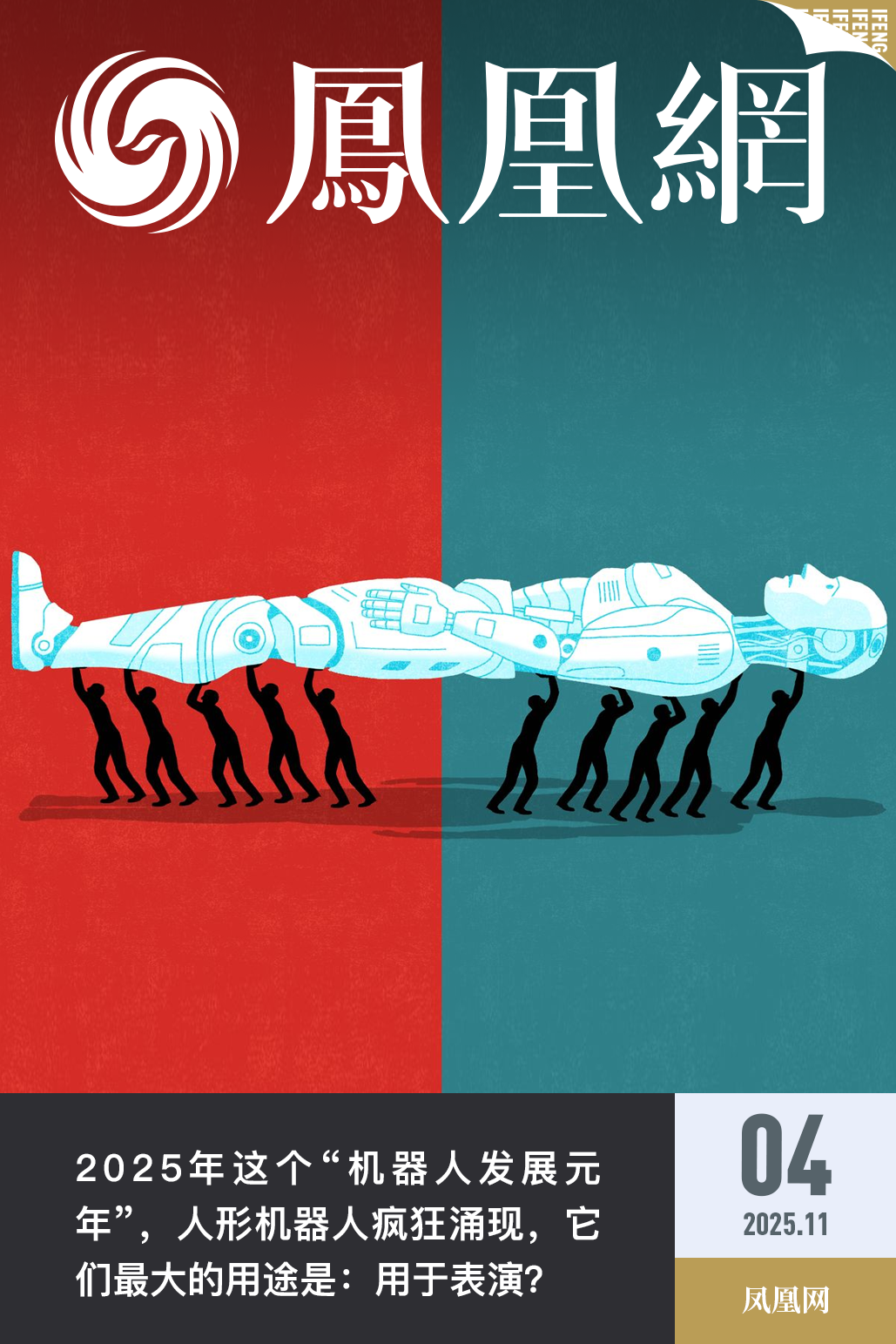
「机器人元年」的狂欢:为什么要把它们塑造成表演型人才?
Feng Huang Wang· 2025-11-04 10:25
Core Insights - The article discusses the current state and challenges of the robotics industry, particularly focusing on humanoid robots and their market reception. It highlights the gap between public expectations and the actual capabilities of robots, as well as the financial dynamics within the industry. Group 1: Industry Trends - The robotics industry in China is experiencing a surge in investment, with funding in the first ten months of 2025 surpassing the total for all of 2024, and humanoid robot companies capturing over 60% of global funding [9][10][19] - Despite the hype, many humanoid robots are primarily used for entertainment and demonstration purposes rather than practical applications, with sales to individual consumers being limited due to high costs and safety concerns [16][21] - The perception of robots as high-tech solutions is prevalent, but many companies struggle to produce commercially viable products, leading to a high failure rate in the industry [19][20] Group 2: Technological Limitations - Current humanoid robots often face significant operational limitations, such as a battery life of less than three hours and frequent malfunctions during demonstrations [4][5][19] - The complexity of tasks that robots can perform remains low, with many robots unable to handle basic household chores effectively, leading to consumer disappointment [27][33] - The industry has seen a trend where robots are primarily used for show rather than practical utility, with many companies focusing on creating robots for events rather than for everyday use [21][25] Group 3: Market Dynamics - The rental market for humanoid robots is growing, with companies offering robots for events and demonstrations, but this model does not translate into widespread consumer adoption [21][24] - Investment in the robotics sector is heavily influenced by media coverage and public interest, with successful appearances at events like the Spring Festival Gala significantly boosting company visibility and funding [25][26] - The expectation that humanoid robots will soon become household staples is tempered by the reality that significant technological advancements are still needed before they can fulfill such roles [29][32]
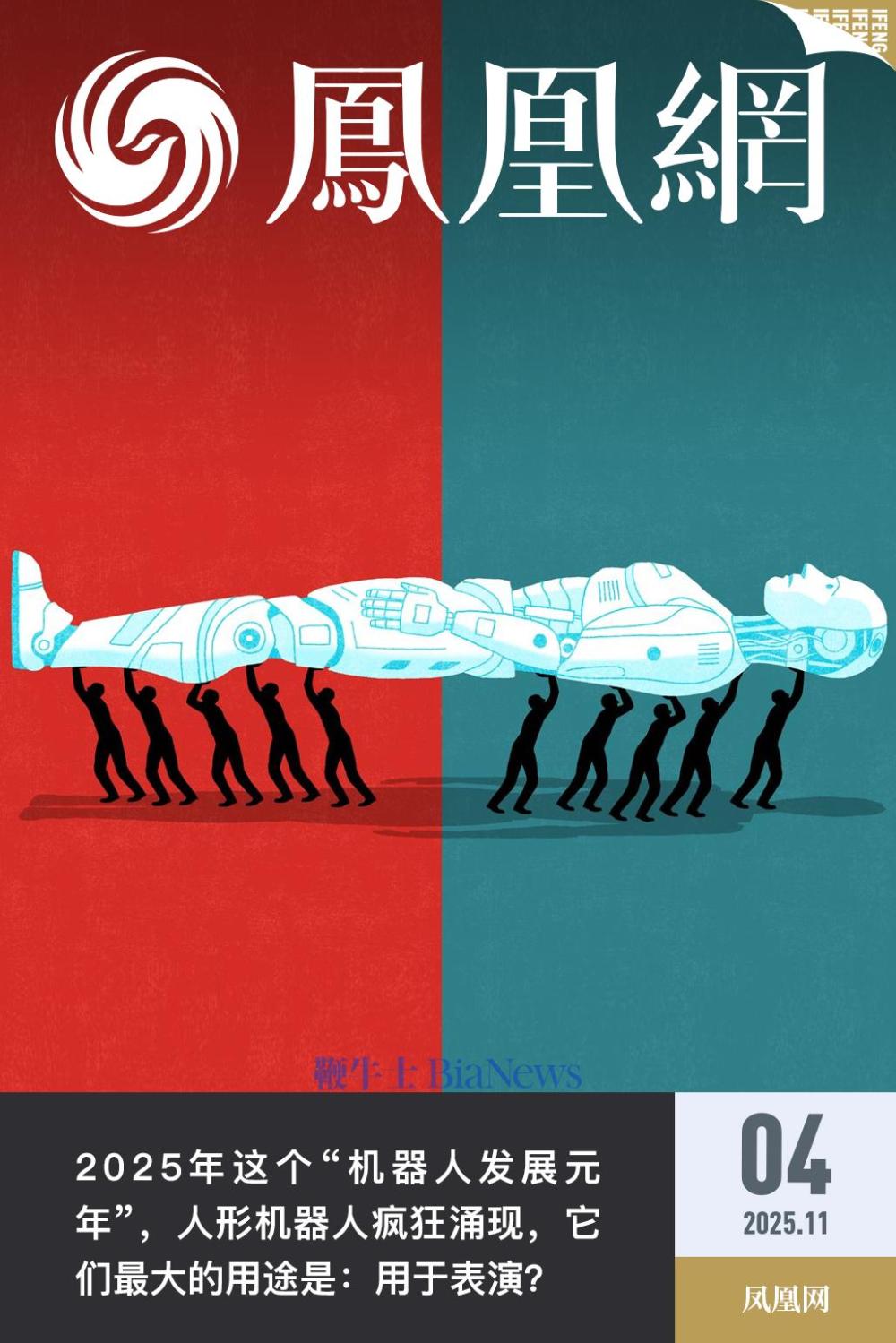
人形机器人大概要进入第一轮寒冬
自动驾驶之心· 2025-11-03 08:55
Core Viewpoint - The humanoid robot industry is facing significant challenges and may be entering a period of stagnation, with many companies failing to meet expectations and a lack of clear pathways to mass production [3][10]. Industry Performance - Internationally, companies like Tesla are struggling, with the Gen2 model facing overheating and durability issues, leading to a halt in production plans for this year, while Gen3 has been postponed to Q1 next year [3][4]. - Meta's AI chief and Google DeepMind's head have both indicated that true intelligence in humanoid robots is still years away, estimating a timeline of at least 5-10 years before robots can enter the home market [4]. Domestic Market Observations - The domestic market appears to be experiencing a false sense of prosperity, with many orders being reported as non-deliverable or merely framework orders that do not require immediate fulfillment [5][6]. Technological Limitations - Despite advancements in hardware, the industry has not achieved practical widespread application of robots, with AI technology not yet demonstrating the general intelligence needed for humanoid robots [8][9]. - Current AI applications in robotics are limited to specific scenarios and lack generalization capabilities, which could lead to failures in more complex environments like homes [12]. Challenges in Learning and Adaptation - Video learning, while a promising area, has not yet produced results that demonstrate the ability to generalize operations, with many companies still relying on real-world data collection rather than effective video learning techniques [15][17]. Potential Upsides - There are two uncertain factors that could influence the industry positively: 1. The performance of Tesla's Optimus Gen3, which is seen as a potential game-changer if it exceeds expectations [18][19]. 2. The possibility of hardware advancements leading to new market opportunities, as seen with companies like Yushun, which have successfully carved out niches in the entertainment sector [22][23]. Conclusion - The humanoid robot industry may be in a phase of necessary recalibration, similar to the early challenges faced by the electric vehicle sector, where technological advancements continued despite market difficulties [24].


深扒人形机器人赛道后,三个“不能说的秘密”
3 6 Ke· 2025-10-28 02:47
Core Insights - The humanoid robot industry is experiencing a significant disconnect between the hype surrounding production capabilities and the actual output, with many companies still struggling to achieve stable production [3][7][12] - Major players like Tesla, FigureAI, Zhiyuan, and Yushu are pursuing different strategies, revealing various potential paths for the industry's future [2][8][12] Production Volume Dilemma - The humanoid robot sector is expected to see a major production year in 2025, but actual output is projected to be significantly lower than the ambitious targets set by companies [3][7] - Zhiyuan Robotics is currently leading in production, having manufactured over 2,000 general-purpose robots in 2025, with expectations to sell several thousand units [3][11] - Tesla's production remains cautious, with less than 1,000 units produced as of Q3 2025, despite ambitious plans for mass production [3][4][9] Pathways and Strategies - Tesla's approach mirrors that of the electric vehicle industry, focusing on scaling production to reduce costs, leveraging existing automotive technology [9][12] - FigureAI adopts a focused strategy, optimizing robots for specific industrial and household applications, and aims to create a data ecosystem to enhance AI capabilities [10][12] - Zhiyuan Robotics targets specific market needs within China's manufacturing sector, emphasizing flexibility and cost-effectiveness in production [11][12] - Yushu Technology aims to make robots accessible to the general public with competitively priced models, targeting both consumer and mid-range markets [6][11] Supply Chain Dynamics - The competition in humanoid robotics is heavily influenced by supply chain capabilities, with a notable shift towards Chinese manufacturers providing key components [14][17] - Chinese companies are increasingly dominating the supply of critical components like reducers and servo systems, significantly reducing costs and lead times [15][16][17] - Tesla's supply chain strategy heavily relies on Chinese suppliers, with nearly 60% of its core components sourced from China [16][17] Future Outlook - The domestic production rate of core components for humanoid robots is projected to exceed 80% by 2030, which will further lower overall production costs [17] - The humanoid robot market is expected to grow significantly, with Morgan Stanley predicting a market size of $5 trillion by 2050, positioning China as a potential global manufacturing hub [17][18]
宇树上新!机器人指数ETF(560770)连续7日累计“吸金”超5.6亿元,规模近19亿元再创上市新高
2 1 Shi Ji Jing Ji Bao Dao· 2025-10-21 02:52
Core Insights - The robotics sector is experiencing increased attention from investors, driven by new product launches and significant orders from leading companies [1][3] - The robot index ETF (560770) has seen substantial inflows, indicating strong market interest and confidence in the sector's growth potential [1][2] Group 1: Company Developments - Yushu Technology launched a new bionic robot, showcasing skills such as dancing and martial arts, which highlights innovation in the sector [1] - Figures AI released its third-generation humanoid robot, Figure03, targeting household applications, marking a shift towards practical applications of humanoid robots [2] - Recent product launches and important orders from leading humanoid robot companies indicate rapid commercialization within the domestic market [3] Group 2: Market Trends - The robot index ETF (560770) has attracted over 5.6 billion yuan in inflows over the past seven trading days, with a total net inflow of 9.88 billion yuan since September, reaching a new high of 18.91 billion yuan [1][2] - The domestic robotics industry is entering a phase of integrated development, with a growing ecosystem that includes R&D, manufacturing, and application [2] - The projected growth rates for the net profit of the index constituents are 43.70%, 35.41%, and 24.42% for the years 2025, 2026, and 2027, respectively [2] Group 3: Policy Support - Cities like Hangzhou and Chengdu are reaffirming their commitment to support the development of robotics companies, with specific targets for industrial output and legislative support [1] - Hangzhou aims for a total industrial output of over 20 billion yuan for various intelligent robot manufacturers by 2027 [1] - Chengdu has launched a venture capital fund with an initial scale exceeding 10 billion yuan, focusing on humanoid robots and other future industries [1]
机械设备行业周报:智元发布精灵G2,优必选新获订单-20251020
Donghai Securities· 2025-10-20 09:41
Investment Rating - The report assigns an "Overweight" rating for the mechanical equipment industry, indicating a positive outlook compared to the broader market index [1]. Core Insights - The report emphasizes the increasing importance of embodied intelligent robots in both policy and research sectors, with a focus on commercial deployment and large-scale manufacturing [3][17]. - The "Shanghai Intelligent Terminal Industry High-Quality Development Action Plan (2026-2027)" has been released, aiming for the industry to exceed 300 billion yuan by 2027 and to cultivate globally influential consumer brands [3][18]. - The report highlights significant advancements in humanoid robots, including the launch of new products and procurement contracts, indicating a robust growth trajectory in the sector [19][20]. Summary by Sections Company Announcements - Inveke reported a revenue of 4.026 billion yuan for the first three quarters of 2025, a year-on-year increase of 40.19% [11]. - Huace Testing anticipates a net profit growth of 8.26%-9.51% for the same period, driven by service upgrades and innovation [12]. - Linyi Zhizhao expects a net profit of 1.890 billion to 2.120 billion yuan, reflecting a growth of 34.10%-50.42% [13]. Robotics Industry Dynamics - The report notes a heightened focus on the commercialization of embodied intelligent robots, with significant R&D activity expected to drive industry growth [17]. - The introduction of the Zhiyuan Spirit G2 robot, designed for industrial applications, showcases advancements in operational capabilities and precision [19]. - The Figure03 humanoid robot has been launched, featuring enhanced sensory and operational capabilities, indicating a shift towards practical applications in everyday environments [20][21]. Industrial Automation - Siemens is actively expanding its industrial software capabilities through multiple acquisitions, enhancing its position in the digital industrial software market [23][24]. - Domestic leaders are integrating AI into industrial automation, with companies like Huichuan Technology and Zhongkong Technology making strides in software development for smart manufacturing [29][30]. Market Review - The report notes a decline in the mechanical equipment sector, with a drop of 5.84%, underperforming the broader market index [30].
家用机器人,真要敲门入户了?
Hu Xiu· 2025-10-20 09:34
Core Insights - The article discusses the rapid advancement of household robots, particularly focusing on the third generation of these devices, which are being developed and released globally [1] Group 1: Product Overview - Eight models of future household robots are introduced, including Optimus, Figure03, Neo Gamma, QiJia Q1, Booster T1, Astribot S1, HIVA, and Midea [1] - The article compares the development of household robots in China with that in Europe and the United States, highlighting differences in technology and market trends [1]