
房企化债

Search documents
旭辉境外债务重组生效 碧桂园、融创、旭辉“三巨头”化债上岸
Bei Ke Cai Jing· 2025-12-31 01:49
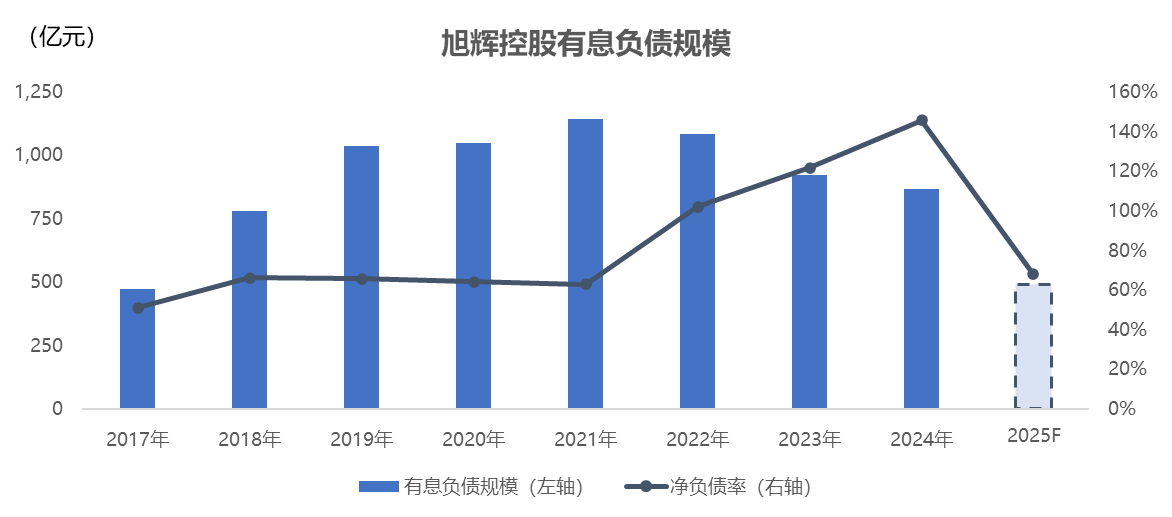
Core Viewpoint - CIFI Holdings has successfully completed its offshore debt restructuring, becoming one of the first private real estate companies to achieve overall debt restructuring, following similar actions by major players like Country Garden and Sunac [1][7]. Group 1: Debt Restructuring - CIFI's offshore debt restructuring involves a total principal and interest amount of approximately $8.1 billion (about 56.7 billion RMB), with an expected debt reduction of about 38 billion RMB, achieving a debt reduction ratio of 67% [1]. - The domestic debt restructuring involves 7 public market bonds totaling 10.06 billion RMB, with an expected debt reduction of over 5 billion RMB, providing a critical window for business recovery and operational improvement as no principal or interest payments are required for the next two years [1][2]. - CIFI's total interest-bearing debt is projected to decrease from 84.2 billion RMB in mid-2025 to around 50 billion RMB, with the debt structure shifting from "short-term high interest" to "long-term low interest," significantly lowering financial costs [2][8]. Group 2: Strategic Transformation - CIFI is transitioning from a "high leverage, high debt, high turnover" model to a "light asset, low debt, high quality" approach, focusing on three core areas: rental income, self-operated development, and real estate asset management [4]. - The company has implemented a detailed "five-step" strategic plan to restore its capital market credibility, expand light asset operations, and switch its profit model, ultimately aiming to restart shareholder returns [4]. - CIFI's development activities have contracted this year, prioritizing sales over land acquisition and streamlining its organizational structure to focus on five key regions [4]. Group 3: Market Context - The overall debt restructuring progress among private real estate companies has been significant, with many firms reducing debt pressure through restructuring methods [7]. - CIFI's debt reduction ratios are comparable to those of other major firms, with its offshore debt reduction ratio at 67%, while Sunac achieved a 100% reduction through full debt-to-equity swaps [7][8]. - The industry is shifting towards light asset operations, with many companies exploring new market opportunities and focusing on asset management and property operations as viable paths for recovery [9].


融创、碧桂园、旭辉相继官宣
Di Yi Cai Jing Zi Xun· 2025-12-30 04:25
Core Viewpoint - The restructuring of debts by major real estate companies in China is showing significant progress, with several firms completing both domestic and international debt restructuring, leading to a substantial reduction in total debt and alleviating repayment pressures for the coming years [2][4]. Group 1: Debt Restructuring Progress - Country Garden announced December 30, 2025, as the effective date for its restructuring, while CIFI Holdings and Sunac also confirmed the completion of their debt restructuring processes [2]. - The first batch of three private real estate companies has successfully completed their domestic and international debt restructuring, significantly reducing their total debt and saving on interest expenses [2][4]. - Jin Ke Co., Ltd. completed judicial reorganization involving 147 billion yuan in debt and over 8,400 creditors, marking it as the first large listed real estate company to resolve debt risks through judicial reorganization [2]. Group 2: Changes in Debt Restructuring Models - The debt restructuring model has shifted from "extension strategies" to "deep restructuring," focusing on substantial debt reduction to address systemic debt issues [3]. - Current typical methods for debt restructuring include debt-to-equity swaps, asset offsets, and long-term extensions, with debt reduction ratios ranging from 40% to 70% [3]. Group 3: Financial Metrics Post-Restructuring - As of mid-2025, the total interest-bearing liabilities for Country Garden, Sunac, and CIFI Holdings are approximately 298.3 billion yuan, 254.8 billion yuan, and 84.2 billion yuan, respectively [4]. - The debt restructuring scales for these companies represent 47%, 33%, and 78% of their total interest-bearing liabilities, with debt reduction ratios of 66%, 100%, and 67% for their international debt [4]. - The estimated total debt reduction from the restructuring efforts is around 90 billion yuan for Country Garden, 76 billion yuan for Sunac, and 43 billion yuan for CIFI Holdings [4]. Group 4: Future Outlook and Industry Context - Approximately 21 distressed real estate companies have achieved debt restructuring this year, with a total debt reduction scale of about 1.2 trillion yuan, significantly easing short-term repayment pressures [4]. - The industry is expected to continue facing challenges, with a focus on risk management and transformation in 2026, as highlighted in recent government meetings [5]. - The debt restructuring and approval processes are anticipated to accelerate the overall risk clearance in the real estate sector, with 2026 being a critical year for addressing these issues [5].

1.2万亿化债背后:房企从“债务清零”到“可持续经营”的闯关之路
Xin Lang Cai Jing· 2025-12-29 03:50
Core Insights - The real estate industry is transitioning from a passive approach of "buying time" to an active strategy of "debt reduction," as evidenced by the significant debt restructuring efforts of major companies like Sunac and Kinsale [1][2][8] - The total debt resolution scale has reached 1.2 trillion yuan, involving 21 distressed real estate companies, marking a pivotal shift in the industry's approach to managing debt [2][8] Group 1: Debt Restructuring Cases - Sunac China has become the first large real estate company to achieve a near-zero balance on its $9.6 billion offshore debt through a market-oriented restructuring process [3][9] - Kinsale has completed a judicial reorganization, resolving 147 billion yuan in debt, which is the largest restructuring case in the history of the real estate industry [4][10] - The restructuring efforts of both companies highlight a fundamental change in the debt resolution strategy, moving towards substantial debt reduction rather than merely extending repayment periods [2][8] Group 2: Market Reactions and Strategies - Sunac's innovative full debt-to-equity swap plan received overwhelming support from creditors, with 98.5% voting in favor, significantly reducing its overall repayment pressure by approximately 60 billion yuan [3][9] - Kinsale's restructuring involved a comprehensive repayment plan that included cash, stock, and trust beneficiary rights, with significant collaboration from local government and investment entities [4][10][11] - Both companies are now focusing on light-asset transformation strategies, such as property management and asset management, to restore their operational capabilities [5][12] Group 3: Future Considerations - The successful debt resolution does not signify the end of challenges; sustainable operational capacity will be the key measure of whether these companies can truly "revive" [5][12] - The industry is expected to shift towards a focus on cash flow, operational efficiency, and sustainable development, moving away from previous expansion models [6][13] - The overall health of the real estate sector will depend on aligning with market demand and optimizing the financing environment, including the implementation of effective inventory reduction policies [6][13]
房企化债进程加速 融创境外债务重组正式生效
Zhong Guo Jing Ying Bao· 2025-12-24 08:41
Core Viewpoint - Sunac China has successfully completed its offshore debt restructuring plan, effectively resolving its debt risks at the company level, marking a significant milestone in the real estate sector's debt resolution efforts [2][3]. Group 1: Debt Restructuring Overview - Sunac China announced the formal effectiveness of its offshore debt restructuring plan on December 23, which has resolved its debt risks [2]. - The company completed a total of 154 billion yuan in domestic debt restructuring in 2024, becoming the first real estate company to achieve overall restructuring of domestic corporate bonds [3]. - The restructuring plan includes options such as cash tender offers, stock economic rights payment, debt-for-equity swaps, and debt extensions, aiming to reduce nearly 70% of its domestic public debt [3][4]. Group 2: Offshore Debt Restructuring Details - In 2023, Sunac China completed its first round of offshore debt restructuring, introducing a "debt-for-equity + extension" approach, which included options for new notes, convertible bonds, and mandatory convertible bonds [3][5]. - By October 14, 98.5% of creditors approved the offshore debt restructuring plan, with a corresponding debt amount support rate of 94.5% [5]. - The Hong Kong High Court approved the restructuring of approximately 9.6 billion USD in offshore debt on November 5, leading to the complete elimination of existing offshore debt [5]. Group 3: Industry Context and Implications - As of now, 21 distressed real estate companies have completed debt restructuring or reorganization, with a total debt resolution scale of approximately 1.2 trillion yuan [7]. - The successful debt restructuring of large real estate firms like Sunac China is expected to optimize the industry's balance sheets and accelerate market stabilization [7]. - The debt restructuring has fundamentally alleviated debt pressure, but real estate companies must restore their liquidity capabilities to fully resolve their financial issues [7]. Group 4: Operational Recovery - Sunac China is projected to deliver over 50,000 new homes this year, with cumulative deliveries exceeding 700,000 homes over the past four years [8]. - Despite sales pressures, the company reported a cumulative contract sales amount of 33.89 billion yuan in the first 11 months of this year, with high-end products performing well [8]. - The company currently holds a total land reserve of over 12.4 million square meters, with nearly 70% located in core first- and second-tier cities, providing a solid foundation for future asset activation [8].
房地产行业化债步入新阶段 融创等房企上岸在即
Zheng Quan Ri Bao Wang· 2025-12-23 14:12
Core Viewpoint - Sunac China Holdings Limited has successfully completed its offshore debt restructuring plan, eliminating approximately $9.6 billion in existing debt, making it the first large real estate company to achieve a "clean slate" in offshore debt [1] Group 1: Debt Restructuring Impact - The successful debt restructuring of Sunac is seen as a significant milestone for the real estate industry, potentially optimizing the asset-liability structure and accelerating market stabilization [1][3] - A total of 21 distressed real estate companies have received approval for debt restructuring, with a total debt restructuring scale of approximately 1.2 trillion yuan, significantly alleviating the repayment pressure on the industry [1][2] Group 2: Innovative Debt Restructuring Approaches - Sunac's debt restructuring plan includes a "full debt-to-equity swap" model, which not only resolves the company's debt risks but also offers creditors opportunities for short-term liquidity and potential future stock appreciation [2] - The company has combined various options in its domestic bond restructuring, including cash offers, debt-to-equity swaps, asset offsets, and debt extensions, catering to the diverse needs of creditors [2] Group 3: Asset Quality and Resilience - Sunac holds a substantial land reserve of 12.4 million square meters, with nearly 70% located in first- and second-tier core cities, providing a strong asset base that enhances its resilience against risks [4] - High-end projects like Shanghai One and Beijing Sunac One have become significant sales drivers, with Shanghai One achieving sales of over 22 billion yuan, ranking as the top-selling single project nationwide [4] Group 4: Role of Major Shareholders - The major shareholder of Sunac has demonstrated strong commitment by providing $450 million in interest-free loans and offering personal guarantees for the debt restructuring, which has been crucial for the company's recovery efforts [5] - The proactive measures taken by major shareholders serve as a reference for other real estate companies facing similar challenges, promoting industry-wide debt resolution [5] Group 5: Future Industry Trends - The successful debt restructuring of large real estate companies marks a shift in the industry’s business model from "high debt, high turnover, high growth" to "stable operations, risk control, and quality focus" [6] - Companies that have successfully restructured their debts will need to enhance product quality and cash flow management, transitioning from scale expansion to quality improvement to support a healthier real estate market [6]
130亿违约债务化解,远洋集团仍欠供应商上百亿,股价已不足1毛
Xin Lang Cai Jing· 2025-12-20 05:45
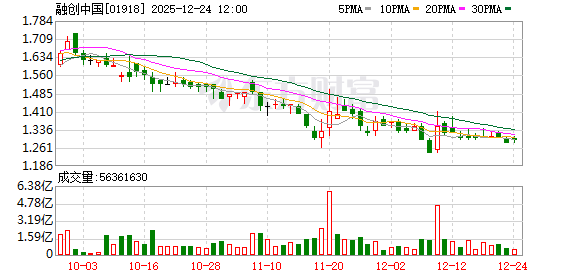
Group 1 - The core point of the article highlights that after the restructuring of debts, Ocean Group is still facing significant operational challenges and financial pressures despite the approval of a debt restructuring plan totaling approximately 130.5 billion yuan [1][5][6] - Ocean Group's sales performance has deteriorated, with a reported cumulative sales of 237.9 billion yuan for the first eleven months of 2025, reflecting a 22% year-on-year decline [1][9] - The company is experiencing a severe cash flow issue, with total loans amounting to 669.97 billion yuan and a short-term cash shortfall exceeding 300 billion yuan [5][6][10] Group 2 - The debt restructuring plan includes various repayment options, such as cash buybacks at a significant discount, which indicates the company's ongoing financial distress [4][6] - Ocean Group's average sales price per square meter has dropped by nearly 3,000 yuan compared to the previous year, raising concerns about the sustainability of its business model [9][10] - The company has shifted its focus towards a light-asset model through a new construction management brand, but faces intense competition in the market [11][12][13] Group 3 - Ocean Group's stock price has plummeted to below 0.1 Hong Kong dollars, indicating a lack of investor confidence and the company's precarious financial situation [14] - The company has accumulated significant trade receivables, leading to substantial impairment provisions, which further complicates its financial recovery [13][14] - Despite efforts to stabilize operations and restructure debts, the company still faces a challenging path ahead in regaining market trust and financial health [14]
130亿违约债务化解!远洋集团仍欠供应商上百亿,股价已不足1毛
Sou Hu Cai Jing· 2025-12-19 16:45
Core Viewpoint - The debt restructuring efforts of Ocean Group are accelerating as the company faces significant financial pressures and declining sales, despite recent approvals for debt restructuring plans [3][9][11]. Group 1: Debt Restructuring - Ocean Group has successfully passed restructuring plans for seven domestic bonds, totaling approximately 130.5 billion RMB, alleviating some short-term repayment pressures [3][9]. - The company is also proposing a restructuring plan for ten domestic bonds amounting to about 180.5 billion RMB, offering various repayment options including cash buybacks and asset swaps [5][11]. - The cash buyback proposal is set at 20% of the bond's remaining face value, indicating severe financial constraints [6][11]. Group 2: Financial Performance - For the first eleven months of 2025, Ocean Group reported a cumulative sales figure of 237.9 billion RMB, reflecting a year-on-year decline of 22% [4][12]. - The company's stock price has fallen below 0.1 RMB, indicating a lack of investor confidence [4][28]. - Ocean Group's total loans reached 669.97 billion RMB, with over 416.76 billion RMB due within one year, creating a short-term funding gap exceeding 300 billion RMB [6][12]. Group 3: Operational Challenges - Ocean Group has faced continuous losses, with shareholder losses reported at 190 billion RMB, 211 billion RMB, and 186 billion RMB from 2022 to 2024, totaling approximately 587 billion RMB [16][19]. - The average selling price of properties has dropped significantly, with November's average at approximately 7,900 RMB per square meter, down from 10,800 RMB a year earlier [14][15]. - The company has accumulated trade and other payables amounting to 473 billion RMB, indicating a substantial financial burden [20][21]. Group 4: Strategic Shifts - In response to traditional development challenges, Ocean Group is pivoting towards a light-asset model through its new brand "Yuan Yang Construction Management," focusing on project management and consulting services [22][23]. - Despite entering the construction management sector, Ocean Group's market position remains weak compared to leading competitors, with only 715.3 million square meters of new signed construction area, ranking eighth in the industry [23][24]. - The competitive landscape in the construction management sector is intensifying, with over 100 companies now involved, leading to compressed fee rates and increased challenges for profitability [25][27].

1470亿元债务,超8400家债权人,司法重整成功!房企“首吃螃蟹”提供标本兼治新路
Mei Ri Jing Ji Xin Wen· 2025-12-16 14:26
Core Viewpoint - Jinke Co., Ltd. has successfully completed a judicial reorganization, marking the largest restructuring case in the real estate industry to date, which is unprecedented in scale and complexity [1] Group 1: Judicial Reorganization - The restructuring involves a debt of 147 billion yuan and over 8,400 creditors, with the success attributed to a three-dimensional model of "judicial reorganization + strategic investment + business transformation" [1] - Jinke's reorganization serves as a significant breakthrough for the industry, providing a market-oriented and legal pathway for risk resolution [1] Group 2: Industry Trends - The new board of directors at Jinke includes professionals from asset management companies, industrial operations, and financial management, indicating a shift towards a light asset model focused on revitalizing existing assets [2] - The debt restructuring model in the industry has shifted from "extending time for space" to a focus on substantial debt reduction, with 21 distressed real estate companies having completed debt restructuring or reorganization, totaling approximately 1.2 trillion yuan [2] Group 3: Challenges and Outlook - The industry still faces structural challenges, with a trend of "differentiated relief" due to varying company qualifications, but the gradual maturity of restructuring mechanisms and the involvement of professional forces are helping the real estate sector move towards high-quality development [3] - This progress aligns with the central economic work conference's emphasis on stabilizing the real estate market, reflecting positive outcomes that the market and policies have been seeking [3]
万科求“缓”、融创清“零”、祥源爆“雷”丨2025房企化债众生相
Cai Jing Wang· 2025-12-12 07:24
Core Viewpoint - Vanke's stock and bond prices experienced significant fluctuations, indicating a critical meeting regarding the company's debt situation and potential bond extensions [1][2]. Group 1: Vanke's Debt Situation - On December 10, Vanke's stock surged, with Vanke A reaching a limit-up, while its domestic bonds also saw a collective rise, triggering temporary suspensions for several bonds [1]. - A meeting for bondholders of "22 Vanke MTN004" was held on December 10 to discuss the extension of the bond, with optimistic expectations for the outcome [2]. - Vanke plans to extend two bonds totaling 5.7 billion yuan, with "22 Vanke MTN004" originally due on December 15 and "22 Vanke MTN005" due on December 28 [2]. Group 2: Bondholder Meeting Proposals - The proposals for the bond extension include three options, all extending the principal repayment by 12 months without a down payment, differing mainly in interest payment and credit enhancement measures [2]. - The first proposal delays interest payments for 12 months, the second requires normal interest payments with additional credit enhancements, and the third has more lenient credit enhancement requirements [2]. Group 3: Market Reactions and Broader Industry Context - Following the meeting, Vanke's bonds experienced a significant drop on December 11, highlighting investor sensitivity to the company's debt issues [3]. - The overall real estate industry faces ongoing debt pressures, with many companies, including Wanda Commercial Management, seeking asset sales and debt extensions to manage their financial situations [4]. - The industry is expected to see a peak in debt repayment in 2025, with a total of 534.2 billion yuan due, while the pressure is anticipated to ease in 2026 [7].

全面客观看待房地产市场变化
Jing Ji Ri Bao· 2025-12-09 22:11
Group 1 - The real estate market is transitioning to a phase where both incremental and stock management are emphasized, with a need for time to adapt to the new model [1] - The market is showing signs of differentiation, with active transactions in several major cities. From January to November this year, cities like Xiamen, Guiyang, Wuhan, and others saw a year-on-year increase in total transactions of new and second-hand homes [1] - The proportion of second-hand home transactions is gradually increasing, indicating that the market is not stagnant despite a decline in new home transaction volumes [1] Group 2 - The decline in development investment should be viewed rationally, as the market has entered a phase of basic supply-demand balance, with reduced supply of new residential properties reflecting both regulatory measures and market adjustments [2] - The "white list" system for real estate financing continues to play a positive role, providing funding support for eligible projects and becoming a regular management system in the industry [2] - Progress in debt resolution among real estate companies is evident, with a reduction in the number of new distressed firms and significant advancements in debt restructuring, indicating a gradual clearing of industry risks [2] Group 3 - The real estate industry is committed to pursuing an intrinsic, high-quality development path, with new opportunities and values emerging through balanced incremental and stock management [3]