房地产存量时代

Search documents
有人预测:不出意外,明后的房地产要迎来“4大转变”,太真实
Sou Hu Cai Jing· 2026-01-01 01:21
Core Viewpoint - The Chinese real estate market is undergoing significant changes, shifting from a focus on price appreciation to stability and quality, with four major transformations expected in the coming years [5][49]. Group 1: Policy Changes - The policy approach is transitioning from aggressive stimulus measures to a focus on stability, controlling supply, reducing inventory, and improving quality [7][9]. - The central government emphasizes stabilizing the real estate market, with strategies to control new supply, reduce existing inventory, and enhance the quality of housing [10][11]. - The inventory cycle for unsold properties has reached a historical high of 27.4 months, indicating that inventory reduction will be a primary focus in the coming years [13]. Group 2: Market Dynamics - The market is shifting from a nationwide price increase to city and product differentiation, with first-tier and strong second-tier cities showing resilience while weaker cities face significant price pressures [17][21]. - There is a clear distinction between different city tiers, with core urban areas maintaining demand and price stability, while some third and fourth-tier cities experience price declines [21][22]. - The focus is now on "good cities, good districts, and good products," as the era of indiscriminate buying is over [28]. Group 3: Market Structure - The market is moving towards a "stock era," where second-hand homes and affordable housing are becoming more prominent, with second-hand home transactions exceeding 40% during the 14th Five-Year Plan [30][31]. - The government has built over 11 million units of affordable housing during the 14th Five-Year Plan, with plans for further development to address housing needs for new citizens and youth [33]. - The promotion of selling completed homes aims to reduce risks associated with unfinished projects, providing buyers with more options [35]. Group 4: Changing Consumer Preferences - There is a shift in consumer focus from price to quality, service, and living experience, with buyers increasingly concerned about comfort and amenities [37][39]. - The emphasis on "good housing" is being reinforced by policies that promote better construction standards and living conditions [41]. - The investment appeal of real estate is diminishing as policies stress "housing for living, not for speculation," leading families to prioritize comfort and security over short-term gains [45][49].


扎心现实!房价跌穿底裤为啥没人买?怕降价,更怕交钱就烂尾!
Sou Hu Cai Jing· 2025-12-28 03:41
Core Viewpoint - The real estate market is facing a crisis not primarily due to high inventory or prices, but rather a lack of consumer confidence and negative expectations about future price declines [3][9][10]. Market Conditions - As of November 2025, national real estate development investment is expected to plummet by 10.3% year-on-year, likely falling below 9 trillion yuan, a decrease of over 40% from the peak in 2021 [3]. - New housing starts have halved, dropping nearly 60% from peak levels, with only 8 out of 70 major cities seeing a month-on-month increase in new home prices, while the rest are experiencing declines [5]. - The second-hand housing market is even worse, with 69 cities seeing price drops, and only Xining showing a slight increase of 0.1% [5]. Consumer Sentiment - Many cities have seen home prices significantly reduced, with some third and fourth-tier cities reverting to 2015 price levels, yet consumer hesitation persists due to fears of further price drops and concerns over unfinished projects [7][10]. - The prevailing sentiment is that even a 30% price reduction may not be enough to stimulate buying, as consumers anticipate even larger discounts [10]. Policy Recommendations - The core issue is not inventory or pricing but rather the lack of consumer willingness to purchase, which can be addressed by lowering purchasing costs, such as reducing down payments and mortgage rates [14][16]. - The government is urged to act as a "last guarantor" by providing financial backing and assurances to prevent project failures and price drops, similar to measures taken during the 2008 financial crisis in the U.S. [19][21]. Future Outlook - The real estate sector is entering a "stock era," focusing on "intrinsic development," where the competition will shift towards ensuring consumer confidence and security in home purchases [22]. - There are signs of policy shifts that could improve market sentiment, indicating that a turnaround in demand is possible if effective measures are implemented [24]. - The current downturn in the real estate market is fundamentally a crisis of confidence, necessitating strong policy interventions to stabilize the market and protect the housing dreams of millions [26].

房子太多了,这可能是未来几十年最大的现实问题
Sou Hu Cai Jing· 2025-12-20 19:13
Group 1 - The core point of the article is that China's population has entered a phase of negative growth, marking a significant shift in the demographic landscape, which will impact various sectors, particularly real estate [1] - In 2022, China's population decreased by 850,000, the first decline since 1961, indicating a long-term trend rather than a temporary fluctuation [1] - The real estate market, which has been built on the premise of continuous population growth and urban expansion, now faces challenges as the demand for housing is weakening [1][3] Group 2 - The first trend affecting housing demand is the shrinking population of first-time homebuyers, leading to a structural decline in the "just need" demographic [4][5] - The second trend is that urbanization in China is nearing its peak, with the urbanization rate exceeding 65%, and the pace of growth has slowed significantly [6][7] - The influx of migrant workers, which has been a stable source of demand for new homes, is diminishing, further impacting the real estate market [8][9] Group 3 - The issue of real estate oversupply is not uniformly distributed; while major cities still experience demand, many third and fourth-tier cities face significant oversupply due to population outflow [13] - In these areas, the increasing number of homes built is not matched by population growth, leading to a situation where properties become burdens rather than assets [13][14] Group 4 - The oversupply of real estate leads to multiple issues, including pressure on local finances as land sales decline, which were previously a major revenue source for governments [16] - The decline in new home sales and increased land auction failures are shrinking this revenue stream, impacting the financial system and increasing risks [16] - The decline in property values affects household wealth, particularly for families heavily invested in real estate, which can lead to reduced consumer confidence and spending [17] Group 5 - Other countries have faced similar challenges; for instance, Japan dealt with excess housing by encouraging the removal of vacant homes, while Germany opted for a more direct approach in areas with severe population decline [19] - China is transitioning into a "stock era" in real estate, where the focus shifts from investment to habitation, emphasizing the need to activate existing housing stock rather than continuing to build new properties [21][22] Group 6 - The article concludes that the negative population growth and real estate oversupply are structural challenges that require a transformation in housing logic, moving from expansion to management [23] - This transformation will test not only fiscal and financial policies but also society's willingness to accept that housing may not always be the safest asset, while good living environments will always hold value [23][24]
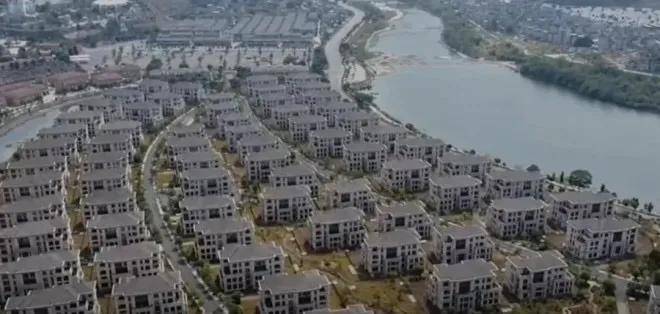
潘石屹再发楼市预言!未来三年,中国房地产将迎三大巨变,普通人如何避免财富缩水
Sou Hu Cai Jing· 2025-11-02 19:11
Core Insights - Pan Shiyi, a prominent figure in the real estate industry, has successfully executed a "sell-sell-sell" strategy since 2014, cashing out a total of 30 billion yuan from key projects in Shanghai and Beijing, ultimately relocating to the United States [3][5][10] - The Chinese real estate market is currently experiencing a downturn, with a 4.7% decline in national commercial housing sales area in the first half of 2025, and a significant inventory backlog in lower-tier cities [6][8][11] - The market is undergoing a significant reshuffling, with larger firms capturing a greater market share, as evidenced by the top 50 real estate companies accounting for 58.3% of sales in 2024, up from 46.2% in 2020 [10][11] Market Trends - The inventory turnover period for third and fourth-tier cities has reached 30.5 months, indicating a severe oversupply situation, while first-tier cities like Shenzhen are also facing price reductions in suburban areas [8][10] - High-profile reports, including one from Goldman Sachs, predict a cumulative price drop of 10-15% in the national real estate market over the next 2-3 years, with significant regional disparities [8][10] - The financing landscape is heavily skewed towards state-owned enterprises, which secured 86% of new financing, while private firms are struggling with a 20% drop in bond financing [10][11] Investment Opportunities - For first-time homebuyers, the next 2-3 years may present a favorable entry point due to declining prices and supportive government policies, such as reduced down payment requirements and increased loan limits [13][14] - The current market is characterized as a buyer's market, where buyers have the leverage to select properties carefully, particularly in light of the ongoing price declines [11][13] - Core properties in prime locations may still hold investment value, despite the overall market downturn, as the era of speculative buying is coming to an end [14]

赵燕菁:房地产是撼动宏观经济的震源
Sou Hu Cai Jing· 2025-09-16 06:58
Core Viewpoint - The current deep adjustment in China's real estate market is triggering a chain reaction in the macro economy, raising questions about the future of land finance, the impact of falling housing prices on ordinary people, and the parallel operation of affordable and commercial housing. The key to overcoming the current predicament lies in distinguishing between "land finance" and "land fiscal policy" and promoting equity market reforms [1][5][15]. Group 1: Real Estate Market Dynamics - Real estate is the core source of credit for monetary creation in China, and its stability directly affects household wealth, local government debt, and domestic demand [1][10]. - The choice between "abandoning quantity to protect price" or "abandoning price to protect quantity" is crucial in the current declining cycle of the real estate market [6][7]. - If the focus is on maintaining quantity, the market will not stabilize; instead, it is essential to stop new land supply and clear existing inventory to achieve price stabilization [8][11]. Group 2: Misconceptions about Housing Prices - The belief that falling housing prices benefit the majority is incorrect, as housing constitutes a significant portion of household assets in China, with urban households holding 77.7% of their total assets in real estate [9][10]. - The macroeconomic impact of real estate is often underestimated, as it plays a critical role in the debt structure and monetary creation process [10][11]. - The misconception that housing demand has disappeared overlooks the substantial existing stock of real estate, which can still generate liquidity and credit if properly managed [11][12]. Group 3: Affordable Housing and Market Structure - The dual-track system of affordable and commercial housing is essential for addressing housing needs without suppressing commercial housing prices [15][16]. - Successful implementation of this dual-track system requires a clear understanding that rising housing prices can stimulate demand, contrary to the belief that price suppression will enhance market activity [15][16]. - The government should focus on repurchasing excess commercial housing to convert it into affordable housing, which can simultaneously address market stabilization and social welfare [15][16]. Group 4: Urban Renewal and Economic Growth - Urban renewal should focus on creating cash flow from existing assets rather than merely replacing old structures with new ones [19][21]. - The role of urban villages in providing low-cost housing is crucial for maintaining competitive business environments, especially in southern cities [22][23]. - A successful urban renewal strategy should empower property owners to lead the process, ensuring that funding comes from their own balance sheets rather than relying on government land sales [23].

房产市场的转折点:数据解读2025年房地产走势与投资策略
Sou Hu Cai Jing· 2025-08-27 23:09
Core Insights - The Chinese real estate market in 2025 is experiencing significant changes, with major figures like Li Ka-shing and Cao Dewang indicating a shift towards a more cautious investment approach [1][2][6] - Li Ka-shing's Longfor Group has withdrawn over 72 billion RMB from mainland China since 2023, redirecting investments to Europe, America, and Southeast Asia, signaling a potential downturn in the domestic market [1][2] - Cao Dewang has stated that the Chinese real estate sector has entered a "stock era," with new demand expected to decline significantly due to a high urbanization rate of 65.8% by the end of 2024, indicating a diminishing population dividend [1][2] Market Trends - In Q1 2025, the new residential price index in 70 major cities fell by 3.7% year-on-year, while the second-hand residential price index dropped by 5.2%, with more pronounced declines in third and fourth-tier cities [2][3] - The real estate sector's contribution to GDP decreased to 5.6% in 2024 from a peak of 7.9% in 2017, reflecting a structural transformation in the economy [2][3] - The inventory of unsold residential properties reached 570 million square meters by March 2025, with a de-stocking period of 17 months, significantly higher than the healthy level of 12 months [3] Financial Policies - Despite a reduction in mortgage rates to an average of 3.8% in April 2025, the expected market recovery has not materialized, with real estate transaction volumes remaining low [5][6] - Approximately 60% of social funds in Q1 2025 flowed into emerging sectors like technology and green energy, while less than 15% was directed towards real estate, indicating cautious sentiment towards the sector [5][6] Regional Disparities - First-tier cities and some new first-tier cities are showing relative stability in their real estate markets, with the new home price index in major cities like Beijing, Shanghai, Guangzhou, and Shenzhen only declining by 0.8% in Q1 2025, much lower than the national average [5][6] - The price-to-income ratio in first-tier cities averages 20 times, and 15 times in second-tier cities, significantly above the internationally recognized reasonable range of 3-6 times, suggesting ongoing pressure for price adjustments [5][6] Long-term Outlook - The real estate market is transitioning from rapid growth to stable development, with property values increasingly dependent on urban development potential, location advantages, and property quality rather than broad market trends [6][11] - The market is expected to mature, with less potential for significant price increases and a reduced likelihood of drastic declines, emphasizing the importance of making decisions based on actual needs rather than speculative motives [6][11]
数据出炉,新房市场还在收缩,房价短期内上涨无望?
Sou Hu Cai Jing· 2025-08-13 15:58
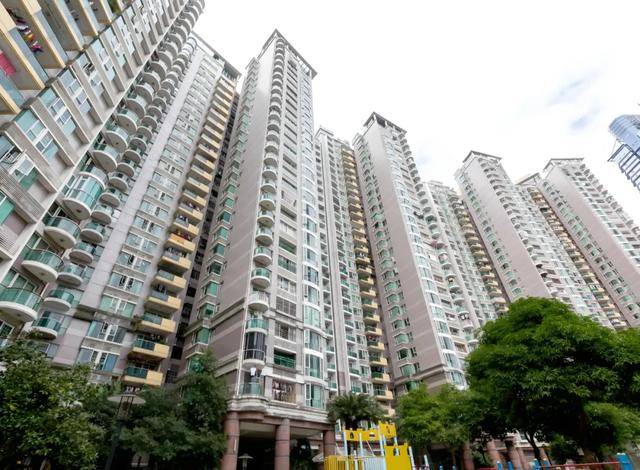
Core Viewpoint - The real estate market is experiencing a significant decline in new home sales, with a notable year-on-year decrease in sales figures for major developers, indicating a contraction in the market overall [3][6]. Market Performance - In the first seven months of 2025, the total sales amount for the top 100 real estate companies reached 20,730.1 billion, reflecting a 13.3% year-on-year decline, which is an increase in the decline rate by 1.5 percentage points compared to the first half of the year [3]. - Only five companies achieved sales exceeding 1 billion in the first seven months of 2025, a decrease from ten companies in 2023 and six in 2024, highlighting a shrinking new home market [3][6]. Market Trends - The proportion of new home sales in Chengdu has dropped from 48.7% in 2022 to 39.8% in 2023, with the share of second-hand homes rising to 60.2%, indicating a shift towards a stock market [5][6]. - The trend of increasing second-hand home sales is expected to continue, as the market transitions into a stock era where the focus shifts from new home development to the trading and operation of existing properties [8][9]. Market Dynamics - The current market environment shows a general decline in both new and second-hand home prices, with the adjustment period still ongoing [10]. - The transition from an incremental to a stock market phase is characterized by significant price adjustments, where the value of properties will vary greatly based on their quality and marketability [9][10].
起拍3.08亿元!青岛这家五星级酒店将被拍卖
Sou Hu Cai Jing· 2025-07-09 14:05
Core Insights - The Qingdao West Coast Sheraton Hotel is set for public auction on July 28, 2025, with a starting price of 308 million yuan, following financial difficulties that have led to its auctioning [2] - The hotel, which opened in 2016, is located in a prime area facing Tangdao Bay Park and has been a significant landmark in Qingdao's West Coast New Area [2] - This is not the first time the hotel has faced auction; it previously appeared on the auction platform in November 2023 as part of a larger project, with an initial valuation of 1.082 billion yuan and a starting price of 760 million yuan [3] Financial and Operational Context - The auction is based on a court ruling, with the starting price set at 30% below the assessed value of 440 million yuan [2] - The hotel is still operational and accepting bookings, with room rates ranging from 600 to 1,000 yuan per night, indicating ongoing business activity despite the auction [5] - The property is encumbered by a long-term lease agreement lasting 20 years, which complicates the auction process as the new owner may not have full control over the asset for an extended period [5] Market Trends and Challenges - The auction reflects broader challenges in the hotel industry, particularly in Qingdao, where the judicial auction failure rate for hotels reached 83% from 2023 to 2025, with over 60% for second auctions [8] - The hotel sector has shifted from being viewed as a "symbol of prestige" or a financing tool during the real estate boom to facing difficulties in a market that now prioritizes value creation over mere expansion [8] - The current auction of the Sheraton hotel signifies a potential turning point for the hotel, as the industry seeks to adapt to changing market conditions and find new avenues for value [8]