杠杆资金踩踏效应

Search documents
金价、银价崩盘暴跌,有珠宝城成交降至冰点
盐财经· 2026-01-31 09:37
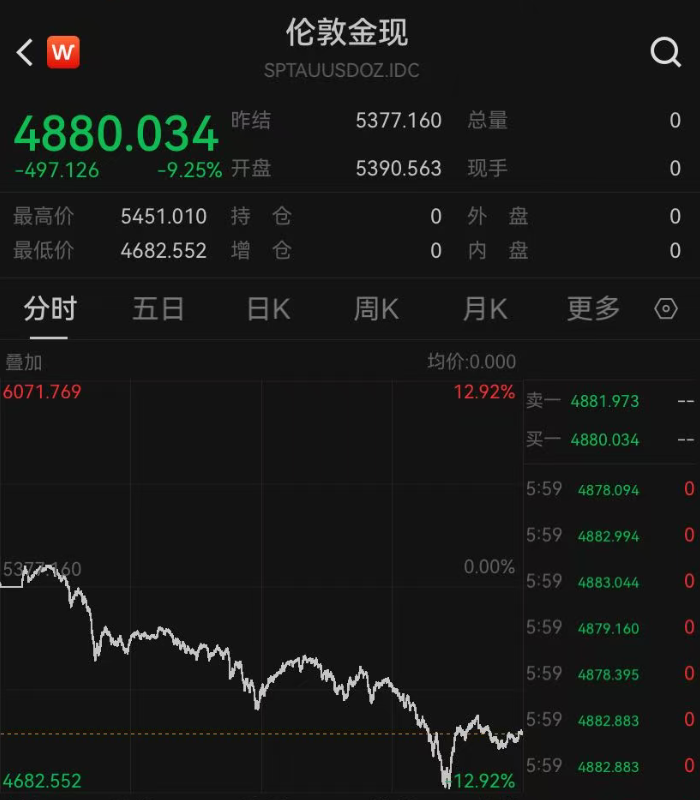
Core Viewpoint - The market experienced a significant sell-off in precious metals, particularly gold and silver, following the nomination of Kevin Warsh as the Federal Reserve Chairman, which heightened hawkish expectations [2][10]. Group 1: Market Reaction - Gold prices saw their largest drop in 40 years, with spot gold falling over 12% to a low of $4682 per ounce, closing down 9.25% at $4880 per ounce [2]. - Silver experienced a historic intraday drop of over 36%, reaching a low of $74.28 per ounce, and closing down 26.42% at $85.259 per ounce [3]. Group 2: Domestic Gold Jewelry Prices - Domestic gold jewelry prices fluctuated significantly, with brands like Chow Sang Sang reporting a drop from 1708 RMB per gram to 1543 RMB per gram, a decrease of 140 RMB in one night [5]. - Other brands, such as Lao Feng Xiang and Lao Miao, also reported substantial price drops of 170 RMB and 144 RMB respectively [5]. Group 3: Market Sentiment and Trading Behavior - The sharp decline in gold prices led to a cautious market sentiment, with many traders unsure about pricing and discounts, resulting in a significant drop in transaction volumes [7]. - Analysts suggested that ordinary investors should avoid speculative investments and maintain a balanced approach to their investment portfolios [8]. Group 4: Causes of the Price Drop - The sell-off was attributed to profit-taking after a long period of price increases, the announcement of the Fed Chairman nominee, and a cascading effect from leveraged positions in the market [10]. - The expectation of a hawkish stance from Warsh contributed to a stabilization of the dollar, which inversely affected gold and silver prices [10]. Group 5: Impact of Margin Requirements - Major exchanges increased margin requirements for gold futures, adding pressure on leveraged traders and triggering a cycle of forced selling as prices fell [11]. - The combination of stop-loss orders being triggered and the need for additional margin payments created a negative feedback loop, exacerbating the price decline [11]. Group 6: Changes in Banking Policies - Major banks, including China Construction Bank and Industrial and Commercial Bank of China, announced adjustments to their gold accumulation business, raising the minimum investment amount and implementing limits on transactions during non-trading days [23][24].

金银价暴跌,国内金饰克价一夜大跌上百元;柜姐:不能因降价就退货
Mei Ri Jing Ji Xin Wen· 2026-01-31 06:22
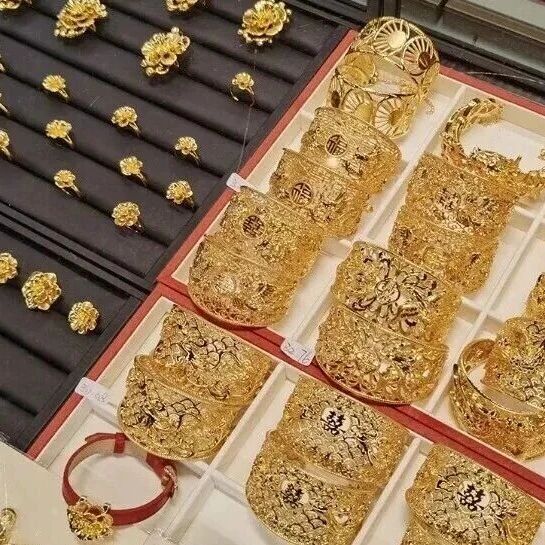
Core Viewpoint - The nomination of Kevin Warsh as the Federal Reserve Chairman by President Trump has triggered hawkish market expectations, leading to a panic sell-off in precious metals, with gold experiencing its largest drop in 40 years and silver hitting a historic intraday decline [1][3]. Group 1: Market Reactions - Gold prices fell over 12%, reaching a low of $4682 per ounce, marking the largest single-day drop since the early 1980s, and closed down 9.25% at $4880 per ounce [1]. - Silver saw a dramatic decline of over 36%, with an intraday low of $74.28 per ounce, ultimately closing down 26.42% at $85.259 per ounce [3]. - Domestic gold jewelry prices also plummeted, with major brands reporting significant price drops, such as Chow Sang Sang's gold price falling from 1708 RMB per gram to 1543 RMB per gram within two days [5]. Group 2: Market Sentiment and Trading Dynamics - The sharp decline in gold prices has led to a cautious market sentiment, with many traders and consumers adopting a wait-and-see approach, resulting in a significant drop in transaction volumes [7]. - Analysts attribute the sell-off to profit-taking pressures accumulated from previous gains, the announcement of the Fed Chairman, and the cascading effect of leveraged positions being liquidated [9]. - The market is currently trading based on "Warsh's hawkish expectations," which has contributed to a stabilization of the dollar and a subsequent decline in gold and silver prices [9]. Group 3: Trading Conditions and Regulations - Major precious metal exchanges have raised margin requirements for gold futures trading, increasing the financial pressure on high-leverage traders [10]. - The decline in precious metal prices has triggered a cycle of forced selling, where stop-loss orders are activated, leading to further price drops and additional margin calls [10]. - The legal framework surrounding gold purchases indicates that physical gold items generally do not qualify for a seven-day return policy, complicating consumer options in a volatile market [18].


金饰克价一夜大跌上百元
21世纪经济报道· 2026-01-31 06:18
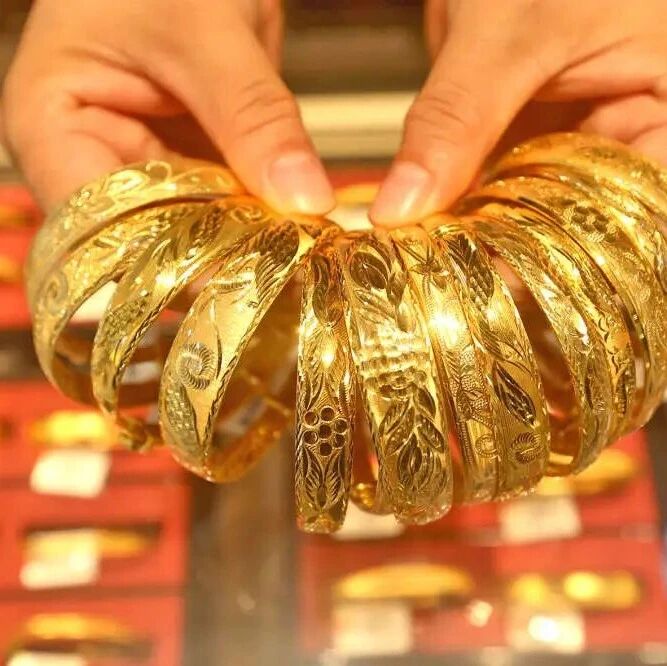
Core Viewpoint - The global precious metals market experienced a panic sell-off on January 31, leading to a significant drop in gold prices, with COMEX gold futures falling by 8.35% to $4,907.5 per ounce and spot gold down by 9.25% to $4,880 per ounce [1][2]. Price Movements - COMEX gold futures closed at $4,907.5 per ounce, down $447.30, a decline of 8.35% [2]. - Spot gold fell to $4,880 per ounce, down nearly $500, representing a 9.25% decrease [1]. - Domestic gold jewelry prices also dropped, with some brands seeing declines of over 100 yuan per gram [4]. Factors Behind the Price Drop - The sell-off was attributed to multiple factors, including profit-taking after a significant price increase since January 2026, where gold reached a historical high of $5,626.80 per ounce [8][9]. - Increased margin requirements for gold futures by major exchanges, such as the CME raising the margin to about 6% of nominal value, added pressure on leveraged traders, triggering a cycle of forced selling [9]. - The nomination of Kevin Warsh as the next Federal Reserve Chairman raised concerns about future monetary policy, strengthening the dollar and putting additional pressure on gold prices [9]. Market Outlook - Despite the recent downturn, there are optimistic factors such as global de-dollarization, continued central bank gold purchases, geopolitical tensions, and inflation expectations that could support gold prices [10]. - Investors are advised to lock in some profits if already invested and consider diversifying into other assets, while those not yet invested may find potential buying opportunities during further price corrections [10]. - The current positions in silver and gold are considered severely overbought, indicating a high risk of profit-taking in the short term, suggesting a cautious approach to trading [10].
金银价暴跌,国内金饰克价一夜大跌上百元;柜姐:不能因降价就退货!有珠宝城成交降至冰点,专家:不要搞“赌博式投资”
Mei Ri Jing Ji Xin Wen· 2026-01-31 04:17
Group 1 - The nomination of Kevin Warsh as the Federal Reserve Chairman has triggered hawkish market expectations, leading to a panic sell-off in precious metals [1] - Gold experienced its largest drop in 40 years, with spot prices falling over 12% to a low of $4682 per ounce, and closing down 9.25% at $4880 per ounce [1] - Silver saw a historic intraday drop of over 36%, reaching a low of $74.28 per ounce, and closing down 26.42% at $85.259 per ounce [3] Group 2 - Domestic gold jewelry prices have fluctuated significantly, with major brands like Chow Sang Sang and Lao Feng Xiang reporting sharp declines in gold prices, dropping by 140 CNY per gram overnight [5] - Market sentiment has turned cautious, with a significant decrease in transactions as consumers are uncertain about pricing and discounts [7] - Analysts suggest that ordinary residents should avoid speculative investments in gold and maintain a balanced investment strategy [7] Group 3 - The sharp decline in gold prices is attributed to profit-taking pressures, the announcement of the Fed Chairman candidate, and the effects of leveraged trading [8] - The market is currently trading on "hawkish expectations" due to Warsh's nomination, which is stabilizing the dollar and contributing to the drop in gold and silver prices [8] - High leverage positions in the futures market are being liquidated, exacerbating downward pressure on prices [9] Group 4 - Major exchanges have raised margin requirements for gold futures trading, increasing pressure on leveraged traders [9] - A cycle of forced selling has emerged, where price drops trigger stop-loss orders, leading to further declines [9] Group 5 - Retail gold stores generally do not accept returns on gold bars and jewelry after purchase, with online platforms having complex return policies [10][12] - Consumers have reported experiences of being charged high fees for returns, with some platforms not clearly communicating these fees [14] - Legal perspectives indicate that gold jewelry and bars purchased in-store are generally not eligible for a no-reason return policy [16] Group 6 - Major banks in China, such as China Construction Bank and Industrial and Commercial Bank of China, are adjusting their gold accumulation business, raising minimum investment amounts and implementing limits on transactions [18][20]
黄金白银遭遇史诗级跳水 背后“推手”究竟是谁?分析人士:高杠杆头寸在价格下跌时会被平仓 形成杠杆资金的踩踏效应
Ge Long Hui· 2026-01-31 03:21
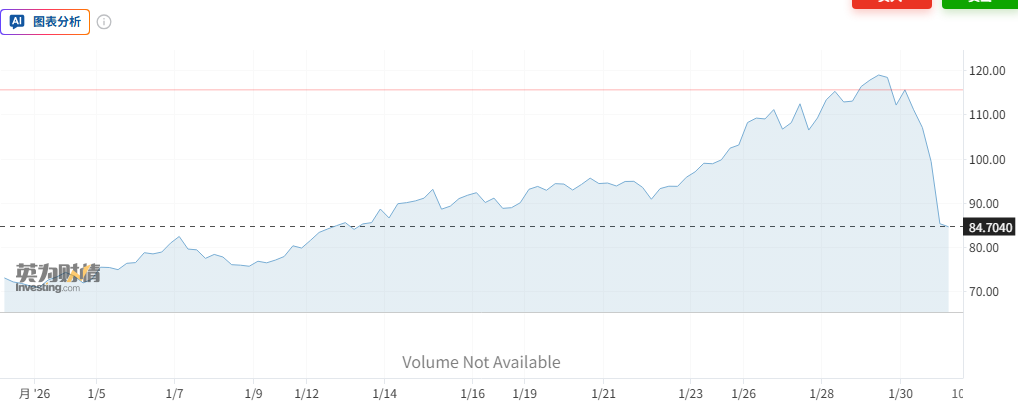
Core Viewpoint - The precious metals market experienced a significant single-day drop after a historic rise, indicating potential volatility and profit-taking among investors [1] Price Movements - Gold prices surged from approximately $4,300 to nearly $5,600 per ounce since the beginning of January, marking a monthly increase of over 30% [1] - Silver prices rose from around $70 per ounce to $120 per ounce, with a cumulative increase exceeding 60% [1] Market Dynamics - The recent price surge was driven by geopolitical tensions, expectations of interest rate cuts, and substantial inflows into precious metal ETFs [1] - The market had accumulated a large number of short-term profit positions, leading to a potential "jump" in prices [1] Trigger for Decline - The announcement of Donald Trump's nomination of Kevin Warsh as the next Federal Reserve Chairman acted as a negative catalyst for the market [1] - Increased leverage in the futures market exacerbated the price drop, as high-leverage positions were liquidated during the downturn [1] Margin Requirements - Major precious metal exchanges, including CME and domestic exchanges, raised the margin requirements for gold futures trading, increasing financial pressure on high-leverage traders [1] - The decline in precious metal prices triggered a cycle of stop-loss orders, leading to forced selling and further price declines [1]
史诗级暴跌,原因找到了
财联社· 2026-01-31 03:08
Core Viewpoint - The recent sharp decline in precious metals, particularly gold and silver, marks a significant shift after a period of historic price increases, raising concerns among investors in the sector [1][2]. Group 1: Price Movements - Gold prices surged from around $4000 to a historic high of $5626.80 per ounce, with a monthly increase exceeding 30% [3]. - Silver prices rose from approximately $70 to $120 per ounce, achieving a cumulative increase of over 60% [3]. - On January 30, gold experienced its largest single-day drop in nearly 40 years, falling over 12%, while silver saw a record daily decline of more than 36% [2]. Group 2: Causes of Decline - The decline was triggered by profit-taking after a prolonged period of gains, the announcement of Kevin Warsh as the next Federal Reserve Chair, and the resulting strong dollar effect [2][6]. - The market had previously priced in a more dovish Fed Chair, leading to a sudden shift in expectations that negatively impacted precious metals [6]. - The small market size and low liquidity of silver exacerbated its volatility compared to gold during this downturn [6]. Group 3: Leverage and Market Dynamics - High leverage in the futures market intensified the downward pressure, as positions were liquidated in response to falling prices, creating a vicious cycle of selling [8]. - Increased margin requirements by major exchanges added financial pressure on high-leverage traders, further contributing to the sell-off [8]. Group 4: Market Sentiment and Future Outlook - Analysts noted that the recent price surge had led to extremely optimistic sentiment and valuation levels, increasing the likelihood of a sudden price correction [9]. - Despite the significant drop, current prices remain substantially higher than at the beginning of the year, highlighting the extent of previous gains [10]. - The future trend of precious metals remains uncertain, hinging on whether prices can stabilize above key technical support levels and the upcoming Federal Reserve monetary policy statements [11].

史诗级暴跌,原因找到了
Feng Huang Wang· 2026-01-31 02:39
Core Viewpoint - The precious metals market experienced a significant downturn on January 30, 2026, following a historic rise, with gold and silver facing their largest single-day declines in decades, indicating a potential shift in market sentiment and dynamics [1][2]. Price Movements - Gold prices surged from approximately $4000 to a peak of $5626.80 per ounce, marking a monthly increase of over 30% [2]. - Silver prices rose from around $70 to $120 per ounce, achieving a cumulative increase of over 60% [2]. - On the day of the downturn, gold fell by more than 12%, while silver experienced a record drop exceeding 36% [1]. Market Dynamics - The decline was triggered by the announcement of Kevin Warsh as the next Federal Reserve Chair, which shifted market expectations towards a more hawkish monetary policy, leading to a stronger dollar and weaker precious metals [5]. - The precious metals market had accumulated significant short-term profit-taking pressure, setting the stage for the sharp decline [4]. Leverage and Volatility - High leverage in the futures market exacerbated the downturn, as positions were liquidated during the price drop, creating a cascading effect of selling [7]. - Increased margin requirements by major exchanges added pressure on leveraged traders, contributing to the downward spiral [7]. Market Sentiment - Analysts noted that the rapid rise in precious metal prices had led to extremely optimistic valuation and sentiment indicators, increasing the likelihood of a sudden price correction [9]. - Despite the significant drop, current prices remain substantially higher than at the beginning of the year, highlighting the extent of the previous price surge [11]. Future Outlook - It remains uncertain whether the recent decline will mark a trend reversal or merely a mid-term adjustment within an overall upward trend [12]. - The ability of precious metal prices to stabilize above key technical support levels in the coming days, along with upcoming Federal Reserve policy statements, will be crucial in determining future market direction [13].