汽车后市场服务

Search documents
1月汽车市场总体运行平稳 新能源汽车产销量同比均实现增长
Zhong Guo Zhi Liang Xin Wen Wang· 2026-02-27 01:59
Group 1: Overall Market Performance - In January, the automotive industry in China showed stable overall operation, with production and sales reaching 2.45 million and 2.346 million units respectively, reflecting a month-on-month decline of 25.7% and 28.3%, while production increased by 0.01% year-on-year and sales decreased by 3.2% year-on-year [1] - Domestic sales of automobiles fell to 1.665 million units, a year-on-year decrease of 14.8% and a month-on-month decrease of 33.9% [1] - Exports of automobiles continued to grow, reaching 681,000 units, a year-on-year increase of 44.9% but a month-on-month decline of 9.5% [1] Group 2: Passenger Vehicle Sales - Passenger vehicle sales in January totaled 2.062 million units, with production and sales down 28.4% and 30.2% month-on-month, and down 4.1% and 6.8% year-on-year respectively [2] - Chinese brand passenger vehicles sold 1.329 million units, representing a month-on-month decline of 32.1% and a year-on-year decline of 8.9%, accounting for 66.9% of total passenger vehicle sales [2] - Among major foreign brands, all five key brands experienced double-digit declines compared to the previous month, while American brands saw double-digit growth year-on-year [2] Group 3: Commercial Vehicle Market - The commercial vehicle market continued to show positive trends, with production and sales reaching 388,000 and 359,000 units respectively, reflecting a month-on-month decline of 6.8% and 15.6%, but year-on-year growth of 29.9% and 23.5% [2] Group 4: New Energy Vehicles - The new energy vehicle market remained stable, with production and sales of 1.041 million and 945,000 units respectively, showing month-on-month declines of 39.4% and 44.8%, but year-on-year increases of 2.5% and 0.1% [3] - New energy vehicles accounted for 40.3% of total vehicle sales in January [3] - Among the top 10 automotive companies, sales totaled 1.962 million units, representing 83.6% of total vehicle sales, with several companies like SAIC Group and Geely experiencing varying degrees of growth year-on-year [3] Group 5: Future Market Outlook - The China Automotive Industry Association anticipates that a series of policies aimed at benefiting the public and enterprises will be introduced to stimulate market demand and support stable industry operations [4] - The "14th Five-Year Plan" period is seen as a critical window for the automotive industry in China to transition towards high-quality development, emphasizing the need for quality improvement and efficiency enhancement while maintaining stable market operations [4]
1月我国新能源汽车产销量同比实现增长
中国能源报· 2026-02-11 08:21
Core Viewpoint - In January 2026, China's new energy vehicle production and sales experienced year-on-year growth, indicating a stable start for the automotive industry in the new year [1]. Group 1: New Energy Vehicle Performance - In January 2026, the production of new energy vehicles reached 1.041 million units, while sales totaled 0.945 million units, reflecting a year-on-year increase of 2.5% and 0.1% respectively [1]. - The overall automotive production and sales for January were 2.45 million and 2.346 million units, respectively [1]. Group 2: Industry Insights - The China Automobile Industry Association's deputy secretary-general, Chen Shihua, noted that the automotive industry is operating smoothly at the beginning of 2026, with policies focusing on the automotive aftermarket stimulating market vitality [1]. - The detailed implementation of relevant policies is expected to help stabilize and boost market demand in the automotive sector [1].


1月份我国汽车行业保持平稳运行
Yang Shi Xin Wen· 2026-02-11 06:04
Core Viewpoint - The Chinese automotive industry is maintaining stable operations as of January 2026, with mixed performance in production and sales figures [1] Group 1: Production and Sales Data - In January, the automotive production reached 2.45 million units, while sales totaled 2.346 million units, with production showing a year-on-year growth of 0.01% and sales declining by 3.2% [1] - The new energy vehicle (NEV) market is performing steadily, with production and sales of 1.041 million and 0.945 million units respectively, reflecting year-on-year growth of 2.5% and 0.1% [1] - The commercial vehicle market continues to show positive trends, with both production and sales maintaining double-digit growth year-on-year in January [1] Group 2: Export Performance - Automotive exports continue to grow, with NEV exports reaching 302,000 units, marking a year-on-year increase of 100% [1] Group 3: Policy Impact - The Chinese government has introduced a series of policies aimed at benefiting the public and enterprises, which are expected to support economic development and stabilize market demand [1] - The "Two New" policies are being implemented smoothly, with local governments following up with detailed implementation rules [1] - The "Accelerating the Cultivation of New Growth Points in Service Consumption Work Plan" focuses on key areas such as automotive after-market services, which is anticipated to invigorate market activity [1]
中国车企,要接受新车销量“仅微涨”的新常态
虎嗅APP· 2026-02-10 14:12
Core Viewpoint - The Chinese automotive market is experiencing a downturn in new car sales, with significant declines reported for major brands, while the used car market is thriving, indicating a shift in consumer preferences and market dynamics [2][3][24]. Group 1: New Car Market Trends - In January 2026, BYD's sales dropped by 30%, and Li Auto's sales fell by 7.55%, with Geely only seeing a slight increase of 1% due to strong overseas performance [2]. - The overall passenger car sales in China are projected to reach 24 million in 2026, with a growth rate slowing to 1% [2]. - The decline in consumer confidence, exacerbated by reduced subsidies and macroeconomic factors, is expected to keep consumer sentiment below the breakeven line [2]. Group 2: Used Car Market Dynamics - The used car market in China is booming, with a transaction volume of 20.1 million units in 2025, marking a year-on-year growth of 2.52% and a total transaction value of 1.28979 trillion yuan [3]. - The demand for used electric vehicles is expected to grow by over 50% [3]. - The trend of purchasing used cars is driven by practical needs, such as commuting and returning home during holidays, with a notable increase in cross-regional vehicle registrations [6][8]. Group 3: Consumer Preferences and Behavior - Consumers are increasingly opting for used cars due to price advantages, allowing them to afford better models compared to new cars [10]. - The introduction of new policies has increased the variety of available used car models, enhancing consumer choice [11]. - The demand for used cars is becoming more personalized, with consumers selecting vehicles based on specific needs such as fuel efficiency and durability [14]. Group 4: Implications for Automotive Companies - The rise in used car sales may negatively impact new car sales in the short term, as each additional used car sold could equate to one less new car sold [17]. - In the long term, a healthy used car market can stabilize the residual values of new cars, encouraging new car purchases [20]. - The growing interest in used cars among younger consumers may lead to future brand loyalty and new car purchases from the same manufacturers [21]. Group 5: Market Evolution and Future Outlook - The automotive market in China is maturing, with new car sales growth plateauing, while the used car market is expected to continue expanding [24]. - The automotive industry must adapt to this new normal by focusing on vehicle durability and reliability, rather than solely on sales volume [24]. - The overall automotive market is projected to exceed 10 trillion yuan in 2025, with significant implications for the aftermarket services sector [22].




政策加码汽车后市场服务
Xin Lang Cai Jing· 2026-02-05 13:06
Group 1 - The core viewpoint of the article emphasizes the government's initiative to stimulate the automotive aftermarket services sector through a new work plan aimed at fostering service consumption growth [1] Group 2 - The work plan outlines the promotion of innovative development across the entire automotive circulation consumption chain, with pilot programs in selected cities [1] - It includes support for the automotive aftermarket by removing restrictive measures and exploring graded management for vehicle modifications [1] - The plan aims to enhance the recognition system for classic cars and improve the infrastructure for RV camping bases [1] - It encourages international cooperation and the development of automotive culture, including the establishment and operation of automotive museums and hosting related events [1] - The initiative also focuses on the high-quality development of micro and small passenger car rentals, enhancing service networks and improving service levels [1] - Additionally, it aims to promote self-driving tourism by improving transportation conditions and creating a safe, comfortable, and convenient travel environment [1]
中国汽车市场一周行业信息快报——2026年2月第1期
Zhong Guo Zhi Liang Xin Wen Wang· 2026-02-02 08:20
Group 1: Policy Developments - The State Administration for Market Regulation has approved the mandatory national standard for "Automotive Steering Systems Basic Requirements," which will be implemented from July 1, 2025, clarifying technical requirements and testing methods for steering systems [3] - The Ministry of Public Security reported that by the end of 2025, the number of new energy vehicles in China is expected to reach 43.97 million, accounting for 12.01% of the total vehicle population [2] - The Ministry of Finance announced that over 11.5 million vehicles will be replaced through the "old for new" program in 2025, with nearly 60% being new energy vehicles [9] Group 2: Industry Trends and Financial Projections - The automotive industry is projected to generate revenues of 1,117.96 billion yuan in 2025, with a profit of 46.1 billion yuan, reflecting a profit margin of 4.1% [4] - The automotive chip sector has completed certification reviews for 25 key chips, with over 20 million units installed, significantly reducing the selection and verification cycle for vehicle manufacturers [8] Group 3: New Product Launches - Mercedes-Benz has launched a mid-cycle facelift of the S-Class, with over 50% of its components newly developed, showcasing advancements in engineering and digital technology [10][12] - The new S-Class features a 20% larger illuminated grille and integrates advanced AI technologies, including ChatGPT4o and Microsoft Bing [12] Group 4: Corporate Developments - The establishment of a joint venture, Zhejiang Automotive Technology Co., Ltd., between China Automotive Engineering Research Institute and Geely Automotive Research Institute, marks a deepening collaboration in automotive technology research [4][5] - BMW Group announced a senior management change in Greater China, with Christian Ach set to take over as President and CEO from April 1, 2026 [13]

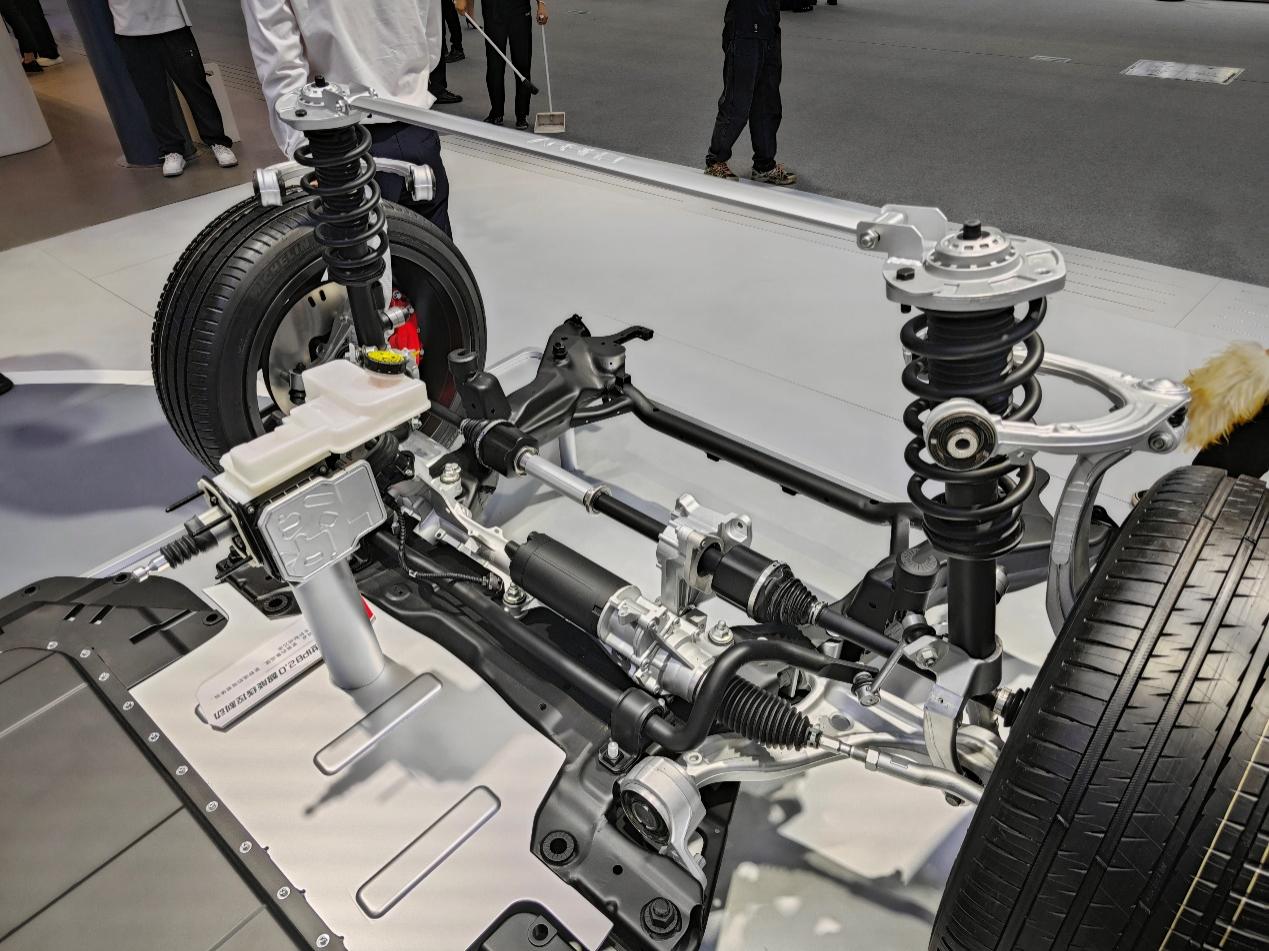
为用户提供多种维保服务,国外的汽车后市场服务为何有吸引力?
Zhong Guo Qi Che Bao Wang· 2025-11-25 04:26
Core Insights - The article emphasizes the growing importance of the automotive after-market services, particularly in the context of winter maintenance in Northern regions, and highlights valuable lessons from international practices [3] Group 1: After-Market Service Models - The U.S. automotive repair industry has developed a standardized and professionalized service model through chain repair shops, ensuring consistent quality across locations [4] - Chain enterprises in the U.S. benefit from economies of scale, allowing them to reduce costs and negotiate better prices for quality parts, enhancing service affordability for consumers [4] - In Europe, the Stellantis Group's EUROREPAR has established a vast service network with over 6,000 stores, balancing quality and cost through a multi-brand and proprietary parts supply model [5] Group 2: Technological Advancements - European automotive maintenance companies are leveraging smart diagnostic systems to enhance service efficiency by quickly identifying vehicle issues through real-time data analysis [5] - The rise of electric vehicles in Europe has prompted the establishment of specialized battery testing and recycling processes, ensuring environmental responsibility throughout the vehicle lifecycle [5] Group 3: Industry Self-Regulation - Canada has implemented a self-regulatory framework through initiatives like the Motorist Assurance Program (MAPC), which sets clear industry standards and provides dispute resolution for consumers [6][7] - The MAPC program fosters a competitive environment by encouraging repair shops to improve service quality and maintain consumer trust through certification [7] Group 4: Customization and Modification Trends - The article discusses the evolution of automotive modification culture in Europe, highlighting the blend of performance enhancement and cultural expression [8] - German modification shops are noted for their precision engineering, achieving performance improvements of 10%-40% while maintaining fuel efficiency and emissions compliance [8][9] - The Italian modification scene is characterized by an artistic approach, merging aesthetic design with mechanical performance, particularly in supercar modifications [9] Group 5: Lessons for Domestic Markets - Industry experts suggest that domestic automotive after-market services should establish comprehensive service standards, focusing on repair processes, parts quality, and pricing [10] - There is a call for enhanced customer relationship management through data analytics to provide personalized services while maintaining standardization [10] - The article advocates for increased investment in technology related to connected vehicles and remote diagnostics to keep pace with trends in electric and smart vehicles [10][11] - Emphasis is placed on the importance of talent development and regulatory frameworks to ensure service quality and industry sustainability [11]

雷军:小米精英驾驶培训·浙江站明日报名 1999元/人
Sou Hu Cai Jing· 2025-09-05 10:20
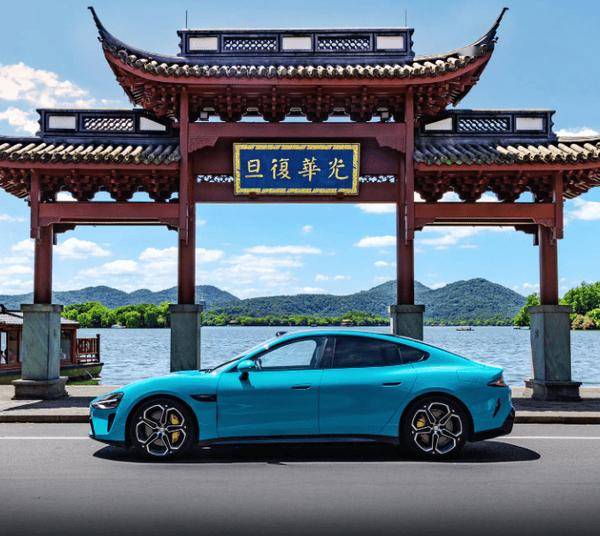
Group 1 - Xiaomi Group's founder and CEO Lei Jun announced a new round of registration for the "Elite Driving - Advanced Driving Training" in Zhejiang, starting on September 6, with a price of 1999 yuan per person, and the first 10,000 participants can register for free [1][3] - The training aims to enhance driving skills and safety awareness for Xiaomi car users, further enriching the user service system [1][3] - The training will be conducted at the Zhejiang International Circuit, providing an immersive advanced driving experience in a professional track environment [3] Group 2 - The first registration phase opens on September 6 at 10:00 AM for users participating in sessions from September 13 to September 21, while the second phase will open on September 16 for sessions from September 22 to September 28 [3] - Eligible participants include users who have locked orders for Xiaomi SU7, Xiaomi SU7 Ultra, and Xiaomi YU7 models, and they must register through the "Xiaomi Car APP" [3] - Since the launch of the Xiaomi SU7, it has gained significant market attention due to its excellent performance and intelligent features, indicating Xiaomi's ongoing investment in the automotive aftermarket service sector [3]

汽车之家再次易主 18亿美元“卖身”海尔后将走向何处?
Jing Ji Guan Cha Wang· 2025-09-01 10:30
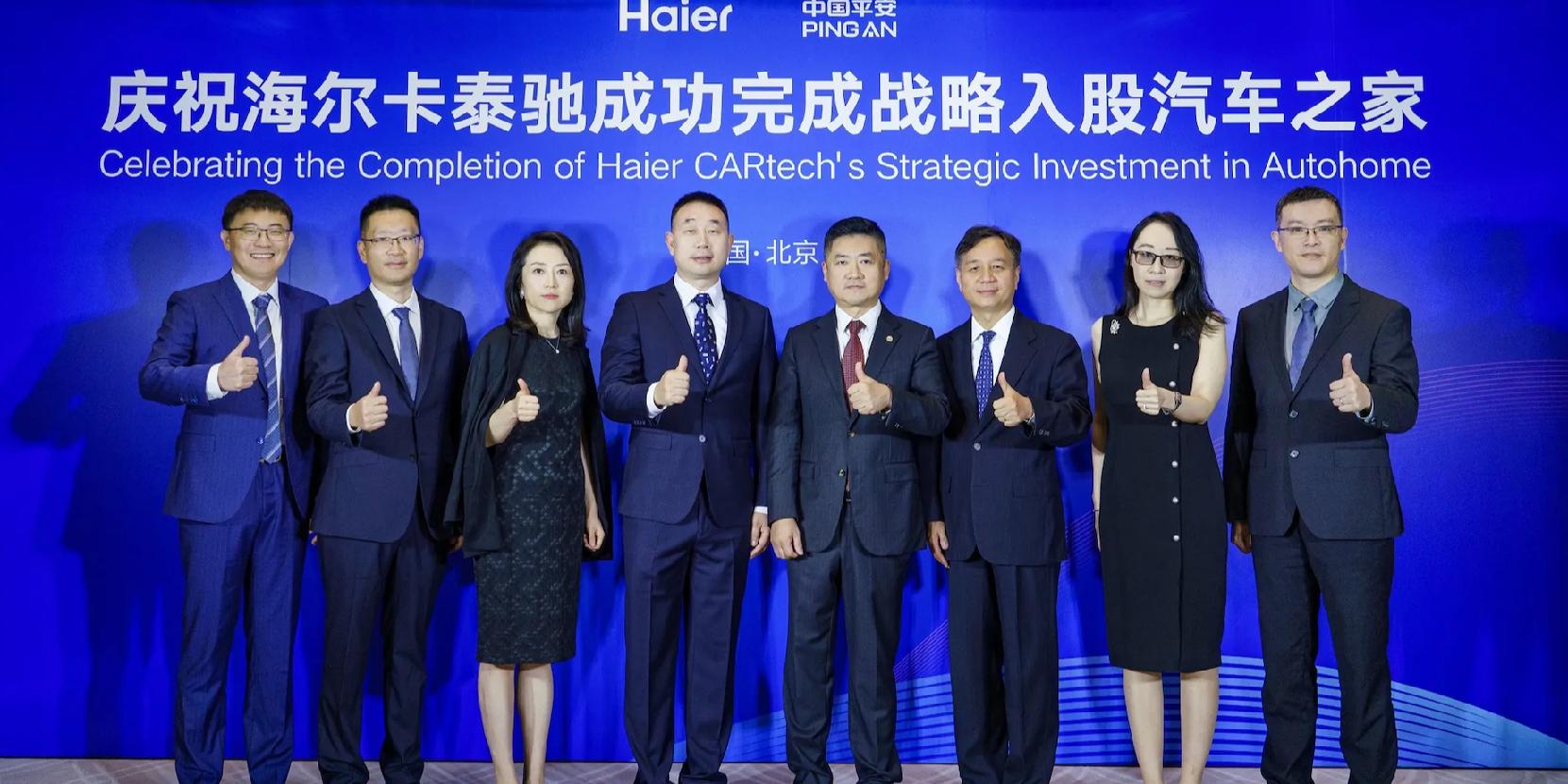
Core Viewpoint - After being acquired by Ping An for nine years, China's largest automotive vertical media platform, Autohome, has been sold to Haier Group's subsidiary, Kataychi Holdings, for approximately $1.8 billion, marking a significant shift in ownership and strategy [1][2]. Group 1: Transaction Details - Kataychi Holdings acquired about 43.0% of Autohome's shares from Ping An's Yunchen Capital, becoming the controlling shareholder [1]. - Following the transaction, Ping An retains approximately 5.1% of shares and one board seat, indicating a shift from major shareholder to a significant financial investor [1][3]. - The deal, announced in February, took six months to finalize, raising questions about Haier's motivations for investing in a declining automotive media business [1][4]. Group 2: Haier's Strategic Intent - Haier's Chief Brand Officer has denied speculation about entering the car manufacturing sector, stating the acquisition aims to enhance services in the automotive aftermarket [1][2]. - Kataychi Holdings, established in November 2022, focuses on electric vehicle charging and post-vehicle services, including used car services and infrastructure [1][2]. Group 3: Autohome's Performance and Challenges - Autohome, founded in 2005, has been a leading automotive vertical website, but its revenue and profit have significantly declined since 2021, with a projected net income of RMB 1.68 billion for 2024, halving over four years [3][4]. - The company's media advertising revenue has dropped sharply by 35.46% in Q2 2025, now constituting only 16.24% of total revenue, while the lead generation service faces challenges from the rise of direct sales models in the EV sector [4]. - Autohome's new CEO has indicated a strategic shift towards becoming an automotive ecosystem platform, collaborating with Haier and Ping An [4].