稳外贸政策

Search documents
2025年宁夏外贸进出口209.9亿元 稳中有升彰显发展韧性
Zhong Guo Xin Wen Wang· 2026-01-21 07:23
Core Insights - In 2025, Ningxia's foreign trade import and export value reached 20.99 billion yuan, showing a year-on-year growth of 3.4% [1] - Exports amounted to 15.41 billion yuan, with a growth of 2.2%, while imports were 5.58 billion yuan, increasing by 6.7% [1] Group 1: Trade Structure and Policy Support - The steady development of Ningxia's foreign trade is attributed to the continuous optimization of trade structure and the vitality of business entities [1] - Policies such as customs facilitation and financing support have empowered foreign trade, leading to diversified trade methods [1] - General trade accounted for 86.4% of Ningxia's total foreign trade value, amounting to 18.13 billion yuan, serving as a stabilizing force for trade development [1] - The import and export through bonded logistics saw a significant increase of 62.2%, marking it as a new growth highlight [1] - There are 716 foreign trade entities in Ningxia, with private enterprises being the main contributors, accounting for 79% of the total foreign trade value [1] Group 2: Market and Product Structure Optimization - Ningxia maintained trade relations with 149 countries and regions, indicating a more diversified market layout [2] - Trade with countries involved in the Belt and Road Initiative reached 10.31 billion yuan, growing by 8.8% and constituting 49.1% of Ningxia's total foreign trade [2] - Trade with RCEP member countries amounted to 6.15 billion yuan, making up 29.3% of the total [2] - Emerging markets such as Africa and Central and Eastern Europe saw import and export growth rates exceeding 20%, injecting new momentum into foreign trade [2] - The import structure improved significantly, with mechanical and electrical products and bulk commodities increasing by 55% and 29.8% respectively, while energy product imports surged by 353.6% [2] - On the export side, industrial manufacturing products performed well, with specialized equipment manufacturing exports growing by 119.9%, and exports of mechanical and electrical products and agricultural products increasing by 19.2% and 20.1% respectively [2]
2025年,中国外贸持续向好
Xin Lang Cai Jing· 2026-01-15 05:03
Core Viewpoint - In 2025, China's foreign trade achieved a total import and export value of 45.47 trillion yuan, marking a growth of 3.8%, and maintaining a continuous growth streak for nine years, the longest since China's accession to the WTO [1][2]. Group 1: Trade Scale and Growth - The total import and export value exceeded 45 trillion yuan, setting a historical record, with China retaining its position as the world's largest goods trading nation [2]. - Exports reached 26.99 trillion yuan, growing by 6.1%, while imports were 18.48 trillion yuan, with a modest growth of 0.5% [1][2]. Group 2: Market Diversification - Trade relations expanded to over 240 countries and regions, with growth in imports and exports with more than 190 countries. Trade with Belt and Road Initiative countries reached 23.6 trillion yuan, growing by 6.3%, accounting for 51.9% of total trade [2]. - Trade with ASEAN, Latin America, and Africa amounted to 7.55 trillion yuan, 3.93 trillion yuan, and 2.49 trillion yuan, respectively, with growth rates of 8%, 6.5%, and 18.4% [2]. Group 3: Export Quality Improvement - High-tech product exports totaled 5.25 trillion yuan, increasing by 13.2%. Exports of "new three samples" and wind turbine generators grew by 27.1% and 48.7%, respectively [2]. - The share of self-owned brand product exports increased by 1.4 percentage points, with a growth of 12.9% [2]. Group 4: Import Growth - Despite declining international market prices, imports maintained growth for three consecutive quarters starting from the second quarter. The import of electromechanical products reached 7.41 trillion yuan, growing by 5.7% [2]. - Notable increases in imports included electronic components and computer parts, which grew by 9.7% and 20%, respectively, while imports of crude oil and metal ores rose by 4.4% and 5.2% [2]. Group 5: Business Vitality - Over 780,000 enterprises recorded import and export activities, with private enterprises playing a crucial role, achieving a total trade value of 26.04 trillion yuan, growing by 7.1%, and accounting for 57.3% of total trade [3]. - The achievements in foreign trade were attributed to effective policies and measures that helped stabilize orders and expand markets, countering external shocks and boosting enterprise confidence [3]. Group 6: Market Potential and Industrial Adaptation - China's large population and growing middle-income group provide significant market potential, with a total import value of 18.48 trillion yuan, maintaining about 10% of global imports [4]. - The comprehensive industrial system in China continues to adapt to overseas demand, with equipment manufacturing exports reaching 16.03 trillion yuan, growing by 9.2%, and accounting for 59.4% of total exports [4]. Group 7: Future Outlook - Despite challenges in the global trade environment, China's institutional, market, industrial, and talent advantages are becoming more pronounced, enhancing resilience against risks [5]. - The recent policy directions from the Party's 20th Central Committee are expected to provide stable expectations for the continuous improvement of foreign trade [5].
2025年进出口总值超45万亿元 我国保持货物贸易第一大国地位
Jing Ji Ri Bao· 2026-01-15 01:08
Core Insights - In 2025, China's foreign trade reached a record high of 45.47 trillion yuan, with exports at 26.99 trillion yuan (up 6.1%) and imports at 18.48 trillion yuan (up 0.5%), maintaining its position as the world's largest goods trader [1] - The resilience and vitality of China's goods trade were highlighted, with diverse markets, improved export quality, and sustained import growth [1] - Trade with over 240 countries and regions was reported, with significant growth in trade with Belt and Road countries, ASEAN, Latin America, and Africa [1] Trade Performance - China's imports have shown a continuous upward trend, with a 4.4% increase in December 2025, marking 17 consecutive years as the world's second-largest import market [2] - AI-related products contributed significantly to global trade growth, with China's trade trends in this sector aligning with global patterns [2] - December 2025 saw a record monthly trade volume of 4.26 trillion yuan, attributed to strong foreign trade policies and a robust industrial system [2] Economic Context - The domestic economy is recovering, providing ample market opportunities for global cooperation, with China becoming a major export destination for 79 countries and regions [3] - During the 14th Five-Year Plan period, China's cumulative import and export volume exceeded 200 trillion yuan, a 40% increase from the previous period [3] - Private enterprises played a crucial role in stabilizing foreign trade, contributing approximately 80% of the foreign trade growth during the 14th Five-Year Plan [3]
我国进出口连续第9年保持增长贸易强国建设稳步推进
Zhong Yang Ji Wei Guo Jia Jian Wei Wang Zhan· 2026-01-14 13:52
Core Insights - China's foreign trade achieved a total value of 45.47 trillion yuan, marking a growth of 3.8% year-on-year, with exports at 26.99 trillion yuan (up 6.1%) and imports at 18.48 trillion yuan (up 0.5%) [1][2] Trade Performance - The total value of imports and exports reached a historical high, reinforcing China's position as the world's largest trading nation [1][2] - Trade relations expanded to over 240 countries and regions, with growth in trade with more than 190 of them [1][2] - High-tech product exports reached 5.25 trillion yuan, growing by 13.2%, with green products like "new three items" and wind turbine generators seeing increases of 27.1% and 48.7% respectively [1][2] Import Trends - Imports reached a record high of 18.48 trillion yuan, maintaining China's status as the world's second-largest import market for 17 consecutive years [3] - Import growth has been consistent, with a notable acceleration in December, where the growth rate reached 4.4% [3] Economic Resilience - China's foreign trade has shown strong resilience, with a continuous growth streak for nine years, attributed to effective foreign trade policies and a recovering domestic economy [2][4] - The country has established itself as a major trading partner for over 160 countries and regions, increasing trade diversification [4]
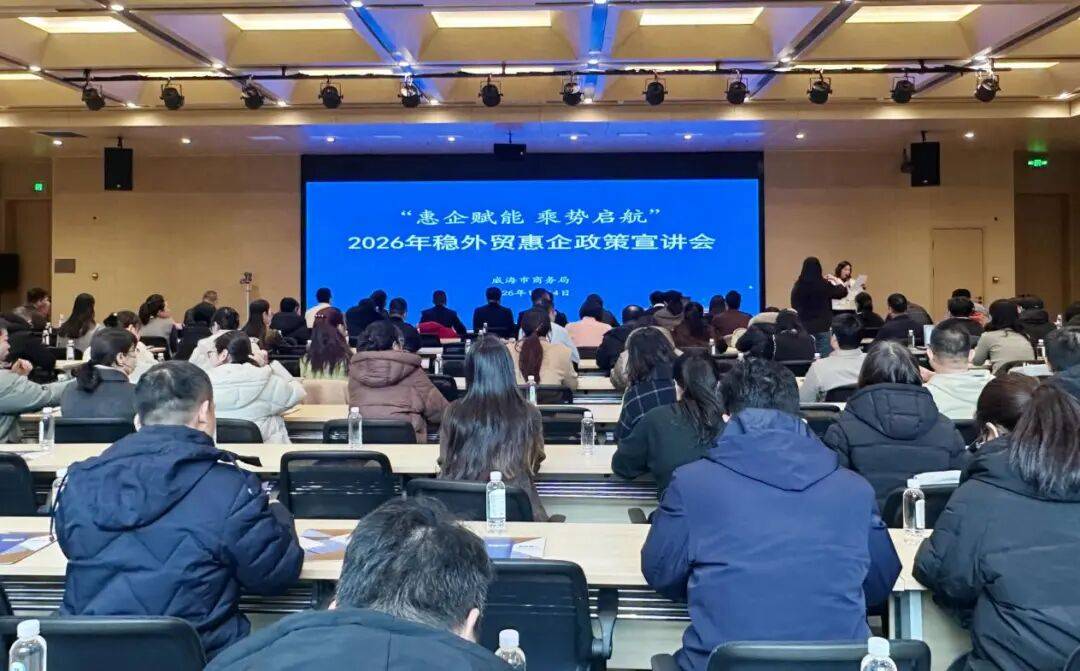
“惠企赋能 乘势启航”2026年稳外贸惠企政策宣讲会成功举行
Sou Hu Cai Jing· 2026-01-14 12:15
Group 1 - The core viewpoint of the news is the launch of the "2026 Stable Foreign Trade and Enterprise Support Policy" seminar, aimed at providing practical policy guidance to enterprises in Weihai [1] - The seminar focused on the latest foreign trade policies for 2026, addressing key issues such as market expansion, cross-border e-commerce, industrial upgrades, customs facilitation, and financial services [1][3] - The Weihai Municipal Bureau of Commerce detailed the "Weihai City Promotion of High-Quality Foreign Trade Development Policy List (2026 Edition)," which includes 40 specific measures to support enterprises in diversifying market layouts and enhancing cross-border e-commerce [3] Group 2 - Multiple departments collaborated to provide practical guidance on customs processes and compliance management, optimizing the implementation of policies for enterprises [5] - The seminar included insights on cross-border financial service innovations aimed at small and medium-sized enterprises, enhancing capital efficiency and reducing exchange rate risks [5] - Participating enterprise representatives expressed that the seminar was informative and targeted, clarifying policy benefits and addressing operational challenges, thereby boosting confidence for future development [11] Group 3 - The Weihai Municipal Bureau of Commerce plans to continue focusing on enterprise needs, ensuring policies are effectively communicated and services are accurately matched to support high-quality foreign trade development [11]

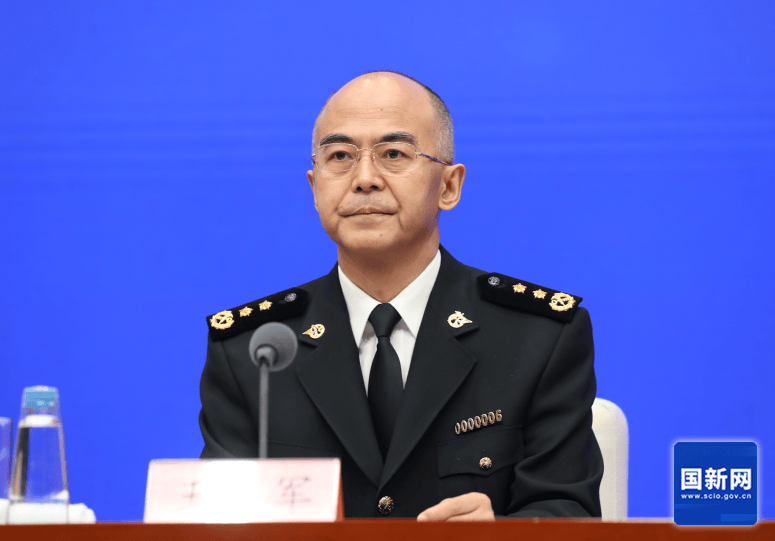
海关总署:我国外贸基本盘依然稳固 抗风险能力显著增强
Zhong Guo Xin Wen Wang· 2026-01-14 09:23
Core Viewpoint - China's foreign trade maintained a stable growth of 3.8% in the past year despite global economic slowdown and rising protectionism, marking the ninth consecutive year of growth since joining the WTO [1][2]. Group 1: Trade Growth Factors - The strong implementation of stable foreign trade policies has played a significant role, with the government introducing various measures to help businesses stabilize orders and expand markets [1]. - The vast domestic market, with over 1.4 billion people and more than 400 million middle-income individuals, continues to release import potential, providing ample market opportunities for global cooperation [2]. - China's complete industrial system and continuous adaptation to international market demands have led to sustained high-quality supply, with equipment manufacturing exports reaching 16.03 trillion yuan, growing by 9.2% [2]. Group 2: Future Trade Outlook - The global trade environment remains challenging, with the UNCTAD predicting weaker growth due to economic slowdown and geopolitical tensions, and the WTO has significantly lowered its global trade growth forecast for 2026 to 0.5% [3]. - China's institutional, market, industrial, and talent advantages are becoming more pronounced, enhancing its resilience against external risks, and the diversity of trade partners is increasing [3]. - The 20th Central Committee's decisions on promoting trade innovation provide stable expectations for China's foreign trade, contributing to global economic certainty [3].
权威数读丨这些数据,绘就2025进出口“成绩单”
Xin Hua She· 2026-01-14 07:51
Core Viewpoint - China's total import and export value exceeded 45 trillion yuan in 2025, marking a historical high and maintaining its position as the world's largest goods trading nation for the ninth consecutive year [1][7]. Group 1: Import and Export Statistics - The total import and export value reached 45.47 trillion yuan, an increase of 3.8% [4]. - Exports amounted to 26.99 trillion yuan, growing by 6.1%, while imports were 18.48 trillion yuan, with a growth of 0.5% [4][23]. Group 2: Market Characteristics - China engaged in trade with over 240 countries and regions, with exports increasing to over 190 of them [8]. - The export of high-tech products reached 5.25 trillion yuan, growing by 13.2%, with significant increases in green products such as wind turbines and lithium batteries, which grew by 48.7% and 26.2% respectively [9][21]. Group 3: Import Trends - Despite declining international market prices, imports maintained growth for three consecutive quarters starting from the second quarter [11]. - In 2025, imports reached a historical high of 18.48 trillion yuan, making China the world's second-largest import market for 17 consecutive years [23]. Group 4: Business Dynamics - Over 780,000 enterprises recorded import and export activities, with private enterprises playing a crucial role, accounting for 57.3% of total trade, growing by 7.1% to 26.04 trillion yuan [12][13]. - The stable growth of imports was supported by a rebound in the economy, with consumption demand expanding and imports showing a steady increase from June onwards [24]. Group 5: Policy and Economic Environment - The sustained growth of imports and exports is attributed to effective foreign trade policies and measures implemented by the government to stabilize trade and support enterprises [13]. - The comprehensive industrial system in China continues to adapt to overseas demand, contributing to the consistent growth of manufacturing exports over the past nine years [17].

权威数读|这些数据,绘就2025进出口“成绩单”
Xin Hua She· 2026-01-14 07:19
Core Insights - China's total import and export value exceeded 45 trillion yuan in 2025, marking a historical high and maintaining its position as the world's largest goods trading nation [3][4] - This marks the ninth consecutive year of growth in imports and exports, the longest continuous growth period since China's accession to the WTO [8] Group 1: Import and Export Performance - The total import and export value reached over 45 trillion yuan, a record high, solidifying China's status as the leading global goods trading nation [3] - Exports of high-tech products amounted to 5.25 trillion yuan, reflecting a growth of 13.2% [5] - Exports of "new three items" and wind turbine units increased by 27.1% and 48.7%, respectively [5][11] Group 2: Market Dynamics - China engaged in trade with over 240 countries and regions, with import and export growth achieved with more than 190 countries [4] - The number of trading entities with import and export records exceeded 780,000, with private enterprises playing a crucial role, accounting for 26.04 trillion yuan in trade, a growth of 7.1% [7] Group 3: Economic Factors - The import growth was sustained for three consecutive quarters starting from the second quarter, despite declining international market prices [6][14] - The robust growth in exports was supported by stable foreign trade policies and a strong domestic market, with 1.4 billion people and over 400 million middle-income groups [10][8] Group 4: Sectoral Highlights - The export of lithium batteries and wind turbine units grew by 26.2% and 48.7%, respectively, in the green energy sector [11] - Trade in intermediate goods saw rapid growth, significantly contributing to overall export performance, with exports to Belt and Road Initiative countries increasing by 11.2% [12]

创历史新高!超45万亿元!
Jin Rong Shi Bao· 2026-01-14 05:04
Core Viewpoint - In 2025, China's foreign trade demonstrated strong resilience and vitality, achieving a total import and export value of 45.47 trillion yuan, an increase of 3.8% compared to the previous year [1][3]. Group 1: Trade Growth and Characteristics - The total import and export value exceeded 45 trillion yuan, marking a historical high and maintaining China's position as the world's largest goods trading nation [1]. - Trade with over 240 countries and regions was recorded, with exports to countries along the "Belt and Road" reaching 23.6 trillion yuan, a growth of 6.3%, accounting for 51.9% of total trade [1]. - High-tech product exports reached 5.25 trillion yuan, growing by 13.2%, with green products like "new three samples" and wind turbine generators seeing increases of 27.1% and 48.7% respectively [1]. Group 2: Import Dynamics - Imports maintained growth for three consecutive quarters starting from the second quarter, with total imports of 18.48 trillion yuan, a growth of 0.5% [2]. - Key imports included mechanical and electrical products valued at 7.41 trillion yuan, increasing by 5.7%, with electronic components and computer parts growing by 9.7% and 20% respectively [2]. - Consumer goods such as fresh and dried fruits and edible vegetable oils saw import values increase by 5.6% and 16.6% respectively [2]. Group 3: Business Vitality and Market Potential - Over 780,000 enterprises engaged in import and export activities, with private enterprises contributing significantly, achieving a total trade value of 26.04 trillion yuan, a growth of 7.1% [2]. - China's large population and growing middle-income group provide substantial market potential, with domestic economic recovery driving production and consumption demand [4]. - China's complete industrial system and continuous innovation enable it to adapt to international market demands, with equipment manufacturing exports reaching 16.03 trillion yuan, growing by 9.2% [4]. Group 4: Future Outlook and Challenges - Despite a challenging global trade environment, China's foreign trade is expected to remain stable, supported by institutional, market, and industrial advantages [5][6]. - The global trade growth forecast for 2026 has been significantly downgraded to 0.5%, indicating a tough external environment for trade [6]. - China's trade policies and measures are designed to enhance resilience and provide stability for future trade growth [6].
海关总署:我国进出口连续第9年保持增长,是入世以来时间跨度最长的连续增长
Sou Hu Cai Jing· 2026-01-14 04:16
Core Viewpoint - China's import and export achieved a growth rate of 3.8% in the past year, marking the ninth consecutive year of growth despite global economic slowdown and rising protectionism [1][3]. Group 1: Factors Contributing to Trade Growth - The strong implementation of stable foreign trade policies has played a significant role, with timely decisions and detailed measures from the central government helping enterprises stabilize orders and expand markets [3]. - The vast domestic market continues to release import potential, with over 1.4 billion people and more than 400 million middle-income groups, providing ample market space and cooperation opportunities for various countries [3][4]. - A complete industrial system in China adapts to overseas demand, with the manufacturing sector's exports growing for nine consecutive years, particularly in equipment manufacturing, which saw exports of 16.03 trillion yuan, a 9.2% increase [4]. Group 2: Future Trade Outlook - The global trade growth is expected to remain weak, with external environments for China's foreign trade remaining complex and severe [4][5]. - China's institutional, market, industrial, and talent resource advantages are becoming more prominent, enhancing its resilience against risks, while the diversity of trade partners is increasing [5]. - The 20th National Congress of the Communist Party has made important deployments for promoting trade innovation, providing stable expectations for the continuous improvement of China's foreign trade [5].