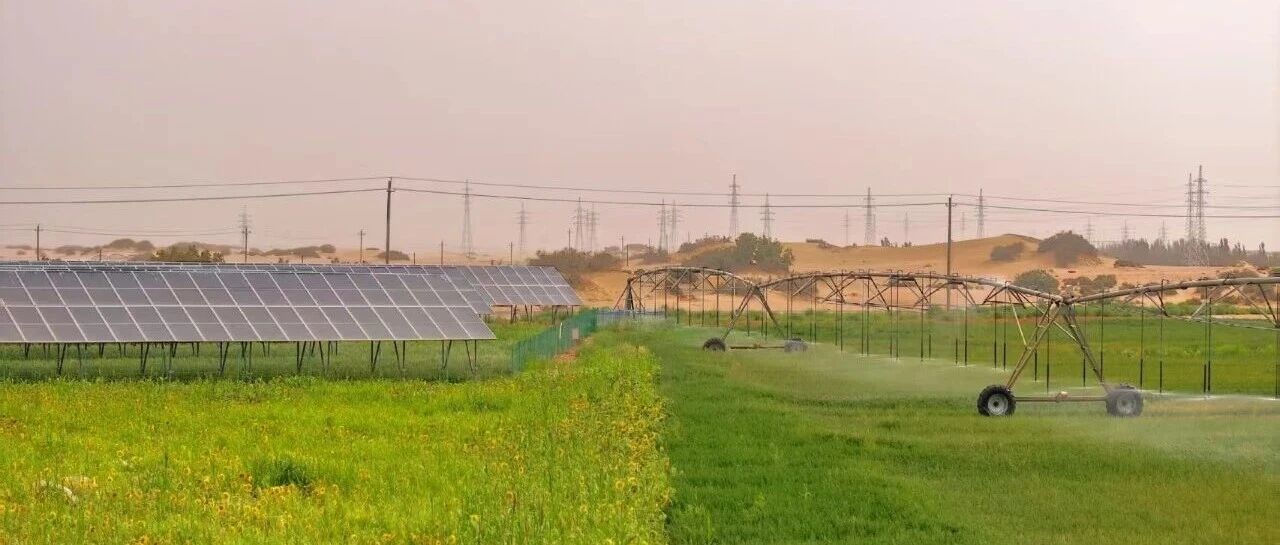
绿电替代

Search documents
开源晨会-20260325
KAIYUAN SECURITIES· 2026-03-25 14:15
Group 1: Coal and Aluminum Industry - Shenhua Co., Ltd. (000933.SZ) - The aluminum segment has seen a rise in both volume and price, which offsets the decline in coal prices, highlighting the company's high dividend value [7][8] - In 2025, the company achieved a revenue of 41.241 billion yuan, a year-on-year increase of 7.47%, while the net profit attributable to shareholders was 4.005 billion yuan, a decrease of 7.00% [7] - The company plans to distribute a cash dividend of 8.00 yuan per 10 shares, totaling 1.787 billion yuan, which represents 51.0% of the net profit attributable to shareholders [9] Group 2: Food and Beverage Industry - New Dairy Industry (002946.SZ) - In 2025, the company reported a revenue of 11.23 billion yuan, a year-on-year increase of 5.3%, and a net profit of 731 million yuan, up 36.0% [11][12] - The company has adjusted its net profit forecasts for 2026 and 2027 to 865 million and 975 million yuan, respectively, with an EPS of 1.00 and 1.13 yuan [12][13] - The company plans to distribute a cash dividend of 3.8 yuan per 10 shares, resulting in a cumulative dividend rate of 53% for 2025 [12] Group 3: Pharmaceutical Industry - WuXi AppTec (603259.SH) - In 2025, the company achieved a revenue of 45.456 billion yuan, a year-on-year increase of 15.8%, and a net profit of 19.151 billion yuan, up 102.7% [16][19] - The adjusted net profit margin reached 32.9%, an increase of 5.9 percentage points year-on-year [16] - The company expects to achieve a revenue of 51.3 to 53.0 billion yuan in 2026, with a focus on accelerating its CRDMO core strategy [19] Group 4: Technology Industry - Mingyuan Cloud (00909.HK) - The company reported a revenue of 1.284 billion yuan in 2025, a year-on-year decline of 10.5%, but the adjusted net profit turned positive at 101 million yuan [22] - The company has adjusted its revenue forecast for 2026 and 2027 to 1.22 billion and 1.21 billion yuan, respectively [21][22] - The AI and overseas business segments are expected to provide significant growth opportunities despite current pressures in the real estate market [21] Group 5: Textile and Light Industry - Leshu (02698.HK) - The company achieved a revenue of 567 million USD in 2025, a year-on-year increase of 24.9%, and a net profit of approximately 121 million USD, up 27.4% [26][27] - The company has raised its net profit forecasts for 2026 and 2027 to 142 million and 165 million USD, respectively [27] - The company continues to optimize its product structure and expand its market presence, particularly in high-margin categories [28] Group 6: Pharmaceutical Industry - China Resources Jiangzhong (600750.SH) - The company reported a revenue of 4.220 billion yuan in 2025, a year-on-year decrease of 4.87%, while the net profit increased by 15.03% to 907 million yuan [31] - The gross margin improved to 65.37%, an increase of 1.85 percentage points year-on-year [31][32] - The company expects to achieve net profits of 1.008 billion, 1.131 billion, and 1.242 billion yuan for 2026, 2027, and 2028, respectively [31][33] Group 7: Banking Industry - CITIC Bank (601998.SH) - The bank achieved a revenue of 212.5 billion yuan in 2025, a year-on-year decline of 0.55%, with a net interest margin of 1.63% [36][37] - The bank's net profit for Q4 2025 was 17.227 billion yuan, a year-on-year increase of 2.85% [36] - The bank plans to increase its cash dividend to 21.2 billion yuan, representing 31.75% of the net profit attributable to ordinary shareholders, marking a historical high [38] Group 8: Retail and Service Industry - Laopu Gold (06181.HK) - The company reported a revenue of 27.303 billion yuan in 2025, a year-on-year increase of 221.0%, and a net profit of 4.868 billion yuan, up 230.5% [40][41] - The company expects to achieve a revenue of 16.5 to 17.5 billion yuan in Q1 2026, with a net profit of 3.6 to 3.8 billion yuan [40] - The company is focusing on product innovation and channel optimization to enhance brand positioning and market presence [41]



神火股份:公司信息更新报告铝量价齐升煤边际改善,高分红价值凸显-20260325
KAIYUAN SECURITIES· 2026-03-25 13:25
Investment Rating - The investment rating for the company is "Buy" (maintained) [2] Core Views - The report highlights that the aluminum sector is experiencing both volume and price increases, which offsets the decline in coal prices, thereby emphasizing the company's high dividend value [6] - The company reported a revenue of 41.241 billion yuan for 2025, a year-on-year increase of 7.47%, while the net profit attributable to shareholders was 4.005 billion yuan, a decrease of 7.00% [6] - The report projects net profits for 2026-2028 to be 5.856 billion yuan, 6.109 billion yuan, and 6.721 billion yuan respectively, indicating growth rates of 46.2%, 4.3%, and 10.0% [6] Financial Performance Summary - In 2025, the company's aluminum business achieved a profit of 7.988 billion yuan, a significant increase of 48.66% year-on-year, with sales volume reaching 2.0494 million tons, up 8.20% [7] - The coal business faced challenges, with revenues declining by 18.94% to 5.602 billion yuan, and a gross margin drop of 53.06 percentage points [7] - The company plans to distribute a cash dividend of 8.00 yuan per 10 shares, totaling 1.787 billion yuan, which represents 51.0% of the net profit attributable to shareholders [8]
神火股份(000933):公司信息更新报告:铝量价齐升煤边际改善,高分红价值凸显
KAIYUAN SECURITIES· 2026-03-25 12:45
Investment Rating - The investment rating for the company is "Buy" (maintained) [2] Core Views - The report highlights that the aluminum sector is experiencing both price and volume increases, which offsets the decline in coal prices, thereby emphasizing the company's high dividend value. The company is expected to maintain a strong long-term investment value due to its solid position in the electrolytic aluminum business and the potential recovery of its coal business, alongside a high dividend payout ratio [6][8]. Financial Summary - In 2025, the company achieved operating revenue of 41.241 billion yuan, a year-on-year increase of 7.47% - The net profit attributable to shareholders was 4.005 billion yuan, a decrease of 7.00% year-on-year - The adjusted net profit was 4.075 billion yuan, a slight decrease of 0.94% year-on-year - For Q4 2025, the operating revenue was 10.236 billion yuan, a quarter-on-quarter decrease of 3.22%, and the net profit was 516 million yuan, a significant quarter-on-quarter decrease of 67.47% due to substantial asset impairment provisions in the coal sector [6][7]. Profit Forecast - The forecast for net profit attributable to shareholders for 2026-2028 is as follows: - 2026: 5.856 billion yuan (up 46.2% year-on-year) - 2027: 6.109 billion yuan (up 4.3% year-on-year) - 2028: 6.721 billion yuan (up 10.0% year-on-year) - The earnings per share (EPS) for the same period is projected to be: - 2026: 2.60 yuan - 2027: 2.72 yuan - 2028: 2.99 yuan - The corresponding price-to-earnings (P/E) ratios are expected to be 11.5, 11.0, and 10.0 times respectively [6][8]. Business Segment Performance - The electrolytic aluminum business saw a significant profit increase, with total profits reaching 7.988 billion yuan in 2025, a year-on-year growth of 48.66% - The sales volume for non-ferrous metal smelting and rolling processing was 2.0494 million tons, an increase of 8.20% year-on-year - The coal business faced challenges, with revenues declining to 5.602 billion yuan, a year-on-year decrease of 18.94%, and a gross margin drop of 53.06 percentage points [7][8]. Dividend Policy - The company plans to distribute a cash dividend of 8.00 yuan per 10 shares (including tax), totaling 1.787 billion yuan, which represents 51.0% of the net profit attributable to shareholders - The dividend yield is approximately 2.7% based on the closing price on March 25, 2026, indicating a strong capability for shareholder returns [8].
神火股份(000933):2025年报点评:电解铝利润持续修复,煤炭减值拖累业绩
Huachuang Securities· 2026-03-25 05:06
Investment Rating - The report maintains a "Recommendation" rating for the company with a target price of 40.1 yuan [2][7]. Core Insights - The company's revenue for 2025 reached 41.241 billion yuan, a year-on-year increase of 7.47%, while the net profit attributable to shareholders decreased by 7.00% to 4.005 billion yuan [2][7]. - The report highlights that the profit from electrolytic aluminum continues to recover, but coal asset impairment has negatively impacted overall performance [7]. - The company achieved a gross profit of 9.63 billion yuan in 2025, reflecting an 18.3% year-on-year increase, despite facing significant impairment losses totaling 1.256 billion yuan [7]. - The company’s production and sales of coal and aluminum products have shown stability, with production of coal at 7.1653 million tons and sales at 7.2168 million tons, both reflecting year-on-year increases [7]. Financial Performance Summary - **2025 Financial Metrics**: - Total revenue: 41,241 million yuan - Year-on-year growth: 7.5% - Net profit: 4,005 million yuan - Year-on-year decline: -7.0% - Earnings per share: 1.78 yuan - Price-to-earnings ratio: 16 times [2][8]. - **2026-2028 Projections**: - Expected net profit for 2026: 8,055 million yuan (growth of 101.1%) - Expected net profit for 2027: 8,548 million yuan (growth of 6.1%) - Expected net profit for 2028: 9,034 million yuan (growth of 5.7%) [2][7]. Production and Sales Overview - The company achieved full production capacity for electrolytic aluminum in 2025, with production and sales balanced [7]. - Coal production was 7.1653 million tons, with sales at 7.2168 million tons, marking increases of 6% and 8% respectively [7]. - The production of carbon products and aluminum foil also saw significant year-on-year growth, with carbon products up 32% and aluminum foil up 12% [7].
“十四五”时期,北京充电桩数量增长至47.9万个
Zhong Guo Xin Wen Wang· 2026-01-04 07:05
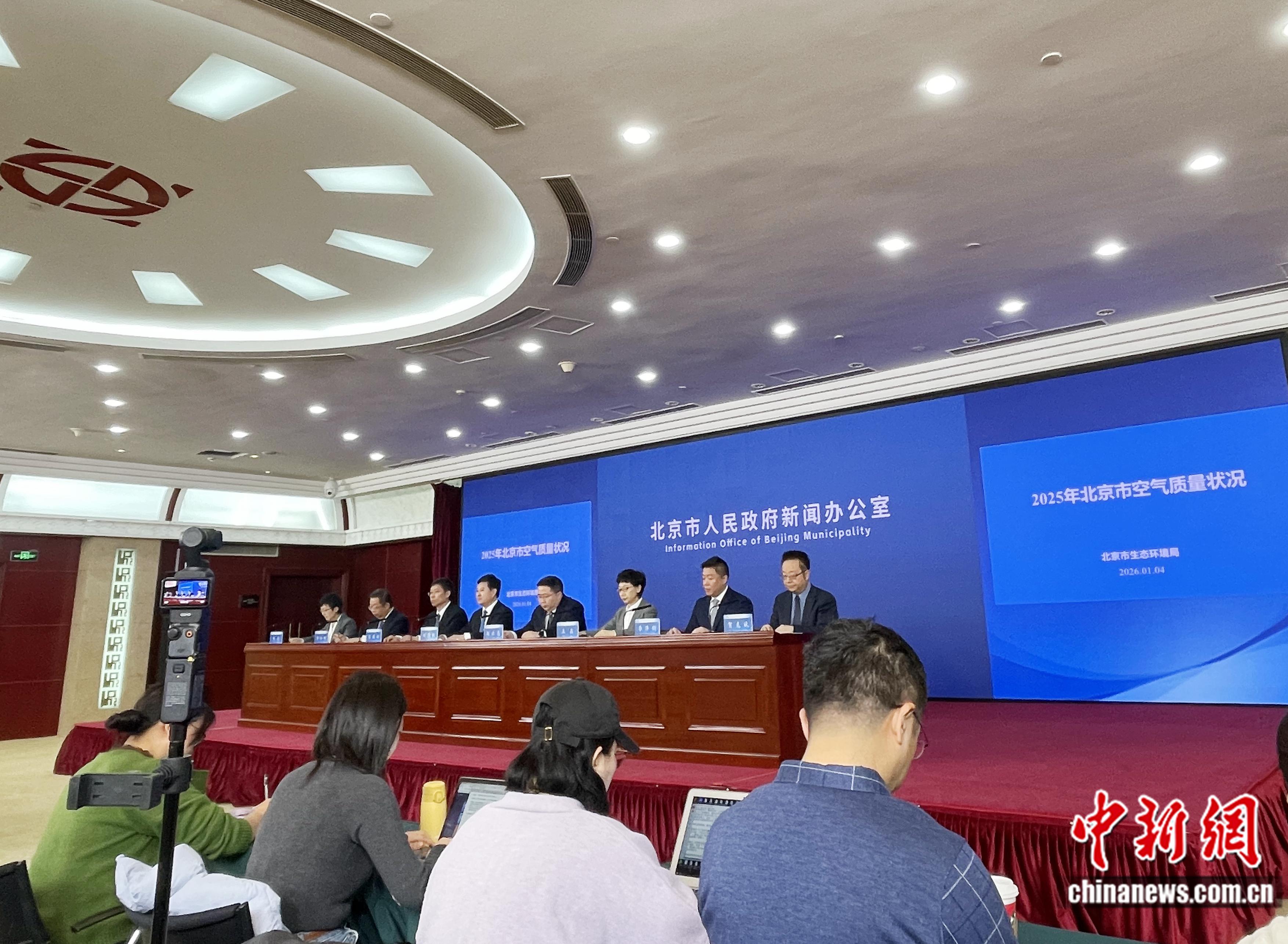
Core Viewpoint - During the "14th Five-Year Plan" period, Beijing aims to significantly reduce coal consumption and expand its electric vehicle charging infrastructure, with the number of charging stations expected to grow from 230,000 to 479,000 by 2025 [1][5]. Group 1: Coal Consumption and Energy Transition - Beijing plans to reduce coal usage by approximately 12.33 million tons, bringing coal consumption down to around 250,000 tons by 2025 [4]. - The city is implementing a "coal-to-electricity" initiative, with 1.37 million households converted to electric heating [4]. - The external green electricity supply is expected to increase significantly, achieving a target of 40 billion kilowatt-hours by 2025 [4]. - A total of 15.26 billion kilowatt-hours of electricity has been traded for renewable energy substitutes, achieving 100% green electricity replacement for reduced power generation [4]. - Energy-saving retrofitting projects in gas power plants are projected to reduce natural gas consumption by 67 million cubic meters annually, leading to a decrease of 140,000 tons in carbon dioxide emissions [4]. Group 2: Electric Vehicle Infrastructure - The number of charging stations in Beijing is set to increase from 230,000 to 479,000, while battery swap stations will grow from 158 to 360 [5]. - The total charging volume for new energy vehicles is expected to rise from 1.5 billion kilowatt-hours to 3.5 billion kilowatt-hours [5]. - The average service radius for public charging stations in plain areas will be reduced to 1.4 kilometers, with the core area achieving a radius of 0.7 kilometers [5]. - Charging facilities will be fully covered within a 1-kilometer range of highway service areas and along national and provincial roads, as well as in rural areas [5]. - The city is enhancing road dust control measures, increasing cleaning operations in key areas during severe pollution events [5].

煤矿不只产煤,未来还将“反向充电”?矿区绿电替代正加速
Zhong Guo Neng Yuan Wang· 2025-12-05 00:43
Core Insights - The coal mining industry has significant electricity consumption across various production stages, with large mines consuming tens of millions to over a hundred million kilowatt-hours annually [1][2] - The introduction of high-end equipment and the promotion of renewable energy are expected to lead to cleaner and more efficient coal production, enhancing profitability for coal companies [1][4] Electricity Consumption in Coal Production - Coal mining involves substantial electricity usage in processes such as underground transportation, ventilation, and equipment operation, with annual consumption for a mine like Zhongmei Shaanxi Dahuai reaching 82.16 million kilowatt-hours [2][3] - In 2022, the comprehensive electricity consumption for large coal enterprises in China was 23.7 kilowatt-hours per ton of raw coal, marking a 3% increase year-on-year [2] Energy Efficiency and Technological Advancements - Energy-saving transformations in coal mining should focus on low-carbon electricity alternatives, equipment upgrades, and optimized management systems to reduce overall energy consumption [3][4] - Despite an increase in electricity consumption, the comprehensive energy consumption for raw coal production decreased by 12.2% to 7.9 kilograms of standard coal per ton, indicating improvements in energy efficiency [3][4] Transition to Electrification and Automation - The shift towards electrification and automation in coal mining is leading to a transformation in energy consumption patterns, moving from traditional fuel-intensive methods to more electric-driven processes [4][5] - The rise in electricity usage reflects a growing reliance on electric equipment and transportation systems within coal production [4] Renewable Energy Integration - Coal companies are increasingly exploring opportunities in wind and solar energy, with firms like China Shenhua establishing multiple renewable energy companies [4][5] - By the end of 2024, approximately 2 million hectares of land from coal mining subsidence areas will be available for renewable energy projects, facilitating the integration of green electricity into mining operations [5] Challenges in Renewable Energy Adoption - While the transition to renewable energy is underway, the current reliance on green electricity in mining operations remains low, primarily supporting transportation and heating needs [6] - Further optimization of power supply stability and continuity is necessary to meet the high-load demands of mining production [6]

平煤神马绿电替代率超三成
Zhong Guo Hua Gong Bao· 2025-12-02 04:26
Core Insights - The company has achieved a cumulative consumption of approximately 2.372 billion kilowatt-hours of renewable energy in the first ten months of the year, with a green electricity substitution rate of 33.74%, resulting in a cost reduction of about 234 million yuan [1][2] Group 1: Renewable Energy Initiatives - The company is actively promoting the construction of source-grid-load-storage projects to build a safe, efficient, and green intelligent power system [1] - The company has diversified its photovoltaic coverage to various locations, including rooftops, walls, and railways, under the philosophy of converting all sunny areas into green electricity [1] - The total installed capacity of renewable energy has reached 926.12 megawatts, comprising 830.07 megawatts of photovoltaic, 38.75 megawatts of wind power, and 57.3 megawatts of gas power [1] Group 2: Integrated Energy Management - The company is pioneering the construction of an integrated source-grid-load-storage project in Henan Province, establishing a smart control platform that utilizes big data for real-time load forecasting and renewable energy generation [2] - The total capacity of the energy storage stations being constructed is 188.5 megawatts/437 megawatt-hours, with ongoing projects in collaboration with CATL and other entities [2] - The company aims to build a smart electricity trading platform to achieve full-chain digital management of the power system, advancing energy management into a new phase of intelligence [2]

石河子经济技术开发区:以“四大支撑”聚焦五大应用场景
Shang Hai Zheng Quan Bao· 2025-11-09 17:28
Core Viewpoint - The Xinjiang Tianye Huihe New Materials Co., Ltd. is positioned in the Shihezi Economic and Technological Development Zone, focusing on a dual green transformation of energy and industry, with an emphasis on new energy as a key driver for future industrial development [2][3]. Group 1: Industrial Development - The Shihezi Economic and Technological Development Zone has established four major industrial clusters: new materials, new energy, agricultural resource conversion, and modern services [2]. - The zone is recognized as a national demonstration base for new industrialization and a pilot for carbon peak initiatives, aiming to enhance its competitive edge in green and low-carbon development [2]. Group 2: Support Mechanisms - The high-quality development of the zone relies on four main supports: integration of military and local resources, independent power grid utilization, circular coupling for waste and energy recovery, and deepening the "green treatment of green" model [3]. - The integration of military and local resources facilitates large-scale development and local consumption of new energy through policy coordination and project co-construction [3]. Group 3: Future Application Scenarios - The zone will focus on five application scenarios: new power systems, green low-carbon industries, green computing power industries, resource-intensive industries, and energy-saving and carbon-reduction scenarios [4]. - By 2026, the demand for green electricity in the zone is expected to reach 16.4 billion kWh, with a shortfall of approximately 12.3 billion kWh [4]. - The goal for 2028 includes achieving a 100% comprehensive utilization rate of industrial solid waste and a 90% utilization rate of waste heat [4].
走进新疆阅“风光”
中国能源报· 2025-09-21 23:33
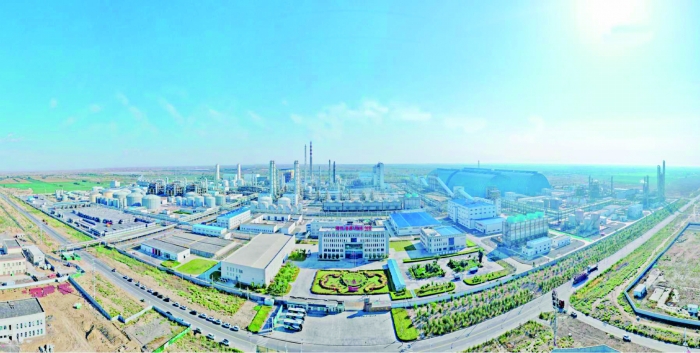
Core Viewpoint - Xinjiang is transforming its abundant "wind and solar" resources into a green engine for high-quality development, contributing to China's modernization narrative [1][3]. Group 1: Renewable Energy Resources - Xinjiang has approximately 4.2 billion kilowatts of solar energy resources, accounting for about 27% of the national total, and around 1 billion kilowatts of wind energy resources, making up about 18% of the national total [3]. - As of September 15, the renewable energy generation in Xinjiang reached 100.94 billion kilowatt-hours, a year-on-year increase of 17.2%, with solar power contributing 41.24 billion kilowatt-hours (up 39.2%) and wind power 59.7 billion kilowatt-hours (up 6%) [3]. - By the end of July this year, Xinjiang's installed renewable energy capacity reached 134 million kilowatts, with cumulative electricity exports of 278.511 billion kilowatt-hours, accounting for nearly 30% of total exports [3]. Group 2: Project Developments - The 500,000-kilowatt photovoltaic desertification control demonstration project in the Taklamakan Desert can supply 963 million kilowatt-hours of clean electricity annually, equivalent to saving 289,600 tons of standard coal and reducing carbon dioxide emissions by approximately 805,100 tons [5]. - The 1 million-kilowatt wind farm in Ruoqiang County has generated 850 million kilowatt-hours of electricity as of mid-September, with full capacity expected to be connected to the grid by December 26, 2023 [5][6]. - The National Development and Reform Commission and the National Energy Administration have emphasized the construction of renewable energy bases in desert and arid regions, including Xinjiang, as part of the 14th Five-Year Plan [6]. Group 3: Ecological and Economic Benefits - The "desertification control + agricultural-solar complementary" model in the Loopu project has transformed previously barren land into productive areas, with 1,800 acres of alfalfa harvested [9][10]. - The project has also led to a significant reduction in sandstorm occurrences and an increase in local biodiversity, demonstrating the dual benefits of ecological protection and economic development [10]. - The integration of renewable energy projects with local economic activities has resulted in increased income for local residents, with per capita disposable income in He Ya Village rising from 2,300 yuan in 2014 to 22,900 yuan in 2024 [13][14]. Group 4: Policy Support and Community Development - Xinjiang has implemented various policies to support renewable energy and ecological restoration, including financial incentives for new technology projects [10]. - The collaboration between energy companies and local governments has facilitated community development, with significant investments in infrastructure and education [14][15]. - The ongoing support from energy enterprises has led to improved living conditions and economic opportunities for local residents, contributing to the overall goal of rural revitalization [12][14].