
美丽中国先行区

Search documents
广东省全力实现美丽中国先行区建设取得新进展
Zhong Guo Fa Zhan Wang· 2026-02-03 08:03
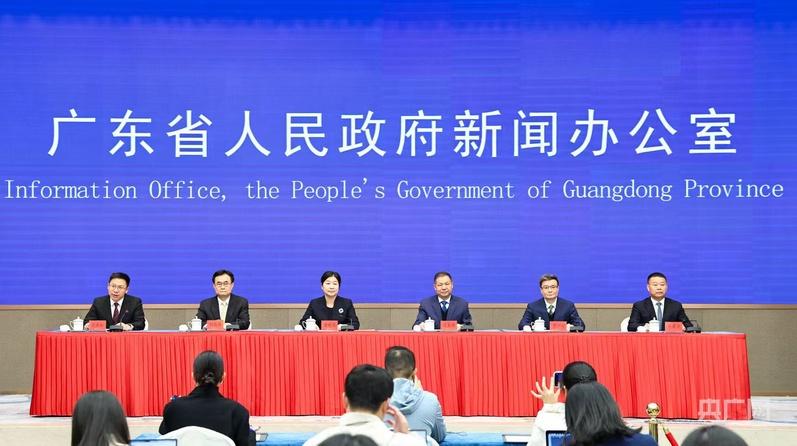
Core Viewpoint - Guangdong Province has made significant progress in ecological and environmental protection during the "14th Five-Year Plan" period, with a focus on improving air, water, and soil quality, and aims to further advance the construction of a beautiful Guangdong and a beautiful China [1][2]. Group 1: Air Quality Improvements - The proportion of days with good air quality in Guangdong exceeds 95%, with a PM2.5 concentration of 20.7 micrograms per cubic meter, consistently better than the World Health Organization's transitional target [2][3]. - Guangdong has been recognized for five consecutive years for its excellent performance in the national pollution prevention and control assessment [2]. Group 2: Water Quality Enhancements - By the end of the "14th Five-Year Plan," the proportion of excellent water quality in national monitoring sections reached 94.6%, an increase of 7.3 percentage points from the end of the "13th Five-Year Plan" [2]. - All black and odorous water bodies in 533 cities and 41 county-level cities have been eliminated, with significant improvements in rivers like the Maozhou River and Lianjiang River [2]. Group 3: Ecological Construction Initiatives - Guangdong has established a multi-level, three-dimensional ecological demonstration system, creating 37 national ecological civilization demonstration cities and 13 "Green Water and Green Mountains are Golden Mountains and Silver Mountains" innovation bases [3]. - The province has implemented a reward-based approach to promote beautiful city construction, with 20 exemplary cases of beautiful county construction [3]. Group 4: Coordinated Development and Protection - Guangdong has developed a "Three Lines and One List" ecological environment zoning control application platform, covering over 1,903 land and 564 sea environmental control units [4]. - The province has optimized project environmental impact assessments and implemented a total pollutant management system to ensure the needs of key industries and major projects are met [4]. Group 5: Future Goals and Plans - By 2030, the Guangdong-Hong Kong-Macao Greater Bay Area aims to be a beautiful China pilot area, with a focus on ecological quality improvement and green financial innovation [5]. - The province plans to increase the proportion of beautiful rural areas to 40% and achieve a 35% completion rate for beautiful rivers and beautiful bays [5]. Group 6: Ongoing Environmental Protection Efforts - Guangdong will enhance drinking water source safety and establish a regular monitoring mechanism for pollution discharge outlets [6]. - The province aims to implement a "waste-free city" initiative and strengthen the management of new pollutants while ensuring environmental quality for events like the APEC meeting [6].
21世纪经济报道作品入选中国环境记协2025新闻影响力案例
2 1 Shi Ji Jing Ji Bao Dao· 2026-01-29 14:03
Core Viewpoint - The report highlights the increasing influence and volume of environmental news coverage in China, with a focus on key topics such as green transformation and climate change [2][3] Group 1: Environmental News Impact - The "2025 Environmental News Reporting Influence Case" was released, featuring 48 media outlets, including 21st Century Business Herald, recognized for their impactful environmental reporting [2] - The report indicates that over 11,100 environmental reports were published by surveyed media in 2025, averaging 300 reports per outlet [3] Group 2: Key Topics and Trends - The annual keywords reflect significant policy focuses and societal concerns in the ecological environment sector, including green transformation, carbon markets, and pollution prevention [2] - Climate change, energy/resource transition, and ecological protection are the top three issues of focus, with over 80% of media outlets prioritizing these topics [3] Group 3: Institutional Insights - Five surveyed media outlets reported having dedicated or related environmental think tanks, such as the carbon neutrality research group from 21st Century Business Herald [3] - The "Ecological Environment Code Draft" emerged as the most influential domestic policy issue, while "extreme weather and natural disasters" were highlighted as significant environmental events [3]

2026中国环境传播年会举行
Xin Lang Cai Jing· 2026-01-28 19:57
Core Viewpoint - The 2026 China Environmental Communication Annual Conference highlighted key environmental news keywords for 2025 and established an expert committee to enhance the professionalism and scientific approach of environmental communication [1] Group 1: Annual Keywords - Eight annual keywords were released, summarizing the key policy focuses and practical directions in the ecological and environmental field over the past year: green transformation, carbon market, beautiful China pilot areas, new energy, ecological environment code, extreme weather, pollution prevention, and biodiversity [1] Group 2: Expert Committee Formation - The China Environmental Journalists Association announced the formation of an expert committee aimed at integrating industry resources, promoting theoretical innovation and practical development in environmental communication, and enhancing the effectiveness of ecological civilization concept dissemination [1]
经济与生态齐飞!广东“十四五”绿美建设书写协同发展新篇章
Yang Guang Wang· 2026-01-19 11:09
Core Viewpoint - Guangdong Province has achieved significant results in ecological construction during the "14th Five-Year Plan" period, balancing high-quality economic development with effective environmental protection [1][9]. Group 1: Pollution Prevention and Control - Breakthroughs in pollution prevention have been realized, with air quality meeting standards for 11 consecutive years since 2015, and a target of 95.4% for good air quality days by 2025 [5]. - Surface water quality has improved, with the excellent rate rising from 87.3% at the end of the "13th Five-Year Plan" to a target of 94.6% by 2025 [5]. - Marine pollution control has seen a 91.2% target for good water quality in coastal areas by 2025, with 100% of key bay pollution sources under control [5]. Group 2: Green and Low-Carbon Development - Guangdong has implemented environmental zoning and established 19,03 land and 564 marine control units, with 28,000 access lists to optimize production layout [6]. - The province has exceeded national emission reduction targets ahead of schedule and leads in clean energy construction, with a carbon market transaction volume of 233 million tons and over 6.78 billion yuan in transaction value [6]. Group 3: Ecological Construction - The province has completed 11.05 million acres of forest optimization and 11.11 million acres of forest nurturing, along with the construction of 7,608 kilometers of greenways [6]. - Guangdong has established a national-level plant conservation system and leads in mangrove area and growth, with the first international mangrove center located in Shenzhen [6]. Group 4: Governance and Capacity Building - The environmental governance system has been strengthened, with a focus on pollution source regulation and ecological environment monitoring [8]. - The province has built 115,000 kilometers of urban sewage pipelines and has a daily treatment capacity of 40.2 million tons, leading the nation [8]. Group 5: Beautiful China Initiative - The "Beautiful China Pilot Zone" initiative has been launched, with plans for ecological construction transitioning from pollution control to comprehensive development [9]. - Guangdong aims to create model cities for ecological beauty and has introduced a reward-based approach for beautiful county construction [9].
城市24小时 | 又一个5000万级机场,来了
Mei Ri Jing Ji Xin Wen· 2025-12-30 04:09
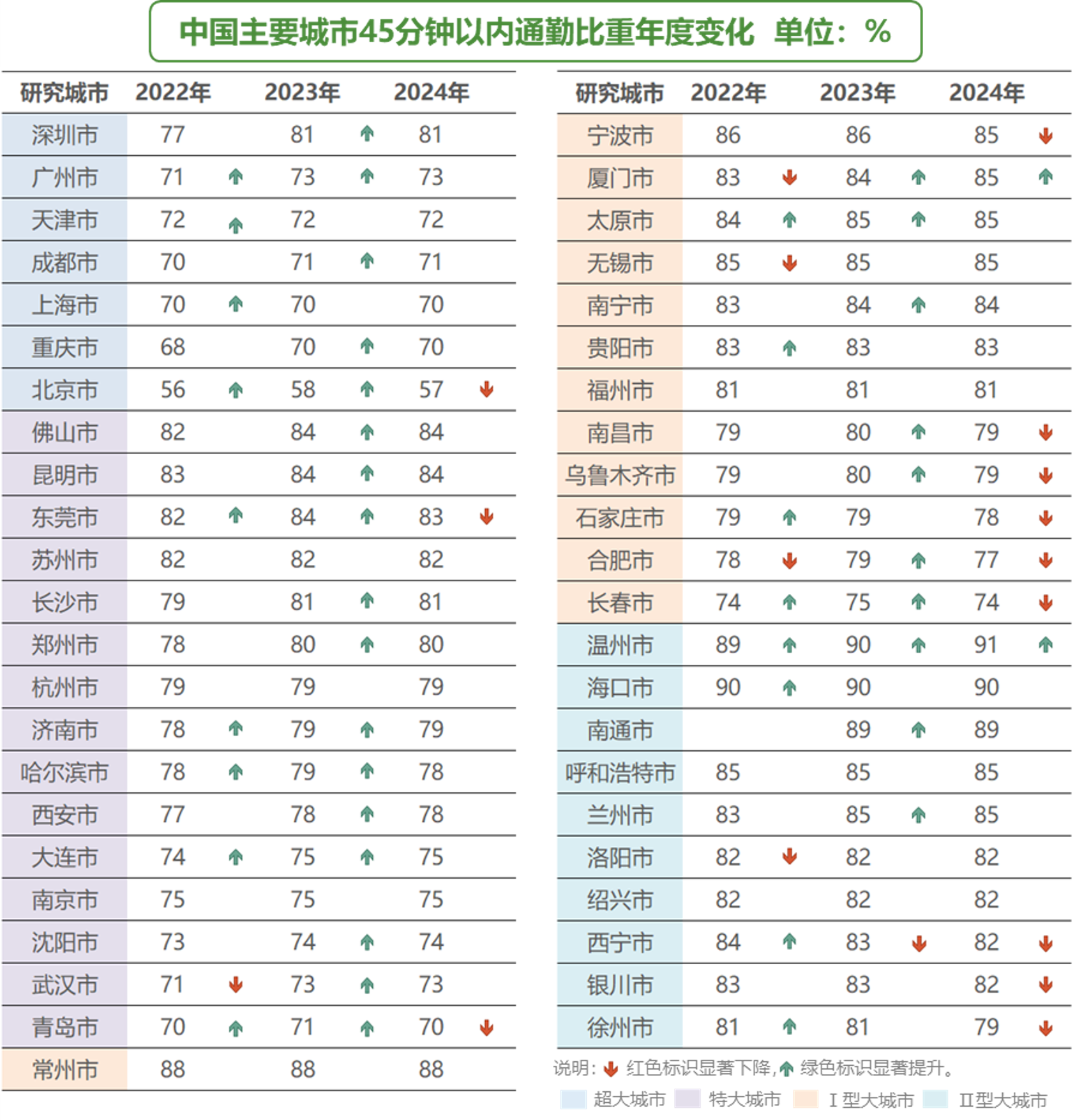
Core Insights - Hangzhou Airport has achieved a historic milestone by surpassing 50 million passengers for the first time in 2023, becoming the seventh airport in China to reach this level [1][2] - The airport's passenger throughput is projected to reach approximately 50.4 million by 2025, marking a year-on-year growth of nearly 5%, with international and regional passengers expected to be around 5 million [1][2] Summary by Sections Airport Performance - In 2023, Hangzhou Airport's passenger throughput reached 50 million, a significant increase from just 2.98 million in 2001, representing a nearly 17-fold growth over 25 years [1] - The airport's ranking improved from 10th in 2019 to 8th in 2022, and it is expected to maintain the 7th position in 2025 among China's airports [2] Future Projections - By 2025, Hangzhou Airport is expected to achieve a passenger throughput of 50.4 million, with a notable increase in international traffic [2] - The airport aims to enhance its status as a major international aviation hub, with plans to exceed 60 million passengers by 2030 and expand international routes [3] Strategic Developments - The Zhejiang provincial government has outlined plans to strengthen Hangzhou Airport's role as a key international aviation hub, including the construction of additional runways and supporting infrastructure [3] - National policies have positioned Hangzhou as a regional aviation hub, although it is classified as one of the "N" regional hubs, indicating a competitive landscape with other cities like Chongqing and Kunming [2]
环南昆山—罗浮山引领区(广州)总规出台 在从化增城划定两大先行区
Nan Fang Ri Bao Wang Luo Ban· 2025-12-22 07:45
Core Viewpoint - The Guangzhou "Baiqianwan Project" aims to establish a high-quality development leading area in the Nankunshan-Luofushan region, focusing on ecological advantages and modern urbanization practices in China. Group 1: Planning and Structure - The planning emphasizes a comprehensive approach, proposing a spatial structure of "coordinating two rings, integrating three rivers, and merging urban and rural areas" to enhance the flow of various urban-rural elements and promote modernization and differentiation in towns and villages [1] - A transportation plan is outlined to connect domestic and international traffic, creating a 400-kilometer scenic tourism road to attract visitors and boost local economies [1] Group 2: Industry Layout - The plan focuses on four key industries: "Health +", "Cultural Tourism +", "Agriculture +", and "Innovation +". It aims to leverage local resources for developing wellness clusters, tourism brands, modern agriculture, and emerging industries [2] - Specific initiatives include creating 12 wellness zones, enhancing tourism attractions, modernizing 13 agricultural parks, and fostering strategic industries like low-altitude economy and biomedicine [2] Group 3: Implementation and Design - The plan designates two pilot areas covering approximately 278 square kilometers, with a focus on developing a 52-kilometer scenic tourism road by 2025 [3] - A design competition is initiated to engage local communities and design professionals in the planning process, ensuring that local needs align with design outcomes [3]
内蒙古自治区主席包钢主持召开政府常务会议 创建美丽中国先行区和国家生态文明试验区
Zhong Guo Huan Jing Bao· 2025-11-13 03:52
Group 1 - The Inner Mongolia Autonomous Region is focusing on high-quality development and modernizing its economy, emphasizing the urgency of planning for the 14th Five-Year Plan and next year's work [1] - The government aims to enhance high-level openness and promote the construction of a free trade zone, while also improving the capabilities of comprehensive bonded zones [1] - There is a strong emphasis on protecting and utilizing cultural heritage, as well as advancing ecological initiatives such as the "Three North" project and creating a national ecological civilization pilot zone [1] Group 2 - The region plans to strengthen modern agriculture and animal husbandry, focusing on brand cultivation and the revitalization of the dairy and seed industries [2] - There is a push for deep integration of technological and industrial innovation, including the establishment of a national-level innovation platform and a green computing power demonstration zone [2] - The government aims to leverage its energy industry advantages, promote renewable energy development, and enhance the coal chemical industry chain [2] - Infrastructure improvements are prioritized, including high-speed rail, highways, and civil aviation, to reduce logistics costs and develop a hub economy [2] - The government is committed to reforming state-owned enterprises and ensuring social stability through enhanced basic livelihood guarantees and risk prevention measures [2]