职业化

Search documents
陪拍、陪爬、陪诊……“陪伴职业”如何实现规范化发展?
Xin Lang Cai Jing· 2026-02-08 19:33
Core Viewpoint - The rise of "accompanying professions" such as accompanying for medical visits, chats, and hikes reflects a growing demand for these services, but challenges remain in terms of service quality, rights protection, and industry standards [1][2][3]. Group 1: Emergence of Accompanying Professions - The demand for accompanying services has increased, with individuals like "Xiaobai" seeking professional photographers for social media [2]. - Accompanying services are diversifying, with roles including accompanying for medical visits, chats, and hikes, driven by societal changes and urbanization [3][6]. - The rise of these services is linked to the weakening of traditional social networks and the increasing emotional pressures faced by individuals [3]. Group 2: Challenges in the Industry - There are significant issues regarding service quality and the lack of effective rights protection for both providers and consumers [2][4]. - Many service providers operate without formal contracts, leading to disputes and a lack of accountability [5]. - The emotional labor involved in these roles is high, yet there is a lack of clear service standards and professional recognition [5][6]. Group 3: Professionalization and Regulation - Experts suggest that accompanying services could become formal professions, particularly functional services like medical accompaniment, which have stable demand [6][7]. - There is a call for the establishment of industry standards, including clear processes, safety guidelines, and complaint mechanisms [7][8]. - Recent government initiatives indicate a move towards standardizing and professionalizing the medical accompaniment sector, with 2026 seen as a pivotal year for the industry [7].
赔偿28亿美元,进入“工资时代”的NCAA还纯粹吗?
Hu Xiu· 2025-06-12 13:24
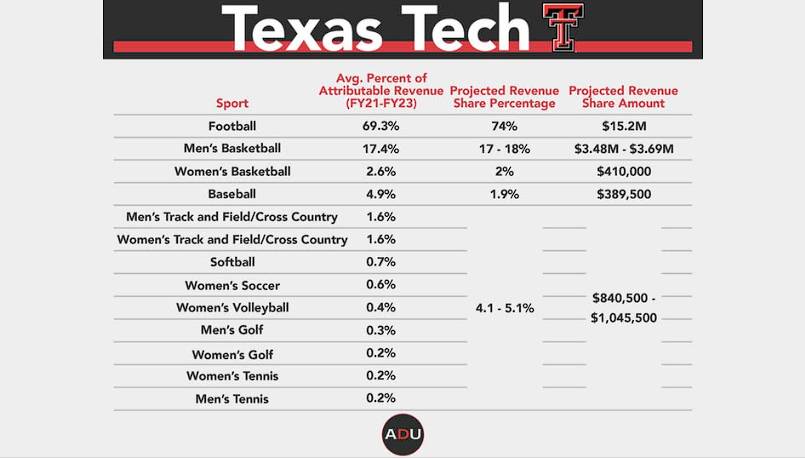
Core Viewpoint - A significant transformation is occurring within NCAA, marked by the approval of the "House vs NCAA" settlement, allowing schools to directly pay student-athletes for the first time since NCAA's inception in 1905 [2][4][26] Group 1: Settlement Overview - The settlement, stemming from a lawsuit by former Arizona State swimmer Grant House, addresses the loss of income opportunities for student-athletes due to NCAA's previous restrictions on name, image, and likeness (NIL) rights [2][3][22] - NCAA and the Power Five conferences are required to pay a total of $2.8 billion to student-athletes who participated in sports since 2016, compensating for lost NIL income and related revenues [7][8] - The distribution of the $2.8 billion will allocate approximately 75% to football players, 15% to men's basketball, 5% to women's basketball, and the remaining 5% to other sports [8] Group 2: Future Implications - Starting July 1, 2025, NCAA Division I schools can establish an annual revenue-sharing cap of $20.5 million for athletes, which represents a significant shift towards a more professionalized model [9][10] - This revenue-sharing cap is derived from 22% of the average broadcasting, ticket, and sponsorship revenues of Power Five schools, effectively functioning as a salary cap for student-athletes [10][12] - The introduction of this cap will compel schools to rethink their financial strategies, potentially leading to increased competition for top athletes and a shift in how athletic departments operate [14][17] Group 3: Financial Challenges - Schools must find ways to fund the $20.5 million cap, leading to various strategies such as increasing ticket prices, introducing talent fees, and reallocating student tuition towards athletic programs [19] - The financial dynamics of college sports are changing, with schools needing to operate more like businesses rather than non-profit organizations, which may lead to a focus on profitability over educational values [17][24] - The disparity in resources between elite programs and smaller schools is likely to widen, as larger institutions can attract more sponsorships and media attention, potentially leading to talent drain from smaller programs [24][25] Group 4: Regulatory Changes - The settlement introduces a new regulatory framework for NIL transactions, requiring independent review for deals exceeding $600, supported by Deloitte and a newly established College Sports Commission [25] - This marks the first instance of NCAA incorporating external regulatory structures, indicating a shift towards more professional oversight in college athletics [25][26] - The evolving landscape of NCAA sports suggests a blurring of lines between amateur and professional athletics, raising questions about the future of college sports as a distinct entity [21][26]

如何在入职后,确定要不要继续留下来?
3 6 Ke· 2025-06-10 02:08
Preparation Before Joining - It is essential for new employees to demonstrate professionalism to the company after receiving an offer, which includes effective collaboration with others [3][4] - New employees should communicate promptly with HR after receiving the offer, addressing any questions or concerns [3][5] - Familiarizing oneself with the company's products and services before starting is recommended [4] - Establishing a connection with the team leader via social media can facilitate smoother onboarding and communication [5] - Creating a personalized checklist for onboarding tasks can help ensure all necessary materials are prepared [6] Self-Introduction During Onboarding - A well-prepared self-introduction is crucial for new employees to help colleagues understand them quickly and facilitate future collaboration [8][10] - A good self-introduction should include basic information, job role, and personal interests to create a memorable impression [8][10] - New employees should practice their self-introduction to ensure clarity and confidence during delivery [10][11] - Highlighting unique personal traits rather than just achievements can make the introduction more engaging [11][12] - Expressing genuine enthusiasm for the job can positively impact how colleagues perceive the new employee [12] Assessing Company Fit After Joining - New employees should take time to observe and understand the company culture and dynamics before making judgments about fit [14][15] - Identifying common interests with team members can help in building relationships and assessing compatibility with the company [17][19] - Demonstrating value in the workplace is crucial for new employees to establish their role and fit within the company [20][21] - Enhancing visibility in the workplace through small contributions can lead to greater recognition and opportunities for advancement [23]