蔬菜价格上涨

Search documents
商务预报:2月16日至22日蔬菜零售价格小幅上涨
Shang Wu Bu Wang Zhan· 2026-02-27 07:58
Core Insights - The vegetable market experienced strong supply and demand during the Spring Festival, with average retail prices of 30 types of vegetables in 36 major cities rising by 1.1% from February 16 to 22 [1] Price Trends - Significant price increases were observed in root and melon vegetables, with prices of yam, asparagus lettuce, and cucumber rising by 4.0%, 3.7%, and 3.7% respectively [1] - Northern regions saw notable price hikes, particularly in Xi'an, Shijiazhuang, and Zhengzhou, where prices increased by 6.1%, 5.2%, and 4.7% respectively [1]
商务预报:1月19日至25日蔬菜零售价格小幅上涨
Shang Wu Bu Wang Zhan· 2026-01-30 06:13
Core Viewpoint - The average retail price of 30 types of vegetables in 36 major cities in China increased by 1.1% from January 19 to 25 due to rising harvesting and transportation costs influenced by cold weather [1] Price Changes - Significant price increases were observed in cucumber, zucchini, and Chinese cabbage, with respective rises of 4.9%, 4.8%, and 3.7% [1] - Northern regions experienced notable price hikes, particularly in Taiyuan, Qingdao, and Jinan, where prices rose by 7.3%, 6.9%, and 2.0% respectively [1]
西红柿,为啥变得这么贵?
Xin Hua She· 2026-01-19 01:22
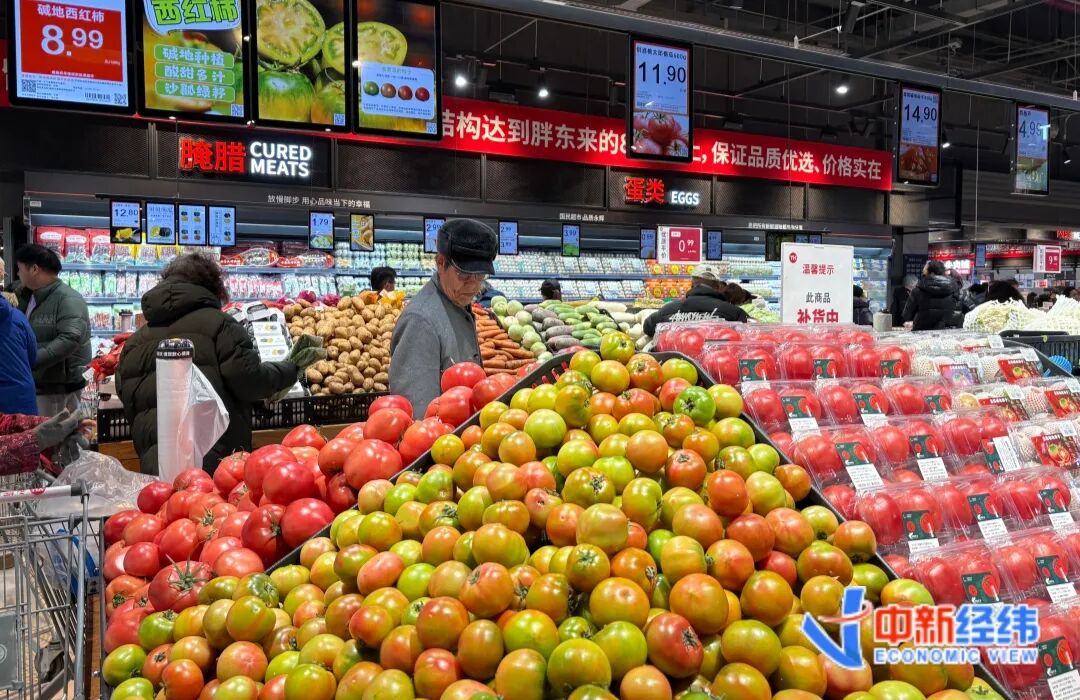
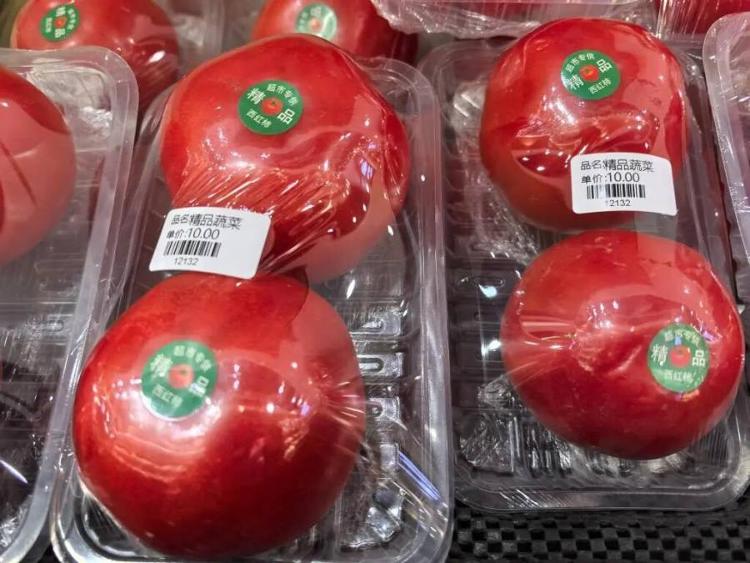
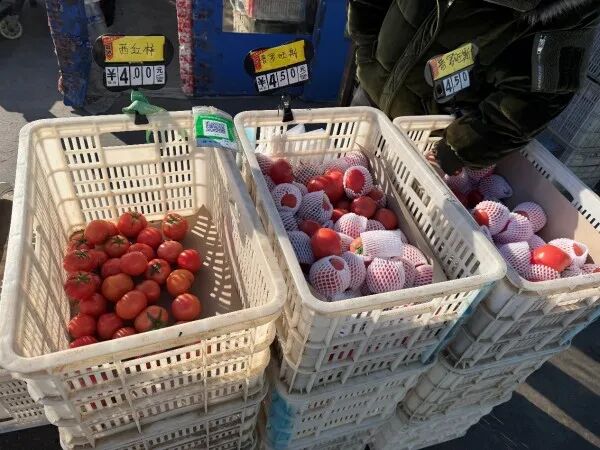
Core Insights - Recent significant price increases for tomatoes across multiple regions in China have raised market concerns about potential further price hikes for other vegetables [1][3]. Price Trends - In Beijing, bulk tomatoes are priced between 5 to 7 yuan per jin, while packaged tomatoes range from 10 to 18 yuan per jin [1]. - The average wholesale price of tomatoes from January 1 to 16, 2026, was 8.61 yuan per kilogram, an 80.9% increase compared to 4.76 yuan per kilogram in January 2025 [3]. Supply and Demand Dynamics - The price surge began in the second half of the previous year, influenced by a prior oversupply that led to a significant drop in purchase prices, causing some farmers to abandon their crops [3][4]. - Adverse weather conditions, including continuous rainfall in northern production areas, have severely impacted tomato yields, leading to increased reliance on more expensive greenhouse vegetables and long-distance transportation [4][7]. Future Outlook - Experts predict that high tomato prices will continue to fluctuate until late March, after which a seasonal decline is expected [7]. - The ongoing La Niña phenomenon is anticipated to maintain high costs for heating in northern facilities and transportation, providing rigid support for current prices [7]. - The price increase is primarily attributed to climate factors rather than seasonal or cyclical fluctuations, affecting other vegetables like carrots and cabbages as well [7].

西红柿价格暴涨近10倍!“涨价将持续到3月!”
Xin Lang Cai Jing· 2026-01-18 13:19
Core Viewpoint - The price of tomatoes has surged significantly across various regions in China, with reports indicating increases of nearly tenfold in some areas, raising concerns among consumers about the affordability of this staple vegetable [4][19]. Price Trends - In Zhejiang, the price of tomatoes has risen from approximately 5 yuan per jin last year to around 7-10 yuan per jin recently, with peak prices reaching 10 yuan per jin earlier this year [4][19]. - In Shenzhen, the price has escalated from 1-2 yuan per jin at the beginning of last year to between 7-10 yuan per jin currently, with some premium varieties exceeding 13 yuan per jin [7][11]. Causes of Price Increase - The average wholesale price of tomatoes from January 1 to 16, 2026, was reported at 8.61 yuan per kilogram, an 80.9% increase compared to 4.76 yuan per kilogram in January 2025 [19]. - The price surge began in the second half of the previous year due to reduced planting areas by farmers following a low market performance in the first half, compounded by adverse weather conditions in northern production areas that led to decreased yields [19]. - Continuous rainfall in northern regions during the summer and autumn of 2025 caused root damage to already planted tomatoes, while subsequent cloudy weather reduced fruit setting rates, leading to a delayed harvest [19]. Future Price Outlook - Experts predict that the high prices of tomatoes will continue to fluctuate until late March, after which a seasonal decline is expected [20]. - Factors contributing to this forecast include increased pre-holiday stocking by merchants and the gradual market entry of winter tomatoes from southern regions, although ongoing La Niña conditions may keep production costs elevated [20]. - The current price increase is primarily attributed to climatic factors rather than seasonal or cyclical fluctuations, and other vegetables like carrots and cabbages are also affected by similar weather-related issues [20].

寒潮下实探北京新发地:西红柿变身“蔬菜刺客” 批发商直呼“还得涨”
Hua Xia Shi Bao· 2026-01-18 00:42
Core Viewpoint - The price of tomatoes, particularly in Beijing's Xinfadi market, has seen significant fluctuations due to weather conditions and supply chain disruptions, leading to a notable increase in consumer prices compared to previous years [1][10][12]. Price Trends - As of January 9-15, 2026, wholesale tomato prices decreased by 4.8% week-on-week but were still up 83.3% year-on-year [1][8]. - In the weeks leading up to January 16, 2026, tomato prices rose significantly, with weekly prices recorded at 7.47 CNY/kg, 8.04 CNY/kg, 8.63 CNY/kg, and 9.12 CNY/kg, reflecting increases of 3.9%, 7.6%, 7.3%, and 5.7% respectively [1][8]. Supply Chain Issues - Recent weather events, including rain and snow in major production areas, have disrupted transportation and reduced supply, contributing to rising prices [4][10][12]. - The upcoming cold wave is expected to exacerbate supply chain pressures, further impacting tomato availability and prices [11][12]. Consumer Impact - The rising prices of tomatoes have led consumers to reduce their purchases, with some opting for alternative vegetables due to affordability concerns [9][12]. - The increase in tomato prices has significantly affected household food expenses, with prices for premium varieties exceeding 13 CNY/kg, marking a year-on-year increase of over 70% [12]. Market Outlook - Wholesale traders anticipate that the upward trend in vegetable prices will continue in the short term, particularly as the Chinese New Year approaches [13]. - Long-term projections suggest that tomato prices may stabilize around late March 2026, as spring vegetables become available [13].
西红柿“身价暴涨”,原因何在?
Xin Lang Cai Jing· 2026-01-17 03:19
Core Insights - Recent surge in tomato prices across China has drawn significant market attention, with prices reaching as high as 10 to 18 yuan per kilogram in various regions [1][3] - The average wholesale price of tomatoes increased by 80.9% year-on-year, from 4.76 yuan per kilogram in January 2025 to 8.61 yuan in January 2026 [3] Price Dynamics - The price increase began in the second half of the previous year due to a combination of factors including reduced planting area and adverse weather conditions [3][4] - Farmers initially expanded tomato cultivation in early 2025 due to favorable conditions, leading to a surplus and subsequent price drop, but later faced challenges that reduced supply [3][4] Weather Impact - Continuous rainfall in northern production areas during the summer and autumn of 2025 caused waterlogging, damaging tomato roots and affecting yield [4] - The prolonged rainy and low-light conditions in regions like Shandong delayed the maturation of tomatoes, leading to a shortage in the market [4] Future Price Expectations - Experts predict that high tomato prices will persist until late March 2026, followed by a seasonal decline [5] - The upcoming Spring Festival is expected to drive demand for premium tomatoes, while the ongoing La Niña phenomenon will keep production costs high, providing price support [5] Broader Market Context - The price increase in tomatoes is attributed primarily to climatic factors rather than seasonal or cyclical fluctuations, with other vegetables like carrots and cabbages also affected [5] - The overall supply of vegetables in China remains stable, alleviating consumer concerns about shortages despite the price hikes in specific categories [5]
快资讯丨西红柿“身价暴涨” 原因何在?
Xin Hua She· 2026-01-17 03:11
Core Viewpoint - The recent significant increase in tomato prices across various regions in China has raised market concerns, with prices for tomatoes reaching as high as 10 to 18 yuan per kilogram, reflecting an 80.9% year-on-year increase in wholesale prices from January 2025 to January 2026 [4][5]. Group 1: Price Trends - The average wholesale price of tomatoes was 8.61 yuan per kilogram from January 1 to 16, 2026, compared to 4.76 yuan per kilogram in January 2025, marking an 80.9% increase [4]. - Retail prices for bulk tomatoes range from 5 to 7 yuan per kilogram, while packaged tomatoes are priced between 10 to 18 yuan per kilogram [4]. Group 2: Causes of Price Increase - The price surge began in the second half of the previous year due to a combination of factors, including reduced planting area by farmers and adverse weather conditions in northern production areas, which led to decreased yields [4][5]. - Continuous rainfall in the summer and autumn of 2025 caused waterlogging that damaged tomato roots, while subsequent low temperatures and lack of sunlight delayed fruit maturation, resulting in a market reliance on more expensive greenhouse vegetables [5][6]. Group 3: Future Price Expectations - Experts predict that the high prices of tomatoes will continue to fluctuate until late March 2026, driven by increased demand during the upcoming Spring Festival and the ongoing impact of La Niña conditions affecting production costs [5][6]. - Despite the current price increases, experts advise farmers to be cautious about expanding tomato cultivation, as the price rise is primarily due to climatic factors rather than seasonal or cyclical trends [6].

西红柿“身价暴涨” 原因何在?
Xin Hua She· 2026-01-17 02:40
Core Viewpoint - The recent significant increase in tomato prices across various regions in China has raised consumer concerns and prompted investigations into the causes and potential future trends of vegetable prices [1][3]. Group 1: Price Trends - The average wholesale price of tomatoes rose to 8.61 yuan per kilogram from 4.76 yuan per kilogram year-on-year, marking an 80.9% increase [3]. - Retail prices for bulk tomatoes range from 5 to 7 yuan per pound, while packaged tomatoes are priced between 10 to 18 yuan per pound [1]. Group 2: Causes of Price Increase - The price surge began in the second half of the previous year, influenced by a combination of factors including reduced planting area due to previous low prices and adverse weather conditions affecting production [3][4]. - Continuous rainfall in northern production areas led to root damage and reduced fruit setting rates, further exacerbating the supply issues [3][4]. Group 3: Future Price Expectations - Experts predict that high tomato prices will persist until late March, followed by a seasonal decline [6]. - The demand for premium tomatoes is expected to remain strong due to pre-holiday stocking, while adverse weather conditions will continue to support prices [6].
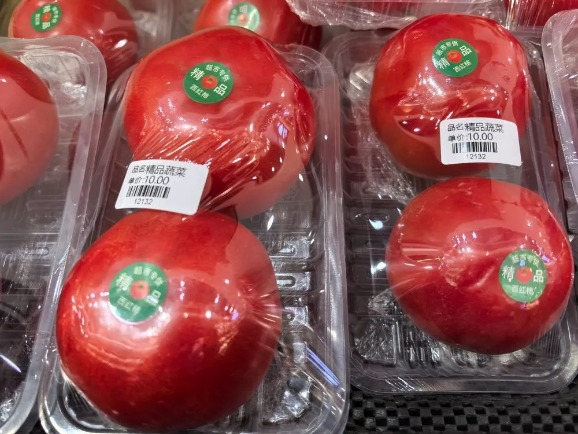
鸡蛋配不上西红柿了?为啥今冬蔬菜价格涨得这么多?
Xin Jing Bao· 2026-01-16 05:04
Core Viewpoint - The price of vegetables, particularly tomatoes and cabbage, has significantly increased this winter compared to previous years, causing concern among consumers about the affordability of staple food items [1][3][10]. Price Trends - The average price of 19 types of vegetables in wholesale markets reached 5.36 yuan per kilogram, a year-on-year increase of 28.2% [1]. - The wholesale price of tomatoes has surged by 88% compared to the same period last year, reaching 9.12 yuan per kilogram [3]. - In January 2025, the price of tomatoes was only 4.67 yuan per kilogram, but it skyrocketed to over 9 yuan by early January 2026, nearly doubling [7]. - Cabbage prices have also risen sharply, with wholesale prices reaching 2.34 yuan per kilogram, more than doubling since the beginning of the year [10][14]. Factors Influencing Price Increases - Adverse weather conditions, including heavy rainfall and temperature drops, have negatively impacted vegetable production, leading to reduced supply and increased prices [14][18]. - Seasonal price fluctuations are exacerbated by the shift to facility-based cultivation in winter and increased costs associated with cross-regional distribution [18]. Comparison with Meat Prices - While vegetable prices are rising, meat prices, particularly pork, are declining due to oversupply from increased production capacity among farmers [19][22]. - Pork prices have dropped significantly, with prices in markets like Sichuan and Beijing showing reductions of 3-4 yuan per kilogram compared to last year [22]. Future Price Outlook - It is anticipated that vegetable prices will not continue to rise for long, as supply is expected to increase with the upcoming harvest from major production areas [26]. - The market is beginning to see a decrease in vegetable prices compared to early December 2025, as supply from southern regions starts to stabilize [26].
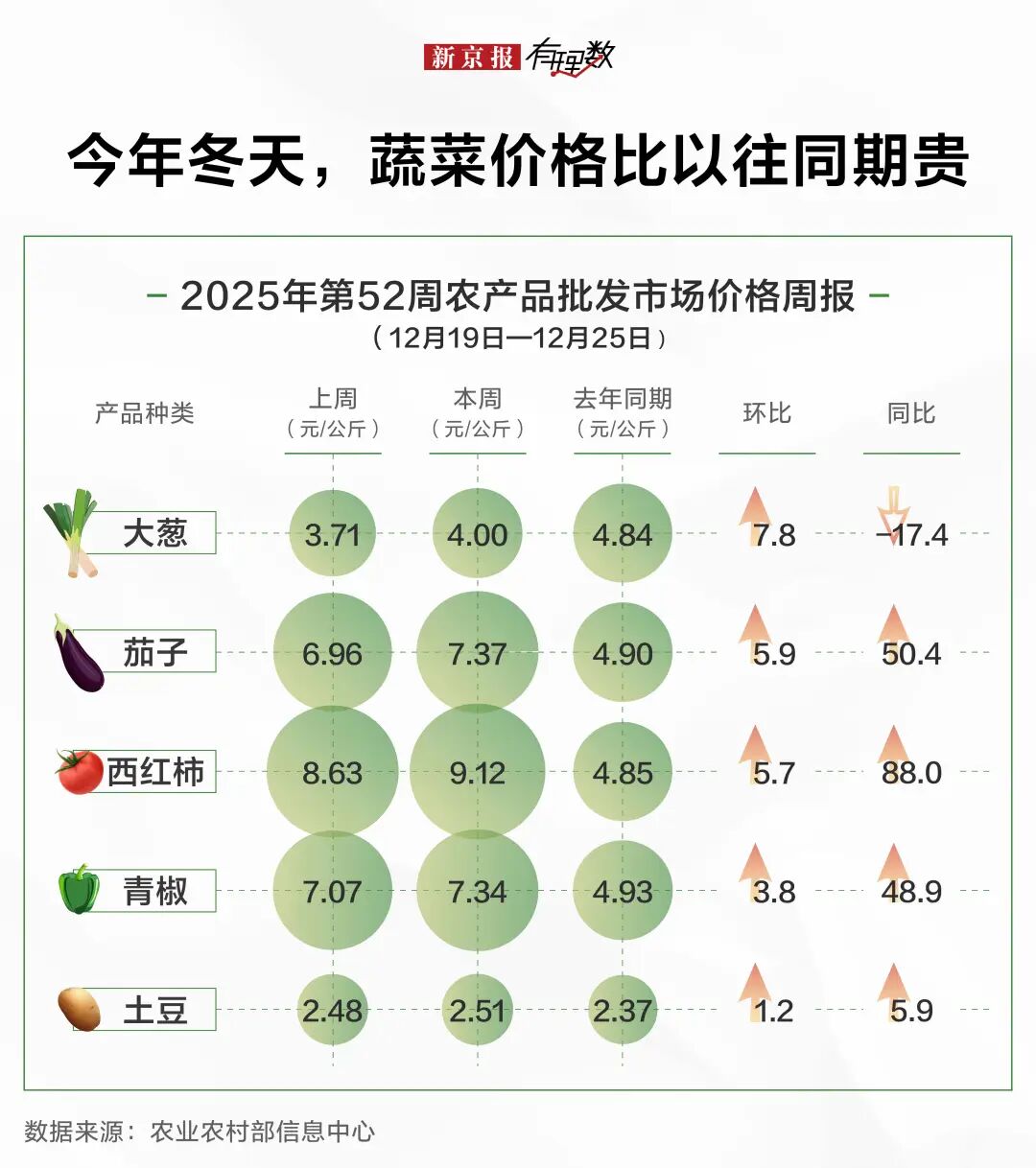
为何“西红柿炒蛋全是蛋”?
3 6 Ke· 2025-12-31 09:39
Core Viewpoint - The recent surge in tomato prices has drawn significant public attention, with prices in Beijing supermarkets nearing 10 yuan per jin, reflecting a substantial increase in both wholesale and retail markets [1][3][4]. Price Trends - As of December 30, 2023, the wholesale price of tomatoes in Beijing ranged from 3 to 6 yuan per jin, with some varieties reaching up to 16.56 yuan per jin [3][4]. - The average wholesale price of tomatoes across 286 markets was reported at 9.12 yuan per kilogram for the week of December 19-25, marking a 5.7% increase week-on-week and an 88% increase year-on-year [3][4]. Causes of Price Increase - The primary reasons for the price increase include adverse weather conditions affecting tomato production, such as excessive rainfall and cold temperatures in key growing regions, leading to reduced supply and delayed harvests [4][5][10]. - The impact of extreme weather has resulted in a significant reduction in the planting area for tomatoes, further exacerbating supply issues [4][5]. Market Dynamics - The demand for high-quality tomatoes is expected to rise as the New Year and Spring Festival approach, which may sustain elevated price levels despite some recent price fluctuations [5][7]. - Other vegetables, including eggplants and green peppers, have also seen price increases, with the average price of 19 types of vegetables rising by 28.2% year-on-year [5][9]. Future Outlook - Experts predict that high tomato prices will likely persist into the first quarter of 2026 due to ongoing demand and adverse weather conditions, with a potential price normalization expected only after the Spring Festival [7][10].