
货币信用风险

Search documents
评论丨黄金定价逻辑为何变了?
2 1 Shi Ji Jing Ji Bao Dao· 2026-02-05 00:19
Core Viewpoint - The price of gold has surged from around $2000 to approximately $5000 per ounce, an increase of over 100%, while the actual yield on U.S. Treasury bonds has remained stable around 1.9% [1] Group 1: Changes in Gold Pricing Logic - Traditional analysis suggests a strong negative correlation between actual interest rates and gold prices, where rising rates increase the opportunity cost of holding gold, thus pressuring its price [1] - The shift in gold's pricing logic is attributed to a fundamental change in the perception of sovereign currency credit, transforming gold from merely an inflation hedge to an "absolute value" asset not backed by any sovereign credit [2] Group 2: Modern Monetary Theory (MMT) Implications - MMT posits that governments issuing their own currency theoretically will never run out of money or default, with inflation being the primary constraint [2] - The optimistic low-inflation assumption of MMT is challenged by the potential reversal of favorable global economic factors that have historically kept inflation low [2] Group 3: Inflation and Debt Crisis Dynamics - High inflation leads to increased bond yields, which in turn raises borrowing costs for governments, creating a negative feedback loop that can spiral into a debt crisis [3] - The erosion of currency purchasing power due to persistent inflation tests the internal and external value of a currency, impacting investor confidence [3] Group 4: Market Reactions to Currency Credit Erosion - As inflation erodes the purchasing power of currencies like the dollar, investor trust in these currencies begins to wane, prompting a search for alternative assets such as gold [4] - Increased gold purchases by central banks indicate a reassessment of currency credit by monetary authorities [4] Group 5: Gold as a Hedge Against Currency Credit Risk - Gold's investment attributes have shifted from being an inflation hedge to a hedge against currency credit risk, emphasizing its role as a safe haven asset [5] - The implications for investors include a longer investment horizon for gold holdings, a potential change in correlation with equities and bonds, and the need to monitor signals of U.S. dollar credit risk [5]
黄金定价逻辑为何变了?
2 1 Shi Ji Jing Ji Bao Dao· 2026-02-04 22:47
Core Viewpoint - The international gold price has surged from around $2000 to approximately $5000 per ounce since the beginning of 2024, reflecting an increase of over 100%, while the actual yield on U.S. Treasury bonds has remained stable around 1.9% [2][12] Group 1: Changes in Gold Pricing Logic - Traditional analysis suggests a strong negative correlation between actual interest rates and gold prices, where rising rates increase the opportunity cost of holding gold, thus pressuring its price [2][12] - The shift in gold's pricing logic is attributed to a fundamental change in its role from a relative value asset to an absolute value asset, as market confidence in sovereign currencies like the dollar begins to wane [6][17] Group 2: Modern Monetary Theory (MMT) Implications - MMT posits that governments issuing their own currency theoretically will never run out of money or default, with inflation being the primary constraint [6][14] - The optimistic low-inflation assumption of MMT may be challenged as favorable global conditions reverse, potentially leading to higher-than-expected inflation in economies like the U.S. [14] Group 3: Debt Crisis Dynamics - High inflation can lead to a debt crisis through several stages, starting with rising bond yields as investors demand higher nominal returns to compensate for purchasing power loss [7][14] - The relationship between inflation rates and debt yields is critical; when debt yields exceed inflation rates, the actual borrowing cost for governments increases, potentially triggering a self-reinforcing debt cycle [7][14] Group 4: Market Reactions to Currency Credibility - As inflation erodes the purchasing power of currencies like the dollar, market trust in these currencies diminishes, prompting investors to seek alternative assets such as gold [8][15] - Central banks increasing gold purchases indicate a reassessment of currency credibility, while institutional investors adjust their asset allocations in response to perceived currency risks [8][15] Group 5: Gold as a Hedge - The investment property of gold has transformed from an inflation hedge to a credit hedge, focusing on absolute value rather than relative value [17] - Holding gold now serves as a potential risk hedge against declining currency credibility, suggesting a longer investment horizon for gold allocations [9][17] - The correlation between gold and risk assets may change, with gold potentially rising alongside risk assets during periods of increased currency credit risk [9][17]


金价大涨映射了三大宏观不确定性
Di Yi Cai Jing· 2026-01-29 03:12
Core Viewpoint - The recent surge in gold prices, breaking historical records, reflects a significant shift in market perception regarding gold as a safe-haven asset amidst rising geopolitical tensions and economic uncertainties [3][4][10]. Geopolitical Risk - Gold's safe-haven attribute is rooted in its independence from government and corporate credit, making it a preferred asset during macroeconomic turmoil [4]. - Recent geopolitical events, including military actions and trade tensions, have catalyzed a spike in gold prices, transforming short-term trading demand into long-term investment demand [5][6]. - The ongoing fragmentation of the global geopolitical landscape has led to a persistent state of uncertainty, altering traditional gold pricing dynamics [6][9]. Monetary Credit Risk - The weakening of the dollar-based global monetary system has amplified gold's appeal as a non-sovereign asset, unaffected by any single country's monetary policy [10]. - The U.S. national debt is projected to exceed $38 trillion by 2025, raising concerns about the sustainability of the dollar's value and prompting central banks to increase gold reserves [10][11]. - The acceleration of "de-dollarization" trends is positioning gold as a strategic asset in the evolving global monetary landscape [12]. Macroeconomic Uncertainty - Global economic growth is under pressure, with forecasts indicating a slowdown in trade and investment due to rising tariffs and geopolitical risks [13]. - The expectation of stagflation has heightened gold's appeal as a hedge against inflation and economic stagnation, reinforcing its role as a critical asset in investment portfolios [13][14]. - The uncertainty surrounding global economic recovery continues to bolster gold's long-term investment rationale, as investors seek to mitigate systemic risks [15]. Conclusion - The rise in gold prices serves as a warning signal regarding global geopolitical, economic, and monetary challenges, necessitating vigilance from investors, policymakers, and businesses [16][17]. - The future trajectory of gold prices will be closely tied to the resolution of underlying global risks and the stabilization of economic and political orders [17].

21社论丨美日市场剧烈震荡揭示其货币信用风险
21世纪经济报道· 2026-01-22 01:34
Group 1 - The article discusses the significant market volatility triggered by Japan's fiscal concerns and the U.S. claim over Greenland, leading to a sell-off in both U.S. and Japanese financial markets [1][2] - Japan's total debt has reached 240% of its GDP, and the proposed tax cuts by the government are expected to increase fiscal risks, causing a spike in the yield of 30-year Japanese government bonds by over 25 basis points in a single day [1][2] - The article highlights that the current situation is not a liquidity crisis but a re-evaluation of Japan's fiscal credit risk, as the government seeks to implement tax cuts while the market reacts negatively [1][2] Group 2 - The prolonged period of quantitative easing in Japan has created structural vulnerabilities, with rising bond yields not strengthening the yen but instead leading to its depreciation due to declining fiscal credibility [2][3] - The U.S. financial market's liquidity is heavily influenced by low-yield yen carry trades, and the U.S. government's aggressive stance on Greenland has raised concerns about potential fractures in U.S.-European relations [2][3] - The article notes that both the U.S. and Japan are facing systemic risks due to their reliance on quantitative easing, which is undermining their monetary credibility and prompting investors to seek safe-haven assets like gold [3]

突发特讯!白银大跌之后又大涨:这不是行情波动,是资本的生死博弈,引全民高度关注
Sou Hu Cai Jing· 2025-12-31 02:50
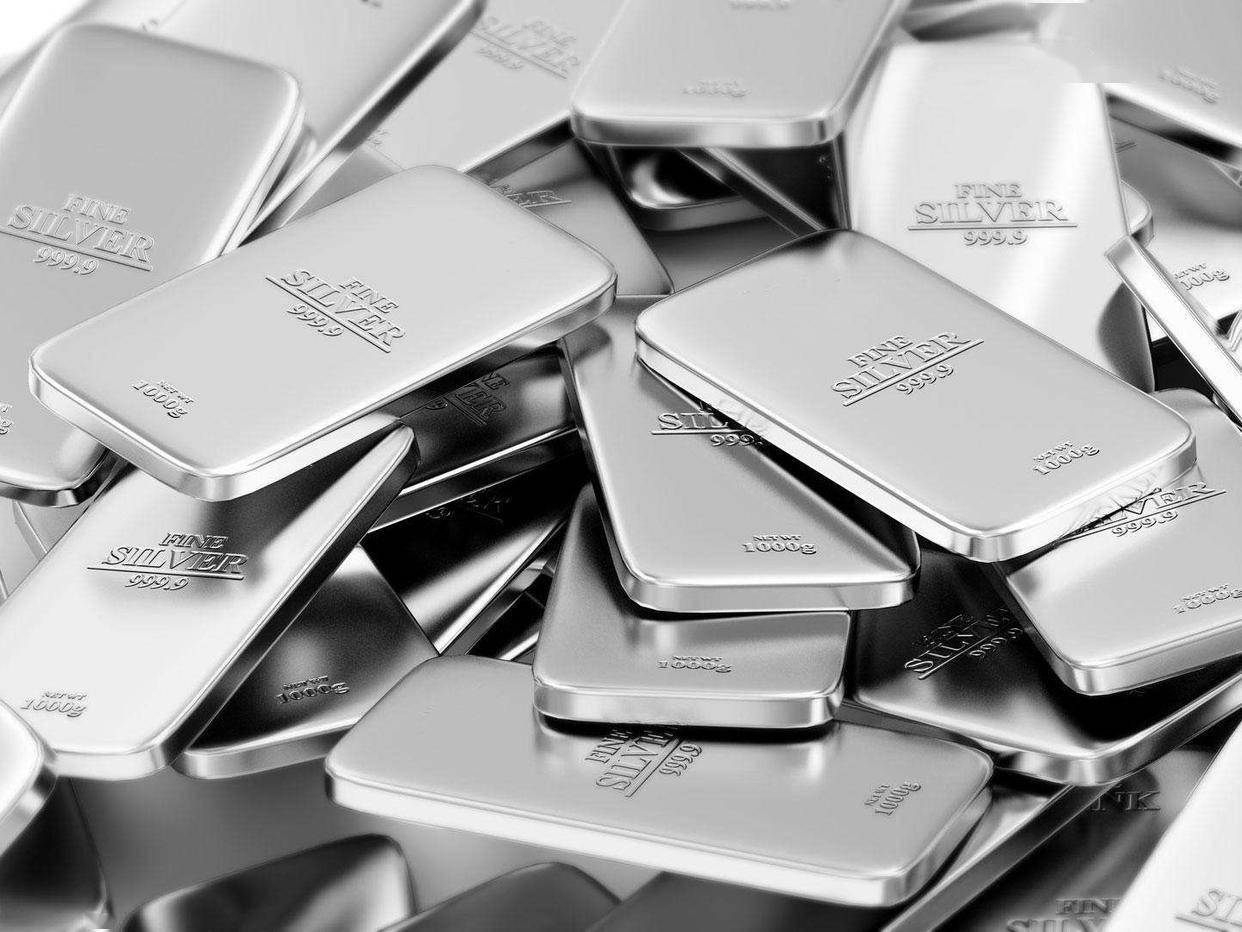
Group 1 - The recent volatility in silver prices is driven by capital manipulation rather than market forces, indicating a significant shift in global monetary credit [1][3] - Major players like JPMorgan have engaged in strategic moves, such as transferring 169 million ounces of silver to non-deliverable warehouses, creating artificial liquidity constraints [3] - The price of silver surged by 160% in 2022, significantly outpacing gold's 67% increase, highlighting the influence of institutional actions rather than natural market dynamics [3] Group 2 - Silver's demand is primarily industrial, with 50%-60% coming from this sector, contrasting sharply with gold's 10%, which underpins its recent price strength [5] - The photovoltaic industry is a major driver of silver consumption, with projected sales revenue in China expected to reach 44.7 billion yuan in 2024, a 270% increase from 2020 [5] - Strategic management of silver resources is increasing, with China planning to classify silver as a strategic resource and India allowing it as collateral for loans, potentially widening the supply-demand gap [5] Group 3 - Divergent global monetary policies are making silver an attractive option for investors seeking safe-haven assets, especially as the Federal Reserve is expected to cut rates [7] - The gold-silver ratio has exceeded 100, indicating strong demand for silver as a leveraged alternative to gold, which is perceived as overvalued [7] - Silver's supply remains tight, with inventories reported at 874 million ounces, contributing to its appeal as a hedge against currency credit risks [7] Group 4 - Retail investors are cautioned against blindly following market trends, as recent regulatory measures indicate a tightening of speculative trading in silver futures [9] - The volatility of silver prices is significantly higher than that of gold, making predictions challenging and increasing the risk for retail investors [9] - Many calls to "buy the dip" in silver may be traps set by capital players, targeting inexperienced investors who follow market hype [9]
全球疯抢黄金,但一个风险正在逼近……
凤凰网财经· 2025-12-25 13:48
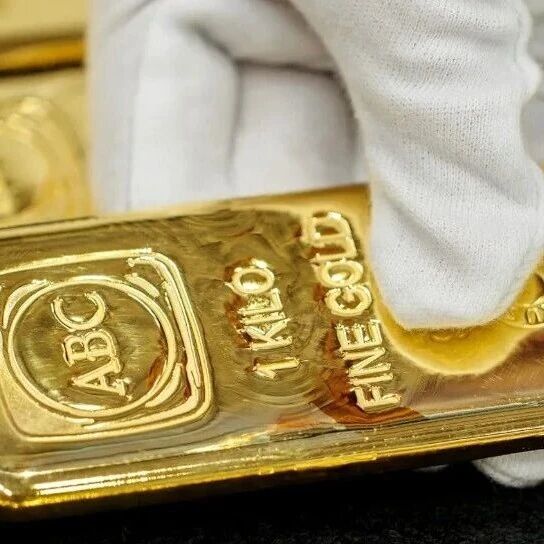
Core Viewpoint - The article discusses the recent surge in gold prices, highlighting the factors driving this increase and the potential risks associated with it. Group 1: Reasons for Gold Price Surge - Geopolitical Tensions: Ongoing conflicts, such as the Thailand-Cambodia situation and the "Southern Spear" operation in Latin America, have heightened demand for gold as a safe haven asset [4][6] - Monetary Easing: The shift from tightening to easing by the Federal Reserve has historically been a strong driver for gold bull markets. Current expectations for interest rate cuts in 2026 are fueling this trend [6][8] - Currency Devaluation Concerns: With global government debt rising significantly, there is growing anxiety about the purchasing power of fiat currencies. Central banks have been net buyers of gold for 14 consecutive quarters, purchasing over 1,000 tons annually [8][10] Group 2: New Paradigm of Gold Investment - Transition to Strategic Asset: Gold has evolved from being viewed merely as a commodity to being recognized as a strategic asset, which implies a more stable pricing structure and diversified pricing factors beyond just interest rates [10][12] - Enhanced Functions: Gold now serves not only as an inflation hedge but also as a safeguard against extreme monetary and geopolitical risks, making it a crucial insurance asset [12] - Price Predictions: Major investment banks like Goldman Sachs and JPMorgan have raised their target prices for gold to between $4,900 and $5,055 per ounce for 2026 [12] Group 3: Upcoming Risks - Potential Sell-off in January: A warning from JPMorgan indicates that a significant sell-off may occur between January 8 and 14 due to passive funds needing to rebalance their portfolios, which could lead to increased volatility in gold and silver prices [14][15] - Pressure on Silver: The sell-off could particularly impact silver, which may account for 9% of total open contracts, while gold could represent 3% [14]
黄金超越欧元成为全球第二大储备资产,黄金ETF(518880)、黄金股票ETF(159321)双双上涨
2 1 Shi Ji Jing Ji Bao Dao· 2025-06-12 03:49
Group 1 - The current spot gold price has surpassed $3,370 per ounce, attracting market attention, with gold ETFs showing active trading and significant gains [1] - According to the European Central Bank's annual report, gold has replaced the euro as the world's second-largest reserve asset, following the dollar, with gold's share in global reserves reaching 20% in 2024, compared to the euro's 16% [1] - Global central banks have increased gold purchases for three consecutive years, exceeding 1,000 tons annually, which is double the average level of the 2010s, with total gold reserves now at 36,000 tons, nearing historical highs [1] Group 2 - Recent fluctuations in gold prices are attributed to global macro risks, policy dynamics, and funding behaviors, with a recommendation for short-term trading strategies and long-term investment in gold as a hedge against systemic risks [2] - The Federal Reserve's decision to maintain interest rates aligns with expectations, while concerns over tariffs and stagflation risks suggest that rate cuts are unlikely in the short term [2] - The ongoing geopolitical conflicts and the trend of de-dollarization are driving central banks to continue increasing their gold holdings, which is expected to boost gold ETF purchases [2]