
贸易动荡

Search documents
欧元区经济表现超预期 抵御贸易动荡冲击
Xin Lang Cai Jing· 2026-01-30 17:50
Economic Growth - Eurozone GDP grew by 0.3% in Q4, matching the growth rate of the previous quarter and exceeding analysts' expectations of 0.2% [1][3] - Spain led the growth with an impressive 0.8% increase, while Germany, Italy, and France also showed better-than-expected performance [1][3] - Despite trade tensions from the US, the Eurozone economy demonstrated resilience, with Germany expected to achieve over 1% growth by 2026 due to significant spending [1][3] Inflation and Consumer Confidence - Inflation rates in the Eurozone are approaching the European Central Bank's target, contributing to stable interest rates [2][4] - Spain's consumer prices rose by 2.5% year-on-year in January, down from 3% the previous month, indicating a slight easing in inflation [2][4] - Consumer confidence in the Eurozone has improved, with other countries also reporting GDP growth: Netherlands at 0.5%, Austria at 0.2%, and Lithuania at 1.7% [2][4]
“关税后果”之年? 关税余震与供应链威胁夹击 2026年全球贸易注定不平静
Zhi Tong Cai Jing· 2025-12-25 15:10
Core Viewpoint - The global trade system is entering a period of increased challenges and potential instability as it approaches 2026, with significant shifts in import dynamics and ongoing impacts from previous tariff policies [1][2]. Group 1: Trade Dynamics - The U.S. has experienced an approximately 8% decline in imports this year, while imports from Africa, the Middle East, Latin America, and India have shown strong growth [2]. - Experts predict that 2026 may see more extensive trade disruptions, including a reassessment of the USMCA agreement and ongoing impacts from Trump's tariff policies [1][3]. Group 2: USMCA Agreement Review - The U.S., Canada, and Mexico are set to review the USMCA agreement, which has been in effect since 2020, with stakeholders calling for improvements and extensions [3][4]. - Over 1,500 public comments have been received regarding the USMCA, indicating significant interest in its future [4]. Group 3: Shipping Industry Impacts - The global shipping industry may face two significant shocks in 2026, including a potential return to using the Red Sea for shipping routes, which could lead to increased capacity but also port congestion in Europe [6]. - Demand-driven challenges may arise if the U.S. economy accelerates, potentially overwhelming the shipping industry's capacity to respond [7]. Group 4: Trade Agreement Instability - Recent trade agreements made under Trump's administration lack traditional enforcement mechanisms, raising concerns about their stability and potential for breakdown [8]. - Countries like Indonesia and Malaysia have expressed resistance to U.S. trade demands, highlighting the fragility of these agreements [8]. Group 5: Legal Uncertainties - The U.S. Supreme Court's upcoming decision on the legality of Trump's "reciprocal tariffs" is a significant unknown that could impact the economic landscape and lead to potential refunds for importers [10][11]. - Current assessments suggest a 75% chance that Trump will lose this legal battle, which could complicate the continuation of existing tariffs [11].
中国呼吁世贸成员集体应对贸易动荡、共同维护多边主义
Zhong Guo Jing Ji Wang· 2025-10-09 13:13
Core Viewpoint - The World Trade Organization (WTO) is facing increasing trade turmoil, primarily driven by unilateral trade policies from the United States, which disrupt global supply chains and markets [1][2] Group 1: China's Position - China has actively set the agenda at the WTO General Council meeting, emphasizing the need to uphold the core values and principles of the multilateral trading system [1] - The Chinese representative highlighted that the U.S. trade policies have become a major source of global instability, leading to a shift from a rules-based to a power-based trade relationship [1] - China proposed three recommendations to address the escalating trade turmoil: enhancing transparency and oversight, reaffirming commitment to a rules-based multilateral trading system, and taking concrete actions to achieve practical outcomes at the WTO [1] Group 2: Responses from Other Members - Various countries, including the EU, Brazil, Australia, Switzerland, and Pakistan, called for the maintenance of WTO's fundamental principles and urged for reforms within the organization [2] - The EU expressed serious concern over the erosion of the rules-based multilateral trading system due to power-based trade relationships [2] - Countries like Nigeria and Bangladesh emphasized the negative impact of unilateral tariffs and trade uncertainty on vulnerable developing members, calling for necessary assistance from the WTO [2] - The WTO Director-General highlighted that the organization will soon release new international trade forecasts, indicating that international trade has shown strong resilience [2]
遭美关税打击 日牛肉商急拓中国市场
Jin Tou Wang· 2025-08-05 06:18
Group 1 - China is set to resume imports of Japanese beef after 24 years, providing hope for Japan's struggling livestock industry [1] - Japan's beef exports to China previously reached $38 million annually before a ban in 2001 due to BSE [1] - The Japanese government aims to increase agricultural and food exports from 1.5 trillion yen in 2024 to 5 trillion yen by 2030, with beef and seafood being crucial for this target [1] Group 2 - Kumamoto Prefecture, Japan's fourth-largest beef production area, has high hopes for beef exports to China, with direct flights established between Kumamoto and Shanghai [2] - Concerns exist regarding the establishment of a system to prevent counterfeit Kobe beef, as expressed by the Kobe beef marketing association [2] - The Japanese government’s stance is critical, as any misstep by politicians could alter China's attitude towards imports [2]
黄金,风暴预演!
Sou Hu Cai Jing· 2025-07-14 09:40
Group 1 - Gold prices increased by 0.6% last week, reaching a peak of $3,374.69 before stabilizing around $3,368 due to renewed risk aversion in the market [1] - The U.S. stock market saw slight declines, with the Nasdaq down 0.08%, the Dow Jones Industrial Average down 1.02%, and the S&P 500 down 0.31% [2] - President Trump issued letters threatening 30% tariffs on goods imported from the EU and Mexico starting August 1, prompting the EU to extend its countermeasures and Mexico to seek diplomatic solutions [4] Group 2 - Speculation about Federal Reserve Chairman Powell considering resignation has emerged, with analysts warning that this could lead to significant market volatility, particularly affecting the dollar and U.S. Treasury bonds [6] - Upcoming economic data releases include the June CPI report, expected to rise from 2.4% to 2.7%, and core CPI from 2.8% to 3%, alongside PPI and the Fed's Beige Book [8] - Major U.S. banks, including JPMorgan, Citigroup, and Wells Fargo, are set to release their Q2 earnings this week, with a focus on the technology and telecommunications sectors showing strong performance [8]

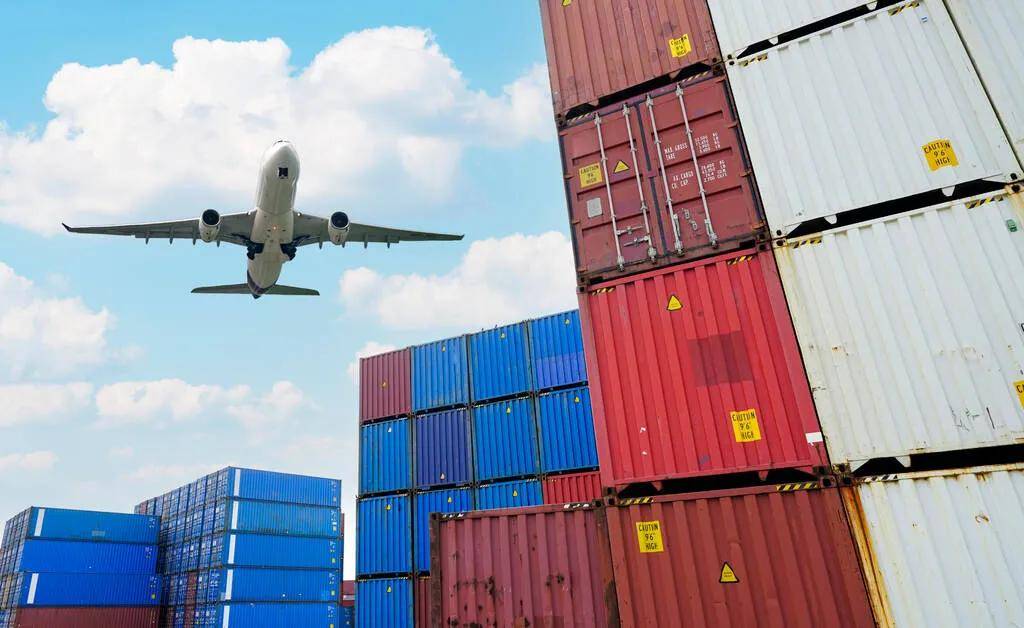
美国向欧盟、墨西哥发出“关税通牒” 盟友强硬回怼
news flash· 2025-07-12 23:05
Core Viewpoint - President Trump issued two letters threatening tariffs, stating that a 30% tariff will be imposed on goods imported from the EU and Mexico starting August 1 [1] Group 1: Tariff Details - The tariffs will affect imports from 24 countries and 27 EU member states [1] - The EU has indicated it will retaliate if necessary [1] Group 2: Economic Impact - Analysts suggest that the trade turmoil caused by these letters will ultimately lead to American consumers bearing the costs [1]
澳大利亚消费者信心在谨慎悲观中上升
news flash· 2025-06-10 01:04
Core Viewpoint - Australian consumer confidence has slightly increased due to low interest rates and cooling inflation, despite slow economic growth and ongoing trade tensions, leaving households in a cautious state [1] Group 1: Consumer Confidence Index - The consumer confidence index rose by 0.5% to 92.6 points, although it remains below the neutral line of 100 [1] - Overall consumer sentiment remains in a "cautiously pessimistic" state according to Westpac's macroeconomic forecast head, Matthew Hassan [1] Group 2: Economic Indicators - The Reserve Bank of Australia lowered interest rates to 3.85%, marking a two-year low [1] - Recent data indicates slow economic growth expected in the first three months of 2025, with the RBA anticipating a recovery in household spending to drive economic acceleration later this year [1] Group 3: Consumer Behavior - The most promising improvement noted this month is in consumer attitudes towards purchasing commodities, which reflects the impact of cost-of-living pressures on consumers [1] - The average index for commodity purchases over the past three years is 40 percentage points lower than the historical average [1]
新西兰联储助理主席Silk:新西兰联储需要更多时间来决定利率路径。贸易动荡影响的不确定性上升。新西兰联储在应对全球形势发展方面处于有利位置。
news flash· 2025-05-30 03:48
Core Viewpoint - The Reserve Bank of New Zealand (RBNZ) requires more time to determine its interest rate path due to rising uncertainties from trade disruptions [1] Group 1 - The uncertainty stemming from trade turmoil is increasing [1] - The RBNZ is in a favorable position to respond to global developments [1]
欧洲央行副行长金多斯:在贸易动荡中保持金融稳定。发生尾部事件的可能性仍然很高。国防开支可能会加剧一些财政问题。急剧调整仍可能变得无序。
news flash· 2025-05-15 10:21
Core Viewpoint - The European Central Bank's Vice President, Luis de Guindos, emphasizes the importance of maintaining financial stability amid trade disruptions and highlights the high likelihood of tail events occurring [1] Group 1: Financial Stability - The possibility of tail events remains significantly high, indicating potential risks in the financial markets [1] - Maintaining financial stability is crucial during periods of trade turmoil, which can lead to increased volatility [1] Group 2: Fiscal Concerns - Increased defense spending may exacerbate certain fiscal issues, suggesting a need for careful budget management [1] - The potential for abrupt adjustments in fiscal policies could lead to disorderly outcomes, raising concerns for economic stability [1]
特朗普上任百日“震歪”欧美关系?欧洲大佬们集体不安
Jin Shi Shu Ju· 2025-04-29 08:57
Group 1 - The geopolitical and trade turmoil during the initial 100 days of President Trump's second term has caused significant concern among European leaders, marking a departure from previous U.S. government interactions [1] - The European Union is facing increasing uncertainty in two main areas: trade and the conflict between Russia and Ukraine, with potential tariffs on EU goods and ongoing trade disputes with other partners [1] - European Central Bank policymakers anticipate that economic growth in Europe will be negatively impacted by trade tensions, with inflation effects remaining unclear [1] Group 2 - The Austrian central bank governor highlighted unprecedented uncertainty, indicating that monetary policy decisions may need to be delayed until clarity is achieved [2] - The Dutch central bank governor compared the current uncertainty to the early stages of the COVID-19 pandemic, emphasizing the negative impact of U.S. tariff actions on growth [2] - The acting German finance minister noted that U.S.-European relations are not at a crisis point yet, suggesting that more events are needed to break the existing trust [2] Group 3 - Concerns regarding U.S. support for Ukraine under Trump's administration have raised alarms in Europe, with EU leaders expressing their commitment to supporting Ukraine while questioning the sustainability of U.S. aid [3] - Kaja Kallas emphasized the need for increased pressure on Russia to facilitate peace in Ukraine, reflecting the urgency of the situation [3] - Trump's initial claims of quickly resolving the conflict were retracted, and while discussions for a ceasefire were initiated, progress has been limited [3]