地方政府债务

Search documents
债务狂飙!中国地方政府疯狂举债背后,隐藏着怎样的经济密码
Sou Hu Cai Jing· 2026-02-10 13:27
Group 1 - The core viewpoint is that the expansion of local government debt in China is not a blind increase but is rooted in complex economic development logic and governance wisdom [2] - Local government borrowing serves as a key engine driving regional economic growth, addressing the funding gap for infrastructure and public services amid rapid urbanization and industrial upgrades [3] - Debt replacement acts as a "safety valve" to mitigate potential risks, with central government measures effectively reducing local governments' interest burdens and liquidity risks [5] Group 2 - Optimizing the debt structure is crucial for enhancing governance efficiency, with a focus on balancing central and local government debt to improve macroeconomic control and social confidence [7] - Local government borrowing is a scientific decision that weighs development needs against risk prevention, emphasizing the importance of debt management and effective fund utilization for sustainable development [9]

China’s export-led growth is looking more and more unsustainable while a real estate crash and reeling consumers fuel deflationary spiral
Yahoo Finance· 2026-02-01 19:00
Core Insights - China's trade surplus reached a record $1.19 trillion in 2025, a 20% increase, driven by strong exports to various regions despite domestic economic weaknesses [1][2] - Exports contributed significantly to economic growth, accounting for one-third of GDP growth in 2025, the highest level since 1997, while imports remained flat due to weak domestic demand [2] - The economy's growth rate slowed towards the end of 2025, with GDP growth of 4.5% in Q4 compared to 4.8% in Q3, indicating underlying economic challenges [3] Economic Performance - Retail sales growth decelerated to 0.9% in December, down from 2.9% in October and 6.4% in May, reflecting weak consumer spending [3] - Fixed-asset investment experienced its first annual decline in nearly three decades, dropping 15% in December, primarily due to the real estate sector's downturn [4] - Property investment fell by 17.2% in 2025, overshadowing investments in high-tech industries, which the government is promoting [4] Future Outlook - Fitch Ratings forecasts a slowdown in GDP growth to 4.1% in 2026, down from 5% in 2025, indicating concerns about the sustainability of economic momentum [4] - Domestic demand is expected to remain constrained by low consumer confidence, deflationary pressures, and broader investment challenges beyond the property sector [5] - The real estate crisis has left approximately 80 million unsold or vacant homes, impacting sales and prices, and prompting a shift in China's development model away from debt-fueled investment [8][9] Broader Economic Issues - Weak retail spending, deflation, and low confidence levels among consumers and businesses are largely attributed to the decline in the real estate market, which holds significant savings for many households [10]
求解“地方财政困难”
Jing Ji Guan Cha Bao· 2025-12-20 05:38
Core Viewpoint - The central economic work meeting emphasizes the importance of addressing local fiscal difficulties, indicating a shift towards systematic solutions for these issues, particularly in the context of increasing rigid expenditure and limited revenue growth [2][3][12]. Group 1: Local Fiscal Challenges - Local fiscal difficulties are characterized by insufficient liquidity and a stark contrast between limited fiscal revenue and unlimited rigid expenditures, particularly affecting grassroots fiscal conditions [2][11]. - The decline in land transfer income and the increasing burden of social welfare expenditures contribute to the worsening fiscal situation, with local governments struggling to meet the "three guarantees" (ensuring livelihood, salaries, and operational stability) [4][11]. - The phenomenon of "middle-region" fiscal challenges is prevalent, where regions like Liaoning face significant fiscal difficulties despite being classified as eastern provinces, highlighting horizontal fiscal imbalances [6][11]. Group 2: Revenue and Expenditure Dynamics - Local government revenues are under pressure from declining tax income, reduced land sales, and limited non-tax revenue sources, leading to a reliance on debt financing to cover expenditures [7][11]. - The fiscal growth and expenditure gap is widening, with increasing debt repayment obligations exacerbating the fiscal strain, particularly in regions with weaker industrial bases [5][11]. - The overall local government debt reached 53.7 trillion yuan by September 2025, with debt service payments growing faster than total expenditure, raising concerns about fiscal sustainability [10][11]. Group 3: Policy Responses and Recommendations - The central government is expected to implement measures to enhance local fiscal sustainability, including increasing transfer payments, optimizing expenditure structures, and reforming the fiscal system [12][15]. - Recommendations for local governments include focusing on regional industrial upgrades, improving budget performance management, and strictly managing debt to prevent the accumulation of hidden liabilities [15]. - A systematic approach to resolving local fiscal difficulties is necessary, involving both immediate liquidity support and long-term structural reforms to enhance local revenue generation capabilities [13][14].
地方政府与城投企业债务风险研究报告:江苏省篇
Lian He Zi Xin· 2025-12-19 09:38
Report Industry Investment Rating - Not provided in the document Core Viewpoints - Jiangsu Province has strong economic and fiscal strength, with its economic aggregate and per capita GDP ranking among the top in the country. However, there are significant disparities among prefecture - level cities, with the southern region outperforming the central and northern regions. The provincial government's debt burden is relatively low in the country, and the debt control work has achieved certain results [4]. - The stock scale of urban investment bonds in Jiangsu Province is large, and the number of bond - issuing urban investment enterprises is numerous. The credit ratings of these enterprises are mainly AA and AA+, and the administrative levels are concentrated at the district - county and park levels. There is a clear differentiation in credit ratings between the southern and northern regions [4]. - In 2024, the debt scale of urban investment enterprises in Jiangsu Province continued to grow, with the overall debt burden increasing. The short - term debt repayment ability was weak, and the bond financing showed a net outflow [4]. Summary of Each Section 1. Economic and Fiscal Strength of Jiangsu Province Regional Characteristics and Economic Development - Jiangsu has a superior geographical location, prominent resource endowments, a well - developed transportation system, a high urbanization rate, and a complete industrial structure. Its GDP and per capita GDP rank among the top in the country [5][8]. - The transportation infrastructure in Jiangsu is well - developed, with a high - density civil aviation airport network and a large - scale inland waterway system. The province is rich in various minerals and has a large number of high - level tourist attractions. The population is stable, and the urbanization rate is significantly higher than the national average [5][7]. - In 2024, Jiangsu's GDP reached 13.7008 trillion yuan, with a growth rate of 5.8%. The industrial structure is dominated by the secondary and tertiary industries, and the added value of industries above the designated size increased by 7.7% [8][11]. - A series of policies have promoted the economic development of Jiangsu Province, including the "Belt and Road" Initiative, the development of the Yangtze River Economic Belt, and the integration of the Yangtze River Delta region [4][16]. Fiscal Strength and Debt Situation - In 2024, Jiangsu's general public budget revenue maintained growth, ranking second in the country, with high quality and self - sufficiency rates. The government - funded revenue decreased but still contributed significantly to the comprehensive financial resources. The overall fiscal strength is strong [19]. - In 2024, Jiangsu's local government debt ratio and debt - to - GDP ratio were 133.93% and 20.60% respectively, ranking 6th and 2nd in the country (from low to high in terms of debt burden) [20]. 2. Economic and Fiscal Conditions of Prefecture - level Cities in Jiangsu Province Economic Strength - There are significant disparities among prefecture - level cities in Jiangsu in terms of economy, population, industry, and listed companies. The southern region is generally better than the central and northern regions [22]. - In 2024, the economies of all 13 prefecture - level cities in Jiangsu continued to grow. Except for Nanjing, the GDP growth rates of other cities were higher than the national average. The urbanization levels in the southern, central, and northern regions showed a step - by - step decline [22]. - The national industrial parks and listed companies in Jiangsu are mainly distributed in the southern region, especially in Suzhou. The number and industry distribution of listed companies in the southern region are more abundant than those in the central and northern regions [24]. Fiscal Strength and Debt Situation - The fiscal strength of prefecture - level cities in Jiangsu is unbalanced. In 2024, except for Nanjing, the general public budget revenues of other cities increased year - on - year. The fiscal self - sufficiency rate in the southern region is higher than that in the northern region [29]. - In 2024, except for Zhenjiang, the government - funded revenues of other cities decreased. The northern region generally received more superior - level subsidies and had a higher proportion of such subsidies in the comprehensive financial resources [33][35]. - In 2024, the government debt balances of all prefecture - level cities in Jiangsu increased year - on - year, and the debt - to - GDP ratios also rose. Zhenjiang's debt ratio was the highest in the province [39]. - In 2025, Jiangsu promoted the implementation of the "1 + 7+13" debt resolution plan, established a full - scale local debt monitoring mechanism, and achieved certain results in debt resolution [39]. 3. Debt Repayment Ability of Urban Investment Enterprises in Jiangsu Province Overview of Urban Investment Enterprises - The stock scale of urban investment bonds in Jiangsu is large, and the number of bond - issuing urban investment enterprises is numerous. The credit ratings are mainly AA and AA+, and the administrative levels are concentrated at the district - county and park levels. There is a clear credit rating differentiation between the southern and northern regions [44]. - As of the end of September 2025, there were 584 urban investment enterprises with outstanding bonds in Jiangsu, with 84.75% being district - county and park - level enterprises, and 87.16% having AA or AA+ credit ratings [44][45]. Bond Issuance and Outstanding Situation - The issuance and outstanding scale of urban investment bonds in Jiangsu are large. In 2024, the issuance scale decreased year - on - year, mainly concentrated in the southern region. In 2024 and the first three quarters of 2025, the bond financing showed a net outflow [54]. - As of the end of September 2025, the outstanding scale of urban investment bonds in Jiangsu was 2.747699 trillion yuan, with the southern, central, and northern regions accounting for 53.80%, 22.43%, and 23.77% respectively [61]. Debt Repayment Ability Analysis - At the end of 2024, the total debt scale of urban investment enterprises in Jiangsu continued to grow, with bank loans being the main debt structure. The proportion of other financing in the northern region was higher than that in the central and southern regions [62]. - Since 2023, the overall debt burden of urban investment enterprises in Jiangsu has been increasing, except for Zhenjiang where it has been decreasing. The debt burden of enterprises in Nanjing, Changzhou, and Suzhou is relatively heavy [62]. - In 2026, the concentrated payment pressure of urban investment bonds in Jiangsu is acceptable. The short - term debt repayment ability of urban investment enterprises was weak in 2024 but improved at the end of June 2025 [62]. - In 2024, the net cash flow from financing activities of bond - issuing urban investment enterprises in Jiangsu decreased year - on - year, and the cash flow of Zhenjiang's urban investment enterprises continued to show a net outflow [62]. Support and Guarantee Ability of Fiscal Revenues of Prefecture - level Cities for the Debt and Maturing Bonds of Bond - issuing Urban Investment Enterprises - The government and urban investment enterprise debts in Jiangsu are mainly concentrated in the southern region. The " (total debt of bond - issuing urban investment enterprises + local government debt)/GDP" ratios of Nanjing, Changzhou, Zhenjiang, Taizhou, Yancheng, and Huai'an are relatively high [77][79]. - The comprehensive financial resources of Suqian have a relatively high support and guarantee ability for the "total debt of bond - issuing urban investment enterprises + local government debt", while those of Nanjing, Nantong, Changzhou, Yancheng, Taizhou, Yangzhou, and Zhenjiang have a relatively low support and guarantee ability [77][80]. - The comprehensive financial resources of Nanjing and Taizhou have a relatively low support and guarantee ability for the maturing bonds of local urban investment enterprises in 2026 [81].
不怕起诉怕上访?营商环境优化的核心在法治提升
Sou Hu Cai Jing· 2025-12-06 11:24
Core Viewpoint - The article discusses the ongoing issue of delayed payments by local governments to private enterprises, highlighting the contrasting approaches of litigation and petitioning in resolving these disputes, and the implications of the recent Private Economy Promotion Law on this dynamic [2][3][4]. Group 1: Government Payment Obligations - The Private Economy Promotion Law mandates timely payment of debts owed to private enterprises by state agencies and state-owned enterprises, prohibiting delays based on personnel changes [2]. - Historical issues of government non-payment have led to a culture where new officials ignore old debts, causing significant distress for businesses [2][3]. Group 2: Litigation vs. Petitioning - The article illustrates a phenomenon where local governments suggest enterprises pursue litigation instead of petitioning, reflecting a preference for managing disputes through the judicial system rather than addressing them directly [3][4]. - There is a notable difference in the pressure mechanisms between litigation and petitioning, with the former being perceived as a longer-term and less immediate solution for businesses [3][4]. Group 3: Judicial System Challenges - Concerns are raised regarding the efficiency and cost of judicial proceedings, which may deter enterprises from pursuing legal action against government entities [4][5]. - Even when enterprises win cases, the actual recovery of owed funds remains problematic, leading to fears of damaging relationships with local governments [4][5]. Group 4: Implications for Business Environment - The ability of local governments to resolve debts promptly is crucial for improving the business environment, with a need for enhanced judicial efficiency and enforcement of rulings [5]. - The current mindset of "litigate but do not petition" reflects a misunderstanding of the judicial process by some local government departments, necessitating a shift towards a more accountable and responsive system [5].

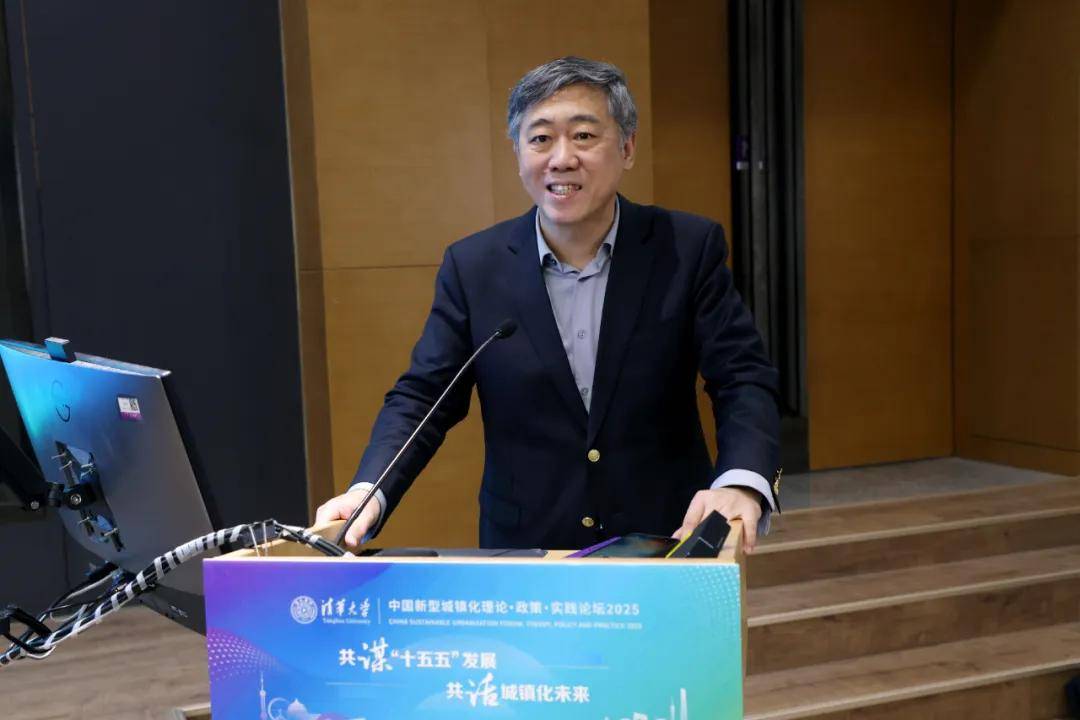
李稻葵:建议未来5年增发10万亿新型城镇化特别国债 直接给到县级政府
Sou Hu Cai Jing· 2025-11-18 08:15
Core Viewpoint - The central government is advised to issue approximately 10 trillion yuan in "special bonds for new urbanization" during the "14th Five-Year Plan" period, with an annual investment of around 2 trillion yuan, directly allocated to county-level governments [1][22]. Group 1: Economic Growth and Demand Expansion - One of the core tasks during the "14th Five-Year Plan" is to promote and expand domestic demand to ensure that the economic growth rate not only maintains but gradually recovers to a reasonable level, with the urgency of this task exceeding general expectations [4][7]. - The nominal GDP growth rate should be restored to about 7% to maintain a virtuous cycle of stable employment, income growth, and improved corporate profits [7][9]. - The current nominal GDP growth rate is approximately 5.2% year-on-year for the first three quarters, but when adjusted for comparable data, the actual nominal growth rate is only about 4.1%, the lowest since the reform and opening up [4][7]. Group 2: Urbanization and Population Integration - Approximately 700 million people in China have not yet fully entered modern economic life, and enhancing their urbanization level is crucial to releasing significant consumption potential [9][13]. - The population can be divided into two categories: 350 million migrant workers who have not fully urbanized and 350 million long-term rural residents, both of whom have limited consumption capabilities [11][13]. - The new urbanization strategy aims to integrate these populations into modern economic life, which is essential for boosting overall demand [13][14]. Group 3: Local Government Challenges - Local governments face challenges such as insufficient incentives and limited capabilities, which need to be addressed through reforms [14][18]. - The current debt of local governments may amount to 100% of GDP, creating a burden that affects their ability to invest in urbanization and public services [18][20]. - Reforming the performance evaluation system for local officials to include urbanization-related indicators is necessary to motivate local governments to focus on urbanization efforts [15][17]. Group 4: Financial Strategies for Urbanization - The central government is encouraged to issue long-term bonds to alleviate local government debt and fund urbanization projects, which can help manage these debts at a lower cost [22][23]. - It is feasible to increase the central government’s debt from 27% to about 80% of GDP, with 10 trillion yuan earmarked for urbanization efforts during the "14th Five-Year Plan" [22][23]. - The proposed funding could support the urbanization of approximately 100 million agricultural transfer populations, significantly altering the urban-rural population structure and driving domestic demand [25][26].
盛弘股份:接受东方证券等投资者调研
Mei Ri Jing Ji Xin Wen· 2025-11-14 11:06
Group 1 - The core viewpoint of the news is that Shenghong Co., Ltd. has conducted an investor survey, highlighting its revenue composition and market focus [1] - As of the latest report, Shenghong Co., Ltd. has a market capitalization of 14.6 billion yuan [2] - The revenue composition for Shenghong Co., Ltd. in 2024 is as follows: 78.02% from the new energy sector, 19.86% from smart grid, and 2.12% from other businesses [1]


新华财经晚报:10月份我国制造业PMI为49.0%
Sou Hu Cai Jing· 2025-10-31 10:16
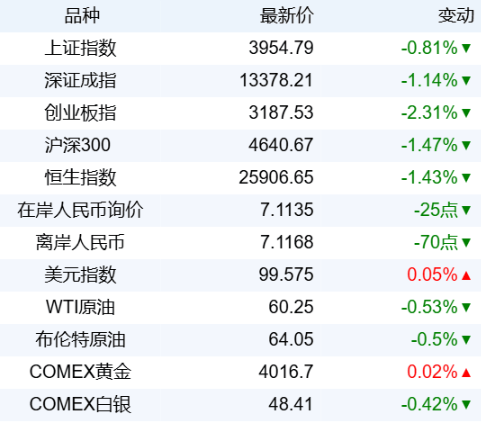
Key Points - In October, China's manufacturing PMI decreased to 49.0%, down 0.8 percentage points from the previous month [1] - The National Development and Reform Commission announced an additional 200 billion yuan in special bond quotas to support investment construction in certain provinces [2] - The China Iron and Steel Association indicated that the new supply-demand balance in the steel market is not yet solid, and self-discipline needs to be strengthened in the fourth quarter [3] Domestic News - The Ministry of Commerce highlighted the inclusion of trade and environment provisions in free trade agreements, such as the recently signed China-ASEAN Free Trade Area 3.0 upgrade, which prioritizes green trade [1] - The National Bureau of Statistics reported that the manufacturing PMI for October was influenced by pre-holiday demand release and complex international conditions [1] - The Ministry of Industry and Information Technology noted rapid growth in China's electronic information manufacturing, with smartphone production reaching 881 million units, a 1% year-on-year increase [1] International News - The U.S. Senate voted to cancel the "national emergency" invoked by President Trump for global tariffs [4] - U.S. Treasury Secretary criticized the Federal Reserve's recent monetary policy decisions, calling for a thorough reform of its mechanisms [4] - Tokyo's core CPI rose by 2.8% year-on-year in October, exceeding the Bank of Japan's 2% inflation target, maintaining expectations for short-term interest rate hikes [4] Economic Data and Market Overview - The Eurozone economy showed a slight growth of 0.2% in Q3, slightly above market expectations, but significant downside risks remain [5] - The latest market indices showed declines across major indices, with the Shanghai Composite Index down 0.81% [5]
1-9月中国发行新增地方政府债券43615亿元
Zhong Guo Xin Wen Wang· 2025-10-24 11:49
Group 1 - In the first nine months of 2023, China issued a total of 43,615 billion yuan in new local government bonds, comprising 6,758 billion yuan in general bonds and 36,857 billion yuan in special bonds [1] - The average issuance term for local government bonds was 15.6 years, with general bonds averaging 8.8 years and special bonds averaging 17.8 years; the average interest rate was 1.95%, with general bonds at 1.79% and special bonds at 1.99% [1] - In September 2023, a total of 4,741 billion yuan in new bonds were issued, including 550 billion yuan in general bonds and 4,191 billion yuan in special bonds, with an average issuance term of 16.8 years and an average interest rate of 2.18% [1] Group 2 - As of September 2025, the total local government debt balance was 536,995 billion yuan, with general debt at 173,119 billion yuan and special debt at 363,876 billion yuan [2] - The remaining average term for local government bonds was 10.5 years, with general bonds at 6.2 years and special bonds at 12.5 years; the average interest rate was 2.86%, with general bonds at 2.92% and special bonds at 2.83% [2] - The national local government debt limit for 2025 was set at 579,874.3 billion yuan, with general debt limit at 180,689.22 billion yuan and special debt limit at 399,185.08 billion yuan [2]
截至9月末全国地方政府债务余额536995亿元
Sou Hu Cai Jing· 2025-10-24 11:39
National Local Government Bond Issuance - In September 2025, a total of 474.1 billion yuan in new bonds were issued, including 55 billion yuan in general bonds and 419.1 billion yuan in special bonds [3] - The total issuance of refinancing bonds reached 387.8 billion yuan, comprising 171 billion yuan in general bonds and 216.8 billion yuan in special bonds, leading to a combined total of 861.9 billion yuan in local government bonds for the month [3] - The average issuance term for local government bonds in September was 16.8 years, with general bonds averaging 8.4 years and special bonds averaging 19.8 years [4] Average Issuance Rate - The average issuance interest rate for local government bonds in September was 2.18%, with general bonds at 2.01% and special bonds at 2.25% [5] Year-to-Date Issuance (January to September 2025) - From January to September 2025, a total of 4,361.5 billion yuan in new local government bonds were issued, including 675.8 billion yuan in general bonds and 3,685.7 billion yuan in special bonds [6] - The total refinancing bonds issued during this period amounted to 41,842 billion yuan, with general bonds at 13,799 billion yuan and special bonds at 28,043 billion yuan, resulting in a cumulative total of 85,457 billion yuan in local government bonds [6] - The average issuance term for local government bonds from January to September was 15.6 years, with general bonds averaging 8.8 years and special bonds averaging 17.8 years [7] Average Interest Rate Year-to-Date - The average interest rate for local government bonds from January to September was 1.95%, with general bonds at 1.79% and special bonds at 1.99% [8] Principal Repayment and Interest Payments - From January to September 2025, local government bonds had a principal repayment of 23,863 billion yuan, with refinancing bonds accounting for 20,527 billion yuan and other fiscal arrangements for 3,336 billion yuan [9] - In September alone, the principal repayment amounted to 4,108 billion yuan, while interest payments for local government bonds totaled 11,191 billion yuan for the year-to-date, with September's interest payments at 1,328 billion yuan [10] Local Government Debt Balance - As of the end of September 2025, the total local government debt balance was 536,995 billion yuan, with general debt at 173,119 billion yuan and special debt at 363,876 billion yuan [11] - The total government bonds stood at 535,360 billion yuan, with non-government bond forms of government debt at 1,635 billion yuan [11] - The average remaining term for local government bonds was 10.5 years, with general bonds at 6.2 years and special bonds at 12.5 years, and the average interest rate was 2.86%, with general bonds at 2.92% and special bonds at 2.83% [11]