
AI+物流

Search documents
交运行业2026Q1业绩前瞻:重视海外油轮股Q1对Q2TCE指引,通达系反内卷下高业绩弹性
Shenwan Hongyuan Securities· 2026-03-31 05:46
Investment Rating - The report maintains an "Overweight" rating for the transportation industry, indicating a positive outlook compared to the overall market performance [3]. Core Insights - The report highlights that the current high freight rates for oil tankers need to be realized in Q2, with a focus on overseas oil tanker stocks' Q1 performance as guidance for Q2 expectations. The VLCC freight rates in Q1 2026 are projected to average $111,492 per day, representing a year-on-year increase of 232% and a month-on-month increase of 17% [3][4]. - The report anticipates a strong demand for oil transportation due to geopolitical tensions and the need for energy stockpiling post-conflict, which will enhance the pricing power in the VLCC market [3]. - The dry bulk shipping market is expected to remain stable, with the impact of geopolitical events on the market being neutral. The report forecasts an improvement in the fundamentals for 2026-2027, driven by increased production capacity from new projects [3]. - Container shipping rates are expected to rebound post-Spring Festival, supported by geopolitical sentiments, particularly in Southeast Asia [3]. - The shipbuilding sector is projected to enter an acceleration phase in Q1 2026, with high-value orders leading to increased revenue recognition [3]. - The freight forwarding sector is expected to see improved profitability per unit due to steady growth in cross-border trade and increased demand from the Asia-Pacific region [3]. - The domestic aviation sector is projected to see a significant increase in passenger transport volume, with a year-on-year growth of 6% expected in Q1 2026 [3]. - The express delivery sector is anticipated to show strong performance due to price stability and the ability to pass on increased fuel costs to consumers [3]. Summary by Sections Shipping - The report emphasizes the strong performance of oil tanker freight rates, with VLCC rates expected to average $111,492 per day in Q1 2026, marking a 232% year-on-year increase [3]. - The dry bulk market is expected to remain stable, with geopolitical tensions having a neutral impact [3]. - Container shipping rates are projected to rebound, particularly in Southeast Asia [3]. Shipbuilding - The shipbuilding sector is expected to see accelerated performance in Q1 2026, driven by high-value order deliveries [3]. - The report notes that the pricing of new ships is expected to rise, particularly for oil tankers, which will positively impact overall ship price indices [3]. Freight Forwarding - The freight forwarding sector is expected to benefit from steady growth in global container trade and improved profitability per unit [3]. Aviation - The domestic aviation sector is projected to achieve a record high in passenger transport volume, with a 6% year-on-year increase expected in Q1 2026 [3]. Express Delivery - The express delivery sector is expected to maintain high pricing levels, with the ability to pass on increased fuel costs to consumers [3]. Rail and Road - The report anticipates growth in highway traffic and railway passenger volume in Q1 2026, driven by improved coal demand and rising oil prices [3].





美国一家科技公司推出商用“AI+物流”平台 物流股价格恐慌性下跌
Sou Hu Cai Jing· 2026-02-13 16:10
Core Viewpoint - The introduction of an AI logistics platform by a U.S. tech company is expected to significantly disrupt the traditional freight and logistics industry, leading to a sharp decline in stock prices of major logistics companies due to investor concerns about the impact of artificial intelligence [1][5]. Group 1: AI Logistics Platform - The U.S. tech company Algorhythm launched the AI logistics platform SemiCab, which is now commercially operational [3]. - The platform can increase freight volume by 300% to 400% without adding staff, and it can reduce empty truck mileage by over 70% [3]. - Currently, nearly one-third of global freight truck mileage is empty, resulting in annual losses exceeding $1 trillion [3]. Group 2: Market Reaction - Investors are fleeing the freight and logistics sector due to fears of disruptive impacts from AI [5]. - Major logistics stocks, including Robinson Global Logistics and RXO, saw declines of 14.5% and 20.5% respectively, while C.H. Robinson's stock fell approximately 13.2% [5].


运满满:科技助力新春货运高峰
Ge Long Hui· 2026-02-11 02:28
Core Insights - The article highlights the surge in freight demand as the Spring Festival approaches, with platforms like Yunmanman playing a crucial role in connecting shippers and drivers through advanced technology and innovative products [2][13] Group 1: Product Empowerment - Yunmanman utilizes AI and logistics technology to create an efficient matching system, transforming the traditional "truck finding cargo" model into a more effective "cargo finding truck" scenario [3] - The platform's "Route Cargo Recommendation" feature helps drivers assess the suitability of orders based on route compatibility, enhancing their ability to maximize earnings during peak periods [3][5] Group 2: Credit Accumulation - The credit scoring system developed by Yunmanman allows drivers to convert their service quality and reputation into credit scores, which improves their chances of securing high-quality orders during peak demand [6][8] - High credit scores enable drivers to access better opportunities, fostering a positive cycle where better service leads to higher income [6][8] Group 3: Safety Assurance - Yunmanman emphasizes the importance of safety and rights protection for drivers, providing a platform that enhances their operational security and efficiency [9][10] - The platform has implemented measures to reduce fraudulent activities, ensuring a more regulated online transaction environment for drivers [12] Conclusion - As the Spring Festival approaches, Yunmanman leverages its platform advantages, technological empowerment, product innovation, and safety measures to facilitate smooth freight operations, ensuring timely delivery of essential goods and supporting drivers in achieving stable income [12][13]
人工智能赋能广东智慧港口建设 码头上来了好帮手(探访)
Ren Min Ri Bao· 2026-02-04 22:05
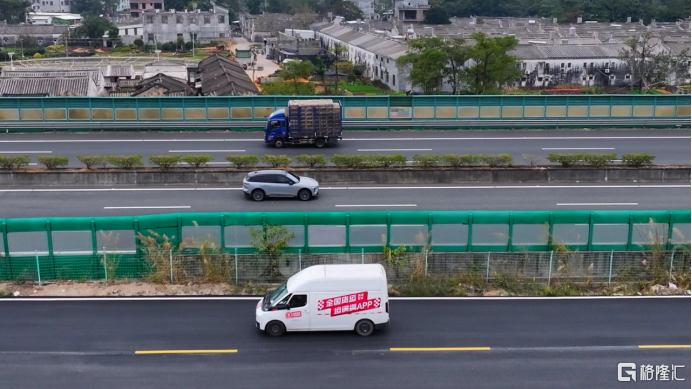
Core Insights - The article highlights the integration of artificial intelligence (AI) in logistics, particularly at Jiangmen High-tech Port, showcasing how AI enhances operational efficiency and safety in port management [1][2][5] Group 1: AI Implementation in Logistics - Jiangmen High-tech Port has implemented AI technology to automate operations, allowing a single operator to remotely control multiple gantry cranes, reducing manual labor by 60% [1] - The port's intelligent system automates task assignment and optimizes container handling, significantly improving operational efficiency [1][2] - AI-driven applications like "Port AI Assistant Xiaoyun" provide real-time tracking and information retrieval for clients, enhancing transparency and operational planning [4] Group 2: Future Developments and Innovations - China National Foreign Trade Transportation (South China) Co., Ltd. plans to launch additional AI systems, including smart yard management and business AI assistants, to further enhance logistics efficiency [5] - The focus on AI+ applications aims to address traditional bottlenecks in port operations, such as high reliance on manual labor and safety risks, driving the logistics industry towards new productivity levels [4][5]
八部门发文深化交通物流与产业融合 推动数智化协同发展
Zhong Guo Jing Ying Bao· 2026-01-26 01:14
Core Viewpoint - The "Action Plan for Accelerating the Cultivation of Leading Enterprises in Transportation Logistics" aims to enhance the service capabilities of the transportation logistics industry, promote integration with supply chains, and foster digital transformation by supporting the development of comprehensive logistics integrators [1][2]. Group 1: Goals and Objectives - By 2030, the plan targets the establishment of around 100 comprehensive logistics integrators, including over 10 leading transportation logistics enterprises with global influence and international competitiveness [1]. - The plan emphasizes the improvement of the transportation logistics service network and encourages the cross-regional flow of market elements [1]. Group 2: Digital Transformation - The plan supports enterprises in developing and applying advanced technologies, including smart ports, airports, and digital freight trains, while promoting the integration of big data, IoT, AI, blockchain, and 5G technologies [2]. - The logistics industry is shifting focus towards digitalization and intelligence, moving away from traditional cost-reduction measures [2][3]. Group 3: Industry Integration - The plan encourages close cooperation between transportation logistics enterprises and manufacturing, trade, and other sectors to enhance supply chain services and optimize business processes [3]. - It promotes the establishment of long-term strategic partnerships between logistics companies and key material owners and manufacturers, facilitating collaborative international expansion [3].
万联易达冯波:以“AI+物流”驱动整车运输效率提升
Guan Cha Zhe Wang· 2026-01-12 09:28
Core Insights - The logistics industry is facing challenges such as reliance on manual experience, low efficiency, high empty running rates, and difficulties in global optimization [3] - Wanlian Yida has introduced an "AI + Logistics" solution that constructs an intelligent decision-making system based on five-dimensional data: vehicle, cargo, site, road, and time, significantly enhancing transportation efficiency and resource utilization [3] - The "Wanlian Tong" platform serves as a key carrier for the "AI + Logistics" solution, integrating various services and connecting over 30,000 cargo enterprises with more than 4 million quality transport resources [3] Group 1 - The "AI + Logistics" solution aims to reconstruct the underlying logic of the industry, reducing operational complexity while stabilizing driver income and effectively cutting down on empty running waste [3] - Wanlian Yida is focused on creating a new industrial internet ecosystem that provides a trustworthy data space for the entire industry, offering diverse services such as commodity trading, logistics warehousing, smart finance, digital technology, and AI [4] - The company plans to continue deepening the innovative application of AI and big data in logistics scenarios, collaborating with ecosystem partners to promote high-quality and sustainable development in the logistics ecosystem [4]

交运行业2025Q3业绩前瞻:快递三季报验证利润修复弹性,造船进入业绩释放,把握油运造船上行机会
Shenwan Hongyuan Securities· 2025-10-10 13:49
Investment Rating - The report maintains an "Overweight" rating for the transportation industry, indicating a positive outlook compared to the overall market performance [12]. Core Insights - The report highlights a recovery in profits for the express delivery sector driven by anti-competition policies, with an expected increase in prices leading to improved profitability for companies like Shentong Express and YTO Express [5][6]. - The shipping sector is experiencing strong demand, particularly for oil tankers, with historical high freight rates observed in August and September 2025. The report anticipates continued demand growth due to OPEC+ production increases and a release of pent-up inventory demand [5]. - The shipbuilding industry is in a phase of profit release as high-priced orders are being delivered, with a strong demand for replacing old vessels. The report notes that the implementation of the 301 policy is expected to stimulate order volumes and ship prices [5]. - The airline sector is projected to see significant improvements in operational performance due to increased capacity and a recovery in international travel, with major airlines like China Eastern Airlines and Southern Airlines expected to benefit [5][6]. - The report also indicates that the highway and railway sectors are likely to maintain growth in traffic volumes, with improvements in railway freight performance anticipated due to the retraction of previous freight rate reductions [5]. Summary by Sections Shipping - Oil tanker freight rates reached historical highs in August and September 2025, with a projected 14% decline in VLCC market rates for Q3, while Cape-sized bulk carriers are expected to see a 19% increase in rates [5]. - The report recommends companies such as China Merchants Energy Shipping and China Merchants Heavy Industry, highlighting the strong demand and supply constraints in the sector [5]. Shipbuilding - The shipbuilding industry is characterized by a tight supply-demand balance, with ongoing demand for replacing old vessels. The report suggests that the implementation of the 301 policy will positively impact order volumes and ship prices [5]. - Recommended companies include China Shipbuilding Industry Corporation and China State Shipbuilding Corporation, which are expected to benefit from the current market dynamics [5]. Airlines - The airline sector is entering a peak travel season with increased capacity and improved passenger flow. The report anticipates significant operational improvements for major airlines due to favorable external factors such as lower oil prices [5][6]. - Companies like China Eastern Airlines and Spring Airlines are highlighted as key beneficiaries of this trend [5]. Express Delivery - The express delivery sector is expected to see a recovery in profits due to rising prices and reduced competition. The report notes a 12.3% year-on-year growth in express delivery volume in August 2025 [5]. - Recommended companies include Shentong Express and YTO Express, which are expected to benefit from the ongoing price increases [5]. Highway and Railway - The report forecasts growth in highway traffic and railway passenger and freight volumes, with a notable increase in railway freight performance expected in Q3 2025 [5]. - Recommended companies include Zhejiang Huhangyong and Beijing-Shanghai High-Speed Railway, which are expected to perform well in the current environment [5].



AI赋能减耗提效 | 2025年9月物流仓储暨基础设施投资发展报告
Sou Hu Cai Jing· 2025-09-18 09:32
Core Insights - The logistics industry in China is experiencing fluctuations, with the Logistics Prosperity Index (LPI) at 50.9% in August 2025, indicating a 0.4% month-on-month increase, while the warehousing index fell to 49.3%, down 0.8% [3][5][7] - Government policies are promoting the integration of artificial intelligence (AI) in logistics, aiming for widespread application of unmanned logistics services and smart terminals by 2025 [9][10] - The logistics sector is optimizing its structure, with many listed logistics companies reporting revenue and profit growth in the first half of 2025, driven by AI technologies that reduce costs and improve efficiency [11][16] Logistics Index and Market Trends - The LPI's business volume index has remained in the prosperity zone for six consecutive months, with the new orders index at 52.3%, indicating sustained demand [5][7] - The warehousing index's decline is attributed to adverse weather conditions and seasonal factors affecting demand, with inventory levels remaining stable [7][11] - The express delivery development index rose to 424.9, a year-on-year increase of 4.4%, reflecting a positive outlook for the express delivery sector [8][10] Policy Developments - The State Council and the Ministry of Transport have issued opinions on "AI+" to enhance the integration of AI in logistics, aiming to improve operational efficiency and service quality [9][10] - Local governments, such as Zhejiang, are implementing guidelines to support logistics and warehousing land use, which will help reduce costs and improve infrastructure [9][10] Investment and Financing Activities - Seven investment events were recorded, including significant acquisitions and the establishment of smart logistics parks, indicating a trend towards globalization and intelligent development in the logistics sector [21][22] - Notable financing activities include ProLogis receiving a $1.5 billion investment from Abu Dhabi Investment Authority, which will support its global logistics infrastructure expansion [23][24] Performance of Logistics REITs - The logistics REITs sector showed stable performance in the first half of 2025, with ProLogis REIT achieving total revenue of approximately 216.25 million yuan and a cumulative dividend exceeding 1.2 billion yuan [24][25] - The average occupancy rate for the industry reached 94.3%, although rental prices faced a 2% decline, leading some companies to adopt a "price for volume" strategy [24][26][27] - The head effect is evident, with high-quality assets and efficient management becoming key competitive factors in the logistics REITs market [24][28]
机构:物流行业业务量增速超预期
Zheng Quan Shi Bao Wang· 2025-08-26 00:35
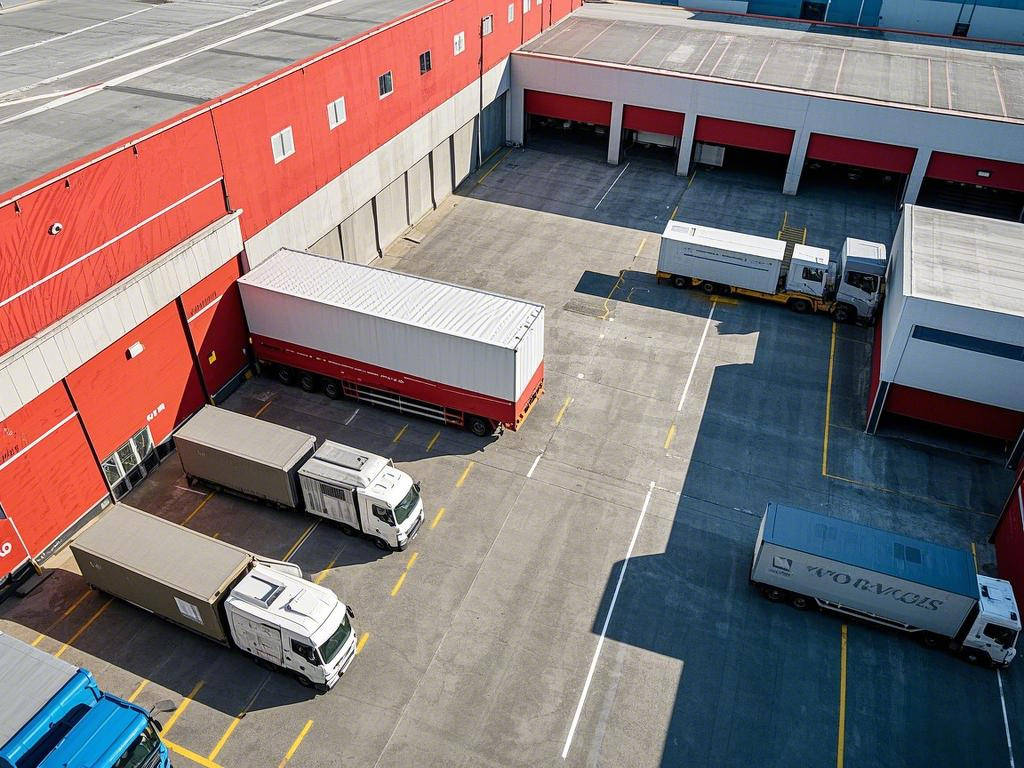
Group 1 - The core viewpoint is that during the "14th Five-Year Plan" period, China's social logistics total is expected to maintain a steady upward trend, with a projected total of 380 trillion yuan by 2025, representing an increase of approximately 8 trillion yuan over five years [1] - The logistics industry in China is expected to see total revenue growth of about 4 trillion yuan over the next five years, with projections indicating it will exceed 14 trillion yuan by 2025, maintaining the world's largest market size for ten consecutive years [1] - The demand side benefits from trends such as smaller package sizes, reverse logistics, and the expansion of lower-tier markets, leading to an unexpected increase in logistics business volume [1] Group 2 - The emergence of unmanned logistics vehicles is seen as a key technology for cost reduction and efficiency improvement in the express delivery sector, with companies actively advancing their deployment, expecting a significant commercial breakthrough by 2025 [1] - The logistics industry is facing an urgent need for intelligent transformation, as it plays a crucial role in various fields and is increasingly important in the context of global market competition and rapidly changing consumer demands [2] - The integration of artificial intelligence in logistics is essential for enhancing operational efficiency and addressing the challenges of cost reduction and efficiency improvement faced by enterprises [2]
机械设备行业跟踪周报:持续推荐内外需共振的工程机械和叉车,看好PCB设备和人形机器人景气向上机会-20250817
Soochow Securities· 2025-08-17 06:18
Investment Rating - The report maintains an "Overweight" rating for the machinery equipment industry, particularly favoring engineering machinery and forklifts, as well as PCB equipment and humanoid robots [1]. Core Insights - The engineering machinery sector is experiencing strong domestic and international demand, with excavator sales in July reaching 7,306 units, a year-on-year increase of 17%. This indicates robust demand resilience in the domestic market [2]. - Forklift sales in July totaled 119,000 units, up 14% year-on-year, with domestic sales at 70,000 units, also reflecting a 14% increase. The sector is expected to maintain steady growth due to recovering demand in Europe and the U.S. [3]. - The humanoid robotics sector is witnessing advancements, highlighted by the successful World Robot Sports Conference, which showcased improvements in robot mobility and decision-making capabilities [4]. Summary by Sections Engineering Machinery - July excavator sales reached 7,306 units, a 17% increase year-on-year, indicating strong demand resilience. The domestic market shows a trend favoring small excavators, particularly in water conservancy projects [2]. - Non-excavator machinery sales also showed positive trends, with significant year-on-year increases in various categories, particularly in the crane segment [2]. - Export volumes reached 9,832 units, a 32% increase year-on-year, driven by strong demand from markets like Africa and Indonesia [2]. - The report highlights the potential for profit margin improvements due to a shift in export structure favoring larger excavators, which have higher profit margins [2]. Forklifts - The forklift industry saw sales of 119,000 units in July, a 14% increase year-on-year, with domestic sales at 70,000 units [3]. - The report emphasizes the growth potential in the forklift sector, driven by domestic demand and recovery in overseas markets [3]. - Key players in the industry are forming strategic partnerships to enhance their technological capabilities and market reach [3]. Humanoid Robots - The World Robot Sports Conference showcased significant advancements in robot capabilities, particularly in mobility and autonomous decision-making [4]. - The report identifies key components for humanoid robots, such as dexterous hands and lightweight materials, as critical areas for investment [4]. - The focus on lightweight materials and applications in logistics is expected to drive growth in the humanoid robotics sector [4]. PCB Equipment - The report notes a significant increase in global server sales, which is expected to drive demand for PCB equipment, with a projected market size of $366 billion by 2025 [9]. - The demand for high-layer and HDI boards is expected to grow significantly, with respective year-on-year increases of 40.2% and 18.8% [10]. - The report suggests focusing on key production processes such as drilling, exposure, and plating, which are critical for PCB manufacturing [10].