
休闲农业

Search documents
“浑水摸鱼”,新农人这样为农场引流
Xin Lang Cai Jing· 2026-02-25 22:06
(来源:新华日报) 10多年来,朱政的农场从起初30亩地扩大了一倍多。"两年前,有客户来采摘,觉得光摘果子不过瘾, 我就琢磨着加点'玩头'。"他告诉记者,如今,除去沟渠道路,农场有16亩车厘子、20亩葡萄、30亩梨 等多种水果,林下不仅养着鸡和鹅,还放置牌桌、砌起灶台、挖出鱼池。"这样的农文旅融合比较原生 态,就是把休闲项目直接嵌进田间树下,没想到大受欢迎。" 2月20日中午,泗阳县三庄镇尚然农场的连栋大棚里,成片的葡萄架下,一条条浅水池蜿蜒其间。一群 孩子穿着背带式防水服,提着红黄小桶,踩着粼粼波光追逐游鱼,水花四溅,欢声笑语惊起棚顶栖息的 麻雀。 "水深三四十厘米,刚没过膝盖,孩子跑起来不费力,鱼儿也游得欢。"农场负责人朱政站在池边,裤脚 沾着泥点,黝黑的脸上笑意盈盈,"到了夏天,葡萄藤挂满绿叶鲜果,孩子们在树荫下抓鱼,玩累了抬 头就能摘葡萄。农场把空间利用到极致——葡萄架上是'林',水池里是'渔',这也算是一种'林下经济'的 尝试。" "5月摘樱桃,6月桃子成熟,7月葡萄上市……到了采摘淡季,游客可以抓鱼、烧土灶、磨豆腐、烤红 薯,体验项目正好顶上。"朱政掰着手指盘算一年四季。今年春节,农场每天都迎来上 ...
台胞别样“登陆日记”:多重跨界遇见更好的自己
Xin Lang Cai Jing· 2026-02-17 09:07
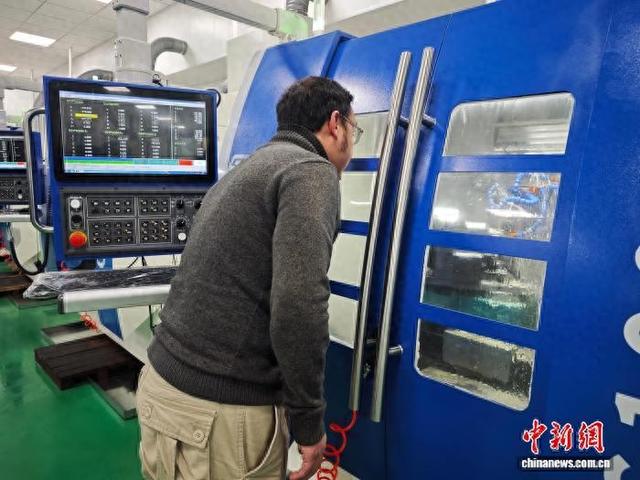
2010年,黄崇硕毕业于台湾中兴大学农业经营管理专业。两年后,带着对大陆市场的憧憬,他前往天津 一家台资企业从事无土栽培技术研发、市场策划等工作。2014年,他奔赴上海,将目光聚焦农业品牌运 营管理,一步步积累经验。 "初来乍到,就被大陆蓬勃的发展活力吸引。"黄崇硕表示,他一直很关注大陆在农业农村领域的相关政 策,"尤其在2018年,乡村振兴战略深入实施,我相信其中大有可为。" 2020年,黄崇硕入职嘉兴桐乡市现代农业创新服务中心。当时,他对当地6个镇、3个街道的240多种农 特产品进行全面摸排,并通过中央厨房集中展示,现场教授游客烹饪技巧。 "我在台湾考取了园艺技术师、面包烘焙技术师、景观造园技术师等证照,平时也比较喜欢研究美 食。"黄崇硕介绍,他为桐乡一家蘑菇厂量身打造了13道蘑菇料理,深受游客好评,"我还把台湾成熟的 休闲农业运营模式免费推介给当地农场,为农户增收出一份力"。 中新社浙江台州2月17日电 题:台胞别样"登陆日记":多重跨界遇见更好的自己 作者 傅飞扬 "从农田里的蔬果到车间里的仪器,从精密制造到医疗器械,一转眼我来大陆14年了,每次跨界都像一 场'重生'。"正值春节假期,回首在大陆深耕的 ...

央行等四部门:因地制宜打造休闲农业、乡村旅游、民宿经济、电商直播等新产业、新业态金融服务模式
Xin Lang Cai Jing· 2026-02-14 03:49
Core Viewpoint - The People's Bank of China, along with financial regulatory authorities, has issued guidelines to establish a regular financial support mechanism aimed at preventing poverty and promoting rural revitalization, emphasizing the need to secure financial demands across the entire agricultural supply chain [1][2]. Financial Support for Agriculture - The guidelines propose increasing financial support for agricultural specialty industries, focusing on key links such as production and circulation, while developing supply chain financial services like accounts receivable financing, order pledges, and supply chain bills [1][2]. - Financial institutions are encouraged to connect with core enterprises and management systems in warehousing, logistics, and transportation to enhance service capabilities and risk control [1][2]. Credit and Service Efficiency - The guidelines advocate for aligning with the national agricultural brand cultivation plan and establishing quantitative credit models for advantageous specialty industry clusters to improve service efficiency [1][2]. New Financial Service Models - There is a call to create tailored financial service models for new industries and business formats such as leisure agriculture, rural tourism, homestay economy, and e-commerce live streaming, aimed at further expanding and enhancing agricultural comprehensive income [1][2].

四部门:因地制宜打造休闲农业、乡村旅游、民宿经济、电商直播等新产业、新业态金融服务模式
Sou Hu Cai Jing· 2026-02-14 03:48
Core Viewpoint - The central bank and four departments have issued opinions to establish a regular financial support mechanism aimed at preventing poverty and promoting rural revitalization, emphasizing the need to secure financial demands across the entire agricultural industry chain [1] Group 1: Financial Support for Agriculture - The initiative aims to enhance financial support for agricultural specialty industries, focusing on key links such as production and circulation [1] - Financial institutions are encouraged to develop supply chain financial services, including accounts receivable financing, order pledges, and supply chain bills, while ensuring compliance [1] - There is a call for financial institutions to connect with core enterprises and management systems in warehousing, logistics, and transportation to improve service capabilities and risk control [1] Group 2: Credit and Service Efficiency - The plan promotes the establishment of batch credit models targeting advantageous specialty industry clusters to enhance service efficiency [1] - It emphasizes the need for tailored financial service models for new industries and business formats such as leisure agriculture, rural tourism, homestay economy, and e-commerce live streaming [1] - The goal is to further expand and enhance the comprehensive income of agriculture through these new financial service models [1]
深化农文旅融合应做好三篇文章
Xin Lang Cai Jing· 2026-02-10 23:13
(来源:中国旅游报) 转自:中国旅游报 □ 干永福 2026年中央一号文件明确提出,"统筹发展科技农业、绿色农业、质量农业、品牌农业,开发农业多种 功能,推动农村一二三产业深度融合";在"培育壮大县域富民产业"方面,"深化农文旅融合,推进乡村 旅游提档升级,发展'小而美'文旅业态。积极发展林草产业,培育壮大林下经济、森林康养等业态。" 值得关注的是,中央一号文件把"农文旅融合"纳入了"培育壮大县域富民产业"部署,为农文旅有机融合 指明了方向。这具有三个标志性的意义和利好——标志着国家把农文旅融合提升至县域富民产业的重要 战略地位;标志着农文旅融合从单纯的消费业态培育向"新质生产力"培育方向升级;标志着农文旅融合 将进一步从简单叠加向包含沉浸式体验、非遗利用、特色民宿集群等的全方位融合发展。农业为"基", 文化为"魂",旅游为"桥",把中央一号文件关于农文旅融合的精神落到实处,应做好三篇文章。 做好"农业+"这篇文章是农文旅融合之"基"。 当"诗和远方"成为现代人的精神向往,当田野牧歌式的乡村生活成为都市人的心灵慰藉,农文旅融合便 如同一股潮流,在广袤的乡村大地奔涌。然而,值得深思的是,农文旅融合的根基何在?农 ...
强产兴业释放乡村发展动能
Xin Lang Cai Jing· 2026-02-03 04:21
Group 1 - The core viewpoint emphasizes the importance of cultivating and expanding county-level industries to promote rural revitalization, with a focus on integrating party leadership, local resources, and farmer income growth [1] - The strategy includes establishing functional party branches and project teams to extend party organization influence into the industrial chain and cooperatives, ensuring that party support is aligned with industrial development [1] - The integration of agricultural departments and the establishment of "red stations" and "party-mass service centers" are proposed to provide one-stop services for industry stakeholders, enhancing the role of party organizations in supporting industrial growth [1] Group 2 - The development of industries should be tailored to local conditions, emphasizing the discovery of local resources and cultural heritage to foster region-specific leading industries [2] - There is a call for the deep integration of agriculture with tourism, culture, health, and e-commerce to enhance the added value and overall benefits of rural industries [2] - The promotion of agricultural logistics, cold chain storage, and rural e-commerce is essential to improve market competitiveness and brand influence of local agricultural products [2] Group 3 - The focus on "linking farmers" is crucial for achieving common prosperity, with an emphasis on developing new types of operational entities like family farms and cooperatives [3] - Various profit-sharing models, such as order purchasing and guaranteed dividends, are recommended to ensure farmers benefit from industrial value-added gains [3] - The exploration of converting idle resources into assets and expanding income channels for farmers is highlighted as a means to enhance their financial well-being [3] Group 4 - The cultivation of a positive rural culture and talent pool is vital for sustainable industrial development, as it attracts investment and stimulates local motivation [4] - Initiatives to promote socialist core values and improve rural governance are necessary to create a conducive environment for business and innovation [4] - The focus on training and attracting skilled agricultural professionals through partnerships with vocational schools and targeted programs is essential for strengthening the agricultural talent base [4]

坚持以高水平保护实现高质量发展
Xin Lang Cai Jing· 2026-01-28 23:07
Group 1 - The core focus of the news is on the development strategies and ecological protection initiatives in the Miyun District, emphasizing high-quality development through water resource management and environmental sustainability [1][2] - Miyun District aims to implement the "water nourishes the city, water promotes industry, and water enriches the people" development strategy, ensuring a good start for the 14th Five-Year Plan [1] - The district will strictly enforce the "Miyun Reservoir Water Source Protection Regulations" and enhance the "5+2" water source protection system, accelerating key projects for disaster prevention and water storage capacity improvement [1] Group 2 - Miyun District plans to cultivate new productive forces by developing the Huairou Science City East Area and supporting major projects like the Peking University Huairou Medical Center and national water ecological environment monitoring platforms [2] - The district will focus on developing high-tech industries, including new energy vehicles and life health services, while fostering an advanced equipment and ecological protection industry system [2] - To enhance public safety and resilience, Miyun District will implement 30 measures to improve flood prevention and disaster relief capabilities, alongside urban safety and livability initiatives [2] Group 3 - The district will address public welfare by implementing 11 key livelihood projects, focusing on elderly and child care services, and improving public services in education, healthcare, and culture [2] - Efforts will be made to upgrade housing conditions through the renovation of shantytowns and old residential areas, contributing to overall community development [2]
模拟自然降雨调节温湿度,热带果安家北方
Qi Lu Wan Bao· 2026-01-14 10:39
Core Insights - The article highlights the innovative agricultural model of "Southern fruits grown in the North," implemented by Shuimo Zhuangyuan, which allows northern residents to enjoy tropical and subtropical fruits locally [2][3] Group 1: Agricultural Innovation - Shuimo Zhuangyuan has transformed from a community garden to a specialized leisure agriculture model since its establishment in 2011, focusing on the "Southern fruits grown in the North" strategy to enhance quality and efficiency [2][3] - The farm has successfully cultivated over 30 varieties of southern fruits, including lemons, guavas, and sugar oranges, in a controlled environment, ensuring that the taste is comparable to that of southern production areas [3] Group 2: Technological Advancements - The main challenge of growing southern fruit in northern climates is temperature control; initial single-layer greenhouses were inadequate, leading to crop damage and reduced yields [4] - To address this, the team developed double-layer steel greenhouses with improved insulation and a misting system to regulate humidity and temperature, significantly enhancing fruit growth conditions [4][5] Group 3: Economic Impact and Community Development - Shuimo Zhuangyuan spans 150 acres with nearly 20 double-layer greenhouses, attracting over 60,000 visitors annually and generating an average income of nearly 50,000 yuan per acre [6] - The farm has also facilitated the development of nearly 20 other agricultural parks in the region by providing technical support and operational guidance, promoting the "Southern fruits grown in the North" model in various cities [6] - The farm serves as a platform for local villagers, offering employment opportunities and entrepreneurial support, thereby contributing to rural revitalization and economic growth [6]
重庆垫江:采摘带动乡村游
Xin Lang Cai Jing· 2026-01-13 11:31
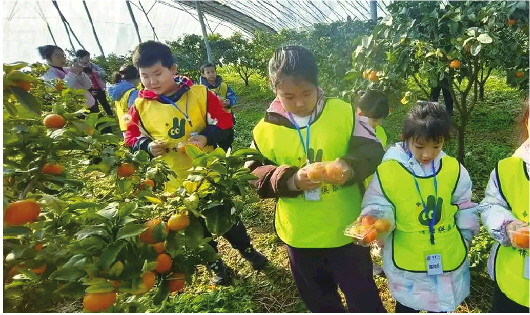
Group 1 - The article highlights the development of a 50-acre特色沃柑基地 in the Gaotai community of Dianjiang County, Chongqing, which aims to promote leisure agriculture and rural tourism [3] - The initiative focuses on integrating "citrus + rural tourism" to enhance local economic activities and attract visitors [3] - The community is actively engaging in new business models such as rural e-commerce to further boost its agricultural and tourism sectors [3]
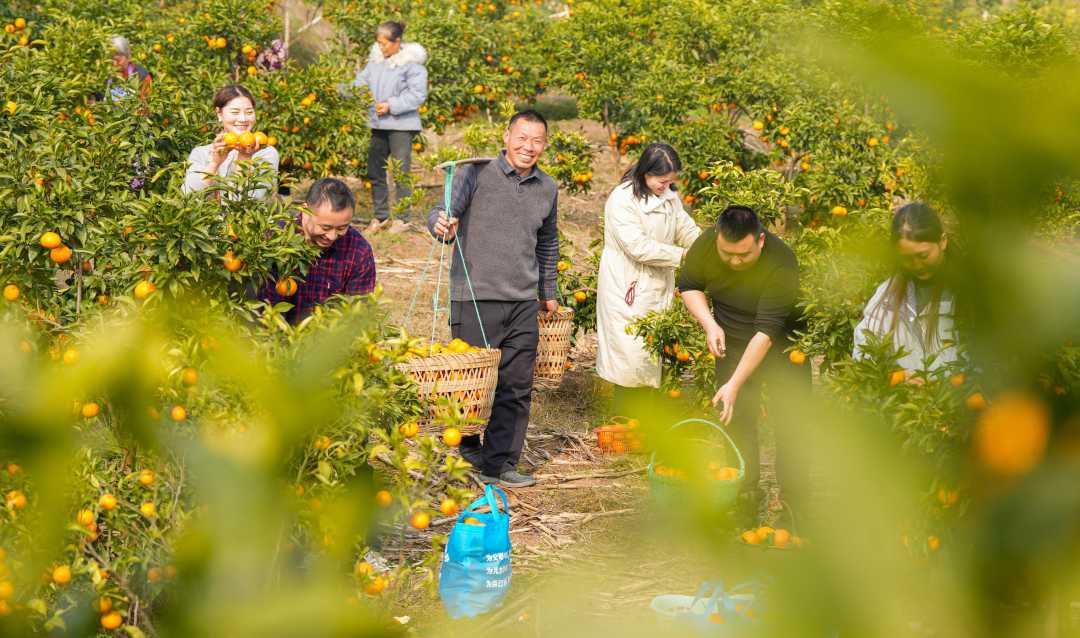
普惠金融助推农业产业集群提质增效
Jin Rong Shi Bao· 2026-01-13 03:32
Core Insights - The central theme of the news is the emphasis on developing county-level industries to enhance farmers' participation in industrial development and improve the agricultural sector's overall efficiency and sustainability [1][2]. Group 1: Agricultural Industry Development - The "14th Five-Year Plan" period has seen the establishment of 210 characteristic industrial clusters, 250 modern agricultural parks, and 1,098 strong agricultural town projects across various regions [1]. - The emergence of new business models such as "agriculture + tourism," "agriculture + sports," and "agriculture + health" is enhancing the agricultural sector's comprehensive benefits and driving employment [2][3]. Group 2: Financial Services and Support - Financial institutions are innovating products and services to meet the diverse financial needs arising from agricultural industry clusters, including tailored loan products for specific agricultural sectors [3][4]. - The People's Bank of China and the Ministry of Agriculture and Rural Affairs have issued guidelines to enhance financial services for rural reforms, promoting targeted financing solutions based on industry chain characteristics [2][3]. Group 3: Employment and Economic Impact - The development of agricultural industry clusters is improving employment conditions in rural areas, solidifying the industrial foundation, and broadening income avenues [5]. - Experts suggest that agricultural industry clusters are vital for stimulating county economic vitality and providing conditions for smart agriculture development and risk mitigation [5].