
智慧零售

Search documents
四大证券报头版头条内容精华摘要_2026年2月5日_财经新闻
Xin Lang Cai Jing· 2026-02-05 00:36
专题:四大证券报精华 炒股就看金麒麟分析师研报,权威,专业,及时,全面,助您挖掘潜力主题机会! 中国证券报 中央农办有关负责同志解读中央一号文件精神时表示 提升农业科技创新体系整体效能 国务院新闻办公室2月4日举行新闻发布会,中央财办分管日常工作的副主任、中央农办主任韩文秀,中 央财办副主任、中央农办副主任祝卫东深入解读中央一号文件精神,介绍锚定农业农村现代化、扎实推 进乡村全面振兴有关情况。 2026年信贷市场工作会议要求 加强与财政政策协同 强化消费领域金融支持 中国人民银行2月4日消息,央行日前召开2026年信贷市场工作会议。会议要求,加强与财政政策协同, 强化消费领域金融支持;建设多层次金融服务体系,着力支持重点领域。会议以习近平新时代中国特色 社会主义思想为指导,深入学习贯彻党的二十届四中全会和中央经济工作会议精神,落实中国人民银行 工作会议要求,总结2025年信贷市场工作,分析当前形势,部署2026年工作。 工信部:加快推进驾驶自动化等重点标准研制 2月4日,工业和信息化部装备工业一司副司长、一级巡视员郭守刚在道路交通标准化专题新闻发布会上 表示,下一步,工信部将继续深入贯彻落实《国家标准化发展纲 ...
上市公司抢抓智慧零售赛道发展机遇
Zheng Quan Ri Bao· 2026-02-04 16:12
Group 1: Market Overview - The "China Smart Retail Market Tracking Report" indicates that the smart retail market is expected to grow to approximately 64.5 billion yuan by 2030, with a compound annual growth rate (CAGR) of 22% from 2025 onwards, driven by the explosion of AI technology applications [1] - Smart retail is defined as leveraging emerging technologies such as AI, big data, IoT, and cloud computing to empower the retail industry, creating personalized consumer experiences and achieving full-chain digital transformation [2] Group 2: Policy Support - The Chinese government has introduced a series of supportive policies for the smart retail industry, focusing on digital empowerment, business model innovation, and supply chain optimization, which enhances operational efficiency [2] - The "Retail Innovation and Improvement Project Implementation Plan" released by seven government departments aims to cultivate a modern retail system through comprehensive deployment and pilot exploration [2] Group 3: Local Government Initiatives - Local governments, such as Shenzhen and Shanghai, are providing substantial financial support for the digital transformation of retail enterprises, with funding up to 15 million yuan per project and 30 million yuan per enterprise [3] - These policies create a comprehensive support system that encourages digital transformation and innovative smart scenarios, promoting both retail upgrades and quality consumption [3] Group 4: Company Strategies - Domestic listed companies are actively seeking transformation towards smart retail, leveraging various measures to expand growth opportunities amid ongoing policy benefits and industry upgrades [4] - Major platforms like Tencent hold a significant market share of 25.3% in the smart retail industry, serving over 1,000 clients and empowering the real economy through AI technologies [4] - Companies such as Beijing Siterui and Hefei Department Store Group are exploring new retail models and enhancing their digital operational capabilities through smart technologies [4][5]

沙利文:2025H1中国智慧零售市场规模破百亿,腾讯领跑
Yang Zi Wan Bao Wang· 2026-02-03 12:21
数据显示,2025年上半年,中国智慧零售整体市场规模达107亿元人民币,头部平台聚集效应明显。腾 讯以25.3%的整体市场份额位列第一,前三家份额合计占比近六成。 2月3日,国际权威咨询机构弗若斯特沙利文(Frost & Sullivan)发布《中国智慧零售市场追踪报告 (2025H1)》。报告首次聚焦实体零售企业在数字化转型和全域经营中所创造的综合服务价值,统计 范围覆盖云基础设施与平台服务(IaaS+PaaS)、SaaS及解决方案。 沙利文预测,2025年以来,受益于AI技术应用爆发,智慧零售增长动能明显增强,在补货、巡检、营 销与客服等环节释放清晰的提质增效回报。预计到2030年,智慧零售市场规模将增长至约645亿元,年 复合增长率达22%。 ...
2.3犀牛财经晚报:“税收”传闻引港股科技股大跌
Xi Niu Cai Jing· 2026-02-03 10:24
Group 1: A-Share Market Activity - In January 2026, the number of new A-share accounts opened reached 4.9158 million, representing a year-on-year increase of 213% and a month-on-month increase of 89% compared to January 2025 [1] Group 2: Hong Kong Stock Market and Tax Rumors - The Hong Kong stock market experienced a significant drop due to rumors regarding tax adjustments for high-tech enterprises, which analysts believe are exaggerated and lack solid evidence [2] - The potential tax increase on internet companies could contradict current policies aimed at promoting consumption, indicating a misalignment in market expectations [2] Group 3: Precious Metals Market - After a significant sell-off, gold prices rebounded by 6.5% to $1,955.90 per ounce, driven by market reactions to the nomination of Kevin Warsh as the next Federal Reserve Chair and a strengthening dollar [2] - Silver prices have entered a "meme stock" state, driven more by market sentiment and social media discussions rather than fundamental changes, with expectations of a gradual decline in the silver market [3] Group 4: Banking and Financial Products - In January 2026, the expected recovery in the scale of bank wealth management products did not materialize, with some major banks reporting a decline in scale, indicating a continuation of a shrinking trend [4] Group 5: Regulatory Changes in Commodity Trading - The Shanghai Gold Exchange announced adjustments to the margin level for silver contracts from 26% to 23% and reduced the price fluctuation limit from 25% to 22% [4] Group 6: Industry Reports and Projections - A report by Frost & Sullivan predicts that the smart retail market in China will reach approximately 64.5 billion yuan by 2030, with a compound annual growth rate of 22% [4] Group 7: Corporate Announcements and Financial Performance - *ST Jinling's restructuring plan has been approved by the court, which may help mitigate debt risks and improve financial performance [6] - *ST Hengji has been awarded a compensation of 175 million yuan from a lawsuit, although the impact on future profits remains uncertain [7] - Baba Foods reported a net profit decline of 1.30% for 2025, despite an 11.22% increase in revenue [13] - Zhuoyue New Energy achieved a net profit growth of 14.16% for 2025, despite a revenue decline of 17.43% [14] - Zhongyuan Media reported a 30.99% increase in net profit for 2025, with a revenue decline of 5.13% [15] - High-speed Electric reported a net profit growth of 14.02% for 2025, with a revenue increase of 17.16% [16] Group 8: Stock Market Performance - The Shenzhen Composite Index rebounded over 2%, with more than 4,800 stocks rising across the market, indicating a strong recovery [18]
淄博|开局之役,落子固本育新
Da Zhong Ri Bao· 2026-01-27 01:24
Group 1 - The core focus of the news is the strategic direction of Zibo City, emphasizing "intelligent, green, and integrated" development as part of the "14th Five-Year Plan" and the upcoming "15th Five-Year Plan" [2] - Zibo's GDP surpassed 500 billion yuan during the "14th Five-Year Plan," with the value added by the "four strong" industries accounting for 60.2%, an increase of 12.9 percentage points compared to five years ago [2] - The city aims to strengthen its industrial chains, particularly in polyolefins and engineering plastics, and promote the transformation of traditional chemical industries towards new materials and fine chemicals [3] Group 2 - Zibo plans to enhance the quality of enterprise development through initiatives aimed at increasing the number of billion-level enterprises to 20 and exceeding 850 specialized and innovative enterprises [3] - The city is focusing on the construction of smart green parks and optimizing the layout of development zones, while also improving public services and infrastructure [4] - Zibo is implementing actions to enhance the service industry, targeting over 150 key projects to elevate the quality of production and life services, including modern finance and technology services [4]
如何培育服务消费新增长点?学者建议:强化需求侧支撑能力
Nan Fang Du Shi Bao· 2025-12-15 09:26
Core Viewpoint - The development of service consumption is crucial for optimizing economic structure and improving people's livelihoods, as emphasized by the Central Committee's recommendations and the recent Central Economic Work Conference [1][2]. Group 1: Current State of Service Consumption - Service consumption in China is experiencing rapid expansion and structural transformation, with a shift from survival-based to development and enjoyment-oriented consumption [2]. - In 2024, service consumption in China is projected to account for 46.1% of total consumption, significantly lower than the United States at 68.5% and South Korea at 58.9% [2]. - Challenges such as urban-rural development imbalance and insufficient high-end supply hinder the full release of service consumption potential [2]. Group 2: Supply-Side Structural Reform - Service enterprises should innovate service content by utilizing big data and AI to capture changing consumer trends [4]. - Three innovation models are highlighted: cultural IP-based services, technology-enabled smart services, and cross-industry integrated services [4][5]. - Establishing a service innovation protection mechanism is essential to encourage continuous innovation among enterprises [5]. Group 3: Policy and Institutional Environment Optimization - Implementing a negative list system for market access can eliminate hidden barriers and promote new business models [6]. - A "sandbox regulatory" mechanism is proposed to allow for cautious innovation in new service areas [6]. - A comprehensive statistical monitoring system for service consumption is necessary to support policy formulation [6]. Group 4: Demand-Side Support Enhancement - Improving residents' consumption capacity through wage growth mechanisms and tax system enhancements is crucial [8]. - The introduction of service consumption vouchers, particularly in sectors like elderly care and tourism, is recommended to stimulate demand [8]. - Enhancing the consumer environment by establishing credit systems and improving dispute resolution mechanisms is essential [8]. Group 5: New Business Models and New Formats - The development of the digital service economy is encouraged, with a focus on online education, internet healthcare, and smart tourism [9]. - Promoting the sharing economy in sectors like accommodation and transportation can foster new service models [10]. Group 6: Talent and Standards Development - A multi-level talent cultivation system is needed to support the service industry, including the establishment of new service management programs in higher education [11]. - Developing national and industry standards for emerging service sectors is critical to enhance service quality [11].

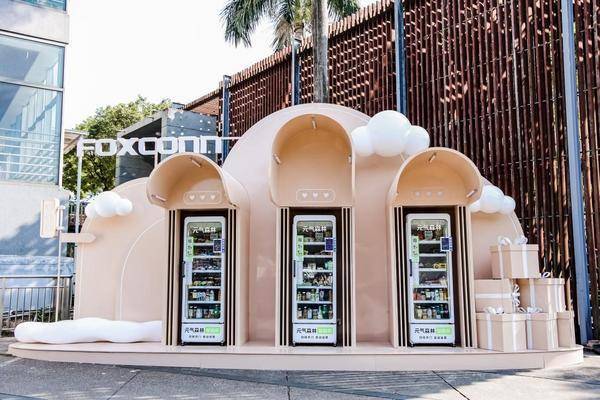
元气森林与富士康深度合作 打造智慧零售新标杆
Sou Hu Cai Jing· 2025-12-10 08:54
Core Insights - The partnership between Yuanqi Forest and Foxconn Technology Group aims to enhance the living quality of employees at Foxconn's Shenzhen Longhua Park through customized smart retail solutions [1][2] - The collaboration will leverage advanced AI recognition technology for a seamless shopping experience, addressing the "last mile" shopping challenges within the park [2][6] - Yuanqi Forest's smart retail business has achieved significant growth, with plans to expand its offerings across various high-traffic scenarios, including campuses and gyms [6][7] Group 1 - Yuanqi Forest will provide multiple smart retail cabinets in Foxconn's Shenzhen Longhua Park, covering various scenarios such as shopping, leisure, and entertainment [1] - The collaboration emphasizes high standards in product selection and service quality, reflecting Foxconn's commitment to employee welfare [2] - A two-day "Happy Shopping Carnival" was held to celebrate the launch of Yuanqi Forest's smart cabinets, featuring interactive experiences and promotional offers [4] Group 2 - The Chinese instant retail market is projected to grow at a compound annual growth rate of 10% from 2024 to 2029, with a market size expected to exceed 3.8 trillion yuan [6] - Yuanqi Forest's overall performance is anticipated to achieve double-digit growth in 2024, with its smart retail business center continuing to be profitable [6] - The smart cabinet business has been deployed in over 20,000 terminals across 15 cities, covering various high-traffic locations [7]
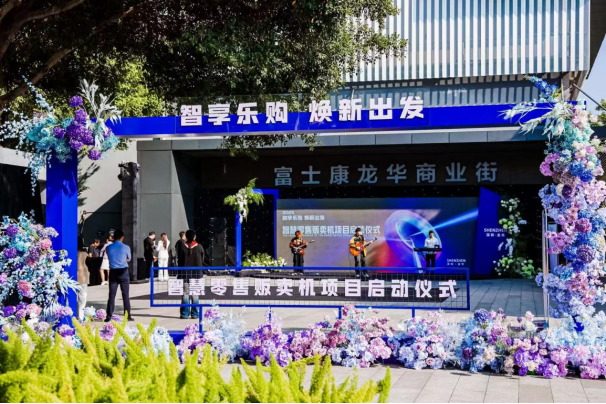
提供定制化智慧零售服务方案 元气森林与富士康科技集团达成深度合作
Zhong Guo Zhi Liang Xin Wen Wang· 2025-12-10 07:44
Core Insights - The collaboration between Yuanqi Forest and Foxconn Technology Group aims to enhance employee quality of life through customized smart retail solutions [1][3][4] Group 1: Project Launch and Objectives - The "Smart Retail Vending Machine Project" was successfully launched at Foxconn's Shenzhen Longhua Park, with Yuanqi Forest providing tailored smart retail services [1] - The partnership focuses on optimizing the service ecosystem within the park, enhancing employee satisfaction and convenience [3][4] Group 2: Market Context and Deployment - China's instant retail market is rapidly developing, with Yuanqi Forest's smart cabinet business achieving deployment in over 20,000 terminals across 15 cities [3] - The smart cabinets are strategically placed in high-traffic areas such as enterprises, campuses, hospitals, and subways [3] Group 3: Service Features and Technology - The smart cabinets utilize advanced AI recognition technology to facilitate a seamless shopping experience with "grab-and-go, contactless payment" [3] - Yuanqi Forest has optimized product offerings to include a variety of popular beverages and new products, addressing diverse consumer needs [3][4] Group 4: Quality Standards and Employee Engagement - Foxconn has set high standards for product selection and service personalization, reflecting its commitment to employee care [4] - A two-day "Happy Shopping Carnival" was held to celebrate the launch, featuring interactive experiences and promotional offers to engage employees [4] Group 5: Vision and Philosophy - Foxconn integrates its vision of "Love, Confidence, Determination" into daily employee experiences, while Yuanqi Forest emphasizes its philosophy of "Using good products to love the world" [6] - The collaboration aims to bring innovative solutions to everyday life through smart retail integration [6]
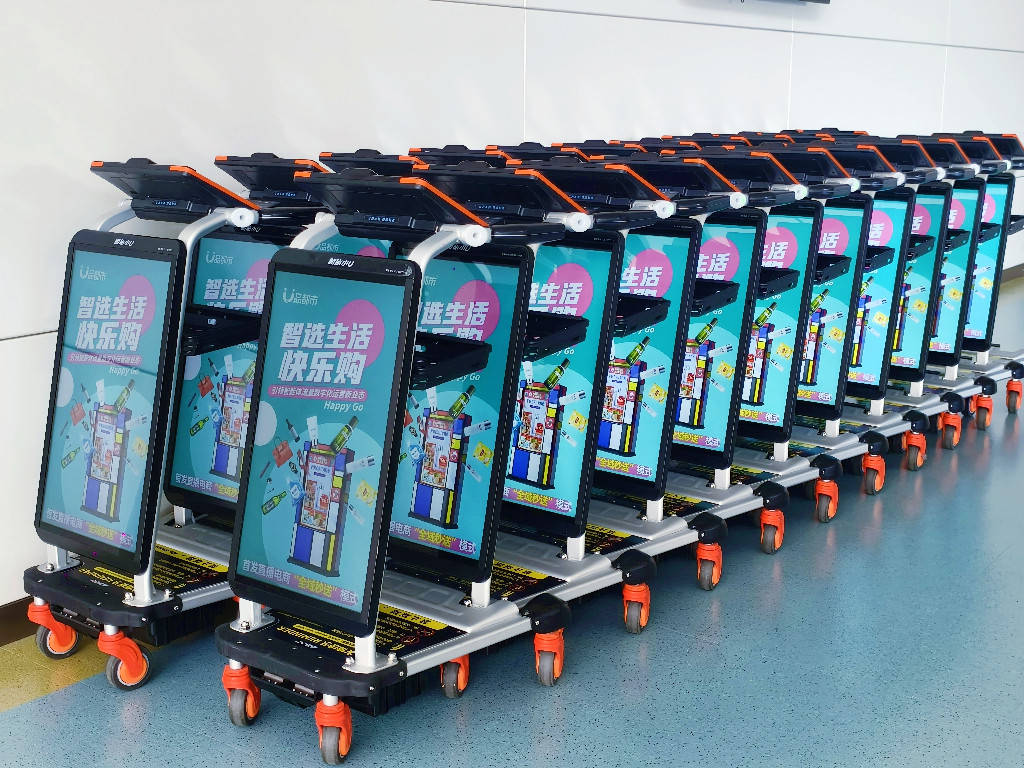
益航科技U品都市:以AI智能体重构都市消费新生态
Sou Hu Cai Jing· 2025-12-05 07:02
Core Insights - The article highlights a consumer revolution driven by "scene digitization, instant fulfillment, and interactive experiences" under the dual strategy of smart cities and eco-cities, with the smart retail and local life service market expected to exceed 47 trillion yuan by 2025, indicating a critical phase of deep integration between technology and business models [1] Group 1: Company Overview - Shanghai Yihang Network Technology Co., Ltd. (Yihang Technology) is a pioneer in the smart travel sector and a member of the China Civil Airport Association, with its self-developed "Travel Little U" smart device covering nearly 60 airports nationwide, establishing a high-net-worth traffic network [3] - The U-Pin Urban brand leverages the technological advantages, traffic potential, and operational experience from airport scenarios to core business districts, achieving a full-link breakthrough from traffic acquisition to consumer conversion [3] Group 2: Business Model Innovation - U-Pin Urban has innovatively created a lightweight business model that integrates "opening another store within the store," breaking traditional retail boundaries of space, inventory, and traffic, by embedding a 50-inch ultra-clear smart screen into offline stores, thus forming an invisible retail network without additional physical space or inventory [3] - This model achieves "zero marginal cost" channel expansion and facilitates a value cycle among brands, stores, investors, and consumers, creating a multi-win "flywheel ecosystem" [3] Group 3: AI-Driven Systems - The AI-driven system integrates "screen-warehouse-distribution," with the U-Pin Urban smart screen featuring AI interaction and cameras, enabling personalized engagement and transforming offline traffic into interactive, traceable, and operable digital assets [5] - The system ensures timely delivery within one hour through algorithm scheduling and collaboration with store warehouse resources, forming a distributed "front-position lightning warehouse" system, meeting modern consumers' demand for instant gratification and revolutionizing the consumer experience from "online ordering" to "immediate delivery" [5] Group 4: Online and Offline Integration - The online AI mall serves as a deep conversion platform with features like cloud shelves, interactive games, and AI dialogues, enhancing user engagement and allowing seamless integration of online browsing and offline redemption [7] - Users can complete the entire shopping experience from "screen browsing - interest stimulation - online ordering - instant delivery," effectively increasing average transaction value and repurchase rates [7] - U-Pin Urban's innovative practices not only reconstruct shopping scenarios and consumption chains but also create a new urban lifestyle that integrates technology, entertainment, and efficiency, redefining the connections between people, goods, and places [7]
汉朔科技(301275.SZ):为泛零售领域客户提供以电子价签系统为核心的智慧零售综合解决方案
Ge Long Hui· 2025-09-19 06:47
Core Viewpoint - HanShuo Technology (301275.SZ) is a well-known provider of digital solutions for retail stores, focusing on electronic price tag systems as part of its smart retail comprehensive solutions [1] Group 1: Company Overview - The company offers a complete digital store solution product portfolio, which includes AI cameras, inspection robots, and smart shopping carts, built around the electronic price tag system [1] - HanShuo Technology emphasizes its investment and layout in the field of artificial intelligence, aiming to enhance the digitalization level of retail stores through technologies like machine vision [1] Group 2: Market Strategy - The company will continue to monitor the application of cutting-edge technologies such as robots (including humanoid robots) and artificial intelligence in retail stores [1] - HanShuo Technology maintains an open attitude towards market opportunities, planning to expand through self-research or collaboration with outstanding enterprises in the field [1]