
调味品

Search documents
国泰海通晨报-20260303
国泰海通· 2026-03-03 02:19
Strategy Research - The trading heat of hot themes has rebounded after the holiday, with a broad rise in metal resource themes and a pullback in AI application themes. The average daily transaction amount for hot themes has increased to 9.62 billion yuan, with an average turnover rate of 3.81% [2][3] - The geopolitical situation in the Middle East has intensified energy resource prices, and the discussion around Token going overseas has emerged as a new narrative for AI investment [2][3] Automotive Research - In 2026, passenger car sales are expected to grow moderately, with a clear trend towards high-end new energy vehicles and accelerated supply release in segmented markets. The forecast for 2026 passenger car sales is approximately 29.82 million units, a year-on-year increase of 1%, with new energy vehicle sales expected to reach about 17.05 million units, up 10% year-on-year [7][8] - The penetration rate of new energy vehicles in the 100,000 to 150,000 yuan market has increased from 45% in 2024 to 54% in 2025, indicating a strong growth trend in the mid-to-low-end new energy segment [7][8] Fixed Income Research - The impact of war on bonds typically shows a phase switch from "short-term safe haven to mid-term repricing." Continuous monitoring of inflation, fiscal paths, and tail risk indicators is necessary to assess sustainability rather than focusing solely on single-term interest rate points [3][9] Food and Beverage Research - Haitian Flavor Industry is leading the "catering solution" and "multi-tuning" business model, which will ensure the company's long-term excess returns. A new round of price increases is expected to occur, potentially achieving simultaneous growth in volume and price [13][14] Overseas Technology Research - MiniMax-WP is creating competitive barriers through extreme cost performance, with the MiniMax M2.5 model leading the large-scale implementation of Agents. The model's performance has reached the first tier globally, with significant improvements in processing speed and cost efficiency [15][18]



中国必选消费品2月需求报告:餐饮及供应链产品恢复较好
Haitong Securities International· 2026-03-02 15:02
Investment Rating - The investment rating for the essential consumer goods sector in China is "Outperform" for multiple companies including Guizhou Moutai, Wuliangye, and Yili [1]. Core Insights - In February 2026, five out of eight tracked essential consumer goods sectors showed positive growth, while two experienced negative growth and one remained flat. The sectors with growth included frozen food, condiments, beer, catering, and soft drinks, while premium and above baijiu and dairy products saw declines. The improvement in data is attributed to the extended Spring Festival holiday and increased travel enthusiasm, which boosted demand for catering and related supply chain products [3][18]. Summary by Sector Baijiu Sector - **Premium and Above Baijiu**: Revenue reached RMB 44.0 billion in February, down 14.6% year-on-year. Cumulative revenue for January-February was RMB 91.0 billion, a decrease of 14.2% year-on-year. The sector faced pressure on both volume and price due to reliance on business consumption and numerous brands affecting price control [4][19]. - **Mass-Market and Below Baijiu**: Revenue was RMB 17.4 billion in February, flat year-on-year. Cumulative revenue for January-February was RMB 40.3 billion, down 1.7% year-on-year. The prices of mass-market baijiu showed signs of stabilization, attributed to its inelastic demand and balanced producer-distributor relationships [20]. Beer Sector - Revenue in the beer sector was RMB 15.2 billion in February, up 5.6% year-on-year. Cumulative revenue for January-February was RMB 32.2 billion, down 1.5% year-on-year. The sector benefited from seasonal factors and increased demand in lower-tier markets, with the RMB 8-10 price segment driving revenue growth [21]. Condiments Sector - Revenue in the condiments sector was RMB 41.5 billion in February, up 5.6% year-on-year, marking the third consecutive month of growth. Cumulative revenue for January-February was RMB 88.4 billion, up 4.5% year-on-year. The recovery in catering channels and increased inventory replenishment contributed to this growth [22]. Dairy Products Sector - Revenue in the dairy sector was RMB 41.5 billion in February, down 1.2% year-on-year. Cumulative revenue for January-February was RMB 85.0 billion, flat year-on-year. Despite ongoing pressure, there was a noticeable recovery in catering consumption and gifting needs during the Spring Festival [23]. Frozen Food Sector - Revenue in the frozen food sector was RMB 14.0 billion in February, up 8.9% year-on-year, also marking the third consecutive month of growth. Cumulative revenue for January-February was RMB 29.0 billion, up 8.5% year-on-year. The sector's performance was supported by Spring Festival stockpiling and increased demand from small B-end clients [24]. Soft Drinks Sector - Revenue in the soft drinks sector was RMB 49.8 billion in February, up 2.3% year-on-year. Cumulative revenue for January-February was RMB 146.0 billion, up 1.5% year-on-year. The sector faced intensifying market competition, reflected in the discount rates for products [26]. Catering Sector - Revenue in the catering sector was RMB 14.0 billion in February, up 4.9% year-on-year, achieving its third consecutive month of growth. Cumulative revenue for January-February was RMB 30.2 billion, up 3.6% year-on-year. The sector benefited from the extended Spring Festival holiday, although profitability remained under pressure [27].




食品饮料行业周报:节后茅台批价保持坚挺,继续看好白酒及餐饮链头部标的-20260301
Shenwan Hongyuan Securities· 2026-03-01 12:41
Investment Rating - The report maintains a positive outlook on the food and beverage sector for 2026, particularly focusing on cyclical opportunities in the liquor and restaurant supply chain [2][6]. Core Insights - The liquor sector is expected to see a recovery, with Moutai prices stabilizing in the first quarter, indicating a turning point in the current cycle. The report anticipates a concentration trend in the industry, favoring leading companies capable of national expansion and those with regional consolidation potential [2][6]. - The report highlights a structural improvement in the mass food sub-sector, with competition shifting from price to quality, and a gradual balance in supply and demand. It predicts a sequential improvement in food CPI [2][6][8]. Summary by Sections Liquor Sector - As of March 1, Moutai's bottle price is 1650 RMB, and the case price is 1680 RMB, remaining stable post-Spring Festival. The overall sales volume for the liquor industry during the Spring Festival is expected to decline by 10%-20% year-on-year, slightly better than market expectations [7]. - The report notes significant differentiation and concentration in the market, with high-end liquor performing exceptionally well. Moutai's sales volume is projected to increase by over 30% year-on-year during the Spring Festival, while Wuliangye is expected to see a 5%-10% increase [7]. - The industry is entering a significant destocking phase, with leading brands' inventory levels notably lower than the previous year. The report concludes that the fundamentals for top brands (Moutai, Wuliangye, Luzhou Laojiao, and Shanxi Fenjiu) have bottomed out [7]. Mass Food Sector - The mass food sub-sector is showing structural improvements, with companies expected to recover due to their cyclical attributes and low valuations. Key recommendations include companies in the restaurant supply chain, such as Anjijia Food, Qianhe Flavoring, and Tianwei Food [8][9]. - The dairy industry is anticipated to see further optimization in supply and demand dynamics, with long-term growth potential in deep-processed products and low-temperature milk. Recommended companies include Yili and New Dairy [9]. Market Performance - The food and beverage sector underperformed the market, with a decline of 1.54% last week, while the liquor segment fell by 2.26%. The report ranks the food and beverage sector 29th among 31 sub-sectors [5][28]. - The report provides a detailed analysis of various sub-sectors, indicating that the liquor sector has faced significant challenges, with white liquor underperforming the market by 5.06 percentage points [28].


中银证券研究部2026年3月金股
Bank of China Securities· 2026-03-01 10:42
Core Insights - The report emphasizes that the A-share market is experiencing short-term volatility while focusing on domestic fundamentals in the medium term, with resource commodities expected to perform well [4][2] - The geopolitical situation, particularly the military actions in the Middle East, is contributing to increased uncertainty in global markets, which is likely to support gold prices in the short term [4][2] - The upcoming National People's Congress (NPC) is a key focus for domestic investors, with macroeconomic policy releases expected to influence market sentiment [4][2] Real Estate Sector: Poly Real Estate Group - Poly Real Estate Group has improved its sales ranking to 12th in the industry as of January 2026, with a sales price of 25,000 yuan per square meter [8] - The company achieved sales of 3.7 billion yuan in January 2026, a year-on-year decline of 22.9%, which is better than the average decline of 24.7% among top 100 real estate companies [8] - The company’s sales area decreased by 6.8% year-on-year, while the average sales price fell by 16.5% [8] Transportation Sector: CITIC Offshore Helicopter - CITIC Offshore Helicopter is a leading player in China's general aviation sector, operating the largest civil helicopter fleet in Asia [13] - The company has a strong operational capacity with 84 advanced helicopters and has established a significant presence in various operational areas, including offshore oil and emergency rescue [13] - The company has secured a three-year strategic cooperation agreement with CNOOC, solidifying its position in the offshore oil service market [14] Transportation Sector: China Merchants Energy Shipping - China Merchants Energy Shipping reported stable growth in 2024, with a slight decrease in revenue but a 5.59% increase in net profit [16] - The company’s fourth-quarter performance showed a significant increase in revenue and net profit, driven by a rise in container shipping volumes [16] - The outlook for 2025 suggests a tightening supply-demand balance in the oil tanker market, which may lead to improved profitability [18] Chemical Sector: Zhejiang Longsheng - Zhejiang Longsheng experienced a 6.47% decline in revenue in the first half of 2025, with a slight increase in dye business gross margin [19] - The company is focusing on cost reduction and efficiency improvements to navigate the challenges posed by industry capacity releases and tariff impacts [20] - The company maintains a strong market position in the dye and additive sectors, with ongoing developments in its real estate business [21] Chemical Sector: Yake Technology - Yake Technology reported steady revenue growth driven by LNG and electronic materials, although net profit growth lagged behind revenue due to increased exchange losses and R&D expenses [22] - The company is actively developing advanced materials for semiconductor applications, with significant revenue contributions from its electronic materials segment [23] New Energy Sector: Tianci Materials - Tianci Materials reported a significant decline in 2024 earnings, but a recovery is anticipated in Q1 2025 with a 30.80% increase in revenue [26] - The company is facing challenges in its lithium-ion battery materials business, while its daily chemical materials segment remains stable [27] Medical Sector: Mindray Medical - Mindray Medical's performance in the first half of 2025 was under pressure, but a recovery is expected in Q3 as medical equipment bidding activities improve [28] - The company is expanding its international business, with international sales accounting for about 50% of total revenue [29] - Mindray is leveraging AI technology to enhance its medical services, positioning itself for future growth opportunities [30] Food and Beverage Sector: Baba Food - Baba Food is a leading brand in Chinese-style frozen foods, with a revenue increase of 12.1% in the first three quarters of 2025 [31] - The company is optimizing its store operations and expanding its franchise model, with positive feedback on new store formats [32] - The group meal business has shown strong growth, contributing to the company's second growth curve [33] Food and Beverage Sector: Yihai International - Yihai International is expanding its market presence by developing B-end customers and exploring overseas markets [34] - The company is focusing on enhancing its supply chain capabilities and increasing its market share in Southeast Asia [34] Consumer Services Sector: China Duty Free Group - China Duty Free Group is acquiring DFS's Greater China tourism retail business to strengthen its market position in Hong Kong and Macau [35] - The company is also partnering with LVMH to enhance its brand and supply chain advantages [36] Computer Sector: Ninebot - Ninebot is focusing on innovation in short-distance transportation and service robots, with a diverse product line [37] - The company is experiencing rapid growth in overseas markets, particularly in Europe and the US, driven by strong demand for electric scooters and e-bikes [37]


食品饮料行业研究:预期逐步筑底,关注顺周期&餐饮链配置契机
SINOLINK SECURITIES· 2026-03-01 07:50
Investment Rating - The report maintains a positive outlook on the current white liquor sector, suggesting it has configuration value and a favorable win rate under low expectations [2][11] Core Insights - The overall sales performance of white liquor during the Spring Festival met market expectations, with a projected year-on-year decline in total channel sales of 10-15%. Notably, the price of Feitian Moutai remained stable, and there were signs of replenishment for some mass-market products [1][10] - The report indicates that the white liquor industry is currently in a price stabilization phase, with companies actively working on inventory reduction. The strong sales performance of Feitian Moutai during the Spring Festival has helped stabilize market expectations and ease industry pressures [1][10] - The report highlights a gradual transition towards a bottoming phase for the white liquor industry, with expectations of improved consumer sentiment and spending as macroeconomic policies evolve [2][11] Summary by Sections White Liquor - The report suggests that the white liquor sector is experiencing a stabilization in pricing, with Feitian Moutai's current price around 1690 RMB, showing a slight decline [1][10] - Recommendations include focusing on high-end brands with strong market positions, such as Guizhou Moutai and Wuliangye, as well as regional leaders benefiting from robust demand [2][11] Beer - The beer sector is showing signs of recovery in on-premise consumption, with companies expanding into non-drink channels and diversifying their product offerings. The report suggests continued attention to beer companies due to their solid performance and dividend levels [2][11] Yellow Wine - The yellow wine industry is witnessing price increases among leading brands, indicating a potential for improved competitive dynamics. The report notes the importance of marketing and product innovation to attract younger consumers [2][12] Snacks - The snack sector is expected to maintain high growth due to strong sales during the Spring Festival, with recommendations for companies like Wancheng Group and Weilian Meishi, which are well-positioned for growth in Q1 [3][13] Soft Drinks - The soft drink sector is entering a sales lull, facing challenges from the rise of ready-to-drink tea beverages. However, the report remains optimistic about brands like Dongpeng Beverage and Nongfu Spring, which have strong brand potential [3][13] Condiments - The condiment sector is currently stabilizing after a challenging period, with recommendations for companies like Angel Yeast and Qianhe Flavor, which are expected to benefit from improving fundamentals and dividend yields [3][14]



中粮福掌柜创新产品合作模式,构建餐饮企业“成本与品质”新平衡
Sou Hu Wang· 2026-02-28 03:04
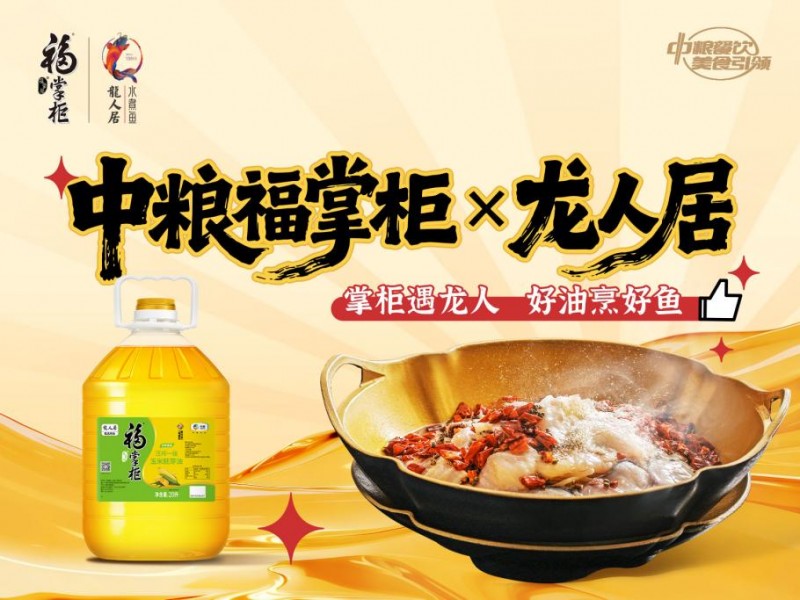
Core Viewpoint - The collaboration between COFCO Fu Zhanggui and the well-known Sichuan cuisine brand Longrenju through the launch of "Longrenju Selected" non-GMO first-pressed corn germ oil represents a new approach to address the structural contradictions in the restaurant industry, specifically the rising cost rigidity and the demand for quality upgrades [1] Group 1: Value Foundations of Co-Branding - The core contradiction faced by restaurant enterprises is the increasing consumer demand for food safety and quality, coupled with market homogenization that pressures companies to continuously reduce costs [2] - The co-branding model facilitates deep coupling of the supply chain, transitioning from transactional relationships to symbiotic ones, significantly lowering intermediate costs in raw material procurement [2] - For example, Longrenju has secured a dedicated oil supply, mitigating market price volatility risks and achieving a competitive cost advantage through a centralized procurement model [2] Group 2: Channel Efficiency Transformation - COFCO Fu Zhanggui has established a short-distance precision distribution system leveraging its 33 production plants and distribution network across the country [3] - This flat channel model is particularly valuable for large chain restaurants with numerous and widely distributed outlets, as it structurally optimizes logistics costs [3] - The model reduces response times, minimizes transportation and storage costs, and eliminates the burdens of multiple procurement processes, providing robust operational support for cross-regional expansion [3] Group 3: Precision R&D Adaptation - The co-branding collaboration allows for precise demand matching through in-depth R&D tailored to restaurant scenarios [3] - Utilizing platforms like the COFCO Nutrition and Health Research Institute, targeted product development and process adaptation are conducted based on the dish structure and operational needs of restaurants [3] - This value co-creation model not only ensures quality but also opens sustainable cost optimization pathways for restaurant enterprises [3] Group 4: Expanding Value Boundaries - The co-branding model's value extends beyond cooking oil to encompass a comprehensive ecosystem of compound seasoning products [5] - COFCO Fu Zhanggui has developed a diversified matrix covering four major categories: cooking oil, seasonings, kitchen daily chemicals, and alcoholic beverages, providing one-stop solutions for restaurant enterprises [5] - The integrated procurement model allows restaurants to bundle cooking oil and seasonings, achieving cost reductions while ensuring safety and flavor stability through COFCO's quality control system [5] Group 5: Central Enterprise Strength Endorsement - The collaboration between COFCO Fu Zhanggui and restaurants fundamentally reconstructs supply chain value, with COFCO's role as a state-owned enterprise ensuring stable grain and oil prices and quality assurance [7] - Partnering with COFCO means not only selecting a supplier but also binding with a strategic partner that encompasses R&D, production, and logistics across the entire supply chain [7] - In a context of rising cost pressures, this model provides a clear growth pathway for restaurants through supply chain optimization and long-term competitive advantages via R&D collaboration [7]

调味品企业跨界,是主动破圈还是被动续命?
3 6 Ke· 2026-02-27 13:17
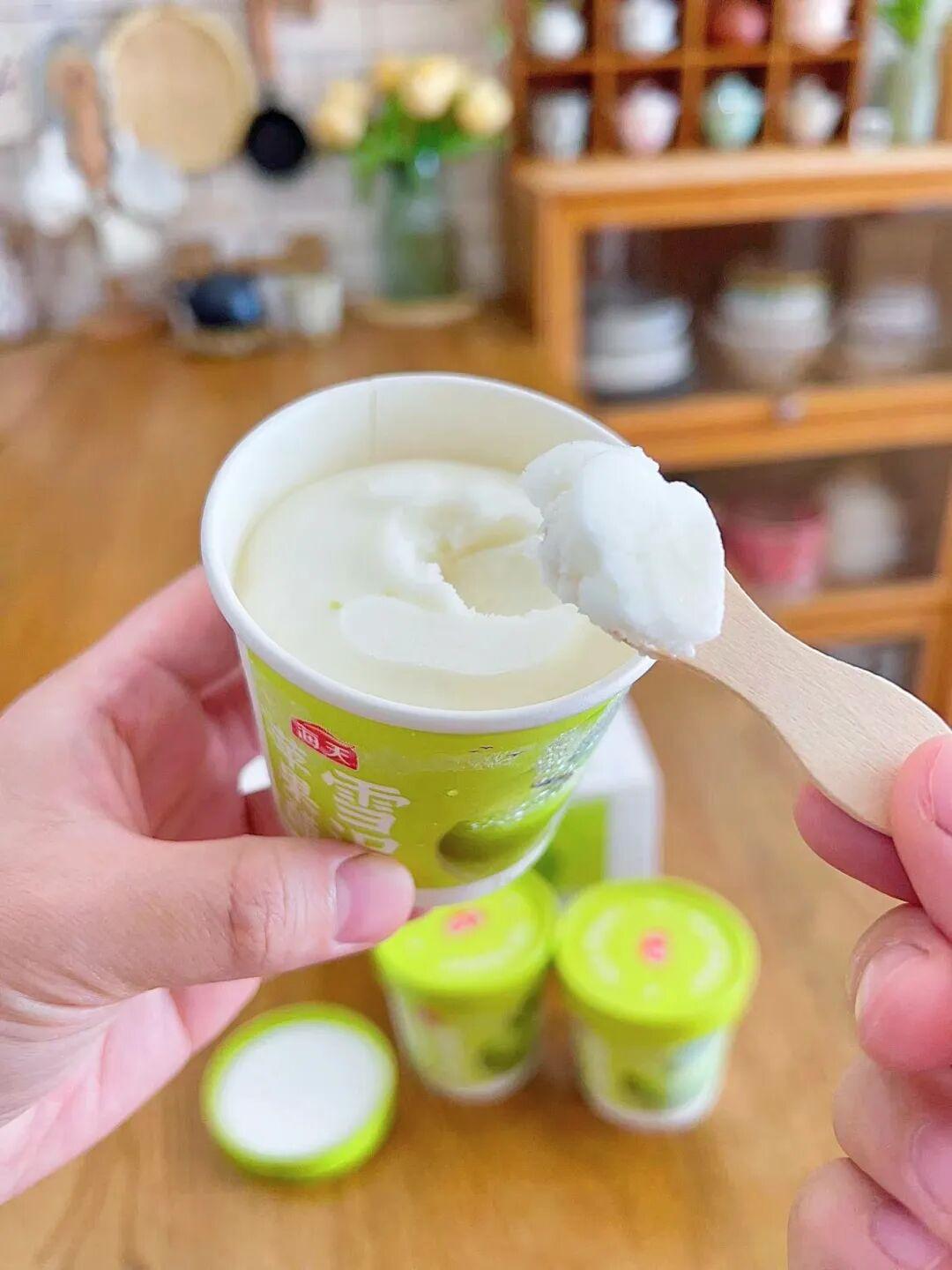
Core Insights - The condiment industry is witnessing significant cross-industry activities, with companies like Zhongju Gaoxin acquiring a 55% stake in Sichuan Weizimei, Hengshun Vinegar launching a new product, and Richen Co. investing in big data software [1] - The trend of cross-industry expansion reflects a common strategy among condiment companies to explore new markets and products, driven by either the desire to capture future opportunities or the need to survive current challenges [1] Group 1: Cross-Industry Preferences - Companies prefer to enter high-margin businesses, focusing on categories with higher added value to enhance their product portfolios, such as soy sauce, which has a gross margin exceeding 38% for leading firms [2] - The trend of entering the soy sauce market is evident, with companies like Fufeng Group and Jialong Co. diversifying into this profitable segment [2] Group 2: Emerging Fields - Some companies are targeting emerging sectors like big data and renewable energy, which offer lower entry barriers and broader growth potential compared to mature markets [3][4][5][6] Group 3: Familiar Territory - Many companies are also experimenting within their existing domains, such as Hengshun producing vinegar drinks and ice cream, and Haitian developing soy sauce-flavored ice cream, to increase visibility among consumers [7] Group 4: Motivations Behind Cross-Industry Moves - Cross-industry moves can be driven by necessity, as seen with Fuling Mustard, which is facing stagnation in its core business, leading to a decline in revenue and profit [10][12] - Jialong Co. is also experiencing revenue declines in its chicken essence products, prompting a search for new growth avenues [10][14] Group 5: Strategic Advantages - Companies like Haitian and Zhongju Gaoxin leverage their existing strengths, such as distribution channels and brand reputation, to facilitate their cross-industry expansions [15][17] - The acquisition of Weizimei by Zhongju Gaoxin is a strategic move to fill gaps in its product offerings and enhance its market presence in the southwestern region [17] Group 6: Future Outlook - The industry is characterized by two types of cross-industry strategies: one aimed at future growth and the other focused on immediate survival, with varying levels of investment and innovation [18]


涪陵榨菜:2025年度净利润约7.68亿元
Mei Ri Jing Ji Xin Wen· 2026-02-27 10:28
Group 1 - The core point of the article is that Fuling Zhacai reported its 2025 annual performance, showing a slight increase in revenue but a decrease in net profit and earnings per share [1] Group 2 - Fuling Zhacai's operating income for 2025 is approximately 2.432 billion yuan, representing a year-on-year increase of 1.88% [1] - The net profit attributable to shareholders of the listed company is about 768 million yuan, reflecting a year-on-year decrease of 3.93% [1] - The basic earnings per share is 0.67 yuan, which is a decrease of 2.9% compared to the previous year [1]

涪陵榨菜2025年度归母净利润7.68亿元,销售费用增长
Zhi Tong Cai Jing· 2026-02-27 09:26
Core Viewpoint - Fuling Zhacai (002507.SZ) reported a slight increase in total revenue for 2025, but a decline in profits compared to the previous year [1] Financial Performance - Total revenue reached 2.432 billion yuan, an increase of 1.88% year-on-year [1] - Operating profit, total profit, and net profit attributable to shareholders were 916 million yuan, 911 million yuan, and 768 million yuan, respectively, representing decreases of 2.77%, 3.37%, and 3.93% year-on-year [1] Sales and Marketing Strategy - The company increased sales expenses by 18.33% year-on-year to strengthen its market position and accelerate new product launches and channel development [1] - Key marketing initiatives included "New Year Opening Red," "Category Interaction Promotion Campaign," "Peak Season Volume Activities," and "Autumn Harvest Action," which were effectively implemented in targeted markets and channels [1] - Sales volume increased by approximately 1,500 tons, supporting the strategic goals of stabilizing the existing market, expanding new channels, and promoting new product launches [1]
研报掘金丨广发证券:予海天味业A/H股“买入”评级,高分红下配置价值凸显
Ge Long Hui A P P· 2026-02-27 07:52
Group 1 - The core viewpoint of the report is that Haitai's growth corresponds to a reasonable valuation, with future ROE driving PB valuation increases [1] - After experiencing high valuations for growth stocks, there has been a correction, leading to a stabilization of valuations as fundamentals improve [1] - The report highlights that Haitai has a relatively high and stable ROE among consumer goods, with expectations for recovery [1] Group 2 - Haitai's net profit growth is projected to exceed 10%, which aligns with a reasonable current valuation [1] - Future ROE is expected to drive PB valuation increases, with PE valuations likely fluctuating between 25 to 30 times [1] - The report assigns a reasonable value of 40.15 CNY per share based on a 30 times PE valuation for 2026, and a reasonable value of 38.45 HKD per share for H shares, both receiving a "buy" rating [1]