集成电路制造

Search documents
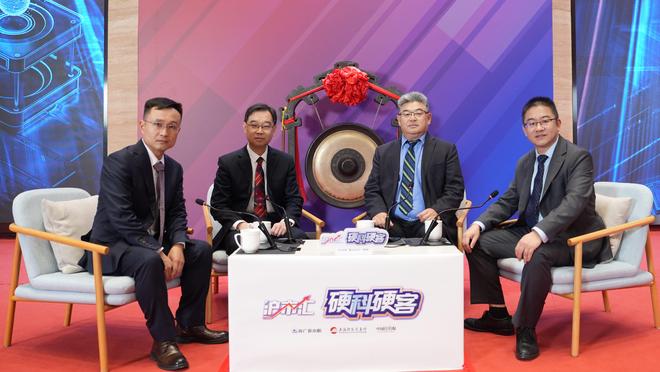
创新突破、用好工具、扭亏“摘U” 科创成长层三董事长共聚谈“成长”
Zhong Guo Jing Ying Bao· 2025-12-17 07:43
Core Insights - The launch of the Sci-Tech Innovation Board (STAR Market) has significantly transformed the development ecosystem for China's technology industry, particularly benefiting unprofitable "hard tech" companies by providing a supportive environment for long-term investment and innovation [4][5] - As of November 2025, 57 unprofitable companies have listed on the STAR Market, with 22 of them achieving profitability post-listing [4] - The STAR Market has facilitated substantial revenue growth and reduced losses for companies, with 35 firms in the growth layer reporting a 39% year-on-year revenue increase and a 65% reduction in net losses in the first three quarters of 2025 [4] Company Performance and Growth - ChipLink Integration has raised 11 billion yuan since its listing, with revenue growing from 2 billion yuan before listing to 6.5 billion yuan in 2024, effectively doubling its revenue in three years [7] - CanSino has maintained a research and development (R&D) expenditure of over 30%, which has been crucial for its product development and market expansion, particularly during the COVID-19 pandemic [8][15] - Effort, a robotics company, has seen its sales increase from 2,000 units at the time of listing to 16,000 units in 2024, significantly enhancing its market share and competitiveness [10][16] R&D Investment and Innovation - R&D investment is critical for "hard tech" companies, with ChipLink maintaining a 30% R&D expenditure ratio, significantly higher than the industry average of 10% [13] - CanSino's R&D strategy has allowed it to navigate the "valley of death" in vaccine development, leading to profitability in the third quarter of 2025 [15][18] - Effort has shifted from a "follower" to a "leader" in innovation post-listing, focusing on autonomous innovation and the integration of AI technology into its robotics solutions [16] Path to Profitability - Achieving profitability is seen as a natural progression for unprofitable companies on the STAR Market, with both ChipLink and CanSino projecting profitability milestones in the coming years [17][19] - ChipLink anticipates reaching profitability by 2026, supported by increasing market share and improved operational efficiency [19] - Effort aims to achieve profitability through a dual strategy of scaling growth and enhancing profit margins, leveraging its technological advancements [20] Utilization of Growth Tools - The STAR Market's mechanisms, such as mergers and acquisitions and equity incentives, are vital for the growth of "hard tech" companies [21] - ChipLink's acquisition of a 72.33% stake in a peer company exemplifies the effective use of M&A strategies to enhance growth [21] - Both ChipLink and CanSino emphasize the importance of equity incentives to attract and retain talent, which is crucial for long-term success in the tech sector [22]


前十一月,全国规上工业增加值增长百分之六——工业经济转型升级持续推进
Xin Hua Wang· 2025-12-17 00:27
Core Insights - The Central Economic Work Conference emphasizes the implementation of a new round of high-quality development actions for key industrial chains and the deep integration of technological and industrial innovation [1] Industrial Performance - From January to November, the industrial added value of large-scale enterprises in China grew by 6.0% year-on-year, surpassing the previous year's growth by 0.2 percentage points [2] - In November, the industrial added value increased by 4.8% year-on-year, maintaining stable growth, with a month-on-month increase of 0.44%, accelerating by 0.27 percentage points from the previous month [2] - The mining, manufacturing, and electricity, heat, gas, and water production and supply industries saw year-on-year growth of 6.3%, 4.6%, and 4.3% respectively, with 30 out of 41 industrial categories experiencing growth [2] Equipment Manufacturing Sector - The equipment manufacturing sector is highlighted as a key growth area, with a year-on-year increase of 7.7% in November, accounting for 36.4% of the total industrial added value, an increase of 1.8 percentage points from the previous year [2][3] - All eight industries within the equipment manufacturing sector reported growth, with the electronics and automotive industries growing by 9.2% and 11.9% respectively, contributing 20.2% and 17.9% to overall industrial growth [3] High-tech Manufacturing - High-tech manufacturing added value grew by 8.4% year-on-year in November, contributing 29.8% to the overall industrial growth [4] - Key sectors such as integrated circuit manufacturing and biopharmaceuticals saw significant growth rates of 32.4% and 17.3% respectively [4] Digital Product Manufacturing - The digital product manufacturing sector experienced a year-on-year growth of 7.6% in November, with notable increases in smart vehicle equipment and industrial control systems [5] - Production of smart consumer devices like smart wristbands and 5G smartphones grew by 27.6% and 11.5% respectively, while 3D printing equipment saw a remarkable increase of 100.5% [5] Future Industrial Strategy - The Ministry of Industry and Information Technology aims to stabilize industrial production and promote new industrialization, focusing on growth, innovation, and integration [6][7] - Plans include enhancing supply-demand adaptability, implementing key industry growth strategies, and promoting deep integration of technological and industrial innovation [7]
中芯国际跌2.03%,成交额20.31亿元,主力资金净流出2.03亿元
Xin Lang Cai Jing· 2025-12-16 03:01
中芯国际今年以来股价涨17.02%,近5个交易日跌4.81%,近20日跌6.14%,近60日涨1.90%。 来源:新浪证券-红岸工作室 12月16日,中芯国际盘中下跌2.03%,截至10:55,报110.72元/股,成交20.31亿元,换手率0.91%,总市 值8857.95亿元。 资金流向方面,主力资金净流出2.03亿元,特大单买入2.85亿元,占比14.05%,卖出4.78亿元,占比 23.52%;大单买入6.35亿元,占比31.26%,卖出6.45亿元,占比31.78%。 截至9月30日,中芯国际股东户数33.62万,较上期增加33.27%;人均流通股6134股,较上期减少 25.41%。2025年1月-9月,中芯国际实现营业收入495.10亿元,同比增长18.22%;归母净利润38.18亿 元,同比增长41.09%。 今年以来中芯国际已经1次登上龙虎榜,最近一次登上龙虎榜为8月28日,当日龙虎榜净买入-4.22亿 元;买入总计16.55亿元 ,占总成交额比6.10%;卖出总计20.77亿元 ,占总成交额比7.66%。 机构持仓方面,截止2025年9月30日,中芯国际十大流通股东中,易方达上证科创板50 ...

促消费稳投资政策有望加快推出
21世纪经济报道· 2025-12-16 02:11
Core Viewpoint - The article highlights the overall stability of China's economy in November, despite some downward pressure on growth, with a focus on the resilience of exports and the recovery of service consumption [1][2][3]. Economic Data Summary - In November, the industrial added value for large-scale enterprises grew by 4.8% year-on-year, while the cumulative growth from January to November was 6.0%, showing a slight decline from the previous month [3]. - The service production index increased by 4.2% year-on-year in November, with a cumulative growth of 5.6% from January to November, indicating stable growth [3]. - Retail sales of consumer goods rose by 1.3% year-on-year in November, with a cumulative increase of 4.0% from January to November, surpassing last year's growth rate [5]. Sector Performance - Emerging industries and modern services are experiencing rapid growth, with specific sectors like electronic materials and integrated circuits seeing increases of 22.9% and 24.6% respectively from January to November [5]. - The production index for information transmission, software, and IT services grew by 12.9% year-on-year in November, reflecting a strong momentum in modern service development [5]. - Fixed asset investment (excluding rural households) decreased by 2.6% year-on-year from January to November, but manufacturing investment grew by 1.9%, indicating a shift towards new productive forces [6]. Export and Trade - In November, the total value of goods imports and exports increased by 4.1% year-on-year, with exports growing by 5.7% and imports by 1.7% [6]. - From January to November, the total value of goods imports and exports rose by 3.6%, with exports increasing by 6.2% and imports by 0.2%, demonstrating resilience in trade [6]. Policy Outlook - The Central Economic Work Conference signaled a commitment to implement policies aimed at boosting consumption and stabilizing investment, with a focus on achieving a growth target of around 5% for the year [1][8]. - Plans for 2026 include a special action to boost consumption and measures to enhance investment, particularly in infrastructure and emerging industries [9][10]. - The government aims to optimize the investment environment and stimulate private investment, recognizing significant potential in urbanization, technological innovation, and infrastructure [10][11].

11月份主要指标出炉,当前经济运行态势如何?
Xin Hua She· 2025-12-16 01:29
Economic Overview - The national economy continues to show a stable and progressive development trend, with key indicators reflecting steady performance in production, employment, and market prices [2][4] - In November, the industrial added value of large-scale enterprises increased by 4.8% year-on-year, with the equipment manufacturing sector growing by 7.7%, contributing 59.4% to the overall industrial growth [2][3] Market Sales and Investment - Social retail sales increased by 1.3% year-on-year in November, with a cumulative growth of 4% for the first 11 months, surpassing last year's performance [3] - Fixed asset investment (excluding rural households) decreased by 2.6% year-on-year, but investment in key areas remains robust due to policies aimed at expanding domestic demand and industrial upgrades [3] Foreign Trade and Employment - In November, China's total goods import and export value rose by 4.1% year-on-year, with exports increasing by 5.7%, marking a turnaround from previous declines [3] - The urban unemployment rate remained stable at 5.1%, while the Consumer Price Index (CPI) rose by 0.7%, indicating a gradual recovery in prices [3] New Quality Productivity - Significant progress has been made in cultivating new quality productivity, with high-tech manufacturing value added increasing by 9.2% year-on-year from January to November [5] - The digital economy is expanding, with the manufacturing value added of digital products growing by 9.3% and the production index for information transmission and software services increasing by 11.3% [5][6] Policy Support and Future Outlook - The macroeconomic policies implemented this year have played a crucial role in supporting stable economic operations, with expectations for achieving annual targets remaining positive [7] - International institutions have raised their economic growth forecasts for China in 2025, reflecting confidence in the country's economic resilience and potential [7][8]
11月份主要指标出炉 当前经济运行态势如何?
Xin Hua Wang· 2025-12-16 00:28
Economic Overview - The national economy continues to show a stable and progressive development trend, with key indicators reflecting steady performance in production, employment, and market prices [2][4] - In November, the industrial added value of large-scale enterprises increased by 4.8% year-on-year, with the equipment manufacturing sector growing by 7.7%, contributing 59.4% to the overall industrial growth [2] - The service sector's production index rose by 4.2% year-on-year in November [2] Market Sales and Investment - Social retail sales increased by 1.3% year-on-year in November, with a cumulative growth of 4% for the first 11 months, surpassing both the previous year's growth and the annual total [3] - Fixed asset investment (excluding rural households) decreased by 2.6% year-on-year, but project investment excluding real estate grew by 0.8% [3] - Despite a decline in investment growth, key sectors continue to see investment increases, supporting long-term economic development [3] Foreign Trade and Employment - In November, China's total goods import and export value grew by 4.1% year-on-year, with exports increasing by 5.7% [3] - The urban unemployment rate remained stable at 5.1%, while the Consumer Price Index (CPI) rose by 0.7% year-on-year, marking a 0.5 percentage point increase from the previous month [3] Agricultural Production - The grain output for the year reached 1.42975 trillion jin, a 1.2% increase from the previous year, maintaining stability above 1.4 trillion jin [4] New Productive Forces - Significant progress has been made in cultivating new productive forces, with high-tech manufacturing value added increasing by 9.2% year-on-year from January to November [5] - The manufacturing of smart consumer devices grew by 7.6%, and the digital economy continues to expand, with digital product manufacturing value added increasing by 9.3% [5][6] Policy Support and Future Outlook - The economy is expected to meet annual targets despite challenges, supported by strong macro policies and the growth of new economic drivers [7] - Consumption policies have shown effectiveness, with significant year-on-year growth in retail sales of home appliances and communication equipment [7] - International institutions have raised their economic growth forecasts for China for 2025, indicating positive future expectations [7]
高基数下11月经济整体稳定 促消费稳投资政策有望加快推出
2 1 Shi Ji Jing Ji Bao Dao· 2025-12-15 23:46
Economic Overview - In November, industrial, service, consumption, and investment data showed a downward trend due to high base effects from the previous year, but exports saw a year-on-year increase, indicating positive price signals [1][10] - The economy grew by 5.2% in the first three quarters, and macro policies are expected to strengthen, achieving a growth target of around 5% for the year [1][15] Industrial and Service Sector Performance - In November, the industrial added value increased by 4.8% year-on-year, while the cumulative growth from January to November was 6.0%, a slight decrease of 0.1 percentage points from the previous period [2][12] - The service production index rose by 4.2% year-on-year in November, with a cumulative growth of 5.6% from January to November, also down by 0.1 percentage points [2][12] - Emerging industries and modern services are growing rapidly, with significant increases in sectors like electronic materials and integrated circuits, which grew by 22.9% and 24.6% respectively [2][12] Consumption Trends - Retail sales of consumer goods increased by 1.3% year-on-year in November, with a cumulative growth of 4.0% from January to November, surpassing last year's annual growth rate [2][12] - The service retail sector saw a year-on-year growth of 5.4% from January to November, indicating strong potential for service consumption [3][13] - The "Double Eleven" shopping festival had a preemptive effect on consumption, leading to a temporary slowdown in November's growth [3][13] Investment Insights - Fixed asset investment (excluding rural households) decreased by 2.6% year-on-year from January to November, while investment excluding real estate development grew by 0.8% [3][13] - Infrastructure investment fell by 1.1%, while manufacturing investment increased by 1.9%, and real estate development investment dropped by 15.9% [3][13] - High growth was observed in manufacturing sectors such as railways, ships, aerospace, and new energy vehicles, indicating a strengthening of new productive forces [3][13] Export Performance - In November, total goods imports and exports increased by 4.1% year-on-year, with exports growing by 5.7% and imports by 1.7% [4][14] - From January to November, total goods imports and exports rose by 3.6%, with exports increasing by 6.2% and imports by 0.2% [4][14] Policy Outlook - The Central Economic Work Conference signaled a proactive approach to boost consumption and stabilize investment, with plans for a special action to enhance consumption in 2026 [11][17] - The National Development and Reform Work Conference emphasized the need for policy coordination to promote investment recovery and ensure a good start for the 14th Five-Year Plan [11][17] - There is a focus on expanding domestic demand and increasing effective investment, with expectations for interest rate cuts and fiscal policy to significantly support consumption and infrastructure investment in early next year [9][18]
国民经济延续稳中有进态势 新动能稳步成长
Zheng Quan Shi Bao· 2025-12-15 18:31
Economic Performance - In November, China's economy continued to show a steady and progressive development trend, characterized by stable production growth, expanded market sales, resilient foreign trade, stable employment and prices, and strong social welfare support [1] - The industrial added value above designated size increased by 4.8% year-on-year in November, while the service production index rose by 4.2% [1] - The total retail sales of consumer goods grew by 1.3% year-on-year, and the total import and export value increased by 4.1% [1] New Economic Drivers - The new economic drivers have been continuously strengthening, with high-tech manufacturing value-added increasing by 9.2% and digital product manufacturing value-added growing by 9.3% from January to November [1][2] - The production of industrial robots and integrated circuits saw significant increases of 29.2% and 10.6%, respectively [1] Consumption and Investment Trends - There has been a rapid growth in service consumption, particularly in cultural and sports services, with retail sales in these categories increasing by over 10% year-on-year [2] - However, fixed asset investment decreased by 2.6% year-on-year, indicating a widening decline, and the growth rate of total retail sales of consumer goods is also slowing down [3] Policy Outlook - The recent Central Economic Work Conference outlined comprehensive plans for economic work in 2026, emphasizing the need for increased counter-cyclical and cross-cyclical adjustments to promote qualitative and effective improvements in the economy [3]
高基数扰动11月经济数据,促消费稳投资政策有望加快推出
2 1 Shi Ji Jing Ji Bao Dao· 2025-12-15 12:28
Core Viewpoint - The economic data for November shows fluctuations in growth rates across various sectors, but there are positive signals in exports and prices, indicating a resilient economy with a projected growth target of around 5% for the year [1][4]. Economic Performance - In November, the industrial added value increased by 4.8% year-on-year, while the cumulative growth for January to November was 6.0%, reflecting stability despite a slight decline [1]. - The service production index grew by 4.2% in November, with a cumulative growth of 5.6% for the first eleven months, indicating steady growth in the service sector [1]. - The total retail sales of consumer goods increased by 1.3% year-on-year in November, with a cumulative growth of 4.0% for January to November, surpassing last year's growth rate [2]. Sectoral Insights - Emerging industries and modern services are experiencing rapid growth, with specific sectors like electronic materials and integrated circuits showing increases of 22.9% and 24.6% respectively [2]. - The production index for information transmission and software services grew by 12.9%, while leasing and business services increased by 8.4%, indicating a strong momentum in modern service industries [2]. Investment Trends - Fixed asset investment (excluding rural households) decreased by 2.6% year-on-year from January to November, but investment in manufacturing rose by 1.9%, particularly in sectors like railways and new energy vehicles [3]. - The government is expected to implement policies to stimulate investment and consumption, with a focus on infrastructure and private investment to support economic recovery [7][8]. Future Outlook - The central government plans to enhance macroeconomic policies to stabilize growth, with an emphasis on expanding domestic demand and optimizing supply [5][6]. - There is a strong expectation for proactive fiscal measures, including potential interest rate cuts and increased infrastructure investment in early 2024 [8].
延续稳中有进发展态势 11月份国民经济运行总体平稳
Bei Jing Shang Bao· 2025-12-15 11:54
Economic Overview - In November, the industrial added value above designated size in China increased by 4.8% year-on-year, with manufacturing investment continuing to grow, particularly in high-tech manufacturing [1] - The spokesperson from the National Bureau of Statistics indicated that despite challenges, China's economy shows strong resilience, supported by macro policies, and is on track to meet annual targets [1] High-tech Manufacturing Growth - High-tech manufacturing continues to grow rapidly, with the added value in November increasing by 8.4%, outpacing the overall industrial added value growth by 3.6 percentage points [3] - Key sectors such as integrated circuit manufacturing and smart product production saw significant increases, with added values growing by 32.4% and 30% respectively [3] - The production of 3D printing equipment and industrial robots surged by 100.5% and 20.6% year-on-year [3] Digital Product Manufacturing - The digital product manufacturing sector, a crucial part of high-tech manufacturing, recorded a 7.6% year-on-year increase in added value in November, accelerating from the previous month [4] - Notable growth was observed in smart consumer devices, with smart wristbands and 5G smartphones increasing production by 27.6% and 11.5% respectively [4] Consumer Market Expansion - In November, the total retail sales of consumer goods reached 43.898 billion yuan, marking a 1.3% year-on-year increase [5] - Urban retail sales amounted to 37.684 billion yuan, growing by 1%, while rural retail sales increased by 2.8% to 6.214 billion yuan [5] - Sales of basic living goods and certain upgraded products saw significant growth, with retail sales of grain and oil, communication equipment, and cultural office supplies increasing by 6.1%, 20.6%, and 11.7% respectively [5][6] Consumption Trends - The consumption upgrade trend is evident, with prices for cultural and sports goods rising, and cosmetics and jewelry sales increasing by 6.1% and 8.5% year-on-year [6] - The implementation of consumption promotion policies has effectively stimulated consumer demand, leading to an expansion in consumption scale and structural upgrades [7]