农产品

Search documents
加强品牌农业建设(专家点评)
Ren Min Ri Bao· 2026-01-02 22:09
Core Viewpoint - The article emphasizes the importance of agricultural brand development in China, highlighting the cultivation of green, organic, and high-quality agricultural products to increase farmers' income and upgrade the supply-demand structure of agricultural products [1] Group 1: Agricultural Brand Development - China is advancing agricultural brand construction, fostering a range of green, organic, and high-quality agricultural products, which in turn enhances farmers' income and promotes the upgrading of the agricultural supply-demand structure [1] - An example is provided with Jilin's Zhenlai rice, which transforms the disadvantages of saline-alkali land into advantages by producing high-value products like weak-alkaline rice through deep processing [1] Group 2: Market and Sales Strategies - The article discusses the importance of establishing a sound interest linkage mechanism to achieve coordinated development among farmers, enterprises, and research institutions [1] - It highlights the need for effective production and sales connections, emphasizing precise positioning, brand development, and multi-dimensional marketing to ensure high quality and pricing [1] Group 3: Challenges and Future Directions - The article notes that there are still not enough strong brands with wide influence, and some regions focus too much on production while neglecting market strategies, indicating a need for long-term planning and consistency in brand cultivation [1] - During the "14th Five-Year Plan" period, there is a call to strengthen brand agriculture construction, ensuring quality as a guarantee and advancing the establishment of a standardized agricultural product system [1] - The article suggests addressing shortcomings in processing technology, cold chain logistics, and quality traceability to build consumer trust [1] - It advocates for the development of a marketing service system for agricultural products and the cultivation of versatile talents in agriculture, marketing, and management [1] - The goal is to shift agriculture from "selling raw materials" to "selling products" and "selling brands" through collaborative efforts in channel connection, financial services, and marketing promotion [1]
24小时已过,中方收费准时开始,卢拉通知欧盟,再不签协议就晚了
Sou Hu Cai Jing· 2026-01-02 05:33
Group 1: China's Anti-Subsidy Investigation on EU Dairy Products - China has officially launched an anti-subsidy investigation into certain dairy products imported from the EU, including milk and cheese, due to complaints from domestic dairy associations about unfair pricing caused by EU subsidies [3][5] - The investigation process involves collecting data on EU subsidy policies and assessing the impact on local dairy producers, revealing that the influx of imported dairy products has negatively affected local production and farmer incomes [3][5] - A preliminary ruling confirmed that EU subsidies exist and have harmed China's domestic industry, leading to the implementation of temporary measures requiring importers to pay a deposit on affected dairy products [5][7] Group 2: Brazil-EU Free Trade Agreement Negotiations - Negotiations for a free trade agreement between Brazil and the EU, which began in 1999, have faced delays primarily due to disagreements over agricultural market access, particularly concerning Brazilian beef and sugar exports [9][11] - In December 2024, progress was made with technical work completed, but France and Italy raised stricter environmental protection demands, causing further delays in signing the agreement originally planned for December 2025 [11][13] - Brazilian President Lula expressed frustration over the prolonged negotiations, indicating that Brazil would not continue to wait indefinitely for the EU's decision and has established closer ties with other markets [11][13]


2025年巴西大豆等农产品出口稳步增长
Shang Wu Bu Wang Zhan· 2026-01-01 16:46
Core Insights - Brazil's agricultural exports, particularly soybeans, soybean meal, corn, and wheat, are projected to grow steadily in 2025, with total exports expected to reach approximately 177 million tons, an increase of nearly 10% compared to 2024 [1] Group 1: Export Projections - Soybean exports are expected to reach 109 million tons, up from 97.3 million tons in 2024 [1] - Soybean meal exports are projected to increase from 22.84 million tons to 23.3 million tons [1] - Corn exports are anticipated to reach 42.3 million tons, reflecting a year-on-year growth of 11.8% [1] - Wheat exports are forecasted at 2.32 million tons, showing a decline of 10.1% compared to the previous year [1]

中方采购最新数据披露,“美国人高兴坏了”
Sou Hu Cai Jing· 2026-01-01 14:42
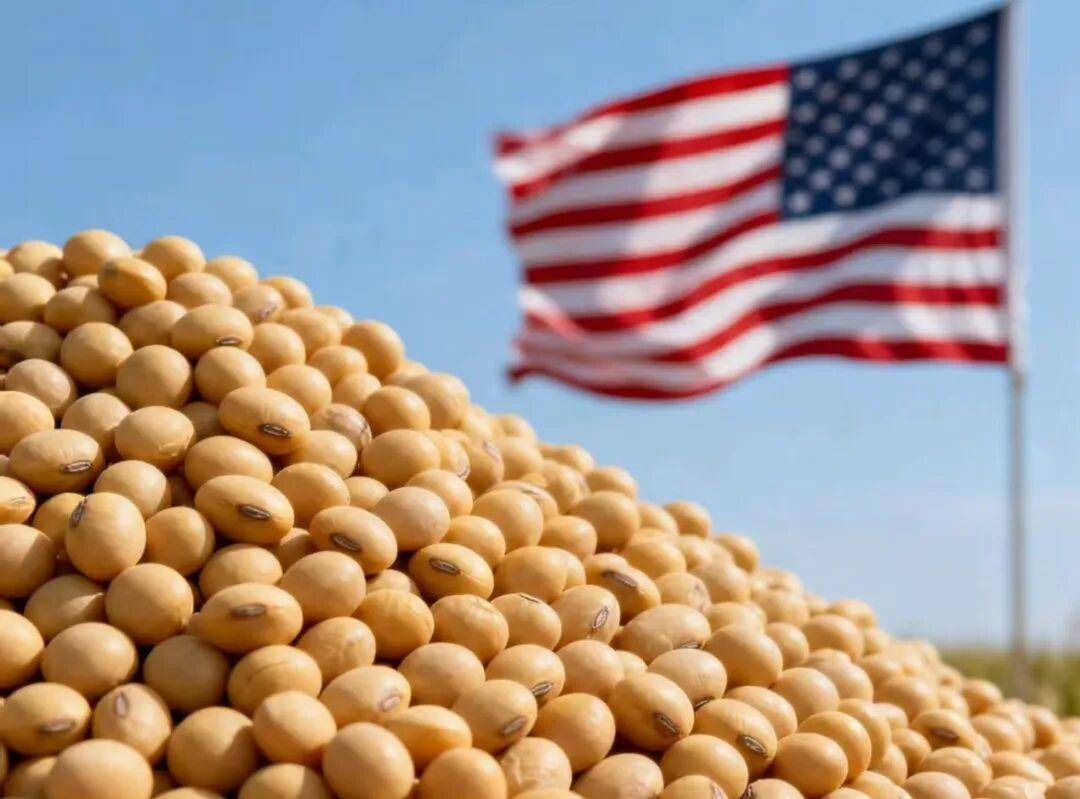
Group 1 - Chinese buyers have resumed purchasing U.S. soybeans, which is a positive development for American farmers [2] - During the trade war, U.S. soybeans faced significant market challenges, with Brazil and Argentina increasing their market share [2] - Brazil's soybean exports to China are projected to reach 80% by 2025, with a 16% increase in sales compared to the previous year [2] Group 2 - Analysts express uncertainty regarding the total amount China will purchase, with predictions suggesting a "soft target" of 10 million tons by 2025 [2] - The Chicago futures market saw a decline of approximately 7% in December, reflecting pressure on soybean prices due to uncertainties [2] - The U.S. soybean association noted that Brazil's share of China's soybean imports has surged from 2% thirty years ago to 71% today [2] Group 3 - The resumption of U.S. soybean exports to China is seen as a victory for the U.S., but it also reflects significant changes in global trade dynamics [4] - China is actively working towards self-sufficiency in grain, with the soybean import dependency potentially dropping from 90% to below 30% in the next decade [4] - Since the trade war began in 2018, China has been adjusting its soybean consumption structure, reducing import demand by an average of 15 million tons annually [4]
全市供销系统农产品产销对接活动举行
Xin Lang Cai Jing· 2026-01-01 12:36
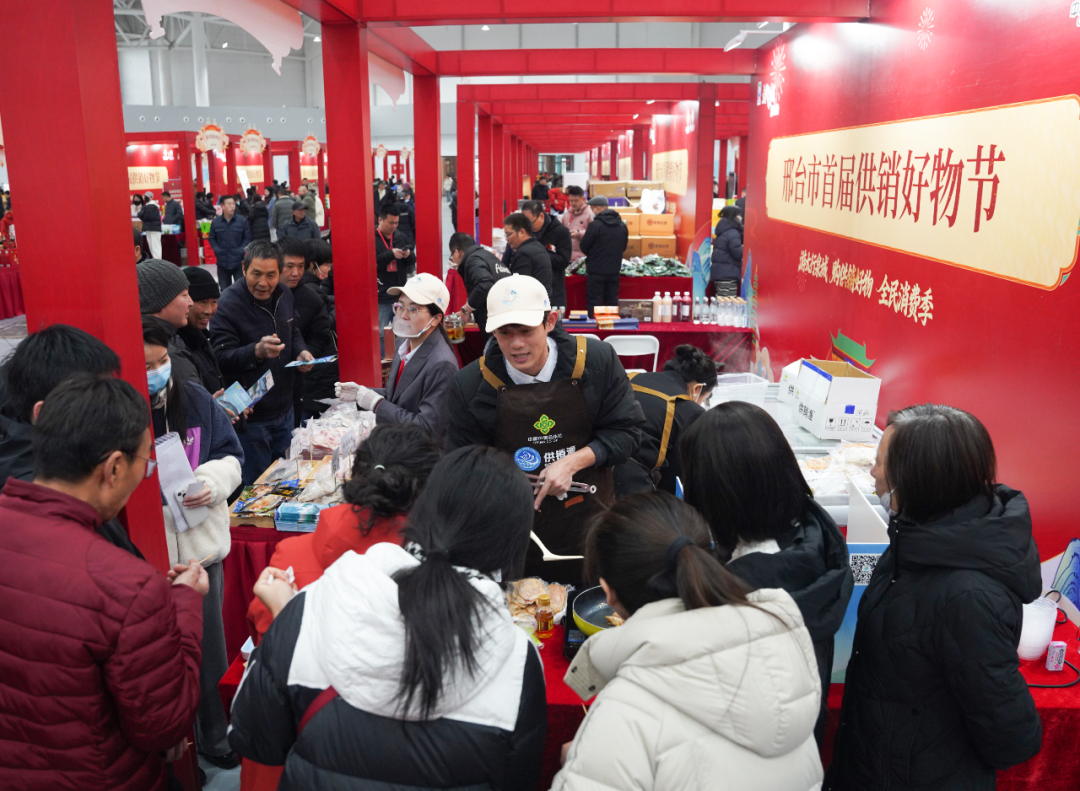
Group 1 - The event aims to establish a national agricultural product supply and marketing platform and create a "Supply and Marketing Quality Products" brand matrix to empower rural industrial revitalization [3] - The event features four major exhibition areas: Supply and Marketing Alliance, Jisupply Hui, County Specialty, and Live Streaming Sales, with a total of 72 exhibition booths showcasing over 2,000 specialty agricultural products [3] - Multiple e-commerce companies are conducting live streaming sales on-site to expand product sales channels, with the event running until January 2, 2026 [3] Group 2 - An initiative was launched to promote the construction of a nationwide modern agricultural product circulation service network system [4] - The local supply and marketing system will continue to improve the collection and distribution system, expand terminal outlets, and strengthen brand cultivation to contribute to the development of Taihang Spring City and Beautiful Xingtai [4]
宁夏泾源“绿富共赢”案例登全球减贫榜 农旅融合铺就生态富民路
Zhong Guo Xin Wen Wang· 2026-01-01 07:48
Core Insights - The case study from Jingyuan County, Ningxia, titled "Ecological Priority and Dual-Driven Development for Prosperity" has been selected as one of the "Global Best Poverty Alleviation Cases" in the sixth global poverty alleviation case collection activity, highlighting the effectiveness of local poverty alleviation efforts and the practical value of ecological prioritization [1][4] Group 1: Ecological and Economic Development - Jingyuan County is located in the core area of the Liupan Mountain National Nature Reserve, with a forest coverage rate of 48.65% and over 93% of days in a year having good air quality, earning it titles such as "Highland Green Island" and "Natural Water Tower" [3] - The county has shifted from a single industrial structure to a model that integrates ecology, culture, and tourism, establishing a green development path through "deep integration of agriculture and tourism" [3][4] - Jingyuan County has built 16 agricultural and cultural tourism integration demonstration bases and revitalized 12 boutique homestays, enhancing the brand value of local products like Jingyuan beef and honey to 3.519 billion yuan and 144 million yuan respectively [3] Group 2: Tourism and Employment - The county has developed a four-season tourism product system to overcome the "one-season tourism" bottleneck, creating job opportunities for over 80 villagers with an average monthly income increase of over 3,000 yuan [3][4] - Jingyuan County has received multiple honors, including being recognized as a "Green Water and Green Mountain is Gold Mountain and Silver Mountain" practice innovation base and "China's Natural Oxygen Bar," with 40,000 people benefiting from tourism services and agricultural product sales [4] Group 3: Policy and Framework - Since 2017, the Ministry of Ecology and Environment has designated 331 "Green Water and Green Mountain is Gold Mountain and Silver Mountain" practice innovation bases, exploring three transformation paths: "Protect Green for Gold," "Gather Green for Gold," and "Borrow Green for Gold," which have effectively promoted ecological protection and green low-carbon development [5]

“四季同心 乐购海门”盛大启幕,线上线下齐涌消费热潮
Yang Zi Wan Bao Wang· 2026-01-01 03:59
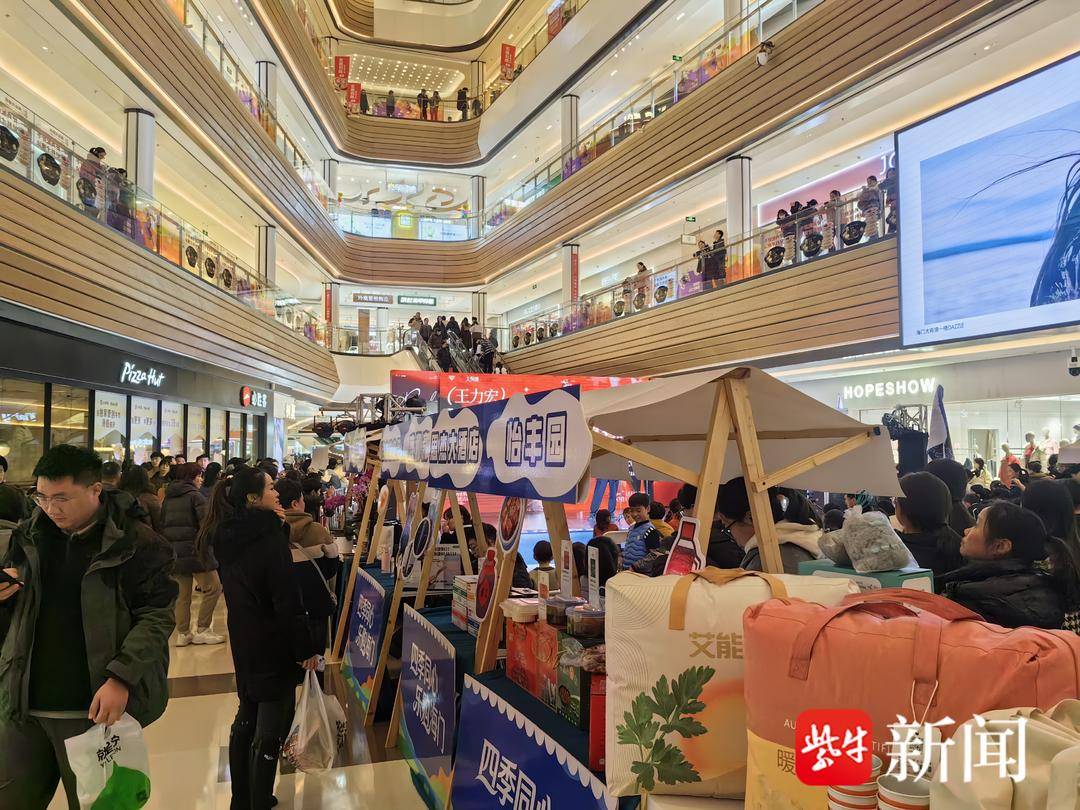
线上端,"东洲优品数字名录"同步上线,希诺股份、凯盛家纺等50余家本土名企的超百种核心产品集中亮相,构建起"一站式选购、全方位了解"的便捷平 台;直播间里,自媒体与本土网络大V轮番登场,以生动讲解、实时互动的方式推介海门好物,吸引了2万多网民在线咨询和选购。 红烧海门山羊肉、家纺、颐生酒、艺术绣品……元旦前一天,海门大有境商场内人头攒动,12个展台前围满了待消费的市民。"四季同心乐购海门"产供销 对接会(消费品专场)盛大启幕,这场集产品展示、供需对接、文化体验于一体的消费盛宴,为岁末的海门注入了强劲的经济暖流。 活动现场发布了具有海门特色的"东洲同心"系列城市伴手礼,包括含精美茶杯、养生酒等优质产品的"鸿运当头"贺岁礼,含草莓、番茄等新鲜农产品 的"甜蜜造物"四时轻甜礼,含风味香肠、海门山羊肉的"风物天成"滋味礼及含余东酱油、酱瓜等农家风味的"咸鲜至味"岁时封藏礼。这些包装精美的礼盒 一下子就吸引了现场观众和游客的目光,纷纷询价购买。 为顺应消费场景数字化、多元化的趋势,让海门优品走出"深闺"、触达更多消费者,活动创新打造"线上+线下"双线联动模式。 "我们将依托各级商会组织与广大统战代表人士的力量,凝聚多方 ...

一张“纸黄金”,双向赋能记——RCEP四载,云南的开放新节拍
Sou Hu Cai Jing· 2026-01-01 03:43
Core Insights - The Regional Comprehensive Economic Partnership (RCEP) has significantly benefited Yunnan's local industries by facilitating tariff reductions and enhancing market competitiveness for exports, particularly in agricultural products like blueberries [1][5][6]. Group 1: RCEP Implementation and Impact - RCEP has been in effect for four years, serving as a "golden key" for Yunnan's enterprises to access ASEAN markets, leading to substantial tariff reductions and increased competitiveness [1][5]. - Over the past four years, Kunming Customs has issued nearly 17,000 RCEP certificates, amounting to over 5.13 billion yuan in visa value, resulting in approximately 130 million yuan in tariff reductions for local businesses [3][6]. Group 2: Specific Case Studies - The blueberry industry in Honghe Prefecture has seen a significant boost, with RCEP certificates allowing for reduced tariff costs, enhancing market presence in ASEAN countries [5][6]. - In 2025, the issuance of RCEP certificates by Mengzi Customs reached 460, with a visa value exceeding 61.8 million yuan, marking a year-on-year increase of 1,380% and 690% respectively, and facilitating 3.09 million yuan in tariff savings for enterprises [6]. Group 3: Broader Economic Implications - RCEP's benefits extend beyond exports, positively impacting the import side of the supply chain, as seen with Yunnan Hongta Plastic Co., which saved over 600,000 yuan in import duties, allowing reinvestment into R&D and product innovation [6][7]. - The collaboration between customs and enterprises through tailored services and data platforms has enabled Yunnan businesses to fully leverage RCEP's advantages, fostering a cycle of cost reduction, quality improvement, and efficiency enhancement [7].
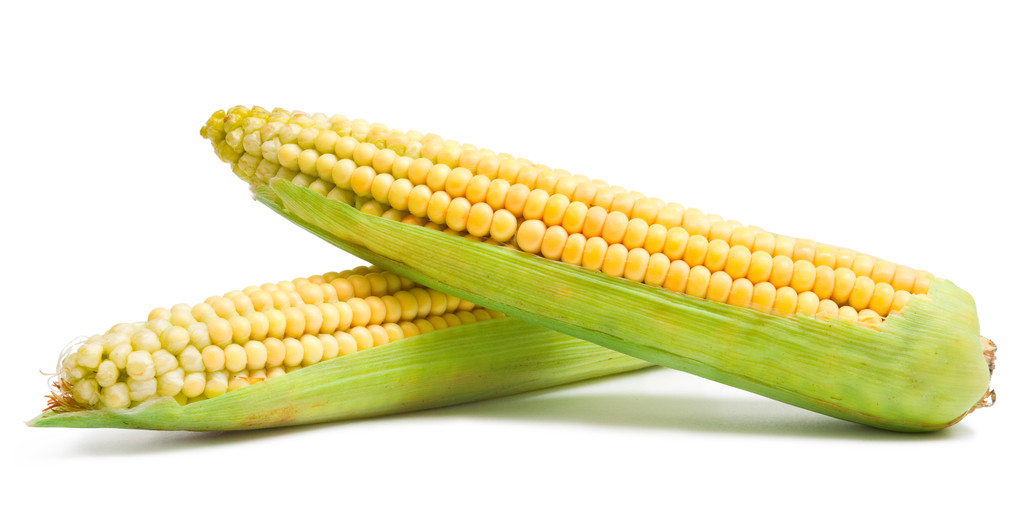
玉米市场多空博弈激烈 短期盘面或震荡运行
Jin Tou Wang· 2026-01-01 01:21
Core Viewpoint - The corn futures market is experiencing fluctuations with a slight weekly increase, while external factors such as import plans from Algeria and export estimates from Brazil are influencing the supply dynamics [1][2][4]. Group 1: Market Performance - As of December 31, 2025, the main corn futures contract closed at 2226 CNY/ton, with a weekly increase of 0.82% [1]. - The weekly trading range for corn futures was between 2217 CNY/ton and 2256 CNY/ton, with a reduction in open interest by 5461 contracts compared to the previous week [1]. Group 2: Supply and Demand Dynamics - Algeria's Ministry of Agriculture plans to import 1.15 million tons of feed corn by the end of February 2026 to address domestic supply shortages and stabilize the market [2]. - Brazil's corn export volume for December is projected at 3.52 million tons, a significant decrease from the previous week's estimate of 6.35 million tons [2]. - As of December 27, Brazil's first corn planting rate reached 85.6%, up from 82% the previous week and 80.8% the same time last year [2]. Group 3: Institutional Insights - Guodu Futures notes that the quality of new grain in North China has been affected, leading to increased purchases of Northeast grain by traders and a decline in port inventories, which supports corn prices [4]. - Donghai Futures indicates that the national corn market price is stable with slight strength, while the futures market rebound provides some support to market conditions [4]. - The current market is characterized by a fierce tug-of-war between bullish and bearish sentiments, with no clear directional guidance from the fundamentals, suggesting a phase of oscillation in prices [4].
800万吨,中方采购美国大豆最新数据披露,“美国人乐坏了”
Xin Lang Cai Jing· 2026-01-01 01:16
Core Viewpoint - Chinese buyers are resuming purchases of U.S. soybeans, with commitments to buy at least 8 million tons by 2025, which is positive news for U.S. exporters [1] Group 1: Purchase Commitments and Trends - Chinese buyers began purchasing U.S. soybeans in October, maintaining a steady pace that reassures U.S. exporters, with most shipments expected between December and March [1] - By 2025, Brazil is expected to export nearly 80% of its soybeans to China, with exports up 16% compared to the previous year [1] - The U.S. AgResource Company predicts that China may seek to purchase 10 million tons of U.S. soybeans by 2025, with an additional 2 million tons in January [1] Group 2: Market Dynamics and Price Pressure - Uncertainty regarding formal agreements between the U.S. and China is increasing pressure on soybean prices, with Chicago futures down approximately 7% in December, marking the worst monthly performance since July 2024 [2] - Farmers express surprise at the stability of Chinese purchases but remain frustrated with soybean price trends [2] Group 3: Historical Context and Future Projections - The trade conflict initiated by the Trump administration significantly harmed U.S. agricultural exports, allowing South American countries to capture market share [4] - Brazil now accounts for about 71% of China's soybean imports, a significant increase from just 2% 30 years ago [4] - A Goldman Sachs report indicates that China's reliance on soybean imports is expected to decrease from 90% to below 30% over the next decade due to efforts to enhance food self-sufficiency [8]