咖啡

Search documents
「碰杯站」完成5000万融资,想让更多人喝上「平价星巴克」 | 早起看早期
36氪· 2025-07-18 15:48
Core Viewpoint - The article discusses the emergence of "Pengbei Station," a smart beverage retail brand that aims to provide high-quality coffee at a significantly lower price point, leveraging advanced technology and innovative supply chain solutions to capture the growing coffee market in China [1][2]. Company Overview - "Pengbei Station" is operated by Hangzhou Huading Acoustic Technology Co., Ltd., which focuses on AIOT solutions for unmanned retail and aims to become the leading brand in the smart beverage machine sector [1][3]. - The company recently completed a financing round of 50 million yuan, primarily to accelerate market deployment, channel expansion, and operational optimization [1][6]. Market Context - The Chinese coffee market has been expanding rapidly, with an average annual growth rate exceeding 25% in recent years, driven by brands like Luckin Coffee [1][2]. - Despite a per capita annual coffee consumption of 22.24 cups in 2024, there remains a significant gap compared to Japan and South Korea, which have consumption rates of 281 cups and 353 cups, respectively [1][2]. Product Innovation - "Pengbei Station" offers a shared smart beverage machine that can deliver coffee for as low as 9.9 yuan, utilizing nitrogen-sealed capsules to maintain flavor and freshness for up to 18 months [3][4]. - The machines are designed to address common issues with traditional self-service coffee machines, such as food safety concerns and flavor inconsistency, by employing a closed capsule system and automated cleaning features [4][5]. Technological Advancements - The beverage machines are equipped with five precision robotic arms to simulate manual brewing processes, ensuring consistent quality and the ability to serve both hot and cold drinks [4][5]. - The machines can accommodate up to 20 different SKUs, allowing for a diverse range of beverage options beyond coffee, including milk tea and juice [4][5]. Strategic Expansion - "Pengbei Station" is pursuing a "thousand cities, ten thousand stores" plan, aiming to deploy over 20,000 machines across approximately 1,000 districts and counties in China [6][7]. - The partnership with Nantian Shujin, which has connections to Yunnan's coffee production, enhances the supply chain efficiency and quality of coffee beans used in their machines [6][7].


茶咖日报|从LOGO到包装全面模仿,幸猫咖啡因侵权被判赔偿瑞幸500万
Guan Cha Zhe Wang· 2025-07-18 11:08
Group 1: Legal Issues in the Coffee Industry - Luckin Coffee won a trademark infringement case against Lucky Cat Coffee, resulting in a compensation of 5 million yuan [1][2] - The court found that the trademarks of Lucky Cat Coffee and Luckin Coffee were highly similar in appearance and visual effects, increasing the likelihood of confusion [2] - The infringing company, Hot Flow Company, was deemed to have acted with obvious malicious intent, profiting significantly from the infringement [2] Group 2: Strategic Partnerships and Sustainability Initiatives - Starbucks China announced a strategic partnership with Envision Group to develop a digital carbon management platform, aiming to cover 100% of its direct and indirect suppliers over the next three years [3] - The partnership will enhance sustainability practices in over 7,500 Starbucks stores, integrating smart IoT systems for real-time data tracking and energy efficiency [3] - Envision's solutions in the Starbucks Coffee Innovation Park include solar energy, smart storage, and digital carbon management systems to achieve energy savings and carbon reduction [3] Group 3: Market Expansion - Blue Bottle Coffee opened its first independent store in Southeast Asia at the Palais Renaissance shopping center in Singapore, following the success of its previous franchise [7] - The new store features a menu that includes Bella Donovan espresso drinks starting at 6.50 SGD, along with exclusive products like yogurt bowls and homemade waffles [7] Group 4: Environmental Restoration Efforts - Nestlé and Barry Callebaut announced a collaboration with Re.green to restore cocoa and coffee-growing regions in Brazil as part of their environmental restoration project [8][9] - The initiative aims to plant 11 million trees over 8,000 hectares, with Nestlé fully funding the Re.green project and covering 60% of Barry Callebaut's costs [9]


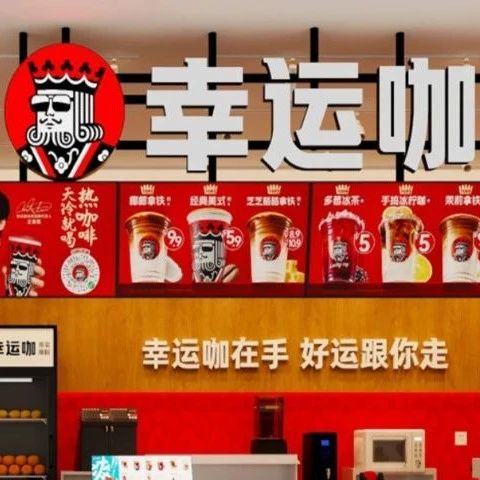
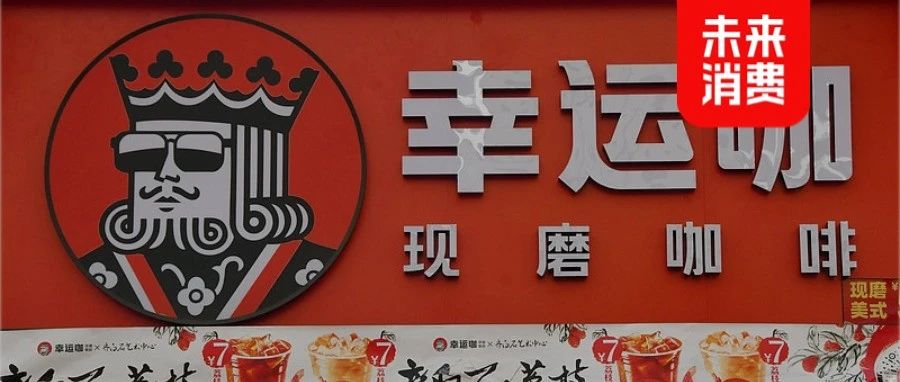
幸运咖2025年门店目标数1万家,下半年主战场转向一二线城市|36氪独家
36氪· 2025-07-18 09:23
Core Viewpoint - Lucky Coffee aims to expand aggressively into high-tier cities, targeting a total of 10,000 stores by 2025, with a current count of nearly 7,000 stores, primarily in lower-tier cities [5][6]. Expansion Strategy - Lucky Coffee has adjusted its expansion strategy to focus on first and second-tier cities, particularly in the Yangtze River Delta and Pearl River Delta regions, with commercial streets as key locations [5]. - The brand's previous focus was on lower-tier markets, with approximately 70% of its stores located in third-tier cities and below as of 2024 [5]. Market Positioning - Lucky Coffee differentiates itself from competitors by maintaining a price point of 6-8 yuan, which is perceived as a real price rather than a subsidized one, thus ensuring profitability [5][6]. - The company benefits from its affiliation with Mixue Ice Cream, allowing for unified sourcing of raw materials and shared logistics, which enhances its competitive edge [6]. Product Strategy - Lucky Coffee has introduced a range of products priced between 6-8 yuan, including 14 new fruit coffee options, signaling its intent to penetrate the first-tier city market [7]. - The brand is also focusing on promoting its "American-style coffee" priced at 5.9 yuan, which has become one of its top-selling products [7]. Competitive Landscape - The coffee market is experiencing intense competition, with major players like Luckin Coffee, Kudi, and others ramping up their store expansion plans [8]. - For instance, Luckin Coffee has increased its store opening target from 4,000 to 8,000 for the year, while Gu Ming has raised its target from 1,000 to 3,000 [8]. Operational Insights - Lucky Coffee's average daily revenue per store reached a peak of 5,732 yuan during a recent promotional event, although the company remains focused on in-store consumption rather than delivery services [7]. - The company has recently launched a new roasting line in Hainan, which is the largest for Mixue Group, enhancing its production capacity [7].
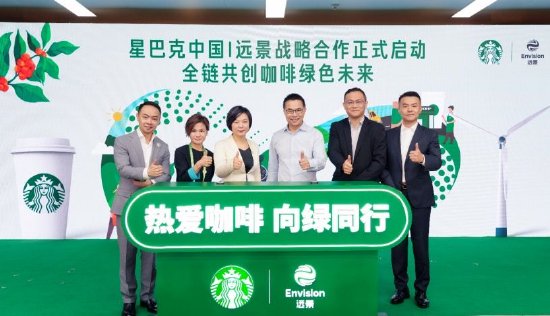
星巴克中国与远景达成战略合作,未来三年将构建供应链碳管理平台
Xin Lang Ke Ji· 2025-07-18 08:31
Core Viewpoint - Starbucks China has announced a strategic partnership with Envision Group to develop a digital carbon management platform aimed at reducing carbon emissions across its supply chain over the next three years [1][2]. Group 1: Strategic Partnership - The collaboration will cover 100% of Starbucks' direct suppliers and key indirect suppliers, focusing on measuring the carbon footprint of thousands of products [1][2]. - The partnership aims to create a new model of "full-chain collaborative carbon reduction" [1]. Group 2: Sustainability Initiatives - Starbucks has integrated Envision's smart IoT operating system in over 7,500 stores, enabling real-time data tracking for energy efficiency and carbon reduction [1]. - The Starbucks Coffee Innovation Park utilizes Envision's "zero-carbon integrated energy solution" to achieve energy savings, cost reduction, and carbon reduction through various measures such as solar panels and digital carbon management systems [1]. Group 3: Supply Chain Carbon Emissions - Approximately 70% of Starbucks' total carbon emissions come from suppliers, prompting the company to focus on complex supply chain carbon reduction efforts [2]. - The partnership will provide suppliers with clear insights into their carbon emissions, with pilot projects in sustainable dairy aiming for refined carbon management through green energy procurement and optimized feed management [2].
环球热评局:加码新兴服务业 提振消费大市场
Huan Qiu Wang· 2025-07-18 07:27
Group 1 - The core viewpoint emphasizes the strengthening of domestic consumption as a strategic move to stabilize the economy, with a focus on implementing specific actions to boost consumption [1] - The contribution of domestic demand to GDP growth reached 68.8% in the first half of the year, with final consumption expenditure accounting for 52% [1] - The introduction of 500 billion yuan in platform consumption vouchers by Taobao Flash has significantly lowered consumption barriers, leading to explosive growth in summer economic activities across various regions [1] Group 2 - Service consumption is identified as a key driver for economic growth, with the potential to support more small and medium-sized businesses and create jobs, thus forming a positive cycle [2] - Since the launch of Taobao Flash, 240,000 new merchants have joined the platform, with non-food orders exceeding 16% of total orders, and average revenue per store for new small merchants nearly doubling in June [2] - The dual model of "platform subsidies + merchant leverage" is seen as a way to avoid traditional price wars, with government support for consumption and service industry investment [2] Group 3 - The rapid expansion of emerging service industries is becoming a major new driver of economic growth, as evidenced by significant increases in orders and revenue for various businesses [3] - The implementation of 500 billion yuan in consumption vouchers has revealed key patterns in consumer behavior, indicating that coordinated efforts between policy, platform support, and merchant responsiveness can accelerate new consumption [3] - The emphasis on fully releasing domestic demand potential is reflected in the details of new merchant digital capabilities and significant increases in nighttime revenue for stores [3] Group 4 - The approach of platforms not competing against merchants but instead empowering them can enhance merchant enthusiasm and create a larger consumer market [4]

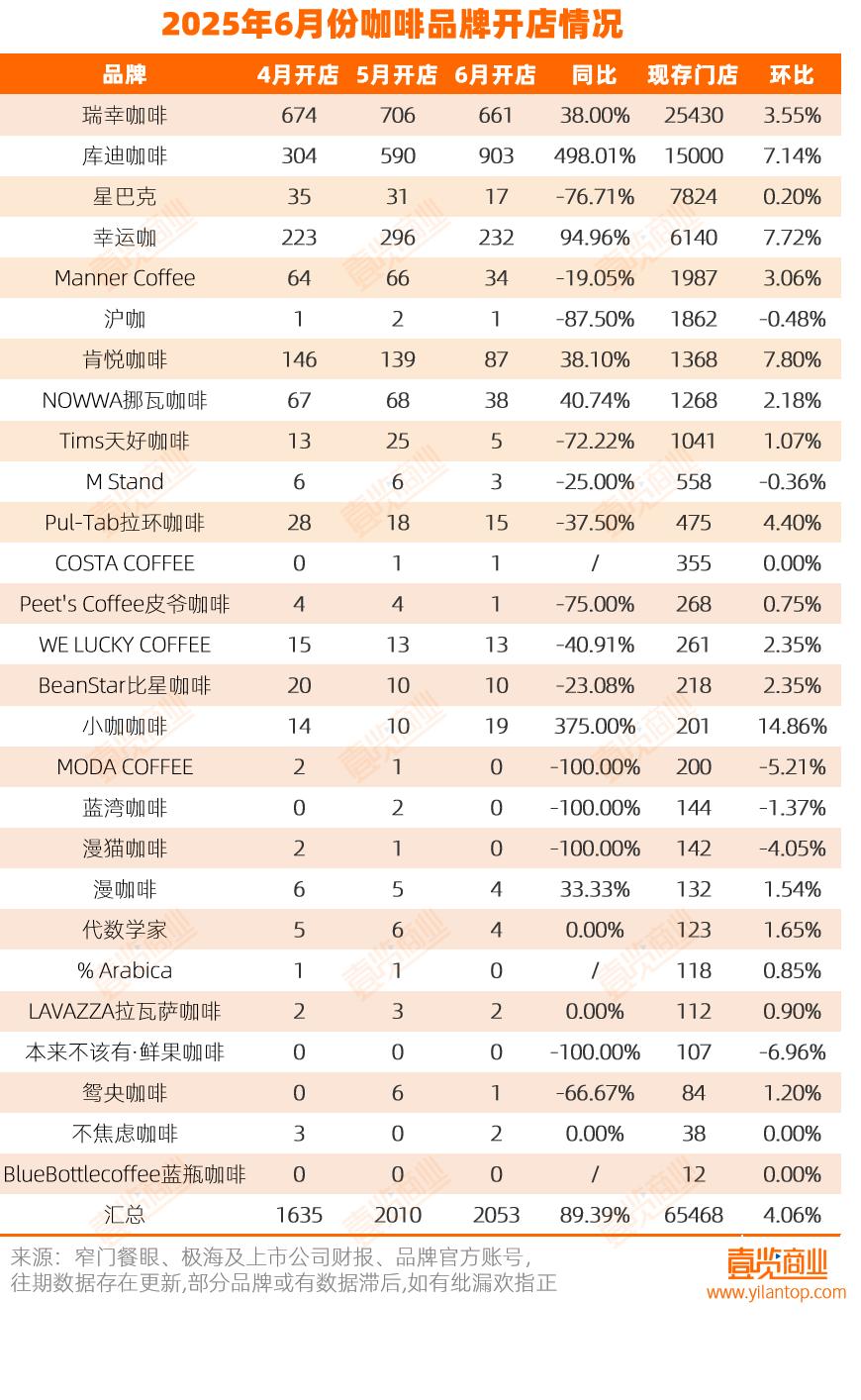
咖啡,6月开店2053家
3 6 Ke· 2025-07-18 03:21
Core Insights - The coffee shop industry is experiencing significant growth, with a total of 2,053 new stores opened in June, representing a 2.14% month-over-month increase and an 89.39% year-over-year increase, bringing the total number of stores to 65,468 [1][2][3] Brand Performance - Luckin Coffee opened 661 new stores in June, a year-over-year increase of 38%, while Kudi Coffee led with 903 new stores, marking a staggering 498.01% increase [2][3] - Starbucks saw a decline in new openings, with only 17 stores opened in June, a decrease of 76.71% year-over-year, while maintaining a total of 7,824 existing stores [2][3] - Kudi Coffee's existing store count surpassed 15,000, reflecting rapid expansion, while Luckin Coffee's store count exceeded 6,000, having doubled in the past year [5][13] Product Innovation - A total of 79 new SKUs were launched across 27 brands in June, with Starbucks leading with 12 new products, followed by Kudi Coffee and Luckin Coffee with 11 and 10 new products, respectively [7][9] - Seasonal flavors and health-oriented products are trending, with many brands introducing fruit-infused coffee options to cater to summer preferences [10][11] Marketing Strategies - Collaborative marketing is becoming a norm, with 19 partnerships in June, notably increased activity from Luckin Coffee, which engaged in four collaborations, including popular IPs like SpongeBob [11][12] - The focus on animated IP collaborations is evident, with brands like Starbucks and Kudi Coffee targeting family-friendly and youth demographics through strategic partnerships [12][13] Industry Outlook - The coffee industry is shifting towards refined operations and product differentiation, with local brands gaining traction against international competitors [13]
星巴克中国与远景达成战略合作
news flash· 2025-07-18 03:20
Core Viewpoint - Starbucks China announced a strategic partnership with Envision Technology Group to enhance carbon management through a digital platform, aiming to cover 100% of its direct and significant indirect suppliers over the next three years [1] Group 1: Strategic Partnership - The collaboration is based on existing green store initiatives and the Starbucks Coffee Innovation Park [1] - The partnership will focus on creating a digital carbon management platform to measure the carbon footprint of thousands of items [1] Group 2: Carbon Footprint Management - The initiative aims to customize carbon reduction pathways for suppliers, promoting a new model of "full-chain collaborative carbon reduction" [1] - The project will gradually encompass all direct sourcing suppliers and key indirect procurement suppliers [1]
第三届链博会上的“健康链”:中外企业共筑大健康产业生态
Huan Qiu Wang· 2025-07-18 03:10
Group 1 - The third China International Supply Chain Promotion Expo (Chain Expo) was held from July 16 to 20 in Beijing, showcasing vibrant cooperation between domestic and foreign enterprises in the health and wellness sector [1] - Starbucks China participated for the third consecutive time, forming a carbon reduction alliance with strategic partners and showcasing its ready-to-drink business for the first time at the expo [2] - L'Oréal, the only foreign beauty company at the expo, highlighted its innovative capabilities in the daily chemical and beauty industry, with 62% of its sales coming from products manufactured in China [2][4] Group 2 - Tsingtao Group presented its complete supply chain system at the expo, celebrating the 50th anniversary of China-Thailand diplomatic relations and emphasizing the importance of China in the global supply chain [3] - The CEO of Tsingtao Group expressed confidence in China's economic prospects and the unique advantages of its supply chain, viewing the expo as a valuable opportunity for international collaboration [3] - Traditional Chinese medicine companies showcased innovative health experiences, with Yiling Pharmaceutical presenting a series of innovative traditional Chinese medicines based on the theory of collateral diseases [4] Group 3 - China Resources Group exhibited its comprehensive health industry ecosystem, focusing on the theme of "Guarding Health Across the Chain, Creating a Better Life" through multimedia interactions and core product displays [5] - Guangdong province, as the guest province, showcased 64 enterprises, including China Resources Group and TCL, highlighting the integration of traditional medicine and modern technology [5] - The health life chain exhibition area demonstrated China's core position in the global health industry chain and the innovative fusion of traditional medicine with modern technology [5]
幸运咖2025年门店目标数1万家,下半年主战场转向一二线城市|独家
36氪未来消费· 2025-07-17 11:53
Core Viewpoint - Lucky Coffee is aggressively expanding its presence in high-tier cities, aiming for a total of 10,000 stores by 2025, with a current count of nearly 7,000 stores, primarily in lower-tier cities [3][4]. Expansion Strategy - The company is shifting its focus to first and second-tier cities, particularly in the Yangtze River Delta and Pearl River Delta regions, with commercial streets as key expansion points [3]. - Lucky Coffee's previous strategy concentrated on lower-tier markets, with approximately 70% of its stores located in third-tier cities and below as of 2024 [3]. Financial Performance and Goals - The target of 10,000 stores by 2025 represents a 150% increase in store count from the previous year [3]. - The company experienced a slowdown in store expansion after reaching 2,300 stores in 2022, but resumed growth in 2024, surpassing 4,000 stores by year-end [3]. Competitive Advantages - Lucky Coffee differentiates itself from competitors by maintaining a real price model without heavy subsidies, allowing for profitability despite competitive pricing [4]. - The company benefits from its affiliation with Mixue Ice Cream, which provides unified sourcing of raw materials and shared logistics, enhancing its supply chain efficiency [5]. Market Trends - The coffee market in China is becoming increasingly homogenized, with major brands like Starbucks and Luckin Coffee penetrating lower-tier cities, reducing the gap in consumer perception of coffee [5]. - Lucky Coffee has introduced new products, including 14 types of fruit coffee priced between 6-8 yuan, signaling its intent to compete in higher-tier markets [5]. Industry Competition - The coffee sector is expected to see intensified competition in 2023, with major players like Luckin Coffee and others ramping up their store expansion plans significantly [6].
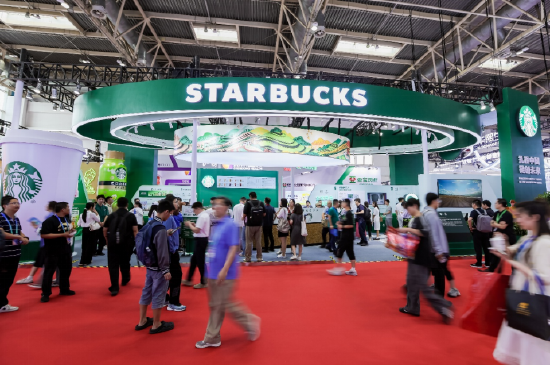
星巴克中国连续第三届亮相链博会
Xin Lang Cai Jing· 2025-07-16 14:59
Core Viewpoint - Starbucks China showcased its commitment to sustainable supply chain practices at the China International Supply Chain Promotion Expo, emphasizing its long-term dedication to the Chinese market and the launch of its ready-to-drink business in collaboration with strategic partner Envision [2] Group 1: Sustainable Practices - The design of Starbucks' exhibition booth was inspired by the journey of sustainable coffee, highlighting the green journey from raw beans to coffee [2] - Approximately 70% of carbon emissions in the entire value chain come from upstream suppliers, prompting Starbucks to form a carbon reduction alliance with Envision and supplier partners [2] - Starbucks plans to utilize the "Ark Energy Carbon Management Digital System" to measure the carbon footprint of numerous core suppliers and thousands of products, aiming to provide tailored solutions for carbon reduction [2][3] Group 2: Green Store Certification - Since 2021, Starbucks has been optimizing its "Green Store Certification System" in China, which includes eight sustainable criteria and 25 detailed indicators, ensuring a green process from design to daily operations [3] - Currently, 2,100 Starbucks stores nationwide have received green store certification and utilize 100% green-certified electricity [3] - Over 7,500 stores are connected to the intelligent IoT system, enabling real-time tracking of various data and providing energy-saving and carbon reduction optimization solutions [3] Group 3: Product and Packaging Innovations - Starbucks China has introduced plant-based dietary options such as oat milk and almond milk, which not only enrich customer choices but also effectively reduce carbon emissions in the value chain [3] - The packaging strategy follows the principles of reduction, reuse, and recycling [3] - The ready-to-drink segment is actively working with industry partners to build a green supply ecosystem by expanding the use of recyclable materials and reducing the use of virgin plastics [3]