扫地机器人

Search documents
大疆、影石、追觅,正在互相“偷家”?
凤凰网财经· 2025-08-30 12:19
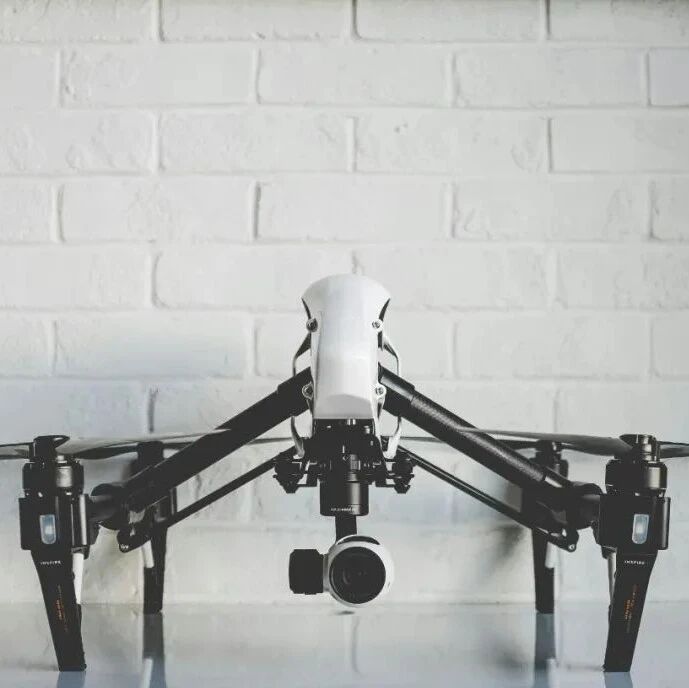
Core Viewpoint - The article discusses the escalating competition among major players in the consumer electronics market, specifically focusing on DJI, Insta360 (影石), and Dreame Technology (追觅), as they venture into each other's core business areas, leading to a "stealing home" strategy in their respective markets [4][10][21]. Group 1: Company Strategies and Market Movements - Insta360's founder Liu Jingkang gained attention for a high-profile cash giveaway, which coincided with the launch of their panoramic drone, the Antigravity A1, marking their entry into DJI's territory [4][6]. - DJI has been proactive in expanding its product line, recently launching the Osmo 360 panoramic camera, which directly competes with Insta360's products [5][13]. - Dreame Technology is also diversifying, confirming its entry into the drone market, while its affiliated company Photon Leap plans to release an action camera [5][15]. Group 2: Market Position and Financial Performance - DJI holds over 70% of the global consumer drone market, with projected revenues of 80 billion yuan and net profits of 12 billion yuan for 2024 [6][8]. - Insta360 has a 67.2% market share in the global panoramic camera market and ranks second in the action camera market, with expected revenues of 5.57 billion yuan and net profits of 990 million yuan for 2024 [8][9]. - Dreame Technology is projected to achieve revenues of 15 billion yuan in 2024, surpassing Insta360 but still trailing behind DJI [9]. Group 3: Industry Trends and Competitive Dynamics - The boundaries between drones, panoramic cameras, and robotic vacuums are blurring due to advancements in underlying technologies, prompting companies to seek new growth avenues [16][23]. - The saturation of the consumer drone market is pushing DJI to explore new product lines, while Insta360 faces pressure to innovate post-IPO [17][18]. - The competitive landscape is characterized by price wars, with companies like DJI and Insta360 adjusting their pricing strategies to capture market share [24][27]. Group 4: Challenges and Future Outlook - The transition into new product categories poses risks, as companies must navigate technical challenges and consumer perceptions [29]. - The success of new products will depend on their ability to resonate with consumers, despite existing brand loyalty in their core markets [28][29]. - The article suggests that the ultimate winner in this competitive landscape will be determined by which company can effectively address its weaknesses while leveraging its strengths [29].

以数据见证专业:QYResearch 2025年8月权威引用案例精选
QYResearch· 2025-08-29 23:04
Group 1 - The global game console accessories market is projected to reach $16.49 billion in 2024 and $34.24 billion by 2031, with a compound annual growth rate (CAGR) of 11.2% from 2025 to 2031 [4] - The flexible tactile sensor market is expected to grow from approximately $1.53 billion in 2022 to $5.32 billion by 2029, with a CAGR of 17.9% [7][28] - The IoT smart terminal market for two-wheeled vehicles is forecasted to reach $19.75 billion by 2031, with a CAGR of 16.3% from 2025 to 2031 [11] Group 2 - The Southeast Asian metal packaging market for food and beverages is anticipated to reach $5.75 billion by 2029, providing significant growth opportunities for companies in the region [13] - The global electric scooter market is projected to reach $2.37 billion in 2024 and $5.685 billion by 2031, with a CAGR of 13.5% from 2025 to 2031 [16] - The automotive micro-motor market is expected to reach $20.4 billion by 2031, driven by the increasing use of micro-motors in high-end electric vehicles [18] Group 3 - The global SiC power module market is estimated to reach $65.71 billion by 2030, with a CAGR of 24.1% from 2024 to 2030 [20] - The edge AI chip market is projected to grow from $3.246 billion in 2024 to $9.342 billion by 2031, with a CAGR of 16.5% [22] - The quartz crystal component market is dominated by the top ten manufacturers, holding a combined market share of 66.4%, with the company ranking ninth globally at 3.08% [24] Group 4 - The global robotic multi-finger dexterous hand market is expected to exceed $5 billion by 2030, with a CAGR of 64.6% from 2024 to 2030 [51] - The global high-pressure cleaning machine market is projected to reach $4.42 billion by 2031, with a CAGR of 4.7% from 2025 to 2031 [53] - The global FMM market is expected to grow from $365 million in 2024 to $952 million by 2031, indicating a shift in industry dynamics [56]

东海证券:8月新品发布或拉动扫地机器人需求 关注石头科技等
Zhi Tong Cai Jing· 2025-08-28 04:05
Core Insights - The Chinese robotic vacuum cleaner market is experiencing strong growth, with retail sales increasing by 41.1% year-on-year in the first half of 2025, and unit sales rising by 40.7% [1][2] - Leading companies are enhancing product competitiveness through technological innovations such as bionic robotic arms and AI interaction, which are expected to attract consumers despite challenges from high base comparisons in Q4 [1][2] Group 1: Market Performance - The domestic retail sales of robotic vacuum cleaners reached a significant growth of 41.1% year-on-year in H1 2025, with unit sales up by 40.7% [1] - The average online retail price of robotic vacuum cleaners showed a slight decline in May and June, with a year-on-year decrease of 4.9% and 5.0%, respectively, before a recovery in July [3] Group 2: Product Innovation and Brand Strategy - Major brands are focusing on product innovation to reduce market homogenization, incorporating advanced technologies to enhance user experience [1] - New product launches in August by leading brands like DJI, Roborock, and Ecovacs are expected to attract consumer interest, despite the anticipated challenges during the "Double Eleven" shopping festival [2] Group 3: Global Market Trends - The global smart robotic vacuum cleaner market is projected to ship 20.6 million units in 2024, with a year-on-year growth of 11.2%, and an expected sales revenue of $9.31 billion, reflecting a 19.7% increase [4] - The average price of robotic vacuum cleaners is anticipated to rise by 7.6% to $452 in 2024 due to technological advancements [4] Group 4: Competitive Landscape - Chinese brands dominate the global market, with the top four positions in robotic vacuum cleaner shipments held by Chinese companies, led by Roborock [5] - The growth of cross-border e-commerce has provided Chinese brands with opportunities to penetrate high-end overseas markets, with significant sales increases noted in North America and Northern Europe [5]


石头科技“贪大”,昌敬“不务正业”
Sou Hu Cai Jing· 2025-08-27 12:06
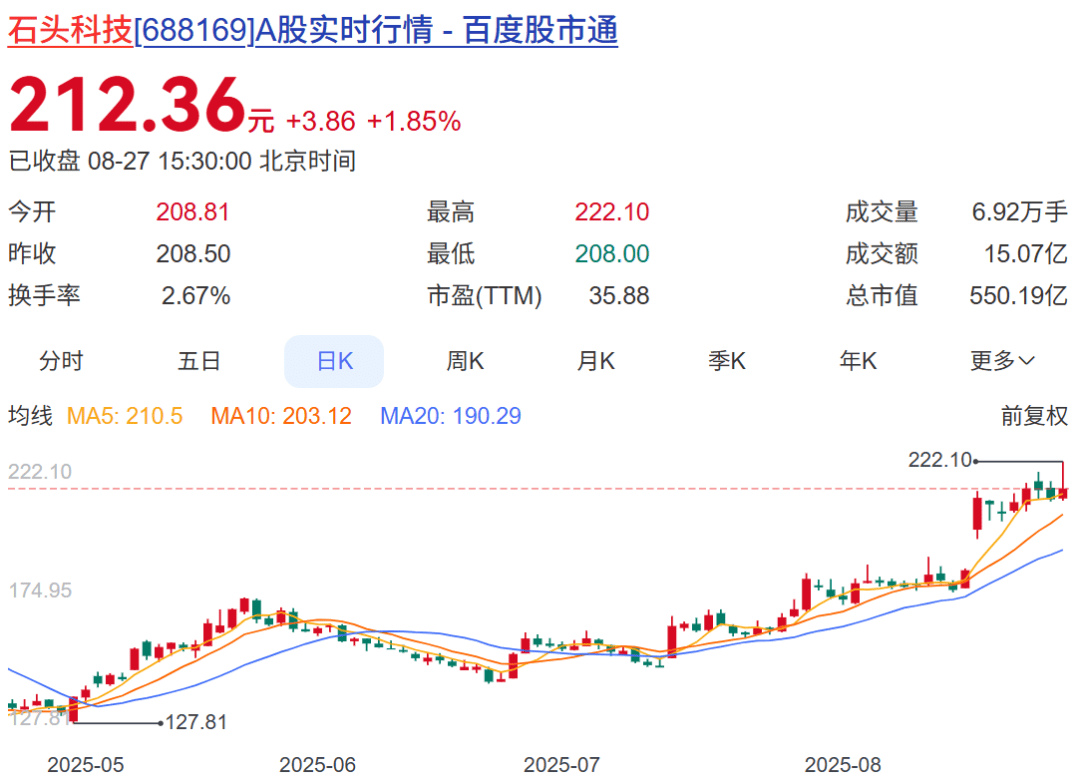
Core Viewpoint - The article discusses the decline of Stone Technology, once a leading player in the robotic vacuum market, highlighting the challenges faced by the company due to its founder's shift in focus towards electric vehicle development and the resulting impact on its financial performance and investor confidence [1][4][22]. Financial Performance - In the first half of the year, Stone Technology reported a revenue increase of 78.96% year-on-year, reaching approximately 7.9 billion yuan, but the net profit excluding non-recurring gains fell by 41.96% [15][16]. - From 2022 to 2024, Stone Technology's revenue grew from 66.1 billion yuan to 119.18 billion yuan, while net profit decreased from 11.84 billion yuan to 19.77 billion yuan, indicating a troubling trend of increasing revenue but declining profitability [11][14]. - The company's net profit for Q3 2024 dropped by 43.4% year-on-year, marking the largest single-quarter decline since its IPO [11][14]. Market Position and Competition - Stone Technology maintains a leading market share in the robotic vacuum sector but faces increasing competition from established rivals like Ecovacs and new entrants such as DJI [4][22]. - Despite achieving a global market share of 19.3% in Q1 2025, the company is experiencing challenges in its high-end market strategy, particularly in overseas markets where gross margins have declined [22][23]. Leadership and Strategic Direction - Founder Chang Jing's focus has shifted towards his new venture, Extreme Stone Automotive, leading to concerns about his commitment to Stone Technology [4][8][20]. - Chang's significant stock sell-off, totaling nearly 9 billion yuan, has raised questions about his priorities and the financial health of Stone Technology [20][23]. - The company is preparing for a secondary listing on the Hong Kong Stock Exchange, which is seen as a critical step for expanding its global market presence [21][23]. Investor Sentiment - Investor confidence has waned, with some expressing frustration over Chang's perceived lack of focus on Stone Technology amid his automotive ambitions [4][18][23]. - The company's stock price has significantly declined, with a market capitalization drop of approximately 46% from its peak [16][22].
东海证券:直面竞争持续创新 扫地机行业放眼全球潜力可期
Zhi Tong Cai Jing· 2025-08-27 04:01
Group 1 - The core viewpoint of the report highlights that leading companies in the robotic vacuum cleaner industry are continuously upgrading basic functions while integrating advanced technologies to enhance user experience and reduce market homogenization [1] - Domestic sales data shows positive growth, with retail sales of robotic vacuum cleaners in China increasing by 41.1% year-on-year in the first half of 2025, and sales volume rising by 40.7% [1] - The application of innovative technologies such as bionic robotic arms, self-cleaning features, and AI interaction has significantly improved the adaptability and user-friendliness of robotic vacuum cleaners [1] Group 2 - The average online retail price of robotic vacuum cleaners has shown fluctuations, with a year-on-year decrease of 4.9% in May and 5.0% in June, followed by a 4.3% increase in July [2] - The high-end market's retail sales accounted for 13.7%, 16.1%, and 16.6% in May, June, and July respectively, indicating a growing segment [2] - The price segment of 3500-4000 yuan accounted for the highest market share at 21.8% in July, with brands like Ecovacs and DJI focusing on the high-end market [2] Group 3 - The global market for robotic vacuum cleaners is projected to see significant growth, with an expected shipment of 20.6 million units in 2024, representing a year-on-year increase of 11.2% [3] - The total sales revenue for the global robotic vacuum cleaner market is anticipated to reach 9.31 billion USD in 2024, reflecting a year-on-year growth of 19.7% [3] - The average price of robotic vacuum cleaners is expected to rise by 7.6% to 452 USD in 2024 due to technological advancements [3] Group 4 - Chinese brands are expected to dominate the global market, with the top four robotic vacuum cleaner shipments in Q1 2025 being Chinese brands, led by Stone Technology [4] - Stone Technology achieved the highest market share in various Amazon channels across Europe, the US, and Australia during the 2025 Prime Day [4] - The development of cross-border e-commerce has provided Chinese brands with opportunities to penetrate high-end overseas markets, with significant growth in sales in North America and Northern Europe [4]
家用电器行业简评:扫地机器人:直面竞争推动创新,放眼全球拓展可期
Donghai Securities· 2025-08-26 11:05
Investment Rating - The industry investment rating is "Overweight" indicating that the industry index is expected to outperform the CSI 300 index by 10% or more in the next six months [6]. Core Insights - The domestic sales data for robotic vacuum cleaners is positive, with retail sales in the first half of 2025 showing a year-on-year increase of 41.1% and sales volume up by 40.7%. Leading companies are integrating advanced technologies to enhance user experience and reduce market homogenization [5]. - The global market for robotic vacuum cleaners is substantial, with an expected shipment of 20.6 million units in 2024, representing a year-on-year growth of 11.2%. The market revenue is projected to reach $9.31 billion, growing by 19.7% [5]. - Chinese brands are leading the global market, with the top four brands in terms of shipment volume being Chinese. Stone Technology holds the largest market share, and the company has achieved significant sales growth in various international markets [5]. Summary by Sections Investment Recommendations - Focus on domestic robotic vacuum cleaner companies such as Ecovacs and Roborock [4]. Market Trends - The average retail price of robotic vacuum cleaners has shown fluctuations, with a year-on-year decrease of 4.9% in May and June, followed by a slight increase of 4.3% in July. The high-end market's retail share has been increasing [5]. Product Innovation - Companies are launching new products to meet diverse consumer needs, with Ecovacs introducing a mini model priced under 2000 yuan aimed at younger consumers [5]. Competitive Landscape - The entry of new competitors like DJI into the robotic vacuum market is expected to drive further innovation and competition among existing brands [5].
杉川机器人公司—— 让清洁机器人更智能
Jing Ji Ri Bao· 2025-08-25 22:00
Core Insights - Shenzhen Shanchuan Robot Co., Ltd. has rapidly grown from a startup to a leading player in the sweeping robot industry, recognized as a manufacturing champion in Guangdong and a "little giant" enterprise in China, driven by a commitment to technological innovation and user needs [1][2] Group 1: Technological Innovations - The company has developed the intelligent cleaning station F1 robot, which utilizes a green light recognition system to identify various common pollutants with a recognition rate of 96%, dynamically matching the best cleaning solutions [1][2] - A unique water recycling system has been introduced, using distillation technology to purify recycled wastewater into sterile distilled water, eliminating the need for users to change water [2] - The company has implemented a flexible edge-following system with a bionic robotic arm, achieving millimeter-level precision for corner cleaning, and a high-temperature steam cleaning system for stubborn stains [2] Group 2: Market Performance and Strategy - Since its establishment in 2016, the company has delivered over 12 million sweeping robots, with a sales network spanning over 30 countries and regions [3] - The company has built its own sensor production line using domestic chips, enhancing the stability and cost-effectiveness of its supply chain [3] - Future plans include further advancements in mobile robotics and artificial intelligence, expanding product lines to meet diverse consumer needs, and strengthening global strategic partnerships to increase market reach [3]

解构龙头系列之六:如何看待扫地机景气、格局与龙头盈利趋势?
Changjiang Securities· 2025-08-24 23:31
Investment Rating - The report maintains a "Positive" investment rating for the industry [13]. Core Insights - The report highlights that the domestic sales growth in the vacuum cleaner sector will be driven primarily by volume, supported by a favorable market environment due to price reductions and government subsidies [4][11]. - The competitive landscape shows that domestic products continue to exhibit differentiated competition, with brands like Ecovacs rapidly penetrating the market with innovative products [4][9]. - The leading companies, Stone Technology and Ecovacs, are expected to see improved profitability driven by enhanced product capabilities and market expansion strategies [10][11]. Summary by Sections Industry Prosperity - The vacuum cleaner market is experiencing high prosperity, driven by price reductions in full-station products and strong government subsidies. The online sales revenue, volume, and average price are projected to grow significantly in 2024 and the first half of 2025 [8][30]. - The introduction of the Stone P10 has pushed the price of full-station products down to over 3000 yuan, with other manufacturers expected to follow suit, leading to a substantial increase in sales volume [30][32]. Competitive Landscape - The differentiation in domestic products continues to evolve, with key features such as water-washing technology and lightweight designs becoming prominent. By June 2025, the sales proportion of online water-washing and crawler-type products is expected to reach 24% [9][10]. - The pricing strategy among leading brands shows a notable shift, with Ecovacs optimizing its price layout while Stone maintains a stable presence in the 3500-3999 yuan price range [9][10]. Leading Companies' Performance - Ecovacs is leading the trend in water-washing technology, achieving significant growth in both domestic and international markets. The user ratings for its new products have improved markedly, indicating strong market acceptance [10][11]. - Stone Technology is expanding its market presence in underdeveloped regions of Europe and enhancing its product offerings in the mid-range price segment, with expectations of continued growth in sales volume [10][11].
追觅要“上天”
Hua Er Jie Jian Wen· 2025-08-21 11:53
Core Viewpoint - The article discusses the strategic expansion of the company ChaseMe into the drone market, highlighting its ambition to tap into the trillion-dollar low-altitude economy and its competitive positioning against established players like DJI [2][3][12]. Group 1: Company Expansion - ChaseMe has confirmed its entry into the drone business, marking a significant strategic move into a new market [3]. - The company is actively assembling a professional drone R&D team, indicating that its cross-industry development has reached a substantial stage [4]. - ChaseMe's founder, Yu Hao, has a strong aerospace background, which provides the company with inherent advantages in entering the drone market [5]. Group 2: Technological Advantages - The technical expertise accumulated in ChaseMe's core business of robotic vacuum cleaners, such as 3D spatial perception and dynamic obstacle avoidance, can be directly applied to drone flight control and navigation systems [5][7]. - The company's existing technology for generating centimeter-level dynamic maps can significantly enhance drone recognition accuracy and obstacle avoidance success rates [6][8]. Group 3: Market Context - The domestic robotic vacuum cleaner market is becoming increasingly competitive, with a low market penetration rate, prompting players to explore new growth opportunities [9]. - According to IDC data, the Chinese robotic vacuum cleaner market is expected to ship 5.389 million units in 2024, reflecting a year-on-year growth of 6.7% [9]. - ChaseMe aims to diversify its product offerings and expand into broader markets to unlock additional growth potential [9]. Group 4: Competitive Landscape - The drone market is currently dominated by DJI, which holds over 70% of the global consumer drone market share [12]. - Despite the competitive challenges, the growth prospects of the drone industry continue to attract new entrants like ChaseMe and other players [13]. - Industry experts believe that there are still unresolved user pain points in the drone sector, such as flight experience and intelligent interaction, presenting opportunities for new players [13].

追觅组建无人机团队:挖角大疆人才,靠「贴牌」抢市场?
Xin Lang Ke Ji· 2025-08-20 01:27
Core Viewpoint - The news highlights the strategic move of Chasing Technology to enter the drone market, which is seen as a counteraction to DJI's recent expansion into the floor cleaning robot sector. Chasing Technology aims to focus on the industrial drone market rather than the consumer market, indicating a shift in their business strategy [1][2][6]. Company Strategy - Chasing Technology is expanding its drone business with a headquarters in Suzhou and a branch in Shenzhen, targeting the industrial market rather than the consumer market [2][5]. - The company is actively recruiting for various positions related to its drone project, indicating a serious commitment to this new venture [3][4]. - The initial operational model for Chasing's drone project is leaning towards e-commerce and "OEM" (original equipment manufacturer) strategies to capture market share [3][6]. Market Context - The drone market is highly competitive, with DJI holding a dominant position, capturing 70% to 85% of the global market share, particularly in North America, Europe, and Asia [6][8]. - The industrial application market for drones, including agriculture, surveying, and security, sees DJI with over 50% market share, making it a challenging environment for new entrants like Chasing Technology [6][8]. Industry Trends - The trend of hardware companies crossing into new sectors is becoming more prevalent, with companies like DJI and Yingstone Technology also expanding their product lines into drones [8]. - Analysts suggest that while Chasing's entry into the drone market is not inherently problematic, the lack of strong technical capabilities could pose significant challenges [8].