疫苗

Search documents
2025年中国医药产业十大谜团
3 6 Ke· 2025-12-29 13:40
Group 1: Industry Overview - The Chinese innovative drug industry is experiencing a significant recovery in 2025, with record high external BD totals and an increase in the number of drug approvals [1][2] - Despite the positive trends, there are concerns about the sustainability of the market, high valuations of some companies, and the potential for structural differentiation in the industry [2][3] Group 2: IPO Market - The IPO market for innovative drug companies has seen a resurgence, with many firms successfully listing on the Hong Kong stock exchange and exceeding fundraising expectations [3][4] - However, the market experienced a downturn in December, with initial public offerings facing challenges such as market sentiment cooling and stricter regulatory scrutiny [4] Group 3: Commercial Insurance and Drug Pricing - The introduction of a commercial insurance directory for innovative drugs aims to address the payment challenges associated with high-priced therapies, with 24 drugs participating in price negotiations [4][5] - The negotiated price reductions for these drugs range from 15% to 50%, but the effectiveness of this new payment model in promoting clinical use remains to be seen [5] Group 4: BD Opportunities and Challenges - The trend of significant BD transactions continues, with companies like 3SBio and Innovent Biologics leading the way, prompting speculation about the next major BD opportunities [6][7] - There is a growing concern about the legal risks associated with BD transactions, as the industry may face an increase in litigation related to these deals [8] Group 5: Future Prospects and Uncertainties - Key questions remain regarding the future of companies like Summit, including potential acquisitions and the performance of their clinical trials [9][10] - The domestic vaccine sector is struggling, with significant declines in stock prices and ongoing challenges related to product differentiation and commercialization [11] - Geopolitical factors continue to pose risks to the innovative drug sector, with ongoing uncertainties regarding regulatory policies and market access [12] Group 6: Unexpected Developments - Some biotech companies have made surprising decisions, such as the acquisition of Lixte Biotechnology by China National Pharmaceutical Group, which deviated from expectations of an independent IPO [13][14] - The sudden dissolution of Run Biotech highlights the high-risk nature of the industry and the challenges of balancing short-term financial returns with long-term innovation [15]

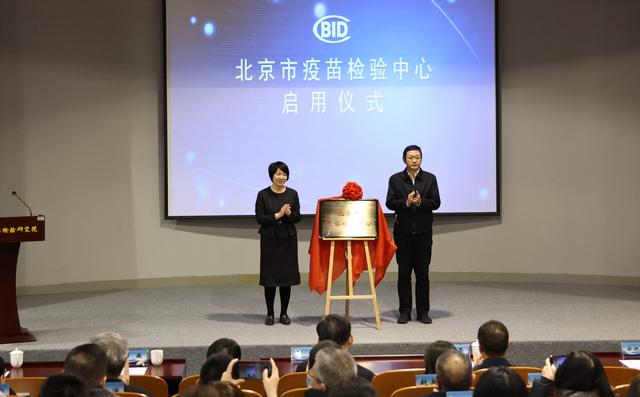
北京市疫苗检验中心正式启用,年疫苗检验量可达4500批次
Xin Lang Cai Jing· 2025-12-26 09:52
北京作为全国疫苗研发与生产的重要集聚地,拥有8家疫苗生产企业、品种占全国40%以上,生产供应 的疫苗数量居全国首位。记者从市药监局了解到,预计2026年一季度,北京市疫苗检验中心将开始承担 已获授权的京产9种疫苗批签发。 坐落于中关村生命科学园的北京市疫苗检验中心,建筑面积1.6万平方米,拥有疫苗检验所需的病毒疫 苗室、细菌疫苗室、动物实验室、微生物室和综合实验室共5个专业实验室以及配套设施,覆盖京产疫 苗在产品种全部检验项目。该中心可满足每年4000-4500批次的疫苗批签发检验需求,具备未来5-10年 新上市疫苗的批签发检验能力。与此同时,中心还可满足新型疫苗、新型抗体药物、细胞基因治疗产品 等生物新药研发需求,实现对本市生物制品创新研发的全链条质控技术支持。 转自:北京日报客户端 12月26日,北京市疫苗检验中心正式建成并揭牌投用,这也是全国首个疫苗检验单体建设项目。记者从 市药监局了解到,该中心可满足每年4000-4500批次的疫苗批签发检验需求,具备未来5-10年新上市疫 苗的批签发检验能力。 来源:北京日报客户端 ...

为啥5元流感疫苗打不动,200元流感药抢着要?
经济观察报· 2025-12-26 02:25
Core Viewpoint - The article highlights the low flu vaccine uptake in China, driven by widespread vaccine hesitancy among the population, including healthcare professionals, despite the availability of free vaccines for vulnerable groups [1][6][14]. Group 1: Vaccine Market Dynamics - The three main companies relying on flu vaccine sales in China are Hualan Biological (10.7 billion), Zhonghui Biological (2.6 billion), and Jindike (808 million), with a combined annual sales of approximately 14 billion [3]. - In contrast, the leading flu medication company, Dongyangguang Pharmaceutical, reported annual sales of around 26 billion for its flu drug Oseltamivir [3]. - The article notes a significant disparity between the sales of flu vaccines and flu medications, with the latter being preferred by consumers due to immediate symptom relief [3][13]. Group 2: Reasons for Vaccine Hesitancy - Vaccine hesitancy is attributed to several factors, including doubts about vaccine effectiveness and safety, as well as a lack of awareness regarding the severity of flu [9][10]. - Many individuals, including healthcare workers, express skepticism about the flu vaccine's ability to prevent infection, leading them to rely on medications instead [9][10]. - A study indicated that over half of social media users exhibit flu vaccine hesitancy, primarily due to distrust in vaccine efficacy and safety [10][11]. Group 3: Public Health Implications - The low flu vaccine uptake has resulted in significant public health concerns, with over 200,000 excess deaths related to flu annually in China [14]. - The Chinese flu vaccine uptake rate remains around 3%, which is significantly lower than global averages, highlighting the urgent need for improved public health strategies [14][16]. - Recent initiatives by health authorities aim to enhance vaccine accessibility and encourage healthcare workers to lead by example in promoting flu vaccination [16].

为啥5元流感疫苗打不动,200元流感药抢着要?
Jing Ji Guan Cha Wang· 2025-12-26 01:56
Core Viewpoint - The article highlights the stark contrast between the low sales of flu vaccines and the high sales of flu medications in China, primarily due to widespread vaccine hesitancy among the population, including healthcare professionals [2][10]. Vaccine Market Analysis - The annual sales of flu vaccines from three leading companies in China—Hualan Biological (10.7 billion), Zhonghui Biological (2.6 billion), and Jindike (808 million)—total approximately 1.4 billion, which is only about half of the annual sales of flu medication from Dongyangguang Pharmaceutical, which stands at around 2.6 billion [1][11]. - The flu vaccine uptake in China is extremely low, with a reported vaccination rate of only about 3%, significantly below global averages [11][12]. Vaccine Hesitancy Factors - Vaccine hesitancy is attributed to several factors, including doubts about vaccine safety and effectiveness, the perception that flu vaccines do not prevent infection due to the virus's constant mutation, and a preference for immediate medication over preventive measures [6][8]. - A study indicated that over half of social media users exhibit flu vaccine hesitancy, primarily due to distrust in vaccine efficacy and safety, exacerbated by misinformation [7][8]. Healthcare Professionals' Attitudes - Many healthcare professionals, including doctors, show reluctance to receive flu vaccinations, with some citing personal experiences and a belief in their own immunity as reasons for not vaccinating themselves or their children [3][4][6]. - A significant number of medical staff do not participate in vaccination programs, even when offered for free, indicating a broader issue of vaccine acceptance within the healthcare community [4][5]. Public Health Implications - The low vaccination rates have led to preventable illnesses and deaths, with estimates suggesting over 200,000 excess deaths annually due to flu-related complications in China [11]. - Recent initiatives by health authorities aim to improve vaccination rates by integrating flu vaccine prescriptions into routine medical care and encouraging healthcare workers to lead by example [12].
降价超60%!带状疱疹疫苗跌至464元一针
21世纪经济报道· 2025-12-25 12:50
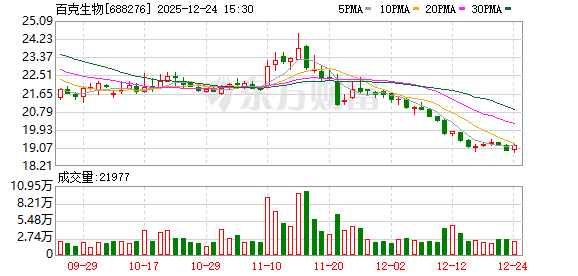
Core Viewpoint - The price of the domestic varicella-zoster vaccine is being gradually reduced, with a significant price drop of over 66% from 1375 yuan to 464 yuan per dose, which may impact the company's revenue and market dynamics [1][2]. Group 1: Vaccine Pricing and Market Dynamics - Changchun Baike Biological Technology Co., Ltd. has adjusted the price of its varicella-zoster vaccine, reflecting a broader trend of price reductions in the industry to enhance public awareness and accessibility [1]. - The company has previously implemented discount pricing strategies, leading to reduced revenue and increased pressure on its financial performance [1][2]. - The global market features four varicella-zoster vaccines, with only two available in China, indicating a competitive landscape that may influence pricing strategies [1][9]. Group 2: Industry Challenges and Opportunities - The vaccine industry faces challenges such as competition, vaccine hesitancy, and consumer confidence, but long-term growth potential remains due to the low market penetration compared to developed countries [2]. - Public awareness of varicella-zoster disease is low, with a significant portion of the population unaware of the disease, which affects vaccination rates [4][5]. - A study indicated that the vaccination rate among adults aged 40 and older in China is only 0.79%, highlighting a significant opportunity for growth in the market [5]. Group 3: Financial Performance and Sales Trends - In 2023, the company produced 1.3512 million doses of the varicella-zoster vaccine, generating 880 million yuan in revenue, which was a key driver for a 70.3% increase in overall revenue [5]. - However, in 2024, revenue from the vaccine is projected to decline by 71.54% to 251 million yuan, with a significant drop in sales volume and an increase in inventory [5][6]. - The company's financial performance has shown a downward trend, with a 32.64% decrease in revenue and a 53.67% drop in net profit in 2024 compared to the previous year [6][7]. Group 4: Competitive Landscape and Future Strategies - The varicella-zoster vaccine market is becoming increasingly competitive, with GSK's vaccine still holding a significant market share despite a decrease in production [9][10]. - The company plans to enhance vaccine accessibility by integrating vaccination services with clinical medical systems and correcting public misconceptions about the disease [10]. - Baike Biological is also focusing on other vaccine projects, with ongoing clinical trials and new product developments aimed at diversifying its portfolio and improving market position [10].


治理程序“失效”的背后:沃森生物的治理之困与成长之痛
Xin Lang Cai Jing· 2025-12-25 09:40
Core Viewpoint - Watson Bio, once valued at over 100 billion, is struggling under dual pressures of governance disorder and declining performance, highlighted by regulatory actions for failing to follow proper salary review procedures for executives in 2023 and 2024 [1][7]. Group 1: Governance Structure and Oversight Deficiencies - The company has repeatedly failed to adhere to basic corporate governance principles, specifically regarding the approval of executive salaries, as mandated by the Corporate Governance Guidelines [2][8]. - This oversight reflects a lack of internal governance structure and effective supervisory mechanisms, potentially due to management's disregard for rules or ineffective internal checks and balances [2][8]. - Regulatory bodies have noted multiple violations of listing rules, and the company has a history of governance issues since its IPO in 2010, including flaws in decision-making processes [2][8]. Group 2: Performance Decline and Internal Control Issues - Watson Bio's financial performance has deteriorated significantly, with a reported 31.41% year-on-year decline in revenue and a 66.1% drop in net profit for 2024 [3][9]. - Contributing factors to this decline include intensified domestic market competition, significant price reductions for its core product, the bivalent HPV vaccine, and decreased willingness for self-paid vaccinations [3][9]. - For the first three quarters of 2025, the company reported revenues of 1.719 billion, a 19.73% decrease year-on-year, and a net profit of 163 million, down 36.24% [10]. Group 3: Founder Cashing Out and Governance Conflicts - Amidst internal control and performance pressures, the founder, Li Yunchun, has been consistently cashing out since 2016, totaling approximately 4 billion [4][11]. - Li Yunchun's direct shareholding has plummeted to 1.7%, with other founders also seeing significant reductions in their holdings, leading to a lack of effective governance due to a dispersed ownership structure [5][11]. - Since 2011, Watson Bio executives have engaged in 97 stock transactions, with 78 being sell-offs, totaling 124 million shares, raising concerns about governance and investor trust [12].

康乐卫士陷多重危机:现金流断裂、账户冻结、HPV疫苗梦遇市场寒流
Xin Lang Cai Jing· 2025-12-25 09:40
Core Viewpoint - The announcement from Kang Le Wei Shi reveals the company's severe debt, litigation, and operational challenges, highlighting the common funding crisis faced by biotech firms before product commercialization and the drastic changes in the HPV vaccine market [1][8]. Group 1: Financial Distress - Kang Le Wei Shi's subsidiary, Kunming Kang Le, failed to repay a loan of 15.21 million yuan to CITIC Bank, triggering a chain of risks that could lead to asset disposals and credit damage [2][4]. - The company is embroiled in lawsuits totaling 30.86 million yuan over the past year, resulting in the freezing of 15 bank accounts, which constitutes 41.67% of its total accounts, impacting daily operations [2][4][5]. - The cash flow situation is extremely tight, severely restricting normal operational payments and R&D investments [3][9]. Group 2: Product Outlook Challenges - The main products, the three-valent and nine-valent HPV vaccines, are still in clinical research and have not yet been approved for market entry, while the market dynamics have shifted significantly [4][10]. - Sales growth of the once-scarce nine-valent HPV vaccine has slowed, with industry leader Zhifei Biological reporting a significant decline in revenue and net profit for 2024, alongside a surge in inventory to 22.269 billion yuan [4][10]. - The price of the two-valent HPV vaccine has plummeted from 329 yuan to below 30 yuan due to intensified competition, indicating a shift from a blue ocean to a red ocean market [4][10]. Group 3: R&D and Talent Challenges - Funding constraints have led to a slowdown in the clinical research and data supplementation for the HPV vaccines, creating uncertainty around approval timelines [5][11]. - Employee turnover has increased due to delayed salary and social security payments, further disrupting daily management and business operations [5][11]. - Since its listing in 2023, the company has reported continuous losses, with a net profit of -229 million yuan for the first three quarters of 2025, relying heavily on external financing which is now severely hampered by account freezes and litigation [5][11]. Group 4: Industry Warning - The plight of Kang Le Wei Shi reflects a broader challenge faced by many pre-commercial biotech firms, which are highly dependent on external financing during prolonged R&D phases [6][12]. - The increasing competition in the vaccine sector and changing market conditions necessitate stronger cash flow management and strategic adaptability [6][12]. - The company is currently seeking multi-channel financing and negotiating with creditors to stabilize operations, but the closing window for HPV vaccine opportunities and the near collapse of its funding chain pose significant uncertainties for its future [6][12].
特斯拉欧洲市场持续“遇冷”|首席资讯日报
首席商业评论· 2025-12-25 04:18
Group 1 - Tesla's new car registrations in Europe fell to 22,801 units in November, a year-on-year decrease of 11.8%. For the first 11 months of the year, registrations dropped by 28% [2] - Samsung and SK Hynix have raised the prices of HBM3E memory chips by nearly 20% for next year, a rare occurrence as suppliers typically lower prices before launching new generations of products [3] - The movie "Avatar 3" has surpassed 10 million viewers in China within six days of its release [4] Group 2 - Sanofi has announced an agreement to acquire vaccine company Dynavax for approximately $2.2 billion, with a cash offer of $15.50 per share [5] - According to Ipsos, the global net trust level for Chinese brands has increased by 12 percentage points to 32% compared to 2024, with significant trust growth in developed markets [6][7] - JD.com has opened 30 stores of its "Seven Fresh" brand in Beijing, indicating intensified competition in the community fresh food market [8] Group 3 - Yu Minhong has appointed Sun Jin as the new CEO of Dongfang Zhenxuan, marking a stable transition within the company [9] - The Sichuan provincial government is implementing measures to boost consumption and expand domestic demand, aiming to create new growth points [10] - Sanya's duty-free shops reported sales exceeding 5.35 billion yuan over five days, reflecting a 50.3% year-on-year increase, driven by promotional activities [11] Group 4 - Rakuten Trade Research indicates that the Malaysian stock market presents selective opportunities as year-end approaches, supported by strong domestic liquidity and improved market sentiment [12] - A new robotics industry association in Beijing is set to be established, aimed at promoting industry research, data analysis, and collaboration [13] - Bilibili has denied rumors of a "full paywall" for its content, leading to the arrest of individuals spreading false information [14]


带状疱疹疫苗卖不动,疫苗企业“打骨折”
第一财经· 2025-12-24 15:26
Core Viewpoint - The price war for shingles vaccines in China has intensified, with significant price reductions announced by domestic manufacturers, particularly Baike Biological, which has cut its vaccine price from 1375 yuan to 464 yuan, a reduction of approximately 66% [3][4]. Group 1: Vaccine Pricing and Market Dynamics - Baike Biological's shingles vaccine, approved for domestic use in January 2023, initially boosted the company's performance, but sales have since declined, leading to a net loss of 158 million yuan in Q3 2025 [8]. - The imported shingles vaccine from GlaxoSmithKline is also facing pricing pressures, with promotional offers reducing the total cost of vaccination to around 1600 yuan, effectively a 50% discount [6][9]. - The competition between domestic and imported vaccines is expected to continue, as both seek to increase public vaccination rates amid declining consumer interest [9]. Group 2: Market Potential and Challenges - The shingles vaccine market in China is viewed as having significant potential due to the aging population, which increases the risk of shingles infections [7]. - Despite the potential, convincing the target demographic of older adults to receive the vaccine remains a challenge, as evidenced by the declining sales figures for both domestic and imported vaccines [8][9]. - Public health experts emphasize the importance of vaccination in preventing shingles and its complications, highlighting the need for increased awareness and education among the elderly [7].

带状疱疹疫苗卖不动,疫苗企业“打骨折”
Di Yi Cai Jing· 2025-12-24 14:13
Group 1 - The price war for shingles vaccines has intensified, with the domestic vaccine from Baike Bio (688276.SH) seeing a price reduction from 1375 yuan to 464 yuan, a decrease of approximately 66% [2] - Baike Bio has previously adjusted the price of its shingles vaccine to enhance public awareness and promote health among the elderly, resulting in reduced revenue due to discounted pricing [3] - There are two types of shingles vaccines available in China: Baike Bio's live attenuated vaccine for individuals aged 40 and above, and GlaxoSmithKline's recombinant vaccine requiring two doses for individuals aged 50 and above [3] Group 2 - The imported shingles vaccine is also engaging in promotional activities, with a full course costing over 3200 yuan, but promotional offers have reduced the cost to around 1600 yuan, effectively a 50% discount [4] - Some regions in China have extended promotional activities for the imported shingles vaccine until September 30, 2026 [5] - The shingles vaccine market is viewed as having significant potential due to the aging population in China, despite challenges in increasing vaccination rates among the elderly [6] Group 3 - Baike Bio's shingles vaccine was approved for domestic sale in January 2023, initially boosting the company's performance, but sales have since declined, leading to a net loss of 158 million yuan in Q3 2025 [6] - GlaxoSmithKline's shingles vaccine sales in China have also been underwhelming, reflecting broader challenges in the market [6] - The willingness of the public to receive shingles vaccinations has decreased, prompting companies to resort to price promotions as a strategy to increase uptake [7][8]