
低空经济

Search documents
江苏扬州瞄准助力低空经济发展 “低空经济产业学院”揭牌启航
Zhong Guo Xin Wen Wang· 2025-09-21 06:36
扬州职大党委书记马顺圣表示,成立低空经济产业学院是学校服务国家产业战略、深化产教科城融合发 展的重要举措。学校正努力发挥自身优势,构建服务低空经济的跨学科专业群。他相信在各方支持下, 低空经济产业学院必将成为扬州低空经济领域人才培养的新摇篮、技术创新的新高地、产业发展的新引 擎。 据悉,扬州职业技术大学低空经济产业学院将紧密对接扬州市"613"产业体系和高邮示范区需求,联合 龙头企业,聚焦无人机应用、维修与运营等方向,建设低空经济产教融合实训基地,创新订单培养、现 代学徒制和权威认证机制,打造技术技能人才高地,同时积极融入技术研发与成果转化,成为产业发展 的紧密合作伙伴。(完) (文章来源:中国新闻网) 中新网扬州9月21日电 (梁孝梅)打造低空经济新高地,是扬州把握新机遇、培育新动能的战略抉择,是 打造"航空科创名城"的关键落子。20日,扬州市低空经济产业学院在高邮揭牌启航。扬州市委常委、宣 传部部长张长金表示,"扬州低空经济产业学院的设立,正是为这一战略布局提供核心人才支撑和技术 保障,为我们抢占新赛道、发展新质生产力注入持续动能。" 航空产业是扬州市"613"产业体系的首群首链,是扬州重点发展的战略性新 ...
“政策托举+技术升级+产品迭代”协同发力 制造业里新质生产力热潮涌动
Yang Shi Wang· 2025-09-21 05:58
Low Altitude Economy - The low altitude industry in Anhui has streamlined processes, allowing for a "one-stop" service to obtain necessary licenses within a month [1][5] - Anhui is the third province in China and the only one in the Yangtze River Delta to implement comprehensive low altitude airspace management reforms, establishing a low altitude flight service center [5][10] - The low altitude economy in Anhui has grown to include over 570 enterprises, with projected revenue exceeding 55 billion yuan in 2024, marking a 21.3% increase [10] Applications and Services - The low altitude flight service center provides systematic guidance on legal regulations and assists users in obtaining necessary qualifications, saving time and reducing complexity [6] - Over 120 flight routes have been opened for applications such as drone medical supply delivery and scenic area logistics [8] - By the first half of 2025, it is expected that there will be 22,000 general aviation flights and approximately 17 million drone flights in Anhui [8] Electric Vehicle and Energy Interaction - A new "vehicle-to-grid" (V2G) model allows electric vehicles to act as mobile power stations, alleviating peak electricity demand by discharging stored energy back to the grid [11][14] - The first large-scale test of the "5G + quantum" virtual power plant in Hefei involved over 6,000 electric vehicles, achieving an interactive energy transfer of 28,000 kWh [12] - This model not only reduces the need for extensive power infrastructure but also provides financial benefits to vehicle owners, who can earn 1.7 yuan per kWh by discharging energy during peak times [17] Robotics in Industry - The application of intelligent robots in industrial settings is increasing, with robots now capable of performing complex tasks such as inspection and maintenance in hazardous environments [20][24] - These robots can operate autonomously and are equipped with advanced sensors for monitoring temperature, humidity, and gas levels, significantly improving inspection efficiency by over ten times compared to human workers [24]

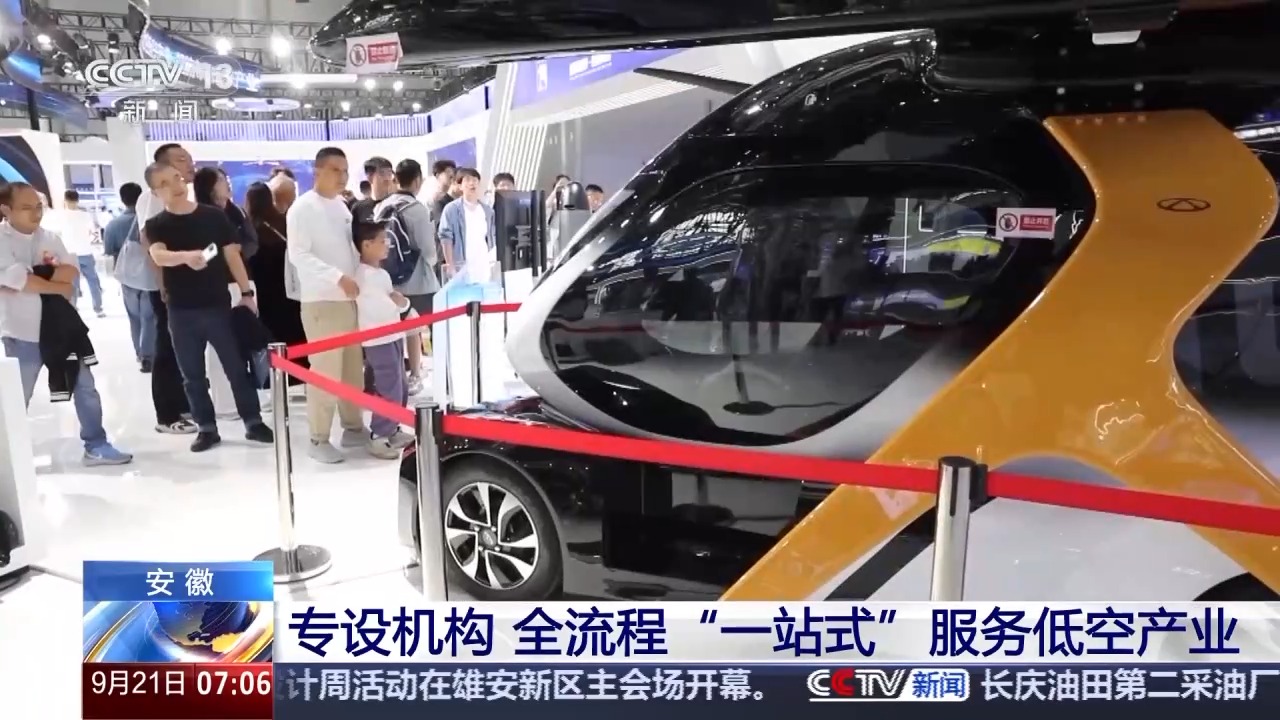
安徽低空经济初具规模
Jing Ji Guan Cha Wang· 2025-09-21 03:20
经济观察网据央视新闻消息,安徽作为全国第三个、长三角唯一全域低空空域管理改革试点省份,成立 低空飞行服务中心,构建智能化服务体系。目前,全省集聚产业链上下游企业570余家,去年营收突破 550亿元。 ...
电车还能反向放电 制造业里的新质生产力“新”在何处?
Yang Shi Xin Wen· 2025-09-21 03:07
Group 1: Manufacturing Industry Insights - The 2025 World Manufacturing Conference opened in Hefei, showcasing the 2025 China Manufacturing Enterprises Top 500 list, highlighting innovation as a key driver for large manufacturing enterprises in China [1] - Anhui Province has established itself as a pilot province for low-altitude airspace management reform, becoming the third in the country and the only one in the Yangtze River Delta [6] Group 2: Low-altitude Economy Development - The low-altitude industry in Anhui has developed a "one-stop" service for processes such as airspace application and material approval, allowing businesses to obtain necessary licenses within a month [2][4] - Anhui has established a low-altitude flight service center, providing a smart and standardized service system for low-altitude aviation users, including airspace planning and flight monitoring [6] - The low-altitude economy in Anhui has begun to take shape, with over 570 enterprises in the industry chain and revenue exceeding 55 billion yuan, marking a 21.3% growth [10] Group 3: Electric Vehicle and Energy Interaction - A new "vehicle-to-grid" (V2G) model allows electric vehicles to act as mobile power stations, providing energy back to the grid during peak demand, with over 6,000 electric vehicles participating in a recent test [12][14] - The National Energy Administration plans to conduct large-scale trials of the vehicle-to-grid model in key regions, aiming to establish over 30 demonstration projects by the end of 2025 [16] Group 4: Robotics in Industry - The application of intelligent robots in industrial settings is increasing, with robots now capable of performing inspection and maintenance tasks in hazardous environments, significantly improving efficiency [18] - New robotic systems can perform complex tasks traditionally done by humans, enhancing operational efficiency by over ten times compared to manual inspections [18]
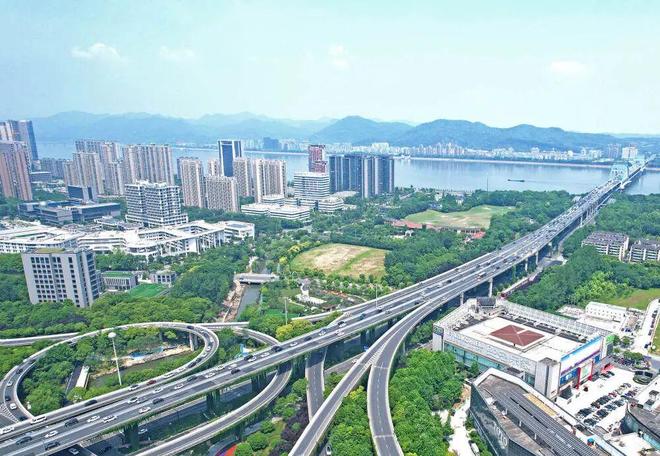
成都东部新区:亮灯率飙升背后的产业“引力场”
2 1 Shi Ji Jing Ji Bao Dao· 2025-09-20 14:33
Group 1 - Chengdu Weilianhong Technology Development Co., Ltd. has officially commenced production in the Chengdu Eastern New Area, marking the first enterprise to settle in the airport manufacturing industrial headquarters base [1] - The decision to relocate to the Eastern New Area was influenced by its significant development potential and favorable business environment, despite some infrastructure shortcomings [2] - The Eastern New Area is strategically positioned to enhance connectivity with Chongqing and other surrounding cities, providing a vital platform for modern industry and technological innovation [2] Group 2 - The establishment of Weilianhong Technology has led to a supply chain effect, improving production efficiency by 20% and reducing logistics costs due to proximity to suppliers [3] - The Eastern New Area is developing into a hub for high-value industries, particularly in the low-altitude economy, supported by the Tianfu International Airport [5] - The area is fostering innovation by integrating local industrial strengths with international perspectives, exemplified by the establishment of the Yingwu Low-altitude Economy Demonstration Center [4][6] Group 3 - The economic growth of the Chengdu Eastern New Area is notable, with a projected GDP of 32.26 billion yuan in 2024, a 2.5-fold increase since its establishment, and an 11% growth rate [7] - The region's industrial investment share has risen from less than 1% at its inception to 4.11%, indicating a significant shift in economic structure [7] - A recent investment promotion event highlighted over 30 projects with a total investment of 71 billion yuan, focusing on various sectors including sports and tourism [7]
中经评论:治理“内卷”并非不要竞争
Jing Ji Ri Bao· 2025-09-20 07:21
Group 1 - The recent news about the Beijing Civil Affairs Bureau's decision to legally dissolve the "China Low Altitude Economy Alliance" highlights the growing concern over "involution" competition within the low-altitude economy sector, which is seen as a strategic emerging industry with significant potential [1] - The dissolution is viewed as a critical first step in addressing the chaotic competition in the low-altitude industry, signaling the authorities' commitment to optimizing the industry ecosystem and curbing unhealthy competition practices [1] - Various industries, including both emerging sectors like photovoltaics and traditional sectors like coking and landscaping, have faced similar issues of "involution," characterized by excessive price competition and low-level repetitive construction, leading to overcapacity and thin profit margins [1] Group 2 - The persistent issue of "involution" competition is closely linked to resource misallocation and distorted market mechanisms, where companies focusing on short-term gains through price wars neglect quality and service improvements, resulting in inefficiency [2] - Governments that create "policy depressions" without considering local industry foundations and resource endowments contribute to homogenized industry layouts and resource waste, further exacerbating the problem [2] - Effective governance of "involution" competition requires a multi-faceted approach, emphasizing the need for a collaborative market environment that combines effective markets with proactive government intervention [2] Group 3 - To combat "involution" competition, it is essential to optimize the business environment, which involves reducing costs while increasing value, encouraging businesses to move away from zero-sum price wars and reliance on subsidies [3] - The focus should shift from resource-driven competition to innovation-driven growth, allowing businesses to unlock innovation, quality, and brand advantages [3] - The governance approach has evolved from merely preventing "involution" competition to actively regulating low-price disorderly competition, reflecting a systematic and legal framework for long-term management of the issue [3]
拥有9个GDP万亿城市,长三角城市群打样未来城市
2 1 Shi Ji Jing Ji Bao Dao· 2025-09-20 06:01
Group 1: Urban Agglomeration Development - The core idea emphasizes that the competition in the global economy is increasingly centered around urban agglomerations, with the Yangtze River Delta (YRD) being positioned as a world-class urban cluster [3][9] - The YRD urban agglomeration includes 27 cities across Shanghai, Jiangsu, Zhejiang, and Anhui provinces, showcasing its extensive connectivity and integration [7][12] - The recent policies aim to enhance the YRD's role in national strategy and global competition, focusing on high-quality development and urban integration [8][9] Group 2: Transportation and Connectivity - The completion of the Jiaxing Airport and the expansion of high-speed rail have significantly improved transportation efficiency within the YRD, facilitating easier access between cities [2][15] - The YRD's railway network is projected to exceed 15,000 kilometers by the end of 2024, with over 7,700 kilometers dedicated to high-speed rail, enhancing daily passenger capacity [15] - The "Yangtze River Delta Super Ring High-Speed Railway" has commenced operations, further connecting key cities in the region [15] Group 3: Industrial Collaboration and Economic Integration - The YRD is characterized by a high degree of industrial collaboration, with cities forming interdependent industrial chains, particularly in sectors like new energy vehicles and aerospace [16][21] - The region is home to nine cities with GDPs exceeding 1 trillion, indicating its economic strength and potential for further growth [12] - The establishment of frameworks for cooperation in various industries, such as the large aircraft industry, highlights the YRD's ambition to create globally competitive industrial clusters [21][22] Group 4: Global Competitiveness and Future Prospects - The YRD is recognized as one of the six world-class urban agglomerations, with ongoing efforts to enhance its economic development and infrastructure [19][20] - The region's geographical advantages, including its access to major ports like Shanghai and Ningbo, facilitate international trade and economic interactions [20] - The focus on emerging industries, such as low-altitude economy and large aircraft manufacturing, positions the YRD for significant future growth and competitiveness on the global stage [21][22]
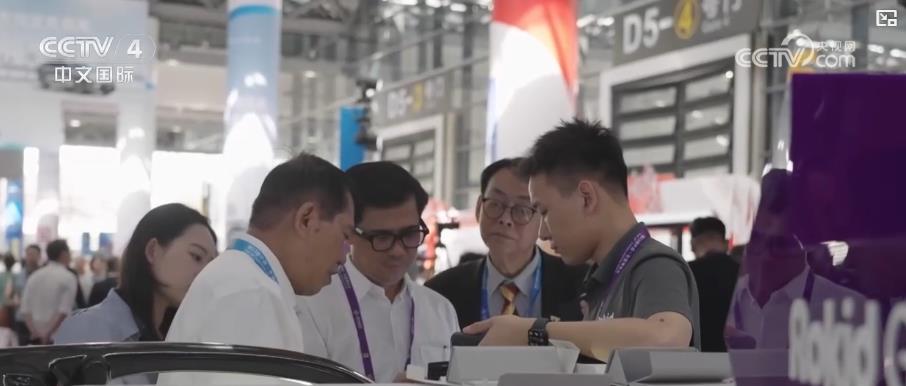
东博会155个项目签约:“人工智能+”领衔,中国—东盟“数智”合作升温
Yang Shi Wang· 2025-09-20 03:09
亚洲数字经济科学院院长 陈柏珲:东盟的人口非常年轻化,人口平均中位数是30岁左右,所以他们对新兴科技、新兴事物的接 受程度非常高,中国可以凭借自己在人工智能、数字科技等方面的优势,帮助东盟提升科技研发水平,同时也可以帮助中国企业找 到更好的落地应用场景。 央视网消息:在本届东博会的现场签约仪式上,155个项目成功签约,涉及多个东盟国家和领域,中国与东盟的合作正在迈 入"数智"新阶段。 总台央视记者 易扬:本届东博会现场签约的155个项目涉及马来西亚、越南、缅甸等6个东盟国家,包括了94个产业项目和44 个"人工智能+"赋能千行百业项目,为中国—东盟合作注入AI能量。 已签约的项目中,10亿元以上项目共45个,涵盖新能源、高端装备、商业航天、低空经济等细分行业,其中2个项目规模达到百 亿元以上。今年10月中国—东盟自贸区3.0版议定书将正式签署,本届东博会明确将自贸区3.0、数字经济、绿色发展与人工智能作为 未来合作四大支点。 东盟秘书长 高金洪:升级为3.0版,我认为将使双方经贸合作迈向新的高度,不仅巩固已有合作,还将不断拓展。在当今复杂的 全球经济形势下,这对中国和东盟都非常重要。 ...
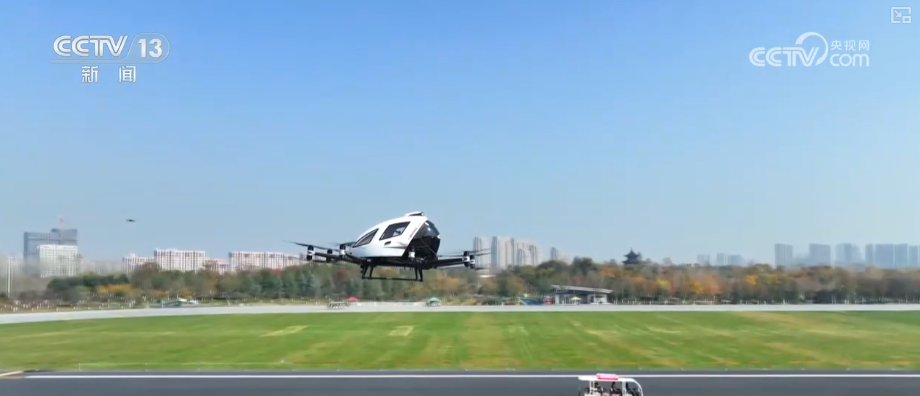
安徽低空经济“先飞一步” 完成全球首次吨级跨城无人货运
Jing Ji Guan Cha Bao· 2025-09-20 02:53
Core Viewpoint - The successful inaugural flight of a 2-ton eVTOL cargo aircraft in Anhui province marks a significant milestone in the development of low-altitude logistics and positions Anhui as a leader in the emerging low-altitude economy [1][4][10]. Group 1: Low-altitude Economy Development - Anhui is one of the first provinces in China to pilot comprehensive low-altitude airspace management reforms, enhancing policy support and fostering ecosystem development [2][3]. - The province has introduced policies like the "Action Plan for Reducing Costs and Improving Quality in Transportation Logistics," aiming to boost general aviation and low-altitude economy [2]. - Over 570 companies in Anhui are involved in the low-altitude economy, creating a robust industry structure centered around general aviation and drone technology [3]. Group 2: Inaugural Flight Details - The inaugural flight covered a distance of 160 kilometers, taking approximately 1 hour, and transported 200 kilograms of fresh blueberry juice and parcels [6]. - The V2000CG aircraft, developed by Peak Flying Technology, is the world's first eVTOL to receive all three airworthiness certificates from the Civil Aviation Administration of China, with a maximum takeoff weight of 2 tons and a payload capacity of 400 kilograms [6][10]. - This flight demonstrates the practical application of eVTOL technology in addressing logistics needs, particularly for high-value and time-sensitive goods [7][9]. Group 3: Future Implications - The success of this flight opens up significant opportunities for future low-altitude economic development, including the establishment of more cross-city and cross-regional low-altitude routes [8]. - The project has laid the groundwork for a seamless intelligent logistics system, integrating autonomous vehicles for cargo transfer, and plans to incorporate humanoid robots for unloading [8][9]. - The low-altitude logistics model is expected to enhance the transportation of agricultural products, medical supplies, and emergency materials, thereby supporting rural revitalization and creating new business models and job opportunities [10].
治理“内卷”并非不要竞争
Jing Ji Ri Bao· 2025-09-19 22:15
Core Viewpoint - The article emphasizes the need for a multi-faceted approach to address "involutionary" competition, advocating for a collaborative market environment that combines an effective market with proactive government intervention [1][2][3]. Group 1: Issues in the Low Altitude Economy - The recent action by the Beijing Civil Affairs Bureau to dismantle the "China Low Altitude Economy Alliance" is seen as a significant step towards regulating the low altitude industry and addressing "involutionary" competition [1]. - The low altitude economy is identified as a strategic emerging industry that has attracted considerable capital interest, but has also been subject to exploitation by organizations misrepresenting themselves as industry associations [1]. - The article highlights that many industries, including both emerging sectors like photovoltaics and traditional sectors like coking and landscaping, have faced similar issues of excessive competition and resource waste [1]. Group 2: Root Causes of Involutionary Competition - The persistence of "involutionary" competition is linked to resource misallocation and distorted market mechanisms, where companies focus on short-term gains through price wars rather than improving product quality [2]. - Local governments that create "policy depressions" without considering local industry foundations contribute to homogenized industry layouts and resource wastage [2]. - The inadequacy of market mechanisms fosters an environment conducive to "involutionary" competition, which can stifle innovation and sustainable development in industries [2]. Group 3: Strategies for Governance - To effectively govern "involutionary" competition, a combination of strategies is necessary, focusing on creating a synergistic market environment through unified national market construction and regulatory recognition [2][3]. - Improving the business environment requires reducing costs while increasing value, encouraging businesses to shift from price wars to innovation-driven growth [3]. - The governance approach has evolved from merely preventing "involutionary" competition to implementing systematic and legal measures to regulate low-price disorderly competition [3].