
基金

Search documents
鹏扬基金张勋:2026年周期性行业的投资机会值得关注
Zhong Zheng Wang· 2026-02-10 13:40
中证报中证网讯(记者王宇露)2月10日,鹏扬基金总经理助理、权益研究总监张勋在中国证券报"中证点 金汇"直播间表示,2026年周期性行业的投资机会值得关注。过去几年,随着地产、基建等下游环节走 弱,周期性行业盈利持续走低,现金流普遍不好,这使得过去几年行业整体都在控制资本开支,而目前 产业周期已经见底。随着"反内卷"政策的提出,竞争格局和经营思路有所改变,企业盈利回升。此外, 在上涨的市场中,周期性行业普遍处于估值低位,性价比相对较高。 ...
盈米基金旗下且慢AI小顾全面升级
Zheng Quan Ri Bao Wang· 2026-02-10 13:40
Core Insights - The article discusses the upgrade of the AI advisory platform "Qie Chuan" under Yingmi Fund, transitioning from "AI + Wealth Management" version 1.0 to a fully integrated AI-native 2.0 service model [1] - The upgraded AI service aims to deeply integrate AI capabilities into wealth management, enhancing user experience and service capabilities [1] Company Developments - "Qie Chuan" has been operational since May 2024, providing answers to millions of investment queries, indicating its established presence in the market [1] - The platform's upgrade includes a comprehensive overhaul of its underlying framework to support a wider range of services [1] Service Features - The upgraded AI service can assist investors in analyzing holdings, interpreting market conditions, planning funds, and customizing investment strategies [1] - It offers continuous advisory support with instant responses and 24/7 availability, allowing users to consult without prior appointments [1] - The platform emphasizes a "teach a man to fish" philosophy, making the thought process transparent and data sources traceable, thus educating users on the rationale behind investment decisions [1]
多元资产配置里的债类资产,可以用「固收+基金」替代吗?
雪球· 2026-02-10 13:31
Core Viewpoint - The article discusses the role of bond assets in multi-asset allocation, emphasizing that bonds are not primarily for generating high returns but serve as stabilizers, cash flow sources, and safety nets in investment portfolios [6][7][8]. Group 1: Role of Bonds in Multi-Asset Allocation - Bonds are not intended for high returns but serve three core functions: stabilizing overall portfolio volatility, providing predictable cash flow, and acting as a safety net during extreme risks [6][7][8]. - The focus of bond assets is on whether investors can hold them through market fluctuations rather than on the potential for high earnings [9]. Group 2: Understanding "Fixed Income +" Funds - "Fixed Income +" funds are not simply better bond funds; they typically consist of 70%-90% bonds and 10%-30% equity or equity-related assets, aiming for higher long-term returns with acceptable volatility [10]. - The essence of "Fixed Income +" can be summarized as bonds providing the base while equities act as the growth engine [11]. Group 3: Replacement of Bonds with "Fixed Income +" Funds - "Fixed Income +" can partially replace bonds in multi-asset allocation but should not be seen as an equivalent substitute [13]. - Three scenarios are outlined for the use of "Fixed Income +" in place of bonds: - **Partial Replacement**: When the primary goal of bonds is to smooth returns, a mix of 70% pure bonds and 30% "Fixed Income +" is advisable [15]. - **Cautious Replacement**: If a high proportion of equities is already present, replacing bonds entirely with "Fixed Income +" may lead to compounded risks [16][17]. - **Not Suitable for Replacement**: In cases where asset preservation and low volatility are critical, such as pre-retirement or specific financial goals, "Fixed Income +" should not replace bonds [18][19]. Group 4: Considerations Regarding Interest Rate Cycles - The current interest rate cycle significantly impacts the performance of bonds versus "Fixed Income +" funds, with different strategies being more effective in varying rate environments [20]. Group 5: Mature Allocation Thinking - "Fixed Income +" can serve as a yield enhancement module within bond allocations but cannot fully replace the foundational role of bonds in multi-asset strategies [21].


“持股过节”成机构共识,春节“红包”行情可期
2 1 Shi Ji Jing Ji Bao Dao· 2026-02-10 13:25
Core Viewpoint - The prevailing sentiment among institutions is to hold stocks during the Spring Festival, supported by historical data and current market conditions [2][6][9]. Group 1: Historical Data and Market Trends - Historical analysis shows a clear "pre-festival weakness and post-festival strength" pattern in the A-share market, with an average return of -2.20% in the week before the festival and a recovery to 0.53% in the last week before the festival [3]. - The first week after the festival typically sees an average return of 2.03%, with an 80% probability of an increase over the past decade [3]. - Small-cap and growth stocks exhibit a more pronounced reversal effect around the festival, making them attractive for pre-festival allocation [4]. Group 2: Investment Strategies - Institutions recommend a "stable before the festival, aggressive after" strategy, focusing on balanced and defensive positions before the festival and shifting to technology growth and industry trends afterward [9][10]. - The "barbell strategy" is commonly suggested, combining defensive high-dividend stocks with aggressive growth sectors like technology [11]. - A significant portion of private equity firms (62.16%) prefers to hold heavy or full positions during the festival, indicating confidence in structural opportunities despite market fluctuations [6]. Group 3: Sector Focus and Recommendations - Key sectors expected to perform well post-festival include technology, AI, semiconductors, and high-end manufacturing, while traditional sectors like banking and food and beverage show weaker reversal effects [4][12]. - Institutions emphasize the importance of holding quality assets and suggest a focus on sectors with strong performance potential, such as resource and traditional manufacturing [12]. - Defensive positions in consumer sectors and high-dividend stocks are recommended to balance the portfolio against current market conditions [12].
风止高息处,用红利资产坚守长期现金流
Jin Rong Jie· 2026-02-10 13:09
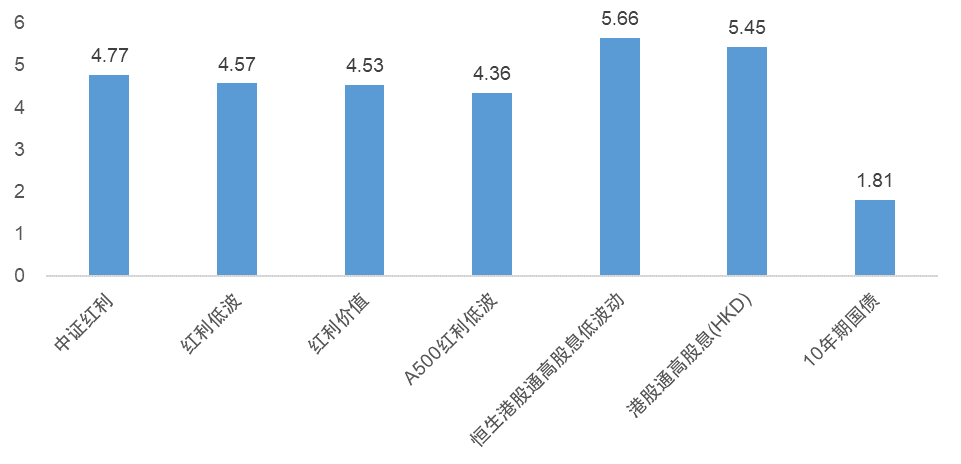
Group 1 - The core viewpoint emphasizes the importance of dividend assets that provide stable cash flow and defensive resilience in a low interest rate environment, particularly for ordinary investors seeking to navigate market fluctuations [1] Group 2 - Dividend indices are not merely single stock selections but a sophisticated toolbox that caters to diverse investment needs, with various indices in the A-share market focusing on different aspects and complementing each other [2] - The CSI Dividend Index is recognized as the benchmark for A-share dividend investment, selecting companies with stable dividends over the past three years and high dividend yields, comprising 100 quality stocks willing to share profits with shareholders [2] - The CSI Dividend Low Volatility Index combines high dividend characteristics with low volatility, resulting in better performance stability, while the CSI Dividend Value Index focuses on undervalued, fundamentally solid high dividend stocks to enhance valuation safety [2] - Data shows that the annualized volatility of the CSI Dividend Low Volatility Index over the past year is 11.34%, lower than that of the other two indices, and the rolling P/E ratio of the CSI Dividend Value Index is 7.73 times, lower than the other indices [2] Group 3 - The newly launched CSI A500 Dividend Low Volatility Index in 2025 achieves a dual breakthrough by focusing on quality leading companies while expanding industry coverage, significantly increasing weights in sectors like pharmaceuticals, oil and gas, and public utilities compared to previous indices [3] Group 4 - The Hong Kong dividend indices, influenced by market liquidity and dividend tax rules, generally exhibit higher dividend yields, with two core indices complementing A-share indices: the CSI Hong Kong Stock Connect High Dividend Investment Index focuses on high dividend characteristics, while the Hang Seng Hong Kong Stock Connect High Dividend Low Volatility Index combines high dividends with low volatility [6] - In a low interest rate environment, relying solely on deposits may not meet the rigid cash flow needs of daily expenses or support long-term asset appreciation, making dividend indices with stable dividends and solid fundamentals a suitable choice for ordinary investors [6] Group 5 - The "Dividend+" strategy aims to enhance the quality and sustainability of dividends by focusing on companies with stable profitability and ample free cash flow, ensuring that investors can anchor their returns more on long-term value [8] - The National Value 100 Index targets undervalued, high-margin quality stocks, while the National Free Cash Flow Index captures "cash cow" companies with sustainable cash flow generation capabilities [8] Group 6 - E Fund has diversified its dividend product line, offering four differentiated investment solutions tailored to various investor needs [10] - For investors seeking regular cash flow, E Fund offers ETFs with different dividend schedules, allowing for monthly dividends [11] - For those focused on long-term compounding value, the E Fund Dividend ETF, which tracks the CSI Dividend Index and has a scale exceeding 100 billion, provides opportunities for reinvestment of annual dividends [12] - Investors looking to enhance long-term returns can consider high-growth indices while maintaining a solid dividend base, balancing stability and potential returns [13] - For investors pursuing lower volatility and more stable performance on a high dividend basis, E Fund offers specific ETFs, while those seeking stronger valuation safety can consider value-focused ETFs [14]
开年,浙江母基金火力全开
Sou Hu Cai Jing· 2026-02-10 13:06
Core Viewpoint - Zhejiang's mother fund initiatives are gaining momentum in 2026, with multiple funds entering full investment phases, showcasing a strong commitment to supporting innovation and technology sectors [1][2]. Group 1: Fund Initiatives - The Zhejiang Social Security Science and Technology Innovation Fund has launched six specialized funds, including three 100 billion yuan funds focused on strategic emerging industries and future industries [1]. - The three major mother funds under the Zhejiang Social Security Science and Technology Innovation Fund are actively seeking sub-fund management institutions, indicating a robust fundraising environment [1][3]. - Local cities in Zhejiang, such as Hangzhou, are also establishing sub-funds, contributing to a dynamic investment landscape [2][4]. Group 2: Fund Structure and Strategy - Zhejiang's three major fund clusters are designed to cover the entire lifecycle of enterprises, enhancing support for modern industrial innovation [4][6]. - The "4+1" special fund model introduced in 2023 aims to align with four trillion-yuan industrial clusters and a specialized mother fund, promoting coordinated development across various levels of government [5][6]. - The provincial fund's focus on market-oriented mechanisms ensures efficient operation and management, with a clear emphasis on supporting specific industry sectors [3][5]. Group 3: Policy and Management Innovations - Zhejiang has implemented a pioneering due diligence exemption guideline for fund operations, fostering a supportive environment for investment decisions [7][8]. - The recent "Implementation Opinions" from the Zhejiang provincial government emphasize market-driven management of funds, allowing for flexibility in decision-making and performance evaluation [8][9]. - The measures introduced in the "Implementation Opinions" are expected to lead to a more standardized, market-oriented, and professional development of mother funds in Zhejiang [9].
爆发!这类ETF,涨停
Zhong Guo Zheng Quan Bao· 2026-02-10 12:57
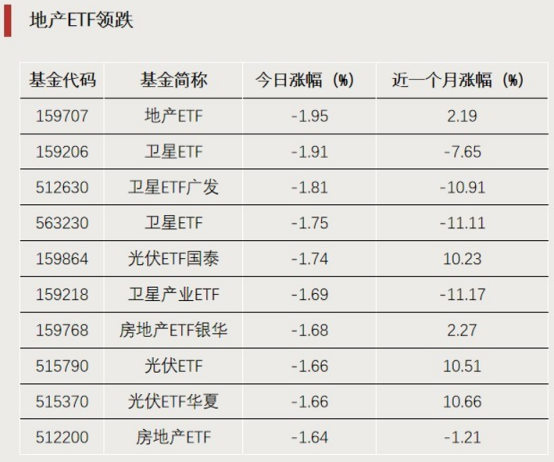
Group 1: Market Performance - The film sector experienced a significant surge on February 10, with the Film ETF (159855) hitting the daily limit and the Film ETF (516620) also reaching the limit during trading [4] - The real estate, satellite, and photovoltaic-related ETFs saw the largest declines, with the real estate ETF dropping by 1.95% and the satellite ETFs experiencing declines ranging from 1.69% to 1.91% [5][6] - The A500 ETF was among the most actively traded, with two A500 ETF products appearing in the top ten by trading volume [2][7] Group 2: Fund Flows - On February 9, several broad-based ETFs, including the CSI 500 ETF and CSI 1000 ETF, saw significant net inflows, indicating strong investor interest [9] - The CSI 500 ETF had a net inflow of 23.66 billion, while the CSI 1000 ETF saw a net inflow of 16.25 billion on the previous trading day [10] Group 3: Industry Insights - The rapid iteration of domestic video generation models and the deep penetration of AI technology in content production are expected to enhance innovation efficiency and reduce costs in the film and gaming sectors [4] - The current market conditions, characterized by favorable policy expectations and ample liquidity, suggest a potential new bullish phase, particularly in theme-driven growth sectors [11]
投资进化论丨新发规模增长逾6倍,为什么FOF越来越受关注?
Sou Hu Cai Jing· 2026-02-10 12:54
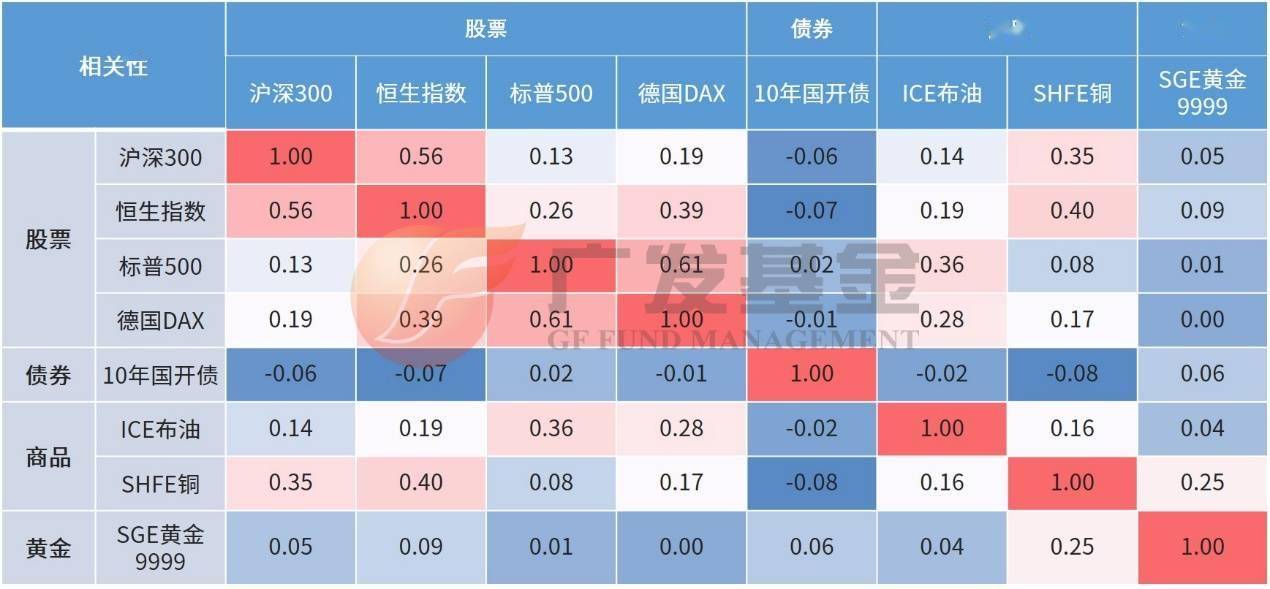
Core Insights - The FOF (Fund of Funds) has gained significant attention in recent years, with a total of 89 funds issued in 2025, raising 84.529 billion yuan, representing growth of 134.21% and 628.82% compared to 2024 [1] Group 1: FOF Fund Characteristics - FOF funds are increasingly recognized for their asset allocation capabilities, which can reduce portfolio risk and enhance return potential through diversification [2] - The core idea of asset allocation is to combine assets with opposing price movements or low correlation to lower overall portfolio volatility, providing a smoother investment experience for ordinary investors [3][4] Group 2: Market Trends and Demand - In a low-interest-rate environment, traditional asset allocation methods are insufficient, making diversified asset allocation more critical [4] - The performance of different asset classes over the past decade has varied significantly, highlighting the advantage of diversification rather than attempting to predict the best-performing asset [4][5] Group 3: Reasons for Choosing FOF - The positioning of FOF funds has evolved from being seen as "professional buyers" of funds to serving as a core vehicle for diversified asset allocation [8] - FOF funds are expanding their investment boundaries to include overseas equities, bonds, commodities, and REITs, allowing for a broader asset coverage and improved investment experience [9] - The current market volatility and low-interest rates have increased the demand for diversified investment strategies, aligning with the characteristics of FOF funds [10] Group 4: Performance Comparison - Historical data shows that while FOF funds may underperform in bull markets, they exhibit greater resilience during market fluctuations, resulting in smoother performance curves [11][14] - Since the inception of the FOF fund index, it has outperformed the CSI 300 index in cumulative returns, with lower annual volatility and maximum drawdown, indicating a better long-term holding experience [14][15] Group 5: Investment Recommendations - For high-risk tolerance investors with longer investment horizons, equity-focused FOFs are recommended due to their potential for higher excess returns despite greater volatility [16] - Balanced FOFs are suitable for medium-risk investors seeking steady growth, while conservative investors may prefer bond-focused FOFs for lower risk exposure [16]
天弘基金姜晓丽总,江湖再见
Xin Lang Cai Jing· 2026-02-10 12:40
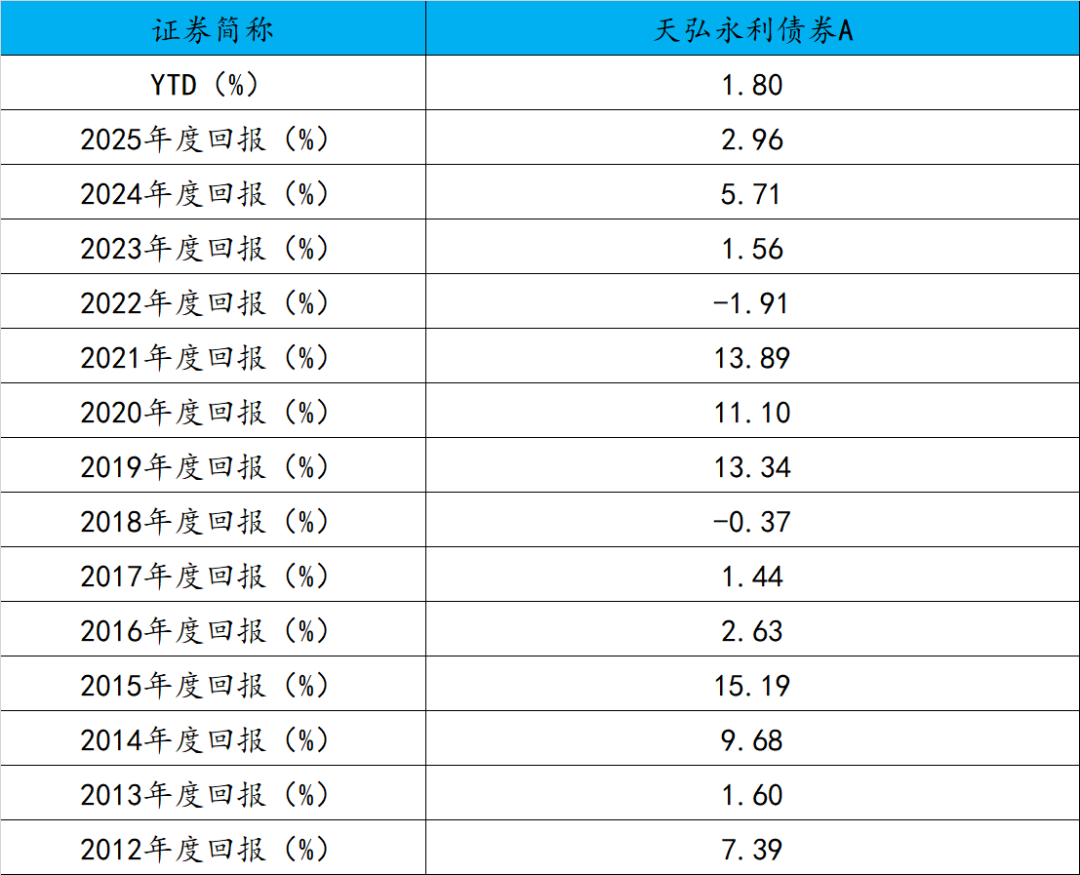
Core Viewpoint - The departure of Jiang Xiaoli from Tianhong Fund marks a significant transition in the investment management landscape, highlighting her dedication to prudent financial management and the trust she built with clients over her 16-year career [3][10][13]. Group 1: Jiang Xiaoli's Career and Achievements - Jiang Xiaoli has been with Tianhong Fund for 16 years, managing over 35 billion yuan in assets and has been recognized with multiple awards, including seven Golden Bull Awards, establishing her as a leading figure in the fixed income sector [3][11]. - Under her management, the Tianhong Yongli Bond B fund achieved a cumulative return of 167.12% over nearly 18 years, significantly outperforming its benchmark by 60.85 percentage points [11]. - Jiang's investment philosophy emphasized "steady financial management," focusing on safeguarding clients' investments and fostering trust [2][9]. Group 2: Industry Context and Trends - The trend of fund manager departures has become increasingly common, with 484 fund managers leaving the industry since the beginning of 2025, reflecting a departure rate of 11.76% [6][13]. - Tianhong Fund has implemented a multi-manager model for its "fixed income+" business to address concerns regarding product management continuity following Jiang's departure [5][12]. - The industry is witnessing a shift towards more collaborative management structures, as evidenced by the appointment of award-winning manager Du Guang to co-manage the Tianhong Yongli Bond fund [5][13].
从交易工具到生态枢纽 中国ETF市场“联接器”功能凸显
Zhong Guo Xin Wen Wang· 2026-02-10 12:31
Core Insights - The Chinese ETF market is evolving from a mere trading tool to an ecological hub that connects capital, investment needs, and national strategies, highlighting its "connector" function [1][2]. Market Overview - By the end of 2025, the size of the domestic ETF market in China is expected to exceed 6.02 trillion yuan, with 1,381 products, making it the largest ETF market in Asia. The Shanghai Stock Exchange accounts for 4.2 trillion yuan of this, with an annual trading volume of 61 trillion yuan [1]. Drivers of Growth - The primary driver of ETF growth is the strategic layout of "long money long investment," allowing long-term capital to resonate with macro strategies through transparent channels. Thematic ETFs effectively guide resources towards areas supported by national strategies [2]. Role in Financial Stability - ETFs are becoming a "stabilizer" in the financial system, as they hold core assets for long-term capital, solidifying the market's foundation and helping to mitigate speculative volatility, thereby enhancing overall market resilience [2]. Investment Behavior Evolution - The prosperity of the ETF market reflects both macro funding directions and the evolution of micro-investment behaviors. Many investors prefer ETFs for their transparency, diversification, and efficiency, which helps avoid losses associated with fund manager agency issues. The ETF market is evolving into a "financial supermarket" that meets diverse needs from individual investors to professional institutions, both domestically and cross-border [2]. Future Outlook - The trend of ETFs as efficient investment tools is expected to continue strengthening, with potential for diversification in more areas. As the market deepens and broadens, the "connector" function of the Chinese ETF market will further deepen, playing a more significant role in promoting high-quality capital market development and serving the transformation and upgrading of the real economy [3].