美妆

Search documents
以单支口红1200元进军美妆市场,LV打的什么算盘?
智通财经网· 2025-08-26 04:01
Group 1 - Louis Vuitton (LV) has disrupted the pricing model for high-end lipsticks by launching a permanent makeup line in collaboration with renowned makeup artist Pat McGrath, featuring 55 lipsticks and 10 lip balms priced at $160 each, with some lipsticks costing up to 1200 RMB [1] - The luxury goods industry is facing challenges, and while makeup has become a new business avenue for brands, there are questions about consumer willingness to pay such high prices [1] - Pauline Brown, former chairman of LVMH North America, expressed skepticism about the market potential for a $160 lipstick, suggesting it is a strategy to solidify market position rather than a guaranteed success [1] Group 2 - LVMH's CFO Cécile Cabanis stated that the company's bold pricing strategy targets affluent and aspirational customers, aiming to retain and attract high-end clientele [2] - The new high-end cosmetics line from Louis Vuitton will face challenges due to a slowdown in luxury brand demand and consumer resistance to high prices [2] - LVMH reported a decline in sales across its fashion and leather goods sectors, although Sephora has seen an increase in market share amidst fierce competition [2] Group 3 - E.l.f. Beauty has raised its product prices for the third time, with a $1 increase across its entire product line, while Estée Lauder executives have also indicated price adjustments [3] - Analysts predict that the U.S. beauty product market will see more price adjustments in the next 12 months, with companies being cautious due to an unstable consumer environment [3] - Data from Circana shows that sales of high-end beauty products in the U.S. remained flat year-over-year, while mass market cosmetics sales grew by 3% [3]
突发,资生堂代理的“美国毛戈平”退出日本
3 6 Ke· 2025-08-26 00:21
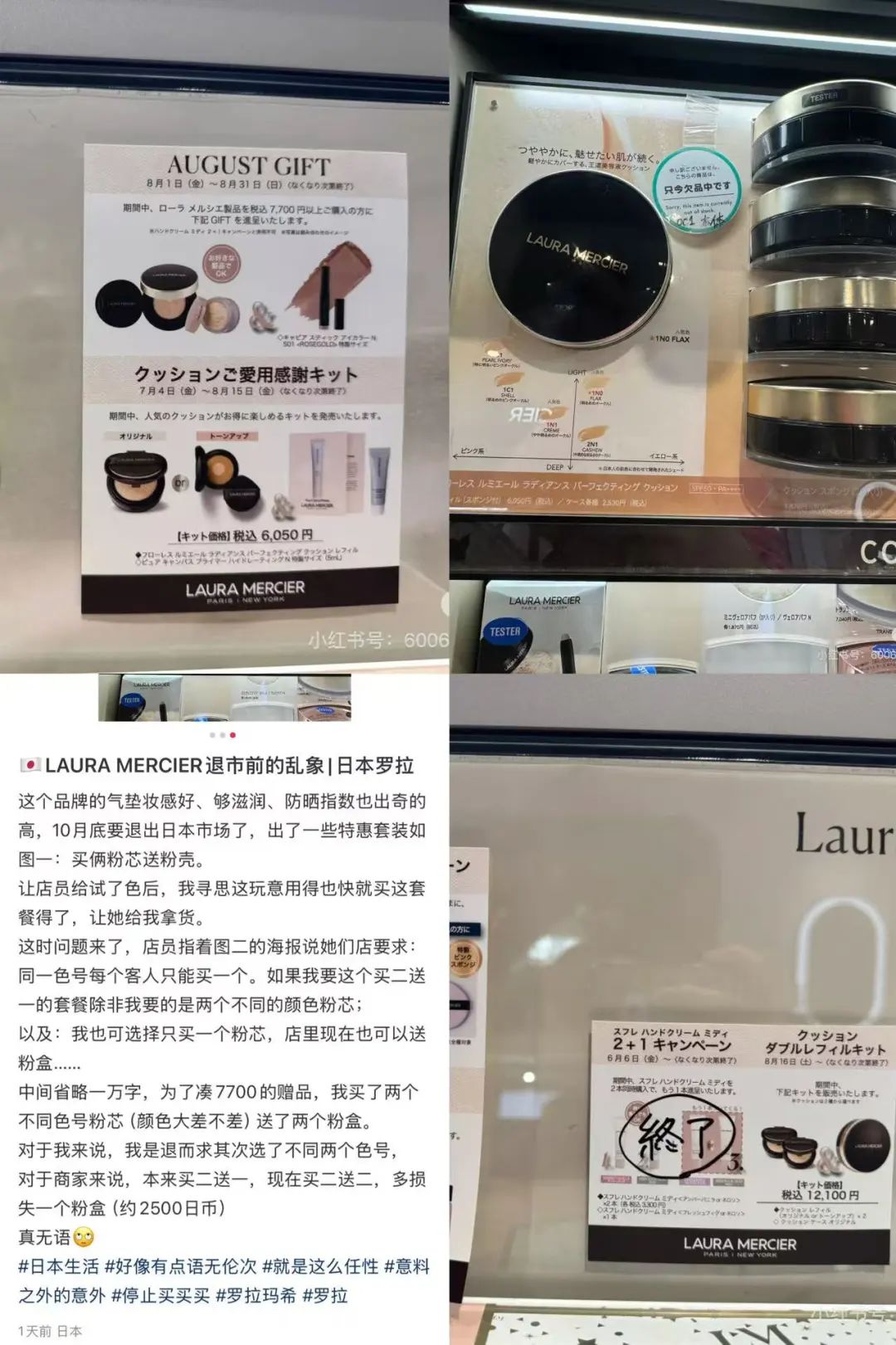
Core Insights - Shiseido ranks 8th among international beauty giants, but its sales have declined by 7.6% compared to the same period last year [1] - Shiseido is more adept at incubating its own brands, while its capabilities in brand acquisition and management are relatively weak [1][26] - Laura Mercier, a brand previously under Shiseido, is set to exit the Japanese market, raising questions about Shiseido's operational capabilities with acquired brands [1][26] Brand Performance - Laura Mercier was acquired by Shiseido in 2016 for $260 million (approximately 1.86 billion RMB) as part of a strategy to expand into the North American market [11] - The brand's sales in 2015 were $160 million (approximately 1.15 billion RMB), but it has struggled in recent years, with a 28% sales decline in 2020 [12][11] - Shiseido's overall performance has been declining, with revenue growth slowing from 2019 to 2024, including an 18.6% drop in 2020 [15][21] Market Dynamics - The Japanese beauty market is facing challenges, with Shiseido's sales in Japan declining by 0.6% in the first half of 2023, despite a slight recovery in previous years [21] - Other brands, such as Too Faced under Estée Lauder, have also exited the Japanese market, indicating a broader trend of difficulties in this region [33] - Shiseido's strategy includes focusing on core brands and increasing the proportion of skincare sales, which has led to the decision to terminate the partnership with Laura Mercier [26][24]

净利盈转亏 雅诗兰黛问路转型
Bei Jing Shang Bao· 2025-08-25 16:19
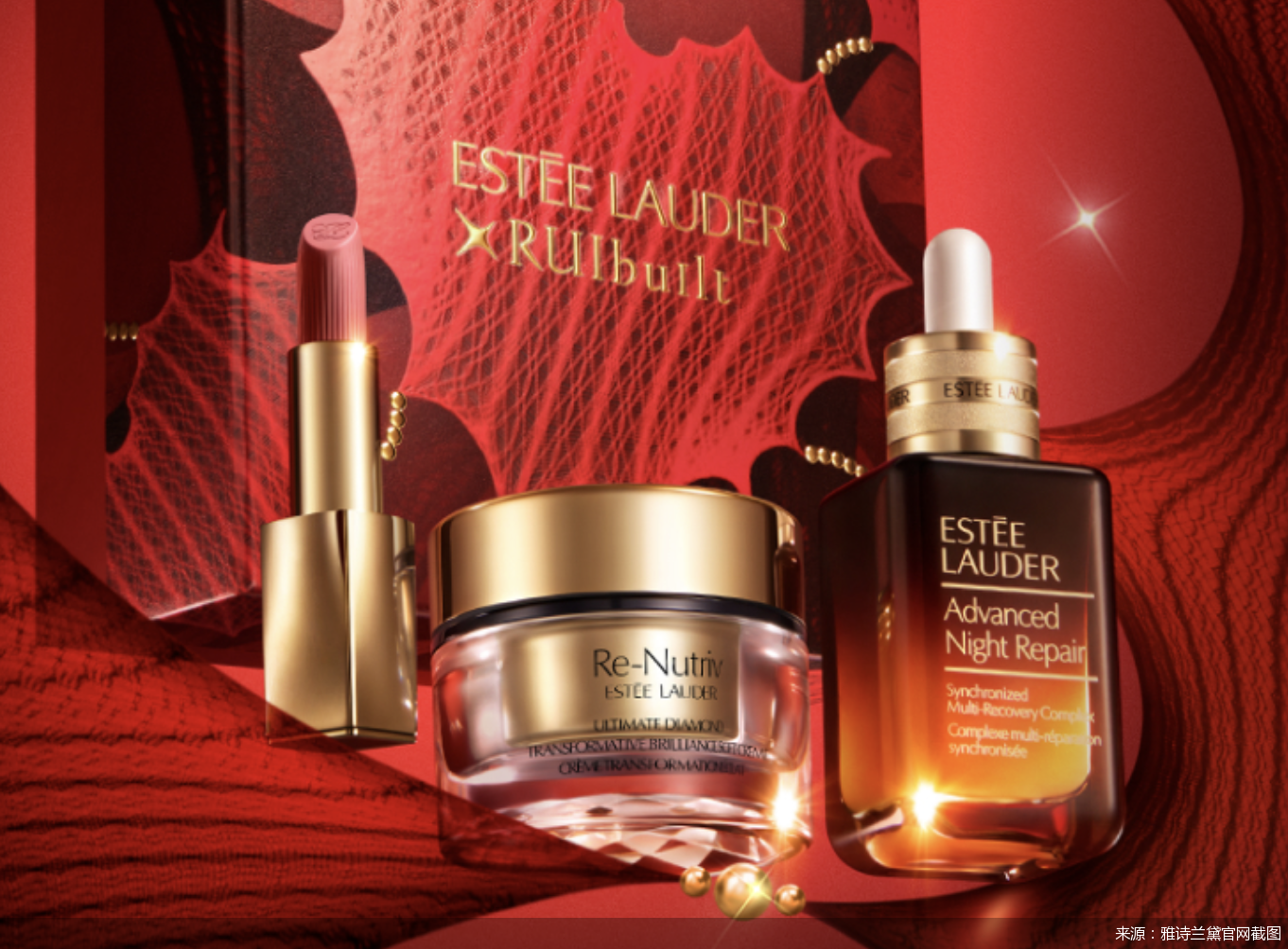
Core Insights - Estée Lauder's financial performance for fiscal year 2025 shows a significant decline, with net sales dropping by 8% to $14.326 billion and a net loss of $1.133 billion, marking the largest loss in recent years [1][2] - The management believes that the financial results align with expectations and indicate that the company's transformation efforts are beginning to yield results, particularly in the Chinese market [1][5] Financial Performance - For fiscal year 2025, Estée Lauder reported net sales of $14.326 billion, a decrease of 8% year-over-year, and a net profit decline of 390%, shifting from a profit of $390 million to a loss of $1.133 billion [2] - Revenue declines were noted across multiple business segments, with skincare and scalp care down by 12% and 10% respectively, and makeup sales falling by 6% [2] - Core brands, including Estée Lauder and La Mer, have contributed to the overall performance decline [2] Market Strategy - Estée Lauder is focusing on the Chinese market, where increased consumer investment has led to high single-digit retail growth in the third and fourth quarters, with expectations for mid-single-digit growth in fiscal year 2026 [1][6] - The company has introduced a new growth strategy called "Beauty Reimagined," aimed at becoming a consumer-centric global leader in high-end beauty [4] Product Innovation Challenges - Industry experts highlight that Estée Lauder faces significant challenges due to a lack of product innovation, which has weakened its competitive position [3][8] - The company plans to address this by hiring a new head of R&D and aims to increase the sales proportion of innovative products to over 25% by fiscal year 2026 [8] R&D and Competitive Position - Estée Lauder's R&D investment has been lower than competitors, maintaining a ratio of 1.5% to 2% compared to 3% for L'Oréal and Shiseido, which has resulted in slower product launches [7] - The company has been criticized for its conservative approach to product upgrades, with significant gaps in innovation for key products [7] Future Outlook - Estée Lauder is optimistic about the Chinese market, viewing it as a significant opportunity, especially in the anti-aging segment, which continues to see growth [6] - The company is expected to report a slight decline or better performance in the first quarter of fiscal year 2026, with growth in global travel retail and the Chinese market offsetting declines in other areas [6]

丸美生物20250825
2025-08-25 14:36
Summary of Perfect Diary's Conference Call Company Overview - **Company**: Perfect Diary (完美生物) - **Industry**: Beauty and Skincare Key Financial Performance - **Revenue**: In the first half of 2025, Perfect Diary achieved revenue of 6 billion CNY, a year-on-year increase of 5.21% [2] - **Net Profit**: The net profit attributable to shareholders was 1.86 billion CNY, up 5.21% year-on-year, while the net profit after deducting non-operating losses was 1.77 billion CNY, a growth of 6.64% [3] - **Gross Margin**: The gross margin stood at 74.6%, remaining stable compared to the previous year [3] - **Online vs. Offline Sales**: Online sales accounted for 88.87% of total revenue, growing 37.85% year-on-year, while offline sales declined by 7.07% [2][3] Brand Performance - **Perfect Brand**: Generated 12.5 billion CNY in revenue, a 34.36% increase, representing 70.72% of total revenue [4] - **PL Brand**: Achieved 5.16 billion CNY in revenue, up 23.87%, accounting for 29.22% of total revenue [4] - **Product Highlights**: Eye care products grew by 76.18%, skincare products by 20%, and cleansing products by 11.46% [5] Research and Development - **R&D Investment**: R&D expenses reached 40.69 million CNY, a 13.53% increase [6] - **Patents**: The company has applied for 619 patents, with 365 granted, of which 70% are invention patents [6] - **Innovation Projects**: Three new research projects were initiated, including collagen-based hydrogel development [6] Marketing and Sales Strategies - **Sales Growth**: Sales increased by 150% year-on-year, with marketing expenses decreasing by 14% [10] - **Brand Exposure**: Significant brand exposure achieved through celebrity endorsements and themed marketing campaigns, resulting in a 37% increase in search index on Douyin [11] - **Self-broadcasting Growth**: Self-broadcasting business saw explosive growth, with Q1 and Q2 increasing by 60% and 100% respectively [12] Future Outlook - **Revenue Target**: The company aims for total revenue of 21 billion CNY in 2025, a 50% increase [4] - **Profit Margin Goal**: The target profit margin for the year is set at 12% [4] - **Brand Development**: Plans to continue enhancing brand differentiation and synergy between Perfect and PL brands [9] Market Positioning - **PL Brand Transition**: PL brand has transitioned from a trendy makeup brand to a professional base makeup brand, with a growth target of 30% for the year [15][23] - **Product Series**: The main product series include the collagen series (40-50% of sales), 6D peptide series (30-35%), and anti-aging series (15-20%) [24] Challenges and Strategies - **Market Competition**: The beauty industry is facing intense competition, necessitating a focus on both profit margins and scale [21] - **Investment in Brand Building**: The company emphasizes the importance of brand building alongside immediate sales, planning to maintain brand budgets despite economic challenges [29] Conclusion - **Long-term Vision**: Perfect Diary is committed to long-term growth through innovation, brand development, and a balanced approach to profitability and scale [34]

逸仙电商上涨3.13%,报10.56美元/股,总市值9.91亿美元
Jin Rong Jie· 2025-08-25 13:55
Group 1 - The stock price of Yatsen Holding (YSG) increased by 3.13% on August 25, reaching $10.56 per share, with a total market capitalization of $991 million [1] - As of June 30, 2025, Yatsen's total revenue is projected to be 1.92 billion RMB, representing a year-on-year growth of 22.48% [1] - The company's net profit attributable to shareholders for the fiscal year 2025 is expected to be -22.97 million RMB, showing a significant year-on-year increase of 88.68% [1] Group 2 - Yatsen Holding Limited is a Cayman Islands-registered holding company that operates primarily through its domestic subsidiary, Guangzhou Yatsen E-commerce Co., Ltd. [2] - Founded in 2016, Yatsen is a leading player in the Chinese beauty market, aiming to create an exciting journey of beauty exploration for consumers in China and worldwide [2] - The company owns several high-growth cosmetic and skincare brands, including Perfect Diary, Little Ondine, Abbys Choice, Galenic, DR.WU, EVE LOM, Pink Bear, and EANTiM, and engages customers through both online and offline channels across major e-commerce, social, and content platforms in China [2]

雅诗兰黛由盈转亏:多品牌收入下滑,押注产品创新
Bei Jing Shang Bao· 2025-08-25 13:43
Core Viewpoint - Estée Lauder reported a significant decline in net sales and a substantial loss for fiscal year 2025, indicating ongoing challenges despite strategic adjustments. The management believes the results align with expectations and reflect the effectiveness of their transformation efforts, particularly in the Chinese market [1][4][6]. Financial Performance - For fiscal year 2025, Estée Lauder's net sales were $14.326 billion, down 8% year-over-year, with a net loss of $1.133 billion, a 390% decline from a profit of $390 million the previous year [3][4]. - Key business segments experienced revenue declines: skincare and scalp care down 12% and 10% respectively, while makeup sales fell by 6%. The operating profit for makeup, fragrance, and scalp care turned negative, with skincare profit down 22% [3][4]. Market Dynamics - The decline in performance is attributed to the underperformance of core brands Estée Lauder and La Mer, which have negatively impacted overall results [3][4]. - The brand's increasing mainstream appeal and lack of innovation have led to diminished competitiveness, with local Chinese beauty brands capturing market share [5][10]. Strategic Focus - Estée Lauder is placing significant emphasis on the Chinese market, forecasting a return to mid-single-digit growth in fiscal year 2026, reflecting initial signs of stabilization [8]. - The company has initiated a major transformation strategy called "Beauty Reimagined," aiming to enhance consumer focus and regain market leadership [6][8]. Innovation and R&D - The company acknowledges a lack of product innovation as a critical issue, planning to hire a new head of R&D to increase the proportion of sales from innovative products to over 25% by fiscal year 2026 [9][10]. - Estée Lauder's R&D spending has been lower than competitors, maintaining a ratio of 1.5%-2%, compared to 3% for L'Oréal and Shiseido, which has contributed to slower product launches [9][10].
“流量焦虑”时代,花西子却在京东美妆迎3倍增长?
FBeauty未来迹· 2025-08-25 12:01
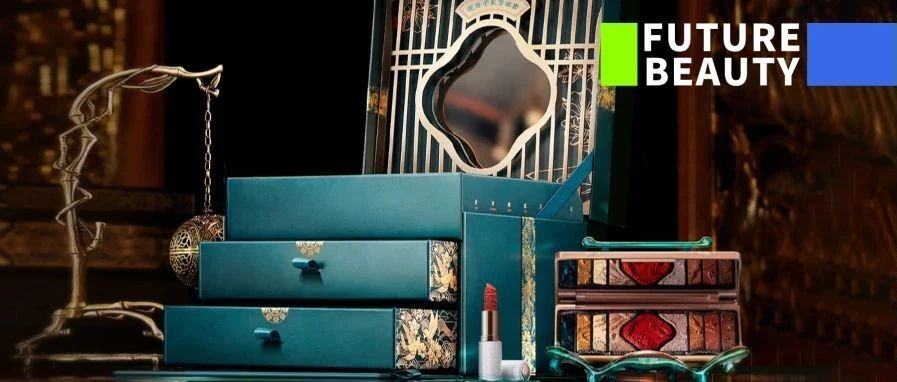
Core Viewpoint - The collaboration between Huaxizi and JD Beauty has led to significant growth for Huaxizi, showcasing a successful model for beauty brands to achieve sustainable growth through strategic partnerships and operational upgrades [4][10][17] Group 1: Huaxizi's Growth and Performance - Huaxizi's transaction volume on JD Beauty saw a year-on-year increase of over 60% during the periods of May 20 and June 18, with new customer numbers doubling and daily sales exceeding 300 million [4] - The brand achieved a double-digit year-on-year increase in repurchase rates in the first half of the year, indicating a shift towards high-quality, long-term business rather than just short-term spikes [5] - By the end of 2024, Huaxizi completed foundational work in e-commerce operations on JD Beauty, setting the stage for future growth [9] Group 2: Strategic Collaboration and Operational Upgrades - After a period of reflection, Huaxizi focused on refining its e-commerce fundamentals, reducing reliance on social media exposure, and emphasizing product and store operations [7] - The partnership initiated a "Tenfold Growth Plan" in May 2024, although initial sales performance did not meet expectations, leading to a collaborative review of strategies [7][8] - Through systematic testing of promotional mechanisms and product combinations, Huaxizi's sales performance improved significantly, with new customer numbers increasing by 22 times during the launch of a new product [8] Group 3: Market Positioning and Consumer Insights - The collaboration revealed Huaxizi's potential in the gifting market, with a notable increase in sales from gift scenarios, reaching 40% of total sales during specific campaigns [12] - The introduction of a "Star Promotion" strategy targeting younger female consumers was implemented, resulting in a significant increase in sales and customer engagement [13] - The partnership emphasized the importance of maintaining product quality and innovation, with Huaxizi investing in R&D to enhance its product offerings [15][16] Group 4: Industry Insights and Future Directions - The case of Huaxizi and JD Beauty illustrates a shift in the beauty industry towards sustainable growth models that prioritize product quality and operational efficiency over mere traffic acquisition [10][17] - The collaboration serves as a blueprint for other beauty brands seeking to navigate market uncertainties by building operational capabilities and leveraging platforms that provide systematic support [17]

一支口红1200元,LV入场美妆能分到蛋糕吗
Di Yi Cai Jing· 2025-08-25 10:17
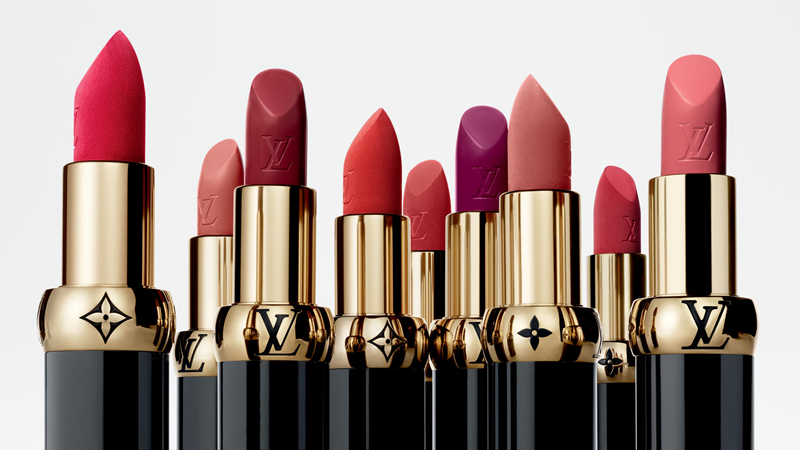
Core Viewpoint - The luxury goods industry is facing challenges, prompting brands to explore new business avenues such as cosmetics, with Louis Vuitton (LV) entering the beauty market later than its competitors [1][6]. Group 1: LV's Entry into the Beauty Market - LV announced its entry into the beauty sector on August 20, launching a new makeup line in China, which includes a variety of products except eyeshadow [1][3]. - The new makeup line took four years to prepare and features products like 8 palettes of four-color eyeshadows, 10 transparent lip balms, and 55 shades of LV Rouge lipsticks [3][4]. - The first global perfume and beauty boutique was opened in Nanjing, with the Shanghai Hang Lung Plaza being the only offline store for LV beauty products in Shanghai [3][4]. Group 2: Competitive Landscape - LV is the last among top luxury brands to enter the beauty market, with Chanel and Dior having established their beauty lines decades ago [6]. - Chanel's beauty segment accounted for about one-third of its total sales, while Dior has been in the beauty business for nearly 80 years [6]. - Other luxury brands like Gucci and Burberry are also launching beauty products, recognizing the rapid growth and immediate revenue potential of the cosmetics market [8]. Group 3: Market Performance and Trends - The beauty segment has shown resilience amid overall stagnation in luxury goods sales, becoming a bright spot for brands like LVMH, which reported stable revenue in its perfume and cosmetics division [8]. - LVMH's perfume and cosmetics revenue reached €4.082 billion in the first half of the year, a slight decline of 1% year-over-year, indicating a need for independent operational systems to enhance growth [8]. - Despite the potential, the beauty segment's contribution remains limited, with Hermes reporting a 4.1% decline in its beauty and fragrance revenue to €248 million, representing only 3.1% of its total revenue [8].
「天呈汇」GEO如何重构品牌与用户的连接方式?
Sou Hu Cai Jing· 2025-08-25 07:42
Core Insights - The article discusses the transformative impact of the Global Engagement Optimization (GEO) framework on brand-user interactions, shifting from traditional marketing to a co-creation model that enhances long-term brand growth [1] Group 1: Brand Connection Challenges - The traditional marketing funnel is becoming ineffective, with consumers exposed to over 5000 ads daily but retaining only 1.2% in memory [1] - The fragmentation of information channels and the shift from linear decision-making to a networked structure of experience, trust, and repurchase are highlighted [1] - A survey indicates that 83% of Gen Z consumers will permanently abandon a brand after a negative experience, while only 17% are willing to give a second chance [1] Group 2: GEO Framework for Connection Reconstruction - The GEO model reconstructs connections through three dimensions: Global touchpoint layout, Emotional value embedding, and Open ecosystem operation [2] - The elevation of touchpoints includes integrating physical and digital experiences, exemplified by a smart home brand that increased repurchase rates by 240% through predictive service reminders [2] - The narrative revolution emphasizes the need for brands to engage in liquid storytelling, as seen in a new energy vehicle brand that shortened product development cycles by 30% and achieved a pre-sale conversion rate 3.6 times the industry average [2] - Companies utilizing the GEO model have a user data utilization rate of 78%, significantly above the industry average [2] Group 3: Technological Innovations Driving GEO Implementation - AIGC is reshaping content production, with 42% of brands expected to use AI-generated personalized content by 2025, leading to a 17-minute increase in user interaction time per month [3] - Blockchain technology is enhancing trust mechanisms, with a system that reduces counterfeit complaints by 92% through product lifecycle traceability [3] - The metaverse is creating immersive experiences, as demonstrated by a fast-moving consumer goods brand that received product ideas from 137 countries within three months [3] Group 4: Value Measurement System for Long-term Connections - The GEO model necessitates new evaluation dimensions, including Relationship Temperature Index (RTI), which shows that a 1-point increase in RTI can boost user lifetime value by 23% [4] - Co-creation Value Pool (CVP) measures the commercial value generated from user participation in product improvements, with a digital brand generating an additional 120 million yuan annually from user-developed plugins [4] - Ecosystem Health Index (EHI) monitors the collaborative state among users, partners, and the social environment, with leading companies beginning to publish sustainability reports [4] Group 5: Future Challenges in GEO Strategy Implementation - Brands must be cautious of data ethics boundaries, as excessive personalization can lead to negative user experiences, exemplified by a social platform that saw a 15% drop in daily active users due to precise recommendations [6] - The fairness of value distribution is a new challenge, focusing on how to share benefits through token economies when users contribute data and ideas [7] - Organizational capabilities need restructuring, with traditional marketing departments evolving into user growth centers, as seen in a multinational company appointing a Chief Experience Officer [8]
水羊股份(300740):二季度归母净利同比增长24% 高端化转型成效显著
Xin Lang Cai Jing· 2025-08-25 00:43
Core Viewpoint - The company demonstrated accelerated growth in Q2 2025, with revenue reaching 2.5 billion, a year-over-year increase of 9.02%, and net profit attributable to shareholders at 123 million, up 16.54% year-over-year [1] Financial Performance - In Q2 2025, the company achieved revenue of 1.414 billion, reflecting a year-over-year growth of 12.16%, and net profit of 81 million, which is a 23.76% increase year-over-year [1] - The company's gross margin and net margin for Q2 2025 were 65.27% and 5.77%, respectively, showing improvements of 3.67 and 0.48 percentage points year-over-year [2] Business Segments - The self-owned brand segment generated revenue of 1.039 billion in H1 2025, accounting for 41.55% of total revenue, with a gross margin of 76.83%, up 5.7 percentage points year-over-year [1] - The company is focusing on high-end brands such as Ifidan, Perheqiao, and Revive, with Revive contributing significantly to revenue growth after its acquisition [1] - The agency operation business is returning to normal development, focusing on leading brands like Dabao and Mistick, which has stabilized overall profit margins [2] Product Categories - In H1 2025, the water, milk, and cream category generated revenue of 1.997 billion, a year-over-year increase of 11.70%, while the mask category achieved revenue of 423 million, up 17.96% year-over-year [2] Sales Channels - The company primarily utilizes online e-commerce channels, with revenue from Taobao platforms at 595 million, a year-over-year increase of 3.63%, and from Douyin platforms at 998 million, up 16.11% year-over-year [2] Cost Structure - In Q2 2025, the sales, management, and R&D expense ratios were 48.47%, 4.80%, and 1.62%, respectively, reflecting increases of 1.20, 0.90, and 0.52 percentage points year-over-year [2]