中式餐饮

Search documents
小菜园上半年营收同比增长6.5%
Zheng Quan Ri Bao Wang· 2025-08-16 04:11
Core Insights - The company reported a revenue of RMB 2.714 billion for the period ending June 30, 2025, representing a year-on-year growth of 6.5% [1] - Shareholder profit attributable to the company was RMB 382 million, showing a significant increase of 35.7% compared to the previous year [1] - Basic earnings per share were RMB 0.33, with a proposed interim dividend of RMB 0.2119 per share [1] Business Performance - The number of operating stores reached 672, an increase from 617 stores in the same period last year, indicating steady growth [1] - Dine-in revenue grew by 2.2% to RMB 1.647 billion, while takeaway revenue saw a more substantial increase of 13.7% to RMB 1.057 billion [1] - The number of takeaway orders rose from 12.8 million to 16.8 million year-on-year, reflecting a strong demand in the takeaway segment [1]
中国餐饮企业正在参与一场新时代的哥伦布大交换
Sou Hu Cai Jing· 2025-08-16 03:51
Core Viewpoint - The year 2023 is considered a pivotal moment for the Chinese restaurant industry as it embarks on a new wave of globalization, with numerous brands accelerating their overseas expansion efforts, marking a significant shift from previous attempts [3][4][5]. Group 1: Historical Context of Chinese Restaurant Globalization - The Chinese restaurant industry has experienced three previous waves of globalization, starting in the mid-19th century with immigrants opening various eateries abroad [3]. - The second wave occurred in the 1990s when state-owned brands attempted to enter international markets but often failed due to a lack of understanding of local markets [3]. - The third wave around 2010 saw brands like Haidilao and Huang Jihuang learn from past mistakes, successfully adapting their strategies to local tastes and preferences [3][4]. Group 2: Characteristics of the 2023 Globalization Wave - The current wave of globalization is marked by a diverse range of participants, including both large listed companies and smaller brands from lower-tier cities [4]. - The focus has shifted to a model and organizational approach, leveraging China's chain restaurant advantages while being flexible in ownership and franchise models [4][5]. - Chinese restaurant brands are increasingly recognized for their ability to adapt to various market segments and customer needs, supported by robust supply chain capabilities [10][13]. Group 3: Success Stories and Market Adaptation - Brands like Zhang Liang Spicy Hot Pot have successfully established a presence in markets like Thailand, where local acceptance has exceeded expectations [10][12]. - The adaptability of Chinese cuisine is highlighted by the success of Panda Express, which has over 2,300 locations globally and is well-regarded in North America [15][19]. - Happy Lamb Hot Pot has also made strides in international markets, with a significant portion of its customer base being local non-Chinese diners [21][24]. Group 4: Supply Chain and Operational Strategies - Chinese restaurant companies are enhancing their supply chain systems to ensure compliance and efficiency, addressing challenges such as sourcing quality ingredients and navigating regulatory hurdles [13][24]. - The importance of local teams and management structures is emphasized, with companies like Sweet Lala establishing comprehensive operational frameworks in overseas markets [25][27]. - The involvement of top executives in market research and decision-making processes is crucial for understanding local dynamics and ensuring successful market entry [27][28].


和府捞面会员突破3700万 98%好评率刷新服务门槛
Zheng Quan Ri Bao Wang· 2025-08-15 13:44
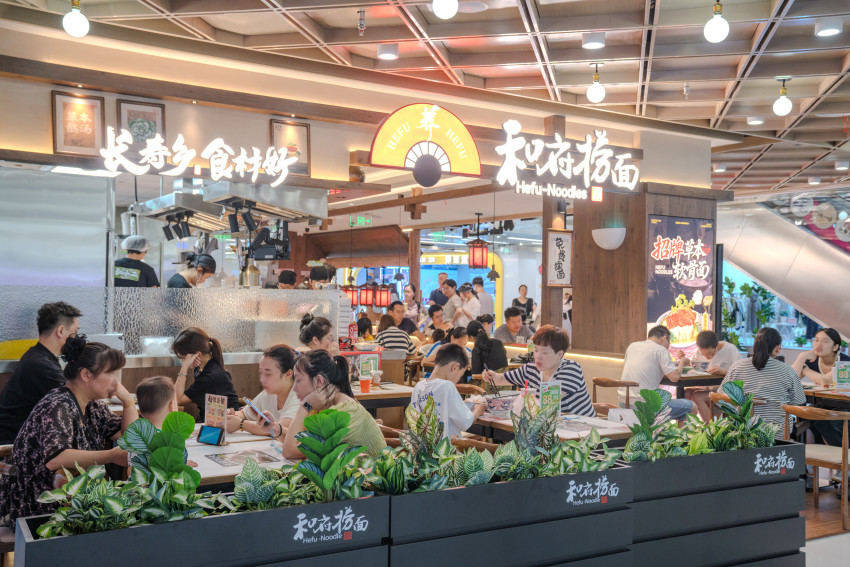
Core Insights - The company, HeFu Noodle, has achieved remarkable growth in revenue and membership despite market pressures, with a reported revenue of nearly 1.3 billion yuan in the first half of the year, setting a record for the past five years [1] - Membership numbers have surged from over 20 million in early 2024 to over 37 million within just a year and a half, indicating strong consumer engagement [1] - The company has maintained a high consumer satisfaction rate, with an average monthly rating of approximately 98% on public review platforms, reflecting an increase of about two percentage points from the previous year [1] Product Innovation and Pricing Strategy - HeFu Noodle has focused on product innovation, launching new items at a frequency of 1.33 times per month in the first half of 2025, leading the noodle market [2] - The company has adjusted its main price range to 20-30 yuan in 2024, enhancing consumer appeal through competitive pricing [3] - In 2025, the classic beef soup noodle series was re-priced to 29 yuan, further improving the quality-price ratio and attracting more consumers [3] Membership and Service Enhancement - The company has implemented a sophisticated membership system, utilizing data analytics to create personalized marketing strategies, thereby increasing member engagement [4] - HeFu Noodle has achieved real-time monitoring of all its stores, ensuring a consistent and high-quality customer experience [5] - The company emphasizes customer feedback and service improvement, contributing to its high satisfaction rate and loyalty among consumers [5][6] Future Outlook - HeFu Noodle aims to continue focusing on consumer needs, enhancing product innovation, and improving membership services to adapt to changing market trends [7] - The company is committed to maintaining its growth trajectory and setting a benchmark for long-term development in the restaurant industry [7]
小菜园上半年纯利增长35.7%
Zheng Quan Shi Bao Wang· 2025-08-15 05:02
Core Insights - The company reported a revenue of RMB 2.714 billion for the period ending June 30, 2025, representing a year-on-year growth of 6.5% [1] - Shareholder profit attributable to the company was RMB 382 million, showing a significant increase of 35.7% compared to the previous year [1] - Basic earnings per share were RMB 0.33, with an interim dividend proposed at RMB 0.2119 per share [1] Revenue Breakdown - Dine-in business revenue reached RMB 1.6471 billion, growing by 2.2%, primarily due to an increase in the number of operating stores from 617 as of June 30, 2024, to 672 as of June 30, 2025 [1] - Takeaway business revenue amounted to RMB 1.0574 billion, reflecting a growth of 13.7% [1] Operational Metrics - The overall table turnover rate remained stable at 3.1, consistent with the same period last year [1] - There was a slight improvement in the turnover rate in second-tier cities, attributed to enhanced store efficiency through optimized store formats [1]
小菜园发布中期业绩 权益股东应占溢利3.82亿元 同比增加35.7%
Zhi Tong Cai Jing· 2025-08-15 04:18
Core Viewpoint - The company reported a revenue of 2.714 billion RMB for the six months ending June 30, 2025, reflecting a year-on-year increase of 6.5% [1] - The profit attributable to equity shareholders was 382 million RMB, representing a year-on-year increase of 35.7% [1] - The company proposed an interim dividend of 0.2119 RMB per share [1] Revenue Breakdown - The increase in revenue was primarily driven by a rise in dine-in business, which contributed an additional 35.5 million RMB, and a significant growth in takeaway business, which increased by 1.28 billion RMB [1] - The dine-in revenue growth was attributed to an increase in the number of operational stores, with 672 "Little Garden" stores as of June 30, 2025, compared to 617 stores as of June 30, 2024 [1] - The takeaway revenue growth was due to an increase in the number of takeaway orders, which rose from 12.8 million orders in the six months ending June 30, 2024, to 16.8 million orders in the six months ending June 30, 2025 [1]
小菜园(00999.HK)上半年纯利增长35.7%至3.82亿元 外卖业务收入增长强劲
Ge Long Hui· 2025-08-15 04:11
Core Viewpoint - The company reported a revenue of RMB 2.714 billion for the six months ending June 30, 2025, representing a year-on-year growth of 6.5% and a significant increase in profit attributable to equity shareholders by 35.7% to RMB 382 million [1] Group 1: Financial Performance - Revenue for the first half of 2025 was RMB 2.714 billion, up 6.5% year-on-year [1] - Profit attributable to equity shareholders increased by 35.7% to RMB 382 million, with basic earnings per share at RMB 0.33 [1] - The company proposed an interim dividend of RMB 0.2119 per share [1] Group 2: Business Segments - Dine-in revenue rose by 2.2% to RMB 1.647 billion, driven by an increase in the number of operating stores [1] - As of June 30, 2025, the company operated 672 "Little Garden" stores, up from 617 stores a year earlier [1] - Takeaway revenue increased by 13.7% to RMB 1.057 billion, attributed to a rise in takeaway orders from 12.8 million to 16.8 million [1] Group 3: Operational Metrics - The overall table turnover rate for the first half of 2025 remained stable at 3.1 compared to the same period in 2024 [2] - There was a slight improvement in the turnover rate in second-tier cities, mainly due to optimized store types enhancing store efficiency [2]
小菜园(00999):高性价比中餐龙头,门店扩张进行时
SINOLINK SECURITIES· 2025-08-13 09:25
Investment Rating - The report initiates coverage with a "Buy" rating for the company [3] Core Views - The company is positioned as a high-cost-performance leader in the mass-market Chinese dining sector, with a robust growth trajectory and a focus on standardization and cost efficiency [1][2] - The mass-market Chinese dining industry is projected to grow at a CAGR of 8.9% from 2023 to 2028, with the company expected to capitalize on this trend through its expansion strategy [1][12] - The company has established a strong supply chain and operational standardization, which enhances its competitive edge in the market [2][46] Summary by Sections Company Overview - The company went public on December 20, 2024, raising HKD 790 million by issuing 101 million shares at an IPO price of HKD 8.5 [1] - As of 2024, the company operates 667 stores, with revenue of CNY 5.21 billion, reflecting a year-on-year growth of 14.5%, and a net profit of CNY 581 million, up 9.1% [1][22] Industry Trends - The mass-market Chinese dining sector is valued at approximately CNY 40 trillion, with a significant shift towards cost-effective dining options [12][15] - The chain restaurant penetration rate in China is expected to rise from 15% in 2020 to 23% in 2024, indicating a trend towards standardization in the industry [1][15] Competitive Advantages - The company targets the CNY 50-100 price range, aligning with consumer preferences for value dining, and has a strong operational model that allows for rapid store expansion [2][36] - The average investment payback period for new stores is 13.8 months, shorter than the industry average of 18 months, indicating strong growth potential [2][49] - The company has built a comprehensive supply chain system, including a central kitchen and 14 warehouses, enhancing its operational efficiency [2][46] Growth Outlook - The company is expected to open 130, 160, and 175 new stores in 2025, 2026, and 2027 respectively, with a theoretical maximum of 1,810 stores under neutral assumptions and 4,308 under optimistic scenarios [2][3] - Revenue projections for 2025, 2026, and 2027 are CNY 62.6 billion, CNY 76.8 billion, and CNY 92.9 billion, respectively, with corresponding net profits of CNY 7.2 billion, CNY 9.1 billion, and CNY 11 billion [3][6] Financial Projections and Valuation - The company is projected to achieve an EPS of CNY 0.61, CNY 0.78, and CNY 0.94 for 2025, 2026, and 2027, respectively, with a target price of HKD 18.07 based on a 20X PE for 2026 [3][6]
和府捞面上半年营收利润均创新高,背后逻辑竟是“一升再升”?
Sou Hu Cai Jing· 2025-08-07 07:56
Core Insights - The restaurant industry is facing intensified competition, with per capita consumption declining to 39.8 yuan in 2024, a 6.6% year-on-year decrease [1] - The proportion of consumers increasing their dining expenditure dropped from 50.0% in 2023 to 31.3% in 2024 [1] - Some businesses are sacrificing food quality and service to engage in price wars, leading to a detrimental cycle for consumer interests [1] Company Performance - Hefo Noodle achieved nearly 1.3 billion yuan in revenue in the first half of 2025, marking a historical high in both revenue and profit over the past five years, with membership surpassing 37 million [1] - The brand successfully entered the mainstream price range of 25-29 yuan, challenging the perception that high-end equates to high prices [3] - Hefo Noodle's product innovation and high-quality ingredients have garnered market recognition, with popular items like the black cabbage braised meat rice being labeled as "the greatest single product" by consumers [3] Supply Chain and Pricing Strategy - Hefo Noodle's competitive edge stems from its unique supply chain model, which was established before opening stores, allowing for cost reduction and efficiency [6] - The brand has maintained high quality while continuously exploring organic and premium ingredients, launching new products that appeal to consumers [6] - Recent price adjustments for the beef soup noodle series brought prices below 30 yuan, enhancing its competitive position in the market [4] Consumer Trust and Brand Reputation - Hefo Noodle's transparent supply chain practices, including live-streaming of kitchen processes, have built consumer trust, with 850,000 viewers engaging in a recent live event [6] - The brand's commitment to quality and service has resulted in a high average rating of approximately 98% on platforms like Dazhong Dianping, an increase of about two percentage points from the previous year [7] - Hefo Noodle has been recognized as the top brand in the "Top Ten Noodle Shops" for three consecutive years by Hongcan Network, reflecting its strong industry reputation [7]
遇见小面IPO前夕,最大外部股东“套现”4200万元
Sou Hu Cai Jing· 2025-08-07 04:36
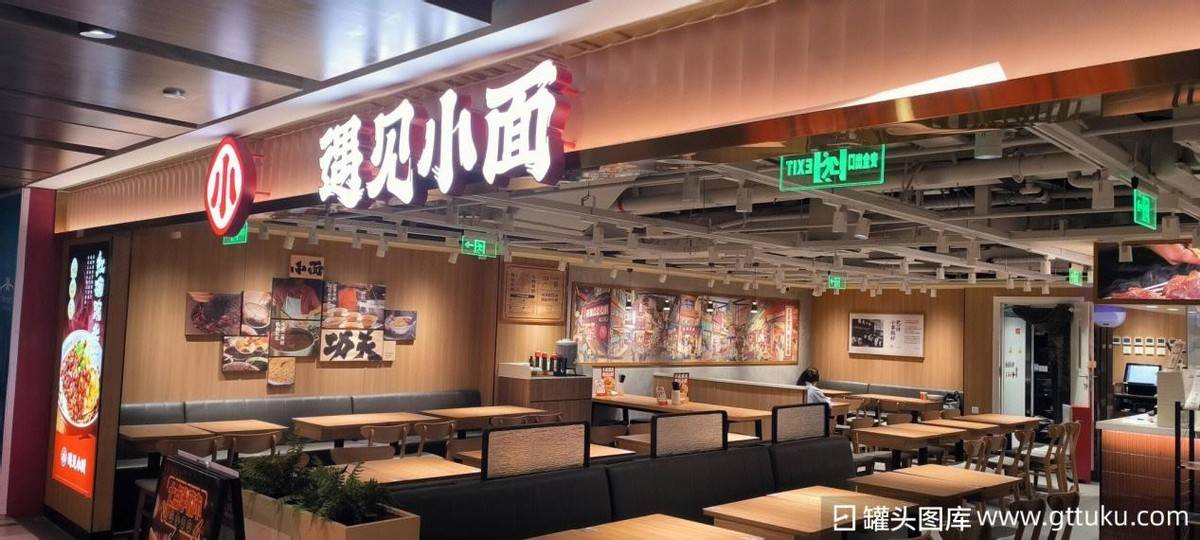
Group 1 - The core point of the article is that Baifu Holdings has announced the transfer of a 1.71% stake in Yujian Xiaomian for 48 million yuan, reducing its ownership from 17.16% to 15.46% while still maintaining it as an associate company [3][5] - The transaction is expected to generate a pre-tax profit of approximately 42 million yuan for Baifu Holdings, based on the estimated value of the investment and the transaction price [3][5] - Yujian Xiaomian is valued at approximately 2.8 billion yuan based on the transaction price [5] Group 2 - Baifu Holdings is a restaurant platform enterprise controlled by Lenovo-affiliated PE Hongyi Investment, focusing on investment, acquisition, and management of restaurant brands [5] - The company has been a significant investor in various well-known restaurant brands, including Yujian Xiaomian, and has participated in multiple funding rounds [5] - The reason for the stake sale is to recoup initial investment costs to supplement working capital and seek new investment opportunities, while the company has no plans to sell the remaining shares [5][6] Group 3 - Yujian Xiaomian submitted its IPO application to the Hong Kong Stock Exchange on April 15, aiming for a mainboard listing [6] - As of April 5, Yujian Xiaomian operates 374 restaurants in 22 cities in mainland China and 6 in Hong Kong, with 64 new restaurants in preparation [6] - On May 30, the China Securities Regulatory Commission requested Yujian Xiaomian to clarify six issues, raising concerns about the impact of Baifu Holdings' stake reduction on the company's IPO process and future development [7]
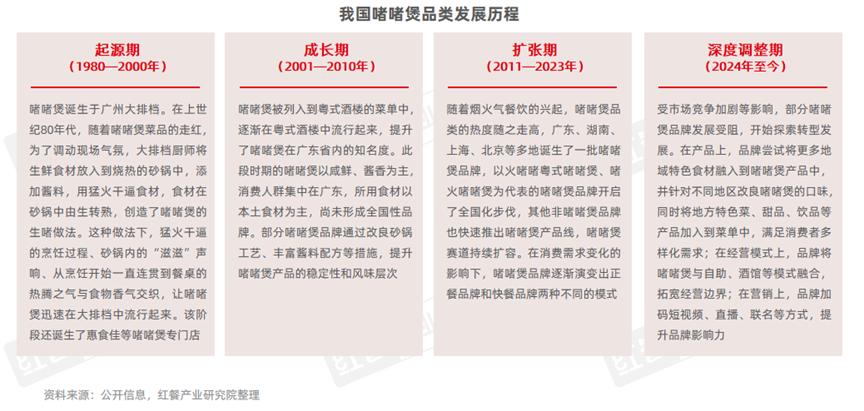
啫啫煲品类发展报告2025:1.5万家门店竞争,近四成门店在广东
3 6 Ke· 2025-08-06 04:24
Core Insights - The market for "Zhe Zhe Pot" has gained significant attention, with a report indicating its development potential and the emergence of numerous brands across various regions [1][2][10] Market Overview - As of 2025, there are nearly 15,000 "Zhe Zhe Pot" stores nationwide, with approximately 40% located in Guangdong [2][6] - The "Zhe Zhe Pot" originated in the 1980s in Guangzhou and has evolved through four stages: origin, growth, expansion, and deep adjustment [2][3] Development Stages - **Origin Stage (1980-2000)**: The dish was created in Guangzhou's street stalls, gaining popularity through its unique cooking method [3] - **Growth Stage (2001-2010)**: The dish was included in Cantonese restaurant menus, increasing its recognition in Guangdong [3] - **Expansion Stage (2011-2023)**: The rise of casual dining led to a surge in "Zhe Zhe Pot" brands across various cities [3] - **Deep Adjustment Stage (2024 onwards)**: Brands are exploring transformation and diversification due to intensified market competition [3] Consumer Trends - The popularity of "Zhe Zhe Pot" has surged on social media platforms, with Douyin's search index showing significant increases, peaking with 2.27 billion views on related videos by July 2025 [3][4] - Xiaohongshu has also seen 160 million views on "Zhe Zhe Pot" topics, indicating strong consumer engagement [4] Brand Landscape - The number of registered "Zhe Zhe Pot" related enterprises grew by 131.9% in 2023 and 72% in 2024, with a 35.8% year-on-year increase in total enterprises by July 2025 [6] - Despite growth, 96.3% of brands have fewer than five stores, indicating significant room for scaling [6] Geographic Distribution - The top five provinces for "Zhe Zhe Pot" store numbers are Guangdong, Zhejiang, Jiangsu, Guangxi, and Fujian, with Guangdong alone accounting for 39.6% of the total [8] - Major cities include Guangzhou, Foshan, Shenzhen, Beijing, and Shanghai, with the first three cities comprising 24.7% of the total store count [8] Brand Strategies - Brands are diversifying their offerings, with some introducing high-end ingredients and unique dining experiences, while others focus on affordability and quick service [11][13] - The "Zhe Zhe Pot" market is evolving to include various culinary styles and flavors, catering to diverse consumer preferences [14] Marketing Approaches - Brands are leveraging short videos, live streaming, and collaborations to enhance their market presence and attract consumers [20] - Innovative marketing strategies include themed events and interactive promotions to deepen consumer engagement [20] Conclusion - The "Zhe Zhe Pot" market is experiencing rapid growth and brand diversification, but challenges such as market education and product differentiation remain [22]