健身

Search documents
高考体育生不少,为什么健身教练本科率不高?
36氪· 2025-06-24 00:10
Core Viewpoint - The article discusses the mismatch between the increasing number of university sports students and the actual demand for fitness coaches in the industry, highlighting the need for better alignment between education and industry requirements [4][20][26]. Group 1: Current State of Fitness Coaching Industry - The fitness coaching industry in China is facing a talent shortage, with 48% of fitness coaches lacking a professional background, leading to concerns about the overall quality of coaching [4][20]. - The educational background of fitness coaches is diverse, with 41.1% holding a bachelor's degree, while 33.8% have a college diploma, and 18% have a high school or vocational education [20][22]. - Despite the influx of university sports students, only about 10% of them pursue careers as fitness coaches, with many opting for roles in education or other fields [22][24]. Group 2: Educational Mismatch - University sports programs are not adequately preparing students for the practical demands of fitness coaching, as many skills required in the industry are not taught in academic settings [9][27]. - The curriculum in sports education often focuses on specialized sports rather than general fitness coaching, leading to a gap in practical application for fitness trainers [10][30]. - There is a perception among students that fitness coaching is a less stable career option compared to other professions, which affects their willingness to pursue this path [35][36]. Group 3: Future Directions - The industry requires a more structured approach to integrate university sports students into the fitness coaching workforce, emphasizing the importance of practical training and career guidance [13][43]. - Initiatives to raise awareness about the fitness coaching profession and its potential benefits are being implemented, aiming to increase student interest and participation in the field [43][44]. - The future of the fitness coaching profession may hinge on developing a more comprehensive educational framework that aligns with industry needs, ensuring that graduates are better equipped for the demands of the job [39][41].

减重市场,也需“健康管理”
Xin Hua Ri Bao· 2025-06-23 23:34
Core Insights - The weight management economy in China is experiencing rapid growth, driven by increased health awareness and government initiatives like the "Weight Management Year" action plan [1][5][10] - The market for weight management is projected to grow at an annual rate of 10.6%, potentially reaching 92.6 billion yuan by 2027 [5] - There are emerging concerns regarding the proliferation of misleading products and services in the weight management sector, necessitating a robust regulatory framework [7][10] Group 1: Market Dynamics - The outpatient volume for weight management clinics is increasing by 30% to 50% monthly, indicating a significant shift in public health consciousness [1] - The demand for low-calorie, low-sugar, and low-fat foods is rising, with the meal replacement market growing from 5.82 billion yuan in 2017 to 175 billion yuan in 2023, with a projected CAGR of 76.34% [6] - The number of fitness-related enterprises in China has reached approximately 966,200, with a 2.54% increase in registrations this year alone [5] Group 2: Consumer Behavior - Consumers are increasingly opting for "light meals" and fitness classes, with many young professionals choosing convenient meal options and gym memberships [2][3] - There is a growing trend of immersive weight management experiences, such as luxury weight loss camps, attracting affluent young adults [3] - Despite the growth in health consciousness, many individuals still resort to unregulated weight loss methods, leading to potential health risks [9][10] Group 3: Regulatory Challenges - The market is facing challenges from misleading marketing practices, such as false health claims on food products and weight loss services [7][8] - Recent regulations have been introduced to ban misleading labels like "no additives" and "zero additives," but enforcement remains a challenge [8] - There is a call for a comprehensive regulatory framework to ensure consumer safety and promote healthy weight management practices [10][11]
订单大涨!这一市场,火了→
新华网财经· 2025-06-23 09:41
Group 1 - The "weight management year" initiative in China is driving the growth of the "slimming economy" due to national policy guidance and increased public health awareness [1] - There has been a noticeable increase in foot traffic at fitness venues such as 24-hour gyms and squash courts in Beijing [2][3] - Many gyms are extending their operating hours and offering 24-hour services, along with diverse group classes like Pilates, yoga, and fat-burning dance to meet varied fitness demands [5] Group 2 - Light food options are becoming a new consumer favorite, with a rapid expansion of chain stores [8] - Low-fat, high-fiber light meals are increasingly chosen by consumers for weight management [9] - A light food chain in Beijing reports around 200 takeaway orders and 100 dine-in orders daily, with meal prices ranging from 30 to 40 yuan [11] - The search volume for "light food restaurants" in Beijing has increased by 145% since June, and group orders for healthy, low-fat meal sets have surged by 356% [12]

“瘦身经济”正在升温 6月以来北京地区主打“健康”“低脂”的轻食套餐团购订单量同比增长356%
news flash· 2025-06-22 19:35
Core Viewpoint - The "slimming economy" is gaining momentum in China, driven by national policy initiatives and increased public health awareness, particularly in Beijing where demand for healthy and low-fat meal options is surging [1] Group 1: Market Trends - Since June, the search volume for "fitness monthly cards" has increased by 31.6% year-on-year, while "24-hour self-service gym single-use cards" saw a remarkable growth of 96.9% [1] - There is a rising demand for engaging physical activities, with the search volume for "indoor trampoline parks" increasing by 96.4% and "squash courts" by 188% since June [1] Group 2: Consumer Preferences - In Beijing, the keyword search volume for "light meal restaurants" has surged by 145% since June, indicating a strong consumer interest in healthier dining options [1] - The group purchase order volume for healthy and low-fat light meal packages has skyrocketed by 356%, with popular items including yogurt avocado, fruit tea, and shrimp energy bowls [1]
“体重管理”带火“瘦身经济” 健康消费升温引领市场新风尚
Yang Shi Wang· 2025-06-22 03:32
Group 1: Fitness Industry Trends - The "weight management year" initiative in China is driving the growth of the "slimming economy," with increased foot traffic in fitness venues like 24-hour gyms and squash courts in Beijing [1] - There has been a significant rise in the search volume for fitness-related services, with "fitness monthly cards" up by 31.6% and "24-hour self-service gym cards" up by 96.9% compared to last year [1] - The demand for fun and engaging sports is increasing, as evidenced by a 96.4% rise in searches for "indoor trampoline parks" and a 188% increase for "squash courts" since June [1] Group 2: Home Fitness Equipment - In Yiwu, lightweight, portable, and smart fitness products are experiencing sales growth, with a notable increase in the popularity of abdominal wheels, which have seen sales rise by 40%-50% compared to last year [4][5] - The sales volume for the new abdominal wheel model has reached 30,000 to 50,000 units per month, indicating strong market demand [4] - Multi-functional home fitness equipment, such as a space-saving, customizable three-in-one barbell set, is also gaining traction among consumers [5] Group 3: Healthy Eating Trends - Light meals, characterized by low fat and high fiber, are becoming increasingly popular among consumers, with one individual ordering light meal takeout 3-5 times a week [6] - The search volume for "light meal restaurants" in Beijing has surged by 145% since June, and group orders for healthy meal packages have increased by 356% [12] - A light meal chain plans to open 10 new locations nationwide, reflecting confidence in future growth potential [12]
张弛深度合作交易所:重塑数字货币行业生态格局
Sou Hu Cai Jing· 2025-06-21 14:57
Group 1 - The core viewpoint of the article highlights the strategic vision and resource integration capabilities of Zhang Chi, which have led to significant collaborations with CW and NOVAX exchanges, reshaping the digital currency industry and injecting new vitality into it [1][6] Group 2 - The collaboration with CW exchange focuses on building a complete digital currency ecosystem, including the establishment of a developer platform to attract global blockchain developers and encourage the development of decentralized applications (DApps) [1][3] - Zhang Chi has coordinated industry resources to bring in well-known venture capital institutions to support quality projects, organized technical seminars, and hackathons to stimulate developers' innovation [3][6] - This collaboration has resulted in a virtuous ecological closed loop of "technology research and development - project incubation - application landing," enriching the platform's application scenarios and attracting numerous users and project parties [3][6] Group 3 - The partnership with NOVAX exchange focuses on the practical exploration of empowering traditional industries with technology, specifically integrating blockchain technology with the fitness industry [3][4] - Zhang Chi led a technical team to address challenges in the implementation of blockchain technology in fitness, developing an efficient blockchain middleware system that ensures real-time and accurate data on-chain [4][6] - The establishment of industry technical standards and collaboration with fitness equipment manufacturers and health management institutions has promoted technological synergy across the industry [4][6] Group 4 - The overall collaboration with both exchanges has redefined the development landscape of the digital currency industry, providing valuable insights and pathways for long-term growth and value enhancement [6]

染发、旅游、考驾照……“考后经济”透出消费新趋势
Sou Hu Cai Jing· 2025-06-21 04:45
Core Insights - The article highlights a surge in consumer spending among graduates following the 2025 college entrance examination, indicating a new trend in youth consumption characterized by diverse spending on skill training, leisure, and cultural tourism [1] Group 1: Beauty and Personal Care - There has been a noticeable increase in the number of students visiting beauty salons for hair dyeing and styling after the exams, with some salons extending their hours to accommodate the demand [2] - The average budget for hair-related services is around 300 yuan, while spending on new clothing and shoes can reach approximately 2000 yuan [3] - Medical beauty procedures, such as teeth correction and double eyelid surgery, are becoming increasingly popular among graduates, with budgets ranging from 3000 to 10000 yuan [3] Group 2: Skill Acquisition - Many graduates are opting to learn new skills during their break, leading to a 30% increase in driving school enrollments post-exams [4] - Swimming facilities have also seen a 40% increase in customer volume, with special programs tailored for graduates [4] Group 3: Travel and Leisure - Travel has become a popular choice for relaxation among graduates, with travel agencies reporting early bookings and special discounts for students [5] - Data from travel platforms indicates a 22% year-on-year increase in hotel bookings for travelers aged 22-25, with long-distance travel ticket bookings up by 35% [5][6] - Popular travel destinations include major cities like Beijing, Shanghai, and Chengdu, reflecting a trend towards experiential travel among young consumers [6] Group 4: Economic and Cultural Implications - The "post-exam economy" is not only an economic phenomenon but also a cultural one, reflecting societal values around education and future aspirations [8] - There is a call for regulatory measures to ensure healthy market development and to prevent exploitative practices disguised as "post-exam economy" promotions [8]
张弛携手交易所推动数字货币行业新发展
Sou Hu Cai Jing· 2025-06-20 22:02
Core Insights - The digital currency industry is experiencing significant growth, with strategic collaborations enhancing its ecosystem and innovation [1][3][5] Group 1: Collaboration with CW Exchange - The partnership with CW Exchange focuses on deep exploration of technical security, prioritizing technology research and development [1] - A professional team at CW Exchange is continuously upgrading the trading system's encryption algorithms and protective mechanisms [1] - The introduction of advanced distributed storage technology has improved user data storage security and stability [1] - The collaboration has optimized trading processes through smart contract technology, significantly reducing transaction confirmation times and enhancing trading efficiency [1] Group 2: Collaboration with NOVAX Exchange - The partnership with NOVAX Exchange aims to integrate blockchain technology with the fitness industry, creating a new sports economy model [3] - Collaborations with well-known fitness institutions have expanded the application of NOVAX tokens in real-world fitness scenarios [3] - Users can earn NOVAX tokens through fitness activities and redeem them for fitness courses and equipment [3] Group 3: Industry Impact and Future Directions - The collaborations are not isolated commercial actions but serve as bridges for technological innovation and application expansion in the digital currency industry [5] - Each partnership contributes to the long-term development of the digital currency sector by accumulating experience and opening new pathways [5] - The efforts are aimed at promoting a healthier and more orderly progression of the digital currency industry [5]
一分钟了解日本|日本的老年健身房
野村东方国际证券· 2025-06-20 09:54
NOA URA 野村东方国际证券 分钟了解日本 for from Treat with a more of the 日本的老年健身房 上期我们介绍了日本体育消费趋势的转变。本期我们将聚焦 少子老龄化背景下的日本社会是如何将体育健身与养老体系 结合在一起。 老年健身房的起源 HHHHH 2000年后日本推行社区性体育场所 长期以来,日本的体育发展以 "综合型地域体育俱乐部"。 学校、企业为中心。大众体育 更多老年人开始从对抗性运动 设施资源比较缺乏。 转向健身房。 分析师 张影秋 (SAC执证编号:S1720522110001) 曾万霖 (SAC执证编号:S1720524050001) 往期推文回顾 一分钟了解日本|日本体育消费趋势的转变 免责声明 向上滑动阅览 内容来源 本内容根据野村东方国际证券2023年08月17日发布的证券研究报告《赛道之上,创新致胜——日本经济下行期黄金赛道之运动服饰》制 作。 本材料虽由野村东方国际证券有限公司(以下简称"本公司"或"我们")研究部提供,但并非我们发布的证券研 究报告,仅系我们根据本公司已正式发布的研究报告内容制作。我们不保证本材料内容、观点、文字与正式出 具的研究报 ...

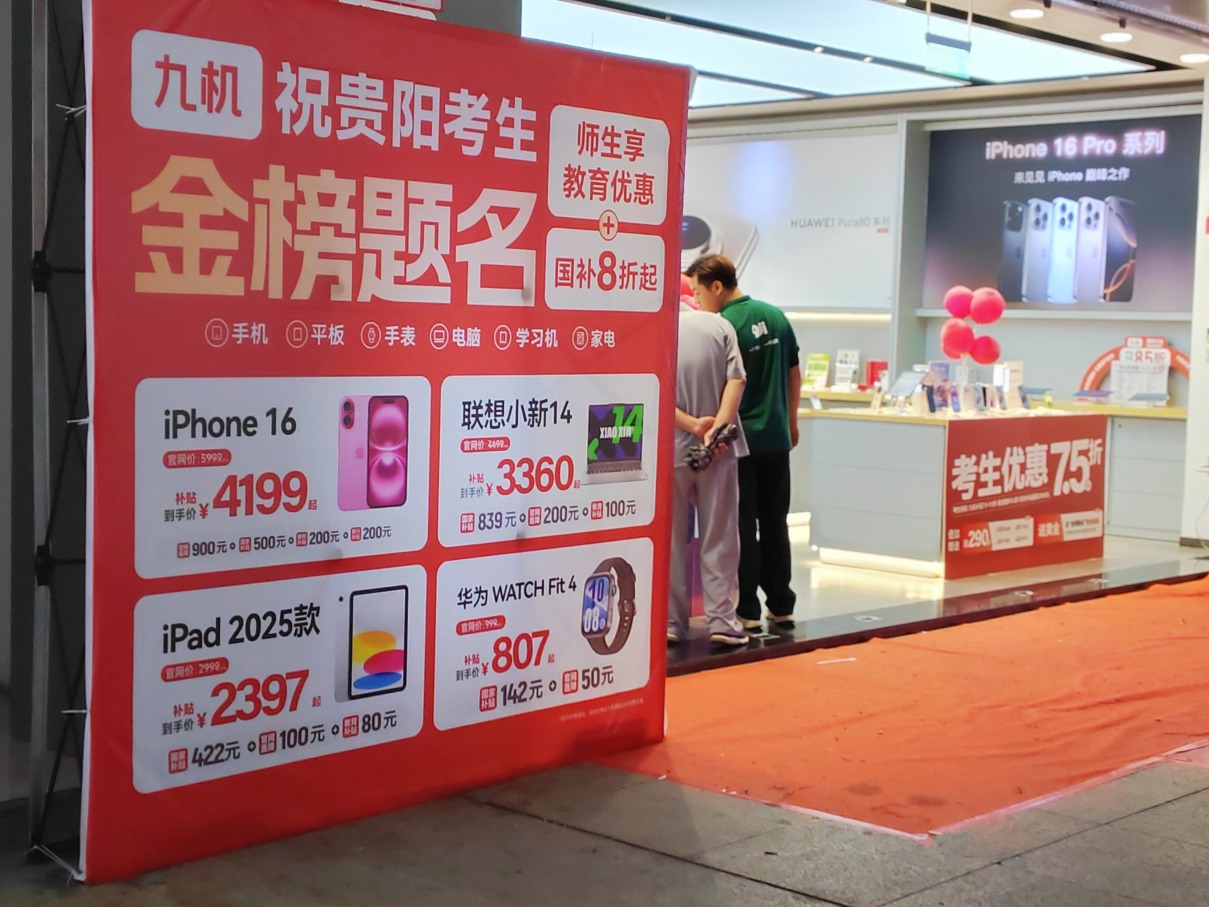
“考后经济”升温,透出青年消费新趋势
Xin Hua She· 2025-06-19 13:43
Core Insights - The "post-exam economy" is emerging as a significant trend among high school graduates, characterized by a surge in consumption related to travel, electronic products, and personal development activities [1][8]. Travel Consumption - High school graduates are increasingly engaging in emotional consumption, with travel being a primary focus. For instance, a graduate from Hubei took a spontaneous trip to Chongqing right after the exams, benefiting from various discounts offered to graduates [2][3]. - Data from Ctrip indicates that travel product bookings surged by 88% from June 9 to June 11, with many graduates opting for immediate travel post-exams, viewing it as a rite of passage [3]. Electronic Products - There is a notable increase in "reward-based consumption," particularly in electronic products such as smartphones, computers, and tablets, as parents purchase these items as rewards for their children after exams. Sales of these products have peaked during this period [4]. - Promotions during the 618 shopping festival have further boosted sales, with some products seeing a sales increase of 40% to 50% [4]. Personal Development - Graduates are also focusing on personal development activities, such as obtaining driving licenses and engaging in fitness training. Many graduates are enrolling in driving schools and gyms to prepare for their next life stages [6]. - The demand for corrective procedures, such as vision and dental corrections, has also risen, with Meituan reporting a 108% increase in vision surgery orders and nearly 30% growth in dental procedures [7][8]. Market Trends - The consumption preferences of high school graduates are shifting towards personalized and experiential products, driving market upgrades and product iterations [5]. - The "post-exam economy" is not just a short-term consumption spike but a reflection of the evolving needs and preferences of young consumers, suggesting a need for businesses to adapt and enhance their offerings [8].