汽车制造

Search documents
一代神车,退场了
创业邦· 2026-03-28 10:36
Core Viewpoint - Skoda, a brand that once thrived in the Chinese market, will officially cease selling vehicles in China by mid-2026, leaving only after-sales services for existing customers [5][50]. Group 1: Historical Performance - Skoda entered the Chinese market in 2005 through a partnership with SAIC Volkswagen, quickly becoming popular due to its affordability compared to the main Volkswagen brand [7][11]. - The brand peaked in sales with over 340,000 units sold in 2018, making China its largest market globally [16][17]. - Skoda's dealer network in China once exceeded 500, providing extensive sales and service coverage [17]. Group 2: Decline Factors - From 2019 to 2025, Skoda's sales in China are projected to plummet from 282,000 units to just 15,000 units, indicating a dramatic decline [21]. - The brand failed to adapt to the rapidly changing automotive market in China, particularly the shift towards electric vehicles and advanced technology features [28][31]. - Skoda's competitive pricing advantage diminished as Volkswagen reduced prices on its own models, making it less appealing compared to the main brand [35][36]. - Domestic brands have outperformed Skoda in terms of pricing and features, further squeezing its market position [38][39]. Group 3: Corporate Strategy and Market Position - Skoda has been viewed as a secondary brand within the Volkswagen Group, receiving less investment and focus compared to other brands like Audi and the ID. series [41][42]. - The number of Skoda dealerships in China has drastically decreased from over 500 to just a few dozen, reflecting a loss of confidence among dealers [45]. - Despite its struggles in China, Skoda has seen global sales growth, selling 926,600 vehicles in 2024, a 6.9% increase year-on-year, with Western Europe being its largest market [46][47][48].

一代神车,退出中国
虎嗅APP· 2026-03-28 09:34
Core Viewpoint - Skoda has officially announced its exit from the Chinese market, ceasing vehicle sales while maintaining after-sales services, marking the end of its 21-year presence in China. This decision reflects a systemic shift in the Chinese automotive market, where consumer preferences have evolved from brand origin to product capability, particularly as the penetration of new energy vehicles exceeds 50% [4][5]. Market Environment Changes - Skoda's departure is indicative of broader changes in the automotive market rather than a singular brand failure. Remaining joint venture brands must redefine their value propositions to survive. Volkswagen is opting for deep localization, luxury brands are retracting upwards, and Japanese brands are accelerating their electric transformation [5][17]. Skoda's Market Entry and Growth - Skoda entered the Chinese market in 2005 through a partnership with SAIC Volkswagen, capitalizing on the demand for affordable, reliable vehicles. The brand's strategy was to offer vehicles at a lower price point than Volkswagen, appealing to consumers who could not afford the higher-priced models [6][7]. - The launch of the Octavia in 2007 marked a significant success, leading to a rapid expansion of Skoda's product line and sales growth, peaking at 341,000 units in 2018, making China Skoda's largest single market globally [7][10]. Decline in Sales - Following its peak in 2018, Skoda's sales began a steep decline, dropping to 282,000 units in 2019 and continuing to fall dramatically to just 15,000 units projected for 2025, representing a 94% decrease over six years [10][12]. Factors Contributing to Decline - The first major factor was Skoda's absence in the new energy vehicle market, failing to launch any domestic electric models while competitors like BYD and NIO thrived [12]. - The second factor was Volkswagen's decision to reduce prices, eroding Skoda's competitive pricing advantage. As Volkswagen's models became more affordable, consumers preferred them over Skoda [13][14]. - The third factor was Skoda's positioning within the Volkswagen Group, which prioritized resources for its core brands, leaving Skoda without the necessary support for competitive product development [15]. Future of Joint Venture Brands - Skoda's exit does not signify the end for all joint venture brands in China. The market logic has shifted, and brands that can adapt to this change by offering competitive products and localized services will have opportunities to thrive. Volkswagen's strategy of deep localization and collaboration with local tech firms exemplifies a path forward [17][19].
突发!一代神车,正式退出中国
商业洞察· 2026-03-28 09:22
Core Viewpoint - Skoda has officially announced the cessation of new car sales in China by mid-2026, marking the end of its 21-year presence in the Chinese market, with only after-sales services remaining for existing customers [2][4]. Group 1: Skoda's Decline in China - Skoda was once a popular choice in China, leveraging its cost-effective pricing compared to Volkswagen models, which appealed to budget-conscious consumers [10][11]. - The peak sales year for Skoda in China was 2018, with 341,000 units sold, making it the brand's largest market globally [14]. - By 2025, Skoda's sales in China plummeted to just 15,000 units for the entire year, a stark contrast to its peak performance [15]. Group 2: Reasons for Decline - Skoda failed to keep pace with the shift towards electric vehicles in China, lacking competitive electric models while competitors focused on smart features and long-range capabilities [16]. - The brand's competitive edge of being cheaper than Volkswagen eroded as Volkswagen itself reduced prices on models like the Lavida and Sagitar, making them more attractive to consumers [17]. - Skoda became marginalized within the Volkswagen Group, receiving less focus and resources as the group prioritized its ID series and Audi for electric vehicle development [18]. Group 3: Broader Industry Context - While Skoda struggled in China, it performed well globally, with over 1.04 million units sold in 2025, primarily in Europe [20]. - The challenges faced by Skoda reflect a broader trend among second-tier joint venture brands in China, which are increasingly struggling to compete against rapidly evolving domestic brands and the fast-paced electric vehicle market [28]. - The automotive landscape in China has shifted dramatically, with consumer preferences now favoring smart features and electric vehicles, leaving traditional combustion engine models behind [29]. Group 4: Emotional Impact and Market Lessons - Skoda's departure resonates emotionally with many Chinese families, symbolizing memories of their first cars and significant life moments [32][36]. - The exit of Skoda serves as a reminder that the automotive market in China is unforgiving; brands must adapt to consumer needs and technological advancements to survive [38].
2228亿元营收背后的逻辑:长城汽车用“求真求实”打破行业价格战魔咒
证券时报· 2026-03-28 07:49
Core Viewpoint - 2025 is a pivotal year for Great Wall Motors' high-end strategy, marking a transition from "quantitative change" to "qualitative change" [1] Group 1: Financial Performance - Great Wall Motors achieved a revenue of 222.824 billion yuan and sales of 1.324 million vehicles in 2025, setting new records for both new energy and overseas sales [1] - The sales of vehicles priced above 200,000 yuan reached 534,000 units, increasing from 35% to 41% of total sales; the average vehicle price surpassed 200,000 yuan for the first time, reaching 201,300 yuan [3] - The average revenue per vehicle increased by approximately 4,500 yuan year-on-year to 168,300 yuan, indicating a shift from volume-driven growth to value-driven growth [3] Group 2: Strategic Transition - The growth structure is undergoing a qualitative change, moving from "addition" through more models and channels to "multiplication" with a higher proportion of high-value models [3] - The sales of the WEY brand increased by 86.29% year-on-year, and the Tank SUV maintained its leading position in the rugged off-road market, showcasing the effectiveness of the dual-driven model of direct sales and technological leadership [7] Group 3: Operational Health - Great Wall Motors reduced its asset-liability ratio by 2.73 percentage points, with a net cash flow from operating activities of approximately 40.4 billion yuan, reflecting a healthy financial status [5] Group 4: Brand and Customer Relations - The number of WEY brand direct sales stores exceeded 500, enhancing the relationship between the brand and users, and improving service transparency and efficiency [7] - Great Wall Motors received the "Benchmark Brand for After-Sales Service" award for the eighth time, indicating strong customer trust as a foundation for brand elevation [8] Group 5: Commitment to Quality and Technology - The company emphasizes "truth and realism" as the fundamental logic for growth, with a focus on building credibility and consumer trust [9][10] - Great Wall Motors has invested heavily in R&D, with a team of 23,000 engineers and leading the industry in new energy vehicle patent authorizations for five consecutive years [12] Group 6: Global Expansion - The company is deepening its globalization process, transitioning from product output to system and standard output, with the inauguration of its factory in Brazil marking a milestone [14] - The export structure is evolving, with high-value models being launched in over 30 countries, contributing to a total overseas sales volume of over 2 million vehicles [16]

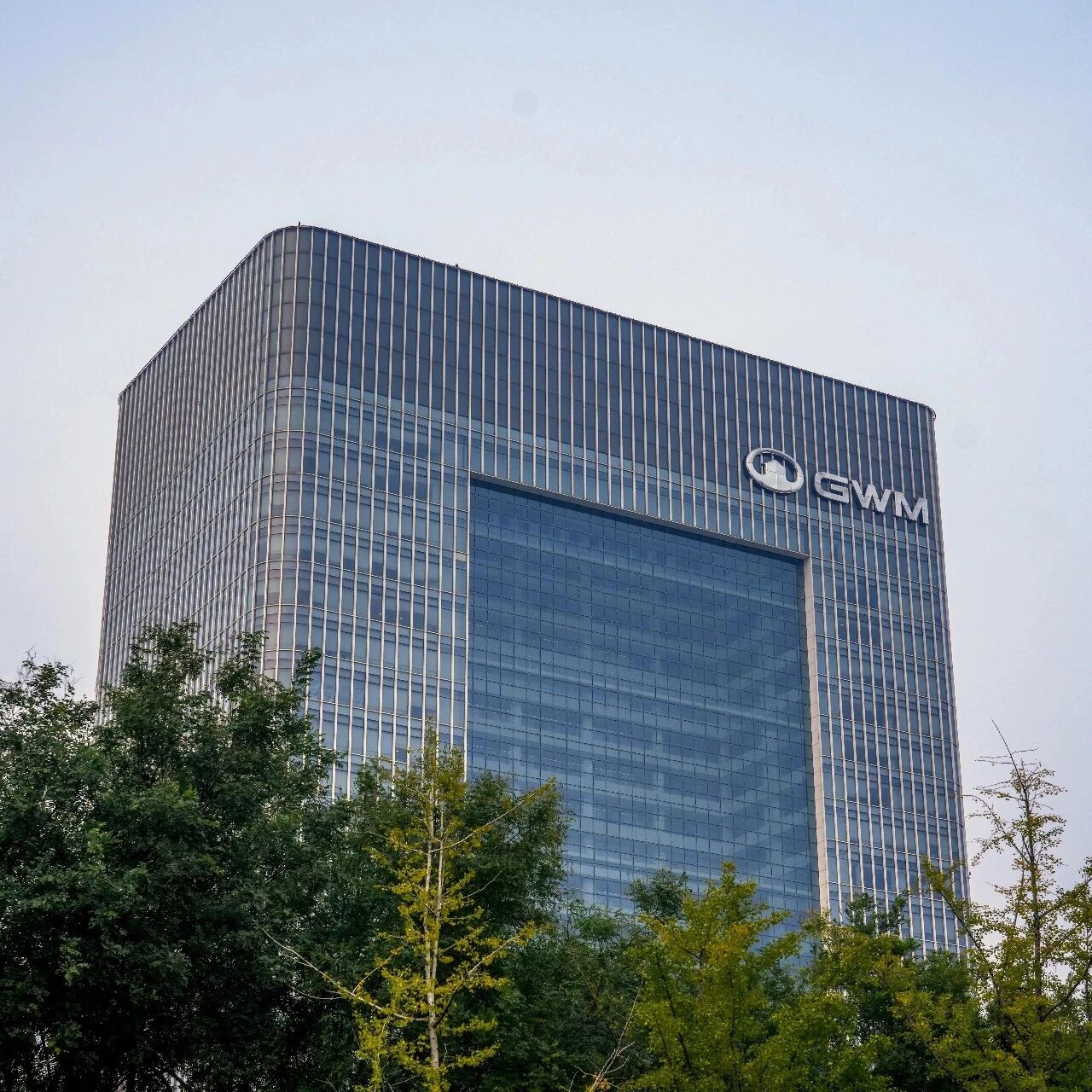
长城汽车发布2025年度业绩,归母净利润98.65亿元,同比下降22.07%
Zhi Tong Cai Jing· 2026-03-28 05:43
Group 1 - The company achieved a year-on-year increase in sales volume and operating revenue while accelerating the establishment of direct user channels and enhancing the promotion of new models and technologies, leading to a decrease in net profit [1] - Great Wall Motors reported total revenue of 222.824 billion yuan, a year-on-year increase of 10.20%; net profit attributable to shareholders was 9.865 billion yuan, a year-on-year decrease of 22.07%; and net profit excluding non-recurring items was 6.059 billion yuan, a year-on-year decrease of 37.50% [2] - The basic earnings per share were 1.16 yuan, and the company proposed a cash dividend of 0.35 yuan per share (tax included) to all shareholders [2]
长城汽车2025年全年营收2228.24亿元
Cai Jing Wang· 2026-03-28 05:43
Core Viewpoint - Great Wall Motors reported a revenue of 222.824 billion yuan for the year 2025, marking a year-on-year growth of 10.2% [1] Group 1: Financial Performance - The total sales volume for Great Wall Motors reached 1.324 million units, reflecting a year-on-year increase of 7% [1] - The sales of new energy vehicles amounted to 406,000 units, showing a significant year-on-year growth of 26% [1] - Overseas sales reached 506,800 units, which is a year-on-year increase of 11.6% [1]
广汽集团2025年营业总收入超965亿元 节能与新能源车销量占比首破50%
Zheng Quan Ri Bao Wang· 2026-03-28 03:45
Core Insights - GAC Group reported a total revenue of approximately 96.54 billion yuan for the year 2025, with total vehicle sales reaching 1.7215 million units and terminal sales at 1.8135 million units, marking a significant milestone as energy-efficient and new energy vehicle sales accounted for over half at 51.6% [1] - The company has initiated a transformative "Panyu Action" reform, which has led to an 85% improvement in decision-making efficiency, a reduction in new vehicle development cycles to 18-21 months, and significant enhancements in various key business efficiencies [1][2] - GAC Group's international sales for its self-owned brands reached nearly 130,000 units in 2025, reflecting a year-on-year growth of approximately 48%, with expansion into 16 new markets including Brazil, Poland, and Australia [2] Financial Performance - In the first two months of 2026, GAC Group's cumulative sales increased by 3% year-on-year to 203,100 units, with notable growth in various brands: GAC Aion up 48.69%, GAC Trumpchi up 39.92%, GAC Toyota up 11.94%, and GAC Honda's February sales up 102.3% month-on-month [2] - The total sales of energy-efficient and new energy vehicles reached 888,200 units in 2025, with a sales proportion of 51.6%, an increase of approximately 6 percentage points compared to 2024 [1] Strategic Initiatives - GAC Group is focusing on a three-year "Panyu Action" reform that integrates research, production, supply, sales, and finance, implementing strategic execution and integrated product development processes to enhance product planning and decision-making efficiency [2] - For 2026, GAC Group aims to challenge an overseas sales target of 250,000 units for its self-owned brands, concentrating resources on mainstream A0 and A-class markets and developing localized operational strategies [3]

长城汽车2025年营收2228.24亿元,同比增长10.2%
Bei Jing Shang Bao· 2026-03-28 02:52
Core Viewpoint - The report indicates that Great Wall Motors achieved record revenue in 2025, but net profit declined significantly due to increased investments in new channels and marketing efforts [1] Financial Performance - In 2025, the company reported total revenue of 222.824 billion yuan, marking a year-on-year increase of 10.2% [1] - The net profit attributable to shareholders was 9.865 billion yuan, reflecting a year-on-year decrease of 22.07% [1] Sales Performance - Great Wall Motors sold 1.3238 million new vehicles in 2025, representing a year-on-year growth of 7.23% [1] - Overseas sales reached 506,800 units, which is an increase of 11.6% compared to the previous year [1] - Global sales of new energy vehicles amounted to 406,000 units, showing a significant year-on-year growth of 26% [1] Strategic Initiatives - The company is accelerating the development of direct user connection channels and enhancing marketing for new models and technologies [1]
广汽集团2025年营收965.42亿元,同比下滑10.43%
Bei Jing Shang Bao· 2026-03-28 02:52
Core Insights - GAC Group reported a total revenue of 96.542 billion yuan for 2025, representing a year-on-year decline of 10.43% [1] - The company recorded a net loss attributable to shareholders of 8.784 billion yuan [1] Group Performance - In 2025, GAC Group faced systemic challenges due to multi-dimensional restructuring of industry ecology, demand structure, and market competition, leading to continued pressure on production and operations [1] - The total automobile production and sales were 1.7444 million and 1.7215 million units, respectively, showing a year-on-year decrease of 8.98% and 14.06% [1] - However, the company achieved sequential positive growth in sales for three consecutive quarters starting from the second quarter of 2025 through active transformation and reform efforts [1] New Energy Vehicle Segment - Sales of new energy vehicles reached 433,600 units, down 4.64% year-on-year, accounting for approximately 25.19% of total sales, an increase of about 2.5 percentage points from the previous year [1] - Sales of energy-saving vehicles were 454,600 units, reflecting a year-on-year growth of 0.84% [1] - The proportion of energy-saving and new energy vehicle sales increased to 51.6%, up approximately 6 percentage points from the previous year [1]
长城汽车海外毛利率已连续两年低于国内
第一财经· 2026-03-28 02:48
Core Viewpoint - Despite achieving record high overseas sales, Great Wall Motors' profitability in its overseas business has further contracted, with a notable decline in gross margin [3]. Group 1: Financial Performance - In 2025, Great Wall Motors reported an overseas gross margin of 16.70%, down 2.06 percentage points from 18.76% in 2024 [3]. - The company's domestic gross margin for the same period was 18.61% [3]. - The overseas gross margin peaked at 26.01% in 2023, significantly higher than the domestic margin of 15.52% [3]. - The overseas gross margin has decreased by 9.31 percentage points from its 2023 high [3]. Group 2: Revenue and Sales Growth - Great Wall Motors achieved overseas revenue of 91.488 billion yuan in 2025, representing a year-on-year growth of 13.99% [3]. - The company sold 506,800 new vehicles in overseas markets in 2025, an increase of 11.60% year-on-year [3]. - Overseas sales accounted for nearly 40% of the company's total sales, making it a core driver of overall revenue growth [3]. Group 3: Market Expansion and Strategy - As of the end of 2025, Great Wall Motors has exported products to over 170 countries and regions, with more than 1,400 overseas sales channels [4]. - The company has achieved cumulative overseas sales exceeding 2 million units, positioning itself as a leading Chinese automotive enterprise in international markets [4]. - The completion of a full-process factory in Brazil in August 2025 marks a significant step in local production and technology adaptation for the Latin American market [4]. Group 4: Challenges and Risks - The company faces uncertainties in overseas markets due to international geopolitical conflicts and increasing trade barriers, which may raise operational costs [5]. - Factors such as increased scrap tax rates in Russia, a key export market, have contributed to rising automotive costs since 2024 [5]. - The company plans to deepen its "ONE GWM" global strategy, focusing on regional development and localized operations to mitigate risks associated with geopolitical tensions and trade barriers [5].