
时尚

Search documents
487个海外品牌抢滩中国 首店经济成消费新引擎 政策红利全面释放
Sou Hu Cai Jing· 2025-08-27 02:07
Group 1: Market Trends - International niche brands are actively entering the Chinese market, opening their first stores and reshaping domestic consumption patterns [1][2] - Brands like Sessùn, ADERERROR, and ANINEBING are establishing their presence in major cities, targeting young consumers with unique design concepts [2][3] - These brands demonstrate a higher level of specialization in their product functionality compared to traditional brands, focusing on community marketing and member engagement [2] Group 2: Policy Support - The Chinese government is increasingly supporting the "first store economy" as a means to boost consumption and invigorate commercial districts [1][4] - Policies have been implemented since 2019 to attract well-known brands to open their first stores, with recent emphasis on this initiative in the 2024 Central Economic Work Conference [4] - Cities like Shanghai, Beijing, and Guangzhou are actively promoting the first store economy, with specific measures to enhance the consumer environment and attract international brands [4]


助推潮流与商圈“双向奔赴” 海外小众品牌抢滩中国首店
Zheng Quan Shi Bao· 2025-08-25 18:34
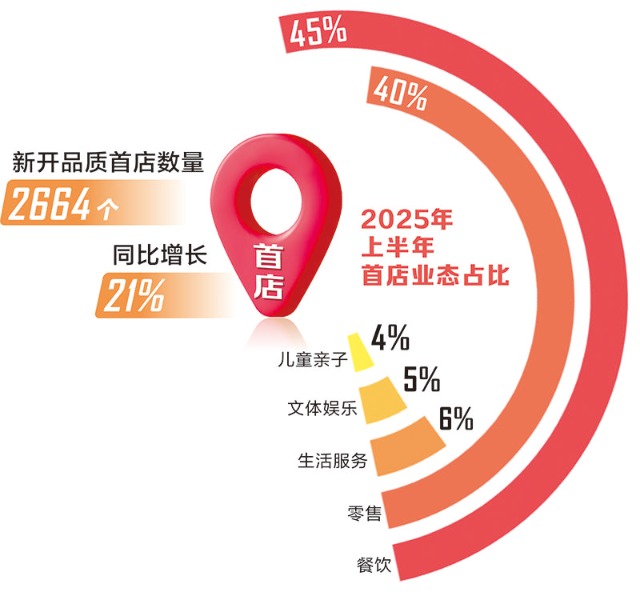
Core Insights - The article discusses the rise of the "first store economy" in China, driven by international niche brands entering the market and supported by various government policies aimed at promoting high-quality economic development [10][12][17]. Policy Support - Multiple provinces and cities in China have introduced measures to promote the first store economy, with policies released from 2025 onwards in regions such as Tibet, Fujian, Shanghai, and Beijing [6][11]. - The central government has emphasized the importance of developing the first store economy as a key task for 2025, highlighting its role in expanding consumption and upgrading domestic industries [10][11]. Market Trends - International niche brands are increasingly opening their first stores in major Chinese cities like Beijing, Shanghai, and Guangzhou, marking a significant trend in the domestic consumption market [8][9]. - In the first quarter of 2025, 487 overseas brands opened online stores on Tmall International, indicating a shift towards online entry for some brands [8]. Consumer Behavior - Consumers are showing a willingness to embrace new experiences, with the first store economy catering to their demand for personalized and high-quality products [12][17]. - The first store economy is characterized by its ability to fill market gaps with unique offerings, thus driving consumption upgrades [12][13]. Economic Impact - The first store economy is becoming a vital driver for local economic growth, with a reported 21% year-on-year increase in new quality first stores across 24 monitored cities in the first half of 2025 [15][16]. - The growth of first stores is not limited to geographical locations but also emphasizes innovative consumption scenarios and experiences, contributing to a more vibrant commercial environment [14][17]. Brand Dynamics - The entry of international niche brands is reshaping consumer preferences, with these brands often focusing on specialized products and community engagement [9][17]. - The proportion of foreign brands among new first stores has increased from 29.32% in 2022 to 38.06% in 2024, reflecting growing international confidence in the Chinese market [16].
从品牌赞助到文创开发、少儿赛事赋能,社会资本一路“助攻”——
Nan Jing Ri Bao· 2025-08-25 02:33
Core Insights - The Jiangsu Province Urban Football League ("Su Chao") has emerged as a significant sports IP since its launch on May 10, 2023, driving economic benefits through the integration of culture, tourism, sports, and commerce [1][2] Group 1: Event Impact - The initial rounds of "Su Chao" faced low attendance, but subsequent matches saw a dramatic increase, with attendance reaching 60,633 for a match on August 17, setting a record for amateur football events in China [2][3] - The event has sparked a surge in local tourism, with data showing a 28.4% year-on-year increase in visitor numbers to monitored sites in Nanjing during mid-August [3] Group 2: Business Opportunities - Local businesses are capitalizing on the "Su Chao" phenomenon, with 409 entities participating in promotional activities and 87 locations set up for live broadcasts of matches [3][6] - Sponsorship opportunities have attracted companies like Jiangsu Huari Fashion Group, which reported a 17% increase in online sales and a 50% growth in social media engagement following their sponsorship of the league [4][5] Group 3: Cultural and Community Engagement - The grassroots nature of the league has fostered a sense of community and pride among residents, enhancing local engagement with the sport [2][6] - The league has also inspired youth participation in football, with increased attendance from children and the formation of women's teams [3][4] Group 4: Future Prospects - The success of "Su Chao" is expected to lead to further events and collaborations, with Nanjing planning to host over ten major sporting events in the coming year [7] - The integration of sports with e-commerce and digital platforms is seen as a new growth avenue for local businesses, expanding the commercial ecosystem around sports events [7]
从制造大区迈向智造强区 龙华区为何冲到全市第一梯队?
Nan Fang Du Shi Bao· 2025-08-22 04:01
Core Viewpoint - Longhua District has achieved a historic elevation in strategic positioning during the "14th Five-Year Plan" period, transitioning from a manufacturing hub to a stronghold of intelligent manufacturing, with a projected industrial output exceeding 650 billion yuan in 2024, ranking it among the top tier in the city [1][2]. Economic Development - Longhua District's economic and social development during the "14th Five-Year Plan" showcases significant achievements, including a total GDP of 315.45 billion yuan in 2024, fixed asset investment of 121.14 billion yuan, and retail sales of consumer goods reaching 135.33 billion yuan [3]. - The region has established itself as a highland for emerging industries and a new city for fashion, with a modern industrial system combining "new manufacturing + new services" [2][3]. Industrial Structure and Innovation - The industrial structure has undergone a comprehensive transformation, with the digital economy taking a core position, elevating from a "pioneering area" to a "core area" [3]. - The number of national high-tech enterprises has surged to 4,092, a nearly sixfold increase from the previous five-year period [9]. - R&D expenditure as a percentage of GDP has risen to 4.15%, marking a 1.3-fold increase [10]. Social Welfare and Quality of Life - Longhua District has seen a significant improvement in public welfare, with the number of public education seats increasing by 97,000, a growth of over 1.4 times compared to the previous five-year period [15]. - The number of three-tier hospitals has increased from 1 to 5, representing a 400% growth, and the total number of hospital beds has risen to 10,985, a 1.59-fold increase [19][18]. Spatial Development and Urban Planning - The district has established a high-standard spatial planning framework, defining a development pattern of "one axis, two centers, and multiple points," which includes the integration of key areas into urban core zones [6][7]. - The southern center focuses on digital core areas and serves as a window for cooperation with Hong Kong and the world, while the northern center is positioned as a strategic support for the Shenzhen metropolitan area [7][8].
如何打动“中女”?价值认同才是留住中女的理由
3 6 Ke· 2025-08-19 11:29
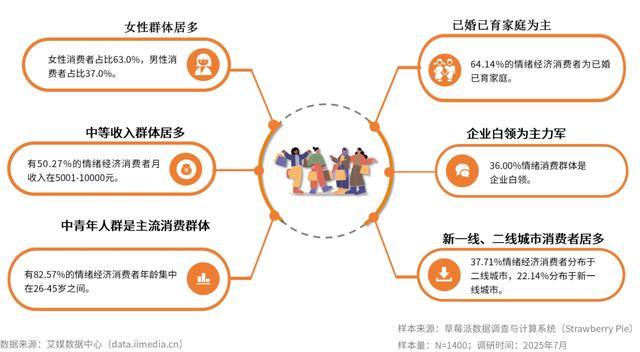
Core Insights - The "emotional economy" in China is on the rise, with a market size projected to reach 2.3 trillion yuan in 2024 and exceed 4.5 trillion yuan by 2029 [1][3] - The primary consumer group driving this trend consists of middle-aged women, particularly those aged 30-65, who are well-educated, financially stable, and willing to pay a premium for brands that align with their values [5][11] - The concept of "middle-aged women" (referred to as "中女") transcends age and wealth, representing women with maturity, self-awareness, and independence, who are redefining consumption based on personal values rather than societal expectations [6][9] Consumer Demographics - The largest demographic group in China is currently aged 30-65, with a rising median age expected to reach 40.1 years by 2025, significantly higher than the global average [3][5] - The millennial generation is increasingly focused on experiential consumption, with health and wellness becoming popular categories, while the "middle-aged women" group emerges as a key consumer force [5][11] Brand Engagement Strategies - Brands targeting middle-aged women must avoid stereotypical marketing strategies and instead engage in equal and understanding communication, reflecting the consumers' aspirations and identities [14][25] - Successful brands are those that resonate with the values and experiences of middle-aged women, using relatable figures and narratives to foster emotional connections [20][24] Market Trends - The trend of emotional consumption indicates that consumers are looking for brands that understand and reflect their identities, rather than just selling products [25][26] - Brands that focus on meaningful narratives and authentic representation are likely to build long-term loyalty among middle-aged women consumers [26][27]
数字时尚小镇大兴采育启动
Zhong Guo Xin Wen Wang· 2025-08-19 08:45
Core Viewpoint - The launch of the Caiyu Digital Fashion Town in Daxing District, Beijing, aims to develop a hub for digital economy and fashion industry, covering an area of 3.22 square kilometers, focusing on five key functions: headquarters settlement, research and design, incubation, exhibition, and consumer experience [2][3][4]. Group 1: Development and Planning - The Caiyu Digital Fashion Town is strategically located 30 kilometers from downtown Beijing, benefiting from a well-connected transportation network, including major highways and future rail links [3][4]. - The town will emphasize the integration of digital economy and fashion, creating a vibrant industrial cluster that promotes a lifestyle characterized by leisure and elegance [2][3]. - The Daxing District government is committed to optimizing the business environment and attracting global investors and top talents to foster a thriving entrepreneurial ecosystem [4][5]. Group 2: Events and Initiatives - The opening ceremony featured an international fashion show, showcasing diverse fashion designs and cultural elements, with participation from nearly 100 models and representatives from various sectors [4][5]. - A salon event titled "Small Town Night Talk" facilitated discussions among industry leaders on topics such as industrial renewal and technological innovation, resulting in partnerships with 20 notable companies in the digital and fashion sectors [5][6]. Group 3: Future Aspirations - The Daxing District aims to attract 10,000 designers and engineers and 200 high-tech enterprises over the next 3-5 years, enhancing its industrial research and policy support [6][7]. - The district is also planning to develop additional themed towns and improve urban infrastructure to create a desirable living environment for new residents and businesses [6][8].

北美土特产COACH是如何翻身的?
3 6 Ke· 2025-08-19 00:31
Core Insights - COACH has shown resilience in the luxury market, achieving significant revenue growth post-pandemic, with a reported revenue of nearly $1.3 billion, accounting for 82% of the company's total income, marking a 13% year-over-year increase [1] - The brand has successfully entered the top five in the global fashion search engine Lyst's quarterly rankings, with popular items like the Brooklyn bag and cherry bag charm leading the charts [1] - COACH's strategy focuses on maintaining product continuity and innovation, allowing for a diverse range of signature products that enhance brand resilience and revenue capacity [4] Revenue and Market Performance - COACH's revenue growth of 13% year-over-year has contributed to a 7% overall increase in company performance [1] - The brand's strategic shift towards "Expressive Luxury" targets Gen Z consumers, emphasizing affordability and customization in its offerings [7][8] Product Strategy - COACH has adopted a unique approach to product launches, avoiding the traditional scarcity model and instead focusing on continuous innovation and the introduction of diverse styles [2][4] - The Tabby bag has evolved into various designs and sizes, becoming a social media sensation with over 34.2 million posts related to it on TikTok [4] Brand Positioning - COACH's historical positioning as a "light luxury" brand has shifted towards a more expressive luxury identity, appealing to younger consumers who prioritize individuality and customization [6][7] - The brand's pricing strategy remains competitive, with most products priced between 4,000 to 5,000 yuan, making it accessible compared to other luxury brands [8] Challenges in the Chinese Market - Despite growth in the Chinese market, COACH's performance has lagged behind North America, with lower single-digit growth rates [10] - Young consumers in China are increasingly drawn to brands with higher social value, such as Miu Miu and Ralph Lauren, which have seen significant growth [11] - The rise of second-hand luxury markets poses a challenge for COACH, as consumers seek value and affordability in their luxury purchases [11]
复星集团将携旗下众多高端品牌参加消博会
Hai Nan Ri Bao· 2025-08-18 10:38
复星集团将携旗下众多高端品牌参加消博会 新品全球首发 爆款独家发售 本报海口4月27日讯(记者 傅人意)首届中国国际消费品博览会即将在海口拉开帷幕。海南日报记者 4月27日从复星集团获悉,该集团旗下的多个全球知名消费品牌、多家成员企业将参加本届消博会。将 在首届消博会上亮相的复星"尖货"包括时尚、珠宝、化妆品、旅游、潮品、母婴等品类。 作为复星大快乐板块的旗舰企业,豫园股份将携10余个知名品牌参加首届消博会,其中不乏女性消 费群体热衷的产品。除了中华老字号,豫园还将带来包括意大利高端珠宝品牌Damiani、法国设计师珠 宝品牌DJULA、以色列高端护肤品牌AHAVA等国际知名品牌。同时,豫园珠宝时尚集团旗下的线上设 计师平台——"豫园珠宝创意之家"将以"原创中国美"为主题,展示中国珠宝新生代的原创力量。老庙将 在本届消博会上展出古韵金竹韵年年系列产品。 此外,部分豫园股份旗下主打"她经济"的新品将在消博会的平台上进行全球首发。例如,DJULA 品牌"华丽摇滚系列"耳环、项链、手链等珠宝;梅眉青梅酒针对"酒精小白"和爱酒人士推出的低酒精度 数酒饮——梅眉日日晴青梅气泡酒。届时,这些产品也将在线上进行展示。 复星 ...


Swatch道歉,谁在定义东方?
3 6 Ke· 2025-08-18 01:58
Core Viewpoint - The Swatch brand faced significant backlash after releasing an advertisement that featured a model making a gesture perceived as racially insensitive, leading to widespread criticism and a rapid apology from the company [1][8][10]. Group 1: Cultural Sensitivity and Brand Perception - The backlash against Swatch highlights the importance of understanding cultural context in advertising, as gestures or symbols can carry historical weight and be interpreted differently depending on the audience [4][7][12]. - The incident reflects a broader issue where brands often fail to grasp the cultural implications of their marketing strategies, leading to missteps that can damage consumer trust [19][20]. - The Swatch case is not isolated; it is part of a pattern where international brands repeatedly misinterpret cultural symbols, resulting in public outrage and calls for accountability [11][18]. Group 2: Financial Impact and Market Trends - Swatch reported a 23.7% decline in revenue in the Chinese market, significantly worse than the global average decline of 8.9%, with net profit plummeting by 88% [19][20]. - The luxury goods market in China is experiencing a downturn, with a projected overall decline of 20% to 22% in 2024, as consumers increasingly shift their luxury spending to overseas markets [20][21]. - In contrast, other luxury brands like LVMH are facing less severe financial impacts, indicating that Swatch's issues are more about lost consumer trust than broader market trends [23][24]. Group 3: Future Implications for Luxury Brands - The rise of Generation Z in China is changing the dynamics of the luxury market, with predictions that Chinese consumers will contribute nearly 40% of global luxury market growth in the coming years [24]. - There is a shift from a narrative where other markets passively accept representations to one where Chinese consumers demand authentic representation in advertising [24]. - Brands must adapt to this new reality by respecting cultural nuances and engaging with local contexts to avoid missteps that could lead to significant financial repercussions [24][25].
静安女,上海最卷
投资界· 2025-08-17 08:36
Core Viewpoint - The article discusses the phenomenon of "Jing'an women" in Shanghai, portraying them as ambitious and stylish professionals who navigate a competitive work environment while grappling with the pressures of consumerism and societal expectations [2][8][25]. Group 1: Definition and Characteristics of Jing'an Women - Jing'an women are described as urban professionals working in glamorous industries such as fast-moving consumer goods (FMCG), fashion, and finance, often seen as the hidden face of Shanghai [4][5]. - They are characterized by their polished appearance and high-energy work ethic, often working long hours and maintaining a façade of perfection despite the challenges they face [12][13][19]. Group 2: Social Dynamics and Hierarchies - Within the Jing'an women community, there exists a strict social hierarchy, with those working at prestigious companies like L'Oréal at the top, while others in less demanding roles are viewed as lower in status [5][7]. - The article highlights the competitive nature of their work environment, where interpersonal relationships and networking are crucial for survival and advancement [21]. Group 3: Economic Realities and Consumer Culture - Despite their glamorous image, many Jing'an women earn modest salaries, often around 10,000 yuan, which are quickly consumed by high living costs in Shanghai, such as expensive rent and luxury goods [8][17][23]. - The article emphasizes the disconnect between their perceived lifestyle and actual financial realities, suggesting that many are trapped in a cycle of consumerism without significant savings [19][23]. Group 4: Changing Perceptions and Critiques - There is a growing trend among younger generations to demystify the Jing'an woman archetype, recognizing the pressures and sacrifices that come with this lifestyle [22][25]. - The article concludes that the allure of the Jing'an woman is fading, as more individuals question the value of pursuing a seemingly glamorous but ultimately unfulfilling career path [25].
