
智能终端

Search documents
杭州综保区诞生首家AEO高级认证企业
Mei Ri Shang Bao· 2025-12-09 22:19
Core Insights - Daineng Technology (Hangzhou) Co., Ltd. has officially obtained AEO (Authorized Economic Operator) certification, marking a significant breakthrough in cultivating high-credit enterprises and enhancing trade facilitation in Hangzhou Comprehensive Bonded Zone [1][3] - AEO certification provides companies with preferential treatment in customs processes, reducing regulatory frequency and optimizing services, thereby enhancing their competitiveness in international markets [1][2] - The company reported an export value of 7.4 billion yuan from January to October, representing a year-on-year increase of 29%, and anticipates exceeding 8.5 billion yuan in total exports for the year [1][2] Company and Industry Summary - Daineng Technology specializes in the research, production, and sales of smart terminals such as laptops, demonstrating strong growth in its operations [1] - The company received tailored support from Qianjiang Customs, which included a dedicated service team to guide them through the AEO certification process, helping to clarify certification standards and improve their compliance [2] - As the first AEO-certified enterprise in the Hangzhou Comprehensive Bonded Zone, Daineng Technology sets a benchmark for similar companies, promoting a replicable model for credit building within the region [3]
华为余承东:鸿蒙智行首款MPV智界V9将于2026年春天推出
Feng Huang Wang· 2025-12-09 07:25
Core Viewpoint - Huawei's Yu Chengdong announced the launch of the first MPV, the Zhijie V9, under the Hongmeng Zhixing brand, expected in spring 2026, suitable for both home and commercial use [1] Group 1: Product Launch - The Zhijie V9 will be based on Huawei's DriveONE 800V silicon carbide power platform and will feature a 192-line LiDAR and Huawei's giant whale battery [1] - The vehicle will include innovative features such as an electric front trunk and dual zero-gravity seats for the front passengers, along with dual drawers in the rear [1] Group 2: Future Developments - During the live broadcast, it was revealed that the Shangjie brand will also introduce two new vehicles, one of which is a high-end coupe touted as the most stylish model from Hongmeng Zhixing [1] - Yu Chengdong indicated that more new vehicle announcements are expected in the near future, with the first new car anticipated to be unveiled in spring next year [1]


2027年智能终端产业规模达8000亿元 苏州市政府常务会议审议研究相关事项
Su Zhou Ri Bao· 2025-12-09 00:37
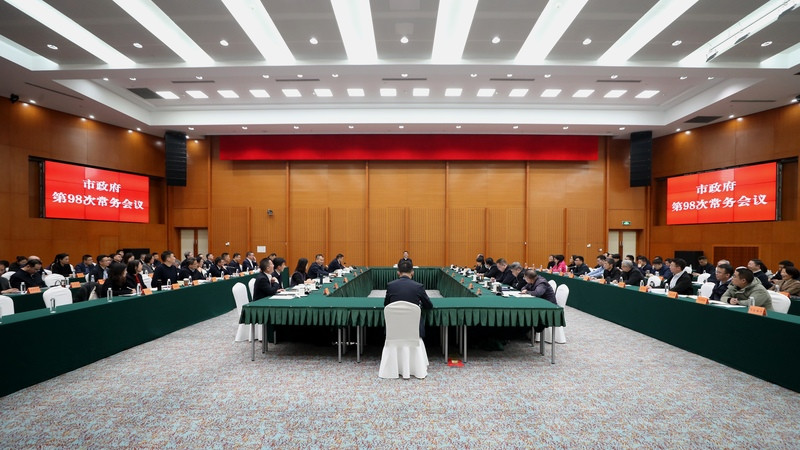
会议还审议研究了其他事项。 会议指出,要高效整合资源,精准发力开展项目招引,引导各类金融机构加大金融供给,进一步促进资金、 人才、生产等资源融入智能终端产业,推动人工智能加速落地应用。 昨天(12月8日),市政府召开常务会议,审议并原则通过了《苏州市智能终端产业高质量发展行动计划 (2026-2027年)》等事项。市委副书记、市长吴庆文主持会议。 《行动计划》聚焦具身智能机器人、智能车联网终端、智能低空终端、智能消费电子终端、智能高端装备等9 个细分领域及发展方向,明确了加快智能终端芯片布局、强化软件支撑能力建设、加强高质量数据集建设、加强 智能终端品牌塑造等8项具体任务,提出到2027年,全市智能终端产业规模达8000亿元,拥有产值规模超百亿元企 业12家、超五十亿元企业20家,培育国家级专精特新"小巨人"超80家;围绕工业、政务、交通、医疗、家居、金 融等领域打造60个以上智能终端典型应用场景,推出150款以上知名智能终端产品等发展目标。 濮建明 摄 ...
探索人工智能赋能检验检测人才培养新范式
Xin Hua Ri Bao· 2025-12-08 21:03
Core Viewpoint - The integration of artificial intelligence (AI) into the inspection and testing sectors is essential for enhancing product quality and driving technological innovation, which presents new challenges and strategic requirements for talent development in vocational education institutions [1][7]. Group 1: Strategic Focus - During the "14th Five-Year Plan" period, the institution will prioritize the application of AI in the fields of smart terminals and energy electronics inspection and testing as a key initiative [2]. - The institution aims to optimize its professional layout by establishing interdisciplinary programs that combine AI technology with inspection and quality management [2]. Group 2: Innovative Education Model - The institution is developing a new educational model that integrates industry needs, focusing on a modular curriculum that combines AI fundamentals, testing technology, and industry applications [3]. - Practical teaching will be emphasized through partnerships with leading enterprises to create advanced training bases for smart terminals and renewable energy electronic devices [3]. Group 3: Talent Development - The establishment of an "AI + Inspection and Testing" student innovation studio will encourage students to engage in real-world projects, patent applications, and entrepreneurial practices [4]. - A "dual-teacher" teaching team will be formed to enhance teaching quality and promote deep integration of industry and education [5]. Group 4: Collaborative Ecosystem - The institution plans to upgrade its laboratories with advanced equipment and create shared training bases with enterprises to enhance practical teaching environments [6]. - The institution will also focus on lifelong learning and industry upgrades by providing training and skill certification in AI applications for inspection and testing [6]. Group 5: Commitment to Development - The institution is committed to serving regional economic development and promoting employment by cultivating skilled talents capable of using AI to solve complex inspection problems [7].
全球客商走进宝安,共绘投资新图景
Sou Hu Cai Jing· 2025-12-08 08:42
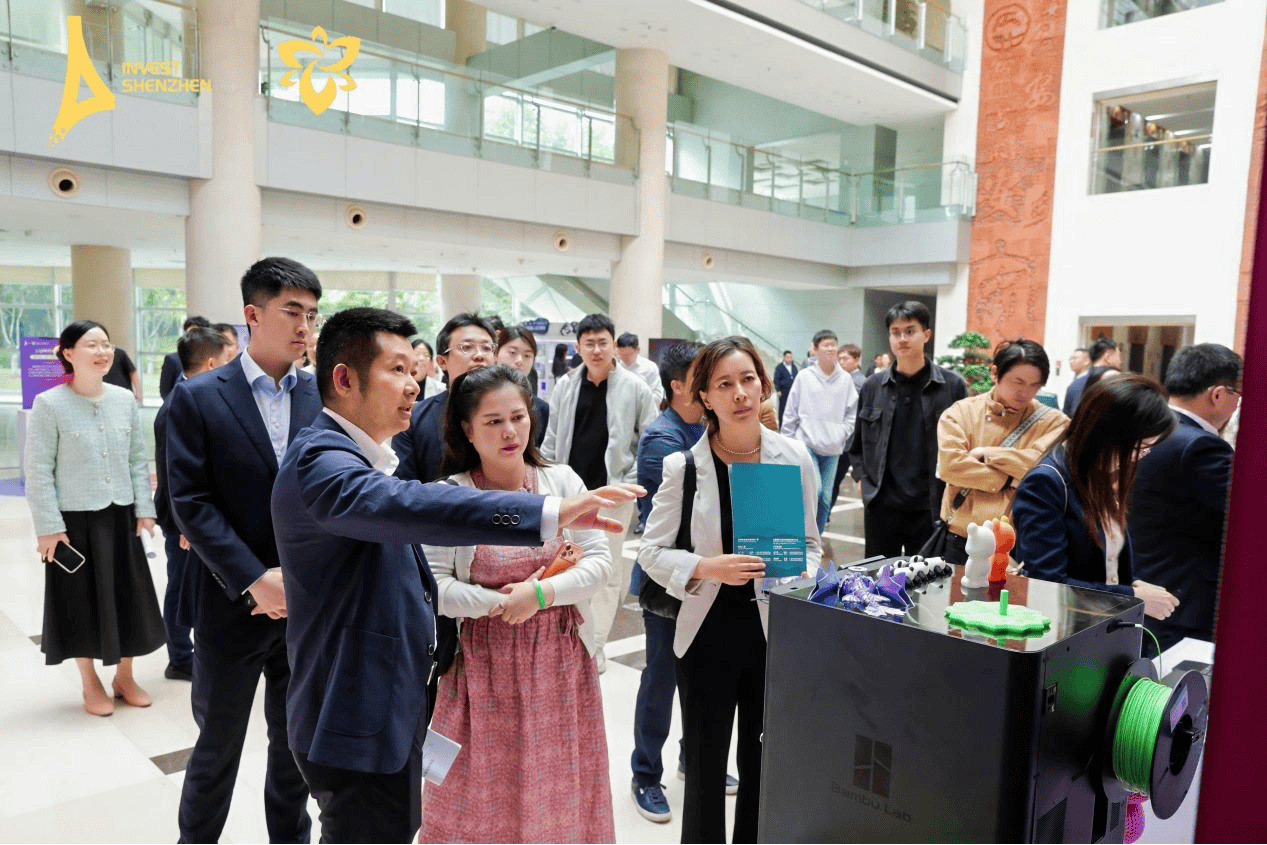
Group 1 - The core event is the investment inspection activity in Bao'an District, Shenzhen, which aims to attract global businesses and highlight the district's strategic importance in the Greater Bay Area development [1][2] - The inspection included a visit to the Jiuwai International Headquarters Zone, a 9 square kilometer area designed to attract multinational companies and international institutions [1] - The event showcased local enterprises, particularly in robotics and AI/AR technologies, demonstrating Bao'an's strong capabilities in advanced industries [1][2] Group 2 - A representative from Tianjian Co. emphasized the support provided by Bao'an District in terms of investment attraction, office space, and industry chain connections, indicating a commitment to expand operations [3] - The term "refreshing cognition" was frequently mentioned, reflecting a shift in perception regarding Bao'an's urban planning and its ability to attract headquarters economy [3]
全场景创新点亮2025数智科技生态大会 华为鸿蒙生态构建智慧新生态
Cai Jing Wang· 2025-12-06 09:38
Core Insights - The 2025 Digital Intelligence Technology Ecological Conference was held in Guangzhou, showcasing Huawei's innovations in smart terminals and intelligent ecosystems, emphasizing the theme "Smart Navigation, Intelligent Coexistence" [1][5] Group 1: Exhibition Highlights - Huawei's exhibition area covered 468 square meters, featuring a "1+8" product matrix, HarmonyOS intelligent vehicles, and comprehensive smart home solutions [1] - The exhibition design was highly technological, with distinct areas for product displays, including the 1+8 product display table, HarmonyOS intelligent vehicle area, and smart home solutions [2][3] Group 2: Product Innovations - The HUAWEI Mate XTs showcased a lightweight foldable design with a near-crease-free screen, enhancing portability and durability [2] - The HUAWEI Mate80 series offered significant upgrades in performance and imaging, featuring a new processor and advanced imaging systems for professional-grade photography [2] - The HUAWEI WATCH Ultimate 2 provided real-time health monitoring and a new adventure mode for outdoor safety [3] - The HUAWEI MateBook Fold featured a versatile foldable screen design, enhancing user experience across different scenarios [3] Group 3: Intelligent Automotive Solutions - The HarmonyOS intelligent cockpit in three showcased models (Wenjie M9, Xiangjie S9, Zhijie R7) enabled seamless connectivity with personal devices, enhancing user experience [4] - Advanced driving assistance systems in these vehicles provided features like automatic avoidance, lane keeping, and smart parking for safer driving [4] Group 4: Smart Home and Enterprise Solutions - The HarmonyOS smart home solutions allowed users to control home devices remotely, enhancing convenience and security [4] - Huawei's enterprise solutions aimed to improve operational efficiency and reduce costs for businesses through digital transformation [4][5]
2025年小米全球核心供应商大会在汉举行,盛阅春出席并致辞
Chang Jiang Ri Bao· 2025-12-06 00:49
盛阅春代表市委、市政府向大会的举办表示祝贺。他说,武汉是习近平总书记始终高度 重视、关心关怀的英雄城市,是动能澎湃的创新之城、实力雄厚的产业之城、链接全球的枢 纽之城、山水形胜的生态之城,近年来高质量发展生机勃勃,城市地位不断上升,功能定位 日益拓展,多重战略机遇叠加,正处于城市能级跃升期、优势转化加速期、转型发展关键 期、区域协同发力期。当前,我们正深入学习贯彻党的二十届四中全会精神和习近平总书记 考察湖北重要讲话精神,认真落实省委、省政府部署要求,加快建设国家中心城市,全力打 造"五个中心",全面建设现代化大武汉。小米集团是全球知名的科技领军企业,是武汉的重 要战略合作伙伴。多年来双方不断深化战略互信,取得了丰硕的合作成果。希望小米集团及 广大供应链伙伴坚定投资武汉、深耕武汉,与我们共同打造原创技术策源地、数智经济新高 地、市场开拓首选地,共赢发展机遇、共创美好未来。我们将持续优化营商环境,当好"店 小二",全力服务保障广大企业在汉发展壮大。 12月5日,省委常委、市委书记盛阅春出席在汉举行的2025小米全球核心供应商大会并 致辞。会前,盛阅春会见了小米集团高管及核心供应商代表。 市领导沈悦、张斐参加活动 ...
重庆高新区“链”上创新提升竞争力
Jing Ji Ri Bao· 2025-12-05 22:20
近日,在重庆国际人才交流大会新一代电子信息制造业产业人才发展大会上,欧洲科学院中国中心项目 正式签约落户重庆高新区,该中心将促进中欧在生物传感、智能终端、基础材料等领域的交流合作,推 动相关产业链加快应用与升级。与此同时,胜普电子等5家企业与西部科学城重庆高新区管委会签约新 一代电子信息产业项目,总投资达49亿元,涵盖了智能制造、汽车电子、AI计算等领域。 作为重庆科技创新与现代化产业体系建设的主阵地,重庆高新区近年来坚持把发展经济的着力点放在实 体经济上,加快构建以现代制造业为主导、高技术服务业为支撑、未来产业为引领的产业集群体系,推 动科技创新和产业创新深度融合,持续培育新质生产力,夯实高质量发展动能。今年前三季度,重庆高 新区直管园实现地区生产总值640亿元、增长6.3%。 产业向新 最近,位于重庆高新区的方大海航发动机维修基地一派繁忙景象,工程师们正抓紧对1台飞机发动机进 行高压涡轮叶片维修。作为重庆首个民用航空发动机维修基地,该基地填补了当地航空产业集群的空 白。"自今年4月投产以来,已累计向客户维修交付5台飞机发动机。"瑞航(重庆)航空发动机维修有限 公司副总裁毛志东说,该基地项目一期年产能达60 ...

城市24小时 | 3万亿元,“中部第一城”目标定了
Mei Ri Jing Ji Xin Wen· 2025-12-05 15:07
Core Points - Wuhan aims to achieve a GDP exceeding 3 trillion yuan by 2030, with significant progress expected in the construction of a modernized city [1][2] - The city has already surpassed a GDP of 2 trillion yuan in 2023, marking it as the first city in Central China to reach this milestone [1][2] - The development strategy focuses on high-quality growth, technological innovation, and industrial integration as key drivers for economic advancement [3] Economic Goals - By 2030, Wuhan's economic output is projected to exceed 3 trillion yuan, positioning it as a competitive manufacturing and service hub [1][2] - The city plans to enhance its comprehensive strength and become a significant growth engine for Central China and the nation [1][2] Development Strategies - The roadmap for achieving the GDP target includes deep integration of technological and industrial innovation, alongside enhancing trade logistics and financial empowerment [3] - Wuhan has launched three action plans aimed at establishing itself as an international consumption center, research center, and exhibition center by 2027, with specific targets for retail sales and global research rankings [4] Industry Focus - The province of Hubei is also focusing on emerging industries, including integrated circuits, artificial intelligence, and high-end medical devices, to bolster economic growth [5]
湖北“十五五”规划建议:做大做强武汉国家航天产业基地,建设航天强省
Zheng Quan Shi Bao Wang· 2025-12-05 00:27
Group 1 - The core viewpoint emphasizes the promotion and cultivation of emerging industries in Hubei Province, aiming to strengthen its economic development through strategic planning [1] - The proposal highlights the importance of consolidating and enhancing the leading position of the optoelectronic information industry, with goals to establish a "world storage capital" and high-quality development of the "World Optics Valley" [1] - There is a focus on scaling up emerging industries such as integrated circuits, Beidou, artificial intelligence, industrial mother machines, low-altitude economy, new energy, new materials, high-end medical devices, and biomedicine [1] Group 2 - The plan includes the expansion of the Wuhan National Aerospace Industry Base, aiming to build a strong aerospace province [1] - Development of the intelligent economy is prioritized, with an emphasis on accelerating the growth of smart connected vehicles, smartphones, smart home appliances, and wearable smart devices [1] - The proposal aims to enhance the supply of computing power, algorithms, and data, striving to create a national data labeling base and promote innovation in the autonomous and secure computing industry, while fostering data industry clusters [1] Group 3 - The implementation of the "Artificial Intelligence +" initiative is intended to promote the integration of real and digital intelligence, empowering various industries comprehensively and establishing a national hub for digital economy development [1]