
脑机接口

Search documents
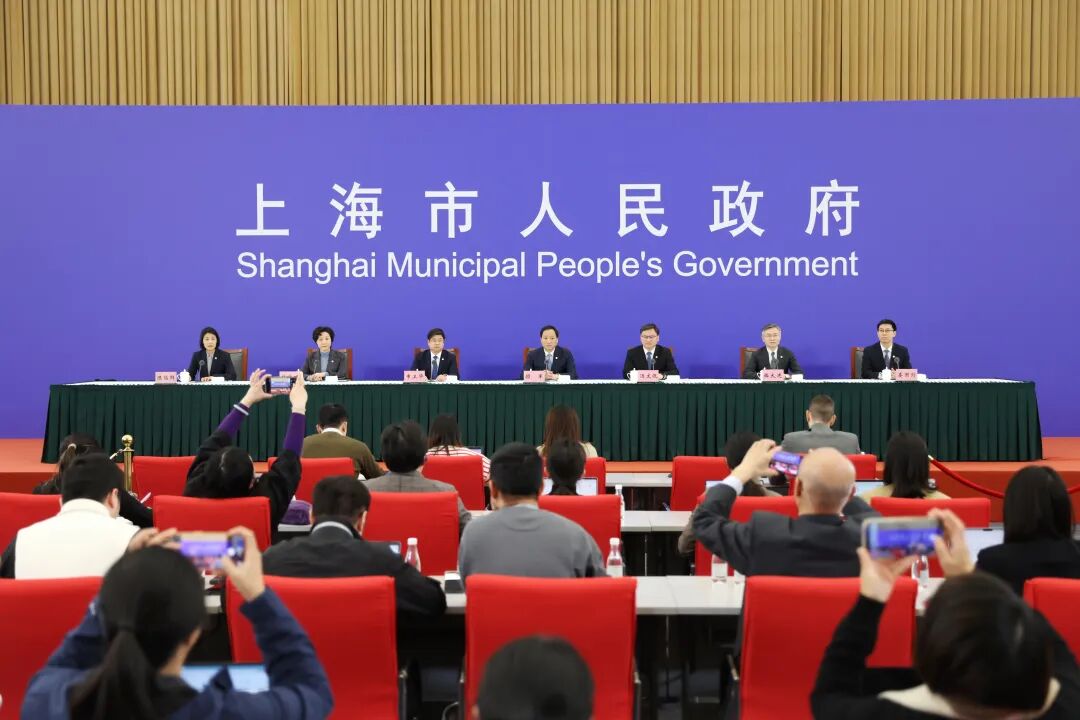
“十五五”开局怎么干?上海两会最后一天,这场主题记者会向中外媒体重磅发布
Xin Lang Cai Jing· 2026-02-07 09:25
Core Viewpoint - Shanghai aims to achieve a GDP growth rate of 5.4% in 2025, exceeding the national average, while focusing on deepening reforms and expanding effective demand to ensure a strong start for the "14th Five-Year Plan" [3] Economic Growth and Development - Shanghai's GDP is projected to reach 5.67 trillion yuan in 2025, marking a 5.4% increase from the previous year, successfully meeting the annual and "14th Five-Year" economic growth targets [3] - The city plans to focus on enhancing consumption, stabilizing investment, and promoting foreign demand to foster economic growth [3] Industrial Development - Shanghai's industrial output surpassed 4 trillion yuan last year, with a focus on high-end industries as a key driver for high-quality development [4] - The city aims to target new sectors such as smart terminals and commercial aerospace during the "14th Five-Year" period, creating new trillion-yuan industries [4] Foreign Investment - By the end of last year, Shanghai had recognized 1,076 multinational company regional headquarters and 636 foreign R&D centers, with plans to establish over 6,300 new foreign enterprises by 2025, reflecting a 6.8% year-on-year growth [5] - The city will enhance its international business environment and provide precise services to foreign enterprises to maintain its status as a preferred investment destination [5] Employment and Skills Development - Shanghai plans to create over 600,000 new jobs by 2026, with a focus on youth employment and addressing the impacts of AI on the job market [11] - The city will implement actions to promote skill enhancement and job matching, particularly for long-term unemployed youth [11] Technological Innovation - Shanghai's R&D expenditure is expected to increase from 4.1% to approximately 4.5% of GDP by 2025, with a significant rise in basic research investment [12] - The city will focus on strengthening its role as a technology innovation center, enhancing collaboration and efficiency in innovation ecosystems [12] Consumer Market and Trade - Shanghai's retail sales are projected to grow significantly, with initiatives to boost service consumption and brand development [13] - The city aims to enhance its foreign trade, targeting an export-import scale exceeding 4.5 trillion yuan by 2025, with growth rates surpassing national averages [9]

热门赛道迎利好!上海,重磅宣布!
证券时报· 2026-02-07 08:15
Core Viewpoint - Shanghai aims to enhance its economic growth and industrial capabilities through strategic initiatives, including the establishment of an AI Youth Entrepreneurship Fund and increasing the application density of industrial robots to 600 units per 10,000 people by 2025 [1][3]. Economic Growth Targets - By 2025, Shanghai's GDP is projected to reach 5.67 trillion yuan, reflecting a growth of 5.4% from the previous year, with a target of around 5% growth for 2026 [1]. - The city's industrial output value exceeded 4 trillion yuan in the past year, with a forecasted increase of 5.1% in industrial added value by 2025 [3]. Industrial Development - Shanghai plans to establish 500 advanced intelligent factories and create 200 green manufacturing enterprises during the "14th Five-Year Plan" period [1]. - The proportion of emerging manufacturing industries in Shanghai has increased from 40% to 45% over the past five years, with leading industries' share rising from 7.8% to 12.4% [3]. AI and Innovation - Shanghai has seen significant advancements in the AI sector, with nearly 40 humanoid robots transitioning from labs to everyday life, and over one-third of returning overseas talents choosing to start their careers in Shanghai [1][5]. - The city is leveraging a 600 billion yuan national AI fund and a 225 billion yuan Shanghai AI mother fund to foster AI talent and support the establishment of AI application pilot bases in healthcare, finance, and manufacturing [5]. Future Industries - Shanghai is focusing on future industries such as brain-computer interfaces, quantum computing, and gene therapy, with plans to create a national brain-computer interface industrial cluster [7]. - A future industry fund of 15 billion yuan is being established to attract social capital for early-stage investments in hard technology and long-term projects [7]. Silver Economy - By the end of 2024, the elderly population in Shanghai is expected to exceed 37.6%, indicating significant potential for the silver economy [10]. - Initiatives such as the opening of silver-friendly stores and the establishment of technology platforms for elderly care are being implemented to enhance consumer experiences for the aging population [10][11].

上海抢滩脑机接口产业转化新高地
Xin Lang Cai Jing· 2026-02-07 02:10
智通财经记者 | 李科文 智通财经编辑 | 谢欣 脑机接口已成上海未来产业重点发展方向。 日前,上海"十五五"规划明确以先进制造业为骨干,构建"2+3+6+6"现代化产业体系,打造世界级高端 产业集群。其中,在六大新兴支柱产业集群,未来健康领域提及加强脑机接口的敏捷布局,加快培育成 势。 2026年上海两会期间,市政协委员、复旦大学附属华山医院神经外科副主任吴劲松建议,当前正处于脑 机接口技术从实验室走向产业化的关键期,上海必须把握机遇,加快打造世界脑机接口中心城市。 非侵入式因操作简便、安全性高,已在消费级及部分医疗场景中应用,但受颅骨阻隔影响,信号采集精 度有限,短期内难以支撑重症患者的高要求康复。侵入式与半侵入式虽然面临技术与伦理挑战,却已成 为医疗康复领域的核心突破方向。 上海市卫生和健康发展研究中心主任金春林向智通财经表示,"未来健康"定位以将脑机接口定义为超越 传统医疗器械范畴,视作生命科学、人工智能与先进制造交叉的前沿方向。战略信号明确,强政策支持 上海抢占全球科技竞争制高点。 他认为,"敏捷布局"的重点在于更灵活、更快速地响应技术迭代与场景拓展,通过机制创新(如快速审 批通道等)加速技术转化, ...
“产业出题、科技答题”——以科技突破拓展未来产业发展的速度、广度、深度
Ren Min Ri Bao· 2026-02-07 01:41
Group 1: Future Industry Development - The core theme of the recent collective study by the Central Political Bureau focuses on forward-looking layout and development of future industries, emphasizing that technological breakthroughs significantly determine the speed, breadth, and depth of future industry development [1] - Future industries are characterized by their foresight, strategic importance, and disruptive nature, with technological breakthroughs being crucial for their development [1] - The emphasis is on leveraging scientific and technological innovation to lead industrial innovation, injecting continuous momentum into future industry development [1] Group 2: Key Technologies and Innovations - The new type of national system is highlighted as a key advantage in addressing critical core technologies, with a focus on the integration of industry needs and technological responses [2] - The development of a "microbial parallel bioreactor" has been achieved, significantly improving efficiency compared to traditional equipment, which has been dominated by foreign technologies [2][3] - Collaborative innovation among research institutions and manufacturing enterprises is essential for accelerating the transformation of technological achievements into industrial applications [3] Group 3: Importance of Basic Research - Basic research is identified as the source of technological innovation and a critical support for future industry technology innovation [4] - The successful development of a third-generation autonomous superconducting quantum computer and advancements in quantum communication networks illustrate the importance of foundational research in driving industry growth [5] - The establishment of a green extraction process for paclitaxel demonstrates the long-term commitment to basic research and its role in overcoming industry challenges [6] Group 4: Role of Enterprises - Enterprises are recognized as the main body of technological innovation and play a crucial role in advancing future industries [7] - The establishment of the China Fusion Energy Company marks a significant shift towards commercializing controlled nuclear fusion, highlighting the importance of enterprise involvement in technological advancements [7] - The integration of research institutions, clinical applications, and enterprises is essential for fostering innovation and market transformation in future industries [9] Group 5: Collaborative Efforts and Strategic Planning - The new type of national system is crucial for guiding collaboration between enterprises, universities, and research institutions to address industry needs and promote efficient technology transfer [10] - The development of future industries is seen as a strategic move for both current and future national interests, emphasizing the need for a systematic and forward-looking approach [10]
“产业出题、科技答题”
Ren Min Ri Bao· 2026-02-07 00:29
Group 1 - The core theme of the articles emphasizes the importance of technological breakthroughs in determining the speed, breadth, and depth of future industrial development [1][4] - The concept of "industry posing questions, technology providing answers" is highlighted as a guiding principle for driving innovation and addressing key technological challenges [2][4] - The collaboration between research institutions and manufacturing enterprises is crucial for accelerating the transformation of technological achievements into industrial applications [3][8] Group 2 - The new type of national system is identified as a key guarantee for promoting future industrial development, enabling long-term stable investment and strategic patience [4][9] - Strengthening strategic, forward-looking, and systematic layouts in basic research is essential for fostering technological innovation and supporting future industries [5][6] - Enterprises are recognized as the main body of technological innovation, playing a vital role in leading industries towards advanced and high-end fields [7][9] Group 3 - The development of core technologies in fields such as controlled nuclear fusion is highlighted as a significant step towards commercializing future energy solutions [7][8] - The establishment of innovation alliances that integrate research, clinical applications, and enterprise participation is essential for advancing complex systems like brain-machine interfaces [8][9] - The articles stress the need for effective collaboration between enterprises, universities, and research institutions to tackle key technological challenges and enhance the efficient transformation of scientific achievements [9]
“产业出题、科技答题” ——以科技突破拓展未来产业发展的速度、广度、深度
Ren Min Ri Bao· 2026-02-06 22:55
Group 1 - The core theme of the news is the emphasis on technological innovation as a driving force for the development of future industries, highlighting the importance of breakthroughs in technology for enhancing the speed, breadth, and depth of industrial growth [1][4] - The new type of national system is identified as a key guarantee for promoting the development of future industries, enabling strategic patience and long-term stable investment that the market cannot provide [4][10] - The integration of research institutions, manufacturing enterprises, and application sectors is crucial for accelerating the transformation of technological achievements into industrial applications [3][9] Group 2 - The focus on key core technology breakthroughs is essential, with a call for industries to present challenges that technology must address, ensuring that technological innovation is driven by actual market needs [2][10] - The development of high-performance bioreactors in the biomanufacturing sector is highlighted, showcasing a successful case of overcoming technological monopolies through collaborative innovation [2][3] - The rise of quantum computing in Hefei is noted, with significant advancements in both foundational research and industrial applications, indicating a robust growth trajectory for the quantum industry [5][6] Group 3 - The role of enterprises as the main body of technological innovation is emphasized, with a focus on cultivating leading technology companies that can drive industries towards high-end fields [7][8] - The establishment of innovative joint entities that combine research, clinical applications, and enterprise involvement is presented as a model for fostering deep cooperation and innovation in future industries [9][10] - The need for strategic, forward-looking, and systematic layouts in basic research is stressed, as it serves as the foundation for technological innovation and future industrial development [6][10]
叩开“星娃”心门
Xin Lang Cai Jing· 2026-02-06 16:47
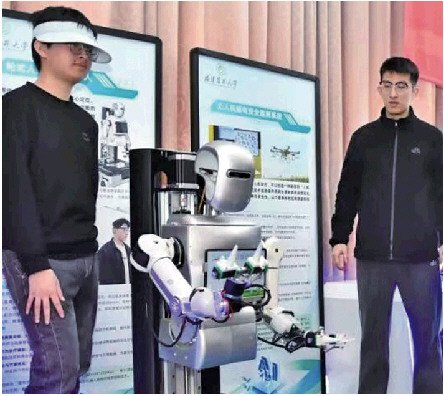
Core Insights - The article highlights the introduction of the Fuxiaozhi F1-D humanoid robot, which integrates non-invasive brain-computer interface technology to address early intervention challenges for autism in China, potentially benefiting over 13 million patients, especially young children [2][6]. Group 1: Autism Intervention Challenges - Approximately 60% of autistic children show significant symptoms before the age of three, but due to uneven medical resource distribution and public awareness, the average diagnosis age is delayed to 4-5 years, missing the critical intervention window [2]. - Current autism rehabilitation faces several bottlenecks, including reliance on therapists' personal experience, lack of objective quantification standards, and a scarcity of professional rehabilitation resources, with only about 35% of autistic patients aged 0-17 receiving systematic support [2]. Group 2: Fuxiaozhi F1-D Technology - The Fuxiaozhi F1-D features a "mind-reading" capability through a non-invasive, easy-to-wear "smart hat" that captures weak brain signals, which are then interpreted and translated into actions by the robot [3][4]. - The robot can respond to children's emotional states and attention levels, providing engaging feedback during rehabilitation, thus transforming traditional training into a game-like experience [5]. Group 3: Personalized Interaction and Data Utilization - Fuxiaozhi F1-D employs a personalized interaction model, adapting to each child's unique needs, such as adjusting sound levels for sound-sensitive children, thereby addressing the "one-size-fits-all" approach in traditional training [5]. - The system collects and analyzes brainwave, movement, and behavior data, offering unprecedented objective metrics for early screening and rehabilitation effectiveness, moving away from subjective assessments [5]. Group 4: Broader Industry Context - The introduction of Fuxiaozhi F1-D signifies a broader application of brain-computer interface technology in autism rehabilitation across China, with other systems like "Xingbinle" and "Autism Brain-Machine Assisted Diagnosis System" also emerging [7]. - The Chinese government's "14th Five-Year Plan" includes brain-computer interfaces as a key growth area, indicating a shift towards integrating advanced technologies in rehabilitation practices [7]. Group 5: Future Prospects - Future iterations of Fuxiaozhi may incorporate more advanced features, such as multi-sensory positive reinforcement and early risk warning systems, potentially shifting the focus from treatment to prevention [9][10]. - The integration of brain-computer interfaces with AI and big data technologies is expected to lead to more innovations like Fuxiaozhi, helping autistic children find their place in society [10].
国泰海通|计算机:未来产业之脑机接口:资本与政策赋能,迎产业窗口期
国泰海通证券研究· 2026-02-06 12:17
报告导读: AI 融合赋能与政策资本加持下,脑机接口多技术路线并行推进,场景落地加 速开启商业化增长周期。 投资建议: 我们认为,在 AI 与脑机接口深度融合趋势及十五五规划政策加持下,技术迭代与场景落地成为行业核心驱动力,看好全链条布局、 AI 赋能突出 及临床场景绑定紧密的企业。 法律声明 脑机接口凭借双向信息传输能力构建人机协同通路,形成多技术路线并行发展格局。 作为连接生物大脑与外部设备的直接信息交互通道,其核心功能涵盖神 经信号解读、外部设备操控及大脑信息输入,可实现脑功能的替代、修复、增强与优化。技术路线上,非侵入式、半侵入式、侵入式各具优势,非侵入式以操 作简便、安全性高成为当前主流,半侵入式兼顾风险与效能,侵入式则凭借高时空分辨率在复杂神经活动解码中具备优势。 AI 技术与脑机接口的深度融合成 为重要趋势,通过机器学习算法提升信号解码精度与效率,实现双向交互、自适应化与精准解码,推动行业向 " 脑机智能共同体 " 高阶形态演进。 全球产业竞逐升温,国内政策与资本双轮驱动产业化提速。 全球范围内,中美主导核心赛道竞争,美国主攻侵入式技术,中国在非侵入式、语言解码领域实 现突破,同时加快侵入式技术 ...

一场关于连接、唤醒与商业化的“神经桥”
Hua Xia Shi Bao· 2026-02-06 12:16
Core Insights - The brain-computer interface (BCI) sector is experiencing significant investment and government support, marking a transition from experimental technology to industrial application [2][19] - A notable case involves an 11-year-old boy who, after a severe spinal injury, underwent innovative rehabilitation combining spinal cord stimulation and exoskeleton technology, leading to remarkable recovery [4][6] Investment and Government Support - Leading company Strong Brain Technology secured approximately 2 billion yuan in funding, setting a record for non-invasive BCI financing [2] - Various provinces, including Beijing and Guangdong, are incorporating BCI into their government work reports, indicating strategic national interest [2] Technological Advancements - The integration of BCI and spinal cord stimulation technologies is reshaping rehabilitation approaches, with significant improvements in patient outcomes [3][5] - The development of adaptive filtering algorithms has enhanced the accuracy of muscle signal detection, crucial for effective treatment [5] Clinical Applications and Challenges - The case of the boy illustrates the potential of BCI technology in clinical settings, showcasing a successful transition from laboratory research to practical application [6][8] - The complexity of spinal cord injuries necessitates personalized treatment plans, as patient responses can vary widely based on numerous factors [14][15] Regulatory Landscape - Recent guidelines from the National Medical Products Administration aim to clarify the registration process for BCI devices, though strict definitions have sparked debate within the industry [17][18] - The dual nature of invasive and non-invasive BCIs presents regulatory challenges, particularly concerning safety and ethical considerations [18] Future Outlook - The BCI industry is poised for growth, with projections indicating significant breakthroughs and commercialization by 2027 [19][22] - The convergence of AI and BCI technologies is expected to enhance signal decoding and treatment efficacy, potentially revolutionizing rehabilitation practices [20][21]

积极布局未来产业,各地有何“密码”?
Xin Lang Cai Jing· 2026-02-06 06:35
Group 1 - The concept of "future industries" has gained significant attention in 2026, with a focus on development during the "14th Five-Year Plan" period, emphasizing the importance of strategic planning and innovation in emerging sectors [1][2] - Future industries are defined as emerging sectors driven by cutting-edge technologies, currently in the early stages of development, characterized by strategic significance and potential for disruptive innovation [1][2] - China is transitioning from a phase of technological catch-up to proactive layout in future industries, with a mix of leading, parallel, and following positions in various sectors such as quantum technology and 6G [1][2] Group 2 - Shanghai is leveraging its comprehensive advantages to develop future industries, with specific plans to cultivate sectors like brain-computer interfaces and fourth-generation semiconductors by 2026 [1][2] - Anhui province has established itself as a leader in quantum technology, with a significant concentration of quantum enterprises and a complete industrial chain in both quantum and nuclear fusion energy sectors [2] - Other provinces like Beijing, Guangdong, and Jiangsu are also making strides in future industries, focusing on their unique strengths and aligning with national strategic goals [2] Group 3 - The Chinese government is implementing various measures to support future industry development, including the establishment of investment funds and the promotion of innovative ecosystems [2] - The emphasis is on creating a supportive environment for potential disruptive technologies, ensuring that local policies align with national strategies while fostering regional characteristics [2]