
航空业

Search documents
曾怂恿罢飞内地航线,支持港独,最后裁员的国泰航空近况如何
Sou Hu Cai Jing· 2025-12-17 03:46
文丨异文录 编辑丨异文录 在阅读本文之前,请先点击关注,这样不仅方便大家讨论和分享,还能让您更有参与感,感谢您的支持。2020年10月21日,中国香港老牌航空公司国泰航空 宣布计划大幅裁员,预计在全球范围内减少约8500个岗位。这个数字意味着什么呢?相当于国泰航空总员工人数的24%,可以说影响非常巨大。 尽管最终实际裁员人数为5900人,包括空乘、地勤等岗位,低于最初传出的数字,但这仍对公司内部上下层产生了重大影响。当时的国泰航空首席执行官邓 健荣发表声明表示,为了公司的长期发展,不得不进行大规模重组,并对受影响的员工表示深切歉意。 马克思主义认为,资本家具有妥协性。面对港英政府的不公政策,民族资本家最终不得不让步,将港龙航空的大部分股份让给英国人,以保存实力,期望未 来再图发展。然而,在英国殖民统治下,香港本地资本发展受阻,港英政府的干预手段层出不穷。 谈到国泰航空,很多人误以为它是国有企业,因为名字中带有国字,给人一种望文生义的印象。然而事实并非如此,国泰航空自创立以来一直是香港的英国 全资航空公司。自鸦片战争至1997年,香港一直被英国占领,这家老牌航空公司实际上是英国在香港控制航空运输的工具,是垄断香 ...



提升产业链韧性的“他山之石”
Zheng Quan Shi Bao· 2025-12-16 18:00
Core Insights - The global aviation industry is currently facing a crisis characterized by "demand rebound" and "supply chain bottlenecks," highlighting the necessity of building resilient supply chains, which is now deemed more critical than efficiency competition and cost optimization [1] Group 1: Supply Chain Vulnerabilities - The supply chain crisis, triggered by issues in aircraft engines, has exposed the inherent fragility of the globalized precision division of labor, stemming from extreme concentration and single-point dependency [1] - The aviation supply chain is characterized by an excessively long chain and rigid coupling failures, where delays in one segment can amplify costs and delays across the entire chain [1] - The costs of supply chain disruptions are ultimately passed down, increasing operational expenses and squeezing airline profits, which affects the long-term sustainability of the industry [1] Group 2: Pathways to Resilience - The aviation industry can learn from the automotive sector's balance between efficiency and redundancy, where companies have diversified their supply sources and strengthened strategic inventory mechanisms [2] - The semiconductor industry's approach to capacity backup and dynamic safety stock adjustments can serve as a model for the aviation sector, particularly in establishing a real-time shared and traceable network for aviation materials [2] - A transformation in the aviation industry is necessary, requiring collaboration among multiple stakeholders and a shift from a linear to a networked structure to enhance resilience against future disruptions [2] Group 3: Opportunities for China - China possesses the most complete and responsive industrial system globally, presenting opportunities to integrate into the global supply chain network during the reconstruction of aviation supply chains [3] - The challenge lies in balancing deep integration into the global system while enhancing the international influence of rules and standards, transitioning from a "participant" to a "contributor" in the aviation industry [3]

得益于中国游客!韩国旅游市场 “正经历重大调整”
Guan Cha Zhe Wang· 2025-12-16 10:14
Core Insights - The number of Chinese tourists in Japan has significantly decreased, impacting local businesses, while the number of Chinese tourists in South Korea has surged, boosting retail sales and tourism revenue [1][3]. Group 1: Impact on Japan - Japanese businesses are experiencing a sharp decline in revenue due to the absence of Chinese tourists, with some reporting monthly losses of approximately 3 million yen (around 140,000 RMB) [1]. - A notable lack of Chinese tourists was observed in areas where they previously constituted a significant portion of the customer base, with reports indicating that no Chinese tourists were found in certain popular shopping areas [1]. Group 2: Growth in South Korea - In October, around 472,000 Chinese tourists visited South Korea, marking a year-on-year increase of 20.5% [3]. - Sales from Chinese tourists at major South Korean duty-free stores have seen substantial growth, with Shilla Duty Free reporting a 40% increase in October and Lotte Duty Free reporting a 50% increase in November compared to the previous year [3]. - The influx of Chinese tourists is expected to continue, with projections indicating a three to fourfold increase during the New Year holiday period [3]. Group 3: Airline Operations - Korean Air anticipates a significant increase in passenger transport on Korea-China routes, expecting to carry 16.49 million passengers in 2025, with a total flight distance of 280 million kilometers [4]. - The number of travelers from Korea to major Chinese cities such as Shanghai, Beijing, and Qingdao has increased, with notable growth in passenger numbers [4]. - New direct flights between Qingdao and Daegu are set to launch, enhancing travel options and expected to have a high occupancy rate for initial flights [4].

观海潮 | “投资自贸港”热 中外企业抢抓海南封关机遇
Sou Hu Cai Jing· 2025-12-16 06:45
随着海南自贸港全岛封关的日子一天天逼近,越来越多中外企业到海南考察洽谈、签约项目,掀起"投 资自贸港"的热潮。 11月27日,知名民营企业助力海南自贸港高质量发展大会重点项目集中签约活动在海口举行,现场集中 签约26个项目,涵盖旅游业、现代服务业、热带特色高效农业、高新技术产业等领域。中新社记者骆云 飞摄 在海口海关所属三亚机场海关业务受理大厅,企业办理货物通关业务。张月和 摄 封关为企业带来哪些利好?海南省商务厅副厅长李枝平以"三重红利"概括:成本更低,得益于"零关 税""低税率"政策;政策更优,可叠加享受个人所得税优惠、加工增值免关税、新增境外直接投资免税 等多项政策;市场更开放,海南拥有全国最短的外商投资准入负面清单和最多的鼓励类产业条目,企业 可进入领域更广泛。 "封关后的'一线放开'将有效降低研发与进口成本,15%企业所得税政策也使企业享有更低税负。"永道 控股集团股份有限公司董事长钟立钊透露,公司计划投资33亿元人民币,建设海南总部、国际结算中 心、节能环保装备制造工业园、农业农机装备产业园、跨境国际职业教育等重点项目。 随着自贸港政策落地生效、产业基础不断夯实、营商环境持续优化,海南努力拼招商。 ...

美军方称正评估美军机与客机险些相撞事故
Yang Shi Xin Wen Ke Hu Duan· 2025-12-15 23:40
Group 1 - The U.S. Southern Command is assessing an incident involving a JetBlue Airways flight that nearly collided with a U.S. Air Force aircraft near Venezuela, emphasizing that flight safety is a top priority [1] - JetBlue Airways stated that its crew is trained in relevant flight procedures and has reported the incident to federal authorities, cooperating with the investigation [3] - The incident occurred on December 12, involving JetBlue flight 1112, which was traveling from Curaçao to New York, with the military aircraft reportedly crossing its flight path at a similar altitude and with its transponder turned off [3]

西非国家经济共同体航空税改革降票价
Shang Wu Bu Wang Zhan· 2025-12-15 17:27
法新社12月12日报道,西非国家经济共同体(ECOWAS)将于2026年1月推行航空税改革,取消非 直接关联税费并降低旅客及安全费,预计整体可使机票价格下降约40%、需求增长20%-30%。此举旨在 解决西非长期因高额税费(占票价最高达50%)导致的航空成本过高问题,推动区域联通,并与国际标 准接轨。改革虽有助于提升航空业竞争力,但可能因部分萨赫勒国家未参与造成区域市场分化,且依赖 税费收入的机场将面临财政转型压力。西共体已设立监督机制确保政策落实,力求通过灵活性立法将其 转化为推进区域经济一体化新动力。 (原标题:西非国家经济共同体航空税改革降票价) ...
中国赴日提醒一个月后,日本旅游业担忧长期化
日经中文网· 2025-12-15 02:44
观光巴士预约订单接连被取消(12月9日,大阪府泉佐野市) 11月关西国际机场往返中国的航班数量环比减少10%。截至12月1日,12月计划停运的航班比例最高达 到34%,中国长龙航空停飞了所有航班。在最初的冬季执飞计划中,中国航班在关西国际机场国际航班 总量中的占比高达34%,此次受到的冲击很大。 据关西地区一家旅游巴士包车公司介绍,"业务跌幅堪比新冠疫情时期"。此前持乐观态度的北海道旅游 业也开始出现变化。有调查显示,42.8%的受访企业认为,中国游客谨慎赴日已对日本经济产生"负面 影响"…… 到12月14日,距离中国政府提醒本国公民谨慎赴日过去了整一个月。在与中国经济联系紧密的日本关西 地区,巴士旅游及酒店订单接连被取消,百货商店的销售也受到影响。中日对立加剧导致事态不可避免 地长期化,在这种情况下,日本东北地区及北海道的旅游行业也普遍出现担忧声音。 "11月的预约订单取消了一半以上",面向外国游客提供观光巴士旅游服务的华瀛国际旅行社代表王先生 表示。该公司运营约20辆包车巴士,大半用户是中国游客。 12月的订单几乎归零。据王先生介绍,"业务跌幅堪比新冠疫情时期",明年春节的客源也毫无指望。承 接团体巴士旅 ...

数千航班已被取消,外媒预警“危险信号”,印度航空业遭遇罕见危机
Huan Qiu Shi Bao· 2025-12-09 22:50
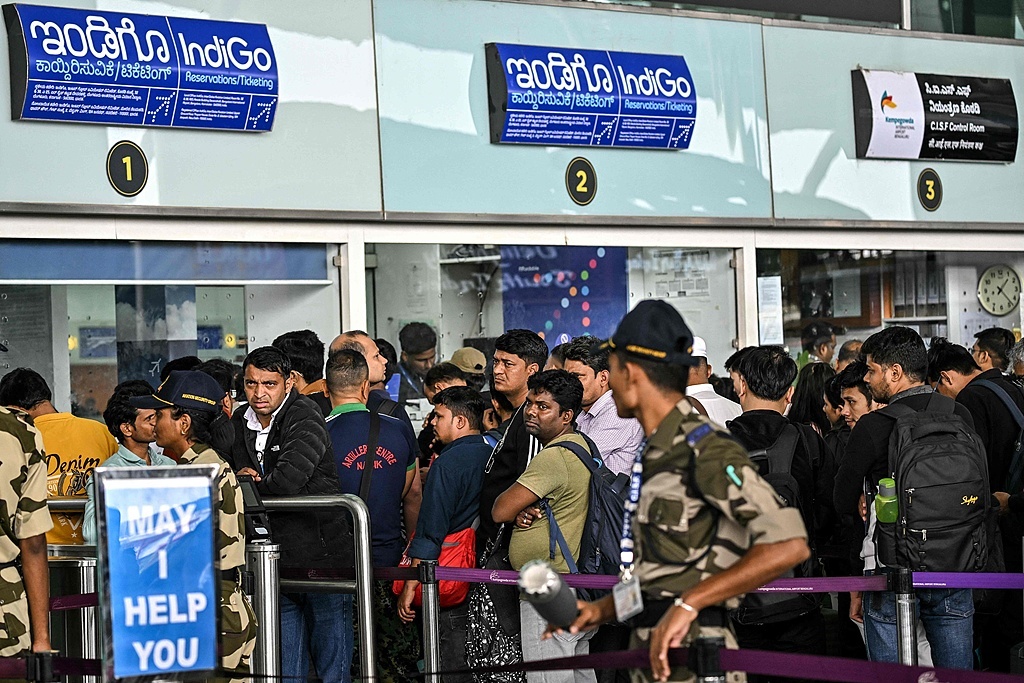
【环球时报报道 记者 苑基荣】9日,由印度靛蓝航空(IndiGo)运营中断引发的印度民航业"震荡"影响仍在持续。据印媒报道,过去一周,由于 严重的人手短缺和新实施的机组人员规定,这家印度最大的航司取消了数千架次航班,给该国旅游旺季的航空出行造成巨大影响,印度机场正面 临多年来最严重的运营混乱。目前,民航部和印度民航总局已介入此事,靛蓝航空正努力稳定运营并应对监管审查。 蒸发 3700 亿卢比 印度"Times Now"网站9日实时报道称,截至当日早晨,包括德里、海得拉巴、班加罗尔和加尔各答在内的主要机场的乘客正遭受长时间延误和机 票价格上涨的困扰。数万名乘客滞留机场,行李堆积如山,不满的乘客纷纷向地勤人员询问原因,部分乘客甚至与地勤人员发生冲突,一些主要 交通枢纽受到严重影响。鉴于靛蓝航空控制着65%的市场份额,对旅行和机票价格的影响十分严重,迫使政府进行干预,甚至对国内票价设定了 上限。 该航空公司承诺,其运营将于12月15日恢复正常。此次动荡也对股市造成了重大影响。据印度"Observer Voice"网站9日报道,靛蓝航空的母公司 InterGlobe Aviation在6个交易日内市值蒸发超过3700 ...
王均豪:以多元化布局筑牢高质量发展根基
Zhong Guo Jing Ying Bao· 2025-12-09 13:33
Core Insights - The conference "Starting New Paths for Steady and Long-term Development" highlighted the importance of diversification and high-quality development in business strategy, as emphasized by Wang Junhao, President of Junyao Group [1] Group 1: Business Strategy - Junyao Group adheres to a strategy of "diversified investment and specialized operation," believing that diversification is essential for long-term stability amid industry cyclicality [1] - The company maintains a strict principle of not using cash flow from its main business to fund diversified ventures, ensuring financial integrity [1] Group 2: Health Industry - Junyao Group entered the health sector in 1994 with Junyao Milk and successfully transformed during the 2008 milk crisis by focusing on probiotics, leading to the establishment of the "Junyao Health" brand [2] - The company has developed over 50,000 strains of bacteria through collaboration with universities and has received international patents, with products now sold in over 80 countries [2] Group 3: Technology and Manufacturing - The company has achieved international certification for its pilot simulator, matching the standards of Boeing 737 and 787, and has successfully exported to France [2] - In the electric vehicle sector, Junyao Group emphasizes a rational development approach, prioritizing quality over scale [2] Group 4: Aviation and Education - Junyao Group's airline, Junyao Airlines, operates over 100 aircraft and has established significant international competitiveness [3] - The education sector focuses on non-profit institutions, with a high percentage of graduates gaining admission to top global universities, and is integrating AI technology to enhance educational outcomes [3] Group 5: Cultural Initiatives - Junyao Group aims to promote Chinese culture globally, exemplified by hosting a guqin concert in Serbia and establishing a cultural exchange center for the ancient instrument [4] - The company emphasizes the importance of cultural heritage and aims to make Chinese civilization more accessible to the world [4]

供应链承压不改盈利势头 全球航空业利润明年有望创新高
Zhi Tong Cai Jing· 2025-12-09 11:37
Group 1 - The International Air Transport Association (IATA) forecasts a net profit of $41 billion for global airlines in the coming year, with passenger numbers expected to reach 5.2 billion, although this could be higher if supply chain issues are resolved [1] - The profit outlook represents a 4% increase from this year's projected profit of $39.5 billion, driven by stable economic growth, lower inflation, a weaker dollar, and declining fuel costs [1] - Europe is expected to achieve the strongest financial performance by 2025, with low-cost carriers expanding at double-digit rates and outperforming full-service airlines in terms of profit margins [1] Group 2 - The Asia-Pacific region is projected to see the largest increase in demand and capacity next year, fueled by a growing middle class and increasing travel activities [1] - The IATA's chief economist noted that the Middle East has the highest net profit margins, supported by strong demand for long-haul flights, infrastructure investments, and the expansion of hub airlines [1] - African airlines continue to struggle with profitability due to fragmented policies and high fuel costs [2] Group 3 - IATA has revised its profit target for the airline industry in 2025 down from $36.6 billion to $36 billion, citing trade tensions and weakened consumer confidence affecting airline revenues [2] - The industry is expected to maintain a profit margin of 3.9% next year, consistent with the forecast for 2025, with total industry revenue projected to reach $1.053 trillion [2] - Citigroup highlights a tactical bullish environment for U.S. airlines in 2026 due to poor performance and capacity cuts in 2025, particularly benefiting major carriers defined as "super airlines" [3]