
稀土

Search documents
又一稀土龙头业绩预喜:出口管制升级、龙头提价,多家公司业绩将翻倍
Di Yi Cai Jing· 2025-10-17 10:36
Group 1: Core Industry Insights - The security of rare earth resources has become a core dimension of national security, leading to a potential high-quality development era for the rare earth industry chain [1] - Major companies in the rare earth sector, such as Northern Rare Earth (600111.SH), Shenghe Resources (600392.SH), and Jieneng Permanent Magnet (300748.SZ), have reported significant profit increases, with Northern Rare Earth expecting a net profit of 1.51 to 1.57 billion yuan, a year-on-year growth of 272.54% to 287.34% [7] - The overall market demand for rare earth products is improving, and prices are continuously rising, indicating a favorable market environment for the industry [1][7] Group 2: Export Control Measures - On October 9, China's Ministry of Commerce announced an upgrade in export controls for rare earth products, including five additional medium and heavy rare earth elements, affecting key materials used in military and semiconductor sectors [2] - The new regulations expand the scope of controls from domestic to international, covering the entire rare earth industry chain from mining to recycling [2][4] - Analysts believe that these measures will enhance China's pricing power over medium and heavy rare earth strategic resources [4] Group 3: Market Dynamics and Price Trends - The price of rare earth minerals is expected to rise, with Baotou Steel and Northern Rare Earth adjusting their associated prices for rare earth concentrates to 26,205 yuan per ton, a 37% increase from the previous quarter [6] - The rare earth price index has shown a steady upward trend, with a reported increase of nearly 24% from the end of 2024 [6][7] - The overall market for rare earths is experiencing a recovery, driven by both supply-side management and increasing global demand for green transition technologies [7]




美国抛出更大筹码,换中方在稀土让步,中国这一关,美国恐怕过不了
Sou Hu Cai Jing· 2025-10-17 10:17
Core Insights - The strategic significance of rare earth elements is increasingly highlighted, with a notable focus on the ongoing competition between China and the United States in this sector [1][6] - China's recent export controls on rare earths are a strong policy response to U.S. pressures, indicating its determination in trade negotiations [1][9] - The U.S. Treasury Secretary's proposal to extend the tariff truce in exchange for concessions from China reflects a desperate attempt to navigate the complex trade landscape [3][5] Group 1: Importance of Rare Earth Elements - Rare earth elements are essential for modern technology, used in products ranging from smartphones to electric vehicles and defense weapons [1] - China holds a dominant position as the largest producer of rare earths, which has become a critical point of leverage in U.S.-China trade relations [1][6] Group 2: U.S.-China Trade Negotiations - The U.S. is attempting to utilize the upcoming expiration of a 24% tariff suspension as leverage, but its lack of proactive engagement raises questions about its strategy [3] - China's consistent stance of "open to talks, but ready to fight" has bolstered international confidence in its position [3][5] Group 3: China's Response and Strategy - China has issued multiple announcements to reinforce its control over rare earths, signaling its commitment to defending its interests [5][9] - The measures include special port fees for U.S. vessels and investigations into companies like Qualcomm, demonstrating China's resolve [5] Group 4: Broader Implications - The ongoing rare earth competition is a microcosm of the larger U.S.-China rivalry, encompassing technology leadership, market share, and strategic resource control [6][9] - The outcome of this conflict will significantly impact the global economic landscape and the stability of international relations [8][9]

稀土精矿价格实现“五连涨” 涨幅达37.13%
Zhi Tong Cai Jing· 2025-10-17 09:29
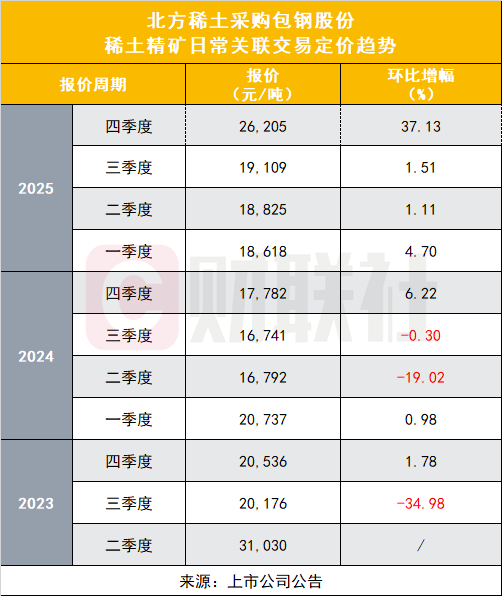
Core Viewpoint - The price of rare earth concentrate has increased for five consecutive quarters, with a rise of 37.13% for the fourth quarter of 2025, as announced by Baogang Co. and Northern Rare Earth [1][4]. Price Adjustment Summary - Baogang Co. has adjusted the rare earth concentrate transaction price for the fourth quarter of 2025 to 26,205 yuan/ton (excluding tax, REO=50%), with a price change of 524.10 yuan/ton for every 1% change in REO [1][2]. - The price for the third quarter of 2023 was set at 19,109 yuan/ton, indicating a quarter-on-quarter increase of 37.13% for the fourth quarter [2][4]. - The price adjustment mechanism between Northern Rare Earth and Baogang Co. has been in place since April 1, 2023, allowing for quarterly price calculations based on a fixed pricing formula [2][4]. Historical Price Trends - The price of rare earth concentrate has seen significant fluctuations, with a high of 31,030 yuan/ton in the second quarter of 2023, dropping to 16,741 yuan/ton by the third quarter of 2024, representing a decline of 46.05% [5]. - The current price adjustment marks the largest increase since the second quarter of 2023, following a period of price stabilization starting from the fourth quarter of 2024 [4][5]. Company Performance - Northern Rare Earth has projected a net profit of 1.51 billion to 1.57 billion yuan for the first three quarters, reflecting a year-on-year increase of 272.54% to 287.34% [5]. - The company has focused on market changes, budget management, cost reduction, and production organization, leading to significant growth in product sales and overall performance [5]. - Since the third quarter of this year, Northern Rare Earth's stock price has surged by 110.8%, closing at 52.48 yuan per share, with a total market capitalization of 189.7 billion yuan [5].
稀土管制震撼全球!中国稳控资源欧盟紧急响应,谢夫乔维奇誓言联合31国应对
Sou Hu Cai Jing· 2025-10-17 05:11
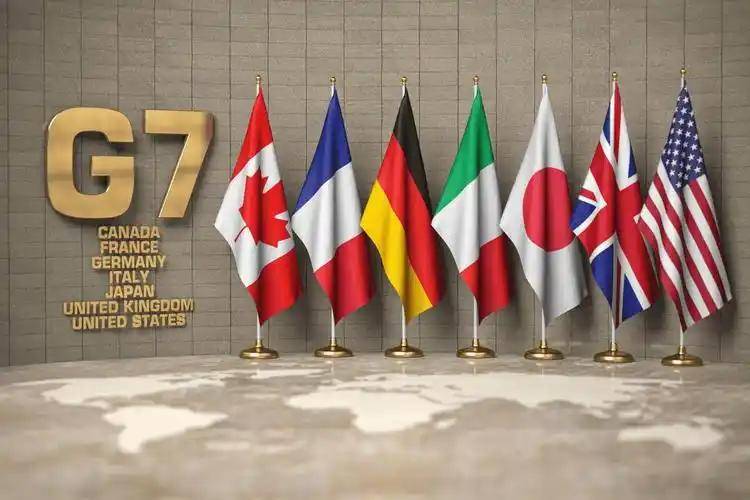
Core Points - The European Union (EU) is facing significant supply chain threats due to China's upcoming export controls on rare earth materials, which are set to take effect in October 2025, leading to heightened concerns among European industries [1][3] - The EU's trade commissioner, Valdis Dombrovskis, indicated that Europe feels "choked" by these developments, with potential production declines exceeding 30% in key sectors within six months if rare earth supplies remain restricted [3][5] - The EU plans to coordinate with G7 nations to discuss a joint response, covering strategic reserves, foreign investments, and trade balance measures with China [5][19] Industry Impact - Rare earth prices, particularly praseodymium and neodymium, have been rising for three consecutive weeks, reflecting market anxiety over supply disruptions [3][24] - The EU's reliance on China for rare earths is underscored by the fact that China accounts for over 80% of global rare earth production, possessing stable refining and purification technologies [24] - The U.S. is considering reviving old rare earth reserve projects and accelerating mining collaborations with Australia and Canada, but these initiatives will take five to seven years to yield results [7][19] Market Reactions - Despite the EU's concerns, companies in Japan, South Korea, and the U.S. continue to seek new export licenses from China, indicating ongoing procurement activities [3][24] - European and American financial institutions are increasing investments in Chinese rare earth enterprises, signaling confidence in long-term technological advantages despite vocal criticisms of China's policies [21][24] Strategic Responses - The EU's proposed strategic reserve mechanism is seen as a temporary measure that cannot replace the immediate supply needs, with significant time required to establish new production lines [19][24] - Internal divisions within the EU are emerging, with France and Germany favoring dialogue while the U.S. advocates for a more aggressive stance, complicating the execution of a unified response [16][24] - The ongoing dialogue between the EU and China, including planned visits by EU officials, aims to ease tensions and maintain trade channels [16][24]
不许中国垄断稀土?特朗普迎来外援,31国枪口对华,中企资产被抢
Sou Hu Cai Jing· 2025-10-17 04:38
Core Viewpoint - The recent new rare earth policy introduced by China has drawn significant international attention, particularly from the United States, which perceives it as a monopolistic move and has initiated a series of countermeasures [1][3]. Group 1: U.S. Response and Strategy - The U.S. has issued threats, including potential cancellation of high-level meetings and imposing high tariffs on Chinese goods if China does not alter its rare earth export controls [3]. - Despite the threats, there are indications that the U.S. may consider lifting tariffs in exchange for China easing its rare earth export restrictions, suggesting a complex and fluctuating stance [3]. - The U.S. is attempting to rally allies, with the EU and G7 expressing intentions to collectively confront China's new rare earth regulations, although internal divisions exist among these allies regarding their approach to China [5][6]. Group 2: U.S. and Global Rare Earth Dynamics - The U.S. is exploring partnerships to reduce reliance on Chinese rare earths, exemplified by a recent agreement with Pakistan, but the global supply chain's current state makes it challenging to quickly eliminate dependence on China [8]. - Research indicates that establishing a complete rare earth supply chain independent of China could take at least a decade, highlighting the difficulty of rapid substitution [8]. Group 3: Future Outlook - Anticipation surrounds the upcoming high-level U.S.-China meeting, which could serve as an opportunity for easing trade tensions, contingent on the U.S. demonstrating sufficient goodwill [9]. - The outcome of this meeting may significantly influence the dynamics of U.S.-China relations and their cooperation in other sectors [9][10].
稀土新规护主权 中国经济有底气
Zhong Guo Qing Nian Bao· 2025-10-17 04:30
Core Insights - China's recent export regulations on rare earth materials and related items are seen as a strategic move to leverage its market position and resource endowment in the context of global value chain restructuring [1][2] - The regulations are a response to the U.S. Department of Commerce's inclusion of several Chinese entities on its export control "entity list," aiming to prevent future export restrictions against China [1][2] Group 1: Export Regulations and Strategic Implications - The new export controls target high-value, low-substitutability materials critical for emerging technologies such as renewable energy, artificial intelligence, and quantum communication [2][3] - The introduction of a threshold for "Chinese content" at 0.1% for overseas products marks a significant regulatory change, enhancing China's influence in trade negotiations [2][3] - The measures are intended to maintain stability in global supply chains rather than to gain geopolitical advantages [3][4] Group 2: Economic Performance and Trade Dynamics - China's foreign trade has shown resilience, with exports of mechanical and electrical products accounting for 60.5% of total exports in the first three quarters of the year [5][6] - The country has achieved continuous year-on-year growth in imports and exports for eight consecutive quarters, indicating a robust trade environment [4][5] - The ongoing trade tensions have not deterred foreign investment, as evidenced by Apple CEO Tim Cook's commitment to increasing investment in China [4][6] Group 3: Global Economic Impact and Future Outlook - The International Monetary Fund (IMF) and World Bank have raised China's economic growth forecasts for 2025, highlighting its role as a key driver in the East Asia and Pacific region [6][7] - China's economic fluctuations can significantly impact regional economies, with a 1% change in China's economy potentially affecting neighboring economies by 0.3% [6][7] - Upcoming APEC meetings are expected to focus on multilateral trade systems, regional economic integration, and cooperation in technology and trade friction resolution [7][8]
中国稀土涨2.05%,成交额4.41亿元,主力资金净流出2771.91万元
Xin Lang Cai Jing· 2025-10-17 04:30
Core Insights - China Rare Earth's stock price has increased by 107.84% year-to-date, with a recent 6.64% rise over the last five trading days [2] - The company has seen significant trading activity, with a net buy of 267 million yuan on October 13, 2023, and a total buy of 923 million yuan, accounting for 13.55% of total trading volume [2] - The company reported a revenue of 1.875 billion yuan for the first half of 2025, representing a year-on-year growth of 62.38%, and a net profit of 162 million yuan, up 166.16% [2] Company Overview - China Rare Earth Group Resources Technology Co., Ltd. was established on June 17, 1998, and listed on September 11, 1998, with its main business involving rare earth smelting separation and technology research and development [2] - The company's revenue composition includes 63.51% from rare earth oxides, 35.95% from rare earth metals and alloys, and 0.18% from technical services [2] - As of September 19, 2023, the number of shareholders reached 230,000, an increase of 6.66% from the previous period [2] Financial Performance - The company has distributed a total of 346 million yuan in dividends since its A-share listing, with 124 million yuan distributed over the last three years [3] - As of June 30, 2025, the top ten circulating shareholders include Hong Kong Central Clearing Limited and Southern CSI 500 ETF, with notable increases in their holdings [3]

稀土储量世界第一,进口量却是出口的两倍:这笔账,中国到底亏不亏?
Sou Hu Cai Jing· 2025-10-17 04:16
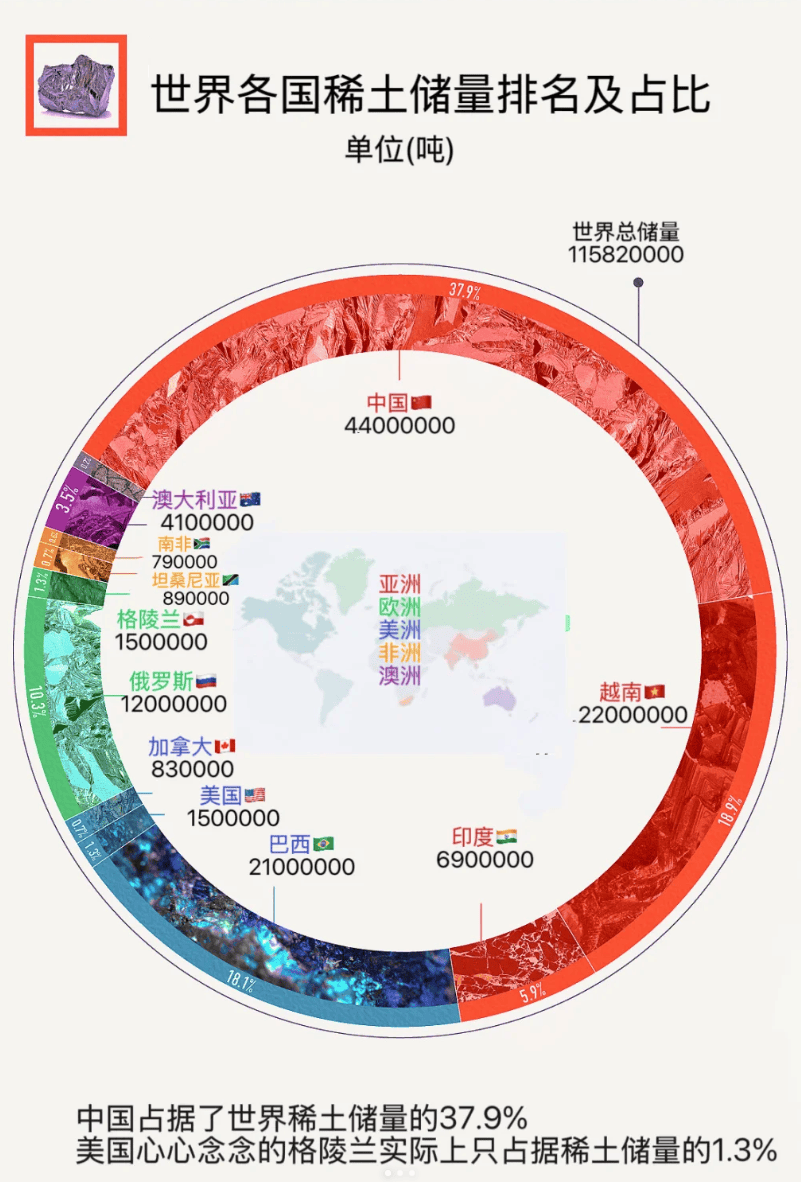
Core Insights - China's rare earth imports are twice its exports, raising questions about its status as a global leader in rare earth production [1][9] - A significant portion of China's rare earth imports, 75%, comes from Myanmar, which has low mining costs and proximity to China [3][5] - The U.S. is attempting to revive its rare earth mining capabilities, with the Mountain Pass mine projected to reach an annual output of 40,000 tons by 2024 [5][9] Import and Export Dynamics - In the first nine months of 2024, China imported 31,000 tons of rare earth oxides from Myanmar, which constitutes 75% of its total imports [5] - The U.S. has become China's second-largest supplier of rare earth materials, accounting for 38% of imports in the first ten months of 2024 [9] - China's rare earth exports are primarily high-value processed products, such as permanent magnets and catalysts, rather than raw materials [11][18] Strategic Resource Management - China retains its own rare earth resources for future use while importing materials for processing, leveraging its advanced processing capabilities [9][18] - The global rare earth market is characterized by interdependence, where countries rely on each other for different stages of the supply chain [16][18] - The increase in imports is viewed as a strategic move to optimize resource allocation and enhance profitability through high-value exports [18][20] Competitive Landscape - The competition in the rare earth sector is not solely about mining resources but rather about controlling the entire supply chain from extraction to processing [13][14] - Other countries, such as the U.S. and Australia, face challenges in mining and processing, which limits their competitiveness compared to China [14][16] - China's comprehensive capabilities in mining, processing, and manufacturing give it a significant advantage in the global rare earth market [14][20]
离披露完毕只剩10个交易日!掘金三季报窗口期,需要注意什么?
Mei Ri Jing Ji Xin Wen· 2025-10-17 03:56
Core Insights - The A-share market has shown an upward trend since October, with the Shanghai Composite Index recovering above 3900 points, coinciding with the third-quarter earnings report disclosure period [1] - As of October 15, 126 companies have released earnings forecasts, with 105 of them expecting year-on-year profit growth, indicating a strong market focus on financial data [1] Group 1: Earnings Forecasts - Two main reasons for companies' positive earnings forecasts are price increases and the ramp-up of product production [2] - Companies like Xianda Co., ShuoBeide, and Chujian New Materials are leading the earnings growth forecast, with increases exceeding 2000% [2] - Resource cycle companies have benefited from significant price increases, while certain tech companies are entering a phase of mass production, driving their earnings growth [2][4] Group 2: Notable Companies - Xianda Co. expects a net profit increase of 2807% to 3211% for the first three quarters, driven by rising market prices for its main product, and operational reforms [2] - Shenghe Resources anticipates a net profit of approximately 740 million to 820 million yuan, reflecting a year-on-year increase of 696.82% to 782.96%, due to favorable market conditions and price increases [3] - ShuoBeide's net profit is projected to increase by 2836.86% to 3203.96%, attributed to enhanced production capacity and successful collaborations with major clients [4] Group 3: Market Trends and Reporting Schedule - The third-quarter earnings report window is short, with only ten trading days left until the reports are due by October 31 [6] - A total of 2352 companies are expected to disclose their earnings in the final week of October, marking a peak in reporting activity [6][11] - Key companies such as NIO, China Telecom, and major banks are scheduled to release their earnings reports between October 21 and October 31 [7][8]




2025年4月中国稀土进出口数量分别为1.26万吨和0.48万吨
Chan Ye Xin Xi Wang· 2025-10-17 03:33
Group 1 - The core viewpoint of the articles highlights the trends in China's rare earth imports and exports, indicating a decrease in import volume but an increase in import value, while exports show mixed results with a decline in value despite an increase in volume [1][2]. Group 2 - In April 2025, China's rare earth imports amounted to 12,600 tons, representing a year-on-year decrease of 4%, while the import value reached $19 million, reflecting a year-on-year increase of 4.2% [1]. - In the same month, China's rare earth exports totaled 4,800 tons, showing a year-on-year increase of 4.8%, but the export value was $2.2 million, which is a significant year-on-year decline of 34.4% [1].
