数字货币

Search documents
刘兴亮 | 稳定币与支付主权:风险控制与自由的博弈
Sou Hu Cai Jing· 2025-11-01 08:31
Core Insights - The article discusses the evolving landscape of payment systems in the digital economy, highlighting the competition between traditional cross-border systems like SWIFT and emerging technologies such as blockchain and stablecoins [1][9]. Group 1: Rise of Stablecoins - Stablecoins are digital financial tools designed to maintain a peg to fiat currency, connecting digital currencies with real-world fiat, thus creating a relatively stable exchange relationship [2][4]. - The majority of mainstream stablecoins are pegged to the US dollar, which reinforces the dollar's dominance in the global payment system [4]. - Central banks are actively piloting Central Bank Digital Currencies (CBDCs), leading to a new landscape for capital flows [4]. Group 2: Parallel Payment Systems - The rise of blockchain and Bitcoin has led to the development of decentralized digital currencies that can potentially bypass traditional payment channels [4][5]. - Bitcoin's characteristics, such as distributed ledgers and lack of central authority, create an alternative settlement network parallel to SWIFT, although its price volatility limits its role as a mainstream payment currency [4][5]. - Stablecoins emerged to address these limitations, with examples like Tether (USDT) representing high efficiency and risk, while USD Coin (USDC) represents compliance and lower risk [4][5]. Group 3: Types of Digital Currencies - Digital currencies can be categorized into three types: decentralized digital currencies (e.g., Bitcoin, Ethereum), stablecoins (market-driven or regulated), and CBDCs (state-issued and centralized) [5][7]. - All three types have cross-border payment capabilities, but stablecoins are particularly advantageous in cross-border payment scenarios due to their liquidity and cost-effectiveness [7]. Group 4: Challenges and Opportunities - Stablecoins present opportunities for low-cost, efficient cross-border payments, especially in regions with inadequate traditional banking services [8]. - However, insufficient regulatory frameworks for stablecoin issuance and reserve management could pose systemic risks, potentially impacting central banks' monetary policy sovereignty and regulatory capabilities [8]. Group 5: Regulatory Landscape - The rise of stablecoins challenges national financial sovereignty and regulatory boundaries, prompting many countries to establish regulatory frameworks requiring issuers to maintain adequate reserves and conduct regular audits [5][8]. - The relationship between stablecoins and CBDCs represents not only a technological competition but also a struggle between regulatory oversight and decentralized freedom [5][8]. Group 6: Future Outlook - As the world transitions into the digital economy, the boundaries between payment sovereignty and market freedom are becoming increasingly blurred [9][10]. - The future of finance will depend on finding a new balance between freedom and order within the regulatory framework surrounding blockchain technology [10].


加密货币市场全线重挫,比特币,以太坊一度跌超3%!全网24小时超24万人爆仓,78亿元资金蒸发!发生了什么?
Sou Hu Cai Jing· 2025-10-30 23:48
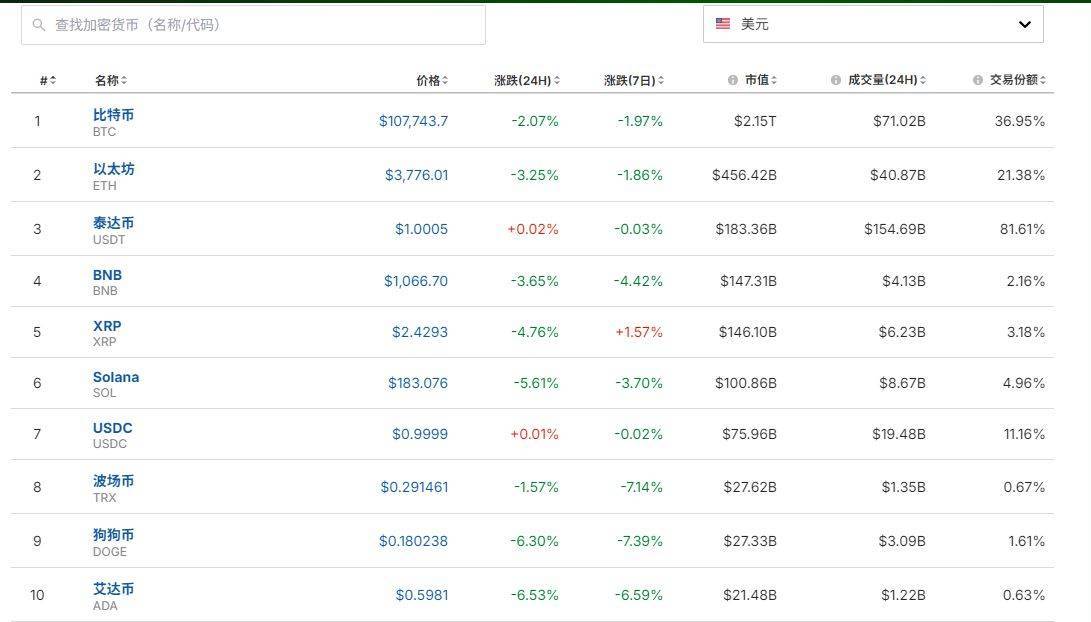
10月30日,以比特币为首的加密货币市场全线重挫,比特币、以太坊一度跌超3%,艾达币一度大跌超4%,XRP暴跌近6%,FIL暴跌近7%。 截至10月31日发稿,比特币报107743.7美元,跌幅1.97%。 | Q 查找加密货币(名称/代码) | | | | | ■ 美元 | | > | | --- | --- | --- | --- | --- | --- | --- | --- | | # = | 名称: | | 价格: 涨跌(24H) > | 涨跌(7日) > | ● 市值: | 0 成交量(24H): | ● 交易份额: | | 1 - | 比特币 | $107.743.7 | -2.07% | -1.97% | $2.15T | $71.02B | 36.95% | | BTC | | | | | | | | | 2 | 以太坊 | $3,776.01 | -3.25% | -1.86% | $456.42B | $40.87B | 21.38% | | ETH | | | | | | | | | Company of Children | USDT | $1.0005 | +0.02% | -0. ...
深夜,暴跌!超21万人爆仓!黄金,直线拉升!
券商中国· 2025-10-30 15:38
北京时间10月30日晚间,美股三大指数走势分化,以科技股为主的纳指低开低走,道指持续走高,截至 23:00,纳指跌0.93%,道指涨0.72%,标普500指数跌0.29%。 美股大型科技股多数大跌,Meta暴跌近13%,特斯拉、甲骨文大跌超4%,博通大跌超3%,英伟达、微软跌超 2%,亚马逊跌超1%,苹果小幅下跌;谷歌A逆势大涨超5%。 据最新披露的业绩,推动美股上涨的"七大科技巨头"业绩呈现分化,投资者质疑Meta在AI基础设施方面的巨额 投资能否带来回报。 与此同时,特斯拉也传来一则利空消息。美国最大的公共养老金计划——加州公务员退休系统(CalPERS)正 计划投票反对特斯拉CEO马斯克价值1万亿美元的特斯拉公司薪酬协议,这对特斯拉公司试图为马斯克授予美 国企业史上最丰厚薪酬方案之一的计划构成了阻碍。媒体数据显示,CalPERS持有约500万股特斯拉股票。 马斯克一直在推动这项薪酬计划,希望在11月6日于奥斯汀举行的公司年度股东大会上获得批准。这位全球首 富在本月的公司财报电话会议上,敦促投资者支持该计划,并批评那些反对该方案的股东咨询公司。 美股画风突变。 今晚,美股开盘后,三大指数震荡分化, 纳指一 ...


市场中午“惊魂”一刻:美股期货、数字货币等风险资产跳水急跌后迅速收窄跌幅
Hua Er Jie Jian Wen· 2025-10-30 04:51
Core Insights - After Trump's speech, S&P 500 futures and Nasdaq futures returned to a flat position, indicating market stabilization [1] - Bitcoin narrowed its decline, suggesting a potential recovery or stabilization in the cryptocurrency market [1] Market Reactions - The S&P 500 index futures showed a shift to a neutral stance following political commentary, reflecting investor sentiment [1] - Nasdaq index futures also mirrored this trend, indicating a broader market response to external factors [1] Cryptocurrency Trends - Bitcoin's reduced decline points to a possible resilience in the cryptocurrency market amidst fluctuating investor confidence [1]
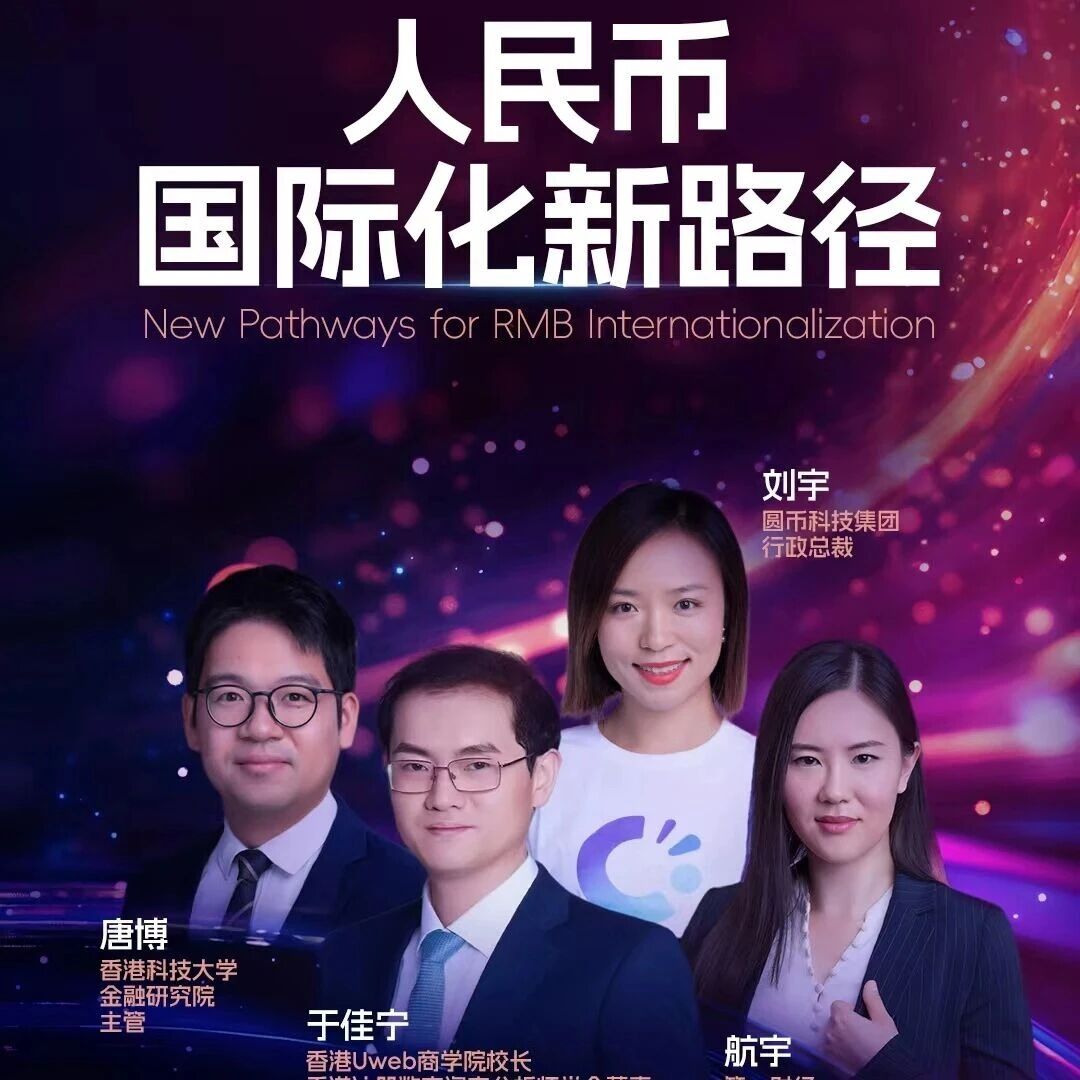
香港金融科技周 x StartmeupHK创业节2025即将开幕 第一财经分论坛聚焦“数字货币下的人民币国际化新路径”
第一财经· 2025-10-29 10:12
Core Insights - The Hong Kong FinTech Week x StartmeupHK Festival 2025 is set to take place from November 3 to 7, attracting over 37,000 participants from more than 100 economies, with over 800 speakers and 700 exhibitors, marking the largest event to date [1] - The theme for this year's FinTech Week is "Driving a New Era of FinTech," with a focus on making capital flow more intelligently and addressing real economic challenges through technology [2] - The global digital currency market is projected to exceed $8 trillion in 2025, representing a 53.8% year-on-year growth from 2024, driven by a fundamental shift in countries' attitudes towards digital currencies [2] - The establishment of the Digital Renminbi International Operation Center in Shanghai on September 24, 2025, signifies the transition of the digital yuan from domestic trials to international operations [2][3] - Hong Kong is leveraging its unique "One Country, Two Systems" advantage to build a digital asset ecosystem, aiming to connect China with global markets [3] Summary by Sections Event Overview - The event will feature a forum titled "New Pathways for RMB Internationalization," focusing on the strategic positioning of digital currency in the context of China's financial openness and the internationalization of the Renminbi [1][5] Government Initiatives - The Hong Kong government is collaborating with financial regulators and the fintech industry to establish a sustainable financial technology framework, enhancing Hong Kong's role as a leader in fintech [2] - The "Hong Kong Digital Asset Development Policy Declaration 2.0" was released in June 2025, aiming to optimize legal and regulatory frameworks, expand tokenized product categories, and promote cross-sector collaboration [3] Digital Currency Developments - The digital yuan is no longer limited to domestic retail payment scenarios, with the "Digital Currency Bridge" facilitating low-cost, fast settlement services for SMEs engaged in cross-border trade [2] - The establishment of the digital yuan's international operation center and the upgrade of Hong Kong's digital asset policies are creating a new pathway for the internationalization of the Renminbi [3]
曾刚:美国稳定币立法背后是区块链等基础设施标准的博弈
Sou Hu Cai Jing· 2025-10-28 07:17
Core Viewpoint - Blockchain technology serves as the underlying infrastructure for stablecoins, and its standardization process directly impacts the future structure of the digital currency system [1] Group 1: Legislative Developments - Stablecoins are becoming a focal point for global financial regulation, with various countries, including the U.S. and EU, actively constructing regulatory frameworks to adapt to the digital age [2] - The emergence of stablecoins challenges traditional monetary systems and redefines the concepts of currency and monetary issuance [2] Group 2: Impact on the Dollar System - The traditional infrastructure supporting the dollar's dominance includes the SWIFT system, the U.S. banking system, and government credit guarantees, which allow the U.S. to maintain financial hegemony [3] - Stablecoins, particularly those pegged to the dollar, expand the use of the dollar globally, while also providing tools for de-dollarization, as seen in increasing use of local currencies in trade by countries like China and Russia [4] Group 3: Regulatory Strategies - The U.S. legislative strategy regarding stablecoins aims to maintain dollar hegemony by requiring issuers to be regulated financial institutions and primarily hold dollar-denominated assets [5][6] Group 4: Technical Standards and Power Dynamics - The standardization of blockchain technology is crucial for the future of the digital currency ecosystem, with major public chain platforms competing for dominance in the stablecoin space [7] - Different blockchain networks face interoperability challenges, leading to a fragmented state that limits the effectiveness of stablecoins as global payment tools [8] Group 5: Regulatory Divergence - There are fundamental differences in stablecoin regulatory philosophies among countries, reflecting varying views on financial innovation and monetary sovereignty [9] - The U.S. focuses on risk control and maintaining dollar dominance, while the EU emphasizes consumer protection and market integrity [9] Group 6: Cross-Border Regulatory Coordination - The global nature of stablecoins necessitates international coordination, but differing regulatory philosophies and geopolitical tensions complicate this process [11] Group 7: Balancing Innovation and Regulation - Finding a balance between encouraging financial innovation and preventing systemic risks is a common challenge for regulators [12] Group 8: Future of Digital Currency Landscape - The evolution of the global digital currency landscape will be influenced by technological advancements, regulatory policies, and geopolitical factors [13] Group 9: Strategic Opportunities and Challenges for China - China's digital yuan offers a strategic advantage in the digital currency space, but balancing financial stability with technological innovation remains a challenge [14] Group 10: Historical Opportunity to Reshape Financial Order - The legislative developments surrounding stablecoins represent a profound transformation of the financial order, redefining currency, issuance rights, and global payment systems [16]
数字人民币最新消息!
Jin Rong Shi Bao· 2025-10-27 12:53
Core Insights - The establishment of the Digital Renminbi Operation Management Center in Beijing aims to enhance the development and maintenance of the digital renminbi system, supporting the capital's role as a national financial management center [1][2] Group 1: Digital Renminbi Centers - The Operation Management Center and the International Operation Center are both managed by the People's Bank of China Digital Currency Research Institute, with distinct roles in domestic and international digital renminbi operations [2] - The Operation Management Center focuses on building core infrastructure for the central bank's digital renminbi system and fostering a secure and efficient ecosystem for digital renminbi [2] - The International Operation Center is responsible for cross-border operations and blockchain infrastructure, promoting international cooperation and financial market development [2] Group 2: Ecosystem Development - As of September 2025, the digital renminbi ecosystem has seen a cumulative transaction amount of 14.2 trillion yuan, with 33.2 billion transactions processed and 225 million personal wallets opened [3] - The digital renminbi has been applied across various sectors, including retail, education, and public services, creating replicable and scalable application models [3] - The digital renminbi system is expected to enhance its service capabilities with the establishment of the new centers and the steady increase in operational institutions [3] Group 3: Future Directions - Experts highlight the potential of the digital renminbi system to improve retail payment connectivity and address challenges in corporate and cross-border transactions [4] - There is a call for enhanced scene construction and institutional support to optimize the positioning of the digital renminbi in the monetary system [4] - A multi-layered market incentive mechanism is recommended to support the sustainable development of the digital renminbi ecosystem [4]

数字货币“国家队”入场,平台XBIT驱动去中心化浪潮奔涌
Sou Hu Cai Jing· 2025-10-27 11:32
Core Insights - The collaboration between Sign and the National Bank of Kyrgyzstan marks a significant step towards the development of a Central Bank Digital Currency (CBDC) called Digital SOM, which will serve over 7.2 million citizens, indicating a shift to a state-backed digital currency era [1][2] - This initiative highlights the acceleration of digitalization in sovereign nations and prompts a reevaluation of the diverse future of digital finance, where decentralized finance (DeFi) platforms like XBIT are emerging as parallel pathways [1][2] Group 1: CBDC and Stablecoin Dual-Track Experiment - Kyrgyzstan's approach represents a strategic path for many small to medium-sized economies in the digital wave, opting for a "state-led, technology outsourcing" model rather than encouraging private stablecoin issuance like the U.S. [2] - The ambitious plan to enable interoperability between the Digital SOM and the KGST stablecoin aims to create a "financial services express lane" alongside a state-backed settlement network, balancing financial security and market efficiency [2] Group 2: Decentralized Financial Autonomy - In contrast to the centralized CBDC system developed by Sign, the decentralized finance sector emphasizes openness, permissionless access, and self-custody of assets [3] - Platforms like XBIT provide users with an alternative that does not rely on any single state or corporate credit, ensuring security through audited smart contracts and distributed networks [3] Group 3: Future Landscape of Digital Finance - The partnership between Sign and Kyrgyzstan reflects a microcosm of the global evolution of digital currencies, suggesting a multi-layered digital financial ecosystem in the long term [4] - The ecosystem is expected to consist of a top layer of CBDCs for cross-border settlements, a middle layer of compliant private stablecoins for efficient services, and a bottom layer of decentralized ecosystems based on code trust [4] - The "Digital SOM" initiative signals a clear embrace of technological change by state powers, while the industry witnesses the parallel paths of state-supported digital currency infrastructure and decentralized platforms like XBIT pursuing individual financial sovereignty [4]
探底回升,算力、可控核聚变、煤炭等强势爆发,风电概念陷入调整
Ge Long Hui· 2025-10-27 11:28
Market Performance - The three major indices collectively rose, with the Shanghai Composite Index up by 1.04%, the Shenzhen Component Index up by 1.26%, and the ChiNext Index up by 1.54% [1] - Over 3,500 stocks in the two markets experienced gains, with a total trading volume of 1.565 trillion yuan [1] Sector Highlights - Computing hardware sector saw strong gains, with Dongtian Micro reaching a 20% limit up, and companies like Xinyi Sheng and Huilyu Ecology hitting historical highs [3] - Controlled nuclear fusion concept stocks were active, with Dongfang Tantalum hitting a historical high [3] - Local stocks in Fujian province surged, with Haixia Innovation reaching a 20% limit up and Pingtan Development achieving five consecutive trading limits [3] - The coal sector showed signs of recovery, with Zhengzhou Coal Electricity achieving three trading limits in six days [3] Sector Adjustments - Wind power equipment sector faced a decline, down by 1.59%, with companies like Haili Wind Power and Daosheng Tianhe experiencing significant drops [3] - Other sectors such as gaming, SenseTime concept, electronic sports, and horse racing concepts followed suit in the downward trend [3] Consumer Trends - Over 76 million consumers have purchased over 126 million units of 12 categories of home appliances through the old-for-new program this year [3] Commodity Prices - The London Metal Exchange's three-month copper futures reached a historical high of $11,035 per ton [3] - Ethereum surpassed $4,200, with an intraday increase of over 3% [3]

查没32万比特币、920万以太坊!PlusToken为何成为“币圈第一案”
Sou Hu Cai Jing· 2025-10-24 23:43
大家好,我是南沐,一家软件开发公司负责人 当年轰动全国的区块链项目,非PlusToken莫属。 这个自诩"全球第二大数字货币钱包"的平台,在短短一年半内,竟席卷全球200多万人,层级深达3000余层, 敛财规模之大、波及范围之广,堪称币圈史上最大资金盘之一。 案发时,警方查扣的数字货币包括32万枚比特币、920万枚以太坊、110亿枚狗狗币等, 总计超917万枚,当时折合人民币约1200亿元! 如今回看,PlusToken不过是一场披着区块链外衣的跨国传销骗局。 今天,我们就来复盘它从横空出世到轰然崩塌的全过程。 2018年,PlusToken以"数字货币钱包"之名问世,号称具备"智能搬砖"功能,能实现月收益10%–30%。 用户需投入至少500美元等值的数字货币激活所谓"智能狗",才能开启"自动套利"。 然而,PlusToken真正的核心并非技术,而是其传销式推广机制: 层级奖励:会员发展下线可获其直接收益的100%,第二至第十层收益的10%; 等级晋升:从"大户"到"创世",层级越高,抽佣比例越高,顶级会员年入号称可达千万元; 提现限制:设置"28天规则",提前提现扣5%手续费,且需人工审核,拖延资金流出。 ...