新材料

Search documents
1300+份新材料报告下载:做新材料领域的「攻坚者」
材料汇· 2026-02-20 13:34
Core Viewpoint - The article discusses the rapid growth and investment opportunities in the advanced packaging materials sector, highlighting the potential for domestic companies to replace foreign imports in critical areas of technology [7][8]. Market Overview - The global market for advanced packaging materials is projected to reach $2.032 billion by 2028, with the Chinese market expected to grow to 9.67 billion yuan by 2025 [8]. - Specific materials such as PSPI, epoxy resin, and conductive adhesives are identified as key growth areas, with significant market sizes and growth rates anticipated [8]. Investment Opportunities - The article outlines various advanced packaging materials and their respective market sizes, including: - PSPI: $528 million in 2023, expected to grow significantly [8]. - Conductive adhesives: projected to reach $3 billion by 2026 [8]. - Chip bonding materials: expected to grow from approximately $485 million in 2023 to $684 million by 2029 [8]. - The investment landscape is characterized by a shift towards domestic production, with numerous Chinese companies emerging as competitors to established foreign firms [7][8]. Industry Trends - The article emphasizes the trend of domestic substitution in advanced materials, particularly in sectors heavily reliant on imports from countries like Japan [7][8]. - It highlights the importance of innovation and R&D in maintaining competitive advantages within the industry [7][8]. Strategic Insights - Investment strategies vary across different stages of company development, from seed rounds to pre-IPO phases, with a focus on team capabilities, market potential, and product maturity [10]. - The article suggests that the current market conditions present a favorable environment for investments in advanced materials, particularly for companies that can demonstrate strong growth potential and innovative capabilities [10].

新材料产业:2025年总结与2026年展望(附100+种新材料与50+篇报告)
材料汇· 2026-02-20 13:34
Core Viewpoint - The article emphasizes the strategic importance of materials science in global competition, highlighting China's transition from a passive follower to an active leader in new materials by 2025, focusing on three dimensions: "fortress materials," "breakthrough materials," and "fusion materials" [2][5]. Group 1: Fortress Materials - The development of fortress materials is directly linked to national security and major engineering projects, prioritizing absolute reliability and performance under extreme conditions [7]. - Key breakthroughs in 2025 include the mass production of the fourth-generation single crystal superalloy, which enhances turbine blade temperature capacity to over 1200°C and increases lifespan by nearly 50% [10]. - The successful engineering application of continuous silicon carbide fibers marks a significant shift from experimental to stable mass production, with a focus on high-temperature applications [16][17]. Group 2: Breakthrough Materials - Breakthrough materials aim for self-sufficiency and competitiveness in critical industrial chains, particularly in semiconductors and high-end manufacturing [42]. - The domestic production rate of 12-inch silicon wafers is projected to rise from 15% to 40% by the end of 2025, significantly reducing reliance on imports [46]. - Progress in photolithography materials includes the successful supply of ArF dry photoresist and the mass production of various types of photoresists, indicating a move towards domestic alternatives [48][50]. Group 3: Fusion Materials - Fusion materials focus on interdisciplinary innovation and the redefinition of future industrial forms, with AI significantly enhancing material research efficiency [3]. - The development of bio-based materials and artificial skin technologies demonstrates the potential for cross-disciplinary applications in future industries [3][18]. - The integration of smart materials capable of self-healing and adaptive functionalities is expected to advance significantly by 2026, enhancing performance in various applications [37]. Group 4: Future Trends - The article anticipates a shift towards multi-functional and intelligent materials in 2026, with advancements in self-healing ceramics and smart polymer composites for adaptive structures [39][40]. - The exploration of materials for extreme environments, such as lunar and deep-sea applications, is expected to gain momentum, focusing on in-situ manufacturing and repair technologies [39][40]. - The establishment of a comprehensive testing platform for fusion materials is projected to enhance the engineering validation of critical components in fusion energy systems [41].

春节见闻⑦ | 辽宁大连:港产联动启万亿新程,科创赋能绘振兴新篇
申万宏源研究· 2026-02-20 07:01
Core Viewpoint - Dalian is positioned as a "trillion-dollar city" with a strong industrial foundation, particularly in traditional industries like petrochemicals and equipment manufacturing, which are crucial for its economic growth [2][4]. Group 1: Port and Logistics - Dalian Port is the largest comprehensive port in Northeast China, with a container throughput exceeding 5.4 million TEUs in 2025, ranking fourth globally [2]. - The port's performance reflects the resilience of Dalian's traditional industries, with a 3.6% year-on-year increase in foreign trade container throughput [2]. - The sea-rail intermodal transport volume reached over 540,000 TEUs, marking a 5.8% increase year-on-year, showcasing Dalian's logistics advantages [2]. Group 2: Traditional Industries - Dalian's traditional industries, particularly petrochemicals and equipment manufacturing, account for over 80% of its manufacturing sector, serving as the economic "ballast" [4]. - The petrochemical industry has established a complete industrial chain from crude oil processing to fine chemicals, with a target to build a 500 billion yuan green petrochemical cluster by 2025 [5]. - The industrial added value of Dalian's petrochemical sector is expected to grow by 8.9% year-on-year, reflecting a shift from "heavy" to "light" and from "quantity" to "quality" [5]. Group 3: Innovation and Research - The Dalian Institute of Chemical Physics is a key driver of innovation, focusing on core technology breakthroughs in energy chemistry and fine chemical materials [6][7]. - The institute has made significant advancements, including the development of high-efficiency iron-based photocatalytic materials and magnesium-based solid-state hydrogen storage materials [7]. - A comprehensive transformation system from basic research to industrialization has been established, addressing the disconnect between laboratory breakthroughs and production lines [10]. Group 4: Future Development - Dalian aims to cultivate seven industrial clusters worth over 100 billion yuan during the 14th Five-Year Plan, with green petrochemicals projected to reach 500 billion yuan [10]. - The city is focusing on the new materials industry, with plans to build a new materials industrial park in the Puwan Economic Zone, targeting key material technology challenges [10]. - Industrial technology renovation investment is expected to grow by 14.5% year-on-year, providing strong momentum for the transformation and upgrading of the materials industry [10].
哈尔滨深圳联动激活科技“富矿”
Xin Lang Cai Jing· 2026-02-19 21:59
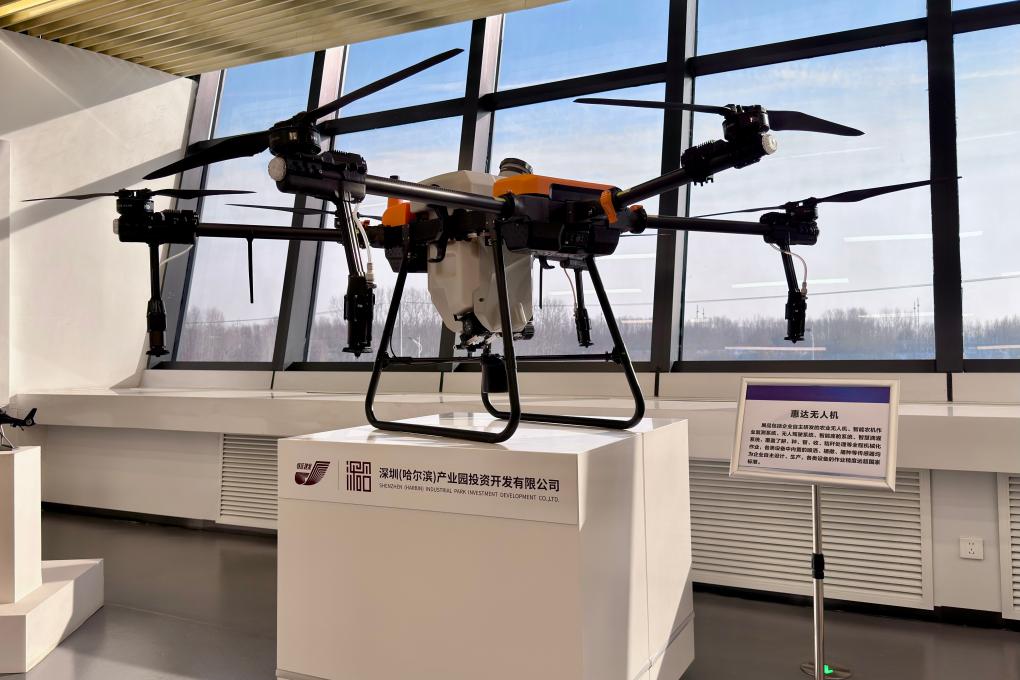
Core Viewpoint - The collaboration between Harbin and Shenzhen is fostering innovation and new production capabilities, exemplified by the establishment of the Harbin New Area Shenzhen (Harbin) Industrial Park, which serves as a model for cross-regional scientific and technological cooperation [1][2]. Group 1: Industrial Development - The Harbin New Area Shenzhen Industrial Park has become a hub for various industries, including smart agriculture, equipment manufacturing, and biomedicine, showcasing the potential for cross-regional innovation [1][2]. - The park has registered 717 companies with a total registered capital of 24.2 billion yuan, and the first phase of projects has achieved over 90% occupancy, generating cumulative revenue exceeding 17 billion yuan [3]. Group 2: Technological Integration - The park integrates research capabilities from Harbin with market opportunities in Shenzhen, facilitating the transformation of technological innovations into practical applications [3][4]. - Companies like Huida Technology have successfully developed agricultural drones by combining Shenzhen's advanced technologies with Harbin's agricultural practices, significantly enhancing operational efficiency [2][3]. Group 3: Investment and Support - The collaboration has attracted investments from Shenzhen, including support from major enterprises like China National Offshore Oil Corporation, enhancing the local business environment [6]. - The park has implemented a "Friday Meeting" platform to facilitate communication between government, enterprises, and universities, promoting resource sharing and innovation [8]. Group 4: Talent and Infrastructure - The park offers 1,355 talent apartments with rental discounts to attract skilled professionals, ensuring a conducive environment for innovation [8]. - The total planned area for the Harbin New Area Shenzhen Industrial Park is 26 square kilometers, with ongoing projects aimed at creating a comprehensive industrial ecosystem [9].
泗洪新春招聘会火热开启!6600余个岗位送到家门口,让返乡人员留乡就业
Xin Lang Cai Jing· 2026-02-19 08:40
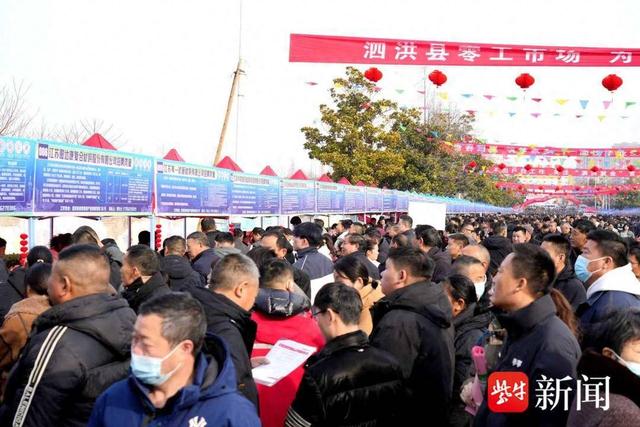
Group 1 - The "Spring Breeze Action" job fair in Sihong County attracted 162 companies offering over 6,600 quality job positions across various sectors including machinery manufacturing, textile, electronics, and new materials [1][6] - The event created a vibrant atmosphere with many citizens actively seeking job opportunities, indicating a strong local interest in employment [4] - Companies reported positive outcomes from the job fair, with significant engagement from job seekers, alleviating labor shortages and enhancing recruitment efforts [4][6] Group 2 - The job fair resulted in over 4,000 employment intentions and 9,600 consultations regarding employment and entrepreneurship policies, showcasing the effectiveness of the event [6] - The initiative aims to meet the local demand for employment while supporting companies in their recovery and production efforts, promoting a seamless integration of employment and entrepreneurship [6] - The job fair will continue until the fifth day of the Lunar New Year, allowing job seekers to find suitable positions close to home, reinforcing the message that local employment opportunities are available [6]
马力全开!这些公司春节不停工、不停产
Shang Hai Zheng Quan Bao· 2026-02-19 07:08
Group 1 - The Chinese economy shows resilience and vitality during the Spring Festival, with many listed companies continuing operations to meet market demand [1][3] - Manufacturing companies, such as Liugong and Tianai Technology, are maintaining production during the holiday to fulfill growing orders, particularly from overseas [3] - Companies like Weike Technology and Songzhi Co. are also adjusting their production schedules to ensure timely delivery of orders while adhering to holiday regulations [3] Group 2 - The Spring Festival is a peak consumption period, with companies like Quanjude and Songcheng Performing Arts leveraging this time to enhance customer engagement through various promotional activities [5][7] - Retailers like Yinzuo Co. are integrating cultural experiences into their business models, offering traditional activities to attract customers during the holiday [7] - The overall approach of companies during the Spring Festival reflects a commitment to both seizing market opportunities and fulfilling social responsibilities [7] Group 3 - Digital economy companies, such as Qiming Star and Zongheng Communication, are actively providing 24/7 services to ensure smooth operations for clients during the holiday [9] - Companies involved in overseas projects, like Kangbang Bio and Guangqi Technology, are continuing construction without interruption, indicating a strategic focus on maintaining progress [10]

因地制宜发展新质生产力丨跨越2800公里的牵手:哈尔滨深圳联动激活科技“富矿”
Xin Hua Wang· 2026-02-19 06:55
Core Viewpoint - The collaboration between Harbin and Shenzhen, exemplified by the establishment of the Harbin New Area Shenzhen (Harbin) Industrial Park, is driving innovation and new productivity pathways in China, showcasing successful cross-regional cooperation in technology and industry development [1][5]. Group 1: Innovation and Technology Development - The Harbin New Area Shenzhen Industrial Park serves as a testing ground for institutional innovation and industry symbiosis, fostering sectors like smart agriculture, equipment manufacturing, and biomedicine [1]. - The park has seen the emergence of nearly 100 thriving tech companies, demonstrating the effectiveness of cross-regional collaboration [2]. - The integration of Shenzhen's advanced technologies, such as IoT and AI, with Harbin's agricultural practices has led to significant advancements in agricultural machinery, enhancing operational precision and efficiency [2][3]. Group 2: Economic Impact and Growth - The Harbin New Area Shenzhen Industrial Park has achieved rapid development, with the creation of a new industrial city in just two years, reflecting a construction speed of "one floor every two days" [5]. - By the end of 2025, the park is projected to have registered 717 companies with a total registered capital of 24.2 billion yuan, and the first phase of projects has already generated over 17 billion yuan in revenue [7]. - The park's operational projects have an occupancy rate exceeding 90%, indicating strong demand and successful integration of businesses [7]. Group 3: Strategic Collaboration and Resource Sharing - The park exemplifies a model of "research end (Harbin) + market end (Shenzhen)" integration, acting as an adapter and converter to match technology supply with capital demand [7]. - The collaboration has facilitated the introduction of investment from Shenzhen, enhancing local companies' access to resources and market opportunities [9]. - The establishment of a government-enterprise communication platform has improved interaction between startups and government, leading to better access to funding and policy support [12]. Group 4: Talent and Infrastructure Development - The park has developed 1,355 talent apartments with rental discounts to attract skilled professionals, enhancing the local talent pool [14]. - As a pilot for national technological innovation, the park has attracted multiple innovation service platforms and has a high occupancy rate in its incubators [14]. - Future plans include expanding the park to 26 square kilometers, focusing on industrialization and large-scale manufacturing to create a more conducive environment for business development [14].
春节不打烊 重点企业开足马力忙生产
Xin Lang Cai Jing· 2026-02-18 18:15
Core Viewpoint - The article highlights the ongoing production efforts of key enterprises during the Spring Festival, specifically focusing on the second phase of the Sichuan Natuo New Materials project, which is set to significantly increase production capacity [1]. Group 1: Project Development - The second phase of the Sichuan Natuo New Materials project has entered the construction phase, with a completion target of April and gradual production starting in May [1]. - The project aims to address delivery pressures that have become evident since the end of last year, indicating a strategic response to market growth and customer demand [1]. - The second phase will feature a complete production line encompassing two core processes: aluminum foil slitting and coating, with about 25% of the factory space dedicated to precision processing [1]. Group 2: Capacity Expansion - Upon the completion of the second phase, the total production capacity of the Sichuan Natuo New Materials Southwest base is expected to double [1].
重磅!“十五五”新材料产业发展规划与解读(附100+份解读资料)
材料汇· 2026-02-18 13:48
Core Viewpoint - The new materials industry is crucial for supporting modern industrial systems and achieving high-level technological self-reliance in China, with significant strategic importance for building a strong manufacturing and quality nation [2]. Industry Background and Development Situation - During the 14th Five-Year Plan, China's new materials industry saw continuous growth, with total output value exceeding 8.2 trillion yuan and an average annual growth rate of over 12% [4]. - Achievements include breakthroughs in ultra-high-strength steel, high-performance carbon fiber, semiconductor silicon wafers, and key materials for lithium-ion batteries [4]. - Challenges remain in high-end materials and the need for improved self-sufficiency in core processes and equipment [4]. Overall Requirements - The guiding ideology emphasizes innovation-driven development, demand-oriented approaches, and green low-carbon principles, focusing on enhancing the self-sufficiency of strategic materials and original innovation capabilities [8]. - Basic principles include innovation leadership, application orientation, enterprise-driven collaboration, and green development [9]. Development Goals (by 2030) - Comprehensive security capability for strategic materials to exceed 80%, with a focus on achieving global leadership in original achievements in frontier new materials [11]. - Continuous increase in R&D investment intensity, aiming to break through over 500 key core technologies [11]. - Establishment of over 20 distinctive, complete, and internationally leading new materials industrial clusters [11]. Key Development Directions - Advanced basic materials include ultra-high-strength automotive steel and high-performance aluminum alloys [13][14]. - Key strategic materials focus on high-temperature alloys and advanced semiconductor materials [18][19]. - New energy materials target high-energy-density battery materials and photovoltaic materials [21]. Key Tasks and Major Projects - Focus on urgent new materials needed in critical application areas such as aerospace, new energy vehicles, and electronic information [27]. - Specific projects include developing high-performance carbon fiber composites for aircraft and high-nickel ternary cathode materials for batteries [29][31][32]. Collaborative Innovation System - Establish a collaborative innovation system that integrates enterprises, academia, and research institutions to enhance innovation capabilities [51]. - Plans to build five national new materials laboratories and ten engineering research centers to support innovation [52]. Market Cultivation for Key New Materials - Implement insurance compensation mechanisms for the first application of key new materials to encourage market adoption [56]. - Establish a project library for demonstration projects to showcase the advantages of new materials in practical applications [57]. Breakthroughs in Key Processes and Equipment - Focus on overcoming bottlenecks in key processes and specialized equipment for new materials production [61]. - Plans to support the development of over 80 key processes and equipment technologies, aiming for significant improvements in production efficiency and cost reduction [64].

跨越140万亿大关!这就是咱们的底气
Sou Hu Cai Jing· 2026-02-18 00:59
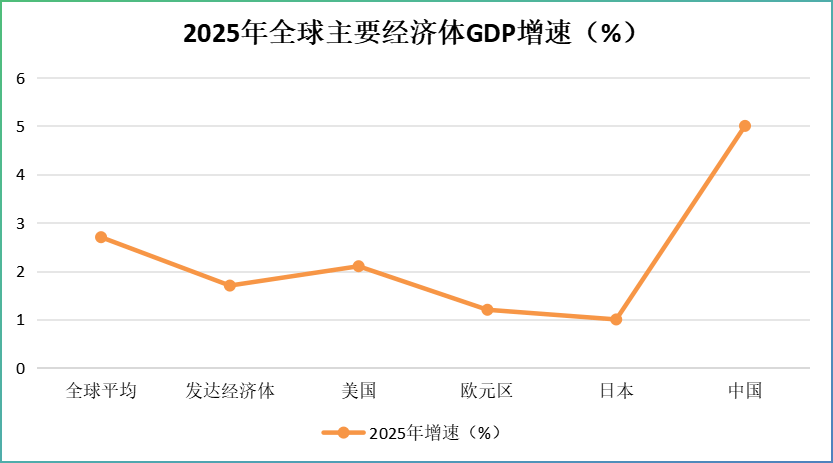
Core Viewpoint - In 2025, China's GDP surpassed 140 trillion yuan for the first time, achieving a year-on-year growth of 5.0% at constant prices, maintaining a leading growth rate among major global economies [1][4]. Economic Growth and Resilience - China's economy has shown remarkable resilience, achieving a historic total increase during the "14th Five-Year Plan" period, with GDP rising from 110 trillion yuan to 140 trillion yuan, averaging over 5% growth [5]. - The manufacturing sector has maintained its position as the world's largest for 16 consecutive years, contributing significantly to economic stability and technological innovation [5]. - Grain production has stabilized at 1.4 trillion jin for two consecutive years, ensuring food security for over 1.4 billion people amidst global price fluctuations and extreme weather [5]. Risk Resistance and Stability - China's large economic scale has translated into strong risk resistance, maintaining stability in the face of global debt challenges and protectionist measures [7]. - The average urban unemployment rate during the "14th Five-Year Plan" was 5.2%, with real per capita disposable income growing by 5.0%, reflecting synchronized economic growth and improved living standards [7]. Domestic and International Demand - The domestic market has shown robust vitality, with significant consumer activity during holidays and a notable contribution of 52.0% from final consumption expenditure to economic growth [8]. - Despite global trade slowdowns, China's total import and export volume increased by 3.8%, with high-tech product exports rising by 13.2% [8]. Structural Optimization - The service sector's contribution to GDP reached 57.7%, becoming the largest industry, while new business models in cultural tourism and heritage revitalization are driving consumption upgrades [12]. - Strategic emerging industries such as high-end equipment manufacturing and biomedicine are rapidly developing, while traditional manufacturing is improving through technological upgrades [12]. Foreign Trade and Open Economy - High-level foreign trade initiatives, such as the Hainan Free Trade Port, have facilitated cross-border movement and increased imports, with a 37% rise in inbound tourists [14]. - The "Belt and Road" initiative has strengthened trade relationships with over 150 countries, enhancing China's integration into the global economy [14]. Innovation and New Productivity - China's R&D expenditure as a percentage of GDP has reached 2.8%, surpassing the OECD average, indicating a new phase of stable growth and quality improvement in technological innovation [16]. - The innovation index has ranked China among the top ten globally, with significant breakthroughs in key technologies supporting the development of emerging industries [16]. Conclusion - Overall, China's economy in 2025 illustrates resilience under pressure and the emergence of new opportunities during transformation, with a clear direction for high-quality development in the future [18].