汽车

Search documents
香港,又被中东土豪盯上了?
经济观察报· 2026-03-26 13:59
Core Viewpoint - The article discusses the shift in investment strategies of Middle Eastern families and high-net-worth individuals towards Hong Kong as a safe haven amid escalating geopolitical tensions in the region [1][2][3]. Group 1: Investment Trends - Since the escalation of tensions in the Middle East, there has been a noticeable increase in interest from global family offices in Hong Kong as a stable and internationally connected investment hub [2][3]. - A significant rise in inquiries and visits from Middle Eastern family offices to Hong Kong has been reported, indicating a growing trust in the region's financial stability [2][3]. - The demand for establishing family offices in Hong Kong, along with inquiries about tax incentives, has surged among Middle Eastern families seeking to safeguard their assets [3][6]. Group 2: Market Reactions - The stock markets in the Middle East have experienced declines due to recent military conflicts, with the UAE stock market dropping by 10.47% and the Dubai Financial Market index falling by 17% in a short period [7]. - Despite the market downturn, there has not been a panic-driven capital flight from the UAE, as many clients have already diversified their investments in places like Switzerland and Singapore [7][10]. - The Hong Kong Monetary Authority has stated that the financial system remains robust, and there are no significant signs of a large influx of Middle Eastern funds into the stock market [4][9]. Group 3: Investment Preferences - Middle Eastern investors are increasingly interested in sectors such as renewable energy, technology, infrastructure, and data centers, favoring investments that provide stable cash flows [14][15]. - There is a growing preference for strategic investments that align with their existing business interests, indicating a desire for synergy in their investment choices [14][15]. - Recent inquiries from Middle Eastern clients have included interests in Hong Kong's investment environment, particularly in stocks, bonds, and insurance products [14][15]. Group 4: Long-term Perspectives - The movement of Middle Eastern capital towards Asia, particularly Hong Kong, is seen as a long-term trend driven by both short-term risk aversion and long-term strategic rebalancing [17][19]. - Hong Kong's unique advantages, such as its stable social environment and mature financial ecosystem, are viewed as critical factors for Middle Eastern investors looking for long-term opportunities [13][18]. - The article suggests that the ongoing geopolitical tensions will not solely dictate investment decisions, as strategic planning and comprehensive evaluations are essential for capital allocation [18][19].


市场消息:比亚迪进军保加利亚汽车市场,计划于2026年开设5家门店
Xin Lang Cai Jing· 2026-03-26 13:53
市场消息: 比亚迪 进军保加利亚汽车市场,计划于2026年开设5家门店。 ...

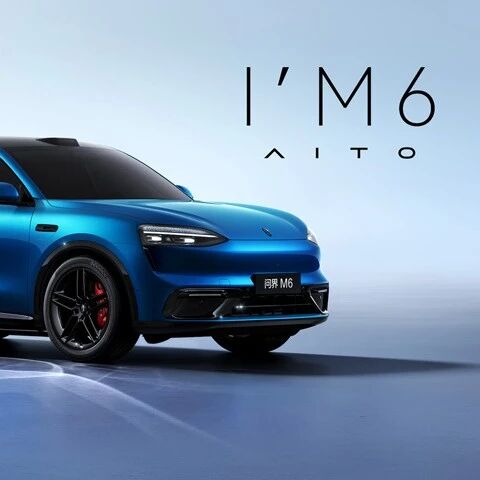
标新立异,问界M6乘胜追击
36氪· 2026-03-26 13:46
Core Viewpoint - The launch of the AITO M6 redefines the benchmark for high-end SUVs in the 250,000 to 300,000 yuan segment, targeting young consumers with a comprehensive offering of features and technology [2][4][6]. Market Context - The 250,000 yuan SUV market is highly competitive and is projected to grow by 18.7% year-on-year in 2024, capturing 32.5% of the overall SUV market share [9]. - Prior to the M6, the company lacked a strong product in the 250,000 to 300,000 yuan segment, which is crucial for volume sales [10]. Product Features - The AITO M6 offers a range of configurations, including pure electric and extended range versions, with prices starting at 269,800 yuan for the extended range model and 289,800 yuan for the pure electric model [4]. - The vehicle boasts a length of nearly 5 meters and a wheelbase of 2,950 mm, providing ample interior space and comfort for passengers [5][24]. - All models come equipped with high-end features such as panoramic sunroofs, Nappa leather seats, and the HarmonyOS vehicle system as standard [4][5]. Target Audience - The M6 is specifically designed for young families, addressing their need for spaciousness, convenience, and advanced technology [15][22]. - Young consumers prioritize smart cockpit experiences, unique design, and transparent ownership costs, with 87.3% focusing on smart features [22]. Competitive Landscape - The M6 faces competition from models like the Li Auto L6, Tesla Model Y, and Xiaomi Yu7, which are also targeting the same demographic [23]. Safety and Technology - The M6 incorporates advanced safety features, including a comprehensive sensor suite with 896-line dual-path laser radar, enhancing its perception capabilities [31][32]. - The vehicle's design emphasizes safety without compromising on style, featuring a "creative co-pilot" design that allows for personal expression while ensuring passenger safety [27][28]. Sales and Distribution - The company has established a robust distribution network with 1,835 sales outlets and plans to expand to over 2,459 by the end of the year, enhancing its market presence [13]. - The M6 received 60,000 pre-orders within 24 hours of its launch, indicating strong market demand [3][10]. Future Outlook - The introduction of the M6 is expected to strengthen the company's position in the luxury SUV market and enhance consumer awareness regarding safety and quality standards [34][45]. - The company aims to leverage the M6 to further enrich its product matrix and explore new market segments [44].
中东冲突如何影响香港重估
2026-03-26 13:20
Summary of Key Points from Conference Call Records Industry Overview - The conference call discusses the impact of the Middle East conflict on the Hong Kong stock market and the liquidity environment for 2026, highlighting a tightening liquidity situation compared to 2025 [1][2][3]. Core Insights and Arguments - **Liquidity Environment**: The liquidity environment in Hong Kong is expected to tighten in 2026, with a significant increase in the unlocking of shares, projected to reach nearly HKD 2 trillion compared to HKD 800 billion in 2025. This is expected to create supply pressure in the market [1][3]. - **Southbound Capital Flows**: A decrease in southbound capital inflows is anticipated, with estimates suggesting a decline of 20%-40% compared to 2025, which will further exacerbate the liquidity constraints [1][3]. - **Hang Seng Tech Index**: The bottom of the Hang Seng Tech Index is estimated to be around 4,700 points. However, the index is not expected to rebound sharply without significant catalysts and a reduction in existing positions [4][5]. - **Middle East Capital Flows**: The influx of Middle Eastern capital into Hong Kong is overstated. The primary concern for these countries is cash flow rather than investment in emerging market equities. The demand for cash is driven by the need for liquidity due to geopolitical tensions [5][6]. - **Long-term Opportunities**: The conflict may accelerate the internationalization of the Renminbi, with Hong Kong positioned as a key offshore center for Renminbi assets. This could lead to increased demand for Renminbi-denominated investments [7][8]. Additional Important Content - **Investment Strategies**: Short-term strategies suggest maintaining a defensive position with low exposure, focusing on local financial services and high-dividend stocks that may benefit from family office investments [1][2][3]. - **Types of Middle Eastern Capital**: Potential Middle Eastern investments in Hong Kong can be categorized into three types: sovereign wealth funds, family offices, and funds previously flowing from China to the Middle East. Each has distinct investment preferences, with sovereign funds favoring strategic investments and family offices leaning towards fixed-income and high-dividend stocks [9][10]. - **Islamic Compliance**: Investments from the Middle East must adhere to Islamic finance principles, which may limit the types of assets available for investment in Hong Kong [11][12]. - **Market Impact**: The influx of Middle Eastern capital is expected to positively impact the Hong Kong stock market by enhancing liquidity and driving demand for financial services, particularly in commercial real estate and wealth management [12][13]. Conclusion - The current geopolitical situation presents both challenges and opportunities for the Hong Kong market. While short-term volatility is expected, the long-term outlook remains positive, particularly regarding the role of Hong Kong in the internationalization of the Renminbi and the potential for increased Middle Eastern investment [13].
小米集团20260324
2026-03-26 13:20
Summary of Xiaomi Group Conference Call Company Overview - **Company**: Xiaomi Group - **Date**: March 24, 2026 Key Points Industry and Market Dynamics - **Storage Chip Market**: Entering a long-term price increase cycle, with significant adjustments expected by 2027 due to rising costs driven by AI demand and supply constraints. This will heavily impact smartphones, tablets, and PCs [2][3] - **Automotive Business**: Targeting 550,000 vehicle deliveries in 2026, with 60% of locked orders from iPhone users. The penetration rate of payment plans has reached 60%, with higher conversion rates among women and Apple users compared to previous models [2][4] - **IoT Business Expansion**: Plans to double overseas stores from 4,500 to 10,000 by 2026, leveraging a market potential six times larger than the domestic market [2][6] Financial and Investment Strategy - **R&D and Capital Expenditure**: A planned expenditure of 60 billion over the next three years, with approximately 16 billion allocated for R&D in 2026, focusing on AI large models, humanoid robots, and self-developed chip platforms [2][5] - **AI Strategy**: 2026 is positioned as a year of application explosion for AI, with self-developed AI entities integrated into the ecosystem. Current focus is on technology iteration without specific KPIs set [2][5] Competitive Advantages and Risk Management - **Supply Chain Management**: The company has established strong long-term partnerships with global memory suppliers, mitigating supply interruption risks. Inventory levels have been proactively increased to counteract rising memory prices [3][4] - **Product Diversification**: A diverse product portfolio helps to spread risk, with home appliances less affected by memory price increases compared to smartphones and electric vehicles [3][4] Sales and Performance Metrics - **Sales Data Disclosure**: The company has shifted to reporting locked contract orders instead of specific model data, which is seen as a more reliable measure of performance. The initial sales of new models have been strong, with over 30,000 locked orders within three days of launch [4][6] - **Profitability in IoT and Automotive**: The IoT business is expected to see significant growth, particularly in high-end markets, while the automotive sector has already achieved profitability in 2025, with optimistic projections for 2026 despite market pressures [6][7] Challenges and Strategic Responses - **Cost Pressures**: Rising storage chip prices pose challenges, particularly for smartphones and laptops. The company may need to adjust pricing if internal cost absorption is insufficient [3][7] - **Geopolitical Impact**: The recent Middle East situation has minimal direct impact on the company's overall business, although some raw material costs have been affected [7] Future Outlook - **AI and Chip Development**: Continued investment in AI and chip development is planned, with no reduction in chip business funding despite increased R&D spending. The chip business is viewed as a long-term strategic platform [8] - **Market Positioning**: The company aims to maintain its market position while balancing pricing strategies across different product categories, ensuring that strong product innovation can offset cost increases [8]

大摩闭门会-参访特斯拉超级工厂-探讨Robotaxi赛博出租车-Optimus人形机器人-能源储能-Terafab及分部加总估值法
2026-03-26 13:20
Summary of Key Points from the Conference Call Company and Industry Overview - The conference call primarily discusses Tesla's developments in the autonomous driving taxi business, the Optimus humanoid robot, energy storage solutions, and the Terrafab chip manufacturing project [1][2][3][4][5][6][7][8]. Core Insights and Arguments Autonomous Driving Taxi Business - Tesla plans to launch operations in 7 new cities by mid-2026, focusing on optimizing the Austin launch and data collection for pick-up and drop-off scenarios [1][2]. - The fleet is expected to grow by 1,000 vehicles in 2026, primarily Model Y, reaching 30,000 by 2030 and 1 million by 2035 [1][3]. - The Full Self-Driving (FSD) technology is central to the valuation, with the autonomous taxi and FSD network services contributing 85% to the target price of $415 [1][8]. - The company aims to prove the scalability of unsupervised driving technology, which will also enhance personal consumer vehicles [2][3]. Optimus Humanoid Robot - The third-generation Optimus robot's release may be delayed to Q2 2026, with mass production starting in the second half of 2026 at the Fremont factory [1][4]. - Initial sales are projected at 5,000 units in 2027, with a price range of $200,000 to $250,000, primarily targeting industrial applications [4][5]. - The cost is expected to decrease significantly as production scales up, potentially reaching $30,000 to $40,000 per unit when annual production hits 5 to 10 million units [5]. Energy Business - Tesla's energy business, primarily driven by Megapack, has a gross margin exceeding 30% and has grown by approximately 40%-50% over the past year [6]. - Despite its growth potential, profit margins are expected to compress by 300 basis points in 2026 and 200 basis points in 2027 due to competition and tariffs, stabilizing around 20% in the long term [6]. - The company is exploring localizing battery production and may build a 100 GW solar manufacturing facility in the U.S. [6]. Terrafab Chip Manufacturing Project - The Terrafab project aims to address geopolitical risks and meet the anticipated 7-10 times increase in chip demand due to the Optimus robot's production [7][8]. - The total investment for the project is estimated at $35 billion to $45 billion, with capital expenditures expected to rise significantly if the project proceeds [8]. - Tesla's capital expenditure for 2026 is projected at $20 billion, excluding Terrafab, necessitating strong automotive demand to support increased spending [8]. Other Important Insights - The autonomous taxi business is not isolated; it serves as a testing platform for FSD technology, which will eventually be applied to consumer vehicles [2]. - The company is focused on markets with favorable weather conditions for autonomous driving, which may pose challenges in more complex urban environments [4]. - The target price of $415 is composed of contributions from various business segments: core automotive ($45), energy ($40), autonomous taxi ($125), FSD services ($145), and humanoid robots ($60) [8]. - A neutral rating may change if unsupervised technology demonstrates scalability and safety, potentially supporting a stock price increase beyond $500 [8].


苹果、巴斯夫、大众汽车等跨国公司密集访华,原因为何?
Jin Rong Shi Bao· 2026-03-26 12:52
Group 1 - Multinational companies are demonstrating their long-term commitment and confidence in China, with many global leaders visiting and engaging in discussions with the Ministry of Commerce, recognizing China's economic resilience and market advantages [2] - BASF's integrated base project in Guangdong has officially commenced operations, marking a significant investment milestone, while other companies like Eli Lilly and Novo Nordisk are planning substantial investments in China [2] - The Ministry of Commerce plans to enhance foreign investment attraction through reforms, support policies, and improved services for multinational projects, aiming to facilitate more foreign investments [3] Group 2 - China's foreign trade has shown robust growth in the first two months of the year, particularly in machinery and electronics, indicating strong resilience and innovation in the sector [4] - The Ministry of Commerce emphasizes the importance of high-level opening up and aims to expand imports, leveraging China's position as the second-largest economy and import market to meet new market demands [4] - The Ministry is committed to enhancing the international consumption environment to attract more inbound tourism and services, with travel services being a significant sector in service trade [5] Group 3 - The travel services sector has seen a significant increase in exports, reaching 393.98 billion yuan, with a year-on-year growth of 49.5%, although the export scale remains smaller than imports [5] - New policies have been introduced to stimulate inbound consumption, focusing on various travel scenarios and improving service infrastructure to enhance the attractiveness of China as a travel destination [6] - The Ministry of Commerce aims to implement these policies effectively to optimize the inbound consumption environment and expand service exports [7]

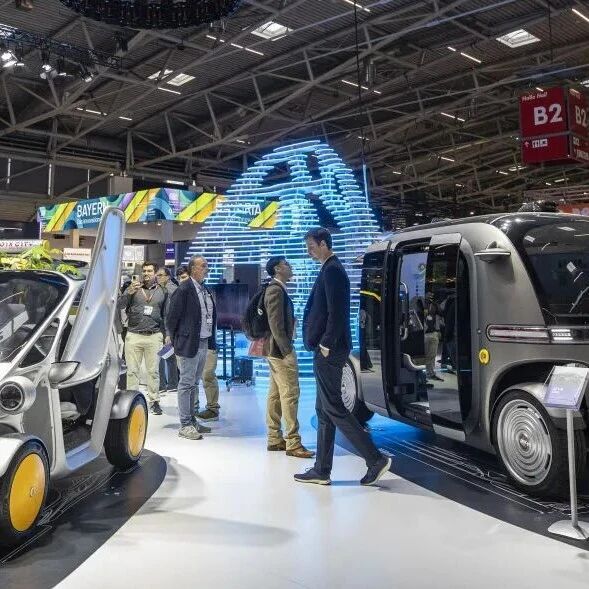
油价上涨,欧洲二手电车热销
中国能源报· 2026-03-26 12:23
Core Viewpoint - The ongoing rise in oil prices due to the conflict in the Middle East has led to a significant increase in the demand for used electric vehicles (EVs) in Europe, as consumers seek more affordable and readily available alternatives to traditional fuel vehicles [1][4]. Group 1: Market Trends - The used EV market has seen a surge in sales, surpassing diesel vehicles in popularity on major online platforms in Norway, with electric vehicle sales reported to exceed diesel sales [2]. - In Sweden, electric vehicle sales increased by 11% in the first two weeks of March compared to the previous two weeks, with browsing activity for EVs rising by 17% [2]. - Germany's largest online car trading platform reported that the proportion of electric vehicle searches increased from 12% to 36% since early March [2]. Group 2: Sales Data - In France, a major online used car retailer noted that the share of electric vehicles sold nearly doubled from 6.5% to 12.7% in a week starting March 9, while gasoline vehicle sales dropped from 34% to 28% and diesel vehicle sales fell from 14% to 10% [3]. - The average oil price in EU countries rose by 12% from February 23 to March 16, reaching €1.84 per liter, which has influenced consumer behavior towards electric vehicles [3]. Group 3: Manufacturer Response - European electric vehicle manufacturers are leveraging high oil prices to boost EV sales, with used electric vehicles being up to 40% cheaper than new ones and available for immediate delivery, contributing to the notable increase in sales [4]. - The trend of rising used electric vehicle sales is expected to continue until the market fully absorbs the impacts of the Middle Eastern conflict, as new vehicle delivery times remain lengthy [4].
欧洲二手电动车,销量激增
财联社· 2026-03-26 10:42
Core Viewpoint - The ongoing conflict in the Middle East is driving up gasoline prices, which in turn is leading to a significant increase in the sales of used electric vehicles (EVs) across Europe [1][2]. Group 1: Market Trends - The rise in fuel costs is making consumers hesitant to purchase traditional fuel vehicles, resulting in a surge in demand for electric vehicles in the used car market [2]. - In Norway, the largest used car trading platform, Finn.no, reports that electric vehicles have surpassed diesel cars to become the best-selling vehicle type on their platform [2]. - Data from the European Commission indicates that average gasoline prices in the EU rose by 12% from February 23 to March 16, reaching €1.84 per liter (approximately $2.12) [3]. Group 2: Sales Data - French online used car retailer Aramisauto noted that the proportion of electric vehicles sold increased from 6.5% to 12.7% within three weeks, while gasoline vehicle sales dropped from 34% to 28% and diesel vehicle sales fell from 14% to 10% [3]. - The OLX platform reported significant increases in electric vehicle inquiries across various markets, including France (+50%), Romania (+40%), Portugal (+54%), and Poland (+39%), with all markets showing weekly acceleration in interest [3]. Group 3: Consumer Behavior - The CEO of OLX highlighted that interest in electric vehicles was already on the rise before the recent events, suggesting that the current instability is accelerating an ongoing transition [4]. - The availability of a wider range of used electric vehicle models and the increasing prevalence of battery health certifications are alleviating consumer concerns, further supporting sales growth [4]. - Used electric vehicles are typically priced up to 40% lower than new cars and can be delivered immediately, making them more responsive to market sentiment and fluctuations in gasoline prices [4]. Group 4: Regional Insights - Data from Marketcheck indicates a noticeable and sustained increase in used electric vehicle sales since the outbreak of the conflict [5]. - In the Nordic region, platforms like Blocket reported an 11% increase in electric vehicle sales in the first two weeks of March compared to the previous two weeks, with a 17% rise in browsing activity [5][6]. - Denmark's Bilbasen also observed a rise in electric vehicle search volumes, attributing this trend primarily to rising gasoline prices [6]. - Germany's largest online car market, mobile.de, reported that the proportion of electric vehicle searches surged from 12% to 36% since early March, with inquiries for used electric vehicles increasing by 66% compared to February [6][7].

当马斯克有了第二个标的:特斯拉的估值要变天了
美股研究社· 2026-03-26 10:36
Core Viewpoint - The article discusses the implications of SpaceX's potential IPO on Tesla, highlighting the shift from a narrative-driven valuation to a more asset-based pricing model, which could lead to both short-term benefits and long-term structural changes for Tesla [1][3][16]. Short-term Implications - SpaceX's IPO is expected to create a significant market event, drawing attention and capital, similar to Tesla's inclusion in the S&P 500, which saw an influx of funds beyond expectations [5][7]. - The initial market reaction is likely to be positive, driven by emotional sentiment rather than fundamental support, leading to a potential spike in Tesla's stock price as it becomes the most liquid option for investors seeking exposure to Musk's ventures [8][17]. Mid-term Implications - As SpaceX becomes an independent trading entity, the valuation dynamics for Tesla may change, as investors will no longer need to rely on Tesla to express their confidence in Musk's vision, potentially leading to a re-evaluation of Tesla's valuation [9][10]. - The separation of SpaceX and Tesla could result in a capital shift, with investors reallocating funds from Tesla to SpaceX, which may lead to a decrease in Tesla's valuation as the market reassesses its core business without the added narrative of space exploration [11][10]. Long-term Implications - The IPO of SpaceX signifies a structural change in how Musk's ventures are valued, moving from a single narrative container (Tesla) to multiple independent assets, which could lead to a more transparent and grounded valuation for each business [12][13]. - Tesla will need to focus on its fundamentals, such as the commercialization of autonomous driving and profitability, as the indirect support from SpaceX's narrative diminishes, potentially leading to a decline in its price-to-earnings ratio [13][14]. - Investors will have the opportunity to create a diversified "Musk portfolio," allowing for more tailored investment strategies based on individual risk preferences, which represents a decentralization of investment in Musk's ventures [14]. Conclusion - The article concludes that the SpaceX IPO is not merely adding to Tesla's narrative but is instead extracting elements of that narrative for independent valuation, prompting a critical reassessment of Tesla's worth in the absence of its previous narrative support [16][17].