智能手机

Search documents
雷军有什么错?如果说有错,那错就错在太强了,一个能打的都没有
Sou Hu Cai Jing· 2025-10-18 13:25
Core Insights - The article discusses the changing public perception of Lei Jun, the founder of Xiaomi, highlighting how he transitioned from a relatable figure to a successful entrepreneur, creating a distance between him and the average consumer [3][8][14] Group 1: Lei Jun's Journey - Lei Jun was initially seen as an ordinary person during his time at Kingsoft, gaining fame as an investor before achieving significant success with Xiaomi [3] - The launch of the Xiaomi smartphone at a competitive price of 1999 yuan positioned Lei Jun as a hero of "technology equality," contrasting sharply with the iPhone 4S priced at 4988 yuan [3][5] - Lei Jun's success in the automotive sector mirrors his earlier achievements in smartphones, with Xiaomi cars facing production capacity constraints due to high demand [5] Group 2: Market Dynamics and Competition - Xiaomi's expansion into various product lines, including air conditioners and home appliances, has led to widespread success, raising questions about market competition and jealousy from rivals [6][8] - The article notes that Lei Jun's success creates a "Genghis Khan-like" dilemma, where his market dominance leads to resentment from competitors [6][8] Group 3: Public Perception and Marketing - The shift in public perception of Lei Jun reflects a broader societal change, where his past struggles resonate less with the average consumer due to his current success [8][14] - The article emphasizes the importance of marketing and brand identity, suggesting that Lei Jun needs to effectively communicate Xiaomi's values to maintain consumer connection [14]


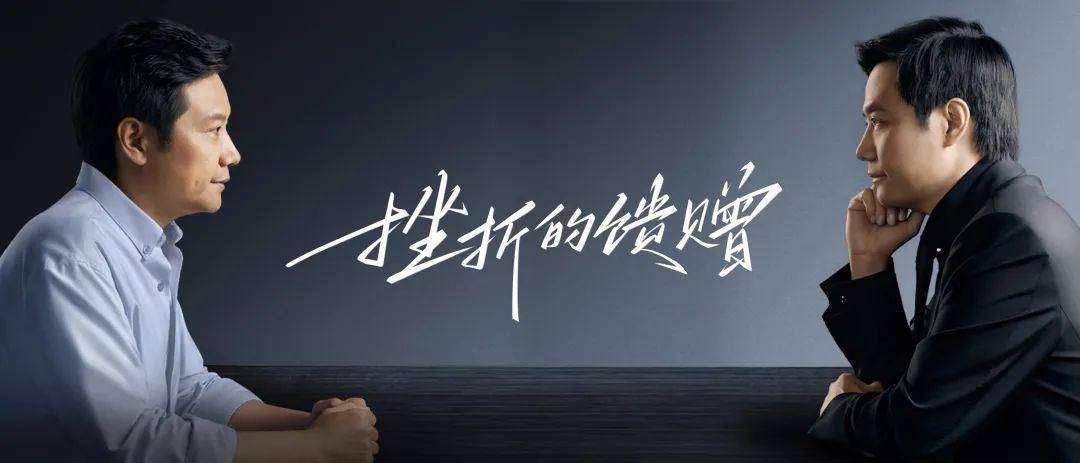
雷军又失算了,小米17 Pro Max供不应求的时候,既然缺货了!
Sou Hu Cai Jing· 2025-10-18 12:02
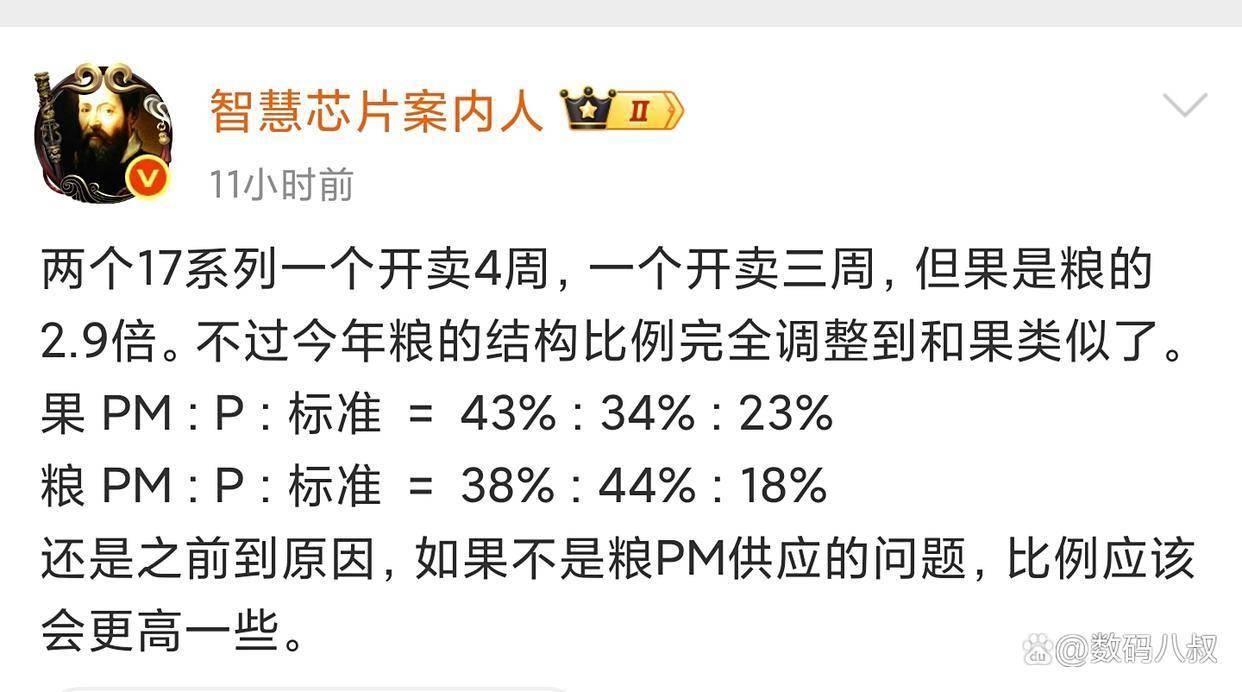
Core Insights - The sales of Apple's iPhone 17 series are currently 2.9 times higher than that of Xiaomi's 17 series, with the latter's sales affected by the shortage of the Xiaomi 17 Pro Max, indicating a miscalculation by Lei Jun [1] - The launch of the Xiaomi 17 series has solidified Xiaomi's position in the flagship smartphone market, as the sales structure of the Xiaomi 17 series mirrors that of the iPhone 17 series [2] Apple Insights - The sales distribution for the iPhone 17 series is as follows: iPhone 17 Pro Max at 43%, iPhone 17 Pro at 34%, and iPhone 17 at 23% [4] Xiaomi Insights - The sales distribution for the Xiaomi 17 series is as follows: Xiaomi 17 Pro Max at 38%, Xiaomi 17 Pro at 44%, and Xiaomi 17 at 18% [5] - The high-end positioning of the Xiaomi 17 series remains strong, and if the Xiaomi 17 Pro Max were not in short supply, its sales ratio would likely be higher, reflecting the continuous innovation in domestic smartphones [7]

AI智能体试水“抢购物券” 手机厂商转向:不拼参数拼应用
Di Yi Cai Jing· 2025-10-18 10:49
Core Insights - The article discusses the evolving landscape of AI in the smartphone industry, particularly focusing on Chinese manufacturers adapting to new strategies in AI application development and deployment [1][10]. Group 1: AI Development Strategies - U.S. AI companies are creating a new ecosystem by investing in computational power for large model applications, with OpenAI and NVIDIA leading the charge [1]. - Chinese manufacturers are shifting their focus from competing on large model parameters to utilizing smaller models for practical applications, emphasizing cost-effectiveness and real-world usability [1][2]. - The development of AI capabilities in smartphones is increasingly centered on enhancing user experience through practical applications rather than merely increasing computational power [10]. Group 2: Practical Applications of AI - Chinese smartphone brands are showcasing advancements in AI that allow for proactive user interactions, such as predicting user actions and automating tasks [3][4]. - Honor's CEO highlighted the ability of AI to enhance user experience by simplifying complex tasks into single-step actions, demonstrating the practical benefits of AI integration [3][4]. - Vivo and OPPO are also exploring AI applications, with Vivo focusing on content organization and OPPO developing features for automatic bill recognition and memory assistance [5][4]. Group 3: Challenges in AI Implementation - Despite initial successes, the smartphone industry faces challenges such as power consumption, computational demands, and cost pressures that hinder widespread AI adoption [7][8]. - The need for additional investments in specialized hardware, such as NPU chips, increases costs significantly, impacting profit margins for manufacturers [8]. - The reliance on cloud support for complex tasks indicates that current mobile AI capabilities are still limited, necessitating further development [7]. Group 4: Market Trends and Future Outlook - The number of AI-supported scenarios in smartphones is rapidly increasing, with manufacturers reporting significant growth in the capabilities of their AI systems [9]. - The trend towards integrating AI into smartphones is expected to continue, with projections indicating that the percentage of smartphones supporting generative AI will rise significantly by 2029 [9]. - The article concludes that Chinese smartphone manufacturers are at the forefront of AI development, with their focus on practical applications potentially leading to a new commercial cycle in the industry [10].
鸿蒙5.1升级“灾难”:兼容性崩塌,华为如何应对?
Xin Lang Cai Jing· 2025-10-18 10:24
Core Viewpoint - The recent upgrade of Huawei's HarmonyOS from version 4.3 to 5.1 has faced significant backlash due to compatibility issues with mainstream applications, leading to user frustration and data loss during the downgrade process [1][3][4]. Group 1: User Experience and Compatibility Issues - Users have reported that after upgrading to HarmonyOS 5.1, many applications became incompatible, resulting in a chaotic desktop layout and the need to reinstall and log into existing applications, increasing operational costs [3][4]. - Core functionalities of popular applications like WeChat and Douyin have failed, causing disruptions for content creators and users alike [3][4]. - The lack of a user-friendly downgrade mechanism has forced users to seek professional help to revert to the previous system, often resulting in data loss [4]. Group 2: Market Position and Competition - Huawei has regained a leading position in the Chinese smartphone market, achieving a market share of 18.1% with 12.5 million units shipped in Q2 2025, despite an overall market decline [5][6]. - The HarmonyOS ecosystem is still small on a global scale, with only 4% market share compared to Android's 79% and iOS's 17% as of Q2 2025 [7][8]. Group 3: Development and Future Challenges - Huawei has invested heavily in R&D, with expenditures reaching 96.95 billion yuan in the first half of 2025, accounting for 22.7% of its revenue, indicating a strong commitment to developing the HarmonyOS ecosystem [7]. - The transition to a "pure" HarmonyOS from a compatible Android system presents significant compatibility challenges, as seen in the recent upgrade issues [10][11]. - Building a developer ecosystem remains a critical challenge, as the user base is primarily domestic, making it difficult to attract international developers to invest in the platform [10][11]. Group 4: Strategic Outlook - The HarmonyOS has the potential for growth in various markets, including PC operating systems, mobile application development, and IoT, with significant market sizes projected [10]. - However, the path to achieving a competitive stance against Android and iOS globally is fraught with challenges, including the need for improved application quality and timely updates [10][11].
库克已在中国近一周!“正推动苹果智能进入中国”
第一财经· 2025-10-18 08:29
Core Viewpoint - Apple's CEO Tim Cook is focusing on entering the Chinese market with Apple Intelligence, integrating AI capabilities into its operating system and applications, while facing significant challenges in achieving these goals [3][4]. Group 1: Apple's Strategic Initiatives - Tim Cook's visit to China aims to promote Apple Intelligence and the use of eSIM technology in iPhone Air smartphones [4]. - Apple is working to integrate AI functionalities across all applications, which requires advancements in personalized reasoning, intelligent task linking, and semantic understanding of unstructured information [4]. Group 2: Challenges and Competition - Apple faces challenges in deploying AI at scale, with several high-level executives in AI-related roles recently leaving the company, complicating its efforts to compete with OpenAI, Meta, and Google [4][5]. - The departure of Ke Yang, a key executive in AI search development, adds uncertainty to the planned major overhaul of Siri, which is crucial for enhancing Apple's AI capabilities [5]. - The delay in launching Apple Intelligence in China may put the company at a competitive disadvantage, as local smartphone manufacturers are rapidly integrating AI features into their products [5].

五年千亿研发淬炼,小米携手粤港澳大湾区共筑“同心圆”
Sou Hu Cai Jing· 2025-10-18 04:44
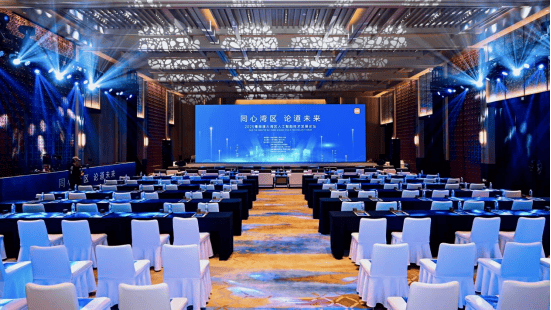
Core Insights - The 2025 Guangdong-Hong Kong-Macao Greater Bay Area Artificial Intelligence Technology Development Forum was held in Zhuhai, focusing on the latest trends in AI technology and its industrial applications in the region [1][3] - The forum gathered experts, scholars, and entrepreneurs from the Greater Bay Area to discuss how AI can empower industrial upgrades and promote cross-regional collaboration [1][11] Group 1: Forum Highlights - The forum served as a significant platform for discussing the integration of technology within the Greater Bay Area's development blueprint [3] - Zhuhai has established a strong foundation for technological innovation, with 2 provincial laboratories and 19 provincial key laboratories, alongside initiatives like the "Tianqin Plan" and "AI Supercomputing Center" [3][12] - The city has nurtured 11 national-level manufacturing champions and over 2,900 high-tech enterprises, showcasing its commitment to fostering a robust tech ecosystem [3][12] Group 2: AI Industry Development - Zhuhai's AI industry has surpassed a scale of 12.4 billion yuan, demonstrating strong growth momentum [13] - The local government has implemented a series of supportive policies to enhance the AI industry, including the establishment of a 500 million yuan "computing power voucher" and a 100 million yuan "model voucher" [13][15] - The city aims to create a comprehensive AI ecosystem covering foundational, technical, and application layers, positioning itself as a key player in the AI sector [13][15] Group 3: Xiaomi's Role - Xiaomi's significant investment in R&D, exceeding 100 billion yuan over the past five years, highlights its transition from an internet company to a hard-tech powerhouse [12] - The launch of the Xiaomi 17 series smartphones, featuring advanced technology, underscores the company's commitment to innovation in AI and smart devices [12] - Xiaomi's "human-vehicle-home ecosystem" strategy emphasizes AI as a core driving force for its business model, contributing to the region's industrial intelligence upgrade [12][9]
荣耀Magic8系列,加量不加价!
猿大侠· 2025-10-18 03:44
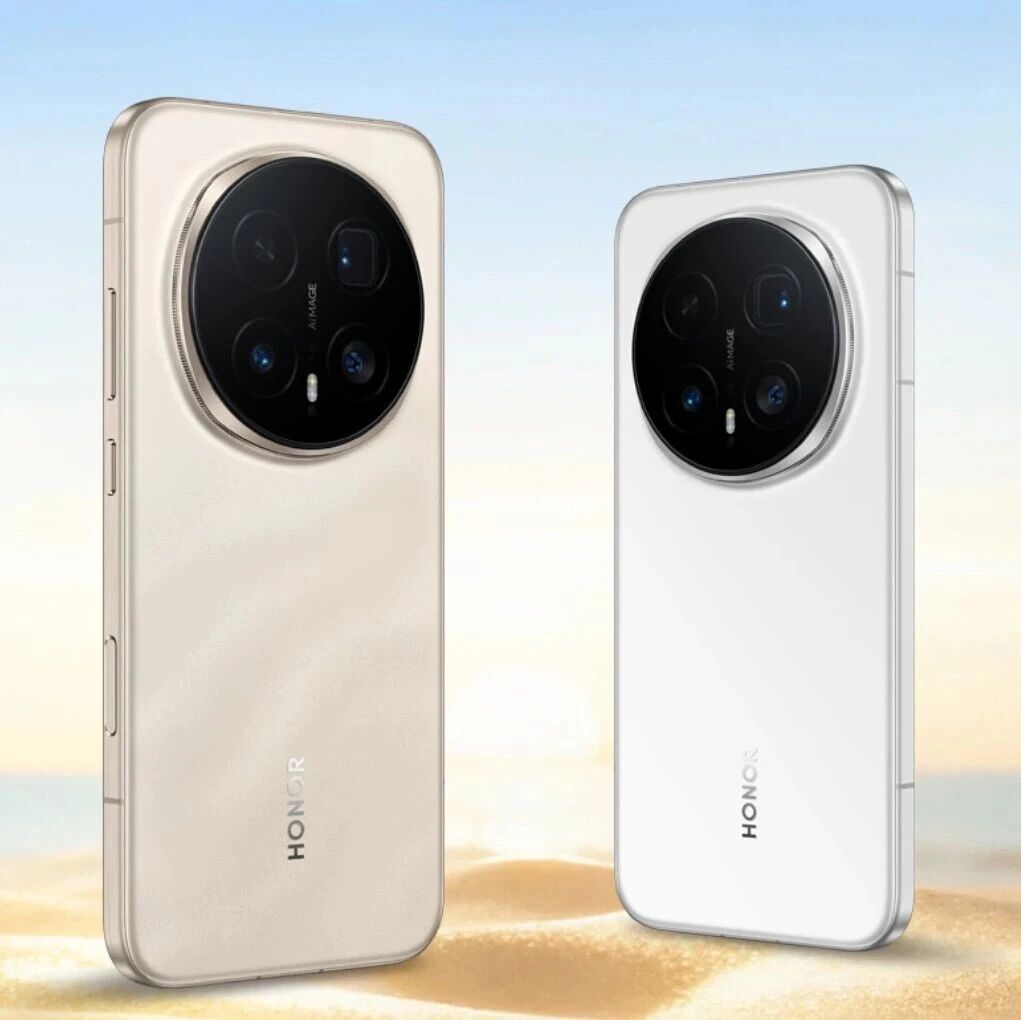
Core Viewpoint - The Honor Magic8 series introduces significant upgrades in product design, configuration, and user experience while maintaining similar pricing to the previous year [2] Group 1: AI Features - YOYO remains a core highlight, now achieving L3 excellence certification from the China Academy of Information and Communications Technology, enabling it to understand user intent and respond flexibly to various scenarios [3][5] - New AI capabilities include one-click coupon shopping, food recommendations via video calls, travel guidance, calorie tracking, and research report generation for students and professionals [6][10][12] Group 2: Imaging Advancements - The Honor Magic8 Pro features a triple-camera setup with a 50MP main sensor, 50MP ultra-wide, and a 200MP periscope lens, while the standard Magic8 has a 50MP main, 50MP ultra-wide, and 64MP periscope lens [21][22] - AI enhancements improve long-distance, night scene, portrait, and stage portrait photography, with the Pro model offering superior clarity and stabilization [24][26] - The series introduces industry-first color tracking technology and various AI-driven photo editing features [26][28] Group 3: Hardware Specifications - Both models feature a sleek design with narrow bezels and high-quality displays, including a 6.58-inch OLED for Magic8 and a 6.71-inch curved display for Magic8 Pro [29][31] - The series is powered by the Snapdragon 8 Gen 2 processor, with impressive performance metrics and gaming enhancements [38] - Battery capacities are 7000mAh for Magic8 and 7200mAh for Pro, with fast charging capabilities [38] Group 4: Pricing and Availability - The Honor Magic8 is priced from 4499 yuan to 5499 yuan, while the Magic8 Pro ranges from 5699 yuan to 6699 yuan, both available from October 23 [41][43] Group 5: Future Developments - Honor teased a new "ROBOT Phone" set to be unveiled next year in Barcelona, indicating ongoing innovation [45]
“韭菜”觉醒了!雷军演讲翻车,小米的套路,这次真的没人买账了
Sou Hu Cai Jing· 2025-10-18 03:12
Core Viewpoint - The article discusses the decline of Xiaomi's brand appeal and consumer trust, highlighting a recent incident involving the Xiaomi SU7 vehicle that exposed serious safety flaws, leading to a significant backlash against the company and its marketing strategies [3][21][28]. Group 1: Marketing and Consumer Perception - Xiaomi's marketing narrative, once captivating, has lost its effectiveness as consumers are now more critical and less willing to buy into emotional stories [3][21]. - The recent presentation by Lei Jun, Xiaomi's CEO, was met with indifference from the audience, contrasting sharply with previous years where such events were celebrated by fans [6][9]. - Consumers are increasingly frustrated with Xiaomi's product delivery and service issues, as evidenced by numerous complaints during the presentation [8][21]. Group 2: Safety and Product Issues - A serious incident involving the Xiaomi SU7, where a vehicle caught fire due to a design flaw in the hidden door handle, has raised significant safety concerns [11][12]. - Industry experts criticized Xiaomi for prioritizing aesthetics over safety, highlighting the absence of physical door handles as a dangerous cost-cutting measure [14][16]. - The SU7's advanced driver-assistance system has also been flagged for reliability issues, leading to a recall of over 110,000 vehicles [16][18]. Group 3: Trust and Brand Reputation - The safety crisis has resulted in a breakdown of trust between consumers and Xiaomi, as reflected in the negative reception of Lei Jun's speech [21][30]. - Xiaomi's attempts to replicate its successful smartphone marketing strategies in the automotive sector have backfired, revealing a lack of understanding of the complexities involved in car manufacturing [23][26]. - The company faces a critical challenge in restoring consumer trust, which requires a focus on delivering safe, reliable products and transparent communication [30].

OPPO操作系统全面升级 手机跨生态之争提速
Zheng Quan Ri Bao Wang· 2025-10-18 03:02
Core Viewpoint - OPPO's release of the ColorOS 16 operating system marks a significant shift towards a "cross-device ecosystem" strategy amid peak industry growth and heightened competition, moving the focus from hardware specifications to an AI-driven, all-scenario smart ecosystem [1] Group 1: ColorOS 16 Features - The core upgrades of ColorOS 16 focus on "seamlessness" and "intelligence," enabling free flow of computing power, data, and services across devices such as smartphones, tablets, computers, smartwatches, and cars [2] - The "seamless" experience liberates users from device constraints, allowing functionalities like answering phone calls on tablets and transferring navigation tasks to car screens, creating a user-centered computing network [2] - AI capabilities are deeply integrated into ColorOS 16, serving as a connective tissue across all ecosystem devices and understanding user intent [2] Group 2: Competitive Landscape - Major manufacturers like Honor and Vivo are also enhancing their ecosystems through AI and operating system upgrades, recognizing that a single smartphone product is no longer a competitive advantage [3] - The competition has evolved from "phone vs. phone" to "ecosystem vs. ecosystem," with operating systems becoming the foundation for personal AI assistants and enhancing user experience [3] - Unlike Apple's closed ecosystem, Android manufacturers are more inclined to collaborate while building their core ecosystems, as seen in the formation of the "Golden Standard Alliance" to promote interoperability [3] Group 3: Strategic Challenges - OPPO and other smartphone manufacturers face the challenge of competing against Apple's established ecosystem in the high-end market while balancing their own interests with those of partners in an open collaboration environment [4] - Building a robust ecosystem requires sustained focus on technology development and user experience, along with attracting developers to create dedicated applications for the operating system [4] - Strategic partnerships with industry leaders in smart automotive and smart home sectors are essential for expanding ecosystem capabilities beyond simple agreements [4]
智谱AI解散60余人产研中心?回应称调整涉及十余人;山姆因销售不合格滑板车、儿童产品被罚;小红书回应商家能看到下单人主页丨邦早报
创业邦· 2025-10-18 01:08
Group 1 - Zhipu AI confirmed that its organizational adjustments involved over ten personnel, with a focus on the MaaS strategic transformation, despite rumors of a significant department dissolution [1] - Sam's Club in Shanghai was fined for selling substandard products, including FILA scooters and children's items, totaling approximately 0.8 million and 1.1 million yuan respectively [1] Group 2 - Good Products announced the termination of a share transfer agreement with Wuhan Yangtze International Trade Group, meaning the state-owned asset management's entry into the company has failed [4] - Alibaba and Ant Group jointly invested 9.25 billion yuan to establish their Hong Kong headquarters, aiming to expand international business [4] - Nvidia's CEO stated that the company's market share in China's high-end chip market has dropped from 95% to 0% due to U.S. export controls, calling the technology blockade a mistake [4] Group 3 - WeChat clarified that it will not implement a visitor feature for Moments to avoid increasing social pressure, and there will be no second editing function for historical posts [8] - NIO responded to a lawsuit from Singapore's sovereign fund, stating it originated from previous unfounded allegations and that an independent investigation had cleared the company [8] Group 4 - Tesla updated the expected delivery date for the Model Y L to December 2025, allowing for orders to be placed before the end of the year [9] - Ele.me announced a stock buyback plan for employees, allowing them to exchange options for cash or Alibaba Group shares at a price of 36 yuan per share [9] Group 5 - Xiaoma Zhixing passed the Hong Kong Stock Exchange hearing, with projected revenue growth of 43.3% in the first half of 2025, driven by a significant increase in Robotaxi business [12] - Aishi Technology completed a 100 million yuan B+ round financing, with a user base of 100 million and an annual recurring revenue exceeding 40 million USD [13] Group 6 - The third-generation Lynk & Co 03 family was launched with prices starting at 10.38 million yuan, featuring advanced driving assistance technology [18] - Meituan announced the open-sourcing of its LongCat-Audio-Codec, providing a comprehensive toolchain for audio signal processing [20] Group 7 - The Chinese television market saw a decline in brand unit shipments, with a reported 727 million units shipped in Q3 2025, a year-on-year decrease of 10.4% [20] - Morgan Stanley predicts that the flying car industry will create a market size of 300 billion USD by 2030, with China potentially becoming the largest market for low-altitude urban transportation [20]