
农产品

Search documents
农产品期权:农产品期权策略早报-20251201
Wu Kuang Qi Huo· 2025-12-01 01:40
1. Report Industry Investment Rating No relevant content provided. 2. Core Viewpoints of the Report - The agricultural product options market shows different trends: oilseeds and oils are weakly volatile, agricultural by - products are in a volatile range, soft commodities like sugar have slight fluctuations, cotton is weakly consolidating, and grains such as corn and starch are weakly and narrowly consolidating [2]. - It is recommended to construct option portfolio strategies mainly based on sellers, as well as spot hedging or covered strategies to enhance returns [2]. 3. Summary by Relevant Catalogs 3.1 Futures Market Overview - Various agricultural product futures have different price changes, trading volumes, and open - interest changes. For example, the latest price of soybean No.1 (A2601) is 4,108, down 7 with a decline of 0.17%, trading volume of 10.35 million lots (down 0.40 million lots), and open interest of 19.04 million lots (down 0.04 million lots) [3]. 3.2 Option Factors - Volume and Open - Interest PCR - Different option varieties have different volume and open - interest PCR values and their changes. For instance, the volume PCR of soybean No.1 is 0.65 (down 0.17), and the open - interest PCR is 0.98 (down 0.00) [4]. 3.3 Option Factors - Pressure and Support Levels - From the perspective of the exercise prices with the largest open interest of call and put options, the pressure and support levels of different option underlying assets are determined. For example, the pressure level of soybean No.1 is 4,200 and the support level is 4,000 [5]. 3.4 Option Factors - Implied Volatility - Different option varieties have different implied volatility values, including at - the - money implied volatility, weighted implied volatility, and their changes compared to the annual average. For example, the at - the - money implied volatility of soybean No.1 is 10.97%, and the weighted implied volatility is 12.39% (down 0.07% compared to the previous period) [6]. 3.5 Strategy and Suggestions 3.5.1 Oilseeds and Oils Options - **Soybean No.1**: Fundamentally, China's purchase of US soybeans has advanced the shipping schedule. The market has a high inventory of soybeans and soybean meal, and the supply pressure is still large. The price has shown a pattern of rebound after a decline. Option - factor research shows that the implied volatility is below the historical average, the open - interest PCR is above 1.00, and the pressure and support levels are 4,200 and 4,000 respectively. Strategies include constructing a neutral call + put option selling combination, and a long collar strategy for spot hedging [7]. - **Soybean meal**: The oil mill's operating rate is about 61.41%. The price has shown a downward - then - upward trend with a weakening overall. The implied volatility is below the historical average, the open - interest PCR is below 0.80, and the pressure and support levels are 2,950 and 2,800 respectively. Strategies include constructing a bearish call + put option selling combination and a long collar strategy for spot hedging [9]. - **Palm oil**: Malaysian palm oil production has increased, while exports have decreased. The price is in a weak bearish pattern. The implied volatility is below the historical average, the open - interest PCR is around 0.80, and the pressure and support levels are 9,500 and 9,000 respectively. Strategies include constructing a bearish put option spread, a bearish call + put option selling combination, and a long collar strategy for spot hedging [9]. - **Peanut**: The peanut market is in a high - level consolidation phase. The price has shown a short - term bullish trend. The implied volatility is at a relatively high historical level, the open - interest PCR is around 1.00, and the pressure and support levels are 8,000 and 7,700 respectively. A long collar strategy is recommended for spot hedging [10]. 3.5.2 Agricultural By - products Options - **Live pig**: The average slaughter weight of live pigs has increased. The price is in a weak bearish pattern. The implied volatility is above the historical average, the open - interest PCR is below 0.50, and the pressure and support levels are 14,000 and 11,000 respectively. Strategies include constructing a bearish call + put option selling combination and a covered call strategy for spot hedging [10]. - **Egg**: The egg price has shown a slight increase with sufficient supply and weak demand. The price is in a pattern of rebound and large - scale consolidation. The implied volatility is at a relatively high level, the open - interest PCR is below 0.60, and the pressure and support levels are 4,000 and 2,800 respectively. A neutral call + put option selling combination strategy is recommended [11]. - **Apple**: The new - season apple storage work has ended. The price is in a pattern of continuous recovery and high - level consolidation. The implied volatility is above the historical average, the open - interest PCR is above 0.90, and the pressure and support levels are 10,000 and 8,000 respectively. Strategies include constructing a bullish call + put option selling combination and a long collar strategy for spot hedging [11]. - **Jujube**: The new - season jujube production is expected to decline, and the inventory pressure is large. The price is in a weak bearish pattern. The implied volatility has risen rapidly to above the historical average, the open - interest PCR is below 0.50, and the pressure and support levels are 12,600 and 10,000 respectively. Strategies include constructing a bearish wide - straddle option selling combination and a covered call strategy for spot hedging [12]. 3.5.3 Soft Commodities Options - **Sugar**: The number of sugar mills in Guangxi that have started crushing has decreased. The price is in a weak bearish pattern. The implied volatility is at a relatively low historical level, the open - interest PCR is around 0.60, and the pressure and support levels are 5,700 and 5,400 respectively. Strategies include constructing a bearish call + put option selling combination and a long collar strategy for spot hedging [12]. - **Cotton**: The spinning mill's operating rate is stable, and the commercial inventory has increased. The price is in a short - term bullish pattern. The implied volatility is at a low level, the open - interest PCR is below 1.00, and the pressure and support levels are 13,600 and 13,000 respectively. Strategies include constructing a bullish call + put option selling combination and a covered call strategy for spot hedging [13]. 3.5.4 Grains Options - **Corn**: The corn inventory in northern ports has increased, and the trading volume is light. The price is in a pattern of weak rebound. The implied volatility is at a relatively low historical level, the open - interest PCR is below 0.60, and the pressure and support levels are 2,200 and 2,000 respectively. A bullish call + put option selling combination strategy is recommended [13]. - **Starch**: The price of starch is in a weak pattern. The implied volatility is at a relatively low historical level, the open - interest PCR is below 0.60, and the pressure and support levels are 3,000 and 2,500 respectively. A bullish call + put option selling combination strategy is recommended [13]. 3.5.5 Other Options - **Log**: The price of log is in a weak pattern. The implied volatility is at a relatively high historical level, the open - interest PCR is below 0.60, and the pressure and support levels are 850 and 700 respectively. A bullish call + put option selling combination strategy is recommended [13].
《农产品》日报-20251201
Guang Fa Qi Huo· 2025-12-01 01:26
Report Industry Investment Ratings No relevant information provided. Core Views Oils and Fats - Palm oil: 11月1 - 25日马来西亚棕榈油产量环比增加5.49%,基本面偏空,毛棕油期货或再次承压回落调整,连棕油期货有向下破位下跌风险,需关注能否有效站稳8600点 [1] - Soybean oil:市场对中国年内采购850万吨大豆存疑,美豆缺乏竞争力,巴西大豆预计创纪录,CBOT大豆承压,国内豆油供应充足但需求有限,1月合约上方压力强抑制涨幅,国际油脂有上涨动力,预计CBOT豆油开盘补涨影响国内市场,短期内现货基差报价波动不大 [1] Sugar - 巴西中南部本榨季截至10月底累计产糖量突破3800万吨,预计产量4010 - 4080万吨,含水乙醇折糖价在16美分/磅以上,低制糖比有望保持,原糖缺乏新利空题材,价格巩固筑底,预计短期内坚挺,广西新糖上市带动云南糖价下跌,但加工糖、甜菜糖价格坚挺给予支撑,郑糖预计底部震荡 [3][4] Cotton - 国际上10月USDA出口销售平稳,中国买家采购量不大,美棉收割近8成且新花质量上升,国内郑棉上行面临套保压力但不集中,需求端纺企采购现货冷清但预售缓解供应压力,现货基差坚挺,下方支撑强,短期棉价或稳中略偏强区间震荡 [7] Eggs - 新开产蛋鸡数量低,老母鸡出栏量增加,在产蛋鸡存栏量回落,产能收缩,存储天气适宜使各环节持货能力增强,市场供应压力改善,“双12”临近,电商和商超促销预计刺激终端消费,食品企业有抄底备货意愿,下周市场需求或小幅好转,蛋价降至低位,下游补货,价格有小幅反弹可能 [9] Meal - 中国对美豆征收13%关税不利于美豆出口,巴西大豆销售影响美豆情绪,1 - 2月中国尚有800万吨左右采购缺口,国内豆粕宽松格局延续,一口价随盘上涨,基差回落,下游补库谨慎,行情难持续上涨,关注采购动向和国储拍卖情况,豆粕维持震荡,短期追高有回落风险 [12] Pigs - 市场供应加速,出栏顺畅,西南腌腊开启但需求支撑有限,大猪价格疲软,现货表现差,猪价预计震荡偏弱,关注年底压力释放节奏,10月能繁母猪存栏下滑至3990万头,盘面产能去化逻辑仍在交易,月间反套可继续持有,各合约有企稳反弹迹象但受现货短期压制,关注持续性 [15] Corn - 东北地区农户惜售,港口低库存补货及收储支撑价格坚挺,华北地区售粮随价格调整,受优质粮紧缺和外运受阻价格震荡但波动有限,玉米阶段性供应偏紧但售粮进度慢,约7成粮待售,年前有卖压,需求端贸易商建库谨慎,深加工企业有补货需求,饲料企业随用随采,长期建库积极性不佳,短期供需错配使盘面坚挺,但供应压力未释放价格冲高受限,关注上量节奏,若卖压出现价格或承压 [18] Summary by Related Catalogs Oils and Fats - Futures and Spot Prices: 11月27日江苏一级豆油现价8460元/吨,较26日跌100元/吨,跌幅1.18%;Y2601期价8150元/吨,跌74元/吨,跌幅0.91%;基差310,跌26,跌幅8.39%;仓单14532,较26日减少7497,跌幅34.03% [1] - Palm Oil: 11月27日广东24度棕榈油现价8390元/吨,较26日涨100元/吨,涨幅1.21%;P2601期价8528元/吨,涨88元/吨,涨幅1.04%;基差 - 138,涨12,涨幅8.00%;广州港1月盘面进口成本8995元/吨,涨20元/吨,涨幅0.22%;盘面进口利润 - 467元/吨,涨68元/吨,涨幅12.72%;仓单380,无变化 [1] - Rapeseed Oil: 11月27日江苏三级菜籽油价10110元/吨,无变化;OI601期价9772元/吨,跌47元/吨,跌幅0.48%;基差338,涨47,涨幅16.15%;仓单3965,无变化 [1] - Spreads: 11月27日豆油01 - 05跨期价差222,较26日涨22,涨幅11.00%;棕榈油01 - 05跨期价差 - 62,跌4,跌幅6.90%;菜籽油01 - 05跨期价差233,跌46,跌幅16.49%;现货豆棕价差170,无变化;2601豆棕价差 - 588,跌40,跌幅7.30%;现货菜豆油价差1550,跌100,跌幅6.06%;2601菜豆油价差1548,跌121,跌幅7.25% [1] Sugar - Futures Market: 白糖2601现值5400元/吨,较前值跌3元/吨,跌幅0.06%;白糖2605现值5327元/吨,涨2元/吨,涨幅0.04%;ICE原糖主力15.21美分/磅,涨0.09美分/磅,涨幅0.60%;白糖1 - 5价差73元/吨,跌5元/吨,跌幅6.41%;主力合约持仓量361517,较前值减少15812,跌幅4.14%;仓单数量0,较前值减少75,跌幅100.00%;有效预报183,无变化 [3] - Spot Market: 南宁现货价5450元/吨,无变化;昆明5440元/吨,无变化;南宁基差123元/吨,较前值跌2元/吨,跌幅1.60%;昆明基差113元/吨,跌2元/吨,跌幅1.74%;进口巴西(配额内)糖4157元/吨,较前值涨43元/吨,涨幅1.05%;进口巴西(配额外)糖5271元/吨,涨57元/吨,涨幅1.09%;进口巴西(配额内)与南宁价差 - 1293元/吨,涨43元/吨,涨幅3.22%;进口巴西(配额外)与南宁价差 - 179元/吨,涨57元/吨,涨幅24.15% [3] - Industry Situation: 全国食糖产量累计值1116.21万吨,较前值增加119.89万吨,涨幅12.03%;销量累计值1048.00万吨,增加88.00万吨,涨幅9.17%;广西食糖产量累计值646.50万吨,增加28.36万吨,涨幅4.59%;广西食糖销量当月值26.66万吨,较前值减少18.68万吨,跌幅41.20%;全国销糖率累计93.90%,较前值下降2.51%,跌幅2.60%;广西销糖率累计93.90%,较前值上升4.30%,涨幅4.80%;全国工业库存68.21万吨,较前值减少47.79万吨,跌幅41.20%;广西食糖工业库存44.21万吨,较前值增加17.07万吨,涨幅62.90%;云南食糖工业库存33.65万吨,增加7.07万吨,涨幅26.60%;食糖进口55.00万吨,较前值增加15.00万吨,涨幅37.50% [3] Cotton - Futures Market: 棉花2605现值13685元/吨,较前值涨80元/吨,涨幅0.59%;棉花2601现值13725元/吨,涨82元/吨,涨幅0.62%;ICE美棉主力64.73美分/磅,涨0.12美分/磅,涨幅0.19%;棉花5 - 1价差 - 40元/吨,较前值跌5元/吨,跌幅14.29%;主力合约持仓量545268,较前值增加15194,涨幅2.87%;仓单数量2408,较前值增加26,涨幅1.09%;有效预报1884,较前值增加187,涨幅11.02% [7] - Spot Market: 新疆到厂价(3128B)14723元/吨,较前值涨7元/吨,涨幅0.05%;CC Index(3128B)14896元/吨,涨5元/吨,涨幅0.03%;FC Index(M: 1%)12935元/吨,无变化;3128B - 01合约价差1038元/吨,较前值跌73元/吨,跌幅6.57%;3128B - 05合约价差998元/吨,跌78元/吨,跌幅7.25%;CC Index(3128B) - FC Index(M: 1%)价差1961元/吨,涨5元/吨,涨幅0.26% [7] - Industry Situation: 商业库存363.97万吨,较前值增加70.91万吨,涨幅24.2%;工业库存93.14万吨,增加4.32万吨,涨幅4.9%;进口量9.00万吨,较前值减少1.00万吨,跌幅10.0%;保税区库存32.80万吨,增加1.70万吨,涨幅5.5%;纺织业存货同比0.10,较前值下降0.20,跌幅66.7%;纱线库存天数26.35天,较前值增加0.23天,涨幅0.9%;坯布库存天数31.12天,较前值减少0.85天,跌幅2.7%;棉花出疆发运量53.46万吨,较前值增加9.86万吨,涨幅22.6%;纺企C32s即期加工利润 - 1645.60元/吨,较前值增加74.50元/吨,涨幅4.3%;服装鞋帽针纺织品类零售额1470.80亿元,较前值增加240.30亿元,涨幅19.5%;服装鞋帽针纺织品类当月同比6.30%,较前值上升1.60%,涨幅34.0%;纺织纱线、织物及制品出口额112.58亿美元,较前值减少7.08亿美元,跌幅5.9%;纺织纱线、织物及制品出口当月同比 - 9.10%,较前值下降15.51%,跌幅242.1%;服装及衣着附件出口额110.03亿美元,较前值减少14.50亿美元,跌幅11.6%;服装及衣着附件出口同比 - 15.96%,较前值下降7.99%,跌幅100.2% [7] Eggs - Futures Market: 鸡蛋01合约现值3293元/500KG,较前值涨11元/500KG,涨幅0.34%;鸡蛋02合约现值3073元/500KG,涨17元/500KG,涨幅0.56%;基差 - 314元/500KG,较前值跌11元/500KG,跌幅3.63%;1 - 2价差220元/500KG,跌6元/500KG,跌幅2.65% [9] - Spot Market: 鸡蛋产区价格2.98元/斤,无变化;蛋鸡苗价格2.70元/羽,无变化;淘汰鸡价格3.80元/斤,较前值跌0.08元/斤,跌幅2.06%;蛋料比2.32,较前值下降0.08,跌幅3.33%;养殖利润 - 27.35元/羽,较前值减少4.29元/羽,跌幅18.60% [9] Meal - Soybean Meal: 江苏豆粕现价3030元/吨,无变化;M2601期价3044元/吨,较前值跌11元/吨,跌幅0.36%;基差 - 14,较前值涨11,涨幅44.00%;江苏现货基差报价m2601 - 50,较前值降1;巴西2月船期盘面进口榨利14,较前值增加9,涨幅180.0%;仓单0,较前值减少22592,跌幅100.0% [12] - Rapeseed Meal: 江苏菜粕现价2460元/吨,较前值跌10元/吨,跌幅0.40%;RM2601期价2452元/吨,跌17元/吨,跌幅0.69%;基差8,较前值涨7,涨幅700.00%;加拿大1月船期盘面进口榨利690,较前值减少68,跌幅8.97%;仓单0,无变化 [12] - Soybean: 哈尔滨大豆现价3940元/吨,无变化;豆一主力合约期价4108元/吨,较前值涨2元/吨,涨幅0.05%;基差 - 168,较前值跌2,跌幅1.20%;江苏进口大豆现价3950元/吨,无变化;豆二主力合约期价3760元/吨,较前值跌7元/吨,跌幅0.19%;基差190,较前值涨7,涨幅3.83%;仓单15645,无变化 [12] - Spreads: 豆粕01 - 05跨期价差100,较前值跌18,跌幅8.29%;菜粕01 - 05跨期价差37,较前值跌18,跌幅32.73%;现货油粕比2.83,无变化;主力合约油粕比2.71,较前值涨0.016,涨幅0.61%;豆菜粕价差(现货)570,较前值涨10,涨幅1.79%;豆菜粕价差(2601)592,较前值涨6,涨幅1.02% [12] Pigs - Futures Market: 主力合约基差 - 115,较前值涨120,涨幅51.06%;生猪2605现值11935元/吨,较前值跌55元/吨,跌幅0.46%;生猪2601现值11465元/吨,跌120元/吨,跌幅1.04%;生猪1 - 5价差 - 470,较前值跌65,跌幅16.05%;主力合约持仓107542,较前值减少9780,跌幅8.34%;仓单数据无效 [15] - Spot Market: 河南现货价11350元/吨,无变化;山东11350元/吨,较前值涨50元/吨;某地区(未明确)11300元/吨,较前值跌100元/吨;辽宁11200元/吨,涨50元/吨;广东11410元/吨,较前值跌200元/吨;湖南10910元/吨,跌50元/吨;河北11400元/吨,较前值跌150元/吨 [15] - Spot Indicators: 样本点屠宰量 - 日207425,较前值增加598,涨幅0.29%;白条价格 - 周18.28元/公斤,无变化;仔猪
农产品早报-20251201
Yong An Qi Huo· 2025-12-01 00:57
玉米:本周,现货市场依旧维持紧张的氛围,农户销售进度加快,但是市场供应依旧短缺,粮源主要被贸易商囤积。短期看,供应保持低位与 下游企业补库需求的双重驱动下,玉米价格仍将保持强劲势头。值得关注的是,贸易商屯粮待涨,一定程度上延缓了售粮压力的集中释放,后 续关注产区粮源供应变化和港库库存的累积状况。中长期来看,本年度玉米市场供需格局仍维持偏紧态势,种植成本仍将对价格形成强支撑, 预计在农户售粮压力逐步释放后,现货价格有望开启新一轮上涨周期。 | 农产品早报 | | --- | 研究中心农产品团队 2025/12/01 | 玉米/淀粉 | | 玉米 | | | | | 淀粉 | | | --- | --- | --- | --- | --- | --- | --- | --- | --- | | 日期 长春 | 锦州 潍坊 | 蛇口 | 基差 | 贸易利润 进口盈亏 | 黑龙江 | 潍坊 | 基差 | 加工利润 | | 2025/11/24 2070 | 2200 2200 | 2380 | -20 | 30 244 | 2700 | 2850 | 170 | -1 | | 2025/11/25 2070 | 22 ...
湖北农博会开幕现场签约244.69亿 万余种农产品齐聚新时代“鱼米之乡”
Chang Jiang Shang Bao· 2025-12-01 00:45
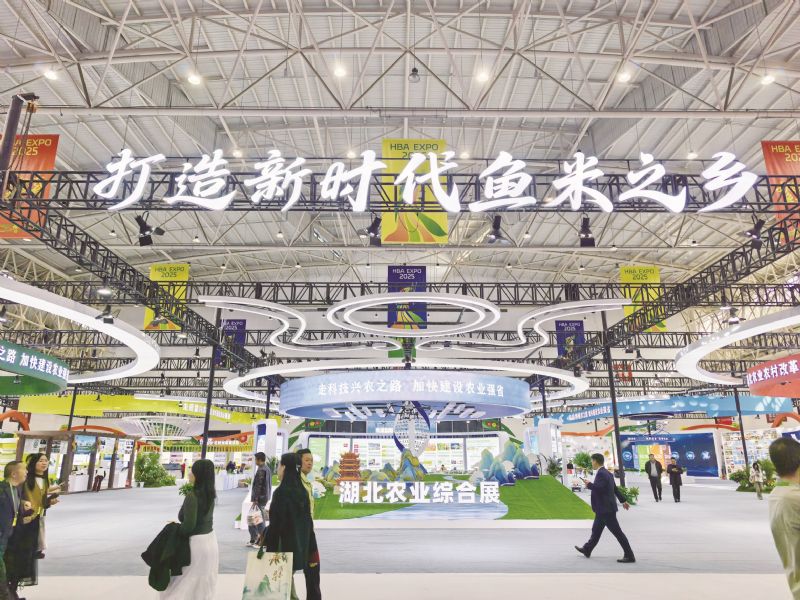
Core Points - The 2025 Hubei Agricultural Expo officially opened in Wuhan, showcasing nearly 2,000 enterprises and over 10,000 unique agricultural products, emphasizing the theme of "Building a New Era of Fish and Rice Country" [2][3] - The expo aims to promote brand communication, enhance consumer experience, and facilitate the integration of agriculture and technology, with a focus on rural revitalization and modern agricultural practices [2][6] Summary by Sections Event Overview - The Hubei Agricultural Expo has been held five times since its inception in 2021, with this year's event being more comprehensive, technologically advanced, and interactive, featuring six exhibition halls and 16 exhibition areas across 60,000 square meters [3][4] - The expo serves as a platform for agricultural enterprises to explore new business opportunities while presenting a visual and taste experience for attendees [3] Key Achievements - A significant signing event took place, resulting in 10 investment projects with a total value of 24.469 billion yuan, aimed at boosting rural industry development and resource aggregation for comprehensive revitalization [2][6] - The expo features a variety of provincial public brands, including specialties like Poyang River crayfish and Xiantao eel, attracting considerable public interest [4] Industry Collaboration - The expo has expanded its outreach by increasing the number of invited external exhibition groups from six to ten, showcasing representative local products and flavors from various provinces [4] - The event facilitates direct connections between producers and consumers, with a focus on precise market matching and innovative initiatives to enhance trade interactions [6][7] Future Prospects - The Hubei Agricultural Expo is positioned as a key driver for agricultural modernization and rural revitalization, with ongoing activities planned until December 2, including themed days and promotional events [8][9] - The establishment of the Hubei Agricultural Exhibition Industry Alliance aims to consolidate resources and promote collaborative efforts in the agricultural sector, transitioning from individual efforts to collective strategies [6][7]


海关赋能添力 浙江特色农产暖冬出海俏全球
Mei Ri Shang Bao· 2025-11-30 22:21
Core Insights - Zhejiang's specialty agricultural products, including traditional Chinese medicinal herbs and fresh mushrooms, are gaining popularity in international markets, leading to a steady increase in export orders [1][2] - The Zhejiang Customs has implemented innovative regulatory measures and convenient services to enhance the efficiency of customs clearance and support the export of these products [1][2] Group 1: Export Growth and Demand - The demand for high-quality medicinal herbs and fresh mushrooms from Zhejiang is rising, with these products becoming preferred choices for winter health supplements both domestically and internationally [1] - Export orders for Zhejiang's specialty agricultural products are increasing year by year, driven by their superior quality [1] Group 2: Customs Support and Efficiency - Zhejiang Customs has introduced a "door-to-door" service model to assist agricultural enterprises unfamiliar with export processes, providing expert guidance throughout the entire management process from cultivation to export [1] - The establishment of a "green channel" for specialty agricultural products allows for 24-hour appointment customs clearance and "cloud issuance" of certificates, significantly improving the efficiency of the export process [1][2] Group 3: Innovative Regulatory Measures - To address the challenges of transporting perishable products like fresh mushrooms, Zhejiang Customs has implemented remote inspection methods, allowing real-time monitoring of goods via mobile video terminals, reducing inspection time from hours to under 20 minutes [1] - The integration of "immediate reporting and inspection" services and local inspection green channels ensures that fresh products like broccoli can be exported without delays, maintaining their quality from farm to international markets [2]
与世界各国共享机遇、共同发展
Ren Min Ri Bao· 2025-11-30 22:01
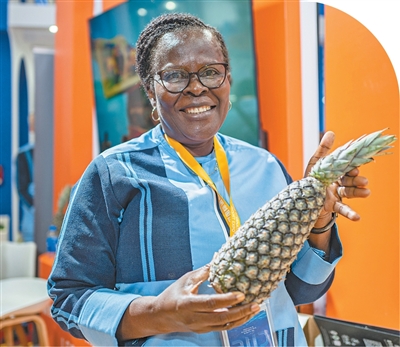
Core Viewpoint - China emphasizes the importance of promoting common development through international cooperation, aiming to share opportunities and benefits with countries worldwide, thereby injecting new momentum into global economic growth [1] Group 1: Trade Opportunities - The opening of the Chinese market has led to significant growth in exports from developing countries, such as Pakistan's pine nuts, which saw an export value of over $18 million in 2024, a 14% increase year-on-year [3] - South Africa's macadamia nuts are projected to have exports to China reach approximately 48% of their total production in 2024, highlighting China's role as a key partner in the macadamia industry [4] - The eighth China International Import Expo has facilitated the entry of products from least developed countries, with a 23.5% increase in participation from these nations, resulting in a cumulative intended transaction amount of $4.18 billion over seven years [5] Group 2: Economic Cooperation - China is actively enhancing trade facilitation measures, such as zero-tariff policies and streamlined customs processes, which significantly lower trade costs and barriers for developing countries [7] - The establishment of cross-border e-commerce platforms and improved logistics has created new opportunities for small and medium-sized enterprises from developing nations to access the Chinese market [7] - China's commitment to multilateralism and its role as a major trading partner for developing countries are recognized as crucial for global economic stability and growth [7]
农产品组行业研究报告:定价逻辑切换,静待供需改善
Hua Tai Qi Huo· 2025-11-30 09:28
期货研究报告 | 农产品组 行业研究报告 随着中美贸易政策博弈尘埃落定,市场逻辑已从前期的政策驱动逐步回归基本面主导。供应端来看,本年度巴西大豆丰产为我国提供 了充足的进口来源,国内油厂大豆及豆粕库存均攀升至历史高位,市场供应呈现宽松格局。尽管未来美国大豆进口预期有所改善,但 豆粕价格并未出现大幅回落,核心原因在于...... 定价逻辑切换,静待供需改善 农产品组行业研究报告 本期分析研究员 邓绍瑞 从业资格号:F3047125 投资咨询号:Z0015474 李馨 从业资格号:F03120775 投资咨询号:Z0019724 白旭宇 从业资格号:F03114139 投资咨询号:Z0023055 薛钧元 从业资格号:F03114096 投资咨询号:Z0023045 华泰期货研究院农产品研究 2025 年 11 月 30 日 期货研究报告 | 饲料年报 2025-11-30 定价逻辑切换,静待供需改善 研究院 农产品组 研究员 邓绍瑞 010-64405663 dengshaorui@htfc.com 从业资格号:F3047125 投资咨询号:Z0015474 李馨 lixin@htfc.com 从业资格号:F0 ...
特朗普还没启程访华,美国突然通告全球,中方将采购8700万吨大豆
Sou Hu Cai Jing· 2025-11-30 09:12
Group 1 - The announcement of China purchasing 87 million tons of soybeans signals a potential improvement in Sino-U.S. relations in the coming year [1][3] - The soybean deal represents a strategic maneuver in the ongoing trade, diplomatic, and geopolitical competition between the two nations [3][5] - U.S. Treasury Secretary Mnuchin reassured farmers about the procurement plan, indicating a structured approach to future trade relations [5][6] Group 2 - The soybean transaction is not merely a market action but a strategic signal from China to support U.S. Midwest farmers, indicating a potential easing of trade tensions [6][17] - The proactive communication from President Trump to China reflects a shift in negotiation dynamics, with the U.S. taking the initiative in trade discussions [10][12] - The upcoming visits by President Trump to China highlight a significant change in diplomatic engagement, suggesting a warming of relations despite underlying competitive rhetoric [14][20] Group 3 - The U.S. prioritizes agricultural exports to stabilize its domestic economy, making any regional tensions potentially disruptive to the soybean trade [17][19] - The geopolitical implications of the soybean deal diminish the significance of traditional alliances, as U.S. interests take precedence over those of allies like Japan [19][20] - The strategic use of soybean orders and export controls by China demonstrates a non-military approach to exerting influence over its competitors [20][21]

中新网:湖北农业博览会启幕 现场签约逾244亿元
Zhong Guo Xin Wen Wang· 2025-11-29 11:05
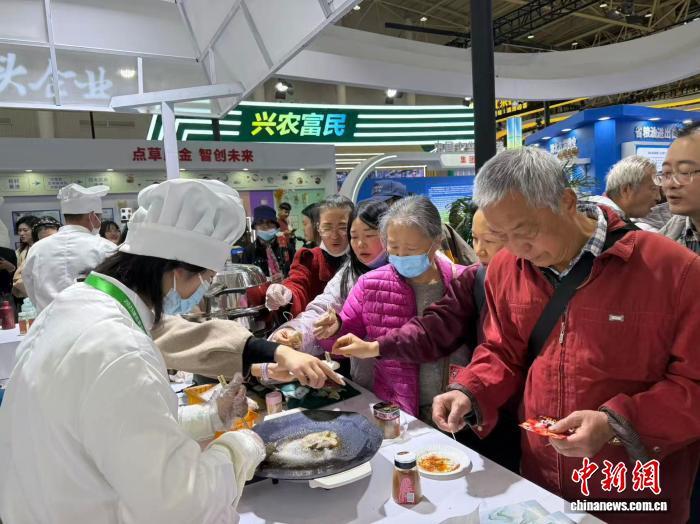
Core Insights - The 2025 Hubei Agricultural Expo opened on November 29 at the Wuhan International Expo Center, featuring nearly 2,000 enterprises and research institutions showcasing over 10,000 types of specialty agricultural products [1][2] Group 1: Event Overview - The expo is organized by the Hubei Provincial Department of Agriculture and Rural Affairs and the Hubei Provincial Rural Revitalization Bureau, themed "Building a New Era of Fish and Rice Country" to showcase Hubei's achievements in modern agriculture [2] - The event spans 60,000 square meters with 6 exhibition halls and 16 exhibition areas [2][7] - The expo will run until December 2, featuring over 20 activities including local theme days, brand promotions, and production-sales connections [6] Group 2: Economic Impact - A signing ceremony took place during the opening, with the Hubei Agricultural Exhibition Industry Alliance signing agreements with key enterprises in the national trade and circulation industry, totaling a signing amount of 24.469 billion yuan [2] - Ten investment attraction projects were also signed during the event [2] Group 3: Exhibits and Attractions - The core exhibition area highlights the achievements of Hubei's modern agriculture, showcasing key agricultural technologies and green development models through various interactive formats [4][5] - Notable regional public brands such as Poyang River crayfish, Xiantao eel, Jianghan rice, and others were prominently displayed, attracting significant public interest [4] - A food exhibition area featured 10 Chinese culinary masters presenting 24 dishes made from Jianghan rice, with free tasting sessions drawing large crowds [6]
湖北农业博览会启幕 现场签约逾244亿元
Xin Lang Cai Jing· 2025-11-29 08:53
Core Viewpoint - The 2025 Hubei Agricultural Expo opened on the 29th in Wuhan International Expo Center, showcasing nearly 2,000 enterprises and research institutions with over 10,000 varieties of specialty agricultural products [1] Group 1 - The opening ceremony featured a centralized signing event [1] - Hubei Agricultural Exhibition Industry Alliance signed agreements with key enterprises in the national commercial circulation industry [1] - A total of 10 investment attraction projects were signed, with a total signing amount of 24.469 billion yuan [1]