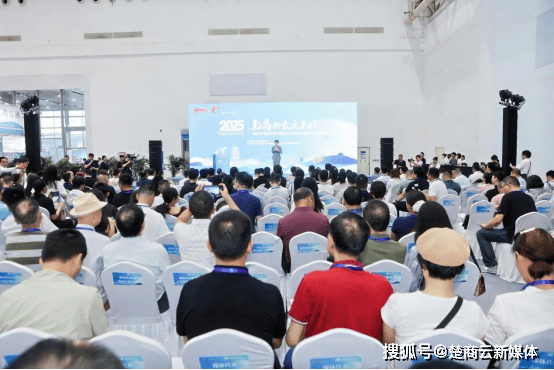
秭归脐橙

Search documents
宜昌味道惊艳上海!
Xin Lang Cai Jing· 2026-01-31 13:19
Core Viewpoint - The first Pudong Chinese New Year Flavor Festival has commenced, showcasing various specialty agricultural products from Yichang, successfully captivating the taste buds of Shanghai residents [1]. Group 1: Event Overview - The festival features a variety of Yichang products including Zhi Gui navel oranges, Yichang honey tangerines, Yichang red tea, Yichang Maojian tea, kudzu powder noodles, and Three Gorges sweet potato crisps [3]. - The event is themed "Taste Chinese New Year at World Landmarks," gathering over a hundred specialty brands from across the country [4]. - The festival aims to connect Yichang with the Yangtze River Delta market, promoting the "Taste of Yichang" to a broader audience [4]. Group 2: Consumer Engagement - Many Shanghai residents expressed satisfaction with the products, noting the juiciness of the oranges and the fragrance of the tea, indicating a strong consumer interest [4]. - Some products sold out during the event, highlighting the popularity and demand for Yichang's offerings [4]. Group 3: Future Prospects - Yichang plans to promote more high-quality agricultural products to reach a wider audience, allowing more people to experience the unique flavors and culture of Yichang [8].

人民网:烟火气里品荆楚 地理标志年味浓
Ren Min Wang· 2026-01-25 01:38
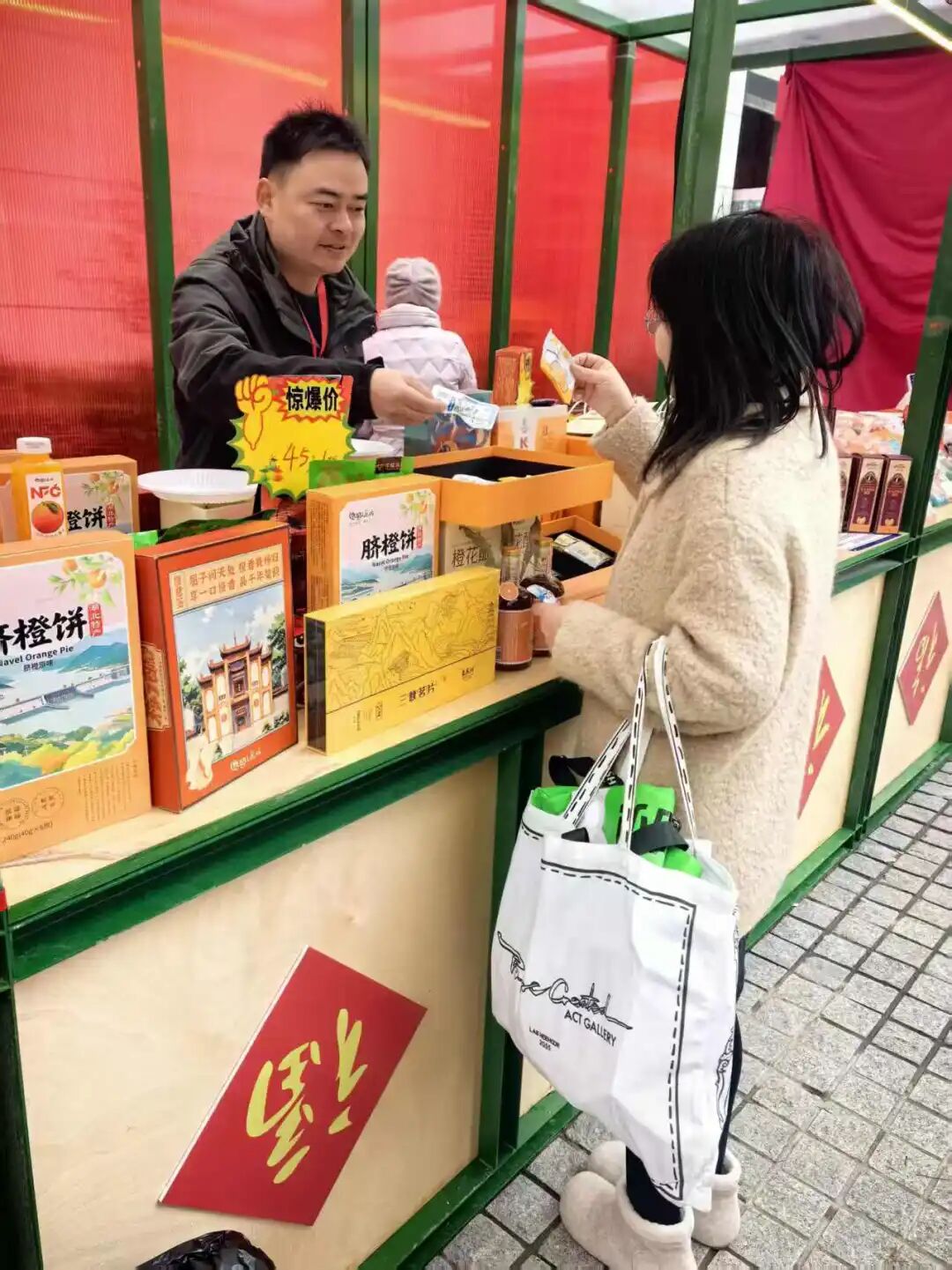
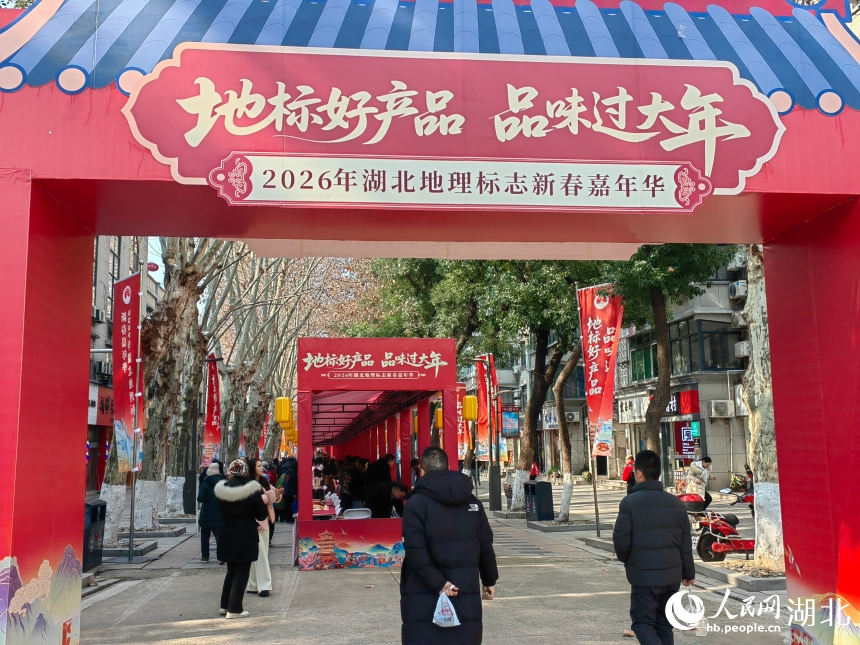
Group 1 - The "2026 Hubei Geographical Indication Carnival" commenced in Wuhan on January 23, featuring 105 geographical indication agricultural products from 123 enterprises across 17 cities in Hubei, aimed at igniting consumer enthusiasm for local products during the festive season [2] - The event showcased popular local products such as the golden, juicy Zhi Gui navel oranges and the tender Hongshan vegetable, which became sought-after items for the New Year celebrations, with long queues forming at various stalls [2] - The carnival combined culinary experiences with cultural education, featuring interactive sessions and informative displays that revealed the quality stories and identity markers behind geographical indications, as well as tourism routes linked to local specialties [2] Group 2 - The live broadcast area next to the main stage was lively, with local officials promoting their hometown products, effectively bridging the gap between geographical indication products and consumers through storytelling [3] - The event, running until January 24, serves as a comprehensive celebration of local culture and commerce, contributing to rural revitalization and enhancing the Hubei brand [3] - Participants expressed that bringing home geographical indication products enriched their festive experience, highlighting the cultural significance and authenticity of Hubei flavors [3]

湖北“农业天团”将达广州!小龙虾、武昌鱼、秭归橙…你的必吃清单准备好了吗?
Nan Fang Nong Cun Bao· 2026-01-19 10:02
Core Viewpoint - The event "Hubei Agricultural Products Brand Promotion and Exhibition" will take place in Guangzhou from January 24 to 26, showcasing 25 high-quality agricultural products from Hubei, aiming to enhance agricultural collaboration between Hubei and Guangdong [2][3][22]. Group 1: Event Overview - The event will feature a one-stop experience for consumers to enjoy Hubei's culinary offerings without traveling to Hubei [2][6]. - It will include various activities such as product displays, cultural performances, and interactive tasting sessions, creating a vibrant atmosphere for attendees [4][14]. - The event aims to cater to the taste preferences of the Greater Bay Area residents with a diverse range of products [11][26]. Group 2: Featured Products - A total of 25 brands will be represented, covering nine major public brands from Hubei, including products like lotus root, shrimp, and Wuchang fish [7][8]. - Specific highlights include the freshness of Poyang Lake shrimp, the sweetness of Zhi Gui oranges, and the richness of Xiangyang beef noodles [9][10]. Group 3: Cultural and Community Engagement - The event will also feature traditional performances such as the Enshi hand-waving dance and Huangmei opera, enhancing cultural exchange between northern and southern China [17][22]. - Community engagement will be emphasized with local residents able to sample products and participate in interactive activities [15][19]. Group 4: Business and Economic Impact - The event serves as a platform for deepening agricultural collaboration between Hubei and Guangdong, facilitating direct communication between local businesses and agricultural producers [22][25]. - It aims to promote the efficient connection of agricultural products from Hubei to the consumer market in the Greater Bay Area, supporting high-quality agricultural development in Hubei [26][28].

出口覆盖224个国家和地区 中国农产品“圈粉”世界
Ren Min Ri Bao· 2025-12-30 02:46
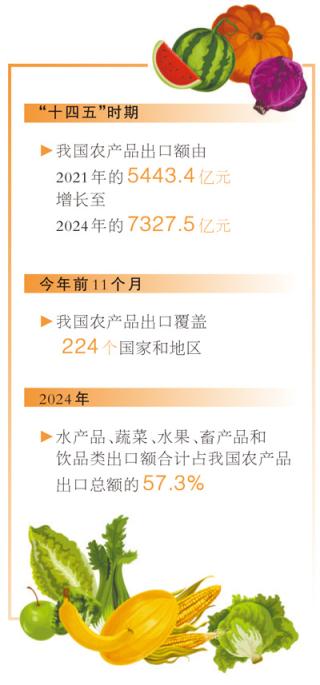
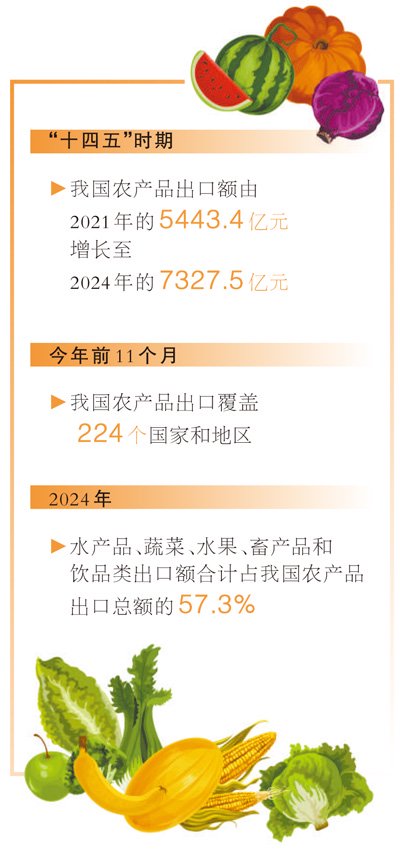
Core Insights - China's agricultural product exports are experiencing significant growth, with an increase from 544.34 billion yuan in 2021 to 732.75 billion yuan in 2024, representing a 34.6% growth rate [1] - The export of agricultural products has expanded to cover 224 countries and regions, showcasing the resilience and vitality of Chinese agriculture in a complex international environment [1] Group 1: Export Growth and Market Expansion - The export of lychee has reached over 4,000 tons this year, marking an approximate 18% year-on-year increase, highlighting the international recognition of Chinese lychee varieties [2] - The implementation of the "5+2" appointment inspection by the General Administration of Customs has reduced the customs clearance time for fresh agricultural products by 50%, facilitating faster access to international markets [3] - In the first ten months of this year, emerging markets have shown remarkable growth in agricultural product exports, with garlic being a standout product that has successfully entered the Middle Eastern market [4] Group 2: Competitive Advantages and Industry Development - The establishment of strict production standards in regions like Anxi County has enabled local tea companies to obtain organic certifications, allowing them to sell at prices 30% to 50% higher than ordinary tea [6] - A diverse market structure has effectively mitigated demand fluctuations in certain regions, injecting new momentum into export growth [6] - The total export value of fruits, vegetables, aquatic products, livestock products, and beverages accounts for 57.3% of the total agricultural product exports, indicating the leading role of these advantageous products [3] Group 3: Challenges and Strategic Initiatives - The global demand for tilapia has decreased, leading to a significant reduction in orders and production halts for processing lines, indicating the challenges faced by the industry [7] - To address these challenges, companies are innovating by developing deep-processed products and expanding into new international markets, including RCEP member countries and regions in the Middle East and Africa [7] - The Ministry of Agriculture and Rural Affairs aims to cultivate high-quality entities in agricultural international trade, targeting the establishment of over 50 entities with annual export values exceeding 100 million USD by 2030 [8]


中国农产品“圈粉”世界
Bei Jing Wan Bao· 2025-12-30 01:14
Core Viewpoint - The article highlights the significant growth in China's agricultural product exports, showcasing the resilience and vitality of Chinese agriculture in the face of complex international environments. Group 1: Export Growth and Market Expansion - China's agricultural product export value is projected to grow from 544.34 billion yuan in 2021 to 732.75 billion yuan in 2024, marking a 34.6% increase [2] - In the first 11 months of this year, China's agricultural products have been exported to 224 countries and regions, demonstrating the expanding global reach [2] - The export of fruits, vegetables, aquatic products, livestock products, and beverages accounts for 57.3% of the total agricultural product export value, indicating the leading role of advantageous products [4] Group 2: Specific Product Success Stories - The export of lychee has reached over 4,000 tons this year, reflecting an 18% year-on-year increase, with Chinese lychee gaining international recognition [2][3] - Garlic has emerged as a star product in vegetable exports, with successful entry into the Middle East market and long-term cooperation agreements established with South African clients [5] Group 3: Innovations and Industry Support - The implementation of the "5+2" appointment inspection system by the General Administration of Customs has reduced the customs clearance time for fresh agricultural products by 50% [4] - The establishment of a regulatory and logistics tracking platform in Anxi County has helped local tea companies obtain high-value international certifications, enhancing their export competitiveness [6] Group 4: Challenges and Strategic Responses - The global demand for tilapia has decreased, leading to significant order reductions and production line stoppages in the tilapia processing sector [7][8] - Companies are innovating by developing deep-processed products to adapt to domestic consumer preferences and are focusing on expanding into new international markets [8] Group 5: Future Development Goals - The Ministry of Agriculture aims to cultivate over 50 national quality entities with annual export values exceeding 100 million USD by 2030, enhancing the overall quality and competitiveness of China's agricultural exports [8]
出口覆盖224个国家和地区,中国农产品“圈粉”世界
Guo Ji Jin Rong Bao· 2025-12-30 00:03
Core Insights - China's agricultural product exports are experiencing significant growth, with a projected increase from 544.34 billion yuan in 2021 to 732.75 billion yuan in 2024, representing a 34.6% growth rate [3] - The export of high-quality specialty agricultural products, such as oranges and lychees, is gaining traction in international markets, showcasing China's agricultural resilience and vitality [3][4] Group 1: Export Growth and Market Reach - The total value of a recent order for 108 tons of oranges from Hubei to Dubai was $150,000, highlighting the effectiveness of cross-border logistics in enhancing competitiveness in the Middle Eastern market [2] - In the first 11 months of this year, China's agricultural exports reached 224 countries and regions, demonstrating the extensive reach of Chinese agricultural products [3] - The export of fruits, vegetables, seafood, livestock products, and beverages accounted for 57.3% of total agricultural exports, indicating the leading role of these products in driving export growth [5] Group 2: Product-Specific Success - Lychee exports have reached over 4,000 tons this year, marking an 18% increase, with various lychee varieties catering to different taste preferences [4] - Garlic has emerged as a star product in vegetable exports, with successful entry into the Middle Eastern market and long-term agreements with South African clients [6] - The establishment of a garlic processing plant in Vietnam has enabled direct supply to local wholesale markets, enhancing the efficiency of the supply chain [6] Group 3: Industry Innovations and Standards - The implementation of a "5+2" appointment inspection system by customs has reduced the clearance time for fresh agricultural products by 50%, facilitating faster access to international markets [5] - The introduction of specialized insurance policies for agricultural exports has covered over 150 countries, further supporting the export process [5] - The establishment of strict production standards and certification systems in regions like Fujian has significantly increased the export prices of tea products by 30% to 50% compared to ordinary tea [7] Group 4: Strategic Market Expansion - The rise of emerging markets has been notable, with companies like Jinhaiyuan successfully entering new markets and establishing long-term partnerships [6] - The agricultural sector is encouraged to deepen engagement with countries along the Belt and Road Initiative, reducing reliance on single markets and enhancing global trade influence [9] - The Ministry of Agriculture aims to cultivate high-quality export entities, targeting over 50 companies with annual exports exceeding $10 million by 2030 [9]
把梦想,种回三峡丨三峡后续工作H5②
Nan Fang Nong Cun Bao· 2025-12-17 09:35
Core Viewpoint - The Three Gorges Project is a critical infrastructure initiative for the governance, development, and protection of the Yangtze River, serving as a key support for national strategies such as the development of the Yangtze Economic Belt and the rise of central and western regions [3][4]. Group 1: Economic Development - The follow-up work of the Three Gorges Project provides strong support for high-quality development in the reservoir area and the stable prosperity of relocated residents [5]. - Formerly displaced residents are now becoming vital contributors to the high-quality development of the reservoir area, utilizing their skills and efforts to ignite industrial revitalization [6][7]. - The project has facilitated the development of local industries, such as the orange industry in Qichang County, which has improved the income of around 2,000 households by tens of thousands of yuan annually [14][16][17]. Group 2: Ecological and Cultural Initiatives - The follow-up work has fostered green productivity, transforming ecological advantages into economic benefits [22]. - Various initiatives, such as the establishment of a cultural and creative product line that integrates local heritage, have led to the development of over 100 products and provided free training for local artisans [34][35][36]. - The renovation of local historical sites has revitalized tourism and local businesses, enhancing community engagement and cultural heritage [58][60]. Group 3: Entrepreneurship and Community Support - The establishment of entrepreneurship parks for returning migrant workers has provided comprehensive support, reducing costs and risks associated with starting a business [42][44][46]. - The project has also improved community living conditions through professional property services, creating job opportunities for returning workers [50][51][53]. - Individual entrepreneurial efforts have led to broader economic growth, showcasing how personal endeavors contribute to the overall prosperity of the region [64][65].
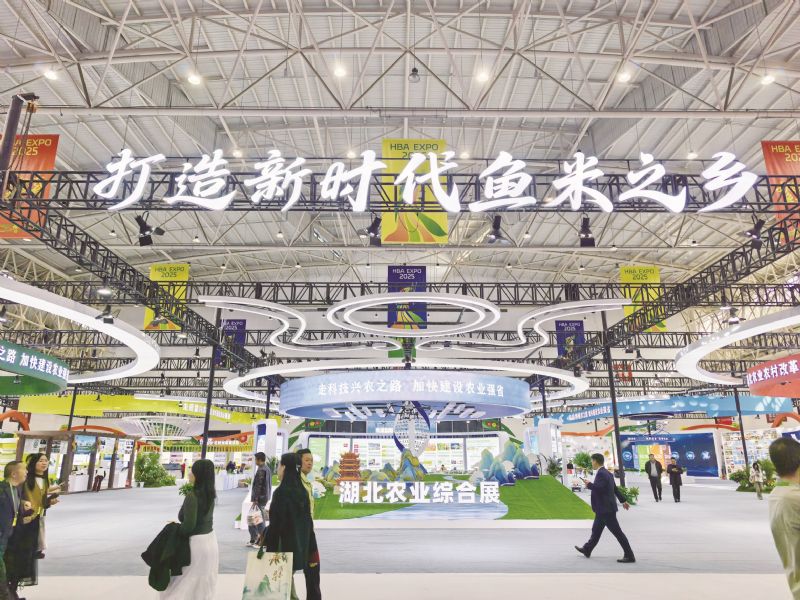
湖北农博会开幕现场签约244.69亿 万余种农产品齐聚新时代“鱼米之乡”
Chang Jiang Shang Bao· 2025-12-01 00:45
Core Points - The 2025 Hubei Agricultural Expo officially opened in Wuhan, showcasing nearly 2,000 enterprises and over 10,000 unique agricultural products, emphasizing the theme of "Building a New Era of Fish and Rice Country" [2][3] - The expo aims to promote brand communication, enhance consumer experience, and facilitate the integration of agriculture and technology, with a focus on rural revitalization and modern agricultural practices [2][6] Summary by Sections Event Overview - The Hubei Agricultural Expo has been held five times since its inception in 2021, with this year's event being more comprehensive, technologically advanced, and interactive, featuring six exhibition halls and 16 exhibition areas across 60,000 square meters [3][4] - The expo serves as a platform for agricultural enterprises to explore new business opportunities while presenting a visual and taste experience for attendees [3] Key Achievements - A significant signing event took place, resulting in 10 investment projects with a total value of 24.469 billion yuan, aimed at boosting rural industry development and resource aggregation for comprehensive revitalization [2][6] - The expo features a variety of provincial public brands, including specialties like Poyang River crayfish and Xiantao eel, attracting considerable public interest [4] Industry Collaboration - The expo has expanded its outreach by increasing the number of invited external exhibition groups from six to ten, showcasing representative local products and flavors from various provinces [4] - The event facilitates direct connections between producers and consumers, with a focus on precise market matching and innovative initiatives to enhance trade interactions [6][7] Future Prospects - The Hubei Agricultural Expo is positioned as a key driver for agricultural modernization and rural revitalization, with ongoing activities planned until December 2, including themed days and promotional events [8][9] - The establishment of the Hubei Agricultural Exhibition Industry Alliance aims to consolidate resources and promote collaborative efforts in the agricultural sector, transitioning from individual efforts to collective strategies [6][7]
建设三峡库区种质“方舟”守护物种多样性
Zhong Guo Huan Jing Bao· 2025-10-14 05:34
Core Insights - The article emphasizes the importance of safeguarding national germplasm resources for food security and ecological safety, particularly in the Three Gorges Reservoir area, which serves as a strategic gene bank with over 23,000 cultivated plant germplasm resources and 5,000 wild plant species, including 1,630 endemic species in China [1][3] Group 1: Protection and Conservation Efforts - A three-tier protection network ("Library - Nursery - Point") has been established, including 4 provincial-level germplasm resource banks, 12 specialized nurseries, and 16 district-level protection points, enhancing the conservation of rare and valuable local varieties [1][2] - Significant progress has been made in the collection and preservation of various germplasm resources, including rare plants like the Three Gorges red cedar and local breeds such as the Fuling black pig, with a digital platform for intelligent management of the germplasm resources established [1][2] Group 2: Technological Empowerment and Industry Development - The development of high-quality varieties suitable for mountainous agriculture has begun, with "Three Gorges Glutinous Rice No. 1" covering an area of 8.93 million acres and the "Zigui Navel Orange" variety significantly increasing per-acre income [2] - Multiple industry-academia-research cooperation platforms have been established, creating geographical indication product brands that promote a virtuous cycle of resource protection and economic benefits for farmers [2] Group 3: Challenges and Strategic Recommendations - The article highlights the increasing international competition for biological resources, posing new challenges to China's germplasm resource security, necessitating enhanced biosecurity governance and prevention of invasive species [3][4] - Recommendations include strengthening strategic layouts for resource protection, optimizing the three-tier protection network, and establishing a monitoring and early warning system for dynamic resource management [3][4] Group 4: Innovation and Sustainable Development - The establishment of a Three Gorges germplasm resource innovation platform is proposed to address key technological bottlenecks in resource identification, gene mining, and molecular breeding, aiming to enhance international competitiveness [4] - Collaborative protection mechanisms between Chongqing and Hubei are suggested to improve resource sharing and policy coordination, along with the implementation of differentiated compensation mechanisms linked to resource protection outcomes [4]
“数商兴农庆丰收”湖北专场暨电商资源对接活动在汉启动
Sou Hu Cai Jing· 2025-09-19 11:11
Core Points - The event "Digital Commerce Promotes Agriculture and Celebrates Harvest" was successfully held in Wuhan, aiming to deepen the integration of digital commerce and agriculture, and enhance the online sales of high-quality agricultural products in Hubei [1][2] - The event gathered nearly 300 participants, including leaders from various government departments, e-commerce platforms, agricultural e-commerce companies, and representatives of new farmers [1] Group 1: Event Overview - The event was organized by the Hubei Provincial Department of Commerce, with the goal of empowering rural revitalization through digitalization [1] - A joint initiative titled "Digital Commerce Promotes Agriculture" was launched by major e-commerce platforms including Taotian Group, JD.com, and Douyin, focusing on enhancing brand building and service capabilities [2] Group 2: Key Discussions and Insights - Experts shared insights on policy guidance, association support, platform empowerment, and county-level practices, highlighting opportunities for Hubei under the national strategy [6] - Innovative models for assisting farmers were discussed, including the "Association + Base + Supply Chain + Influencer" approach [6] Group 3: Resource Matching and Collaboration - The event featured three main matching zones for direct negotiations between e-commerce platforms, agricultural suppliers, service providers, and new farmers, fostering collaboration [9] - The successful execution of the event marks a new phase for Hubei's "Digital Commerce Promotes Agriculture" initiative, enhancing the digital sales channels for agricultural products and boosting brand value [9] Group 4: Future Activities - Various counties in Hubei are planning additional activities such as live-streaming sales events and competitions to further promote agricultural products and digital commerce [10][11]