航空航天

Search documents
波音(BA.US)拟向南卡罗来纳州工厂投超10亿美元扩产 旨将787梦想客机产量翻番
智通财经网· 2025-11-10 01:40
Core Points - Boeing plans to invest over $1 billion to expand its 787 Dreamliner factory in South Carolina to double the production capacity in response to global demand growth [1] - The expansion is expected to create over 1,000 jobs within five years, nearly doubling the current workforce of approximately 8,200 employees at the facility [1] - Boeing's total investment in the South Carolina facility is projected to reach about $3.5 billion over 15 years [1] - The new assembly line is expected to be operational by 2028, with a production target of around 16 Dreamliners per month, exceeding pre-pandemic peak levels [1] - Analysts indicate that this move will help Boeing capitalize on record orders for its 787 and 737 Max projects, but caution that the company remains dependent on a strained supply chain for critical materials [1] - Boeing is currently addressing quality issues at the South Carolina plant, where inspections have revealed minor structural defects in some aircraft [1] Additional Information - U.S. Treasury Secretary and South Carolina Governor attended the groundbreaking ceremony, highlighting Boeing's CEO's praise for President Trump’s role in promoting aircraft sales [2] - Boeing plans to begin hiring mechanics, engineers, and logistics experts next summer to support the increased production, with new employees undergoing a year of training before production scale-up [2] - Despite controversies surrounding delays in the delivery of the "Air Force One" aircraft, Trump has been one of Boeing's most vocal supporters [2]

军工含量最高的航空航天ETF天弘(159241)10天净流入超6000万,换手率连续3天居同标的第一
2 1 Shi Ji Jing Ji Bao Dao· 2025-11-10 01:24
中金公司指出,技术外溢推动新兴领域成长,大飞机、低空经济、商业航天开启发展新阶段。内外需求 共振下航空航天科技行业有望延续较高景气,卫星发射与制造环节需求有望随国内星座组网进程稳步释 放,可复用火箭等关键环节技术有望陆续突破。当前中国三大运营商均已获得卫星移动通信业务许可, 卫星互联网或逐步迈入应用端建设阶段,展望2026年,我们认为以手机直连、专用终端等为代表的应用 场景有望陆续落地并规模化铺开,驱动卫星应用环节加速成长。 近期,航空航天相关ETF再获资金关注。热门ETF中,Wind数据显示,航空航天ETF天弘(159241)在 10月24日—11月6日的10个交易日内累计获资金净流入6159万元,净流率达13.84%;11月4日—11月6 日,航空航天ETF天弘(159241)换手率最高达17.82%(11月6日),连续3日保持同标的第一。 航空航天ETF天弘(159241)紧密跟踪国证航天航空行业指数,该指数覆盖航空装备、航天装备、军工 电子等细分领域,涉及卫星互联网、大飞机、低空经济等前沿科技方向。其在申万一级行业分类中,国 防军工权重占比高达98.2%,是全市场最"纯"军工指数。 ...


11月10日早餐 | 存储龙头提价;美股巨震反弹
Xuan Gu Bao· 2025-11-10 00:07
Group 1 - US stock market saw a significant rebound from intraday lows on Friday, with the S&P 500 rising by 0.13% and the Dow Jones increasing by 0.16%, while the Nasdaq Composite fell by 0.22%, marking its worst weekly performance since April [1] - Microsoft experienced its longest losing streak since 2011, with eight consecutive declines, while Tesla dropped over 3.6% following the approval of Elon Musk's $1 trillion compensation plan at the shareholder meeting [2] - Gold fluctuated around $4,000, ending a two-week decline, while crude oil prices briefly rose above $60 but ultimately fell by over 1.7% for the week [3] Group 2 - Bitcoin briefly dipped below $100,000 but later surged over 4.6%, while Ethereum rose by over 4.3%, reclaiming the $3,400 mark [4] - The US government shutdown situation appears to be improving, with Democrats softening their stance, although Republicans have rejected the proposal but acknowledged progress [4] - The EU AI legislation may face pressure to lower its thresholds due to collective pressure from tech giants [5] Group 3 - Google launched its next-generation AI image model, Nano Banana 2, capable of quickly generating 4K images and solving calculus problems [6] - The Chinese government issued a document to accelerate the cultivation of scenarios and promote large-scale applications in the AI field, focusing on key technology breakthroughs and standard construction [7] - A white paper on carbon peak and carbon neutrality in China indicated that the proportion of non-fossil energy consumption is expected to increase from 16.0% in 2020 to 19.8% in 2024 [8] Group 4 - The People's Bank of China increased its gold reserves by 30,000 ounces in October, marking the 12th consecutive month of increases [10] - China's October CPI rose by 0.2% year-on-year, with the core CPI reaching its highest level since March 2024, while the PPI saw its first year-on-year increase of the year [11] Group 5 - Various brokerage strategies are focusing on year-end style rebalancing, with analysts suggesting that sectors like new energy, pharmaceuticals, and food and beverage may show weaker performance as they face profit-taking pressures [12] - Analysts recommend focusing on sectors with independent logic and improving ROE, such as chemicals, non-ferrous metals, and electric new energy, which are at historical low points in profitability and industry prosperity [13] Group 6 - NAND flash memory prices are set to increase significantly, with SanDisk raising contract prices by up to 50%, leading to some manufacturers pausing shipments to reassess pricing [14] - The flu activity in China has risen sharply, with most provinces entering the flu epidemic period, prompting increased production of antiviral medications [16] - The Ministry of Agriculture and Rural Affairs released guidelines for building a smart agriculture standard system, aiming for a comprehensive standard system by 2030 [17] - The smart agriculture market in China is projected to exceed 100 billion yuan in 2024, growing by 11.7% year-on-year, driven by policy support and increased fiscal investment [18] Group 7 - Several companies announced significant transactions, including Suzhou planning to acquire 100% of Dongjin Hangke for 250 million yuan, and Guocheng Mining proposing to pay 3.168 billion yuan for a 60% stake in Guocheng Industrial [19] - Huadian Energy plans to invest 12.043 billion yuan in a wind power project, while Huadian Science and Technology signed a contract for a major offshore wind power project [20] - Fangzheng Technology is investing 1.364 billion yuan to expand its AI production base in Chongqing, addressing capacity bottlenecks in high-end products [21]



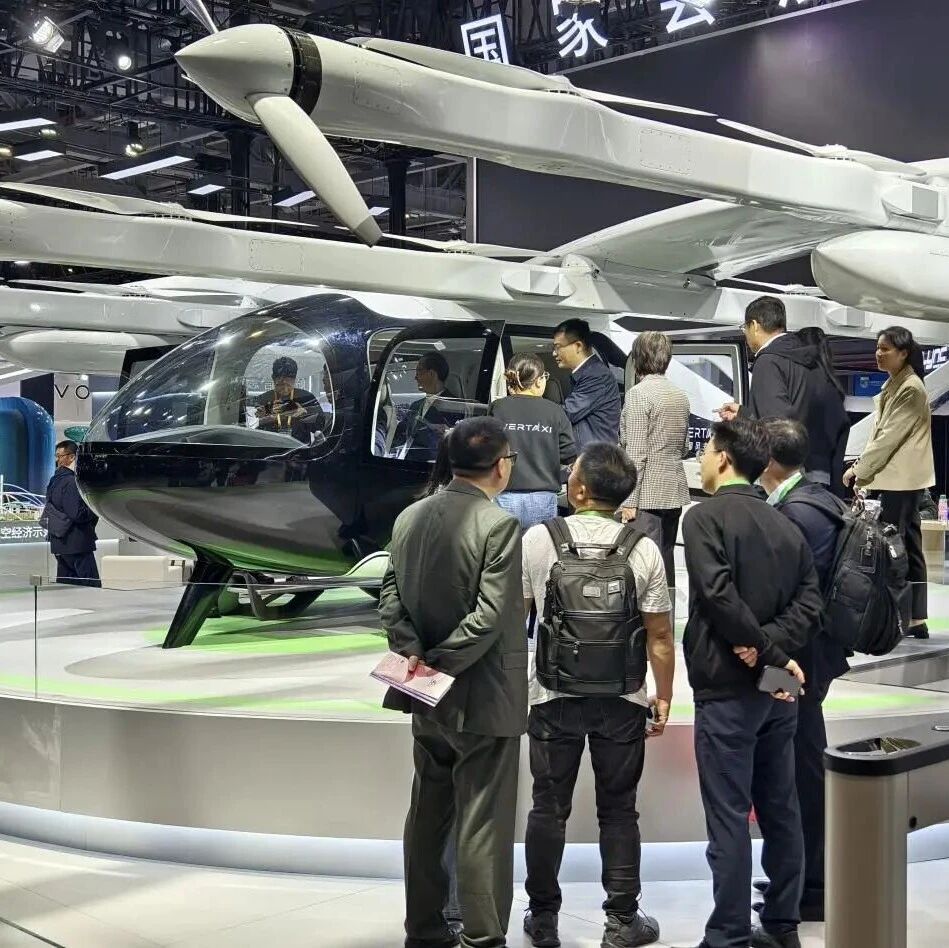
上海虹桥→上海浦东10分钟……进博会“剧透”未来低空出行
证券时报· 2025-11-09 09:33
Core Viewpoint - The emergence of eVTOL (electric Vertical Take-Off and Landing) aircraft is set to revolutionize urban air transportation, significantly reducing travel times and costs for passengers [1][20]. Group 1: eVTOL Development and Market Potential - The eVTOL industry is experiencing rapid growth, with projections indicating that the low-altitude economy market in China could reach 1.5 trillion yuan by 2025 and exceed 3.5 trillion yuan by 2035 [20]. - Companies like YF3709 and Wolan Technology are showcasing their eVTOL models, with significant orders and financing achieved at the recent expo, indicating strong market interest and investment [5][19]. - The M1 model from YF3709 has garnered 200 intent orders worth over 2 billion yuan, showcasing the demand for eVTOL services [10]. Group 2: Operational Efficiency and Cost Structure - Future eVTOL flights are expected to offer travel times of around 10-15 minutes for city routes, with ticket prices starting at approximately 50 yuan for city routes and 100-300 yuan for intercity routes [6][11]. - The operational cost of eVTOLs is projected to decrease significantly, with initial costs slightly higher than traditional taxis but expected to align with taxi fares as operations scale [7][18]. - The E20 eVTOL model boasts a cruising speed of 320 km/h and a range of 200 km, making it a competitive option for urban transportation [12][14]. Group 3: Technological Advancements and Infrastructure - The integration of eVTOL technology is supported by advancements in vertical take-off capabilities and reduced operational costs, which are expected to address traditional aviation challenges [18]. - Companies are establishing low-altitude transportation networks, with operational hubs and take-off points being developed to facilitate eVTOL services [10][20]. - The collaboration between eVTOL manufacturers and financial institutions is crucial for securing the necessary funding and infrastructure development to support the industry's growth [14][16].
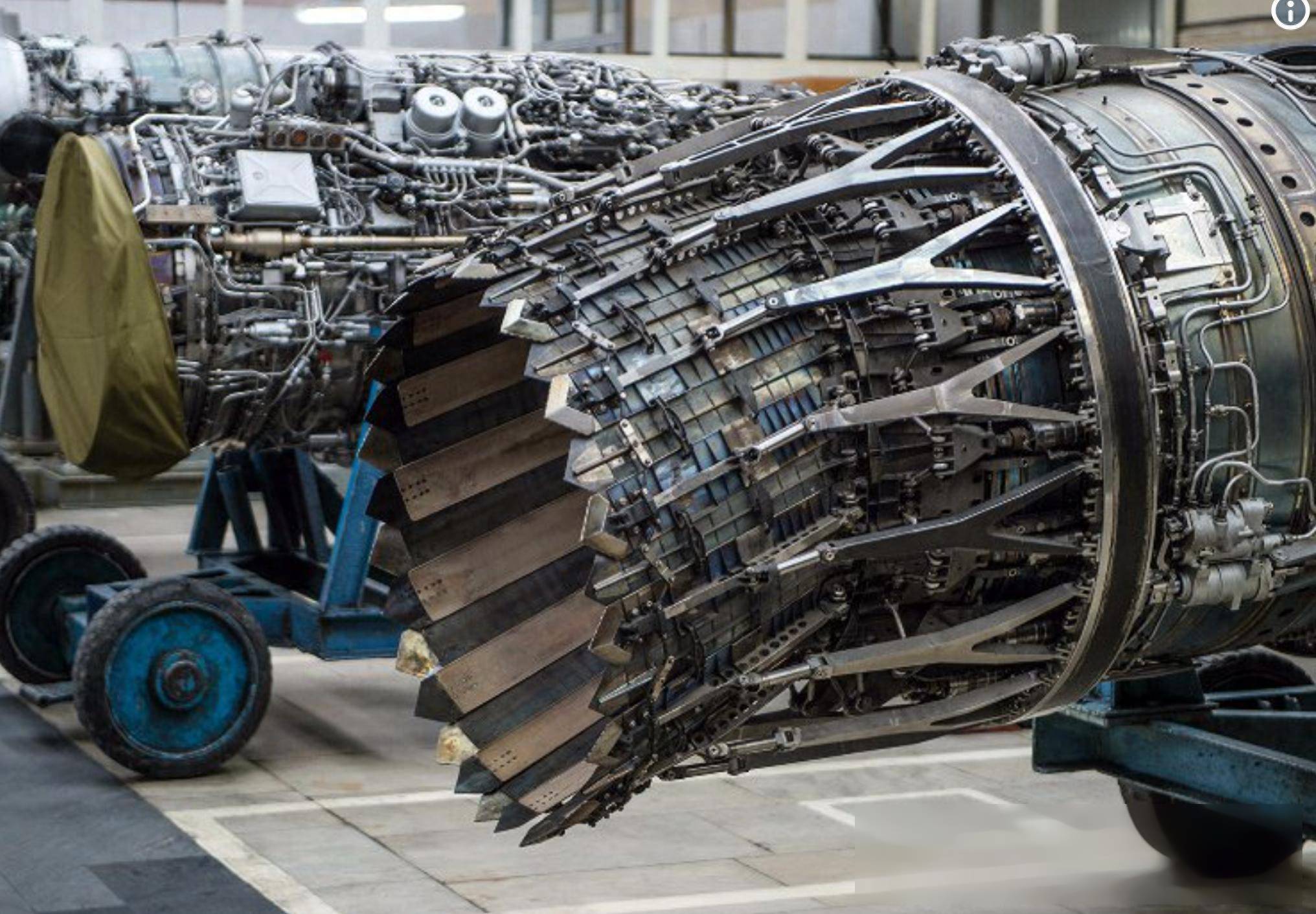
难怪涡扇15全球第一!美军发现中国在太空造超级金属,六代机已用
Sou Hu Cai Jing· 2025-11-09 09:05
Core Insights - The J-20 fighter jet has significantly enhanced its combat capabilities after being equipped with the "Chinese heart" engine, the WS-15, which is now recognized as a global leader in aviation engines due to advancements in materials science [1][4]. Group 1: Engine and Material Advancements - The new "super metal," a niobium-based alloy developed in a microgravity environment aboard the Tiangong space station, has shown remarkable properties, maintaining strength at temperatures exceeding 1700°C and enhancing fatigue resistance [3][4]. - The WS-15 engine boasts a thrust of 18.5 tons, surpassing the F119 engine's 17.7 tons, with a thrust-to-weight ratio exceeding 10.5, allowing the J-20B to reach speeds of 2.8 Mach in just three minutes [7]. - The use of niobium alloy in the engine blades, combined with a nanometer-level protective coating, significantly extends the engine's lifespan to over 2000 hours, which is 2.5 times longer than the F119 [7]. Group 2: Competitive Landscape - While the U.S. NGAD fighter is still in the design phase, China has successfully conducted test flights of two sixth-generation fighter prototypes, showcasing advanced configurations that leverage the new materials for superior performance [8]. - The advancements in the WS-15 engine and the new materials signify a major shift in China's aerospace capabilities, moving from reliance on imported engines to achieving self-sufficiency and technological leadership in military aviation [8].
进博会访谈 | 霍尼韦尔航空航天科技集团亚太区总裁徐军:SURF-A跑道预警软件有望在明年取证投入运营
Xin Lang Cai Jing· 2025-11-09 05:36
Core Viewpoint - Honeywell is actively progressing with its plan to spin off its aerospace business, aiming to establish an independent publicly listed aerospace company by the second half of 2026 [1][2] Group 1: Business Spin-off - The aerospace technology group will continue to operate under Honeywell until the completion of the spin-off, which is on track for the second half of 2026 [1][2] - The independent aerospace entity is expected to become one of the largest independent aerospace suppliers, leveraging its technological and system advantages to enhance future aviation through increased electrification and autonomy [1][2] Group 2: Aviation Safety Technology - Honeywell showcased its new ground warning software (SURF-A) at the expo, which is anticipated to receive certification and enter the market next year [2] - The software aims to enhance flight safety by providing early warnings to pilots about runway incursion risks, allowing them to take corrective actions to avoid potential collisions [2] Group 3: Sustainable Aviation Fuel - Honeywell is pursuing multiple pathways for sustainable aviation fuel (SAF) development, including converting biomass like straw and corn into ethanol for aviation fuel and a methanol route using green hydrogen [4] - A partnership has been established with a company in Inner Mongolia to create a project with an annual production capacity of 100,000 tons of methanol-based sustainable aviation fuel [4] Group 4: Local Market Expansion - Honeywell is actively collaborating with local airlines in China to advance joint certification efforts for aircraft models like Boeing 737 and Airbus A320 [3] - The company has a long history of involvement in China's aviation sector, contributing to key projects such as the C909 and C919 aircraft, providing advanced technology solutions and services [6] - Recent agreements with China Eastern Airlines and China Aviation Materials have been made to enhance local service capabilities and explore further cooperation in material procurement and distribution [6]


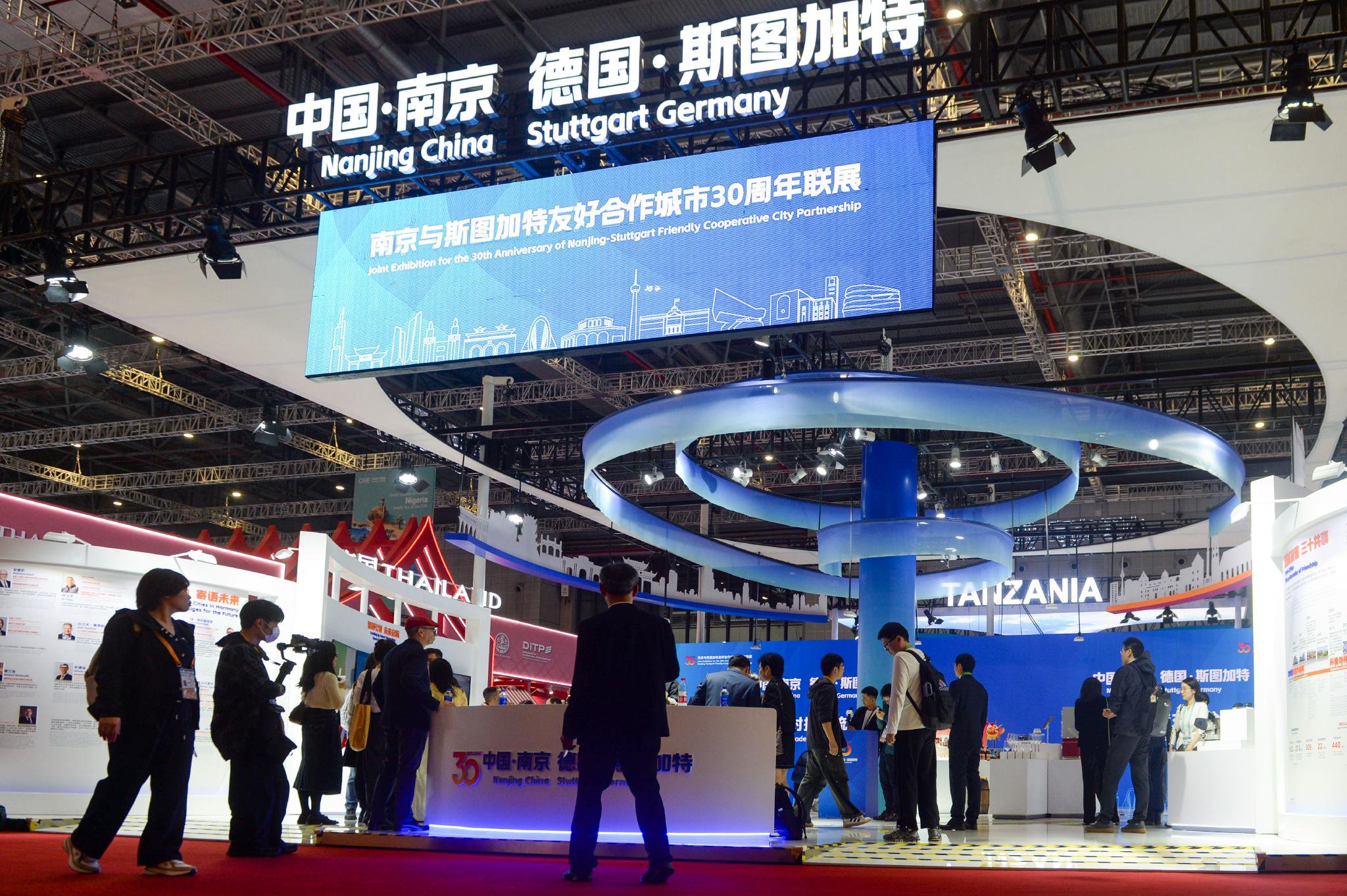
新镜界丨南京,进博会上“链”全球
Nan Jing Ri Bao· 2025-11-09 05:21
Core Viewpoint - Nanjing and Stuttgart are celebrating their 30th anniversary of friendship and cooperation through a joint exhibition at the 8th China International Import Expo, showcasing their achievements in trade, technology, and culture [2][4]. Group 1: Exhibition Highlights - The exhibition is themed "Dual City Craftsmanship, Win-Win Future," highlighting the fruitful results of collaboration between Nanjing and Stuttgart over the past three decades [4]. - The exhibition features a variety of traditional crafts and modern innovations, including Nanjing Yunjin's new products and interactive experiences that showcase intangible cultural heritage [11][13]. - The event attracted a large number of visitors, indicating strong interest in the cultural and technological exchanges presented [6][8]. Group 2: Technological Innovations - Nanjing enterprises showcased advanced technologies and high-end equipment, including Siemens' AI solutions and Su Mei Da's manned aircraft, emphasizing the city's innovative capabilities [21][23]. - The exhibition included a Tesla Cybertruck, marking its Asia-Pacific debut, which became a major attraction [27]. - Honeywell's future aviation theme area allowed visitors to experience simulated aircraft operations, further demonstrating the integration of technology and innovation [26]. Group 3: Cultural Exchange - The Jiangsu Cultural Exchange area featured traditional crafts from Nanjing, such as gold foil and cloud brocade, attracting significant attention from both domestic and international audiences [11][16]. - The exhibition served as a platform for cultural dialogue, with foreign visitors engaging actively with the showcased products and technologies [15][29].
一批前瞻性引领性企业与项目接连落地 “热带雨林式”创新创业大生态蓬勃生长 “站位”闵行积蓄“长期领跑”强动能
Jie Fang Ri Bao· 2025-11-09 02:33
Core Insights - Minhang District has achieved significant economic milestones, with a GDP surpassing 400 billion yuan and total fiscal revenue exceeding 90 billion yuan, ranking second in Shanghai [1] - The district's leadership emphasizes its strategic location as a vital hub connecting the Yangtze River Delta and the global market [1] Economic Development - Minhang has maintained a research and development expenditure of approximately 8% of its GDP, leading the city in this regard, reflecting a long-term commitment to investment in innovation [3] - The district has received 13 national science and technology awards and 210 municipal awards during the 14th Five-Year Plan period, showcasing its focus on fostering specialized and innovative enterprises [3] - The establishment of the "Haijuyingcai" entrepreneurship park aims to support talent and innovation through various zero-cost and zero-burden initiatives [3] Industrial Growth - Minhang is actively developing three major industrial clusters: advanced energy equipment and green low-carbon, aerospace, and biomedicine [3] - The "Brain-Intelligence World" industrial park, dedicated to brain-computer interface technology, is under construction, covering an area of 100,000 square meters and attracting 10 companies in the sector [3][4] Strategic Initiatives - The "Greater Hongqiao" initiative has positioned Minhang as a key player in internationalization and dual circulation, with significant growth in the Hongqiao International Central Business District [5][6] - The district has seen the establishment of 28,000 enterprises, including 275 headquarters, with tax revenues exceeding 10 billion yuan for two consecutive years [5] Innovation and Collaboration - Minhang aims to create a world-class innovation bay area, with the establishment of a 10 billion yuan "Dalinghao Bay Technology Innovation Fund" to support technological advancements [7] - Collaboration with local universities has led to the establishment of nearly 200 companies focused on compliance entrepreneurship, enhancing the region's innovation ecosystem [7] Future Vision - Minhang's future goals include becoming an international open hub, a source of technological innovation, a highland for new industrial chains, and a model for urban living [7]

全球GDP20强城市最新出炉:洛杉矶险胜东京,重庆12,苏州惊险入围
Sou Hu Cai Jing· 2025-11-08 18:46
Core Insights - The latest global city GDP rankings reveal a diverse development landscape, with New York leading by a significant margin, followed closely by Los Angeles and Tokyo in a tight competition [1][3] - China showcases strong performance with five cities making the top twenty, including Shanghai, Beijing, Shenzhen, Guangzhou, and Suzhou, highlighting the robust vitality and resilience of Chinese urban economies [1][5] Group 1: City Rankings and Economic Performance - New York tops the list with over 9 trillion, while Los Angeles narrowly surpasses Tokyo with approximately 6.78 trillion vs. 6.68 trillion [3] - Los Angeles benefits from its core position as California's economic engine, driven by advanced manufacturing, digital entertainment, and international trade [3] - Tokyo remains a leading financial hub in Asia, focusing on digital transformation and green growth, supported by significant R&D investment [3] Group 2: China's Economic Growth - Chongqing ranks 12th globally with a GDP of 3.21 trillion, leveraging its strategic position as a key node in the new western land-sea corridor [5] - The city has seen substantial growth in high-tech manufacturing and modern services, with a notable increase in retail sales surpassing 1 trillion [5] - Suzhou claims the 20th position with a GDP of 2.67 trillion, showcasing its industrial strength and innovation-driven economic clusters [7] Group 3: Innovation and Development Trends - The competition among cities has evolved into a new phase characterized by innovation leadership and collaborative development [8] - The collective rise of Chinese cities is reshaping the global economic landscape, emphasizing the importance of development models and industrial vitality [8]

进博会观察|外资重新定义中国市场
经济观察报· 2025-11-08 03:44
Core Viewpoint - Multinational companies are increasingly committed to expanding their investments in China, recognizing the country's stable development environment and vast growth potential amidst global trade challenges [2][5]. Group 1: Investment and Trade Opportunities - The 8th China International Import Expo (CIIE) attracted over 4,108 companies from 155 countries, marking a record high in participation [4]. - Bilateral trade between China and Malaysia is projected to reach $212.04 billion in 2024, reflecting an 11.4% year-on-year increase, with China remaining Malaysia's largest trading partner for 16 consecutive years [3]. - Companies like Cargill have signed over $30 billion in cooperation agreements at previous expos, highlighting the platform's value for securing significant contracts [8]. Group 2: Localization and Market Adaptation - Baker Hughes has invested in a manufacturing facility in Tianjin to produce aerospace-related materials locally, responding to the growing demand in China's aviation sector [11]. - Mitsubishi Electric is shifting its strategy from exporting products to manufacturing in China, aiming to enhance its international competitiveness by leveraging local industry strengths [12]. - Spritzer, a Malaysian beverage company, has adapted its product offerings to include sparkling water, recognizing a gap in the Chinese market for healthier beverage options [13]. Group 3: Industry Growth and Consumer Trends - The aging population and rising income levels in China are driving demand for health-conscious food products, prompting companies to optimize their supply chains and product offerings [14]. - The CIIE serves as a vital platform for companies to connect with local partners and explore innovative solutions tailored to Chinese consumer preferences [17]. - Evonik has expanded its investment in China, with plans to increase production capacity in various locations, aiming for sustainable growth in the Asia-Pacific region [18].