人工智能

Search documents
DeepSeek突然测试新模型,上下文已到百万级
Feng Huang Wang· 2026-02-11 10:37
Core Insights - DeepSeek has initiated a key update with a significant enhancement in its model architecture, moving from a context window of 128K to 1M tokens, which allows for processing longer texts comparable to international products like GPT-5 and Gemini3Pro [1] - The model's knowledge base has been updated to include information up to May 2025, and it can accurately output news events as far ahead as April 2025 [1] - User feedback indicates that the new model exhibits a more "enthusiastic and nuanced" language style, enhancing the user interaction experience [1] Group 1 - DeepSeek has begun gray testing for its updated model on both web and app platforms [1] - The new model's context window allows it to handle the entire "Three-Body" trilogy in a single processing instance [1] - The upgrade does not include multimodal visual understanding capabilities, focusing instead on text and voice interactions [1] Group 2 - DeepSeek has been actively hiring for multiple core technical positions, including deep learning researchers and engineers, indicating a focus on advancing its large language model (LLM) capabilities [2] - The company is open to various recruitment channels, including campus recruitment and internships, to fill these positions [2] - There is speculation that the current version being tested may correspond to the previously rumored "DeepSeek V4" or an enhanced version of V3.2 [2]

北京科技界有头有脸的人都到了
机器人圈· 2026-02-11 10:22
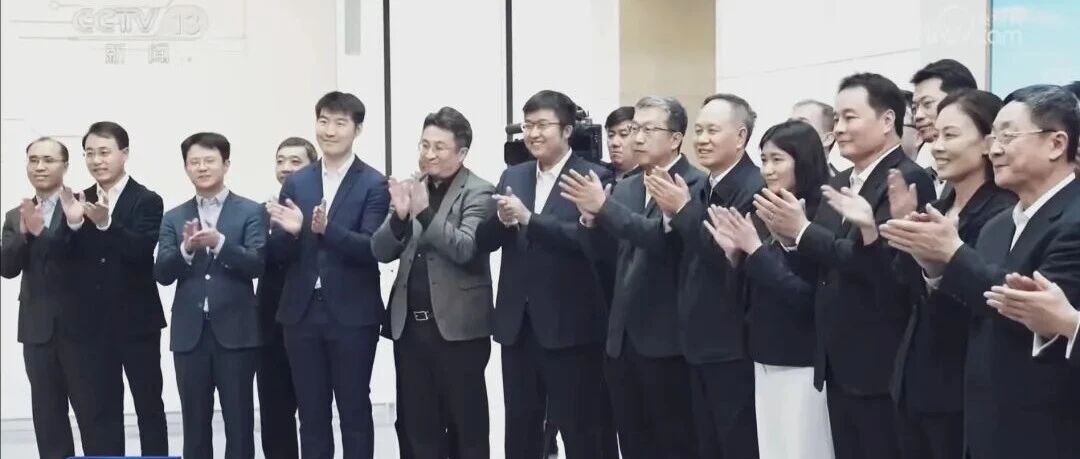
Core Viewpoint - The article highlights the significance of the Beijing Yizhuang National Innovation Park as a key hub for technological innovation, particularly in the fields of artificial intelligence and biomedicine, showcasing prominent figures in these industries [1][5][15]. Group 1: Key Figures in Technology - The first collective learning session of the year focused on technological innovation, featuring leaders from the new generation information technology and biomedicine sectors, with over 80% involved in information technology and a significant portion in artificial intelligence [5][6]. - Notable figures include Lei Jun, CEO of Xiaomi, who emphasizes Beijing's rich talent pool and innovation environment as crucial for Xiaomi's success [8]. - Wang He, a prominent scientist and founder of Galaxy General Robotics, represents the younger generation of innovators in the AI field [8]. Group 2: Educational Initiatives - The establishment of the Zhongguancun Academy, a national-level higher education institution, aims to cultivate leading talents in artificial intelligence through an unconventional training model that integrates research and education [9]. - Liu Tieyan, the academy's first president, is recognized for his contributions to AI and previously served as the vice president of Microsoft Research Asia [9]. Group 3: Contributions to Biomedicine - Xie Xiaoliang, a biophysical chemist and director of the Beijing Changping Laboratory, is a leading figure in single-cell biology and has made significant contributions to the field [10]. - The article also highlights the work of Luo Minmin, who has made groundbreaking discoveries in neuroscience, providing new biological targets for depression treatment [13]. Group 4: Industry Developments - The article mentions the launch of Zhizhu Huazhang Technology Co., founded by Tang Jie, which focuses on large-scale pre-trained models in AI and is set to be listed on the Hong Kong Stock Exchange [12]. - The "Beijing Brain No. 1" intelligent brain-machine system developed by Luo Minmin's team has already been implanted in six patients, showcasing advancements in medical technology [14].

马斯克最新野心:要在月球建厂生产 AI 卫星,谋求远超竞争对手的算力资源
Xin Lang Cai Jing· 2026-02-11 10:16
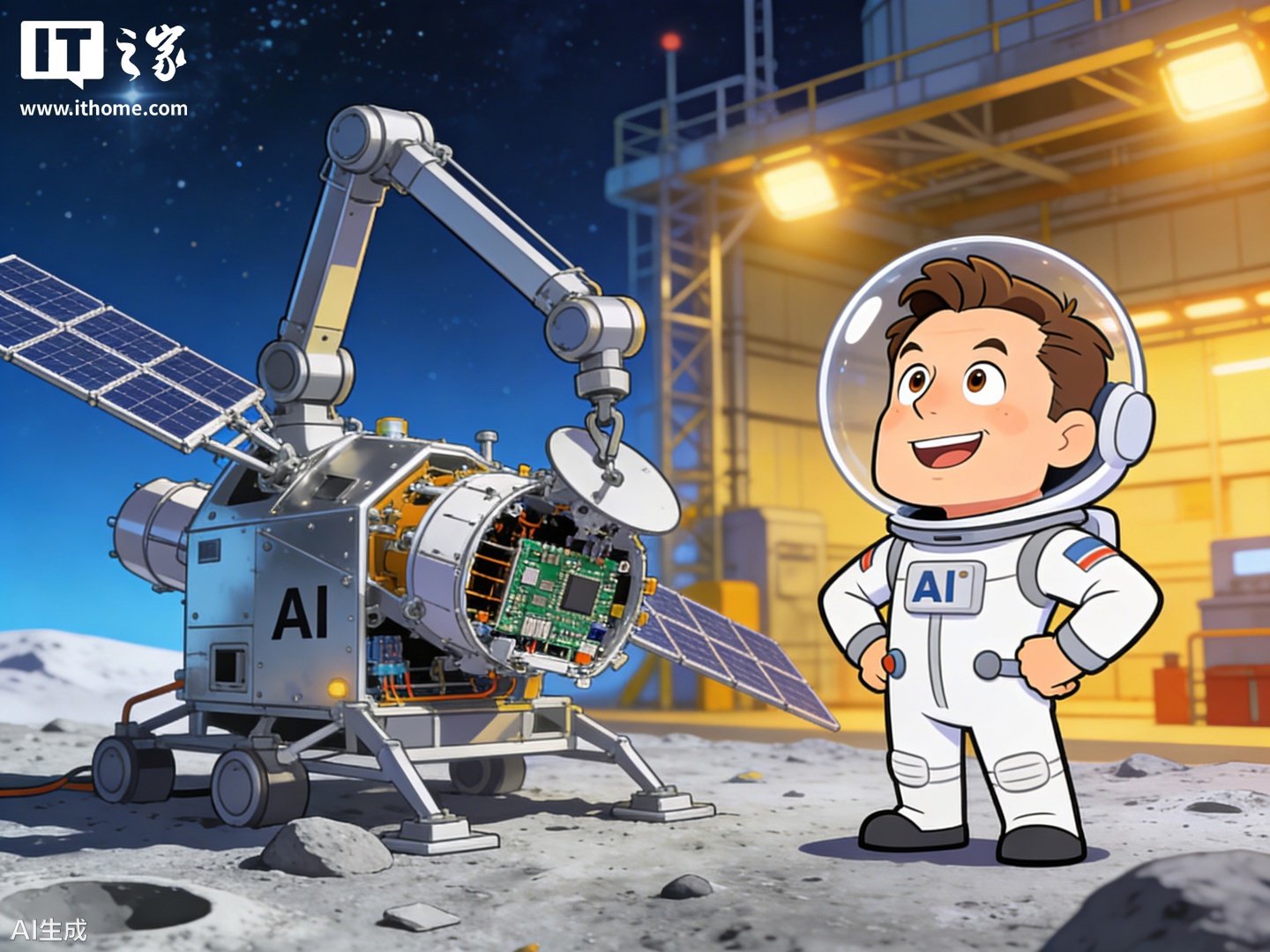
Core Insights - Elon Musk proposed a visionary plan during an xAI all-hands meeting to build factories on the Moon for producing AI satellites, equipped with a large catapult system called "mass driver" to launch satellites into space, providing substantial computational power for AI [1][5][6] - Musk emphasized the necessity of going to the Moon to gain a competitive edge in computational resources for xAI, expressing excitement about the potential intelligence that could emerge from such advancements [6] Company Developments - Musk recently announced the merger of xAI with SpaceX to facilitate the construction of AI data centers in outer space, expanding the vision to include a lunar base, although specific construction plans were not detailed [4][8] - SpaceX is preparing for an initial public offering (IPO), potentially as early as June, marking a significant step in the company's growth trajectory since its founding in 2002 [4][8] Strategic Vision - Historically, SpaceX focused on Mars as the primary target for human multi-planetary existence, but recent discussions have shifted towards the Moon as a stepping stone to Mars [4][8] - Musk stated the intention to establish a self-sustaining city on the Moon before progressing to Mars and ultimately exploring the star systems for extraterrestrial life [4][8] User Metrics - Musk mentioned that the X platform currently has approximately 600 million monthly active users, a figure that has not been independently verified, contrasting with the 237.8 million daily active users reported during the acquisition of Twitter in 2022 [4][8]
模型、框架、应用量产工作流,原力灵机连掷"三枚炸弹"!具身智能"原生时刻"来了!
机器人大讲堂· 2026-02-11 10:10
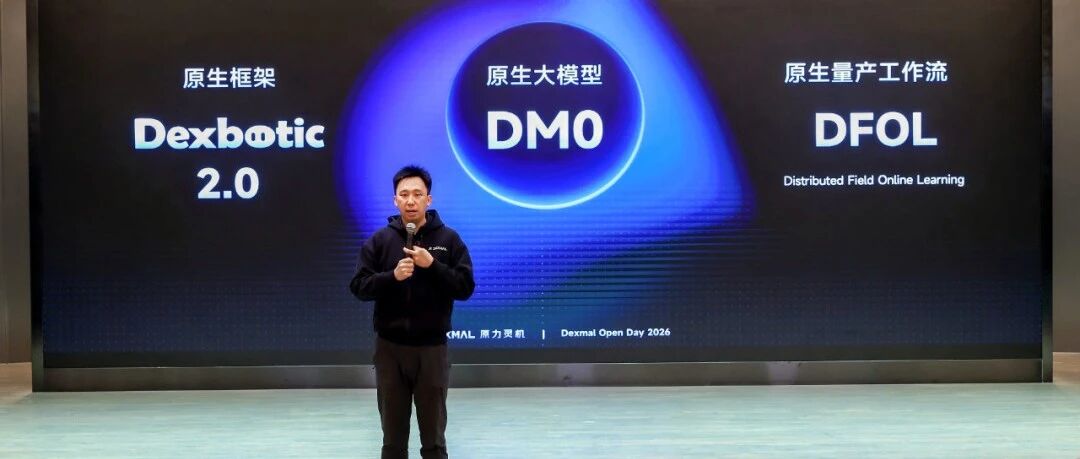
2月10日, 原力灵机首场技术开放日重磅发布全球首个具身原生大模型 DM0、具身原生开发框架 Dexbotic 2.0、以及具身原生应用量产工作流 DFOL。 "2026 年不是具身智能的元年,而是具身原生的元年。" 原力灵机CEO唐文斌在现场表示:"过去大家在争论用哪个大模型来改,我们直接跳出这个问题——为什 么要改?为什么不从第一行代码就为机器人而写?" 全球首个具身原生大模型 DM0,2.4B 参数量登顶全球真机评测 01. "具身智能和大模型最大的不一样,就是要真真切切和物理世界打交道。大模型说错话顶多是幻觉,但具身模型要是做错动作,可能会摔碎碗、造成意外,责任和 后果都要严重得多。"原力灵机合伙人周而进表示, 具身模型的设计从一开始就必须考虑因果责任,而具身原生正是DM0模型的最重要的研发准则。 具身原生模型 DM0 论文下载地址: https://dexmal.com/DM0_Tech_Report.pdf 行业内对具身数据采集有很多分歧,有人偏爱仿真,有人执着真机,但原力灵机认为,关键不在于采集方式,而在于环境本身,环境的复杂程度、规则清晰度,直 接决定了数据采集的方案和质量。"就像下围棋,规则 ...
鸿博股份业绩预亏大幅收窄,违规索赔一审胜诉
Xin Lang Cai Jing· 2026-02-11 10:04
Group 1 - The company, Hongbo Co., Ltd., forecasts a significant reduction in net profit loss for 2025, estimating a loss between 112.3 million to 166.4 million yuan, which is a decrease of 43.28% to 61.72% compared to the loss of 293.35 million yuan in 2024 [1][2] - The expected operating revenue for 2025 is projected to be between 932 million to 1.094 billion yuan, marking a substantial increase from 510 million yuan in 2024, primarily driven by the successful completion and revenue recognition of the AI computing power project by its wholly-owned subsidiary, Yingbo Digital Technology [1][3] Group 2 - Hongbo Co., Ltd. previously faced regulatory scrutiny due to a violation related to its 2023 earnings forecast, which was initially projected to be a profit of 37.4 million to 56.1 million yuan but was later revised to a loss of 50 million to 58 million yuan [2][4] - The revision was attributed to the accounting firm's assessment that revenue from a collaboration project with Beijing Jingneng should only be recognized after full delivery and deployment of equipment [4] - Investors affected by the 2023 earnings forecast violation have won a first-instance lawsuit and are eligible to participate in compensation claims if they purchased shares between January 11, 2024, and April 12, 2024, and sold or held them at a loss after April 13, 2024 [4]

Mhmarkets迈汇:金价稳立五千 贵金属现历史分化
Xin Lang Cai Jing· 2026-02-11 09:58
2月11日,当前的美国经济正处于一种罕见的历史性裂变之中,金融市场的狂欢与实体经济的疲软形成 了鲜明对比。这种"双速现实"正重新定义资产配置的逻辑。尽管道琼斯指数在50000点高位震荡,且日 均成交量突破1万亿美元,但实体层面的压力已不容忽视。Mhmarkets迈汇表示,12月美国零售销售额 环比持平(0.0%),且消费者违约率飙升至4.8%,这一近十年来的最高水平预示着底层消费引擎的动 力正在衰竭。 这种宏观脱节的背后是全球资本的"漏斗效应"。人工智能(AI)领域的结构性机遇正吸引着全球流动性 源源不断地注入少数科技巨头。Mhmarkets迈汇认为,目前日均超万亿美元的交易额在很大程度上反映 了国际投资者对英伟达、谷歌等企业的刚性配置需求。这种全球资本的集中流入,导致了市场交易量的 高度浓缩。 在信贷市场,这种分化同样显著。头部科技企业展现出了"类主权"的融资能力,例如Alphabet近期成功 发行了极具象征意义的100年期债券。这反映了AI基础设施建设所需的庞大资本开支,而这些巨头凭借 sovereign-grade(主权级)的资产负债表,在资本市场如鱼得水。 2月11日,当前的美国经济正处于一种罕见的历 ...

“十五五”开局之年,上海定下发展目标
财联社· 2026-02-11 09:56
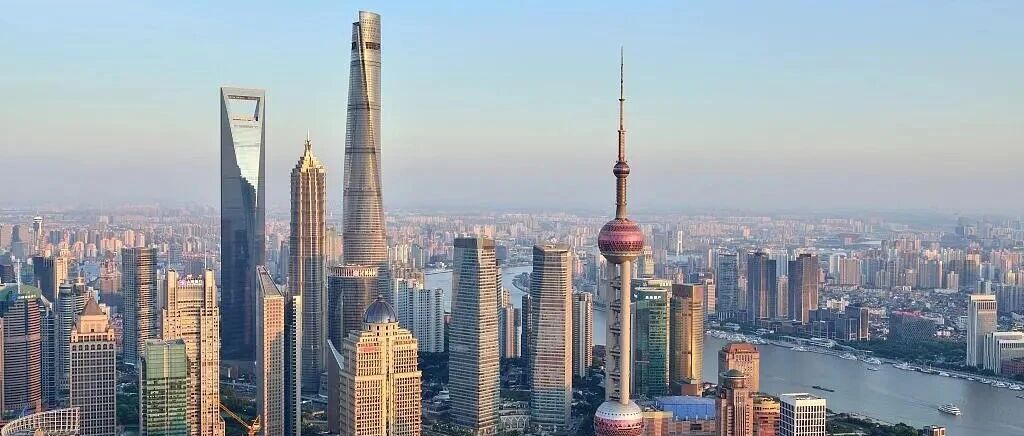
2026年是"十五五"规划的开局之年,刚刚闭幕的上海市十六届人大四次会议通过了《上海市国民经济和社会发展第十五个五年规划纲要》 (简称"《纲要》")。2月11日上午,上海市政府新闻办举行新闻发布会,发布和解读上海市"十五五"有关规划。 上海市委常委、常务副市长吴伟表示, 上海市"十五五"主要目标指标注重体现鲜明的上海特点,可以概括为"四个以、两推动一确保"。 "四个以"是指,"以科技创新为引领,以改革开放为动力,以国家重大战略为牵引,以城市治理现代化为保障", 这是 习近平 总 书记 2023年底考察上海时提出的明确要求,是做好上海工作的方法论。"两推动一确保"是指,"推动经济实现质的有效提升和量的合理增长,推 动共同富 裕和人的全面发展迈出坚实步伐,确保加快建成具有世界影响力的社会主义现代化国际大都市取得决定性进展",体现了上海"十 五五"阶段性任务要求。 围绕2030年、2035年两个节点设置发展目标 财联社记者注意到,《纲要》围绕2030年和2035年两个重要时间节点,设置了相关发展目标。到2030年,"五个中心"核心功能持续跃 升,全球资源配置力、科技创新策源力、高端产业引领力、开放枢纽门户影响力和文 ...
Hong Kong ready to issue first stablecoin licenses in March, Financial Secretary says
Yahoo Finance· 2026-02-11 09:39
HONG KONG — Hong Kong is ready to begin issuing the first of its stablecoin licenses next month, the Special Administration Region's Financial Secretary said Wednesday. Hong Kong will only issue a small batch of licenses initially, Hong Kong's Paul Chan Mo-Po said Wednesday at CoinDesk's Consensus Hong Kong conference. "In giving our licenses, we ensure that licensees have novel use cases, a credible and sustainable business model and strong regulatory compliance capabilities," he said. Hong Kong is al ...
马斯克“身边”的男人走光了,昨一个,今一个,都是辛顿学生
3 6 Ke· 2026-02-11 09:35
时隔不到24小时,又一xAI联合创始人离职了! 智东西2月11日报道,今天上午,马斯克旗下的AI独角兽xAI的联合创始人Jimmy Ba宣布,今天是他在xAI任职的最后一天。 上周,科技媒体The Information援引知情人士消息称,马斯克因新一代Grok模型发布延迟,近几周来"日益不满"。与此同时,xAI正以每月近 10亿美元的惊人速度消耗资金。 Jimmy Ba是一名加拿大籍的华裔AI研究员,他因2014年与他人合作开发Adam优化器而声名鹊起,该算法已成为训练AI模型的标准工具之一, 在谷歌学术上,Adam论文的引用量超过了24万次。 | Jimmy Ba | | | --- | --- | | University of Toronto | | | Verified email at cs.toronto.edu - Homepage | | | Neural Networks Artificial Intelligence | | | Machine Learning Deep Learning | | | ARTICLES CITED BY PUBLIC ACCESS | CO-AUTHOR ...

刘珺:人工智能时代的金融创新与创新金融
Xin Lang Cai Jing· 2026-02-11 09:19
Group 1 - The core viewpoint emphasizes that financial innovation in the era of artificial intelligence goes beyond mere support and application of technology; it is crucial to redefine financial paradigms through technological innovation [2][19][33] - The future direction of finance is not just "financial innovation" but "innovative finance," accompanied by more disruptive methodologies and system integrations [2][19][33] Group 2 - Digital transformation is leading to qualitative changes in economic paradigms, with China's digital economy expected to reach nearly 50 trillion yuan by 2025, accounting for about 35% of GDP [3][20] - The digital economy exhibits five distinct characteristics: geometric increase in complexity, significant improvement in precision, breaking of supply-demand temporal boundaries, notable wide-area connectivity, and profound adjustments in innovative division of labor [3][20][21][22] Group 3 - The relationship between science and technology is being restructured, with artificial intelligence potentially redefining existing academic classifications and fostering a multidimensional innovation direction [6][23][24] - By the end of 2025, China is projected to have 280,000 enterprises holding 1.764 million high-value invention patents, with enterprises accounting for over 77% of these patents [24] Group 4 - The digital economy necessitates effective market clearing mechanisms to provide a robust launchpad for cutting-edge technological innovation, with significant increases in R&D investment required [8][25] - In 2024, the total R&D investment on the STAR Market is expected to reach 168.078 billion yuan, exceeding net profits by 2.5 times, with a year-on-year growth of 6.4% [25] Group 5 - The concept of "long board" thinking replaces the "short board" mindset in the digital economy, focusing on investing in frontier and alternative technologies rather than merely filling existing gaps [10][27][28] - The investment in short board technologies often leads to unsustainable financial states and resource wastage, while investing in cutting-edge technologies can yield significantly different benefits [10][27] Group 6 - Technological breakthroughs must align with economic and social development to realize their true value, with projected global AI infrastructure capital expenditures reaching 1.4 trillion USD from 2025 to 2027 [12][29] - The mismatch between technological advancement and economic performance has been evident, with total factor productivity declining since 2015, indicating insufficient conversion of technological progress into economic benefits [12][30] Group 7 - True digital transformation requires a fundamental rethinking of underlying logic and methodologies, moving from mere improvements to structural innovations [14][32] - The financial sector should view the implications of Fintech as a transformative force, where technology is not just a tool but a core driver of business restructuring [14][32][33]