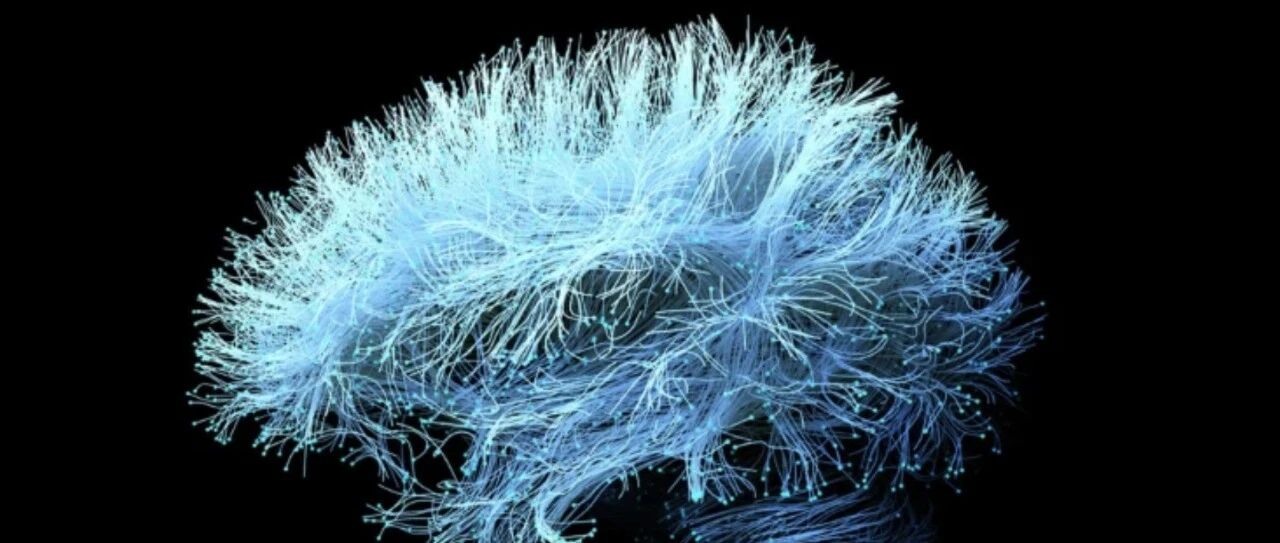
脑机接口

Search documents
脑机接口领域又有重要突破,未来几年脑机接口产品或迎密集商业化
Jin Rong Jie· 2026-02-05 00:56
Core Insights - The research team from Lingang Laboratory and the Chinese Academy of Sciences has published a paper in the journal "Neuron," presenting a new mesoscale optogenetics system for precise stimulation of the primate cortex, marking a significant breakthrough in brain-machine interface technology [1] - The industry is at a critical juncture where technological breakthroughs are transitioning into commercialization, supported by policies and advancements in the field [1] Industry Overview - The brain-machine interface sector is benefiting from the "14th Five-Year Plan" and related policy incentives, including medical insurance coding and the establishment of medical device standards [1] - The global market for brain-machine interfaces is expected to experience explosive growth, driven by the anticipated mass production of Neuralink and breakthroughs in domestic clinical applications [1] Product Development - Invasive brain-machine interface products are still in clinical trials, while non-invasive products have already been launched, including medical rehabilitation systems and consumer sleep aids [1] - The development of chips, electrodes, and algorithms, along with the continuous improvement of regulatory standards, is expected to lead to a surge in commercialization of brain-machine interface products in the coming years [1]
量产快、扩产忙、并购热 上市公司开年首月干劲足
Shang Hai Zheng Quan Bao· 2026-02-05 00:06
Core Insights - The article highlights the accelerated pace of institutional research on A-share listed companies as they release their 2025 performance forecasts, indicating a proactive approach to investment strategies for the new year [1] Group 1: Institutional Research Trends - Over 700 A-share listed companies have received institutional research since the beginning of the year, with over 20 companies attracting more than 100 institutions each [1] - Key sectors attracting attention include electronics, machinery, and pharmaceuticals, with power equipment and non-ferrous metals also being closely monitored [1] Group 2: New Product Launches - Several companies have announced accelerated timelines for new product mass production, showcasing confidence in growth for the new year [2] - Nepean Mining revealed plans to globally promote its innovative composite liner product in 2026, supported by the gradual production ramp-up of overseas facilities [2] - Huqin Technology's robotics division is set to deliver mass-produced robots in 2026, following significant advancements in R&D and project execution [2] - Jiemai Technology is investing in a production line for critical products, with mass production expected by mid-2026 [2] Group 3: Brain-Computer Interface Developments - Companies like Xiangyu Medical and Aipeng Medical are focusing on brain-computer interface technologies, with Xiangyu Medical planning to launch nearly 100 products by the end of 2026 [3] - The integration of software with rehabilitation equipment is expected to enhance product offerings and market competitiveness [3] Group 4: Industry Expansion and Growth - The demand for AI and computing power is driving growth in sectors like optical communication and liquid cooling, prompting companies to accelerate production capacity [4] - Daikin Heavy Industries reported a tight production schedule for overseas projects, anticipating significant growth in offshore wind energy markets [4] - Zhongji Xuchuang noted a strong order backlog extending into Q4 2026, indicating sustained high demand in the industry [4] Group 5: Storage and Liquid Cooling Innovations - Dike Technology plans to increase its storage chip output target to between 30 million and 50 million units in 2026, aiming to enhance revenue and net profit [5] - Dingtong Technology is expanding its liquid cooling production capabilities to meet rising customer demand [5] - Haitai Ruisheng is building a second overseas delivery base in Southeast Asia, expected to support significant orders from major tech clients [5] Group 6: Mergers and Acquisitions - Companies are increasingly pursuing mergers and acquisitions to enter new markets and drive growth [6] - Yingtang Zhikong plans to acquire Guanglong Integration and Aojian Microelectronics to enter the optical communication sector [6] - Dinglong Co. is acquiring Haofei New Materials to tap into the lithium battery functional materials market, with expected sales growth in 2026 [6] Group 7: Strategic Investments - Tianlu Technology is reallocating funds to projects aimed at enhancing its product offerings in the display industry, with equipment for the TAC film project expected to be operational by mid-2026 [7]
天兵科技“一箭36星”规模化发射全流程实现闭环,我国卫星互联网组网任务全线推进;脑机海河实验室:全国首个“中医脑机接口”装备落地——《投资早参》
Mei Ri Jing Ji Xin Wen· 2026-02-04 23:43
Market News - The three major U.S. stock indices closed mixed, with the Dow Jones up 0.53%, the Nasdaq down 1.51%, and the S&P 500 down 0.51%. Notable declines were seen in popular tech stocks, with AMD dropping over 17% and Nvidia, Tesla, Broadcom, and Meta down over 3% [1] - International oil prices rose, with WTI crude oil up 1.8% at $64.35 per barrel and Brent crude oil up 1.92% at $68.62 per barrel. Precious metals also saw increases, with spot gold up 0.2% at $4950.75 per ounce and silver up 2.84% at $87.84 per ounce [1] Industry Insights - Tianbing Technology's satellite launch facility in Jiuquan has passed pre-acceptance review, marking a significant step in China's satellite internet network deployment. The facility will enhance the efficiency of satellite launches and reduce costs by over 30% [2] - The satellite communication industry is projected to reach between 200 billion to 400 billion yuan by 2030, with an annual growth rate of 10%-28%. This sector is transitioning from concept validation to large-scale application, contributing to the digital economy [3] - The brain-computer interface market is expected to reach $40 billion by 2030 and $145 billion by 2040, with significant advancements in medical applications for neurological disorders. Key stocks in this sector include Zhongke Information and Guanhao Biological [4] - Guangdong Province is accelerating the construction of a digital society, focusing on artificial intelligence applications and establishing a national AI application pilot base [5] - The humanoid robot industry is anticipated to see significant growth by 2025, driven by advancements in component performance and cost reduction. Key beneficiaries include core supply chains and application scenarios [5]
“脑机谷”迎首批企业入驻
Xin Lang Cai Jing· 2026-02-04 21:35
Group 1 - The "Brain-Computer Valley" has welcomed its first batch of resident companies, marking a significant step in the development of the brain-computer interface industry from research to large-scale and clustered growth [1][2] - The core innovation source of the "Brain-Computer Valley" is the Brain-Computer Interaction and Human-Machine Integration Haihe Laboratory, focusing on breakthroughs in key technologies, clinical transformation, and industrial application [1] - Tianjin Binhai High-tech Zone is one of the city's first pilot areas for future industries, with plans to optimize the innovation environment and enhance policy support to promote the construction of the "Brain-Computer Valley" [1] Group 2 - Tianjin Tiankai Development Group's Vice General Manager stated that the Tiankai Higher Education Science and Technology Innovation Park is a crucial platform for promoting technological innovation and achievement transformation [2] - The "Brain-Computer Valley" is positioned as an important outcome of the Tiankai Park's layout in frontier interdisciplinary fields, aiming to create an industrial ecosystem led by high-end research platforms and innovative enterprises [2] - Multiple cooperation agreements were reached during the event, covering aspects such as company residency, investment intentions, and strategic partnerships [3]
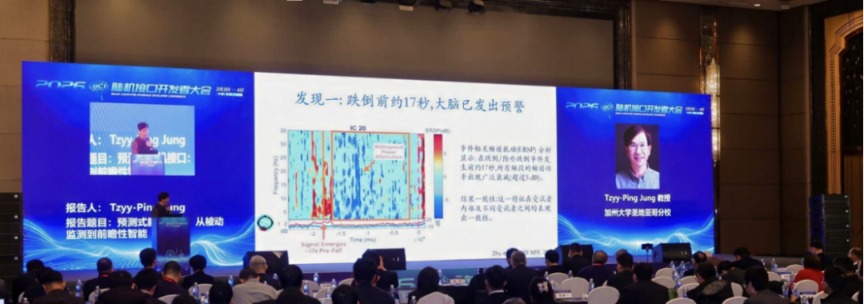
专家研判:脑机接口应从“治疗”走向“预测”
Shang Hai Zheng Quan Bao· 2026-02-04 15:40
Core Insights - Brain-computer interface (BCI) technology is transitioning from laboratory research to clinical applications and everyday life, supported by a developing ecosystem of policies, standards, insurance, talent, and collaboration between academia and industry [1][2] Clinical Applications - BCI can be applied in areas such as neural function regulation, stroke, movement disorders, and spinal cord injuries, with the first Class III medical device registration for a BCI expected to be approved this year in China [2] - Milestone cases include successful surgeries for spinal cord injury patients and improvements in motor function through multi-center clinical trials [2] - Future applications may extend beyond current uses to include treatments for neurological diseases, depression, anxiety, and sleep disorders [2] Shift from Treatment to Prediction - Experts suggest that BCIs should evolve from passive monitoring and reactive treatment to predictive and preventive applications [3][4] - Examples of predictive capabilities include forecasting sleep quality, migraine warnings, and fall risk detection in elderly individuals [4] Research and Development Focus - Current R&D efforts are concentrated on signal feature extraction and device improvement, particularly in overcoming noise interference in non-invasive or shallow implanted BCIs [5][7] - Progress has been made in decoding language for ALS patients, achieving a 75% accuracy rate in simple language decoding [7] - The future direction of BCI technology is expected to focus on single-neuron decoding for more precise intent recognition and control [7] Community and Collaboration - The establishment of the "Brain Machine Seeking Truth" (BCIES) community aims to facilitate collaboration and resource sharing among diverse BCI research entities [8] - The platform has already gathered over 1,000 core researchers and aims to create standardized open data resources to address data acquisition challenges in algorithm development [8] Policy Support - The National Medical Insurance Bureau has initiated pricing projects for BCI services, with specific charging standards established in 28 provinces, addressing concerns from medical institutions and manufacturers [9] - Key standards for BCI medical devices have been published, and a national-level testing platform has been established to ensure product safety and effectiveness [9] - The Chinese government is encouraged to develop clinical guidelines for BCI technology, potentially leading to international standards through initiatives like the Belt and Road [9]

首个中医脑机接口装备落地,脑机交互商业化加速
Xuan Gu Bao· 2026-02-04 14:49
Group 1 - The "Shengong-Hua Tuo" platform, the first brain-controlled acupuncture and neuro-rehabilitation equipment in China, has been launched, targeting patients with neurological disorders such as stroke-induced paralysis [1] - The platform is being tested in clinical trials at several top-tier hospitals, supported by the National Acupuncture Clinical Research Center [1] - According to Founder Securities, brain-machine interfaces are expected to become a core technology for human-machine interaction, initially focusing on medical rehabilitation and eventually enhancing brain-machine integration intelligence [1] Group 2 - Weisi Medical is focusing on non-invasive EEG collection and magnetic stimulation technology to build a closed-loop system for neuro-rehabilitation [1] - Innovative Medical is investing in both invasive and non-invasive brain-machine interface technologies through its stake in Boling Brain Machine, with its rehabilitation products already commercialized [2]
晚报 | 2月5日主题前瞻
Xuan Gu Bao· 2026-02-04 14:35
Group 1: Brain-Computer Interface - The "Shengong-Hua Tuo" platform, the first brain-controlled acupuncture and neural rehabilitation equipment platform in China, has been developed by a research team led by the Brain-Machine Interaction and Human-Machine Integration Haihe Laboratory [1] - The brain-computer interface technology is accelerating towards commercialization, with the medical and health sector identified as a core growth engine [1] - China's 14th Five-Year Plan emphasizes the development of brain-computer interfaces as a new economic growth point, with a goal to establish a safe and reliable industrial system by 2030 [1] Group 2: Measurement Equipment - The State Administration for Market Regulation has released 32 national measurement technical standards covering various fields, including smart connected vehicles and health [2] - The demand for high-precision measurement and testing in emerging industries such as new energy and aerospace is increasing, with the manufacturing measurement market expected to exceed 150 billion RMB by 2025, maintaining a CAGR of over 10% [2] Group 3: Emergency Equipment - The Ministry of Emergency Management and the Ministry of Industry and Information Technology have issued guidelines to accelerate innovation in emergency management equipment, focusing on 12 specific areas of work [3] - By the end of 2027, the goal is to overcome over 20 key core technologies and develop more than 20 innovative equipment types [3] Group 4: Semiconductor Industry - Yangtze Memory Technologies' third-phase project is set to be completed and operational by the second half of 2026, one year ahead of schedule, and will drive the aggregation of 200 upstream and downstream enterprises [4] - Yangtze Memory Technologies ranks among the top in the global 3D NAND storage chip market, with a market share of 13% as of Q3 2025, expected to reach 15% by the end of 2026 [4] Group 5: AI Animation - Tencent has launched its first independent app "Huo Long Man Ju," which integrates comic storyboards, AI technology, and dynamic effects, targeting the emerging AI animation market [5] - The AI animation market is projected to exceed 20 billion RMB by 2025, with significant growth potential driven by AI technology reducing costs and enhancing efficiency [5]
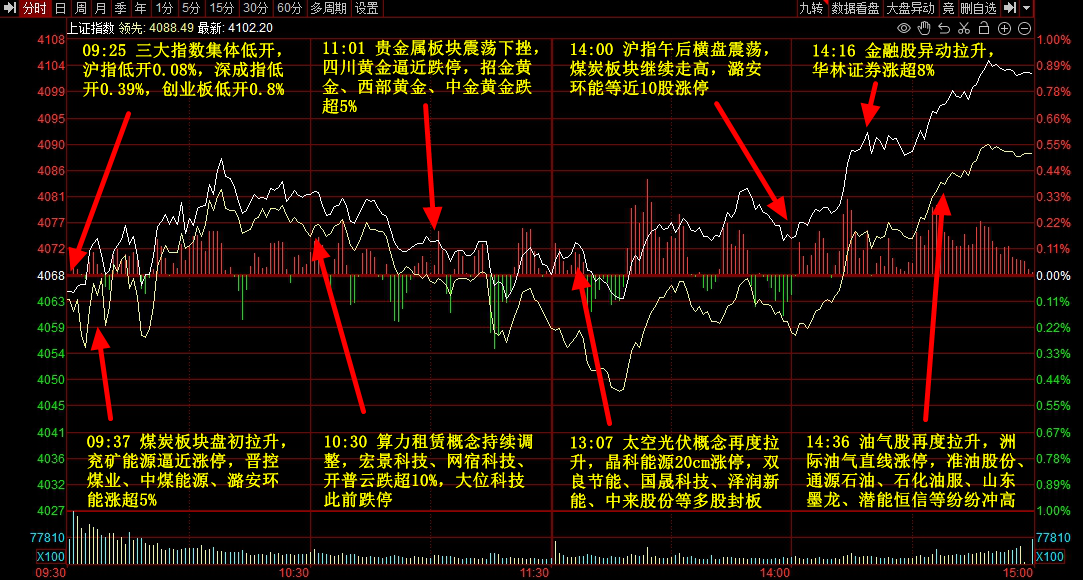
公司互动丨这些公司披露在太空光伏、汽车等方面最新情况
Xin Lang Cai Jing· 2026-02-04 14:19
Group 1 - The company Hekang New Energy has no plans to engage in space photovoltaic business [1] - JinkoSolar stated that it will fulfill information disclosure obligations according to exchange regulations regarding contracts signed in daily operations [1] - Weining Health has not made any investments in brain-computer interface technology [1] Group 2 - Qianli Technology's subsidiary Qianli Zhijia has officially submitted an application for L3-level intelligent driving testing license [1] - Aokang Co. plans to sell part of its silver assets based on market conditions [1] - Changguang Huaxin denied rumors of a 4.5 billion strategic investment from Huawei [1] - Guancheng New Materials reported that the prices of different products for electrolyte additives have increased to varying degrees [1] - Wireless Media confirmed that it does not have any films for the Spring Festival release [1]


脑机接口“走出科幻”,高校如何抢占人才培养制高点?
Xin Jing Bao· 2026-02-04 09:40
Core Insights - The brain-computer interface (BCI) technology is advancing rapidly, with significant developments in both invasive and non-invasive applications, leading to a projected market growth in China from 3.2 billion yuan in 2024 to 5.58 billion yuan by 2027, reflecting an annual growth rate of 20% [3][4][8] - Major players in the industry, such as Neuralink, are moving towards large-scale production of implantable devices, while domestic companies like Qiangna Technology are achieving record financing, indicating a robust investment landscape [2][3] - Chinese universities are proactively establishing programs and research centers to cultivate talent in the BCI field, addressing the significant skills gap and aiming to create a comprehensive talent pipeline [4][5][10] Industry Developments - The BCI sector is expected to see commercialization and mass production by 2026, marking a pivotal moment for the industry [2][3] - The Chinese government has recognized BCI as a future industry, with initiatives aimed at fostering innovation and establishing a robust technological and industrial framework by 2027 [8][9] - The establishment of specialized programs in universities, such as Tianjin University's BCI undergraduate program, reflects a strategic move to integrate interdisciplinary knowledge and skills necessary for BCI development [4][10] Talent Development - There is a critical shortage of skilled professionals in the BCI sector, with estimates suggesting a demand for tens of thousands of researchers and application specialists in the coming years [9][10] - Universities are adopting innovative teaching methods, such as project-based learning, to enhance practical skills and interdisciplinary knowledge among students [11][12] - The selection process for BCI programs is evolving, with a focus on assessing mathematical and physical reasoning abilities, as well as students' genuine interest in the field [15][16] Challenges and Opportunities - The BCI industry faces challenges related to the lack of a complete talent chain and technological ecosystem, which hinders the ability to produce high-quality, system-level BCI products [7][9] - The integration of various disciplines, including neuroscience, computer science, and biomedical engineering, is essential for overcoming existing barriers and fostering innovation in BCI technology [10][17] - Continuous collaboration between academia and industry is crucial for addressing the practical challenges in BCI development and ensuring that educational programs align with industry needs [14][17]
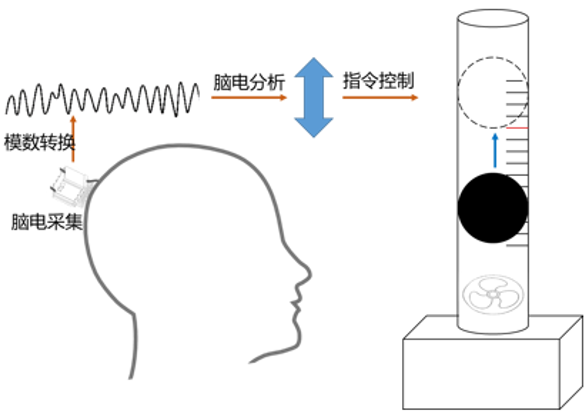
OpenAI推出脑机接口公司Merge Labs,利用超声波读取大脑思维,对决马斯克的Neuralink
生物世界· 2026-02-04 08:00
Core Viewpoint - Merge Labs is pioneering a non-invasive brain-computer interface (BCI) technology using ultrasound to read brain activity and treat mental disorders, contrasting with invasive methods like those used by Neuralink [2][6]. Group 1: Company Overview - Merge Labs, supported by OpenAI, completed a $252 million seed funding round in January 2026, with investors including OpenAI, Bain Capital, and Gabe Newell [2]. - The company aims to develop a BCI that interacts with a significantly larger number of neurons with less invasiveness compared to existing technologies [6]. Group 2: Technology Comparison - The BCI landscape is divided into two camps: Neuralink's invasive electrode implantation and Merge Labs' non-invasive ultrasound technology [6]. - Merge Labs' ultrasound technology can image and modulate large brain areas by sending high-frequency sound waves, avoiding the risks associated with surgical procedures [6]. Group 3: Ultrasound Technology Mechanism - The ultrasound technology works by emitting high-frequency sound pulses and measuring the echoes that return from different tissue types, allowing for the detection of blood flow changes related to neuronal activity [8]. - The technology can measure blood flow changes in brain regions as small as 100 micrometers, enabling the monitoring of small groups of neurons [8]. Group 4: Genetic Engineering Integration - Merge Labs is exploring the combination of ultrasound with sonogenetics, a gene engineering technique that makes specific brain cells responsive to sound waves, enhancing signal detection and control [10]. - This innovative approach aims to improve the precision of signal reading while significantly reducing invasiveness [10]. Group 5: Scientific Basis and Challenges - Despite its potential, the ultrasound BCI technology is still in its early stages and faces significant scientific and technical challenges, including high costs and hardware miniaturization [12]. - Initial focus will be on medical applications to assist patients with neural damage or diseases, with long-term goals of enhancing human capabilities through safe and convenient technology [12]. Group 6: Future of Human-Machine Interaction - OpenAI's CEO has expressed concerns about invasive methods and advocates for safer alternatives that allow users to interact with AI tools through thought [14]. - Merge Labs aims to blur the lines between humans and AI, representing a new frontier in human-machine integration [14].