
外卖配送

Search documents
新疆乌苏市市场监管局强化党建赋能“小个专”助推发展“新动力”
Zhong Guo Shi Pin Wang· 2025-05-30 02:24
Group 1 - The core viewpoint emphasizes the integration of market regulation and grassroots governance to support the high-quality development of emerging industries in Urumqi City, Xinjiang [1][2] Group 2 - The establishment of a comprehensive party committee for "small, individual, and specialized" businesses aims to enhance leadership and clarify responsibilities, with the implementation of the "three meetings and one lesson" system [1] - A total of over 400 individual annual reports have been serviced, and more than 500 policy promotions have been distributed to support "small, individual, and specialized" businesses [2] - The "small, individual, and specialized" party committee has organized activities to support new employment groups, such as delivery riders, by addressing their needs and enhancing their sense of belonging [2]

即时零售出海沙特,小象超市摸着Keeta过河
3 6 Ke· 2025-05-28 12:14
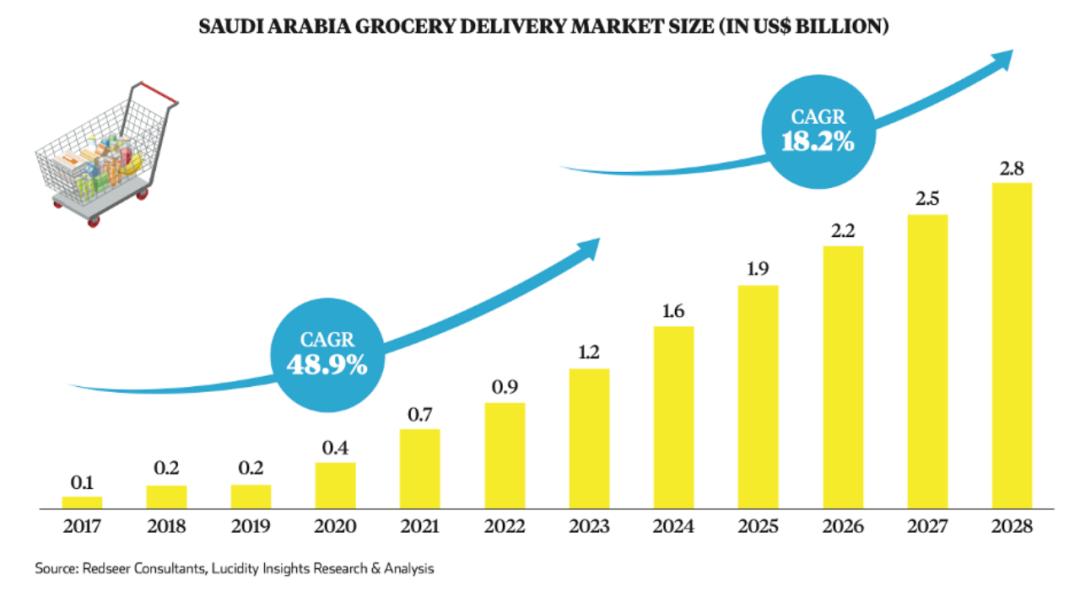
Core Insights - Meituan's subsidiary, Keemart, has officially launched in Saudi Arabia, marking the company's entry into the international market for its "front warehouse + instant retail" business model [1] - The launch of Keemart is part of Meituan's broader strategy to expand its footprint in the rapidly growing instant retail sector, which is expected to see increased competition [1][6] Group 1: Market Entry and Strategy - Meituan's previous experience with its food delivery service, Keeta, in Saudi Arabia has laid a foundation for the launch of Keemart, providing insights into local market conditions and consumer behavior [2][3] - CEO Wang Xing emphasized the company's commitment to deepening its presence in the Saudi market, with Keeta already covering all major cities with populations over one million [4] - Meituan plans to replicate its successful business model in Saudi Arabia and Brazil, viewing both markets as significant growth opportunities [4] Group 2: Market Potential and Competition - Saudi Arabia boasts a high internet penetration rate of 90%, creating a favorable environment for online retail growth [5] - The grocery delivery market in Saudi Arabia is experiencing rapid growth, with a projected compound annual growth rate (CAGR) of 18.2%, expected to reach $2.8 billion by 2028 [6] - The demand for instant delivery services is increasing, particularly among the younger population, which constitutes 63% of the total population [9] Group 3: Competitive Landscape - The instant grocery delivery market in Saudi Arabia is competitive, with local players like Hunger Station and Jahez already established, alongside new entrants like Rabbit Mart [9][14] - Meituan's Keemart will face challenges from both local competitors and other international companies, including Dingdong Maicai, which has also targeted Saudi Arabia for expansion [10][12] - Dingdong Maicai has reportedly shifted its strategy to avoid direct competition with Meituan in the C-end instant retail space due to high operational costs and complex local market dynamics [12][13]

美团王兴谈海外布局:很多人总是说其他市场跟中国市场相比很小,这样说是不公平的
Xin Lang Ke Ji· 2025-05-27 01:17
新浪科技讯 5月27日上午消息,5月26日晚美团发布了2025年第一季度财报,在随后的电话会议上,美 团创始人兼CEO王兴谈及美团海外业务时表示:"沙特外卖业务于去年9月启动,到现在已经有半年多 了,运营状况非常不错,已经在沙特好几个城市开展,业务拓展也会覆盖更多的发达城市。我们已经宣 布进入巴西的计划,承诺在未来五年投入10亿美元支持该项目的发展。" "很多人总是说其他市场跟中国市场相比很小,这样说是不公平的。如果我说,当前全球最大的市场是 中国和美国,大家都同意,但全球还有那么多的国家和地区,如果将海外几个不同的国家和地区的市场 综合起来,应该是比中国和美国的市场要大得多。每个国家的市场,每个的市场都是不同的,我们需要 评估当下机会。长远来看,我们认为可以把成功的经验复制到沙特和巴西,这两个市场也提供了绝佳量 增长机会。总体而言,我们对于全球外卖配送的增长潜力充满有信心,这不仅涉及到餐厅食品的配送, 还涉及到更广泛的配送。"王兴总结道。(罗宁) 责任编辑:杨赐 王兴认为,美团核心的系统能力是应对海外市场竞争的优势所在,"在过去,我们通过深耕国内的餐饮 外卖业务,从零到一建立了支撑我们当前超过6000万日单 ...

外卖骑手真正需要什么样的保障
Di Yi Cai Jing· 2025-05-21 12:38
Core Viewpoint - The article discusses the challenges faced by delivery riders in China regarding social insurance, highlighting the complexities of their employment status and the inadequacies of the current social security system [1][11][13]. Group 1: Social Insurance Challenges - Despite recent policies favoring flexible employment groups, delivery riders still encounter difficulties in accessing social insurance, including challenges in enrollment, transfer, and benefits [1][11]. - The current social insurance system is characterized by inconsistencies, particularly in provincial management, which complicates the transfer of benefits for riders who move across provinces [11][12]. - The mismatch between the short working duration of riders and the long contribution periods required for pension eligibility creates further barriers, leading many to prioritize immediate income over long-term benefits [12][13]. Group 2: Employment and Financial Status of Delivery Riders - As of 2023, there are over 13 million delivery riders in China, with significant representation from platforms like Meituan and Alibaba's Ele.me [8]. - The average monthly income for delivery riders is reported to be 6,803 yuan, which is higher than the average for blue-collar workers, yet many riders face financial instability and debt [9][10]. - A significant portion of riders (62.94%) are in debt, with common reasons including housing, vehicle purchases, and family responsibilities, indicating a need for stable cash flow [10]. Group 3: Need for a Robust Social Security System - The article emphasizes the necessity of a strong social security system to address the financial vulnerabilities of delivery riders, suggesting that government intervention is essential to prevent widespread poverty among the elderly [6][12]. - The lack of financial literacy among riders further complicates their ability to make informed decisions regarding retirement planning, underscoring the importance of a structured social insurance system [4][5]. - The article advocates for reforms in the social security system to better accommodate the unique needs of delivery riders, including nationwide coordination and flexible policies [13].
美团骑手数量背后的社会经济新动向
Sou Hu Cai Jing· 2025-05-20 08:42
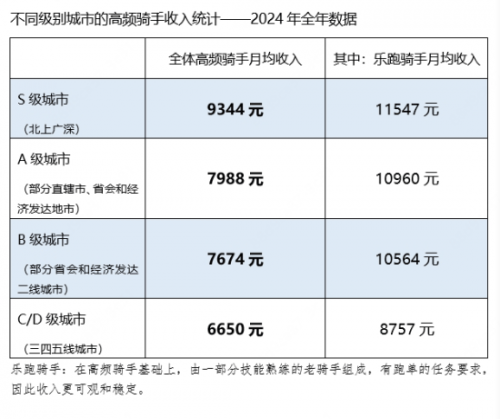
Core Insights - The data from Meituan's delivery riders in 2024 showcases a thriving industry, with an average of 3.36 million active riders per month, forming a large and efficient delivery network essential for urban life [1] Income and Employment Trends - There is a significant income disparity among Meituan riders, which attracts diverse demographics. In first-tier cities, high-frequency riders earn an average of 11,547 yuan per month, while riders in lower-tier cities see a notable income growth, with an average of 8,757 yuan, reflecting a 12% increase from Q3 [1][2] - The overall income of Meituan riders is competitive compared to the average income in their respective cities. For instance, in Guangzhou, the average monthly income of high-frequency riders exceeds the local urban residents' disposable income by 34% [2] Company Initiatives and Social Impact - Meituan has implemented various measures to protect rider rights and stabilize their numbers, including a "fatigue prevention" mechanism to limit working hours and an "overtime no penalty" policy to reduce work pressure [3] - Since July 2022, Meituan has been paying occupational injury insurance for riders in seven pilot provinces, contributing a total of 1.4 billion yuan, with plans to expand coverage [3] - The stable growth in the number of Meituan riders reflects the platform's vitality and social responsibility, creating numerous job opportunities and promoting a positive economic cycle [3]
自动驾驶的大赢家!Uber 的增长之路为何才刚刚起步
美股研究社· 2025-05-12 10:48
Core Viewpoint - Uber has transformed from a company with low profitability and weak unit economics to a profitable entity with a strong growth trajectory, making it an attractive investment opportunity with a valuation of approximately $83 per share [3]. Business Overview - Uber, founded in 2009, has expanded its services to include online food delivery, retail, package delivery, and freight, operating in over 15,000 cities with 171 million monthly active users and an annual order volume of $180 billion [2]. Financial Performance - In 2023, Uber achieved profitability and has been steadily increasing its profit margins while growing revenue at a rate of 20% annually, which has helped it capture market share and innovate its services [3]. Competitive Advantage - Uber's dual-platform model for ride-hailing and delivery creates a significant competitive edge, allowing drivers to maximize their income potential through multiple revenue streams [4]. - The interoperability of Uber's services enhances user experience and loyalty, with multi-product consumers spending 3.4 times more than single-product consumers [5]. Operational Efficiency - Uber's scale and user liquidity contribute to operational efficiencies, allowing the company to share economic benefits with drivers and customers, thus improving profitability [6]. - The company has a lower commission rate compared to competitors like Lyft, which positions it favorably in terms of value creation for drivers and passengers [6]. Cost Management - Uber is implementing technology initiatives to reduce insurance costs, which are significant for ride-hailing and delivery platforms, thereby improving gross margins [7]. - The introduction of the Uber One subscription service has led to increased customer loyalty and transaction frequency, with subscribers spending three times more than non-subscribers [8]. Advertising Revenue - Uber's advertising business, launched in 2022, is expected to enhance profitability, with a projected revenue run rate of $1.5 billion and a gross margin of at least 70% [9]. Autonomous Vehicles (AV) Impact - The rise of autonomous vehicles presents both a threat and an opportunity for Uber, as it may face competition from AV operators but also has the expertise in fleet management that is crucial for AV commercialization [10][11]. - Uber's extensive user base provides a significant market for AV operators, ensuring fleet utilization and maximizing revenue potential [12]. Market Valuation - Compared to global competitors, Uber's stock appears undervalued, with a price-to-free cash flow ratio that is 30% lower than its peers for 2025, suggesting strong growth prospects and a dominant market position [15].


Uber 第一季度财报揭示了市场仍未理解的事情
美股研究社· 2025-05-08 10:32
作者丨 Julia Ostian 编译 | 华尔街大事件 Uber ( NYSE: UBER )的 2025年第一季度业绩报告 在市场引发强烈反应,其股价在盘前交易 中下跌逾4%。 Uber 公布的 营收为 115.3 亿美元,略低于 116.2 亿美元的市场预期。但坏消息也仅此而已。其 他方面都好于预期。每股收益为 0.83 美元,超出预期 60% 以上。调整后息税折旧摊销前利润 (EBITDA) 达到创纪录的 19 亿美元(同比增长 35%),自由现金流超过 23 亿美元。Uber 的净 现金也首次转为正值,从一年前的负 11 亿美元转为正值 4.01 亿美元。 此外,首席执行官达拉·科斯罗萨西强调,公司不满足于"良好",而是追求"卓越",并指出本季度 业绩表现强劲,包括新品发布、合作伙伴关系拓展以及创纪录的利润率。团队并未对收入未达预 期的情况辩解,而是强调了持续的出行增长、高用户参与度以及强劲的国际扩张。首席财务官普 拉尚特·马亨德拉-拉贾(Prashant Mahendra-Rajah)明确阐述了公司的优先事项:在不牺牲自动 驾驶汽车、外送和全球市场增长投资的情况下,推动利润率的可持续增长。 除其他 ...

优步UBER
2025-05-07 15:20
Summary of Uber's Q1 2025 Earnings Call Company Overview - **Company**: Uber Technologies, Inc. (UBER.US) - **Date**: May 7, 2025 Key Points Financial Performance - Uber reported a strong Q1 2025 performance with total bookings and trip volume both increasing, adjusted EBITDA reached $1.9 billion, a 35% year-over-year increase, and free cash flow hit a record $2.3 billion [1][2] - Monthly active users grew by 14% to 170 million, with trip volume increasing by 18% and global retention rates at an all-time high [2] Autonomous Vehicle Initiatives - Uber partnered with Waymo to deploy approximately 100 autonomous vehicles in Austin, achieving high utilization rates and positive consumer feedback, with average usage exceeding 99% compared to human drivers [3][4] - Plans to expand the autonomous vehicle fleet in Austin and other regions like Atlanta are underway [4] Pricing Strategy and Market Dynamics - Uber observed that price elasticity remains similar to past trends, where a $1 price increase negatively impacts transaction volume, but consumers are adapting to stable pricing [5] - The competitive landscape in the U.S. ride-hailing market is intense, with competitors like Bolt and DK&D in international markets, yet Uber maintains a leading position [6] Growth Outlook - Uber anticipates stronger revenue and profitability growth in Q2 2025, setting a solid foundation for the peak season in the second half of the year [7] - The company is focused on providing high-quality services and has established clear strategies and ambitious goals for future growth [7] Delivery Business Performance - The gross margin for Uber's delivery business expanded to 3.7%, a 70 basis point increase year-over-year, driven by advertising revenue and economies of scale [3][10] - The delivery business showed strong profitability with a contribution margin of 9% in Q1, indicating robust growth potential in grocery and retail sectors [10] Insurance Costs and Innovations - Uber expects moderate increases in insurance costs in 2025 but aims to alleviate cost pressures through innovations and policy adjustments [3][11] - The company is implementing driver behavior scoring to enhance safety and reduce insurance costs, with positive feedback received [11] Macro Economic Environment - The macroeconomic environment has not shown significant changes in audience growth, maintaining a stable frequency of service usage [12][13] - Uber's diverse service categories, including dining and transportation, are less affected by macroeconomic uncertainties [13] International Market Developments - In Europe, Uber has achieved a leading position in the UK food delivery market through organic growth, with France and Germany identified as key markets for future expansion [16] Emerging Market Opportunities - Sparse mobility markets present growth opportunities for Uber, with 20% of trips now coming from these areas, which are growing faster than urban core markets [18][19] - Uber plans to launch hundreds of new cities by 2025, focusing on achieving sustainable profitability in these markets [18] Future of Autonomous Driving - The autonomous driving sector is evolving, with companies like Waymo leading the way, and Uber is collaborating with various partners to develop and deploy autonomous technologies in Europe [11][15] Conclusion - Uber's strategic focus on enhancing service quality, expanding autonomous vehicle initiatives, and navigating competitive pressures positions the company for continued growth and profitability in the evolving mobility landscape [7][19]
着力提升城市社区治理效能丨如何实现新就业群体与城市的双向奔赴
He Nan Ri Bao· 2025-05-01 23:57
Group 1 - The rapid development of new employment sectors such as express logistics and food delivery has made riders an important force in serving citizens and assisting grassroots governance [1] - The province aims to transform new employment groups from "governance objects" to "governance subjects" by establishing "warm stations" to address their urgent needs and innovate grassroots governance models [1][2] - Over 1,600 "warm stations" have been established across the province, providing essential services and facilities to support new employment groups [2] Group 2 - The "Warm e-Station" initiative in Zhengzhou provides a comprehensive activity space for riders, including rest areas, psychological counseling, and legal assistance [3] - The province is addressing the "last mile" delivery challenges faced by riders, such as parking difficulties and access issues in residential areas, by creating "rider-friendly communities" [4][5] - Initiatives like the "rider-friendly community" pilot program in Jiaozuo aim to improve service efficiency and provide benefits to riders through partnerships with local businesses [4][5] Group 3 - Riders are being integrated into grassroots governance as "mobile grid members," enhancing community safety and efficiency in reporting issues [6][7] - The initiative in Luoyang and other cities employs riders to report safety hazards and improve community governance, fostering a sense of recognition and trust [7]
全国首份网约配送算法和劳动规则协议在上海诞生 饿了么逐步取消外卖“超时扣罚”
Jie Fang Ri Bao· 2025-04-27 01:30
Core Viewpoint - The signing of the "2025 Annual Ele.me (Shanghai) Delivery Algorithm and Labor Rules Agreement" marks a significant step towards improving the working conditions and compensation for delivery riders, addressing their concerns about pay, working hours, and algorithm transparency [1][2][4]. Group 1: Agreement Highlights - The agreement ensures that the comprehensive hourly wage for delivery riders will not be less than 25 yuan under normal working conditions [2][4]. - It aims to gradually eliminate penalties for exceeding delivery time, thereby reducing the anxiety of delivery riders regarding time constraints [1][2]. - New features will be introduced, such as a "self-selected rest reminder" function, allowing riders to choose their preferred rest periods [1]. Group 2: Algorithm Transparency and Optimization - The agreement emphasizes the need for transparency in the calculation of delivery fees, with plans to establish a public section on the platform to explain the algorithm's principles and optimization processes [3]. - The platform will optimize the pricing algorithm to increase the weight of challenging deliveries, such as those involving heavy or oversized items, and improve the automatic subsidy feature for adverse weather conditions [2][4]. Group 3: Safety and Labor Protection - The agreement includes provisions to enhance safety by increasing the importance of dynamic factors like traffic control and weather warnings in the dispatch algorithm [4]. - It sets limits on working hours, ensuring that delivery riders do not work more than 11 hours a day and mandating breaks after four consecutive hours of work [4]. Group 4: Community Engagement and Support - The conference involved various stakeholders, including merchants, consumers, and community representatives, to discuss issues related to delivery time estimation and path management [6]. - A new service called "Tap to Open" has been introduced, allowing riders to quickly gain access to buildings, addressing the common issue of delivery access [6]. Group 5: Government and Platform Collaboration - The Shanghai government is actively promoting the protection of new employment forms, encouraging collaboration among government, platforms, and labor unions to enhance algorithm governance and worker rights [7].